 Attractions
  Hotel
Hotel  Restaurant
  Shopping
  Abroad





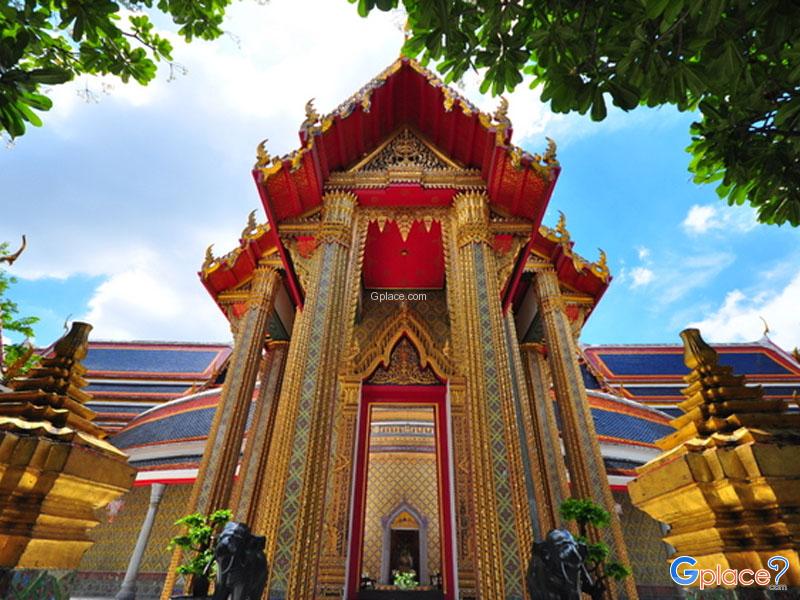

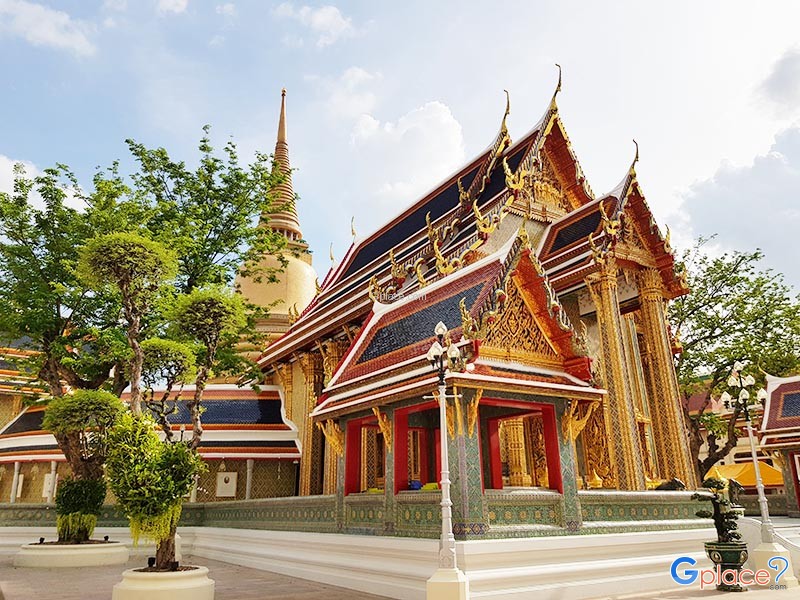
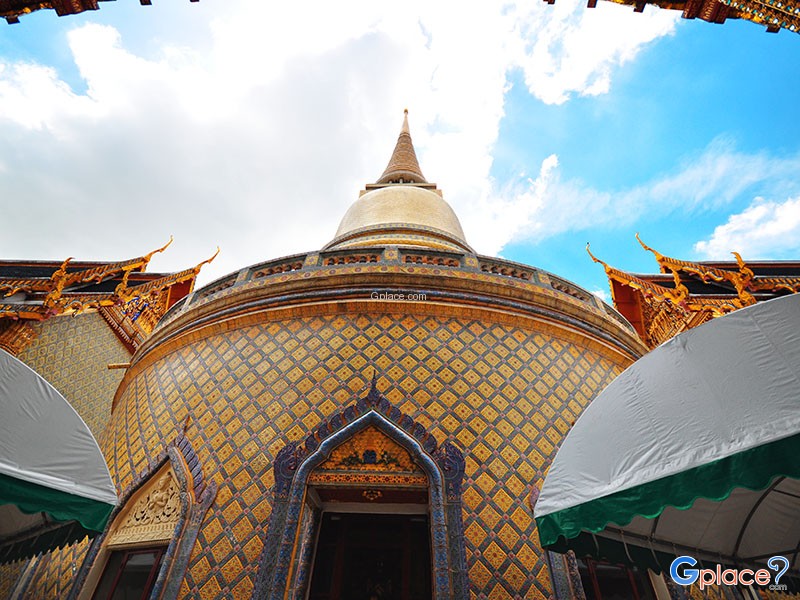
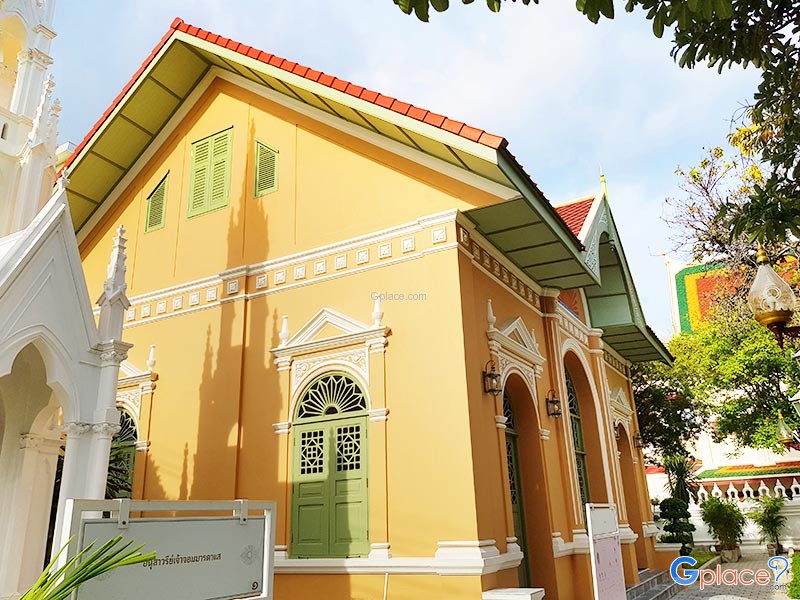
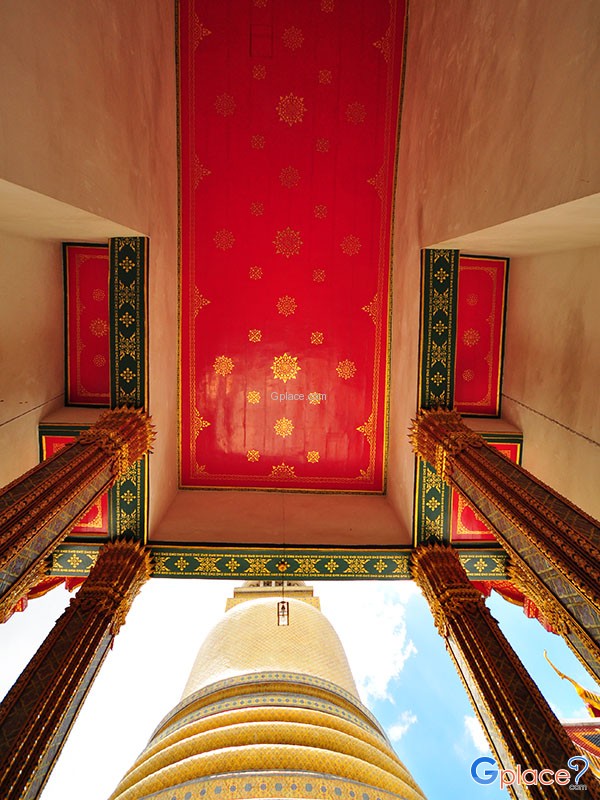
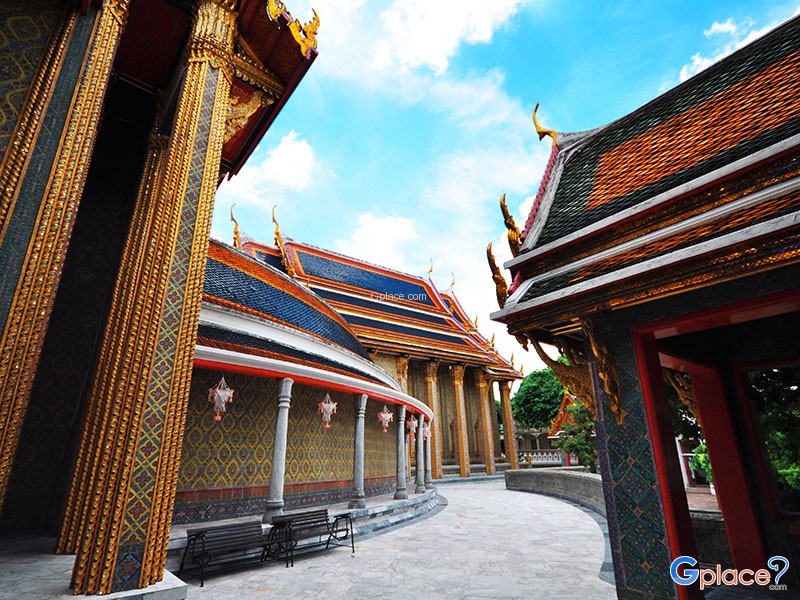
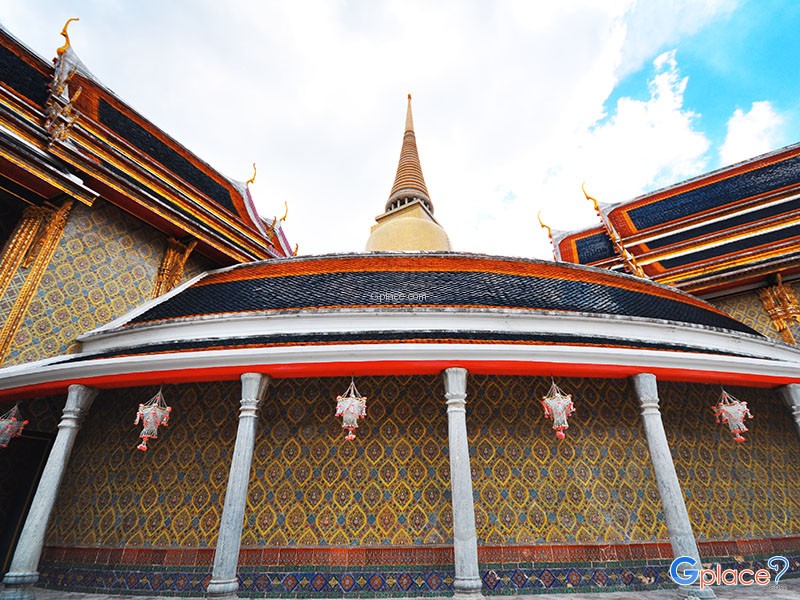
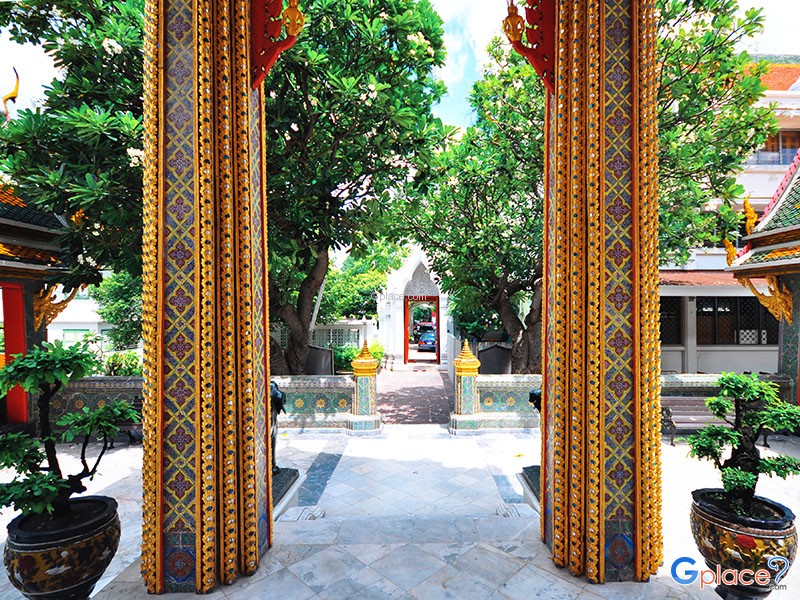
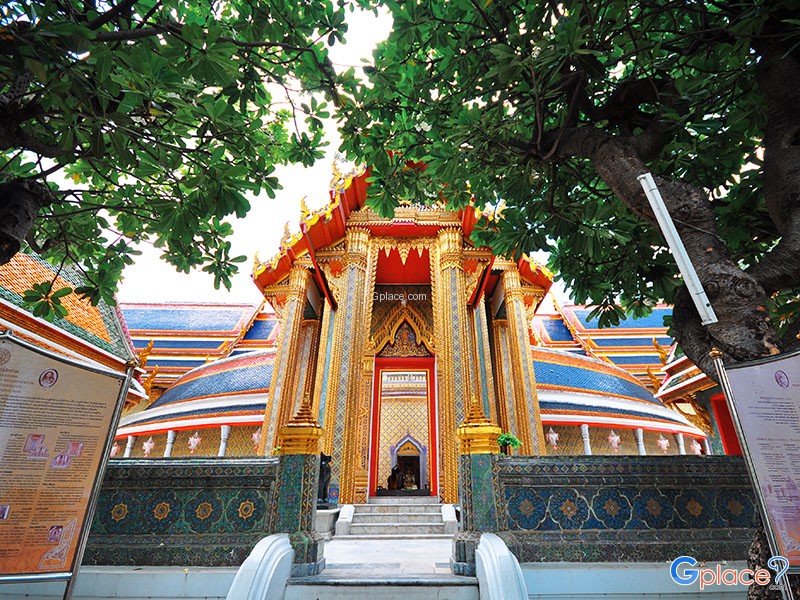
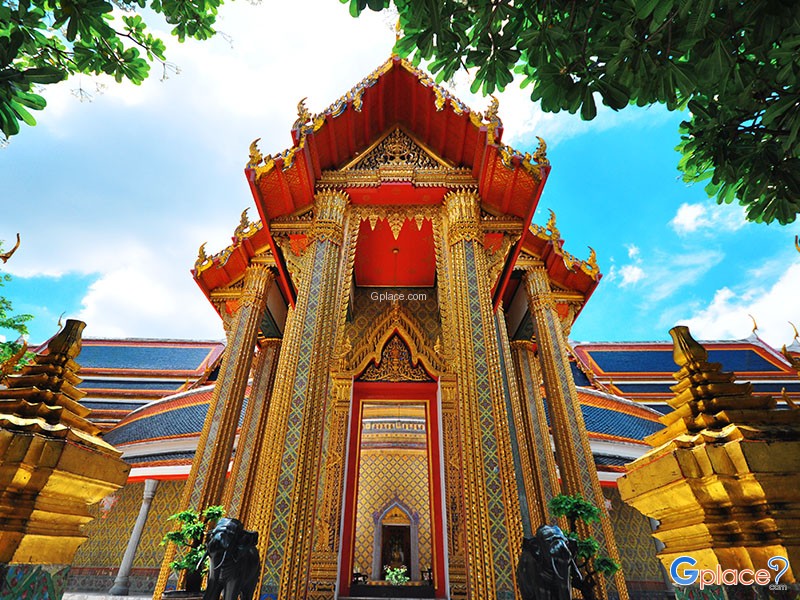
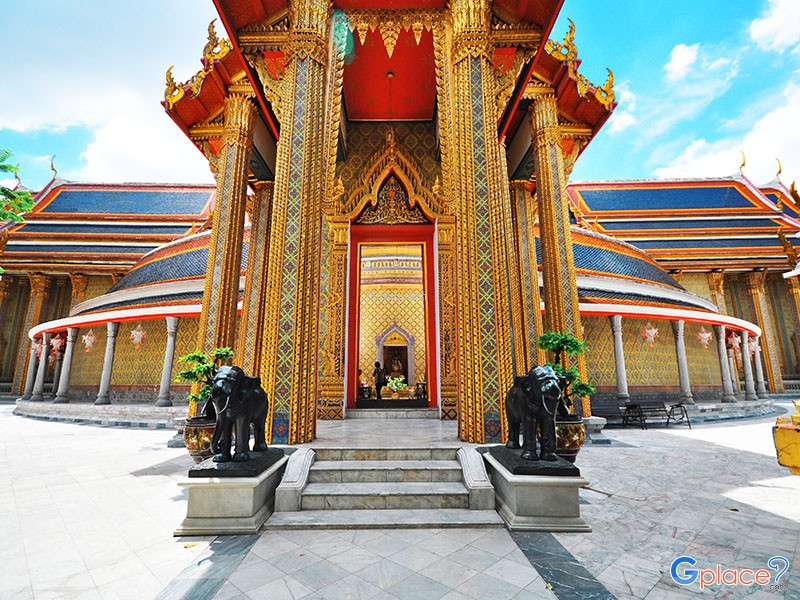
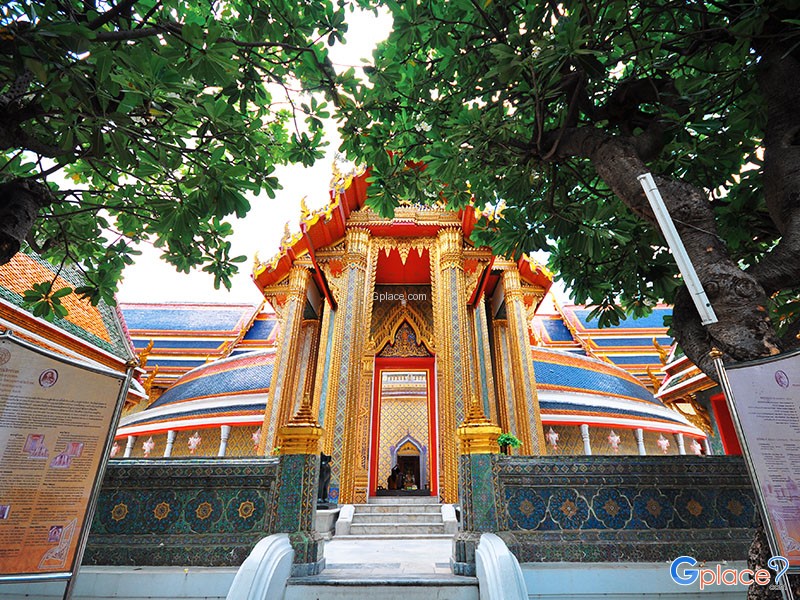
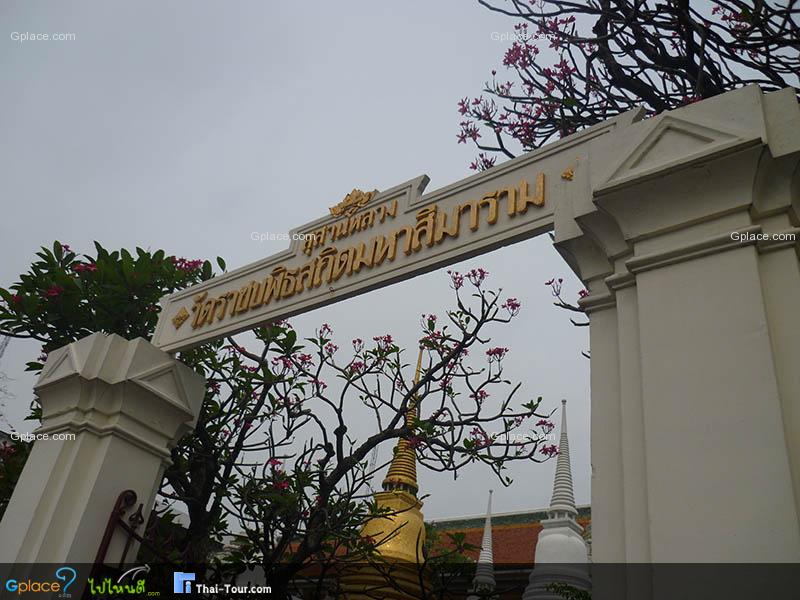
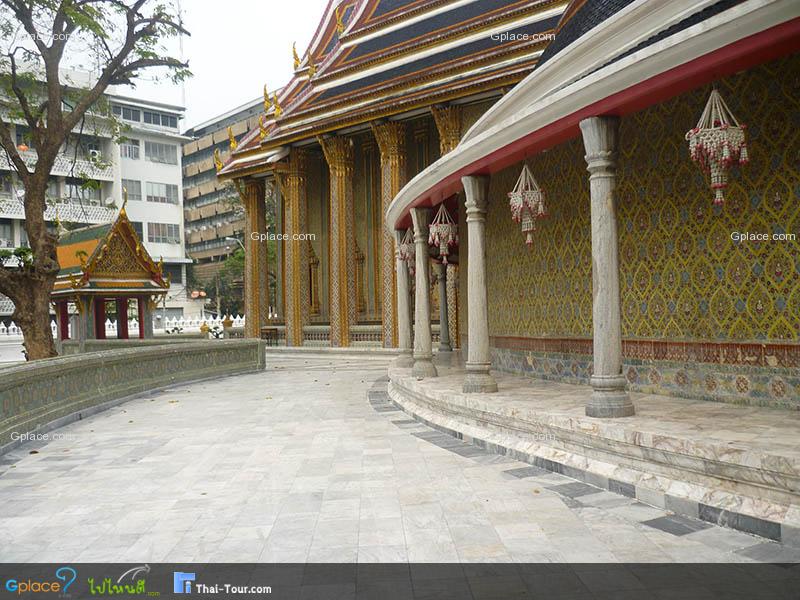
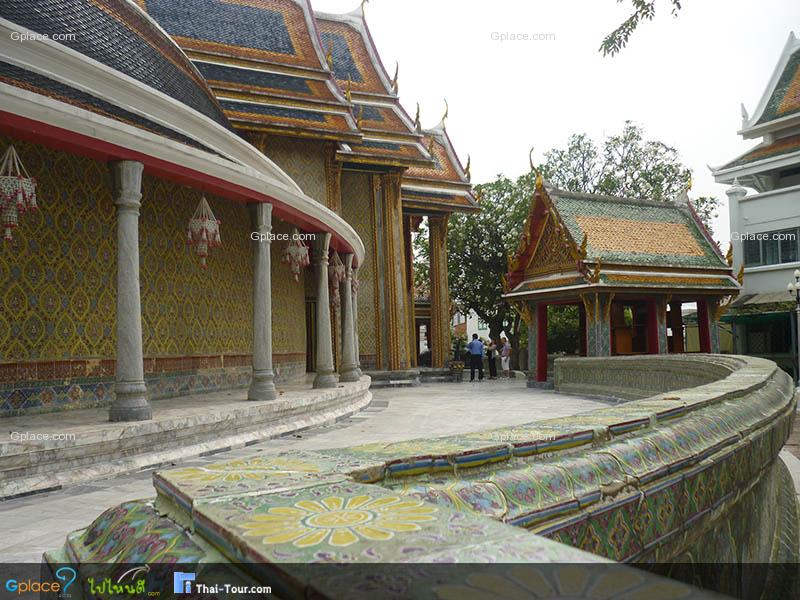
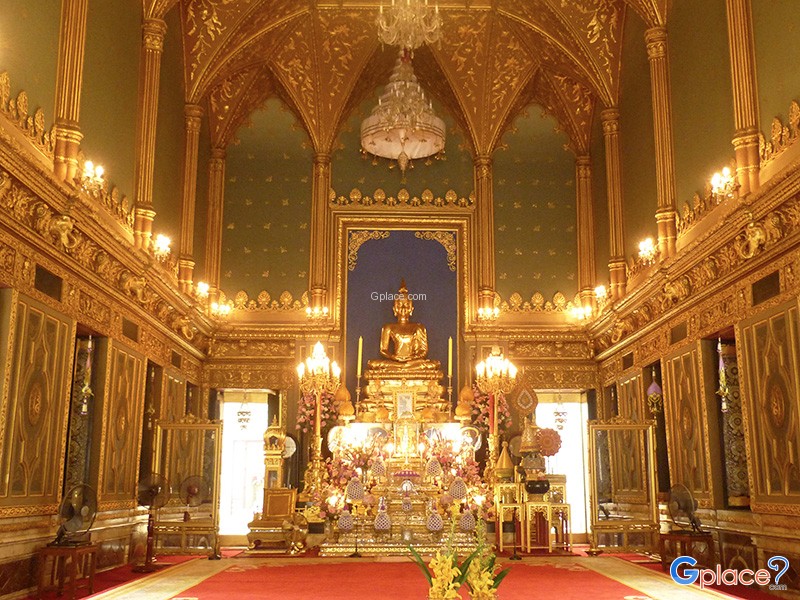
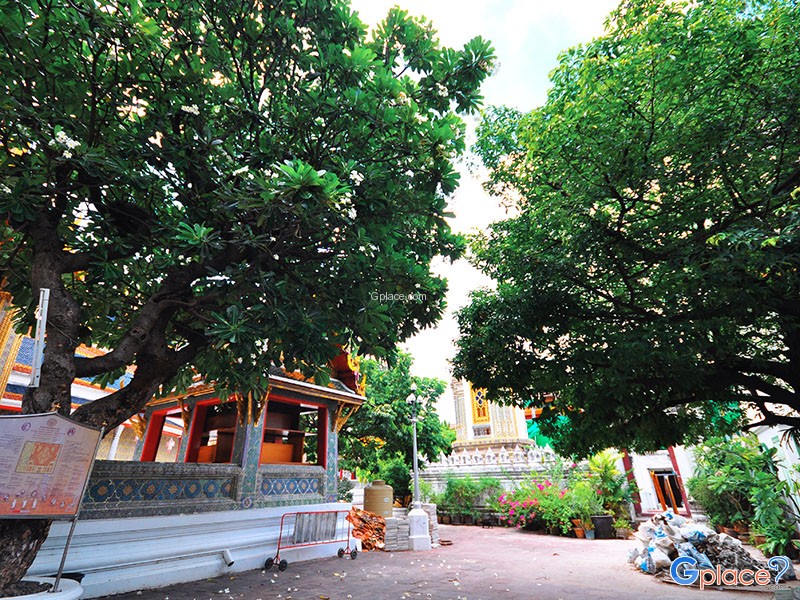
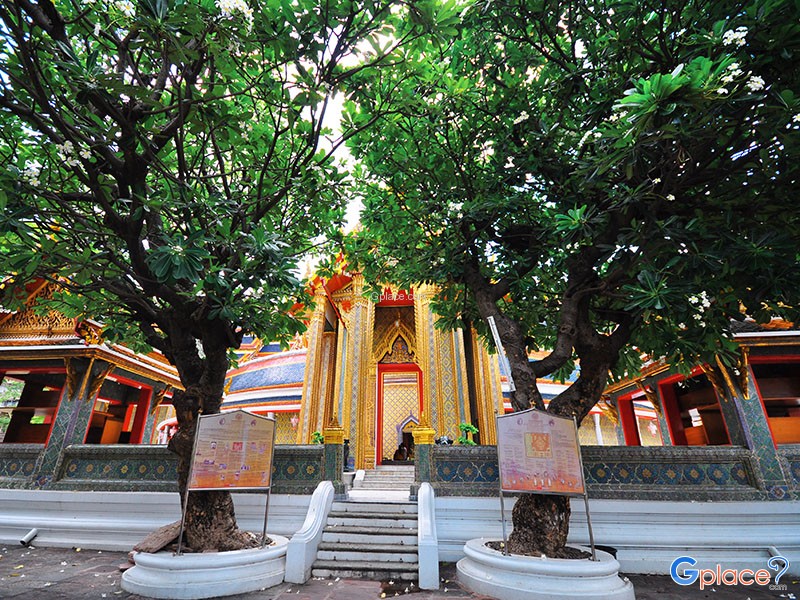
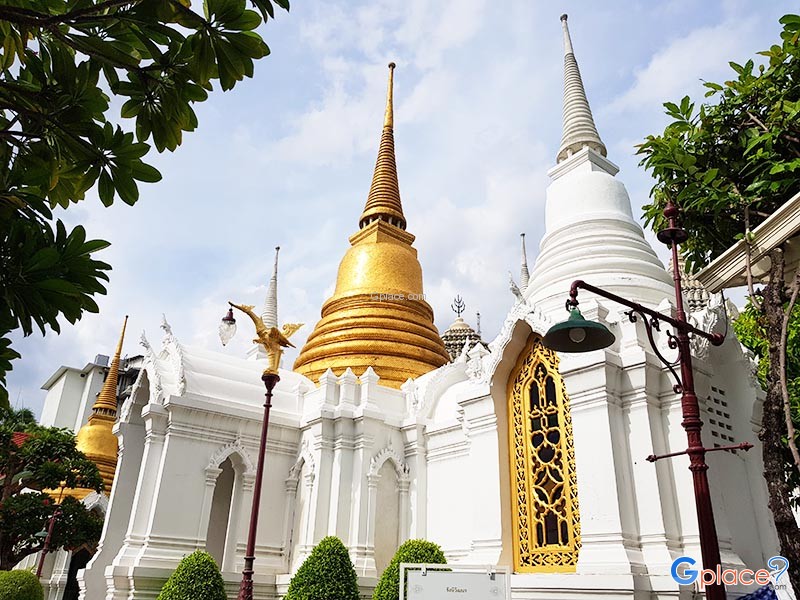
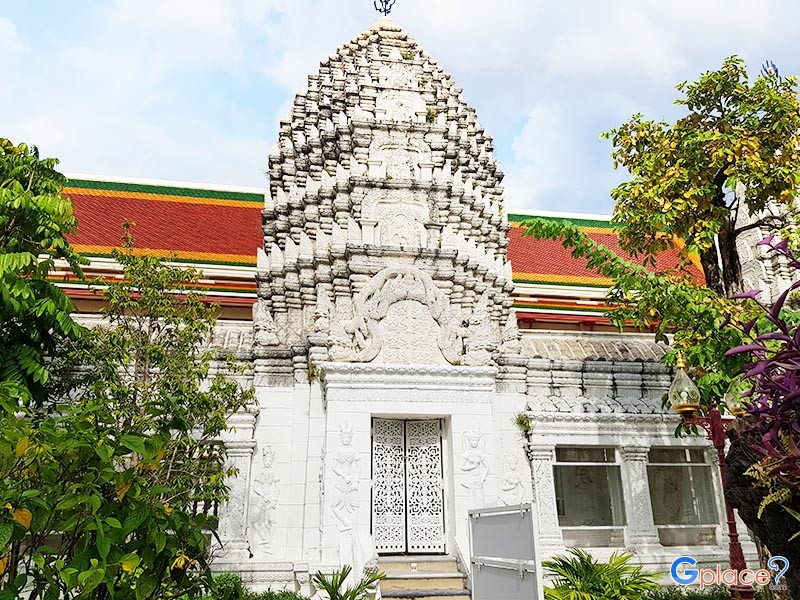
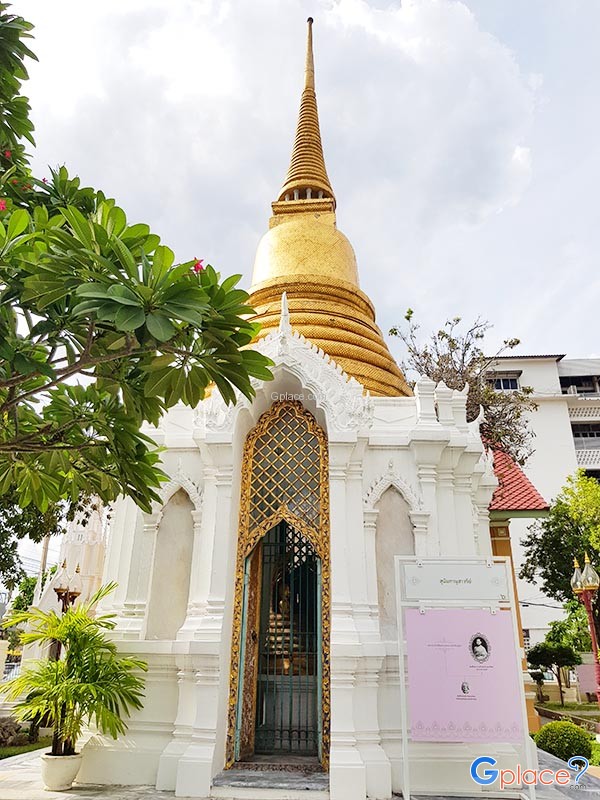
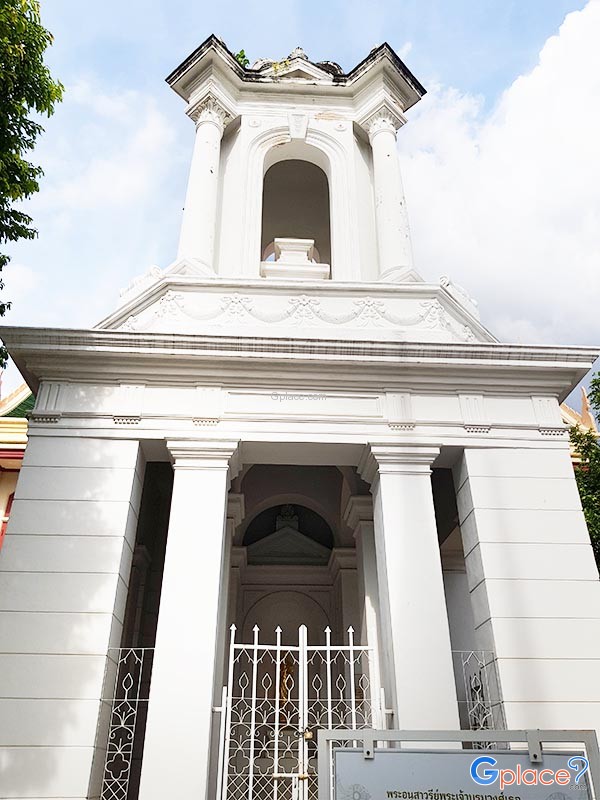
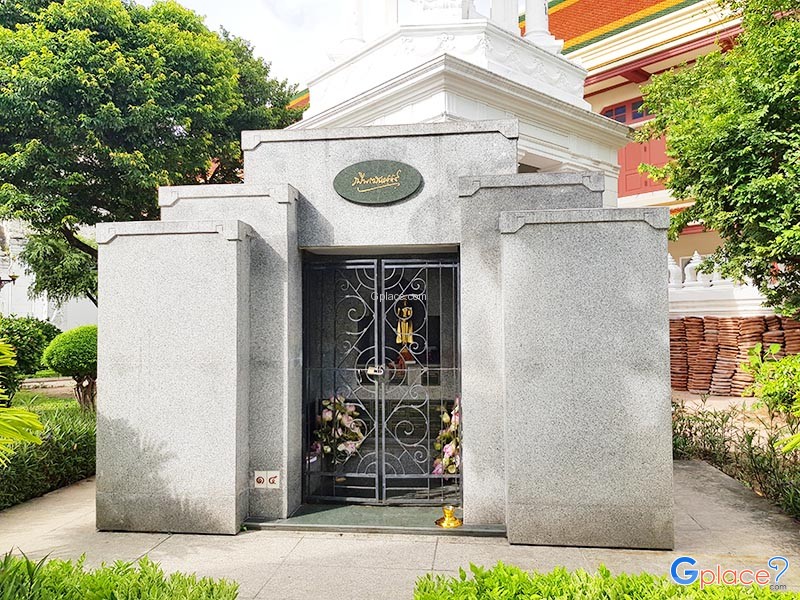

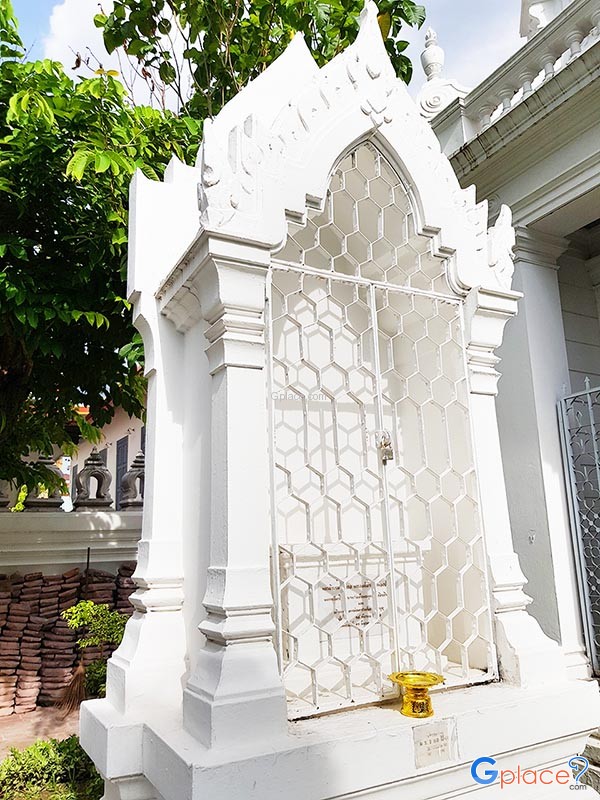
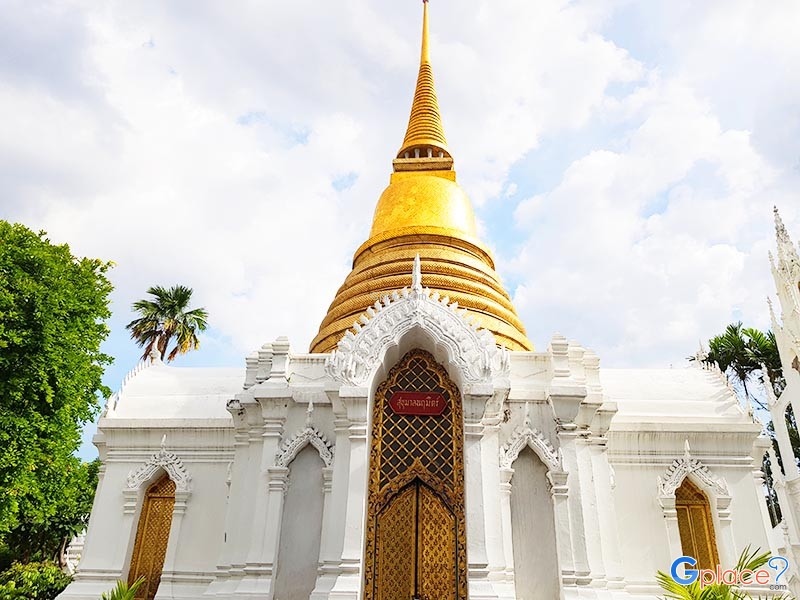
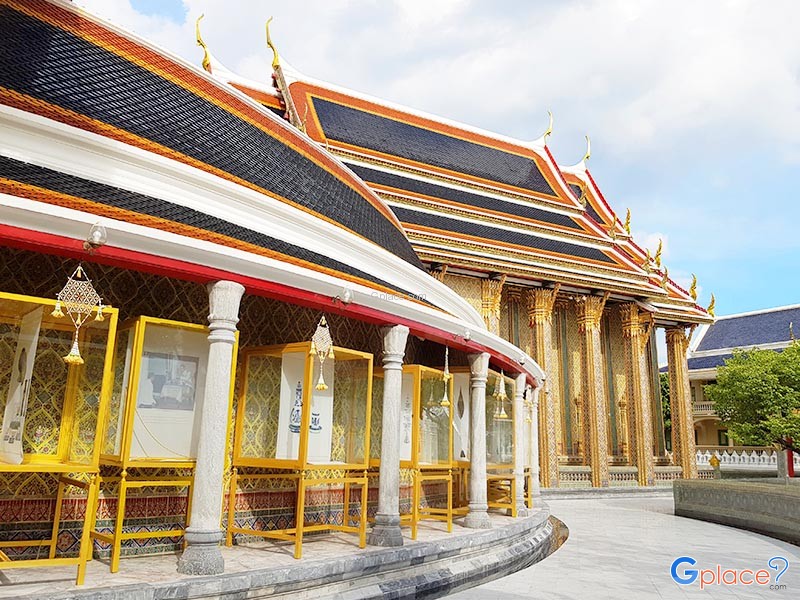
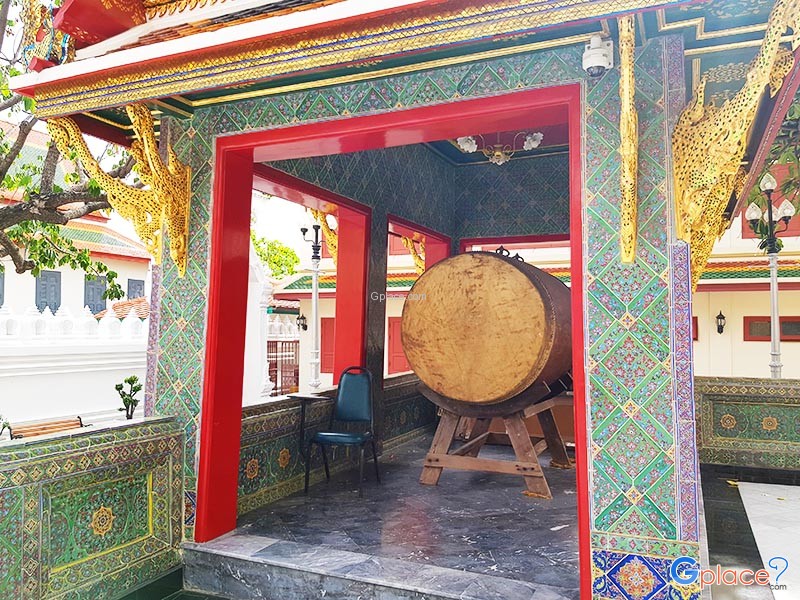
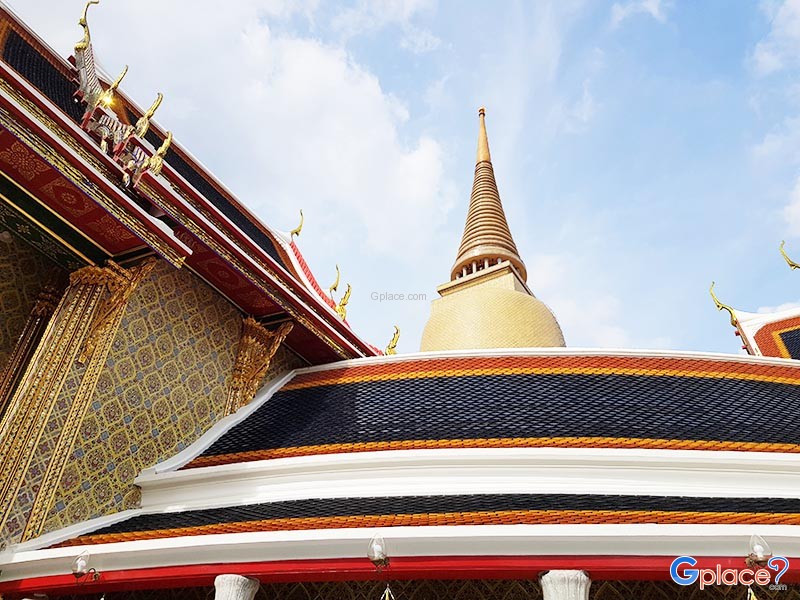
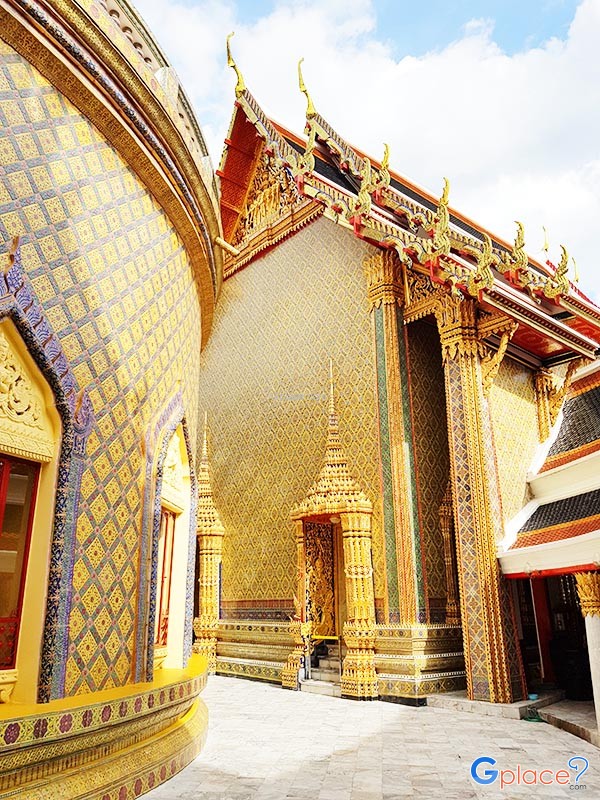
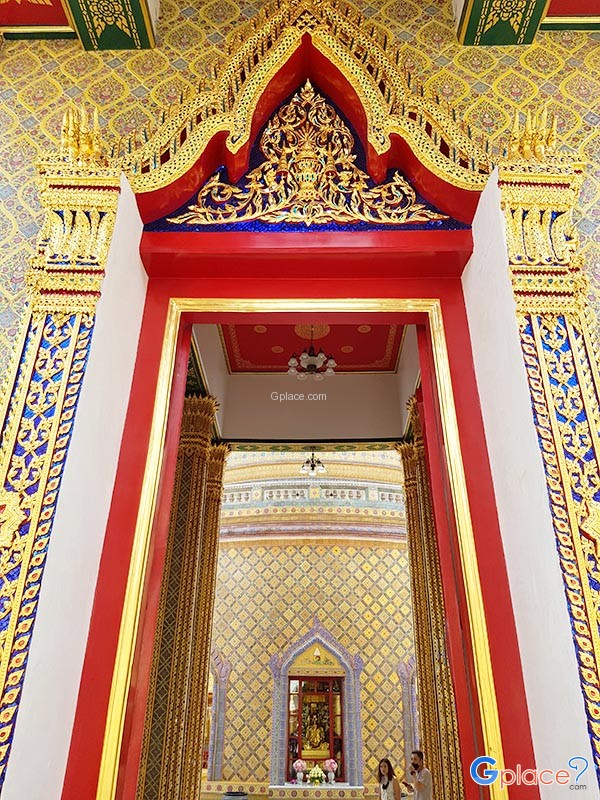
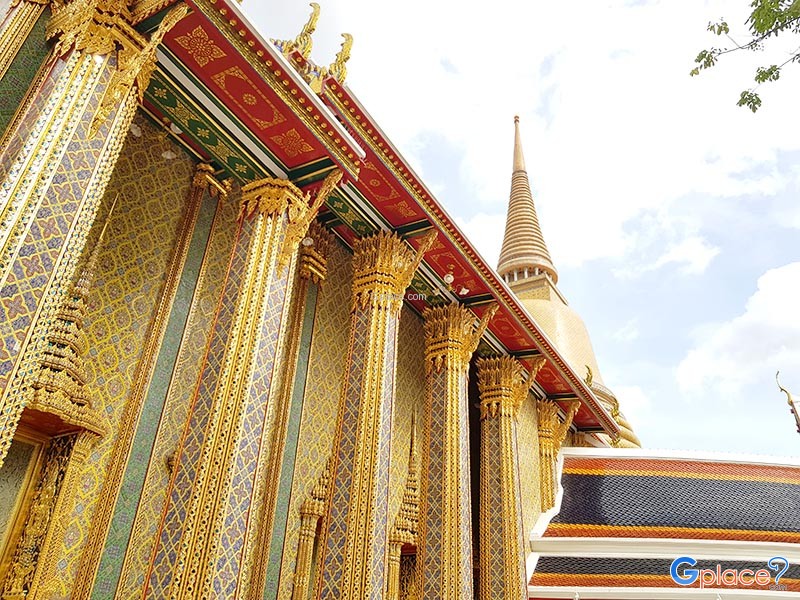

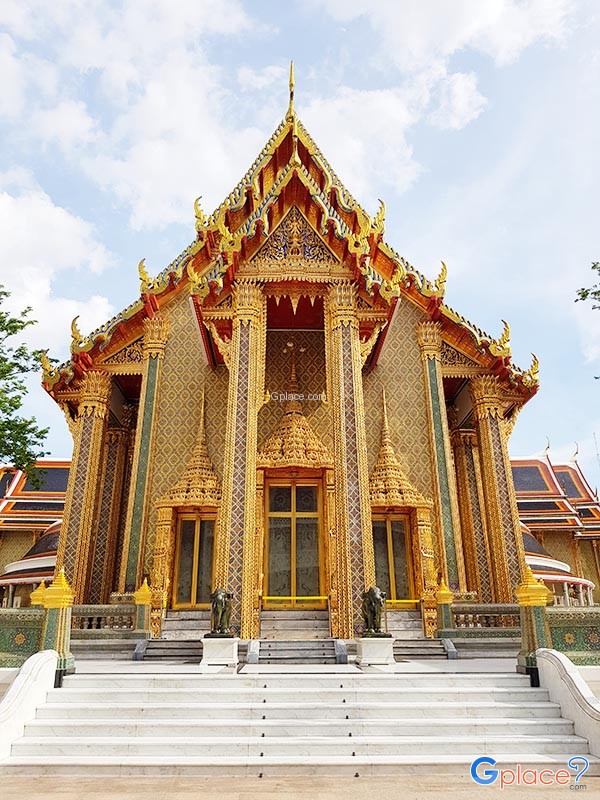
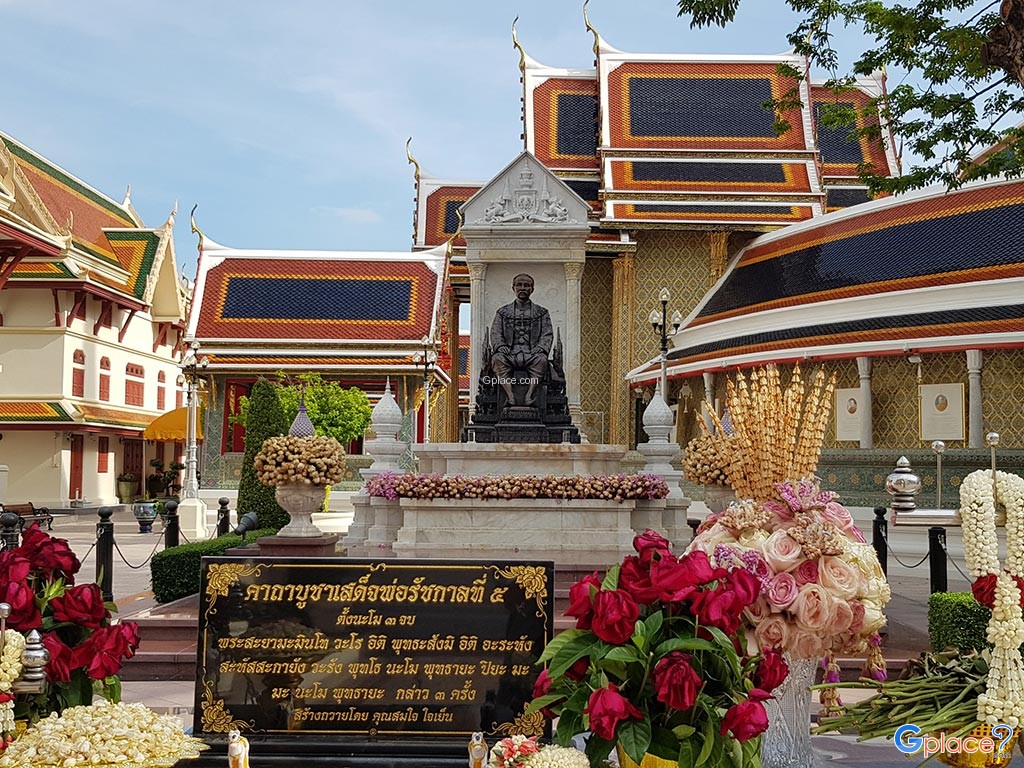
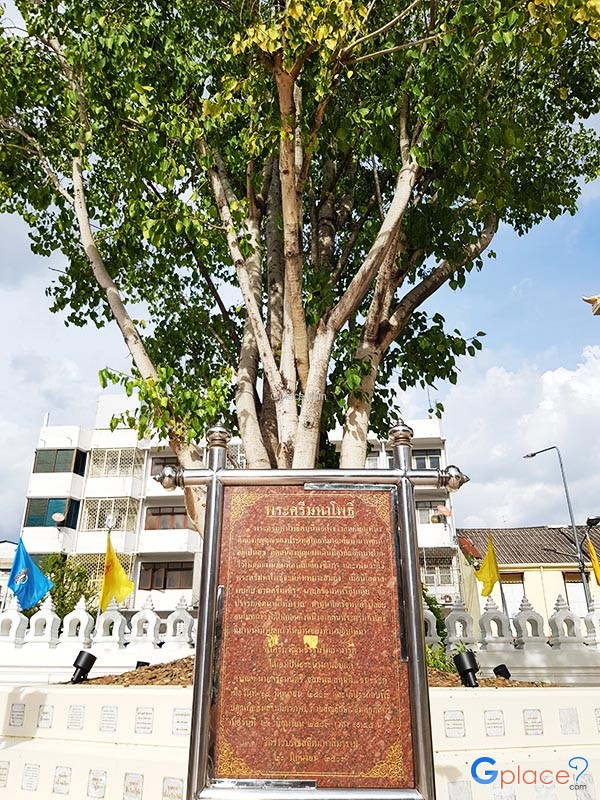
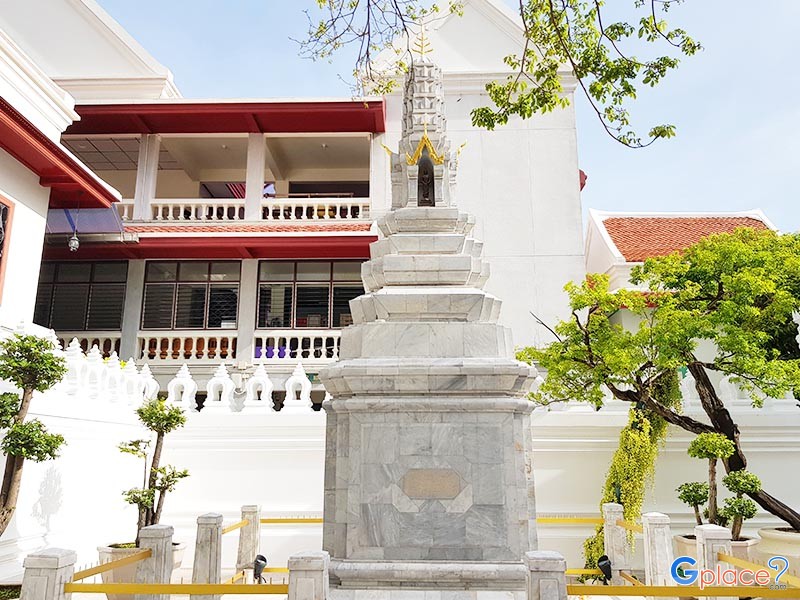

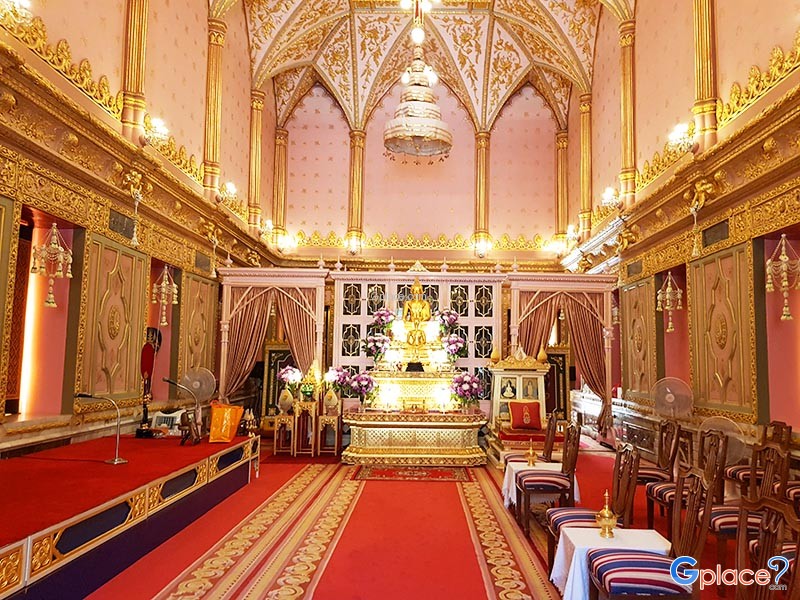
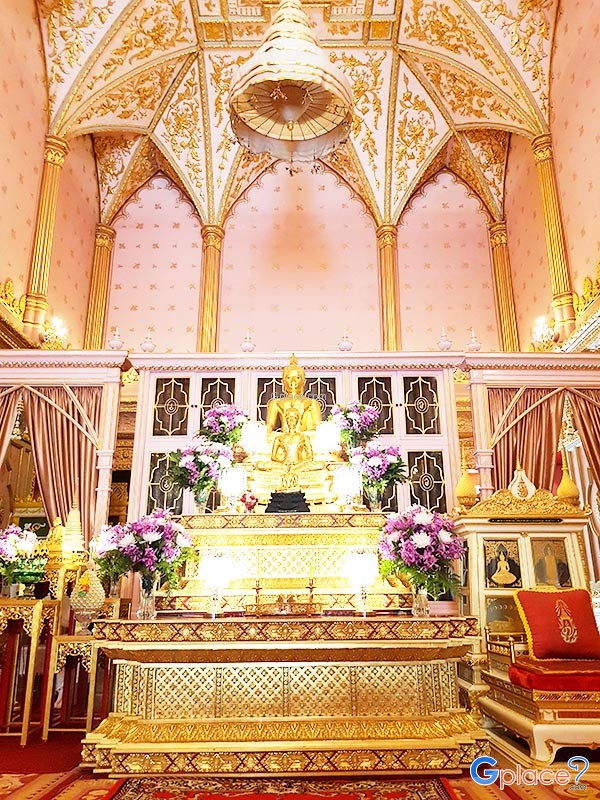
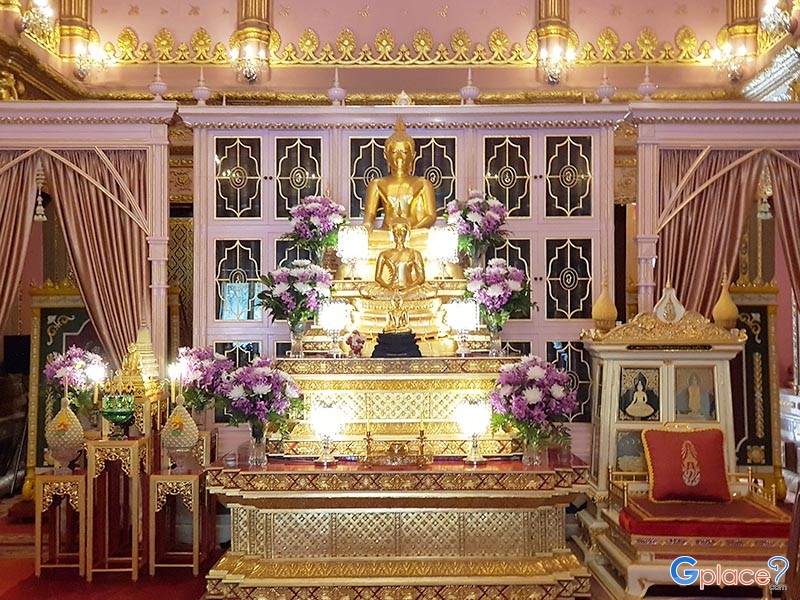
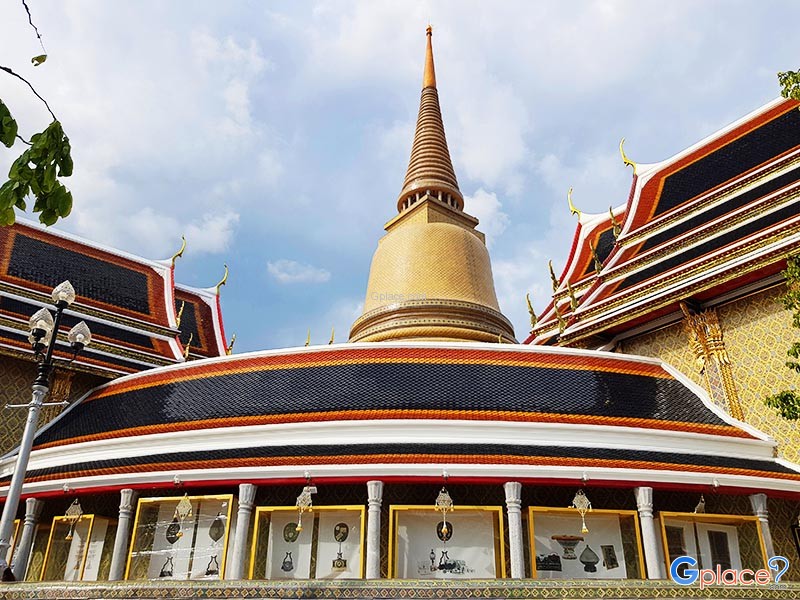
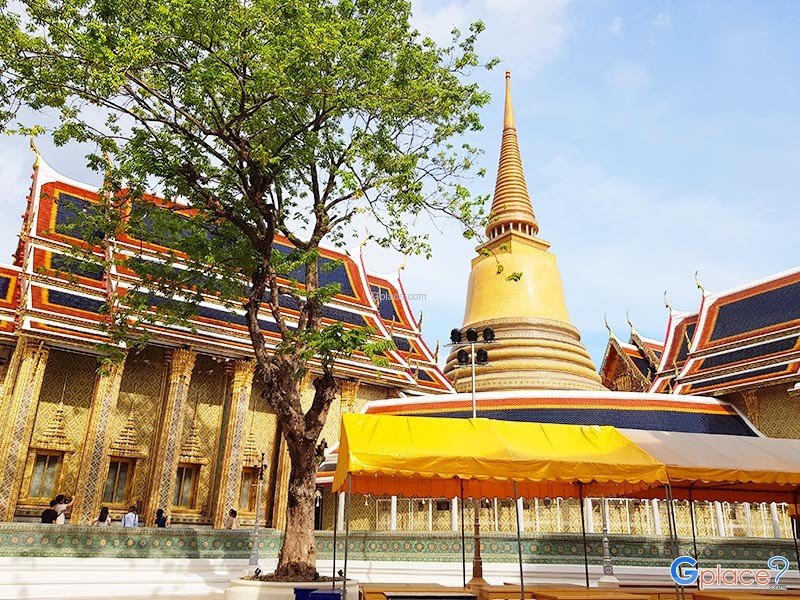

“Marvel at the hybrid architecture featuring a traditional Thai exterior adorned with multicolored Benjarong tiles, while the interior of the main chapel is opulently decorated in a Gothic Revival style, reminiscent of European palaces.”
Ratchabophit Sathitmahasimaram Temple Sathit Maha Simaram is one of the most architecturally distinctive royal temples in Bangkok. It was commissioned in 1869 by King Chulalongkorn (Rama V) as his reign temple, symbolizing Siam’s transformation during a period of modernization and increasing engagement with the Western world.
The temple’s name roughly means “The Monastery Established by the King within the Great Sacred Boundary,” reflecting its royal foundation and high ecclesiastical status. It has also served as the residence of several Supreme Patriarchs of Thailand, including the current Supreme Patriarch, Ariyavongsagatanana, underscoring its central role in Thai Buddhist administration.
A Unique Architectural Layout
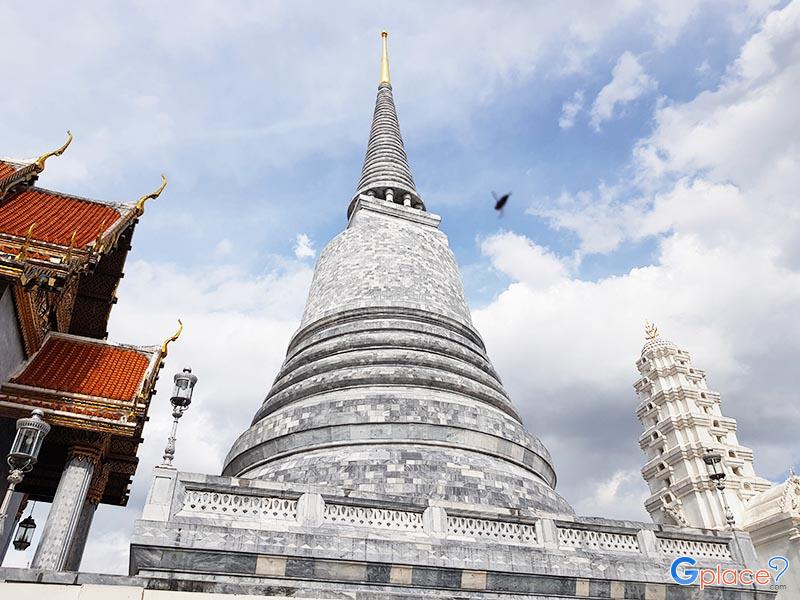
What makes Wat Ratchabophit truly exceptional is its centralized layout—unlike most traditional Thai temples. At the heart of the complex stands a magnificent bell-shaped Phra Maha Chedi, symbolizing Mount Meru, the cosmic center in Buddhist cosmology.
Encircling the chedi is a circular cloister that seamlessly connects the ordination hall (ubosot) and the viharn (assembly hall). This harmonious design reflects both cosmological symbolism and architectural innovation.
The exterior of the chedi and surrounding structures is lavishly decorated with multicolored Benjarong porcelain tiles, intricately patterned with floral and Thai motifs. The brilliance of these glazed ceramics gives the entire temple the appearance of a jewel set in the historic heart of Bangkok. The craftsmanship represents some of the finest artistic achievements of the Rattanakosin period.
East Meets West Inside the Ordination Hall
Upon entering the ordination hall, visitors experience a dramatic shift in atmosphere. While the exterior remains distinctly Thai, the interior reveals strong European influence, particularly in the Gothic Revival style. The high vaulted ceiling, adorned with gold patterns against deep blue tones, evokes the ambiance of a grand European cathedral.
This fusion reflects King Chulalongkorn’s progressive vision: to modernize Siam while preserving its cultural and religious foundations. The result is a rare and harmonious blend of Eastern and Western artistic traditions.
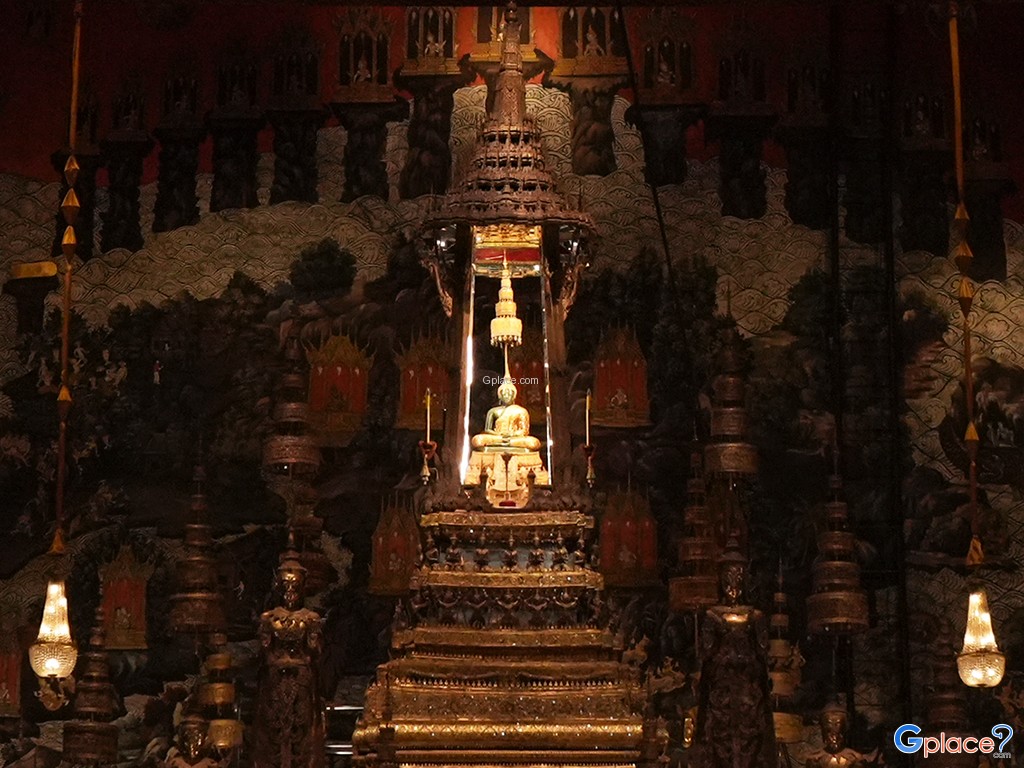
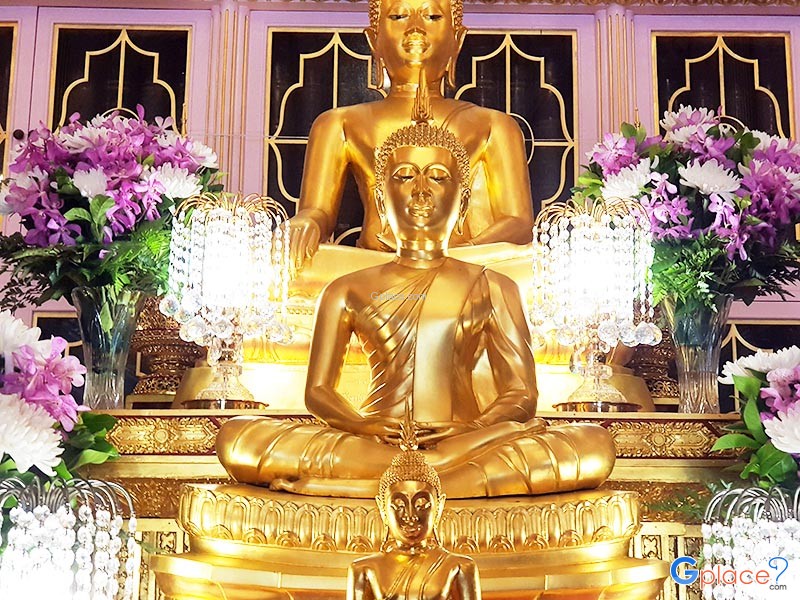
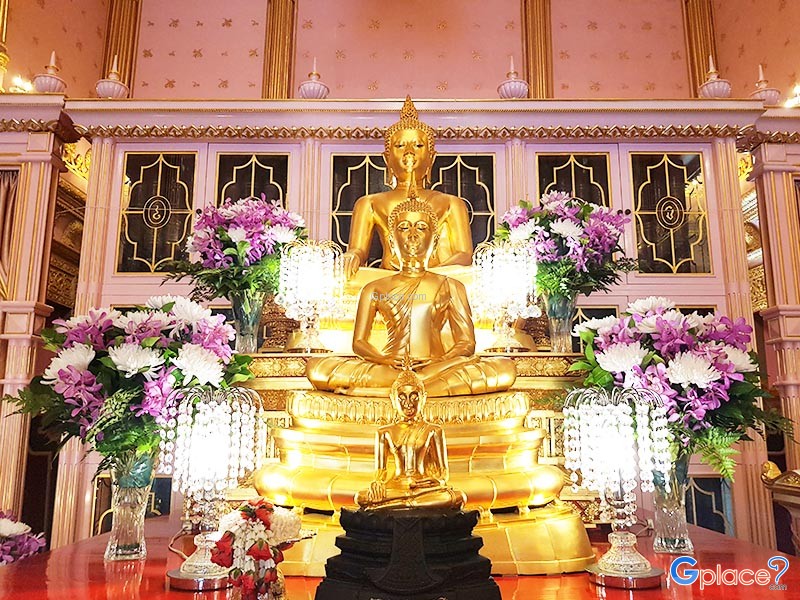
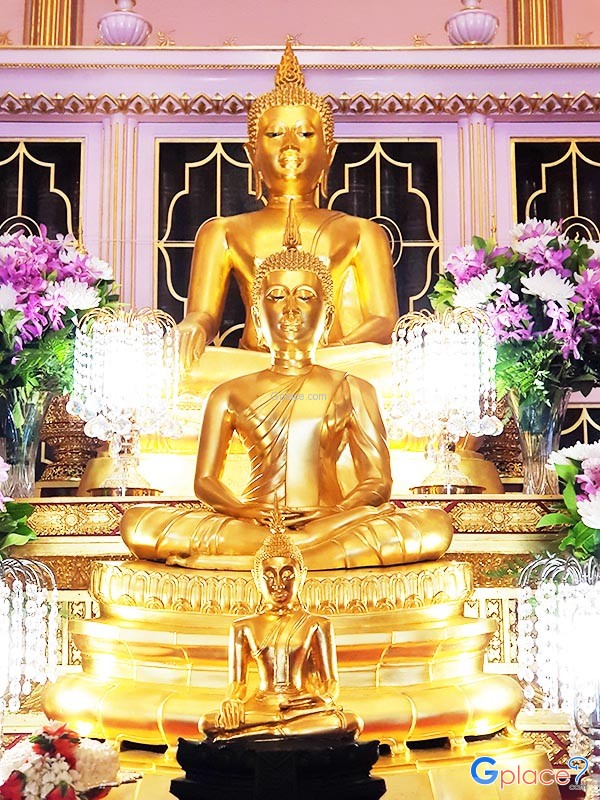
Inside the ubosot are revered Buddha images, including:
-
Phra Buddha Nirantarai, a sacred Buddha image associated with royal protection
-
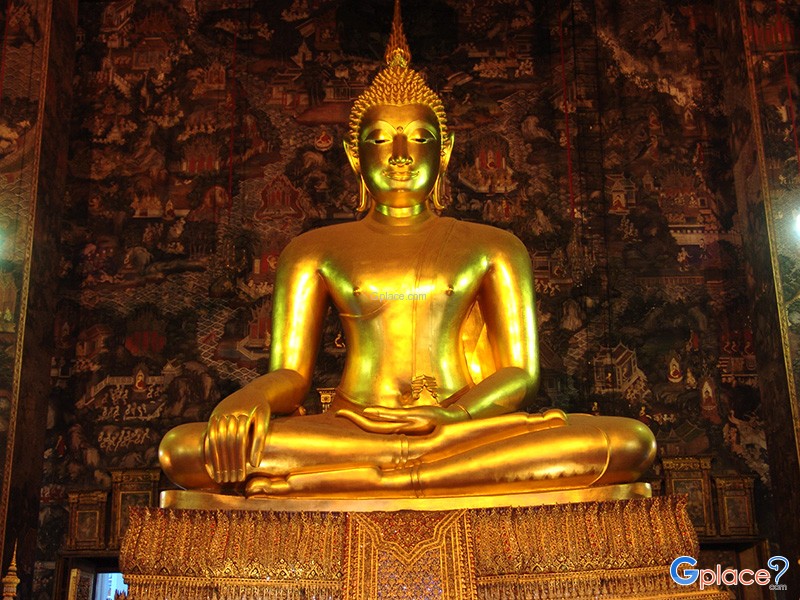
Phra Buddha Phang Chai, the principal Buddha image of the ordination hall, serene and dignified in presence
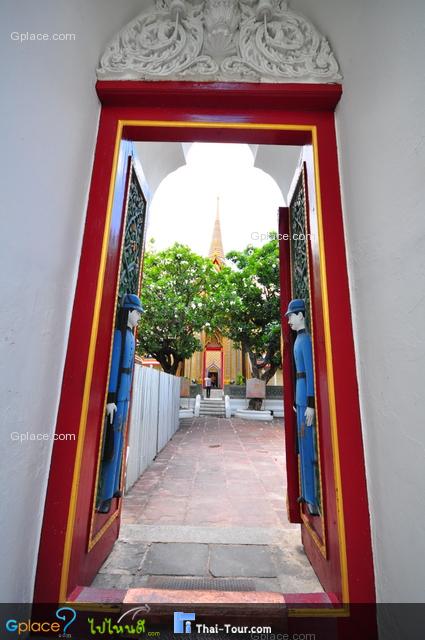
The doors and windows are exquisitely carved with royal insignia and decorations representing various royal orders, symbolizing the close bond between the Thai monarchy and Buddhism.
The Royal Cemetery: A Garden of Memory
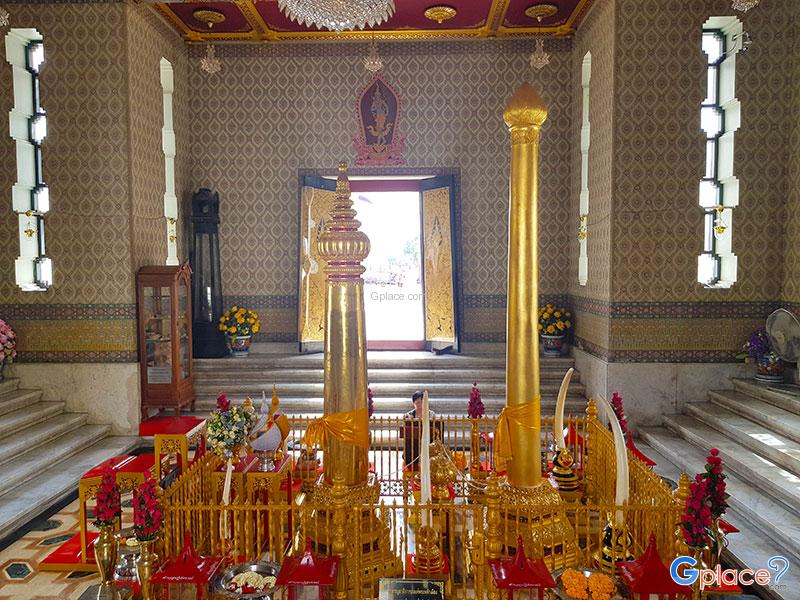
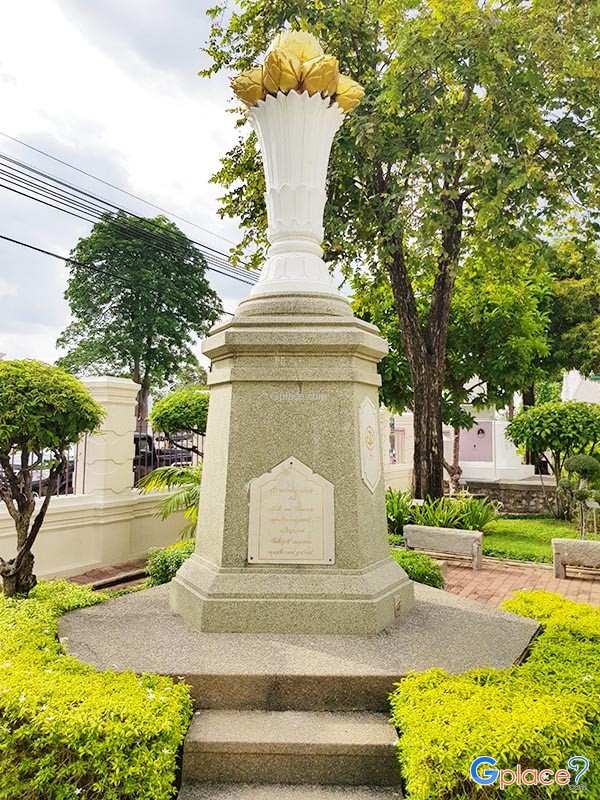
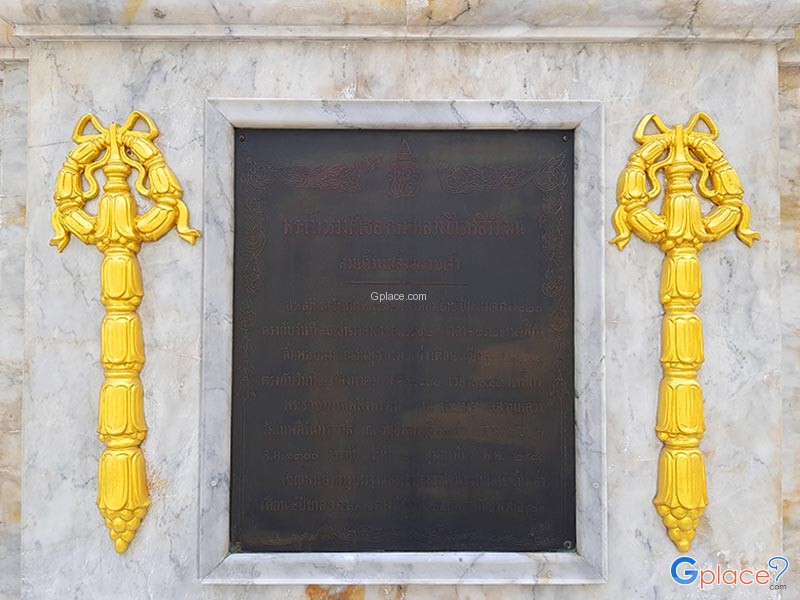
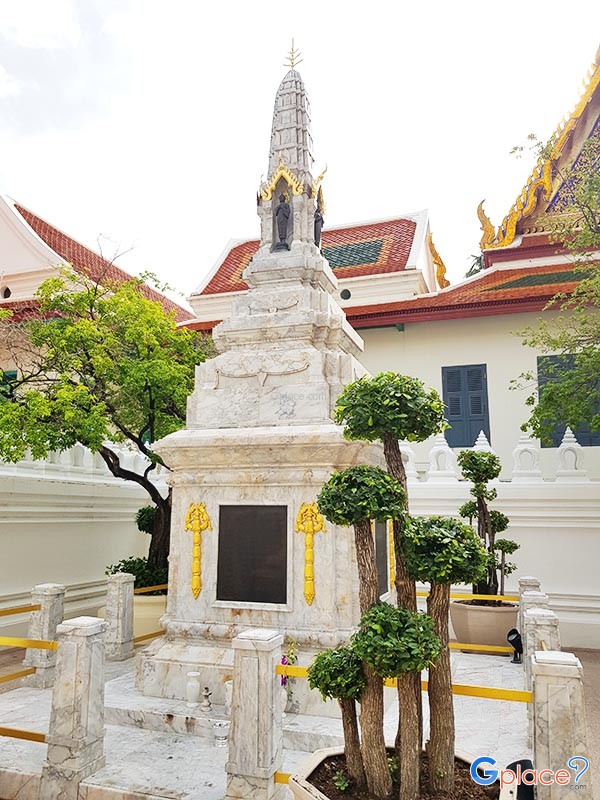
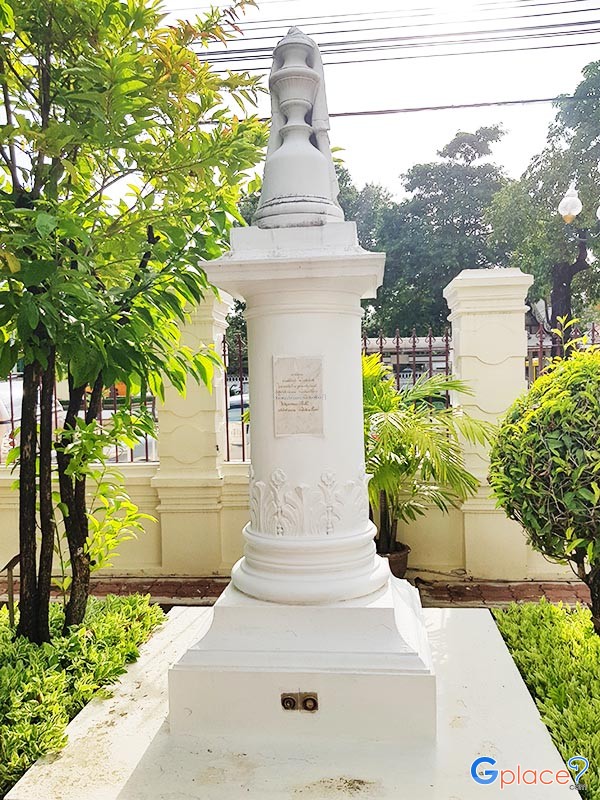
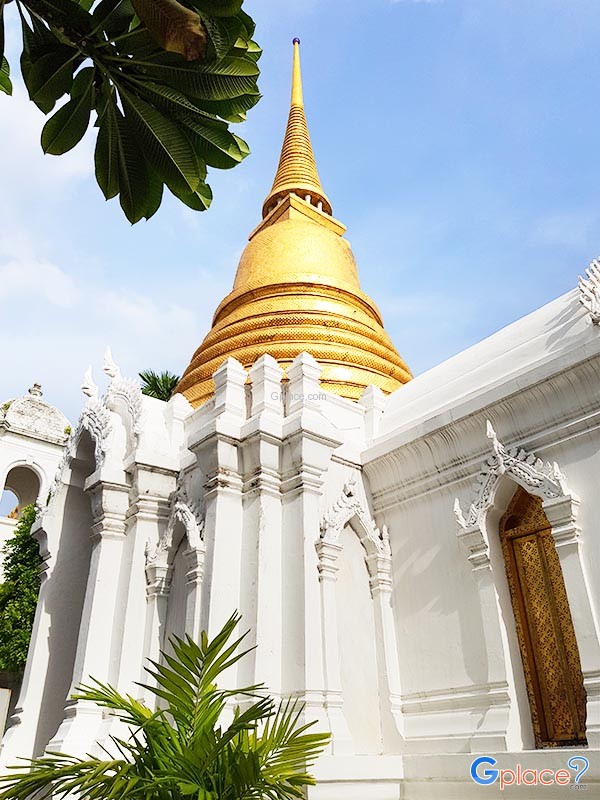
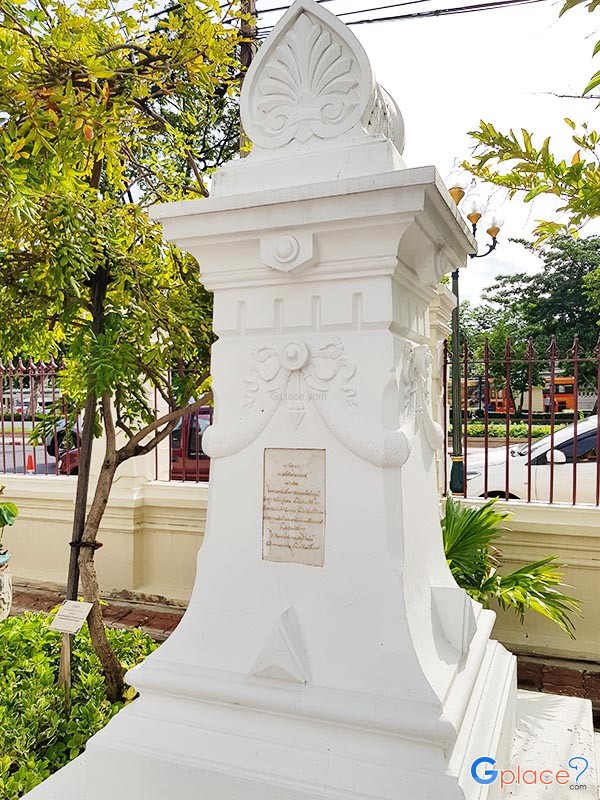
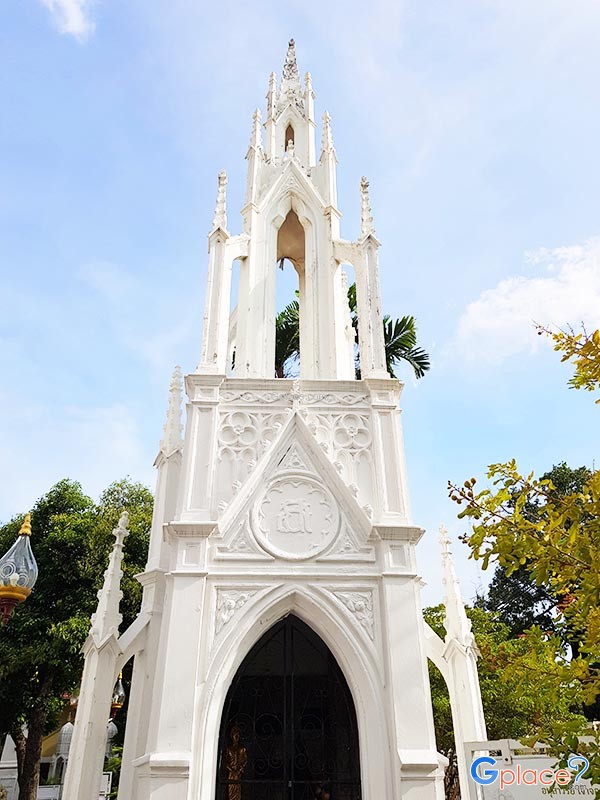
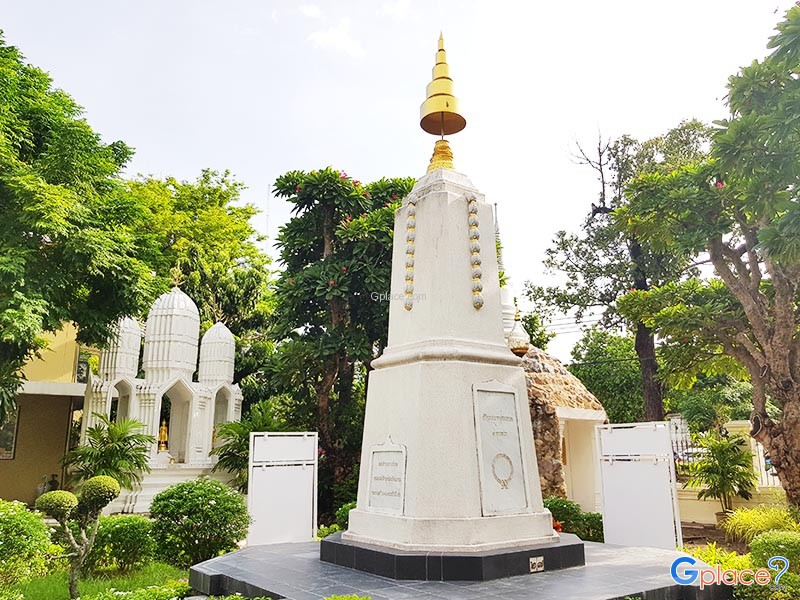
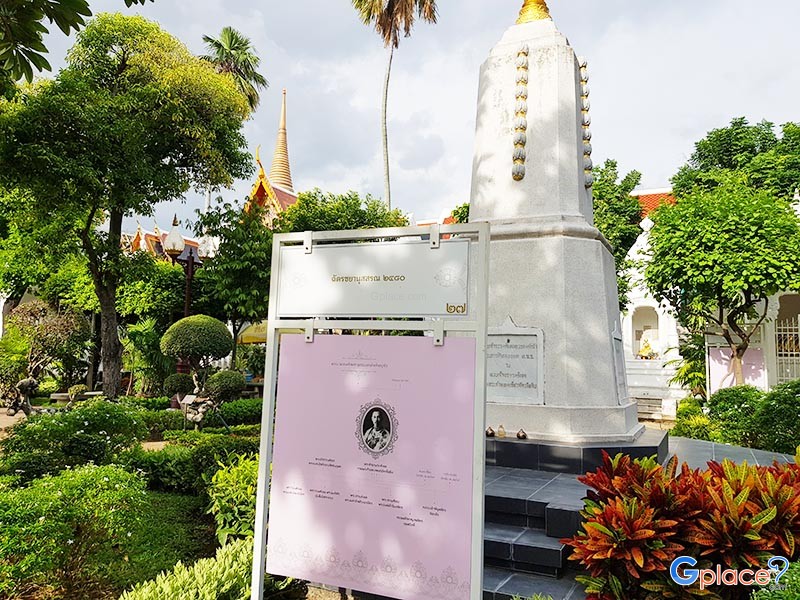
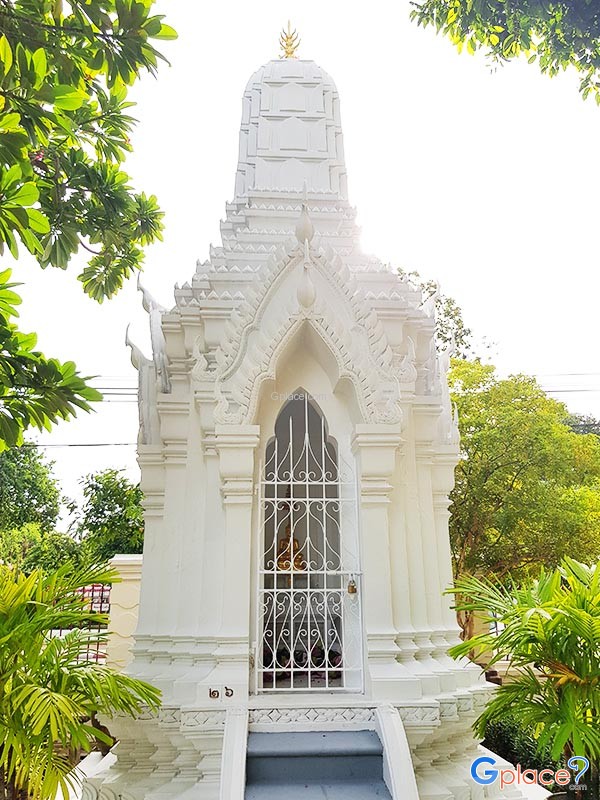
To the west of the temple lies the Royal Cemetery, where memorial monuments and royal ashes of members of the Chakri dynasty—particularly from the reign of Rama V—are enshrined.
The architecture here varies remarkably, featuring Thai-style structures, Khmer-inspired elements, and even Gothic-style memorial buildings. Set within manicured gardens, this area feels like an open-air museum of royal history, gently narrating stories of devotion, family ties, and national transformation during a pivotal era in Thai history.
A Cultural Treasure in the Old City
Located in Bangkok’s historic Phra Nakhon district, Wat Ratchabophit is a prime destination for historians, art students, and photographers. Every corner—from the radiant porcelain-covered chedi to the vaulted interior ceiling—offers a striking visual representation of Thailand’s encounter with global influences in the 19th century.
The temple stands as a testament to artistic excellence, royal patronage, and the cultural confidence of Siam during a time of change.
A Living Symbol of Harmony
Ratchabophit Sathitmahasimaram Temple Sathit Maha Simaram is more than a place of worship—it is a living monument to Thailand’s ability to harmonize tradition and modernity, East and West, faith and progress.
A visit here offers not only architectural admiration but also a profound sense of tranquility in the heart of bustling Bangkok. It is a place where history, art, and spirituality converge—leaving visitors enriched in both knowledge and spirit.
How to Get There
MRT:
- Take the Blue Line to Sam Yot Station (Exit 3) and walk for about 10 minutes, or to Sanam Chai Station and walk through Saranrom Park.
Public Bus:
- Numbers 2, 6, 12, 33, 42, 60, and 512 pass near Fueang Nakhon and Atsadang Roads.
Private Car:
- Limited street parking is available; however, parking at the nearby Old Siam Plaza is recommended.
Travel Tips
Best Visiting Time:
- Early morning from 08:00 – 10:00 AM is best to see the sunlight reflecting off the Benjarong tiles and to avoid the afternoon heat.
Attire:
- As an important royal temple and the Supreme Patriarch's residence, strict modest dress is required (no sleeveless tops, shorts, or tight clothing).
Photography:
- Exterior shots are highly encouraged, especially in the circular courtyard. Please follow signs regarding photography inside the chapels.
Don't Miss:
- The Golden Pig Statue (Sahachat Monument) at the bridge beside the temple, a symbol for those born in the year of the pig.
Planning:
- The temple is near Wat Ratchapradit and the Ministry of Interior, making it easy to include in a walking tour of the historic district.
Admission Fee
-
Thai Nationals: Free
-
Foreigners: Free
Opening Hours
-
Daily: 06:00 AM – 06:00 PM
Ratchabophit Sathitmahasimaram Temple

 Share
Share
 Ratchabophit Sathitmahasimaram Temple, Fueang Nakhon Road, Wat Ratchabophit, Phra Nakhon, Bangkok, Thailand
Map
Ratchabophit Sathitmahasimaram Temple, Fueang Nakhon Road, Wat Ratchabophit, Phra Nakhon, Bangkok, Thailand
Map
 Closed today
Mon6.00 - 18.00
Tue6.00 - 18.00
Wed6.00 - 18.00
Thu6.00 - 18.00
Fri6.00 - 18.00
Sat6.00 - 18.00
Sun6.00 - 18.00



 6626
6626