 Attractions
  Hotel
Hotel  Restaurant
  Shopping
  Abroad





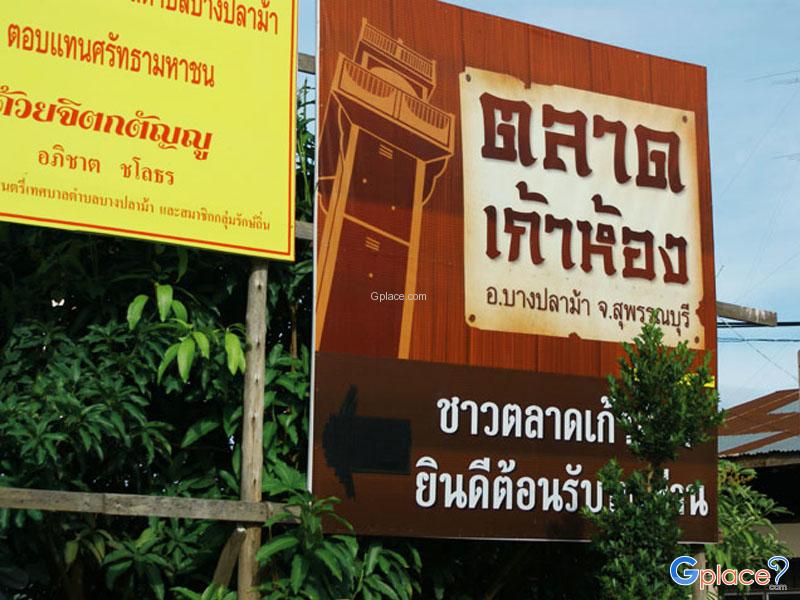

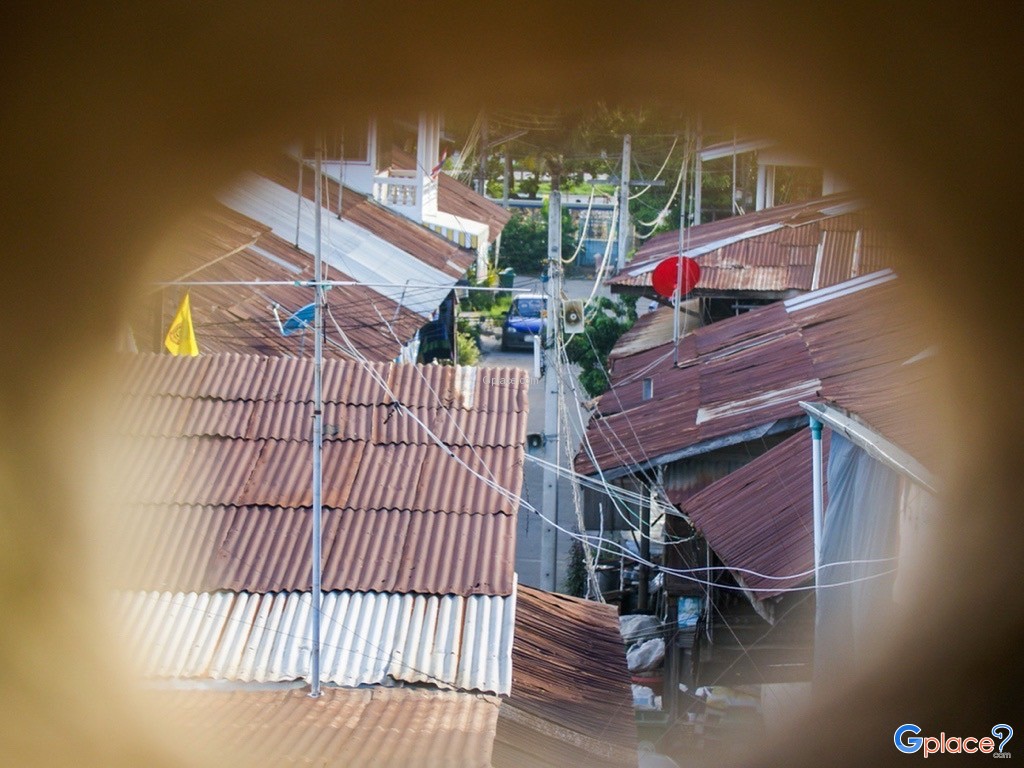
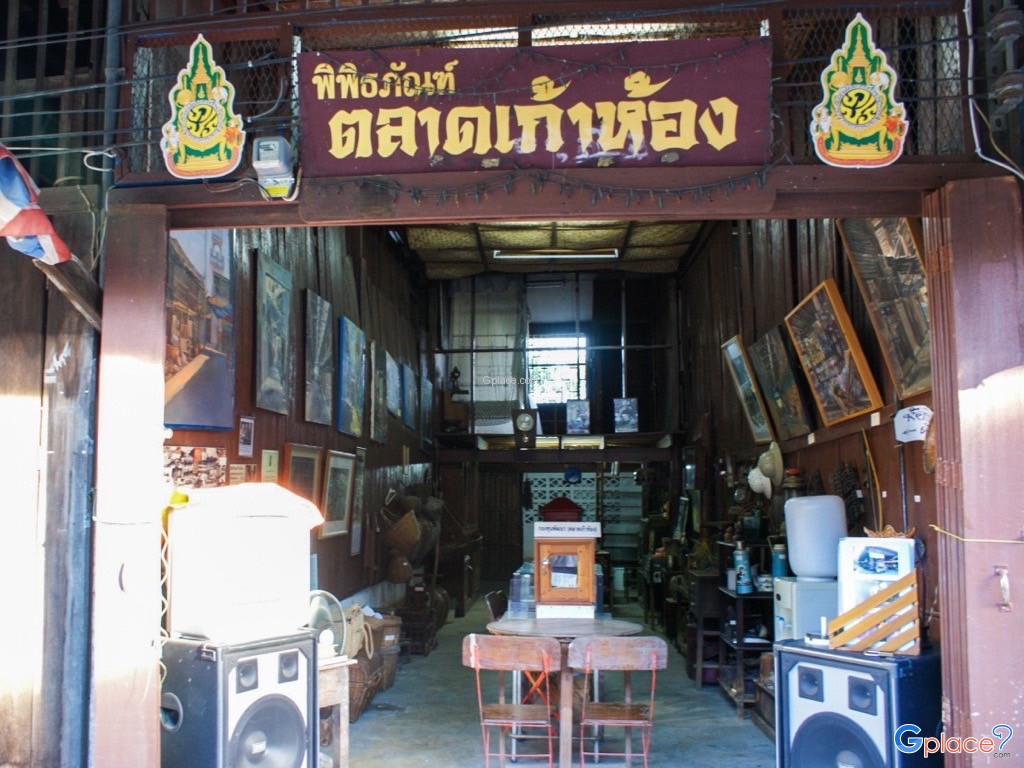
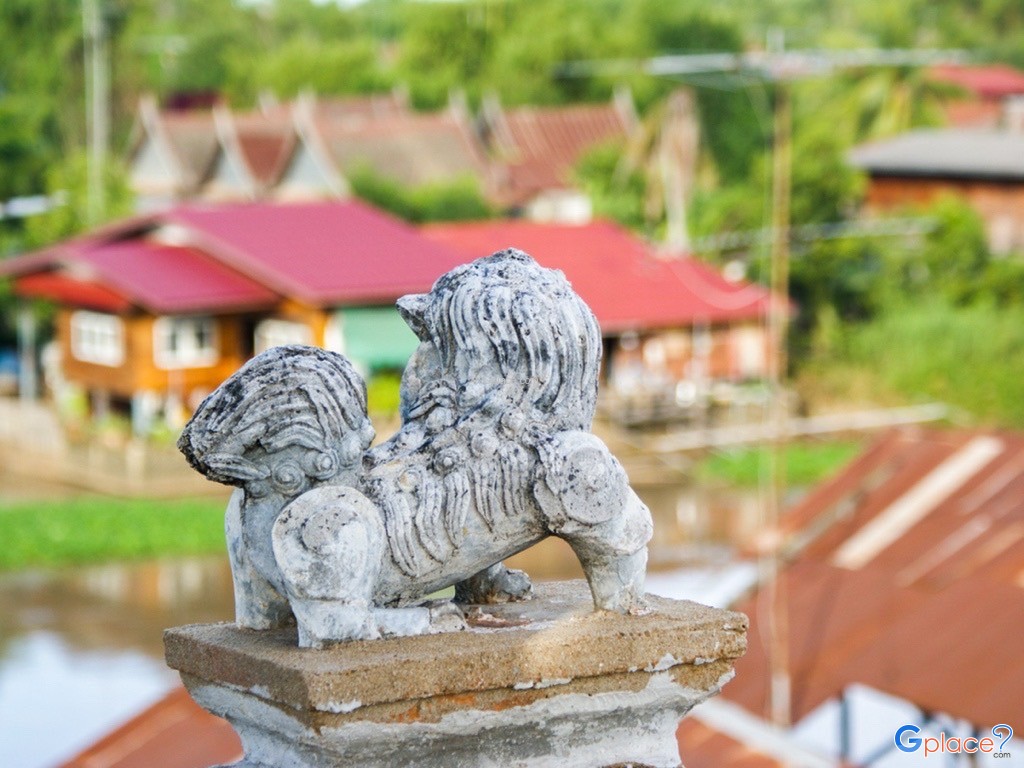
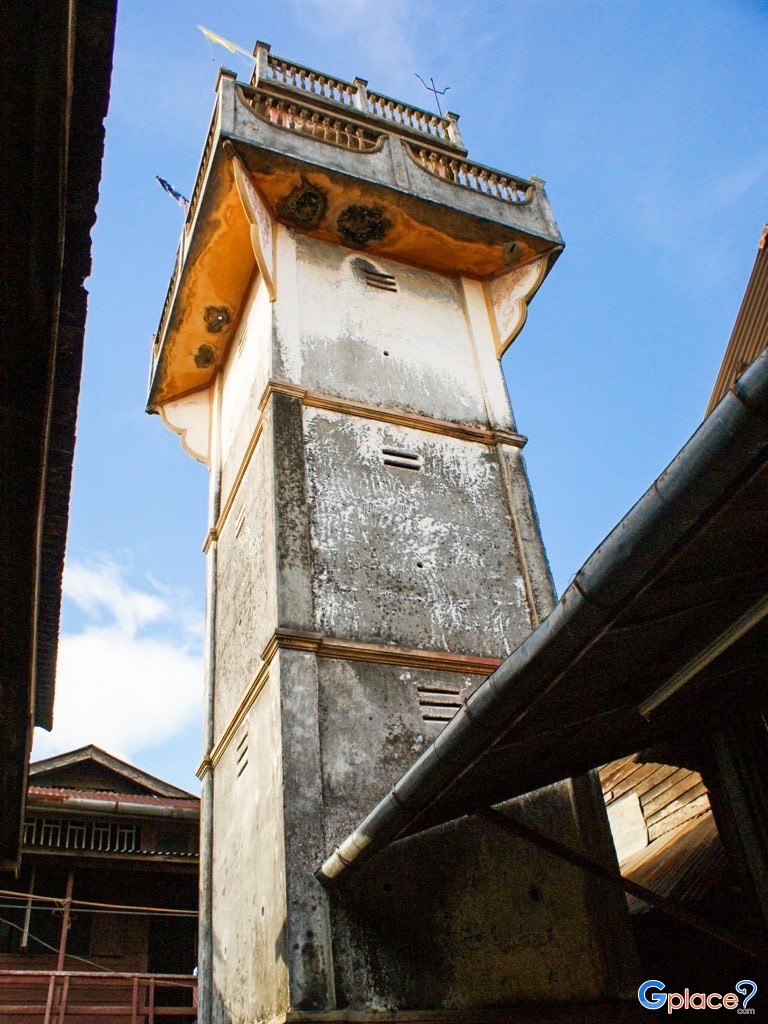
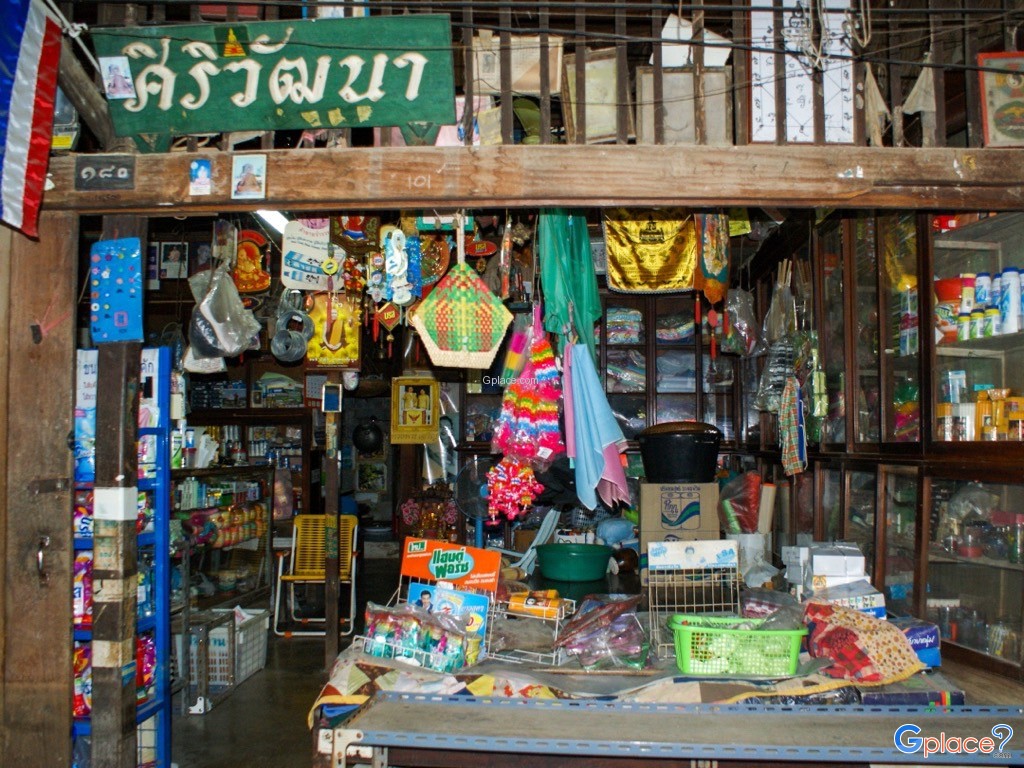
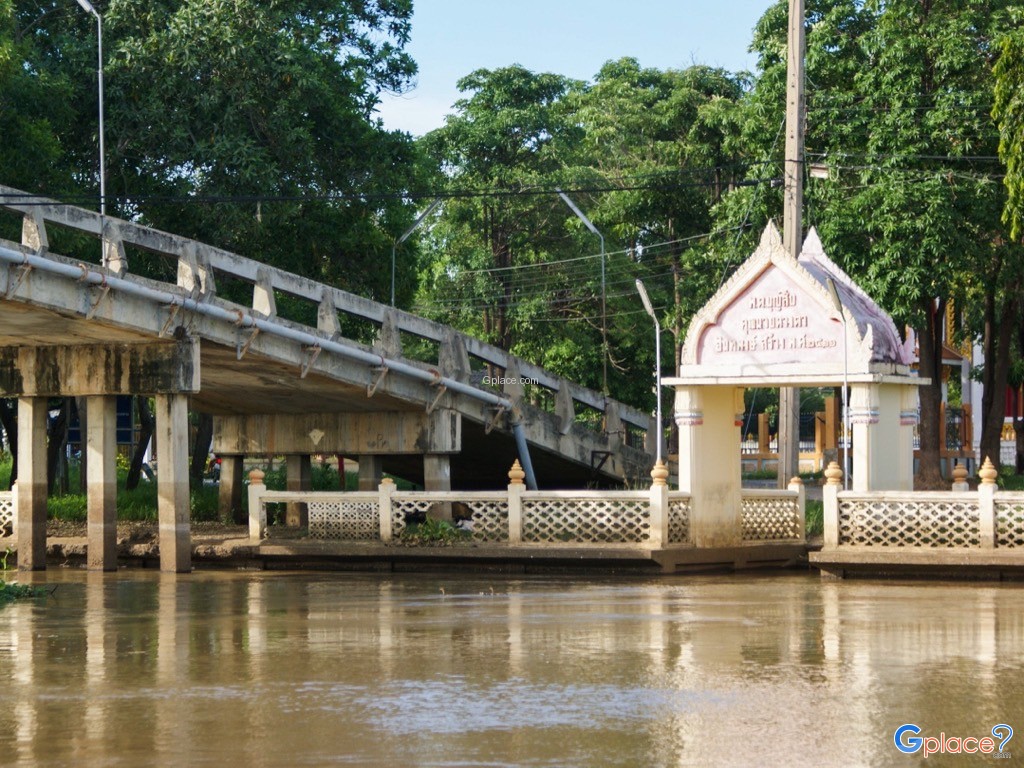
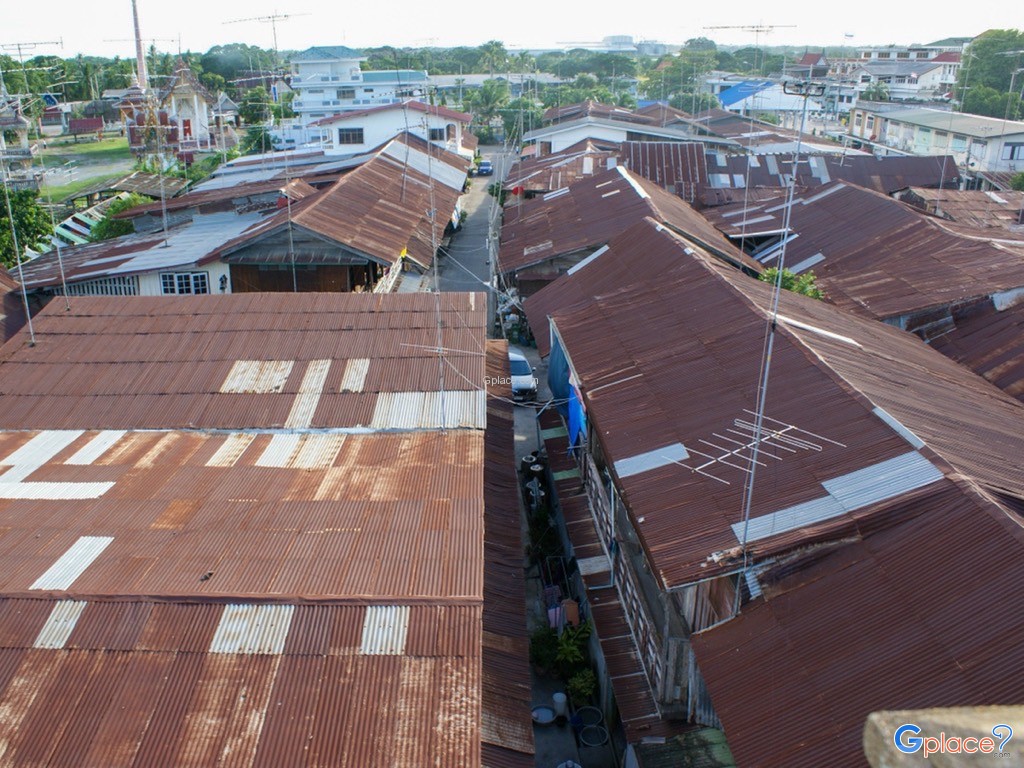

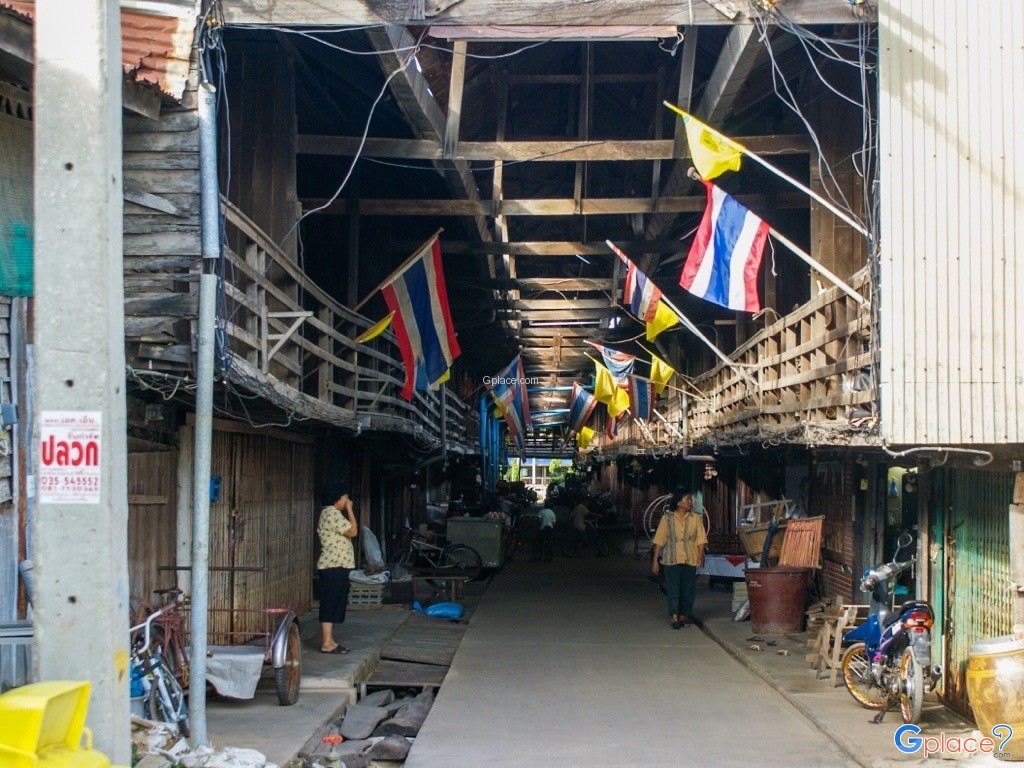
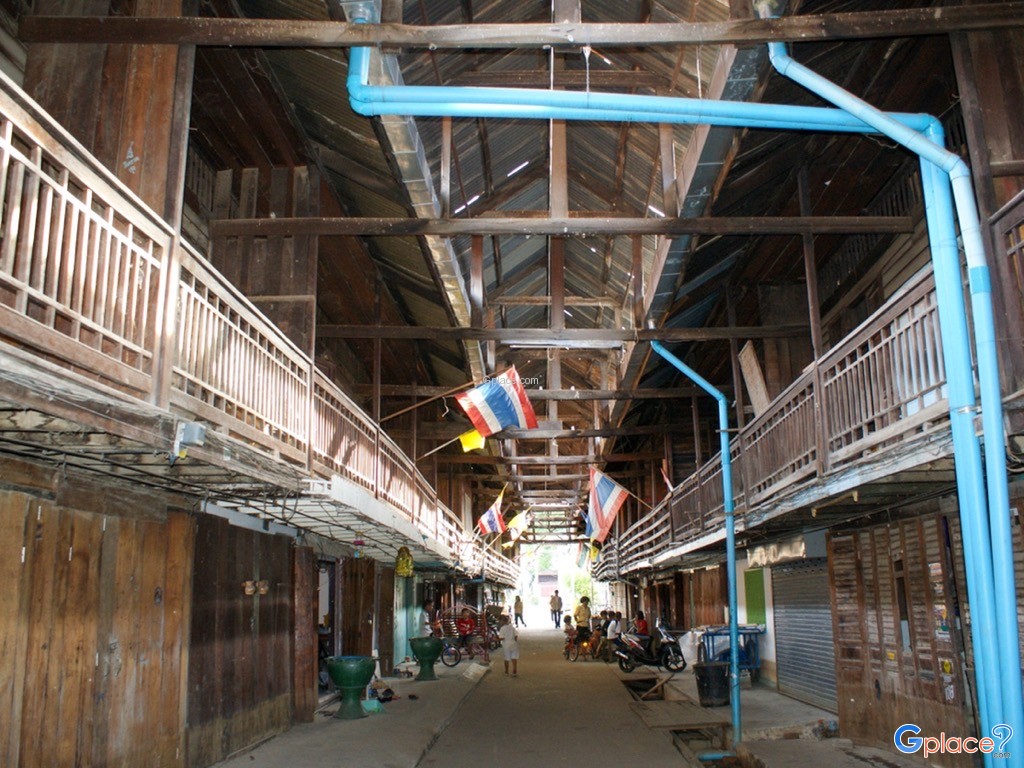
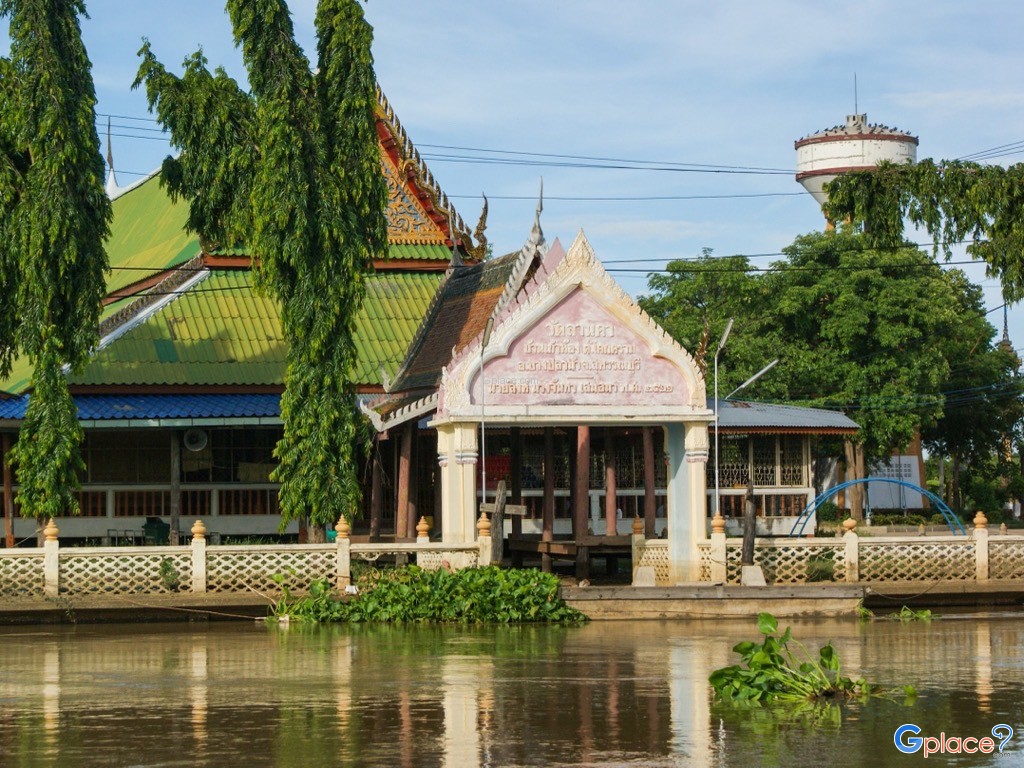
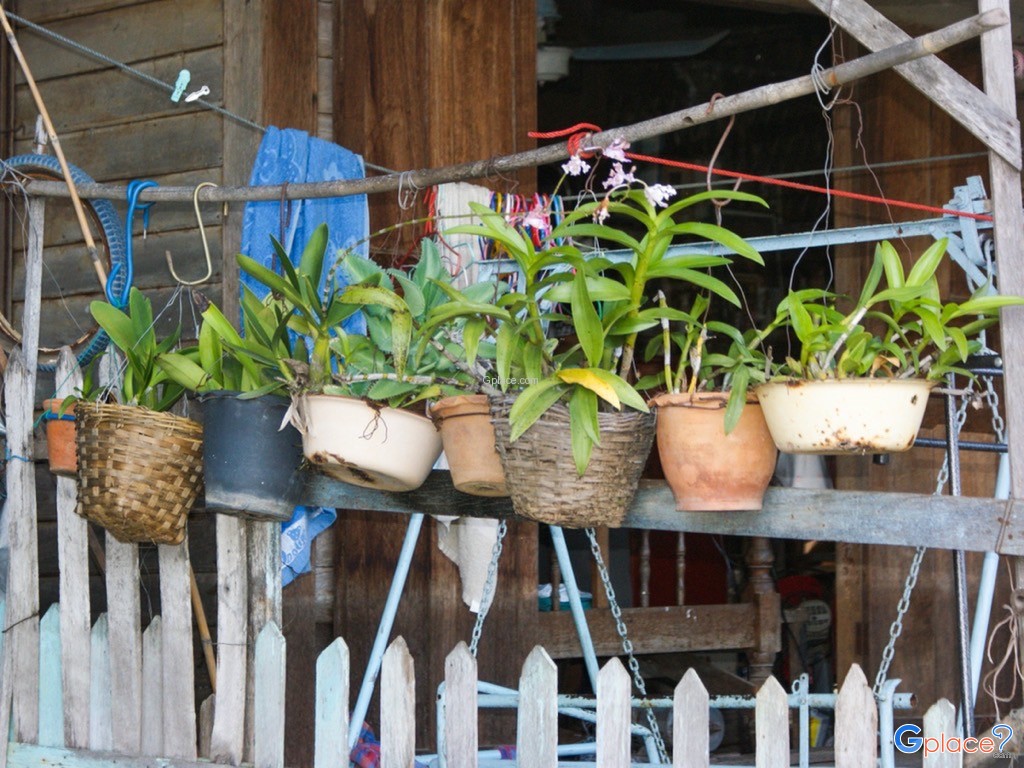
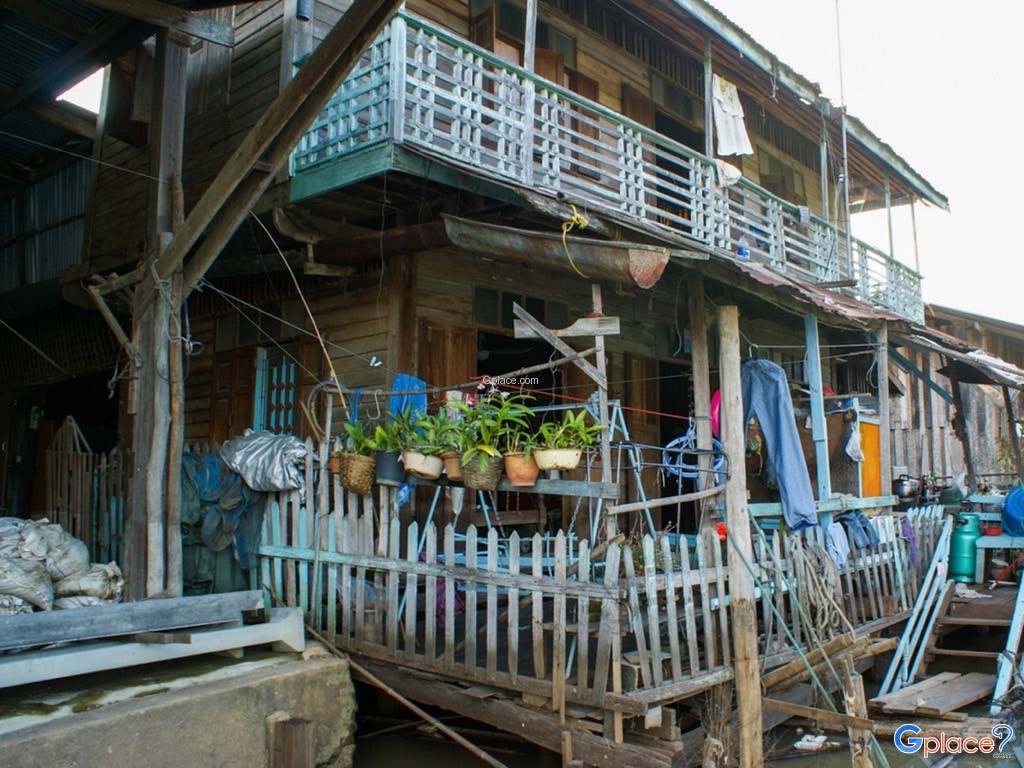
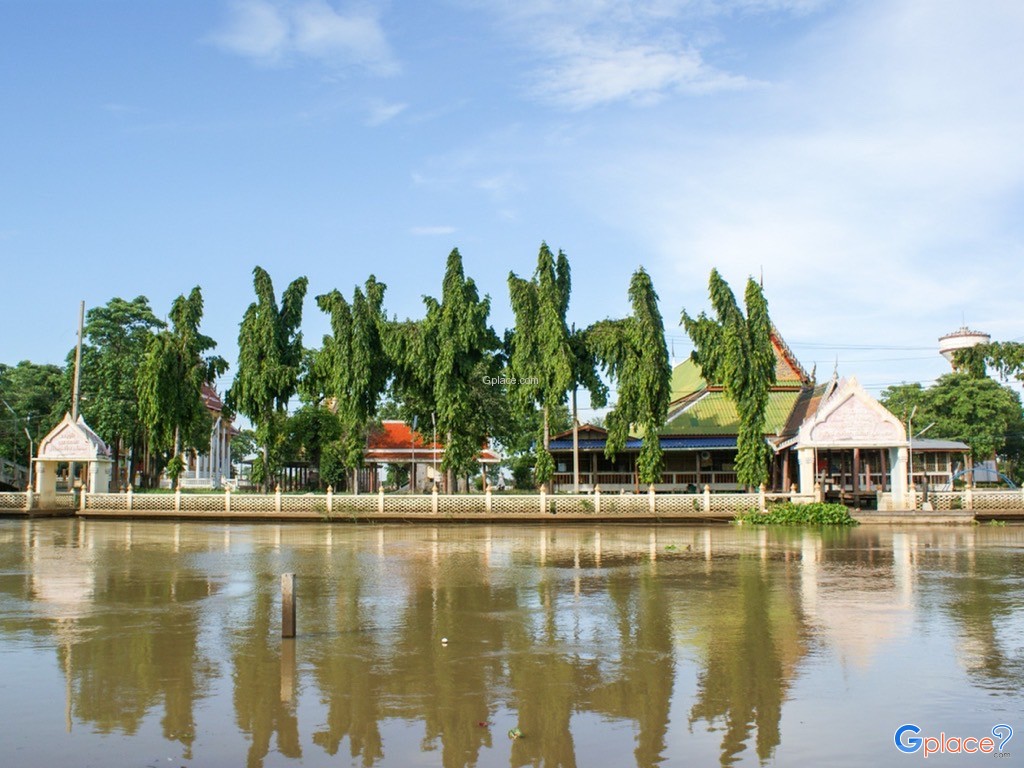
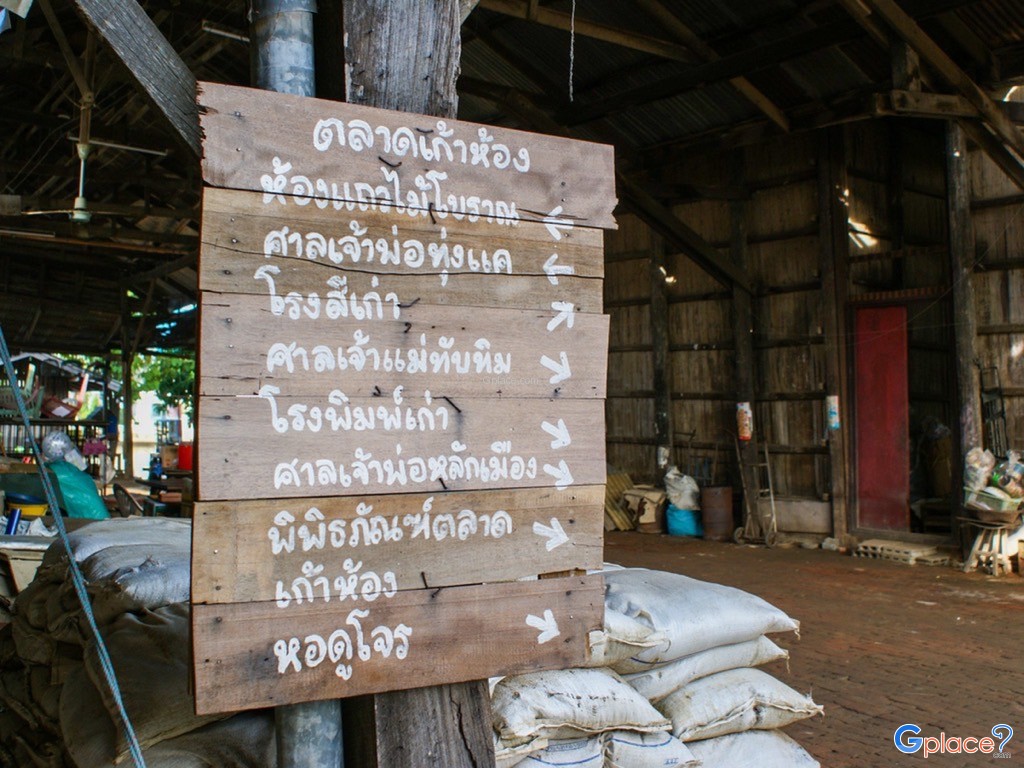
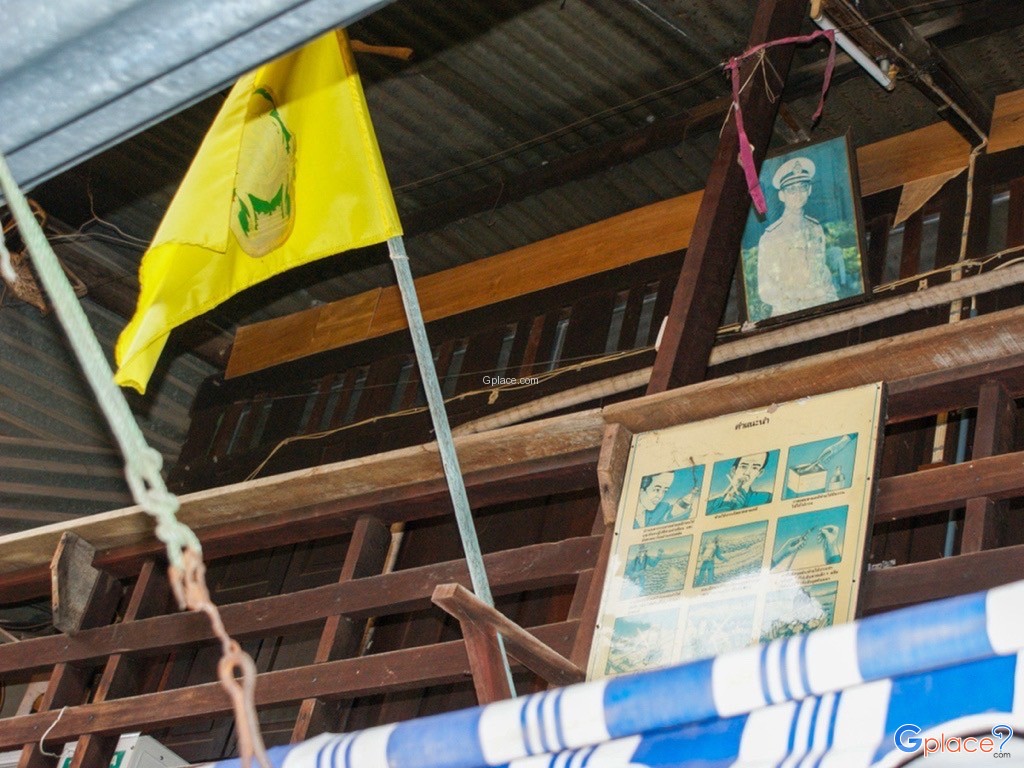
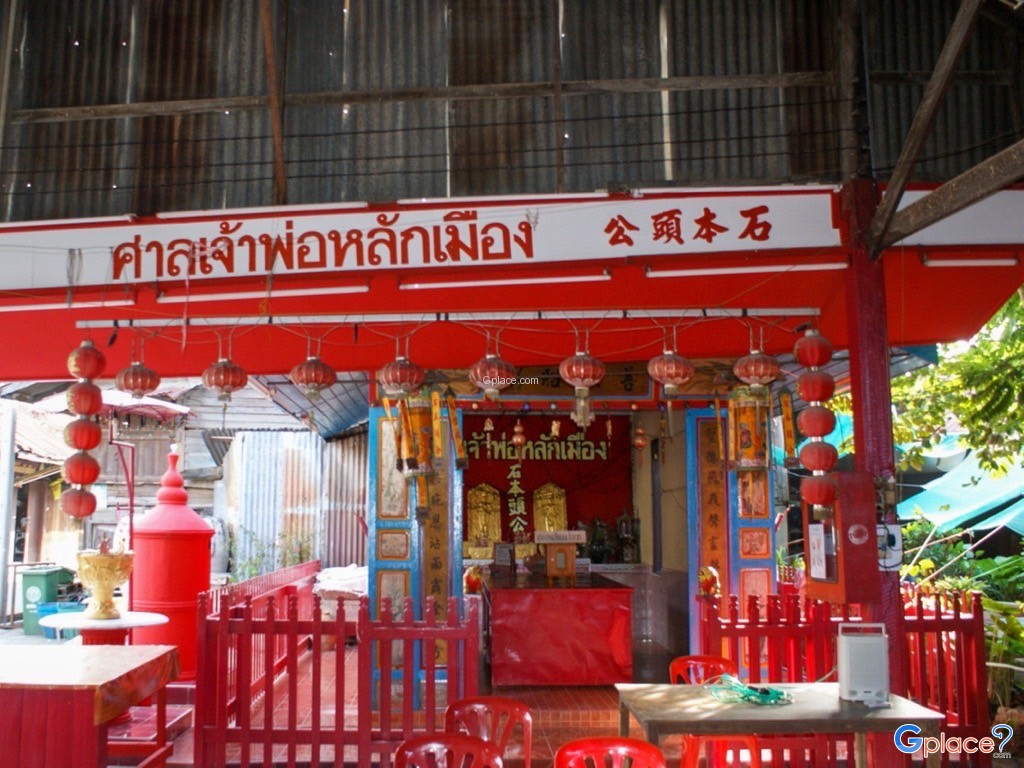
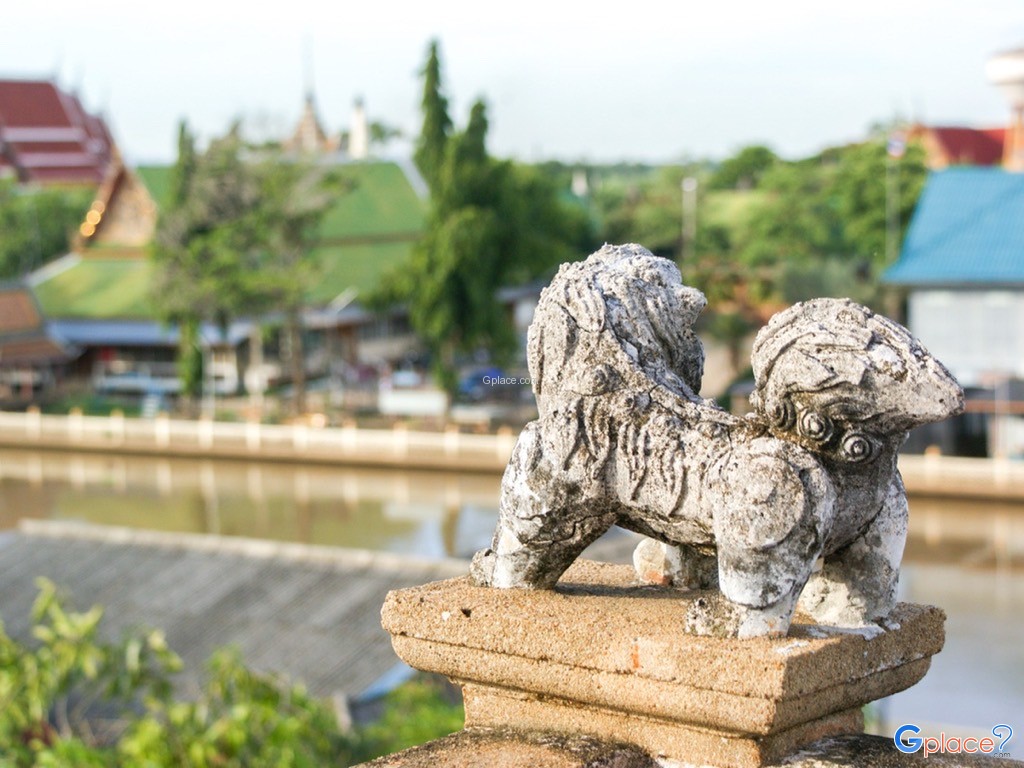
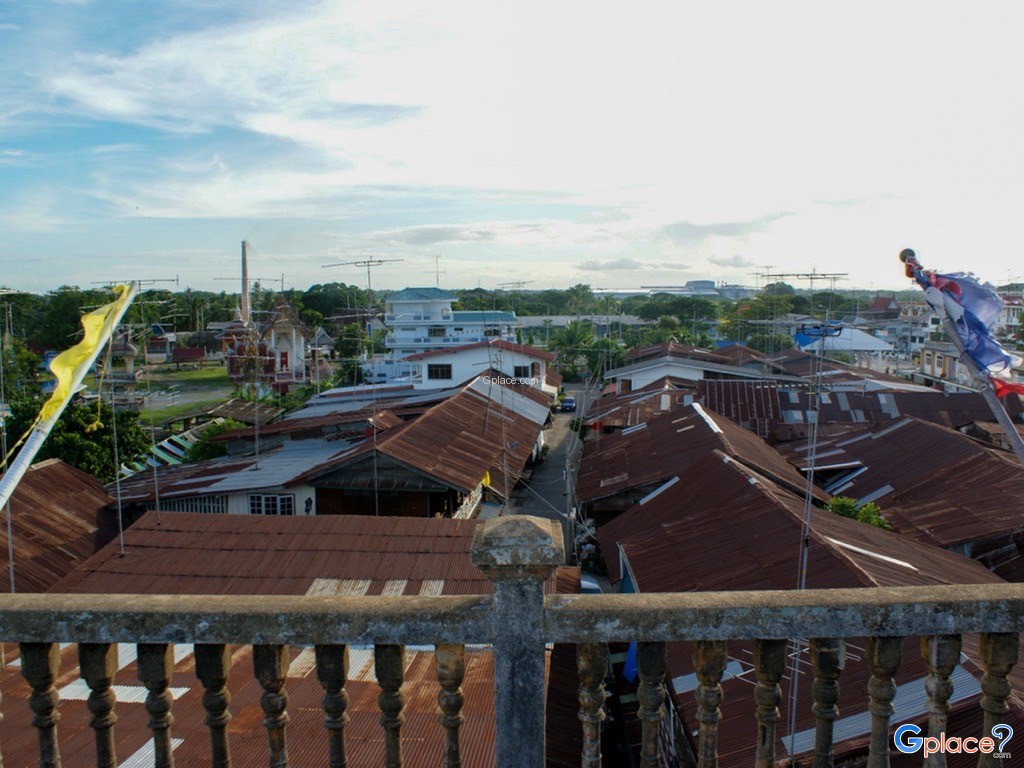
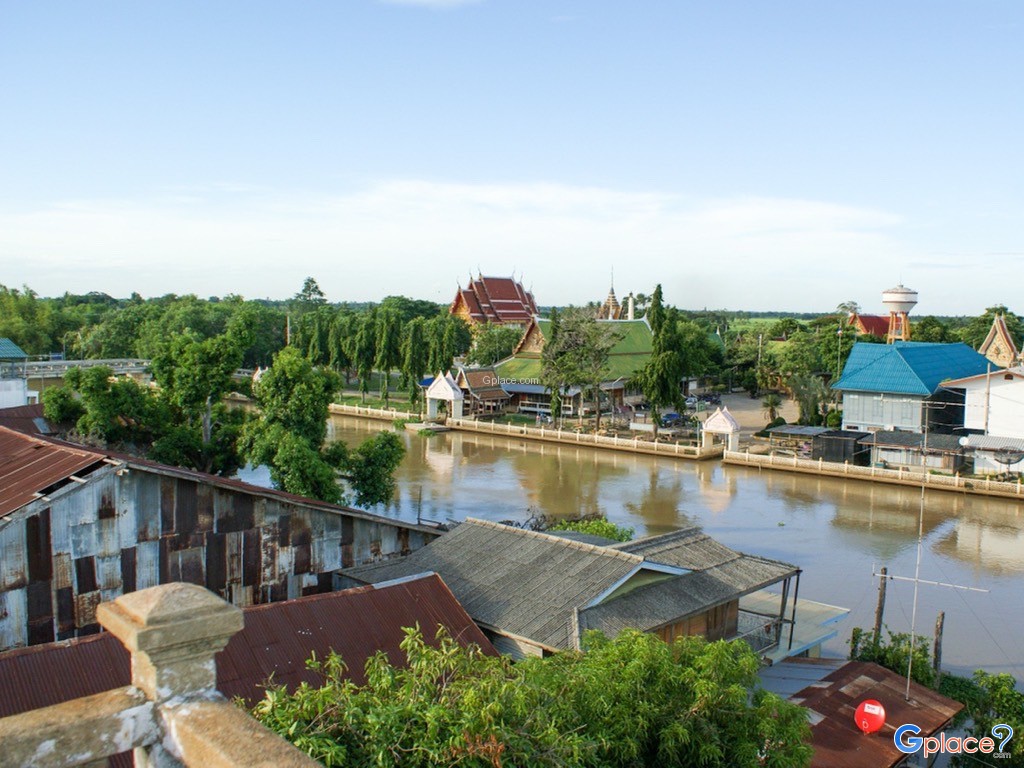
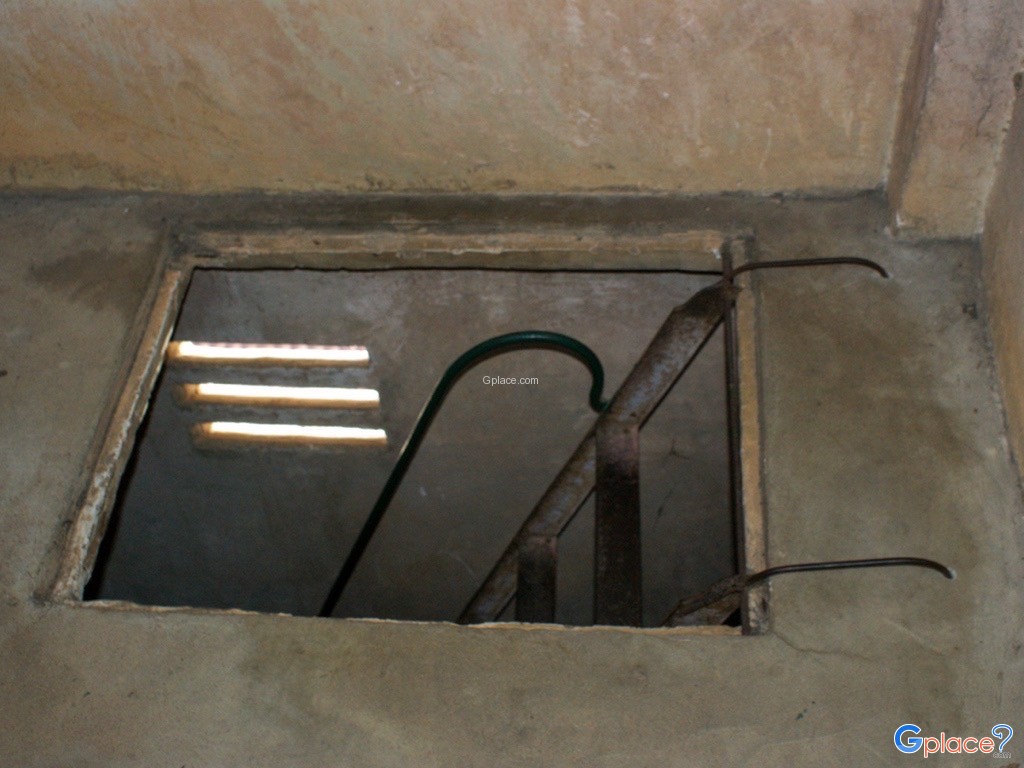
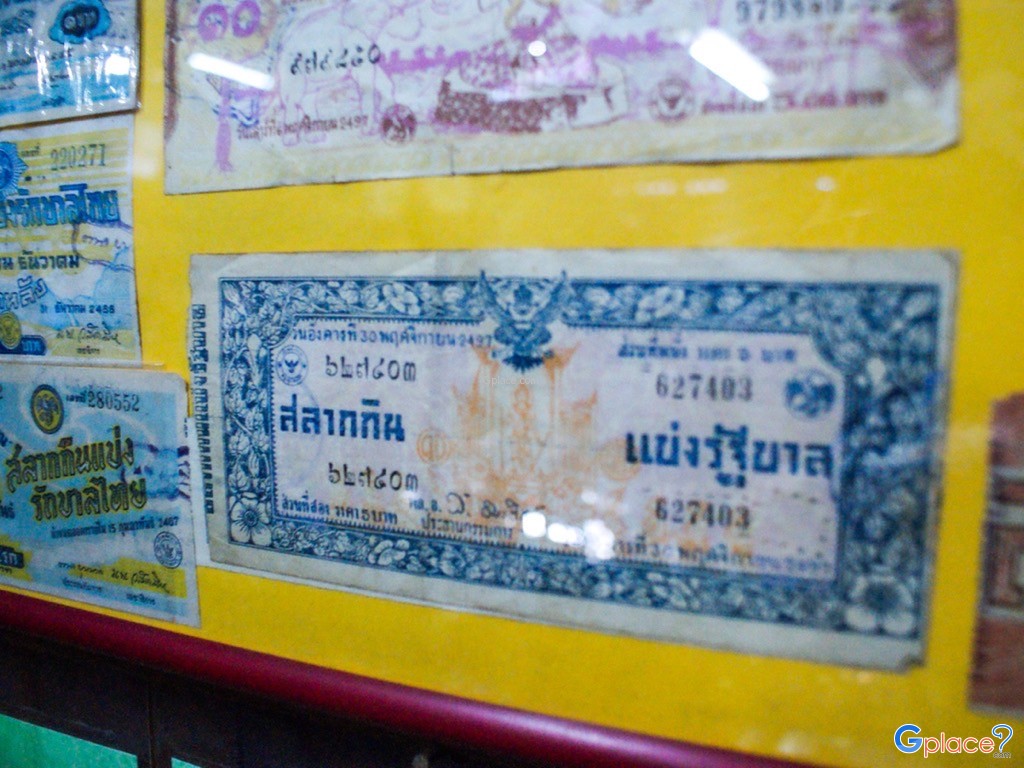
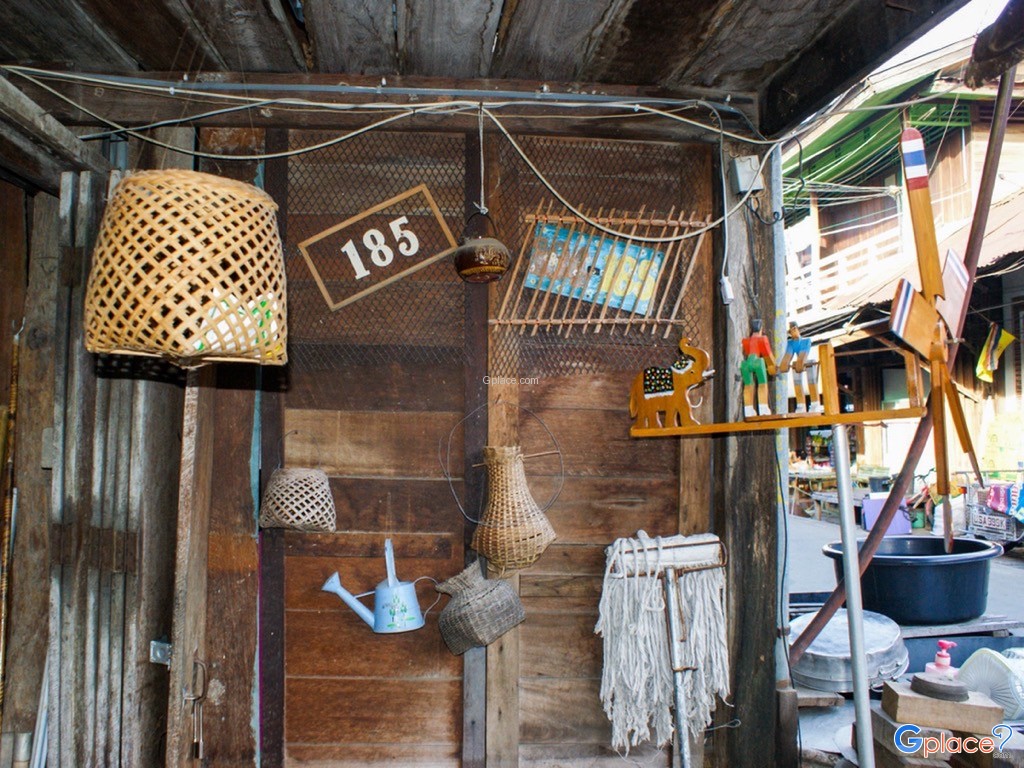
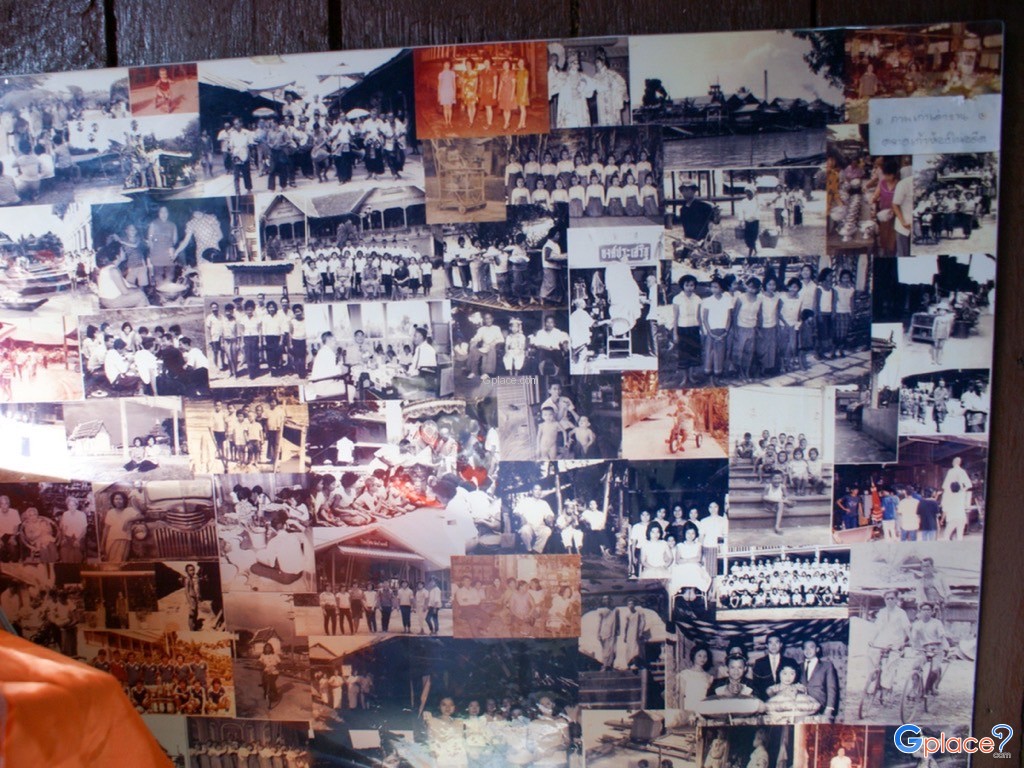
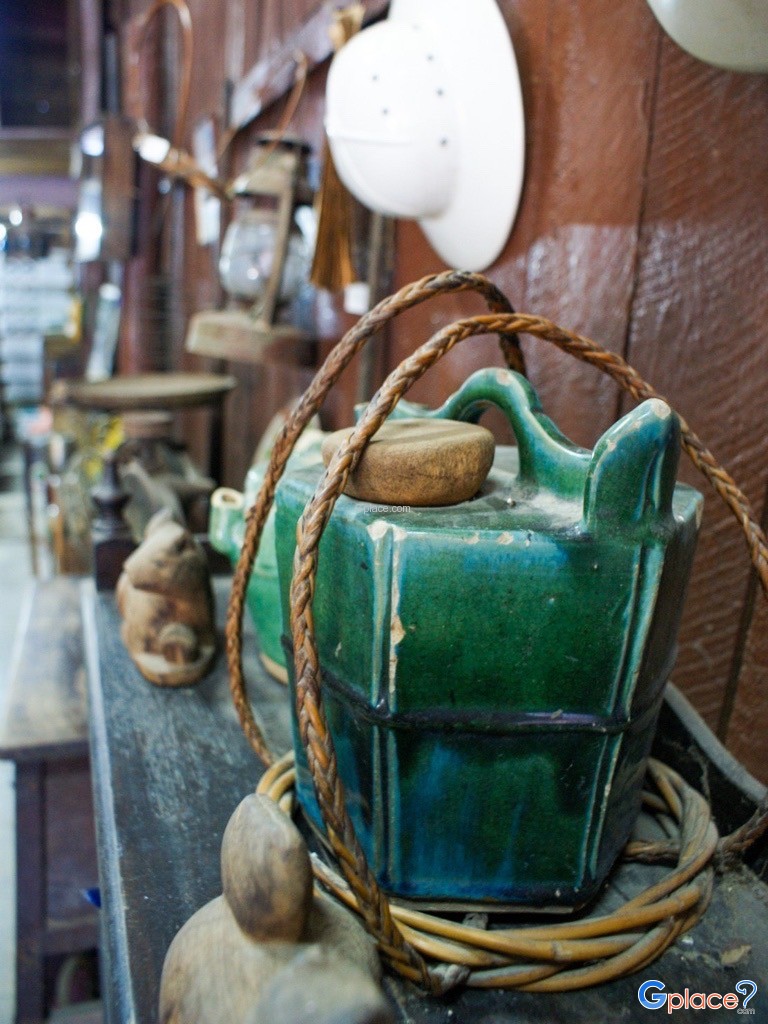
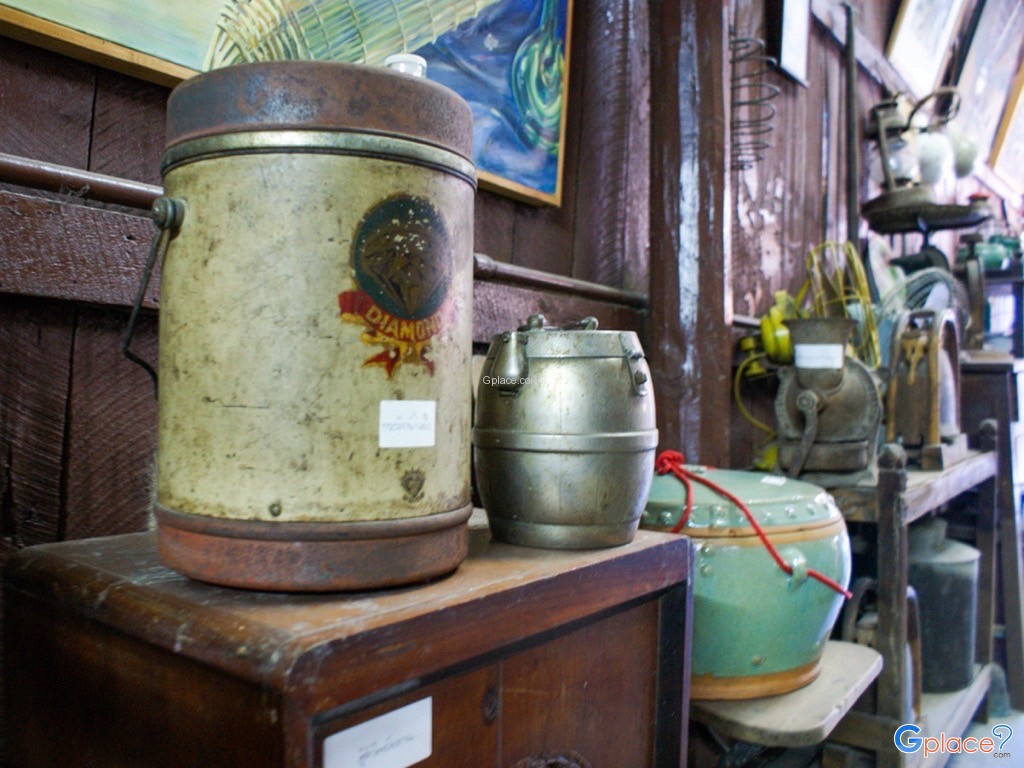
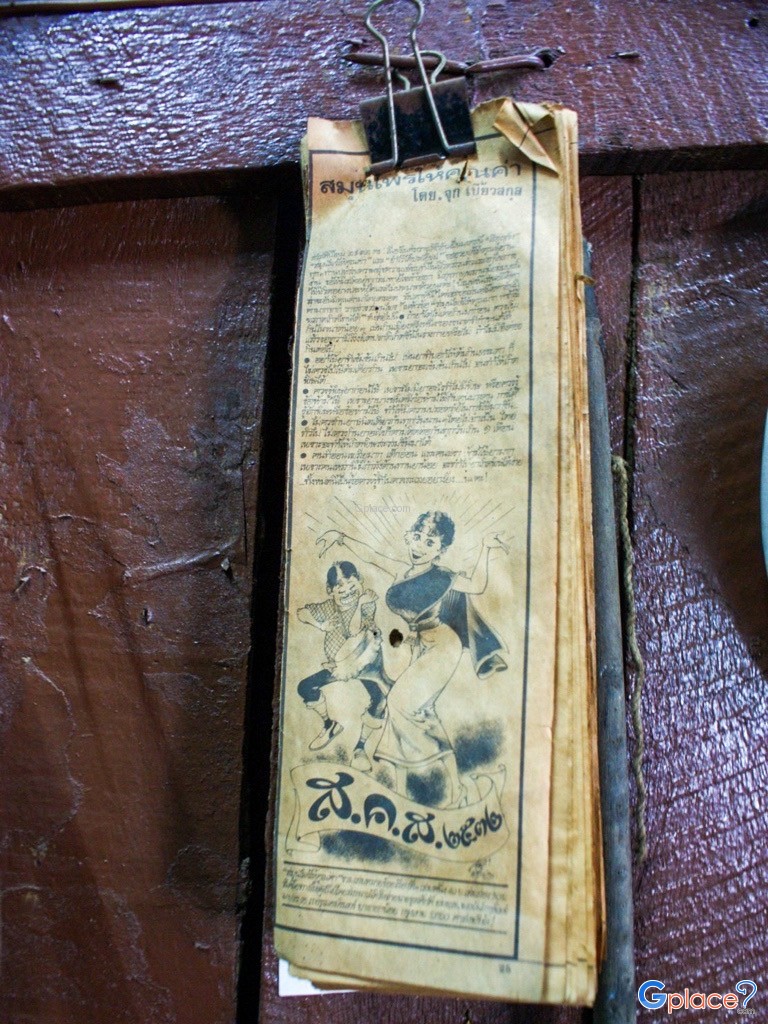
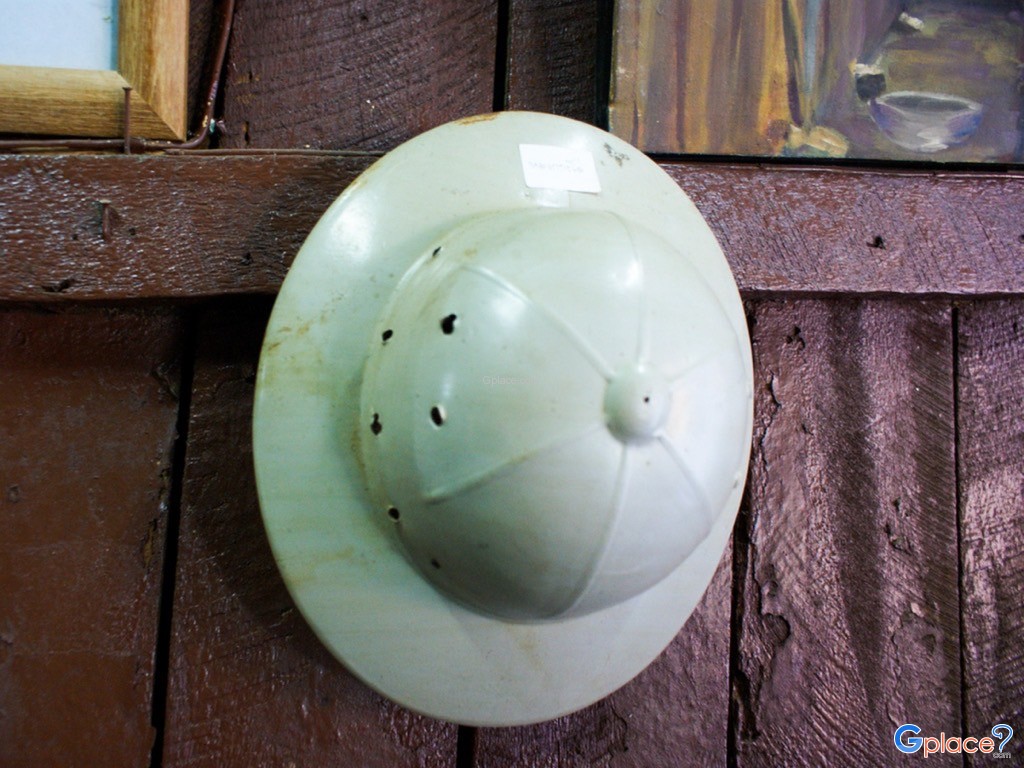
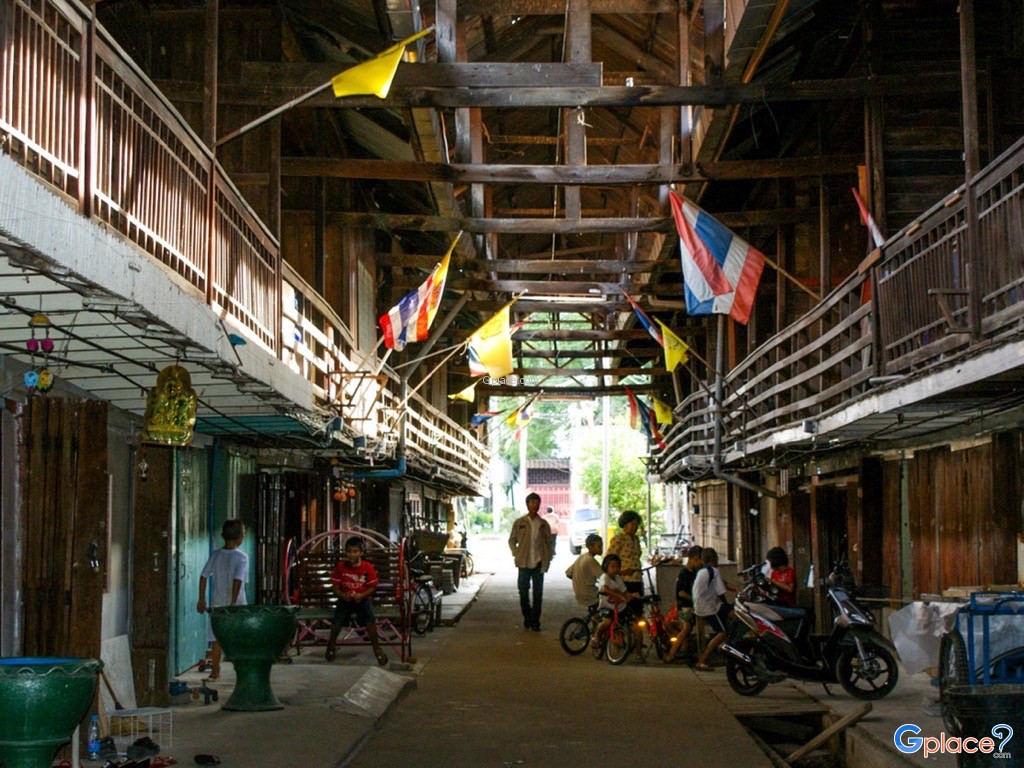
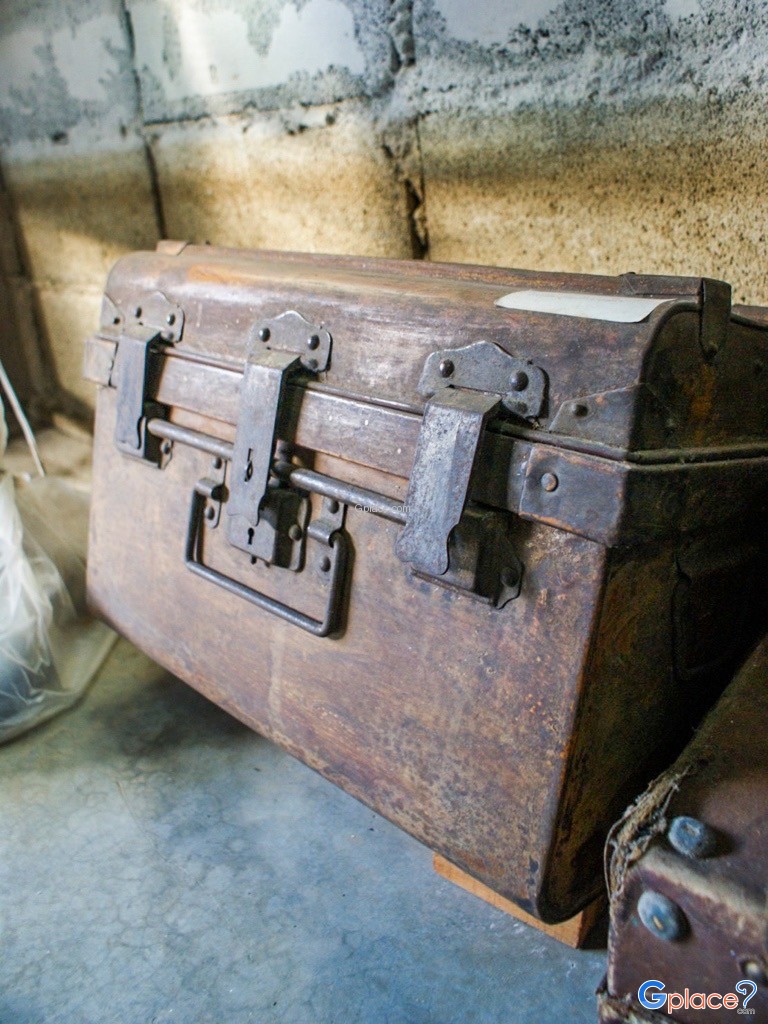
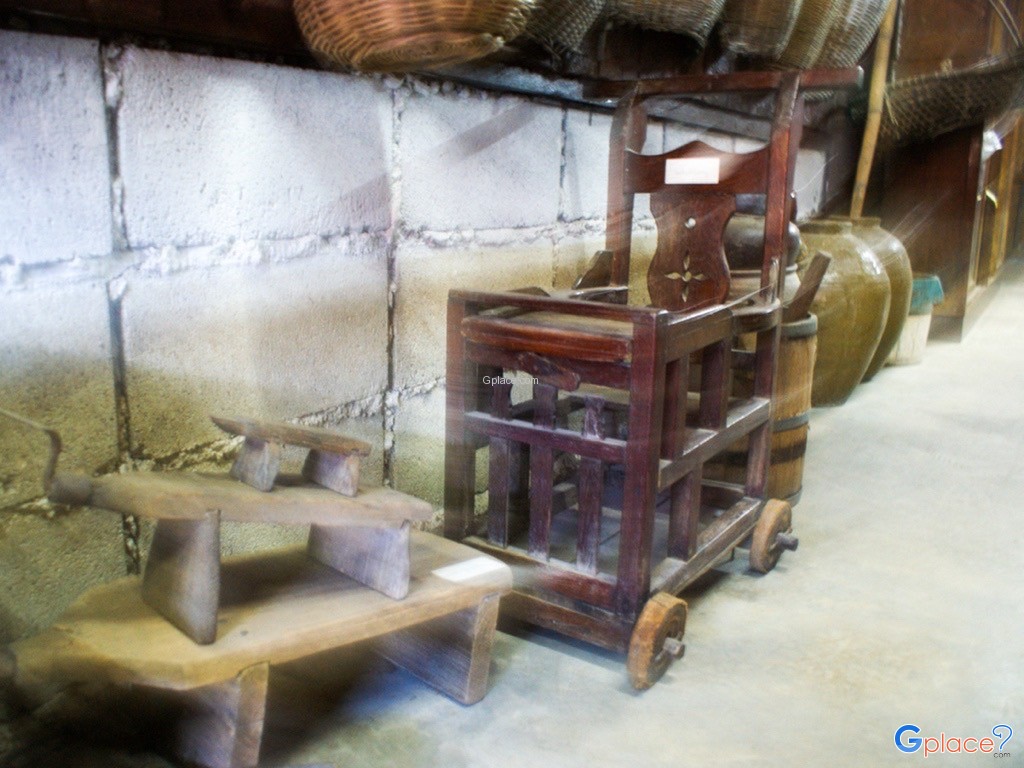
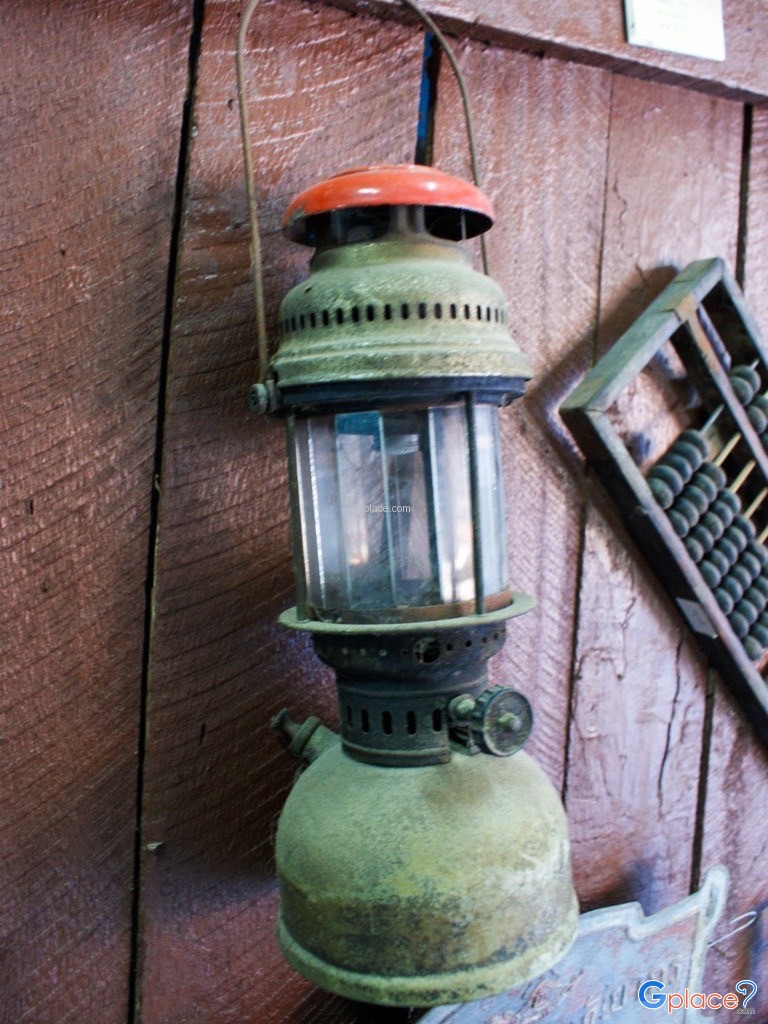
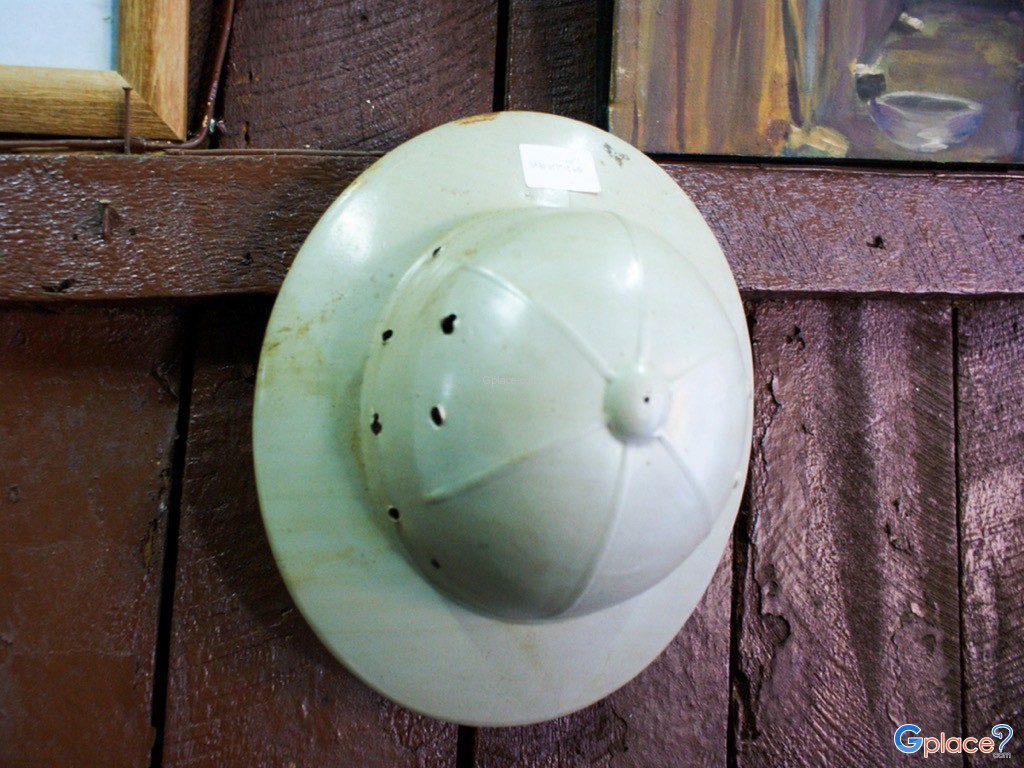
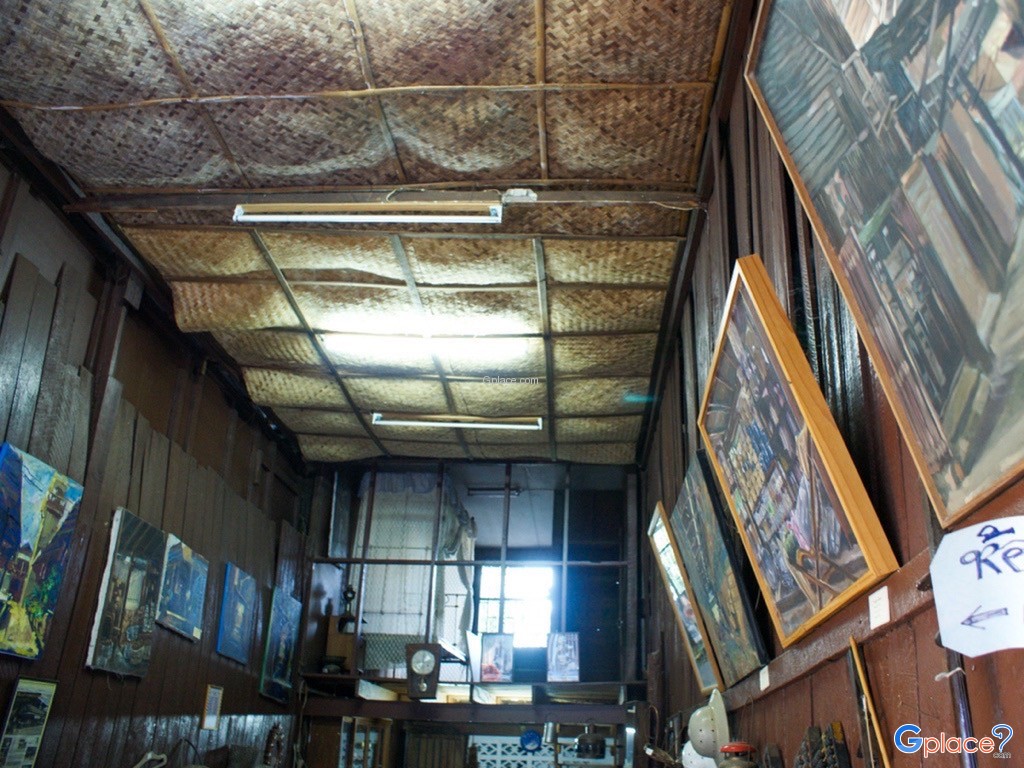
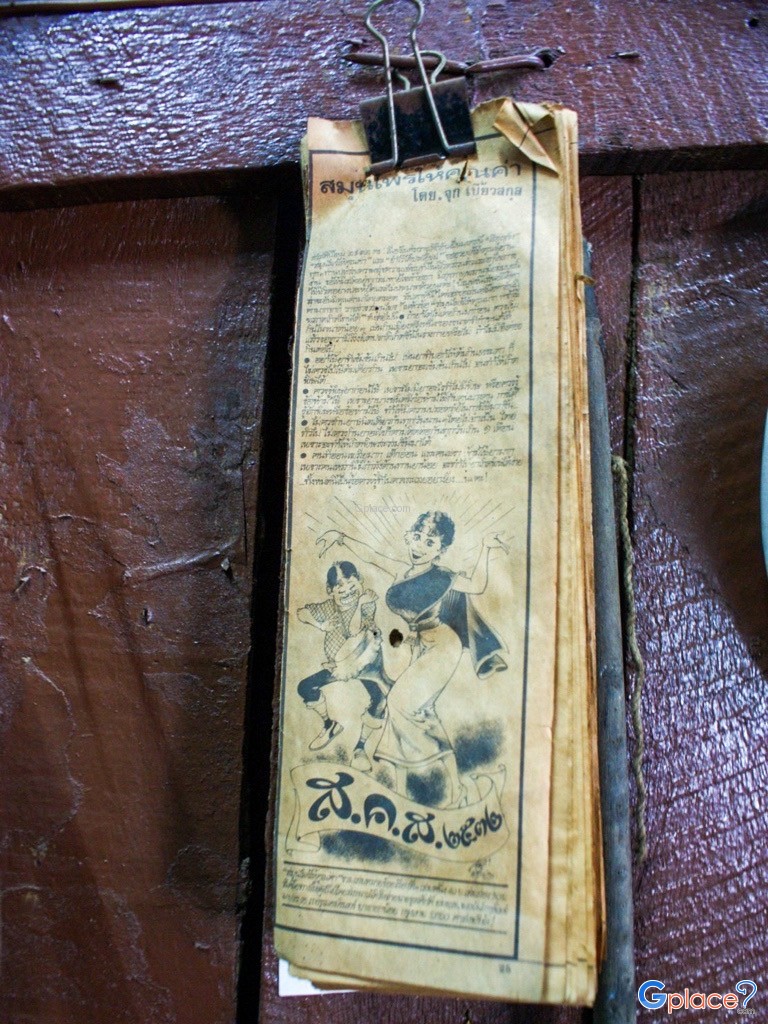
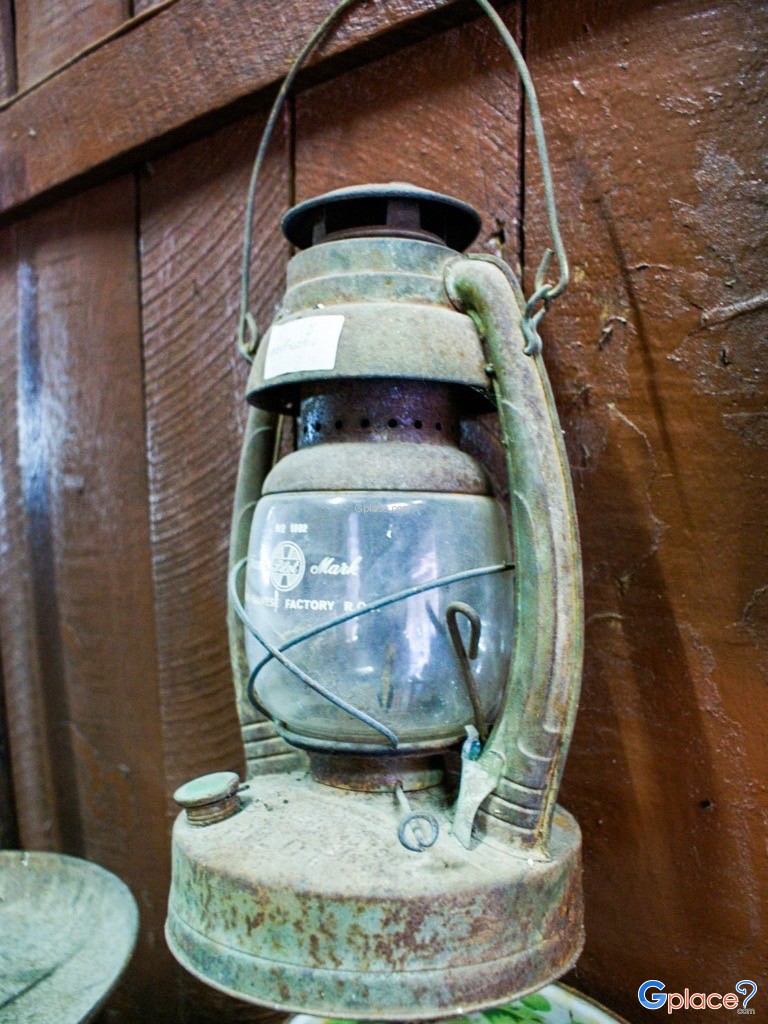
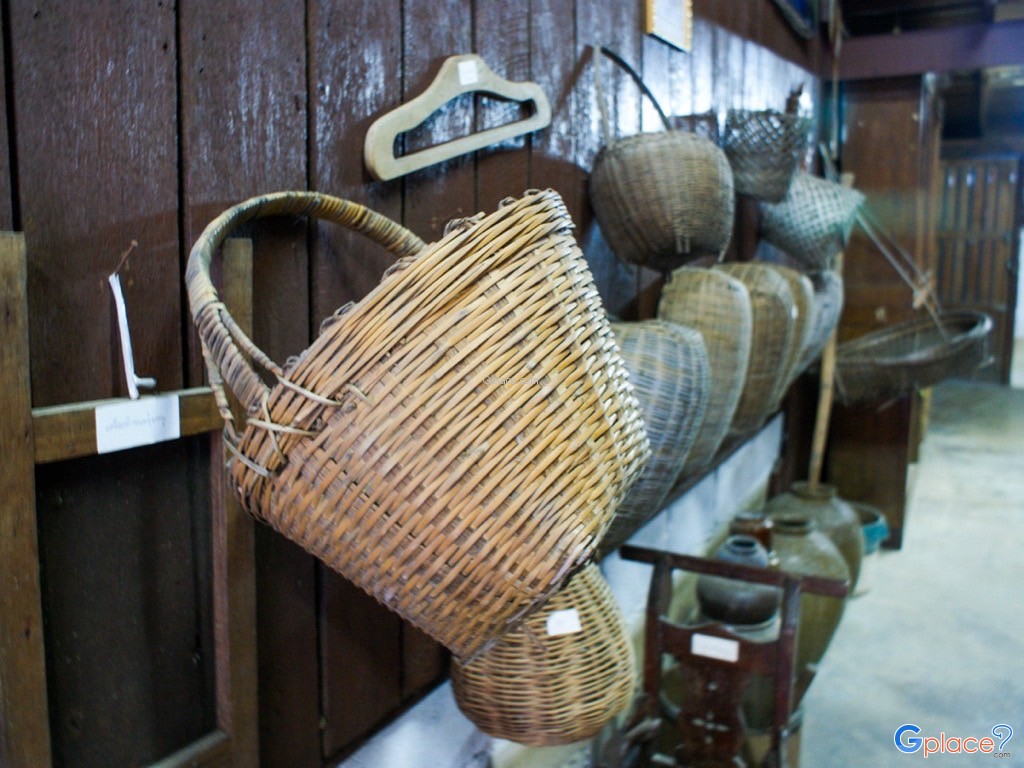
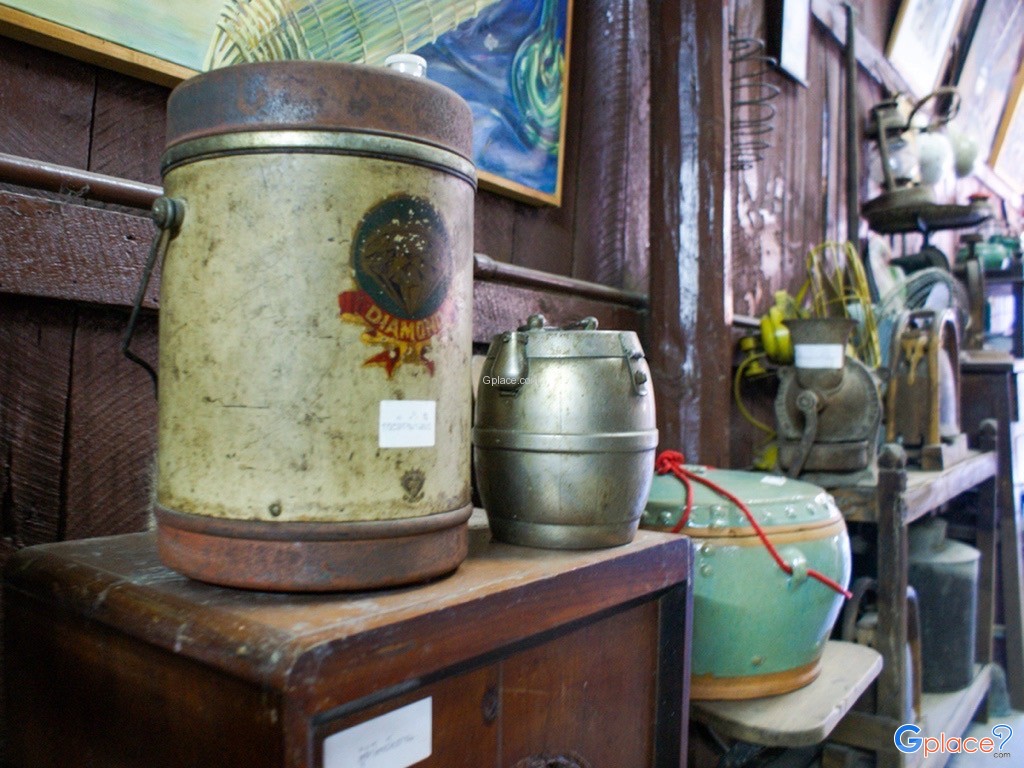
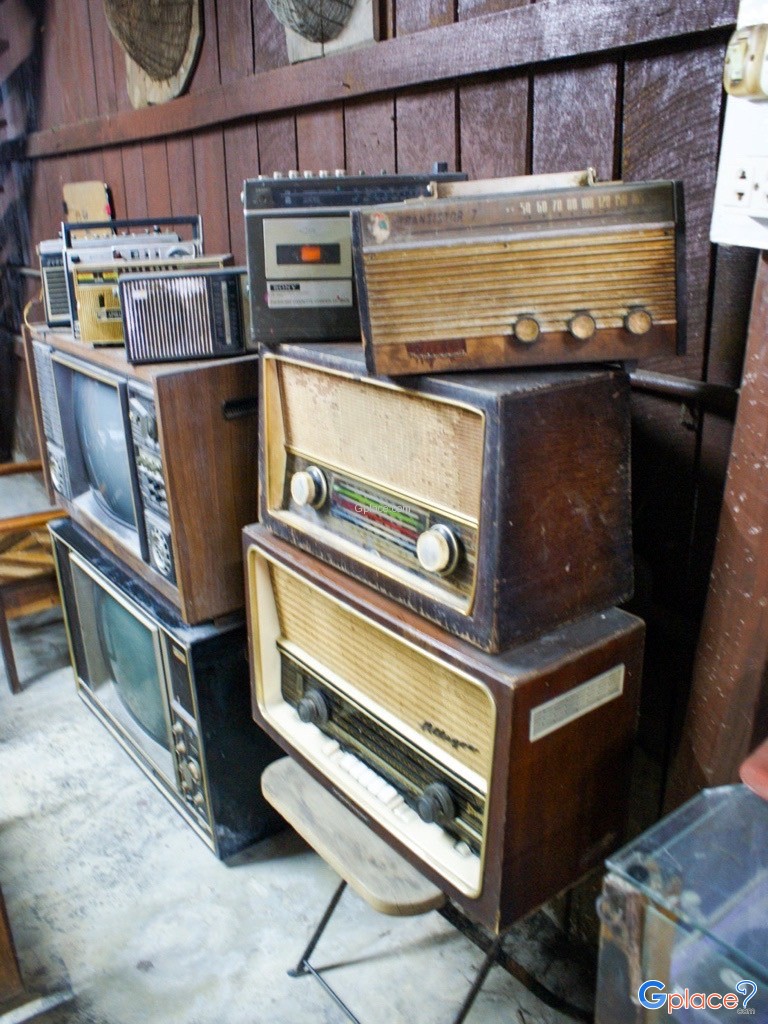
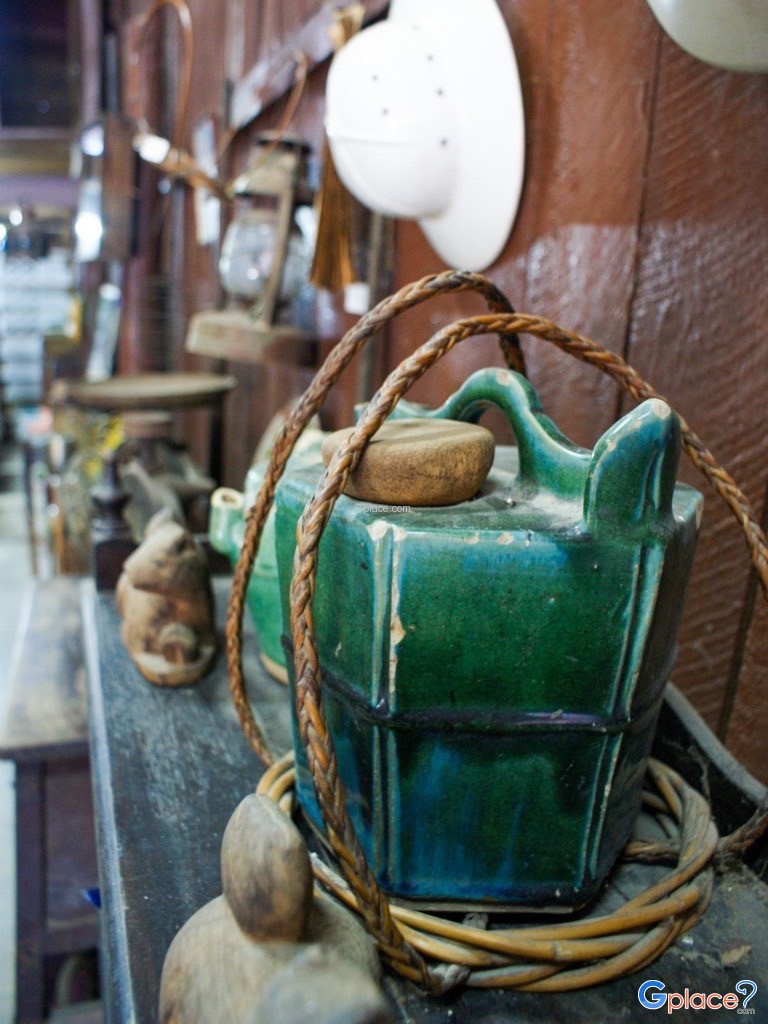
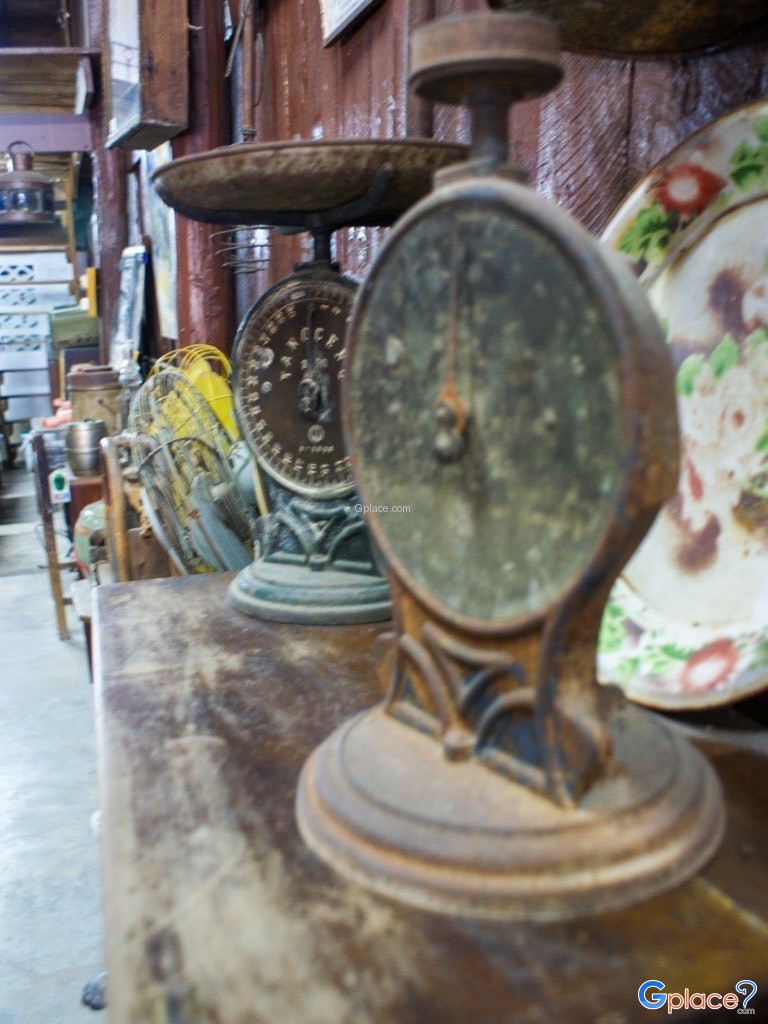
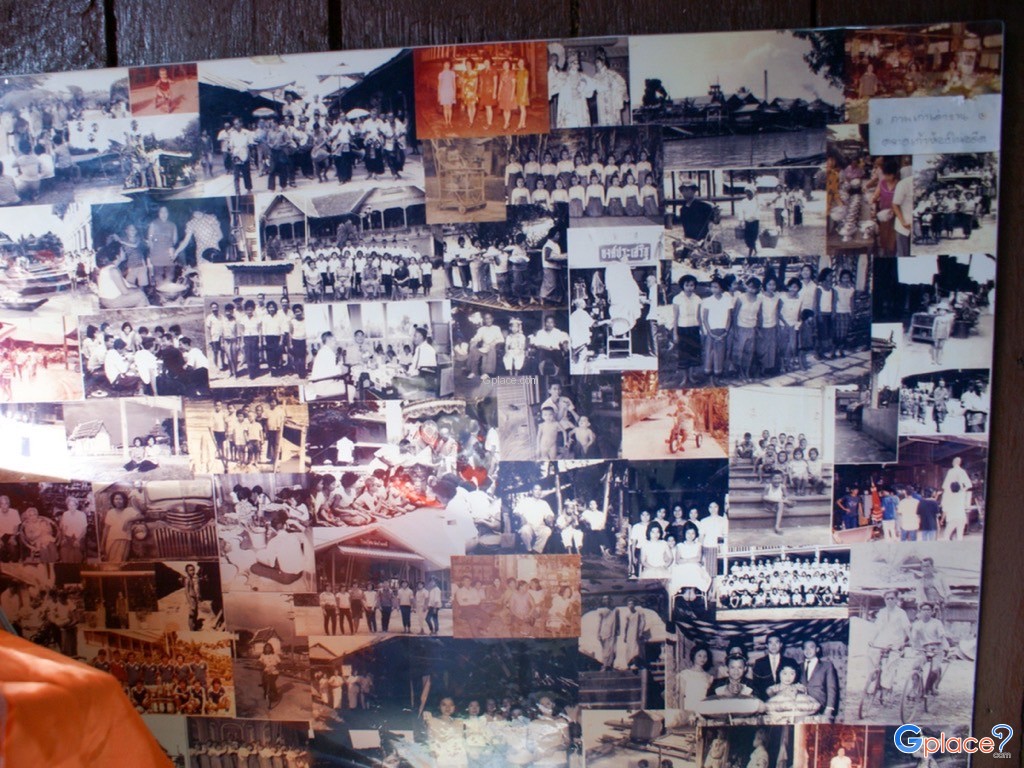
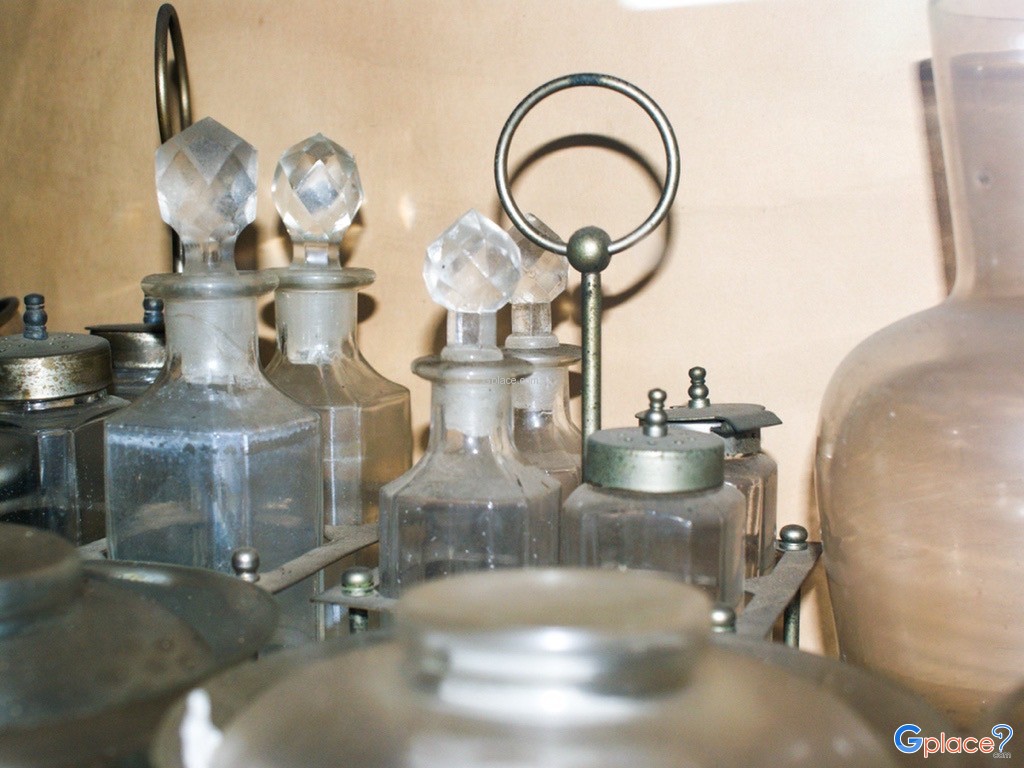
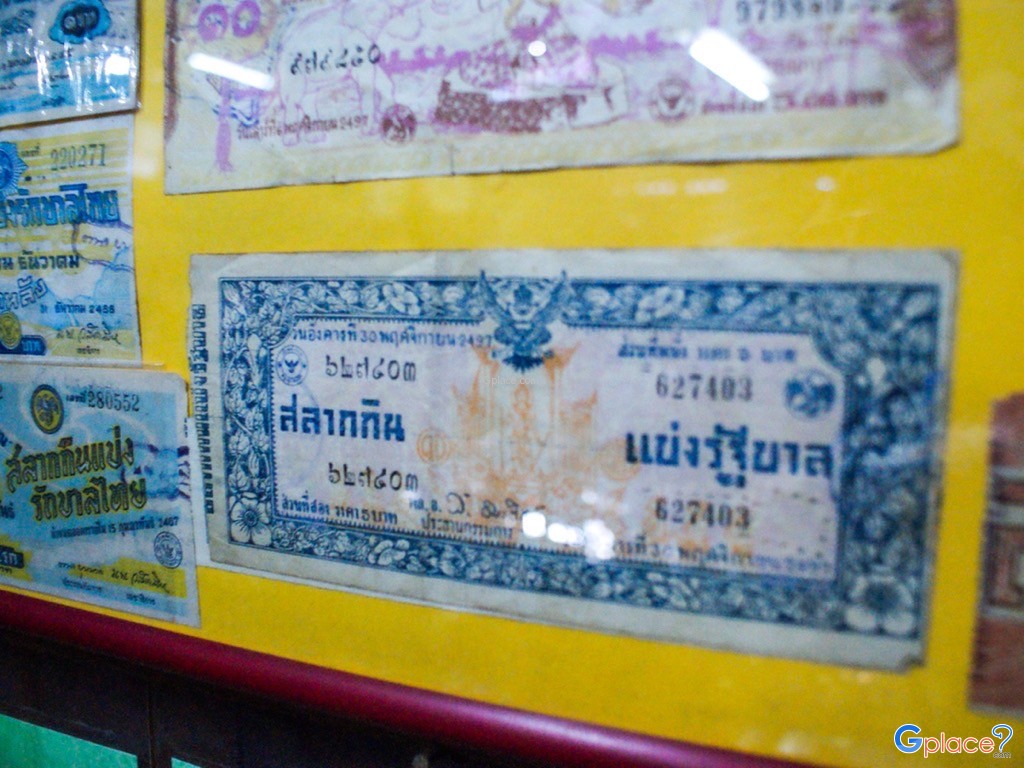
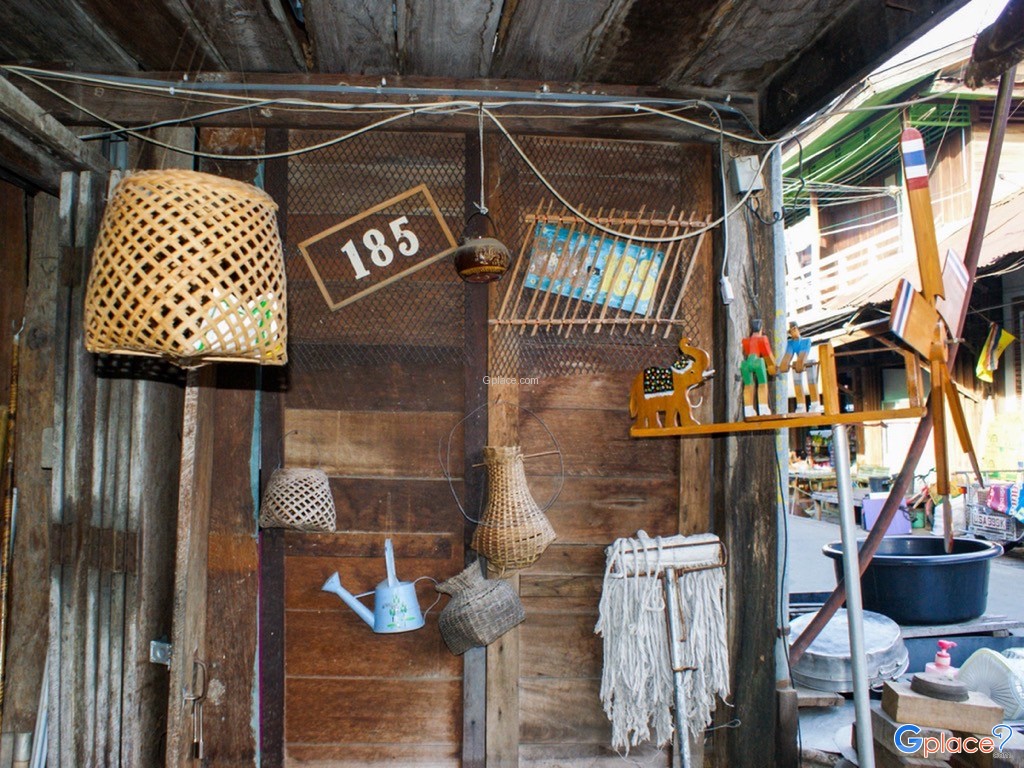
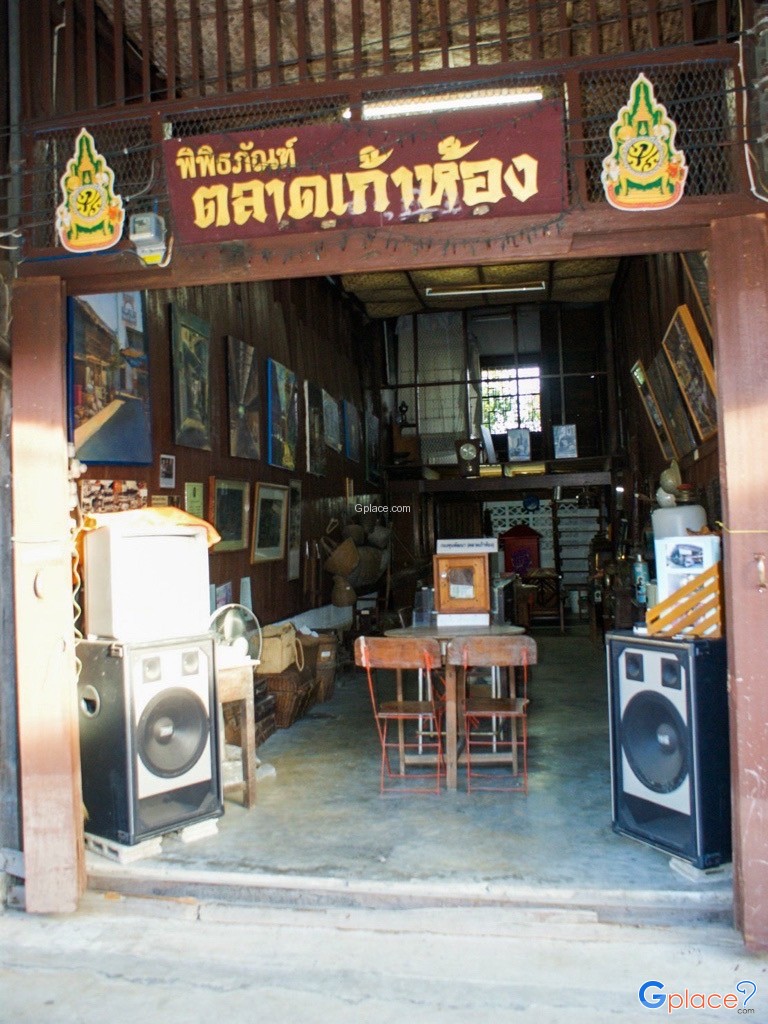
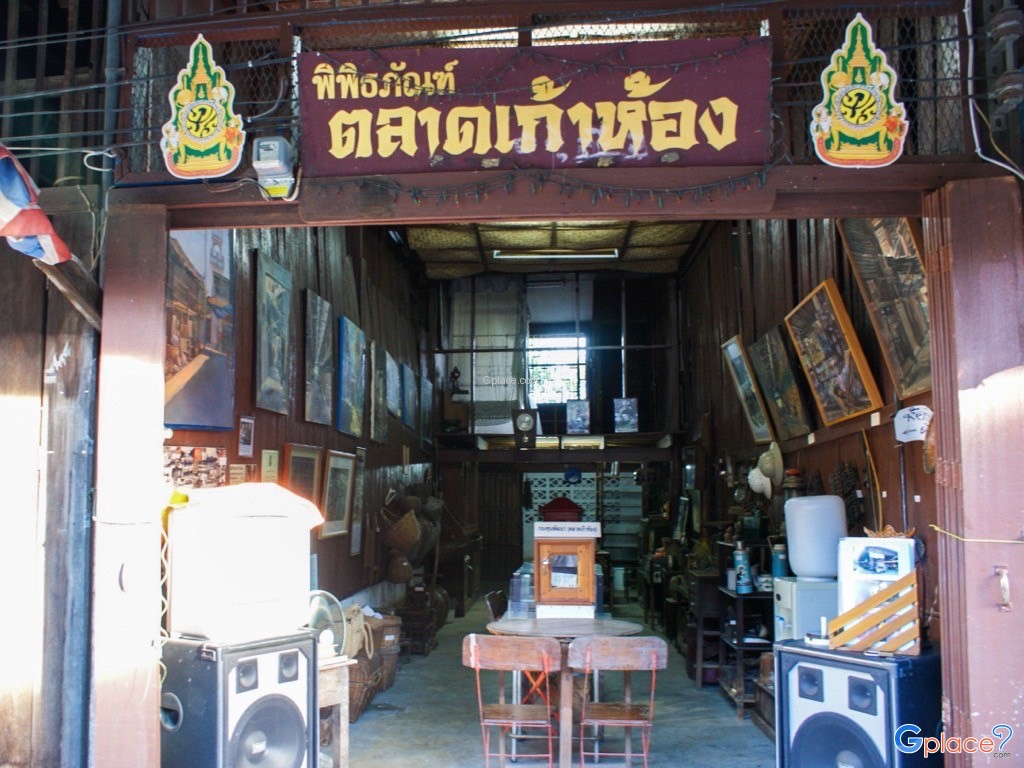
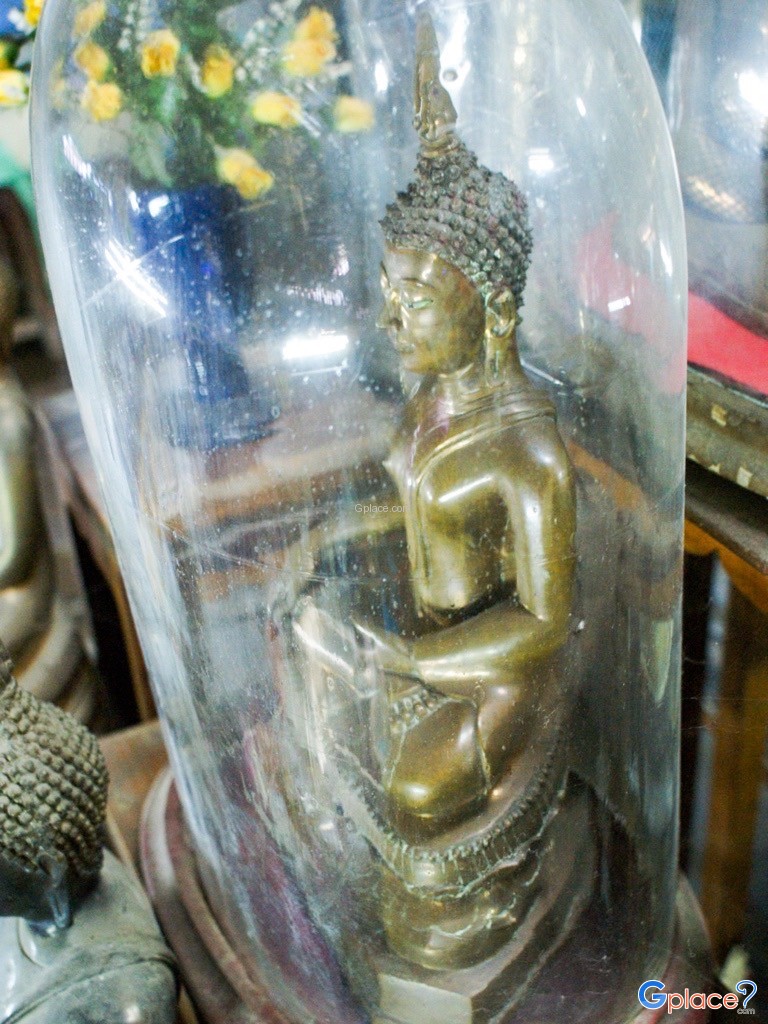
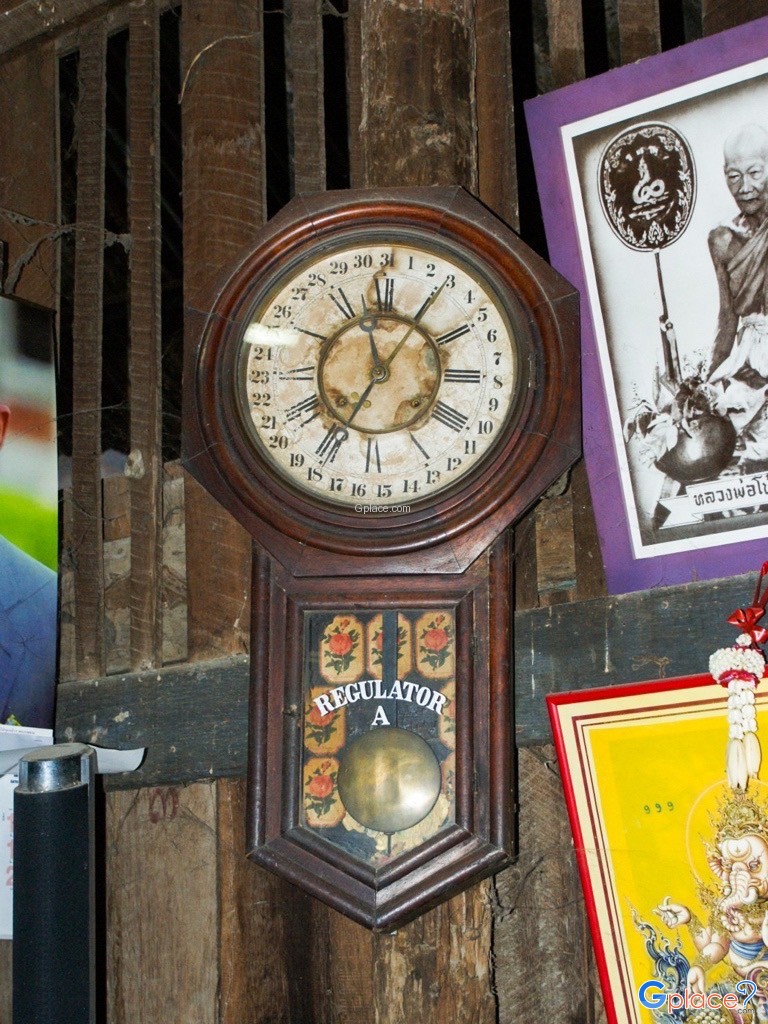
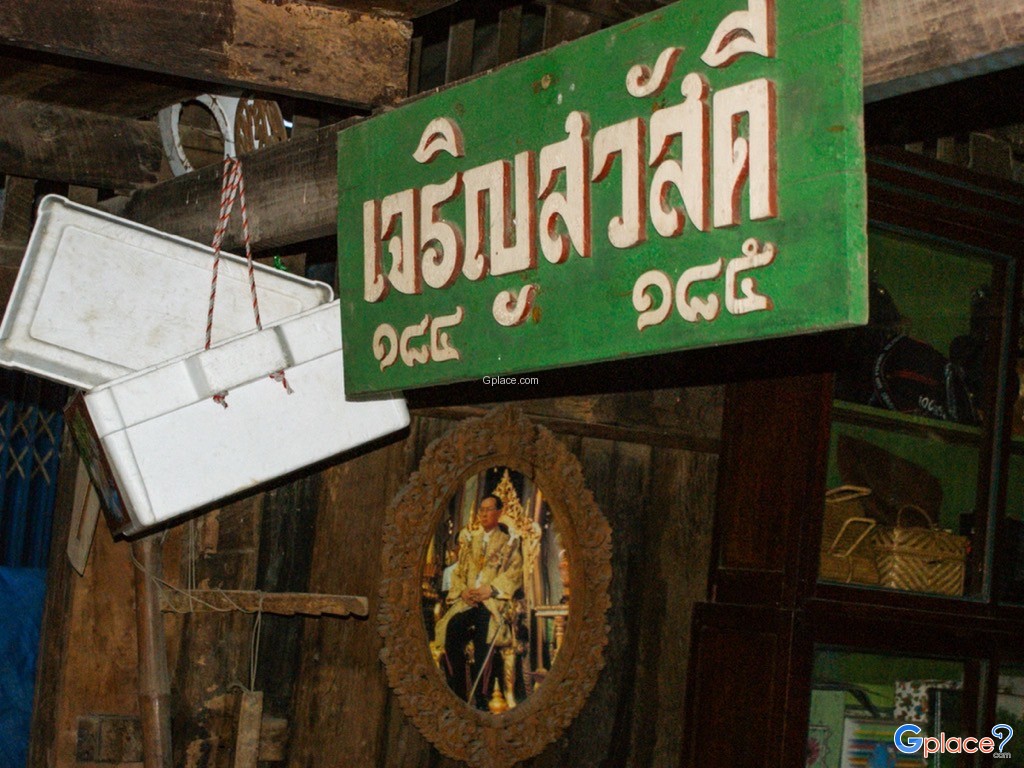
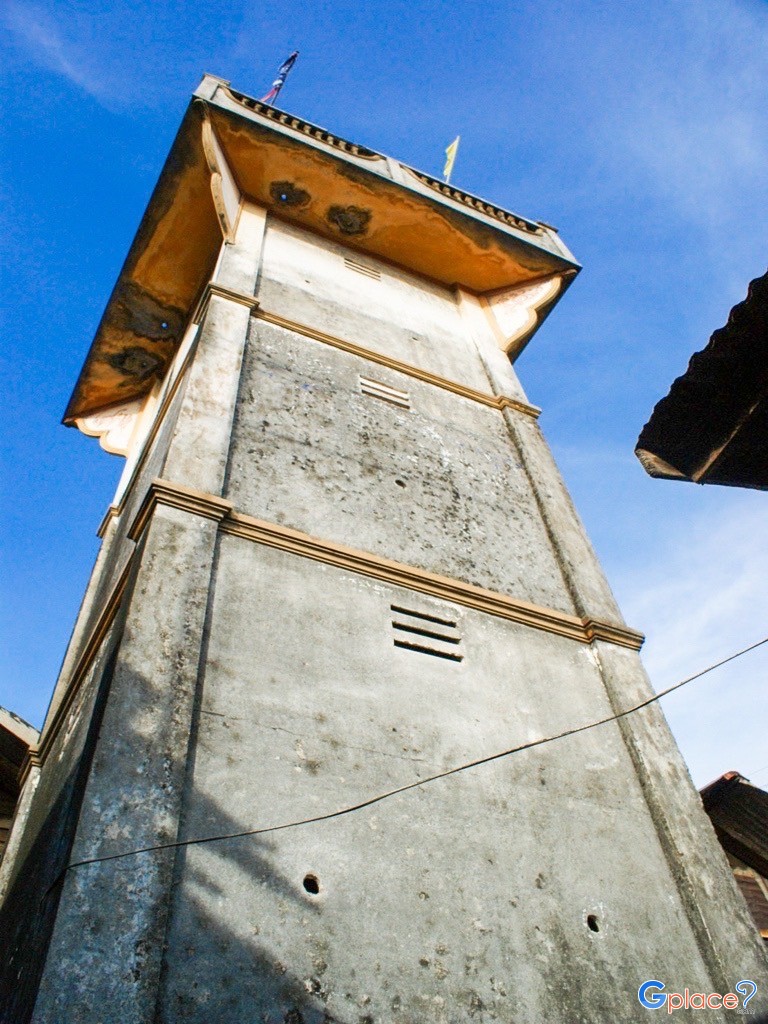
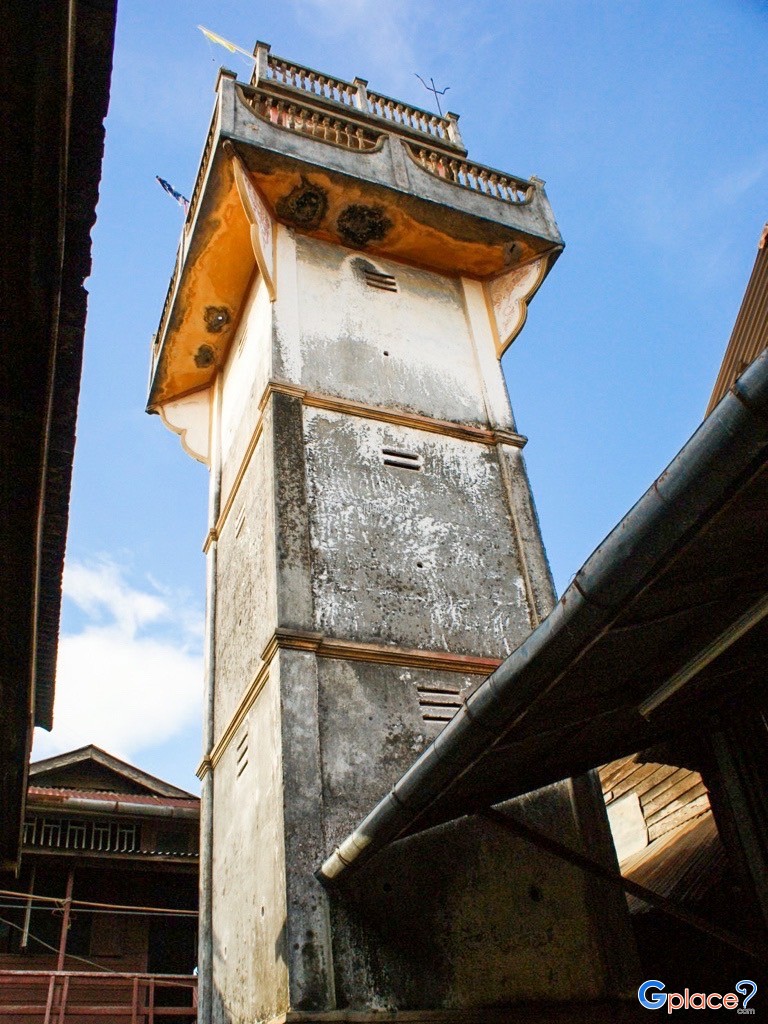
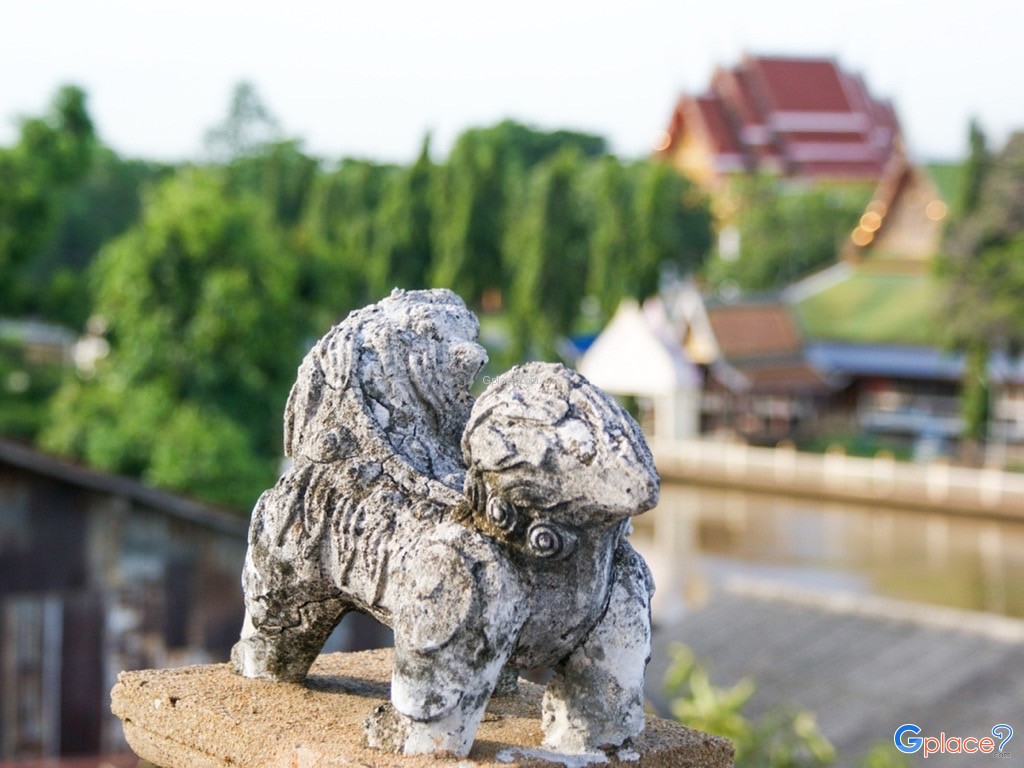
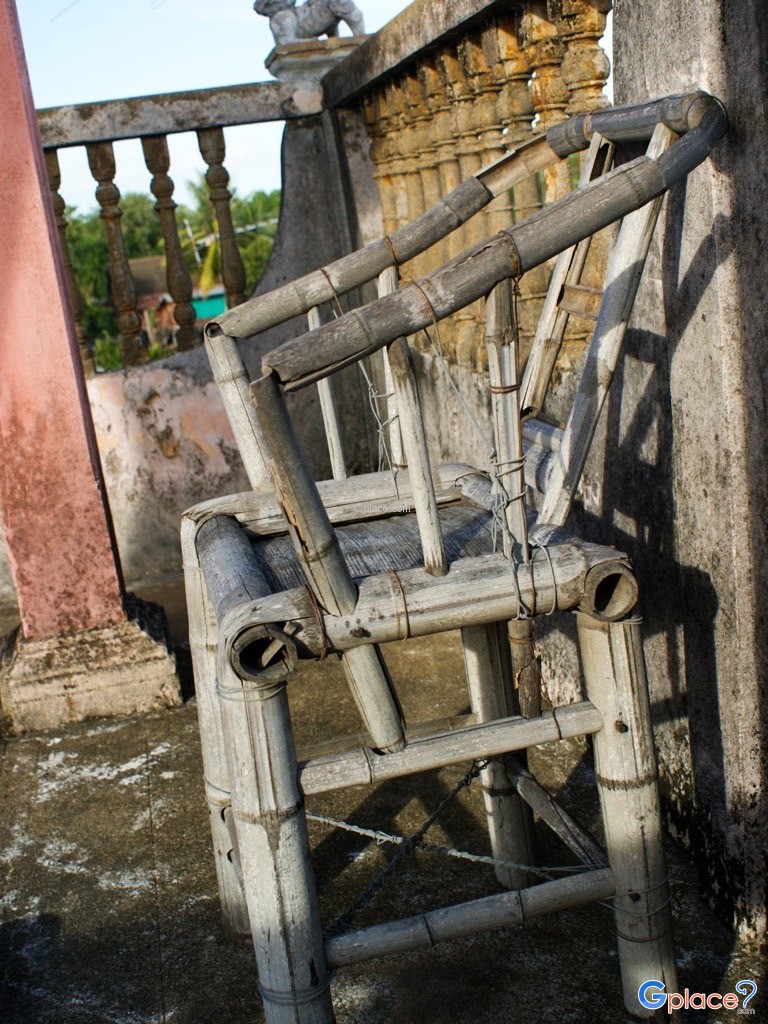
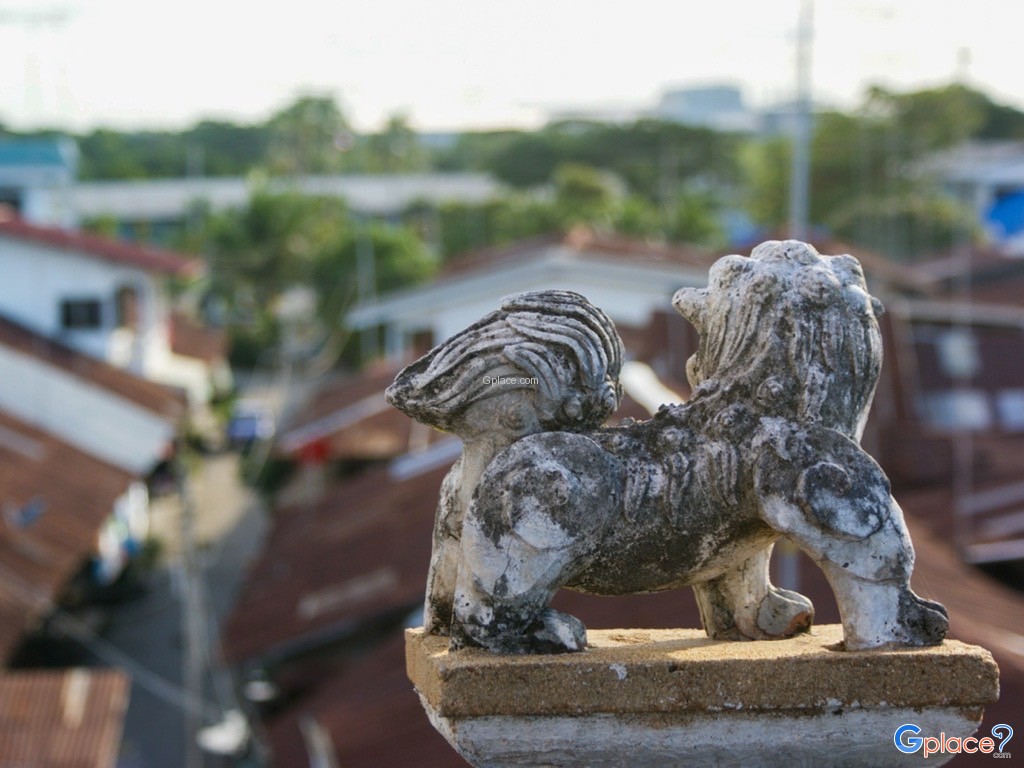
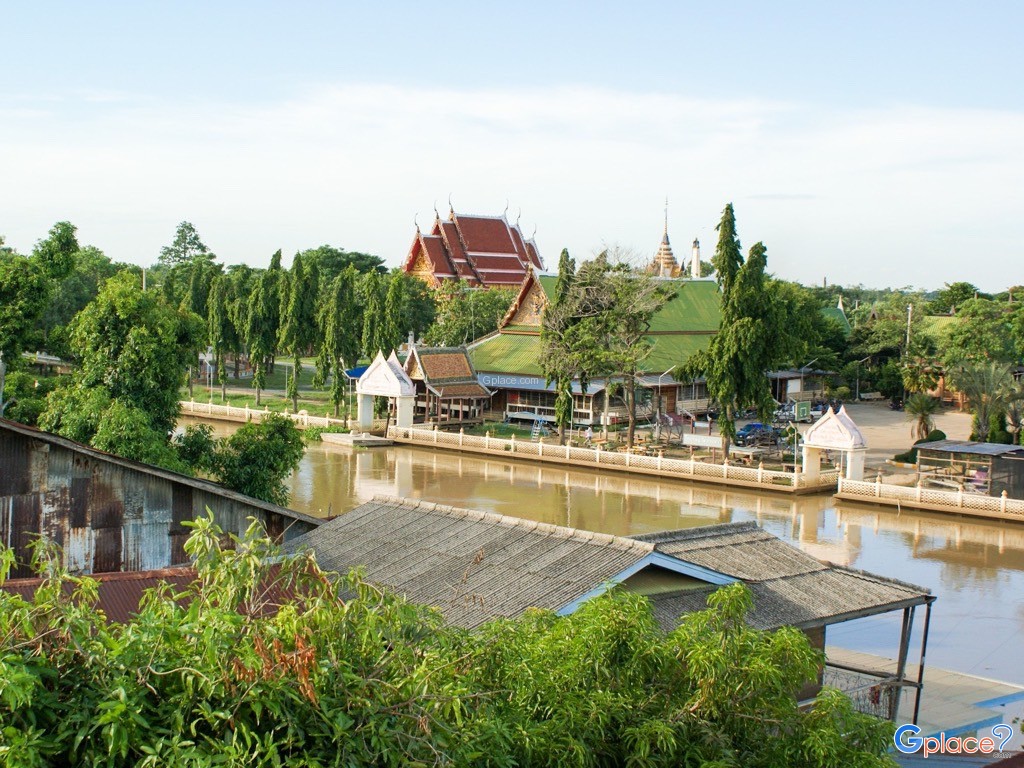
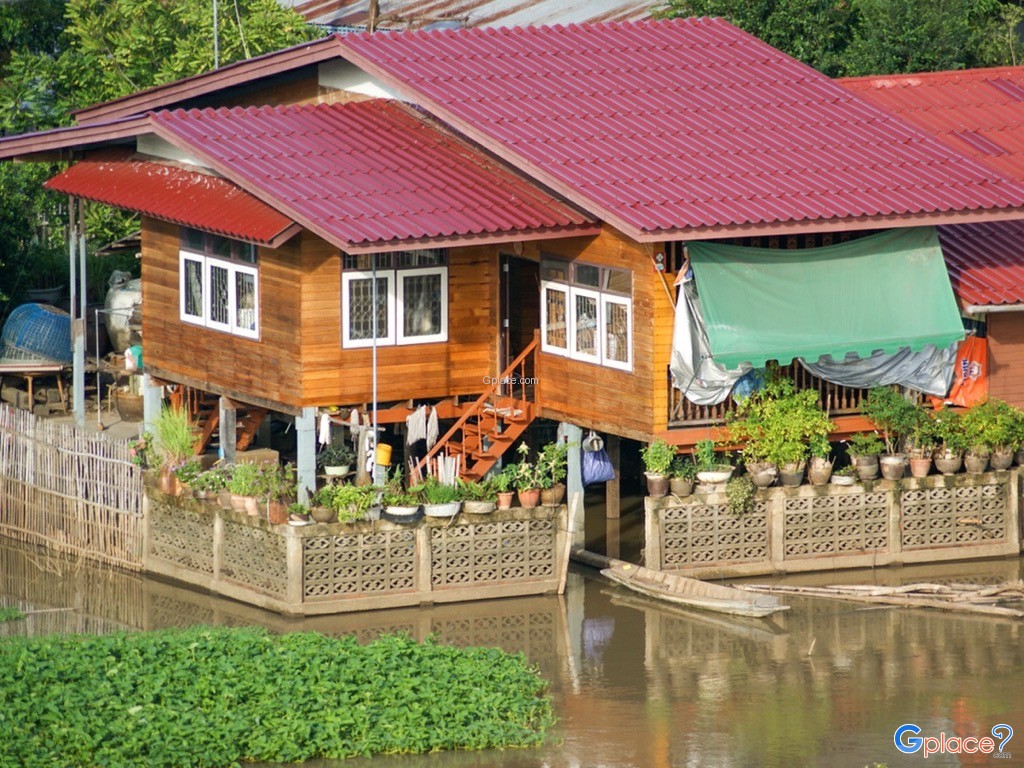
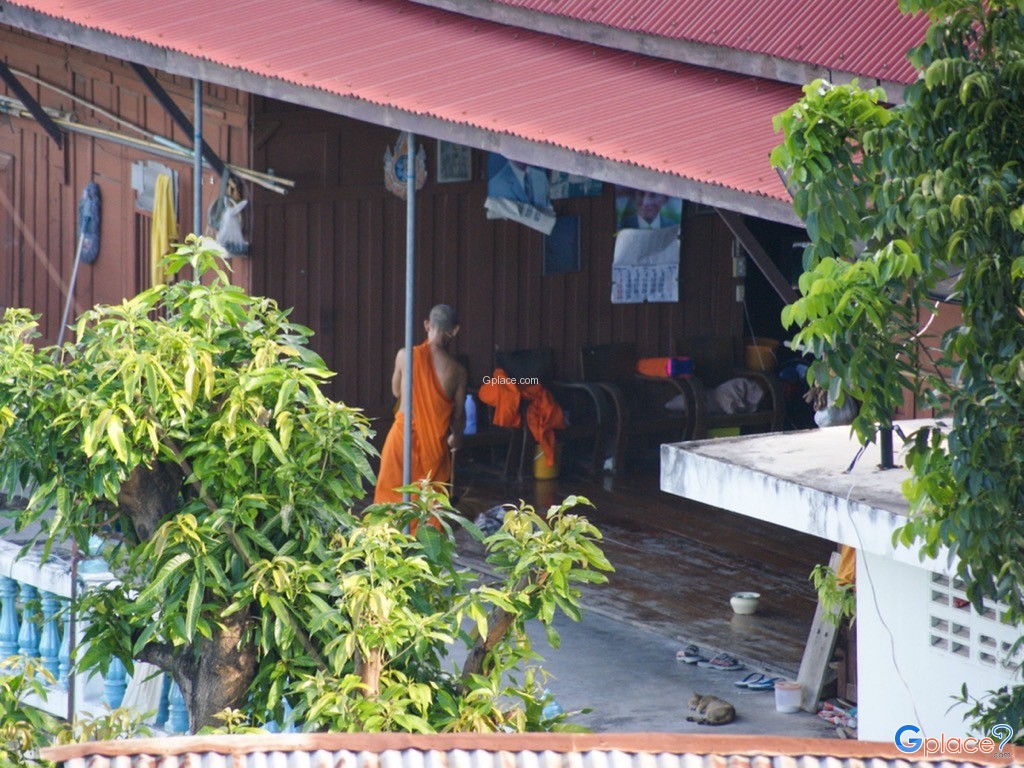
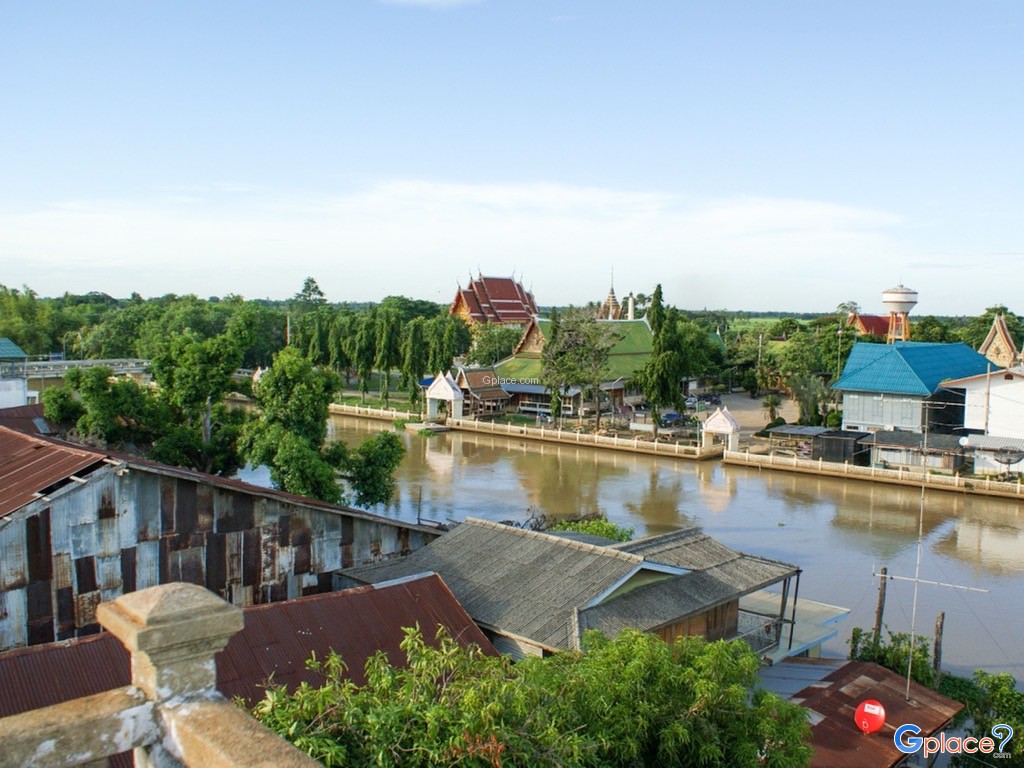
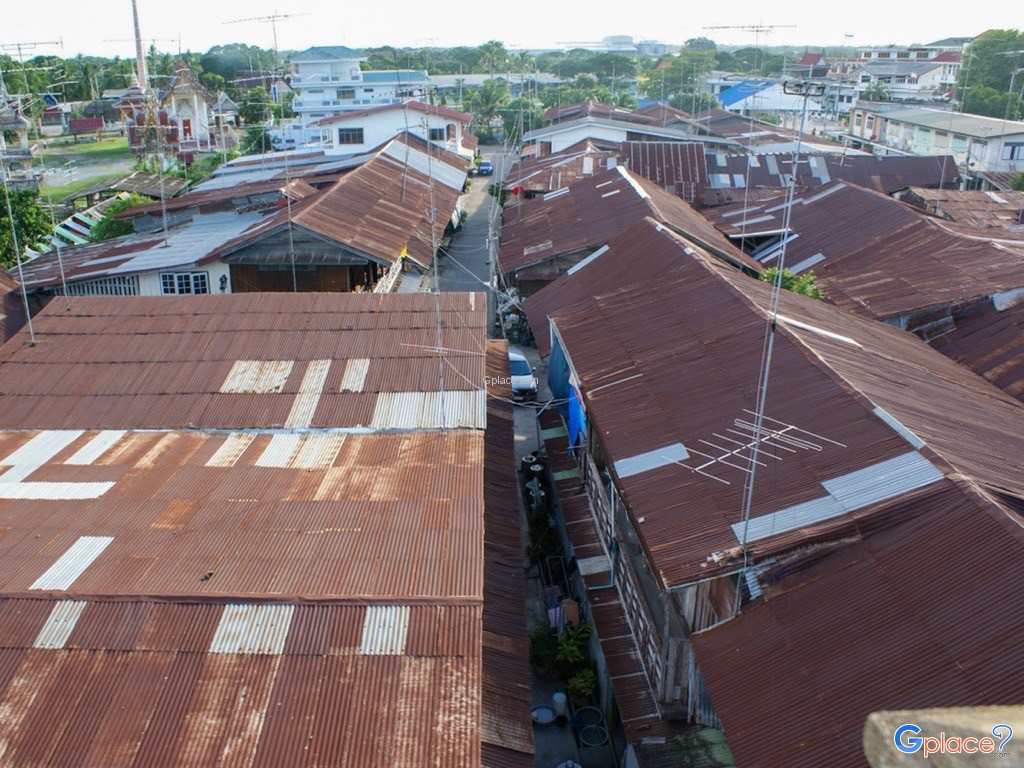
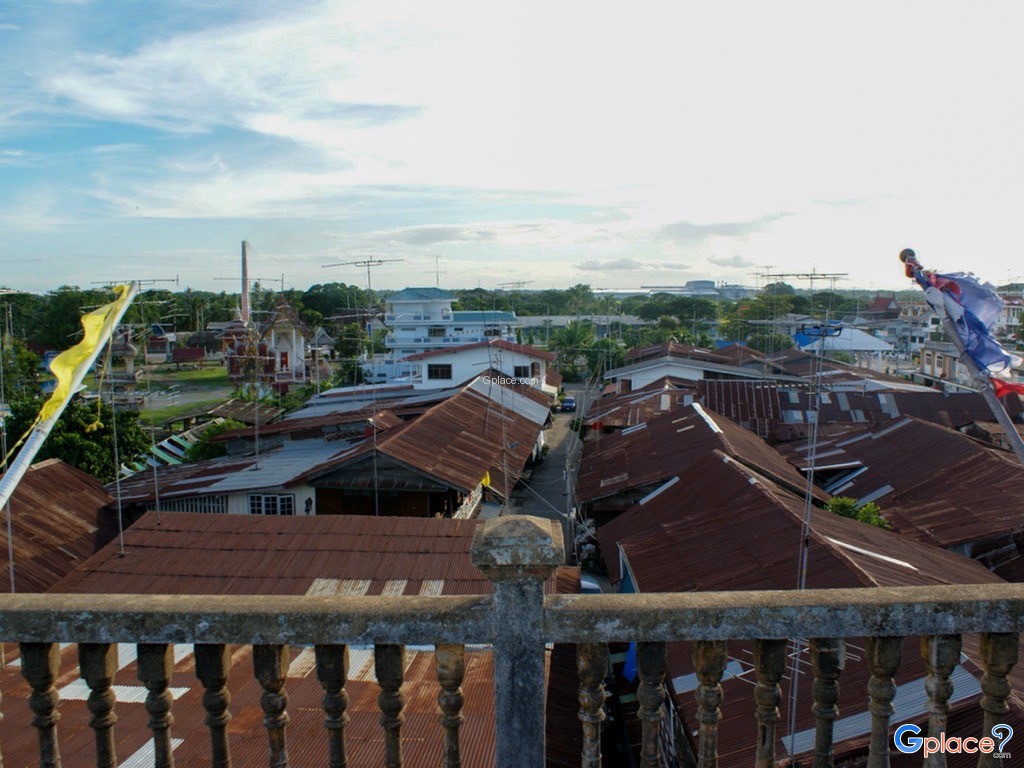
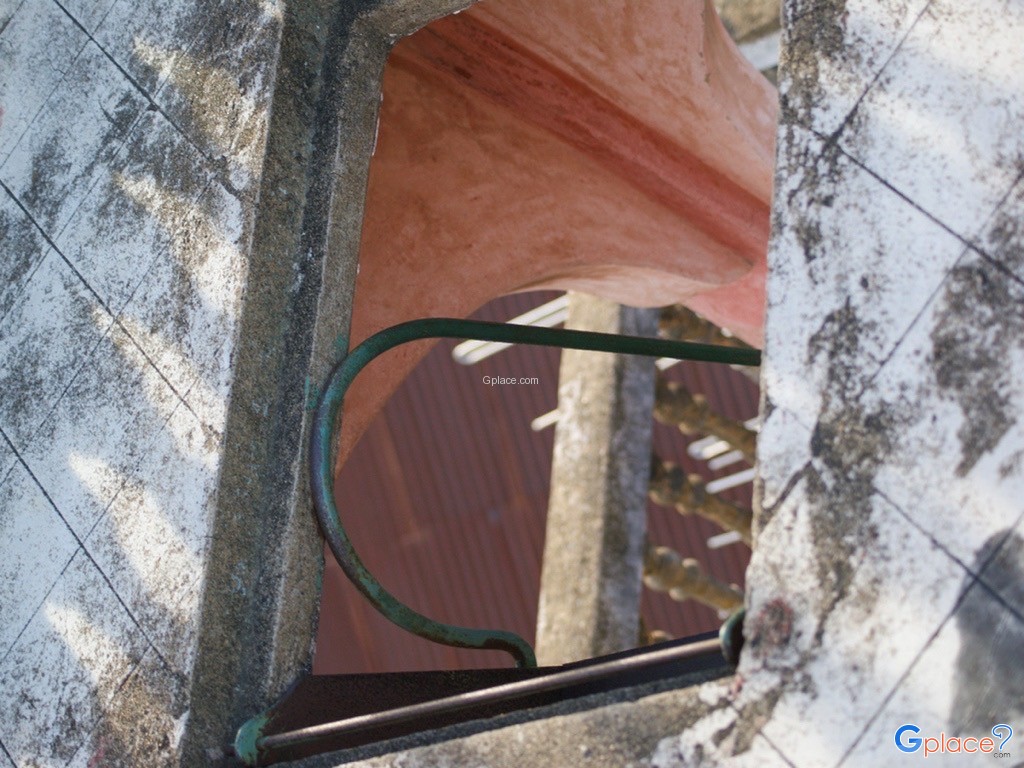
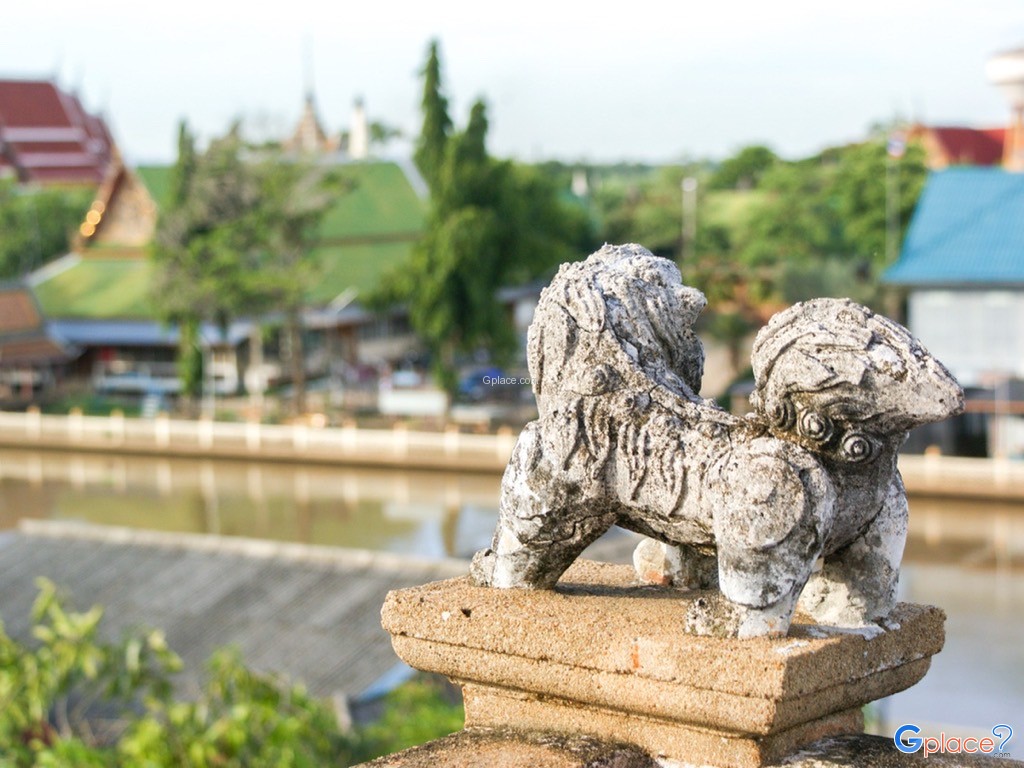
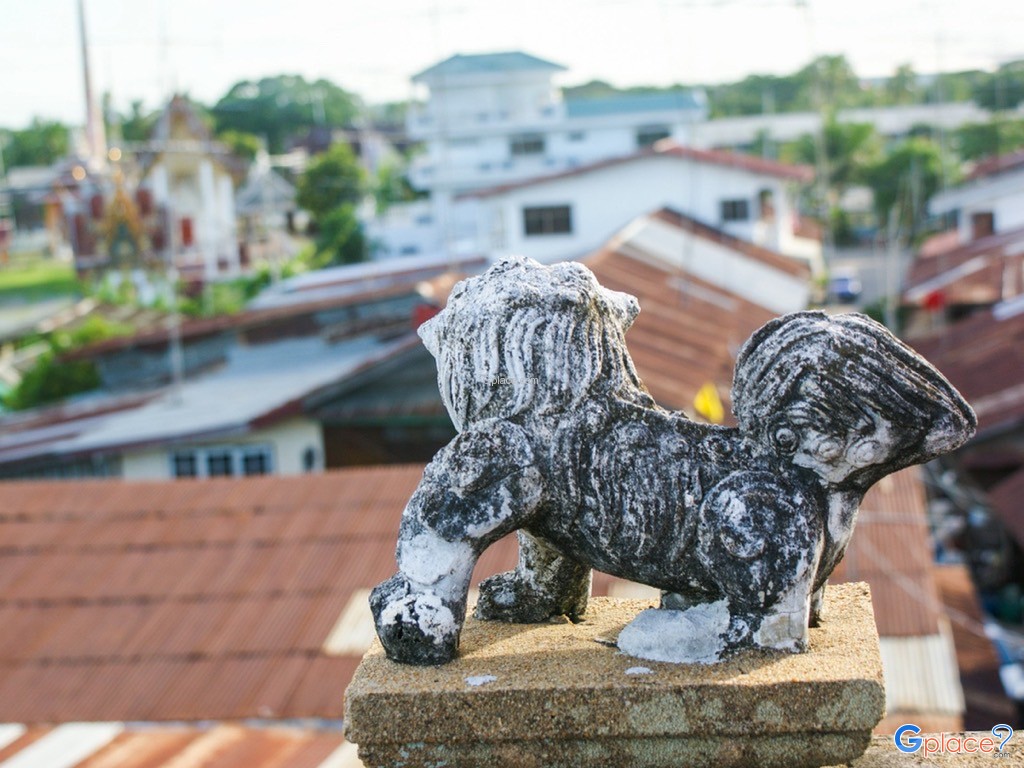
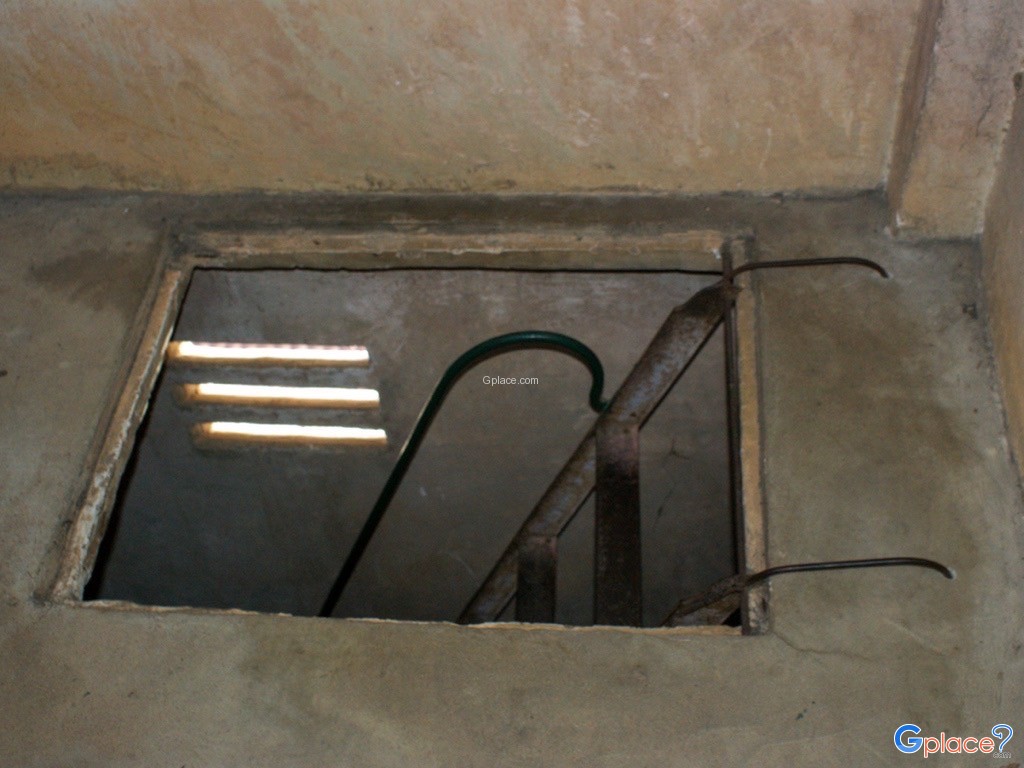
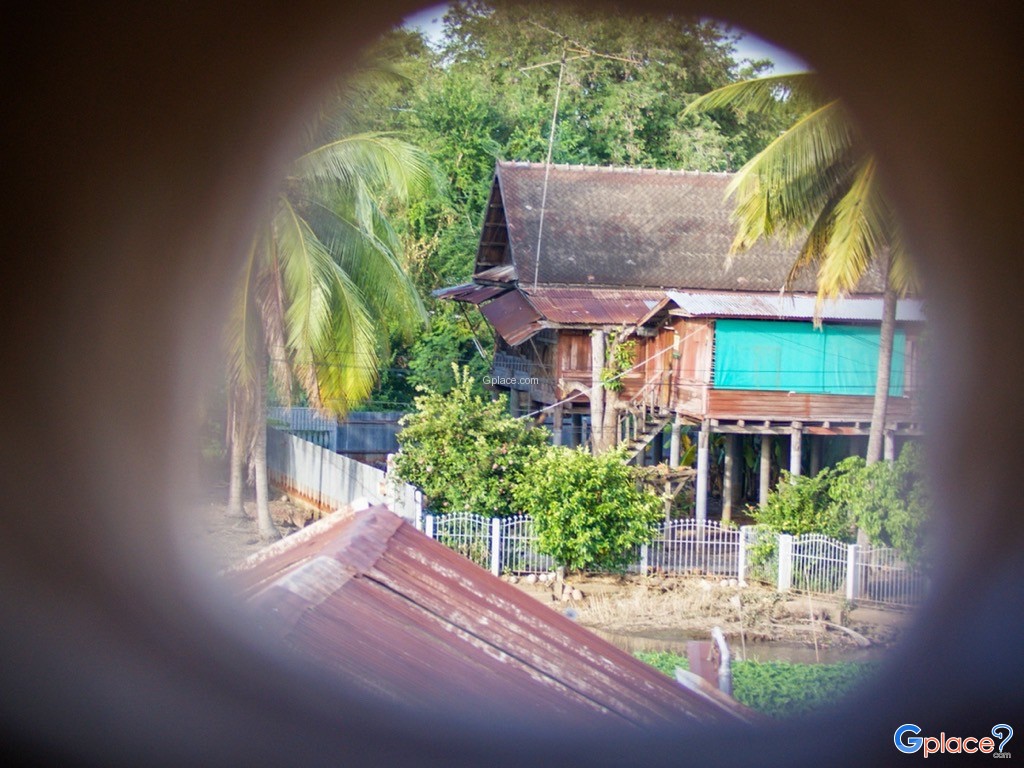
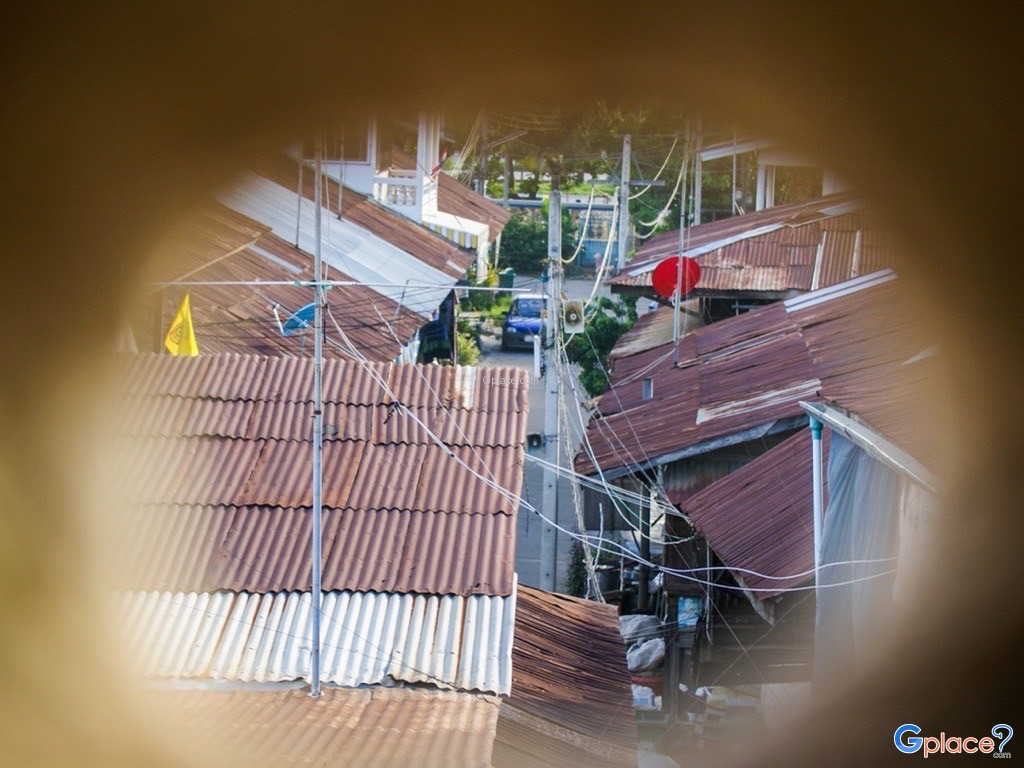
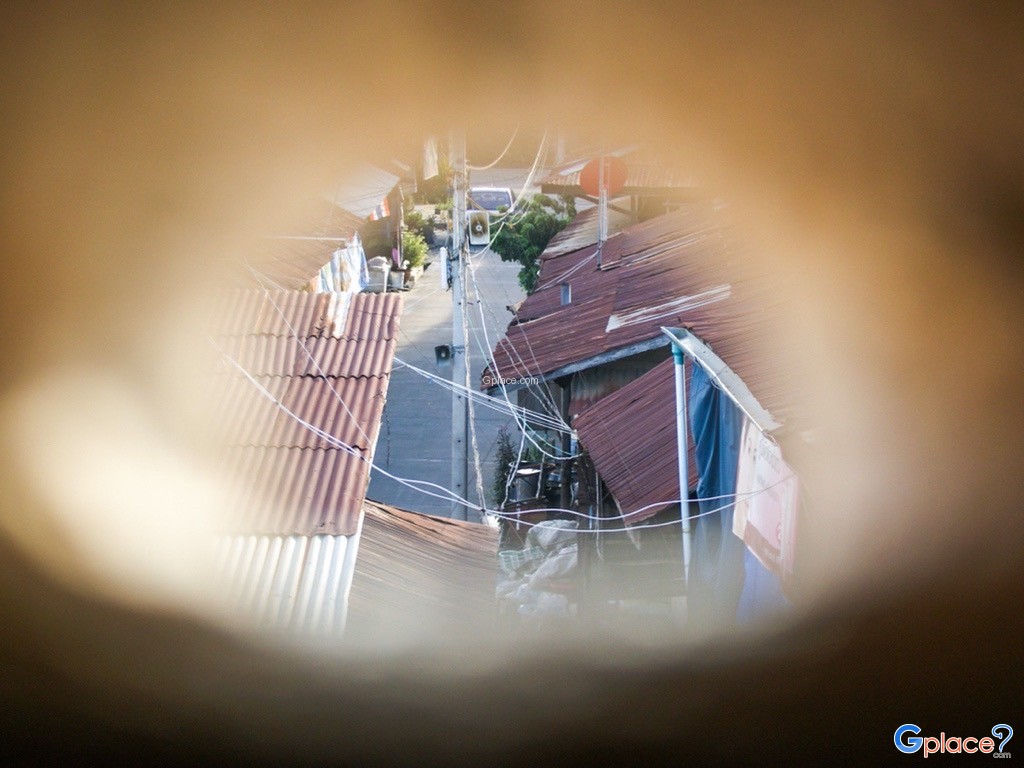
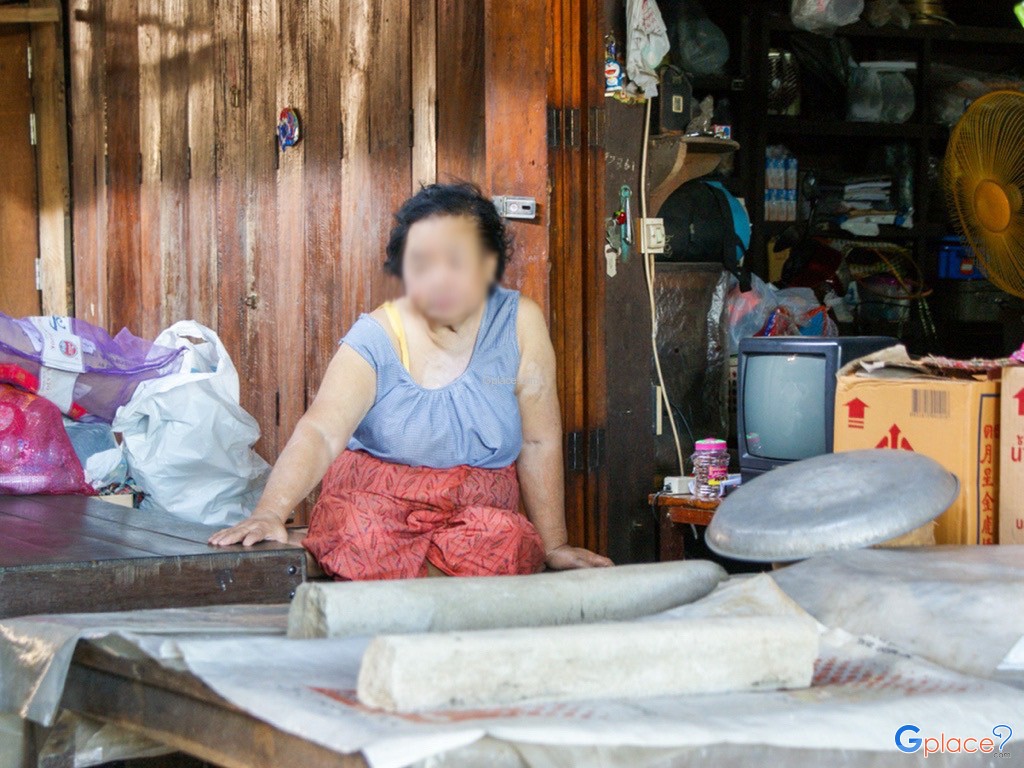
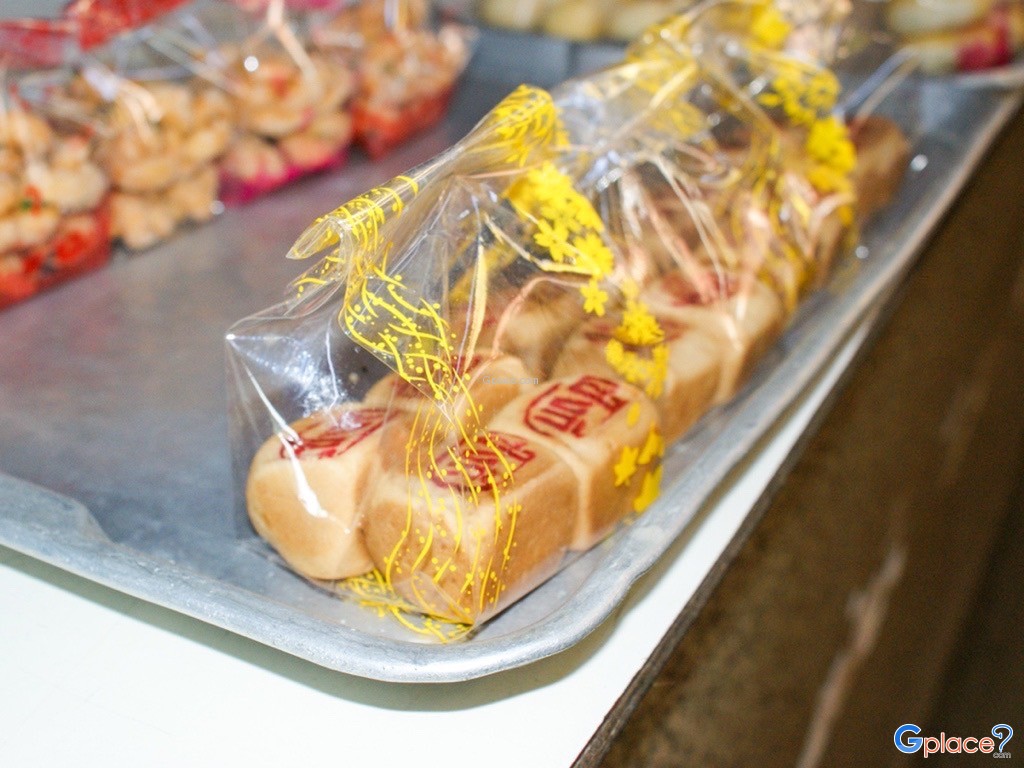
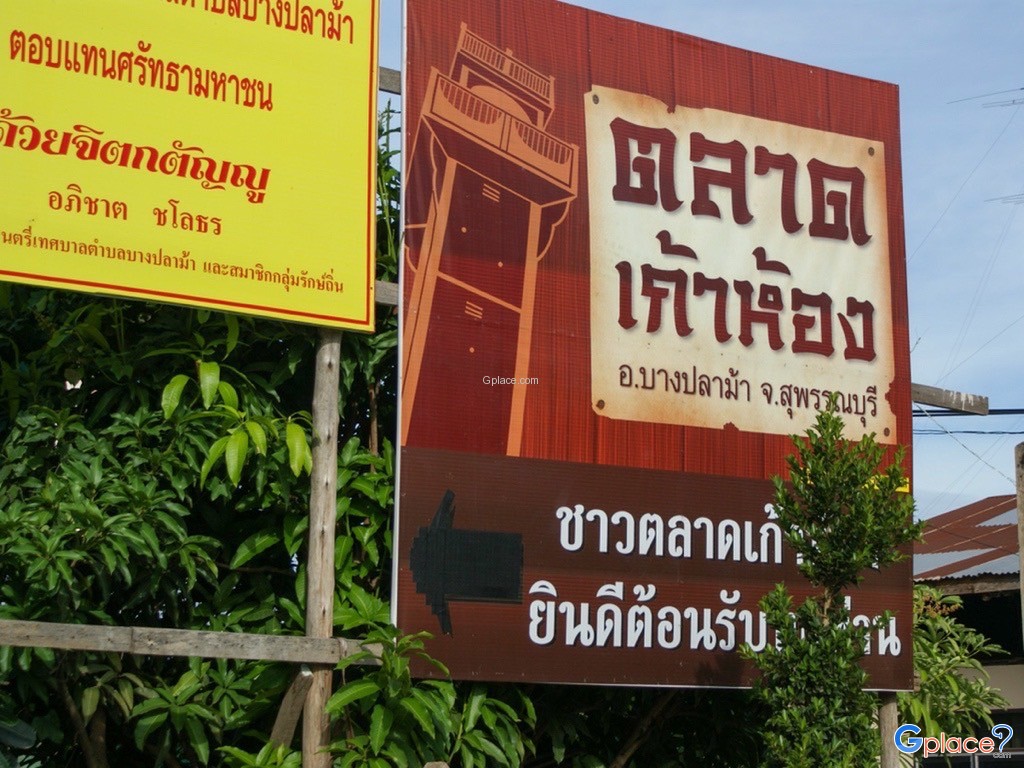
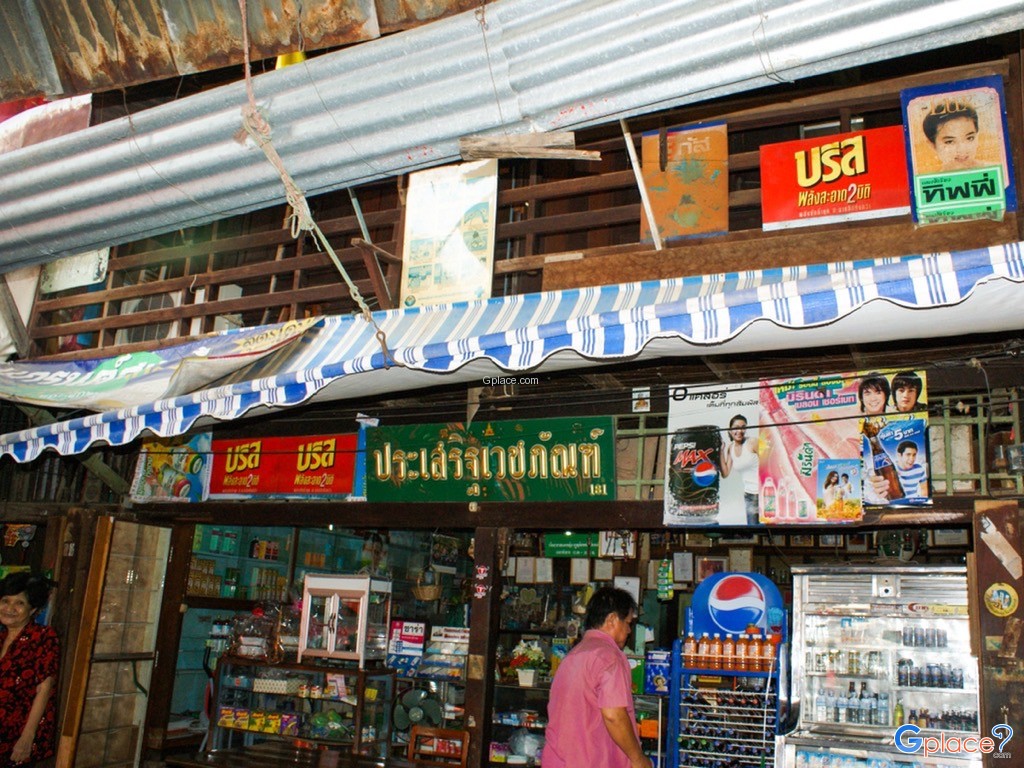
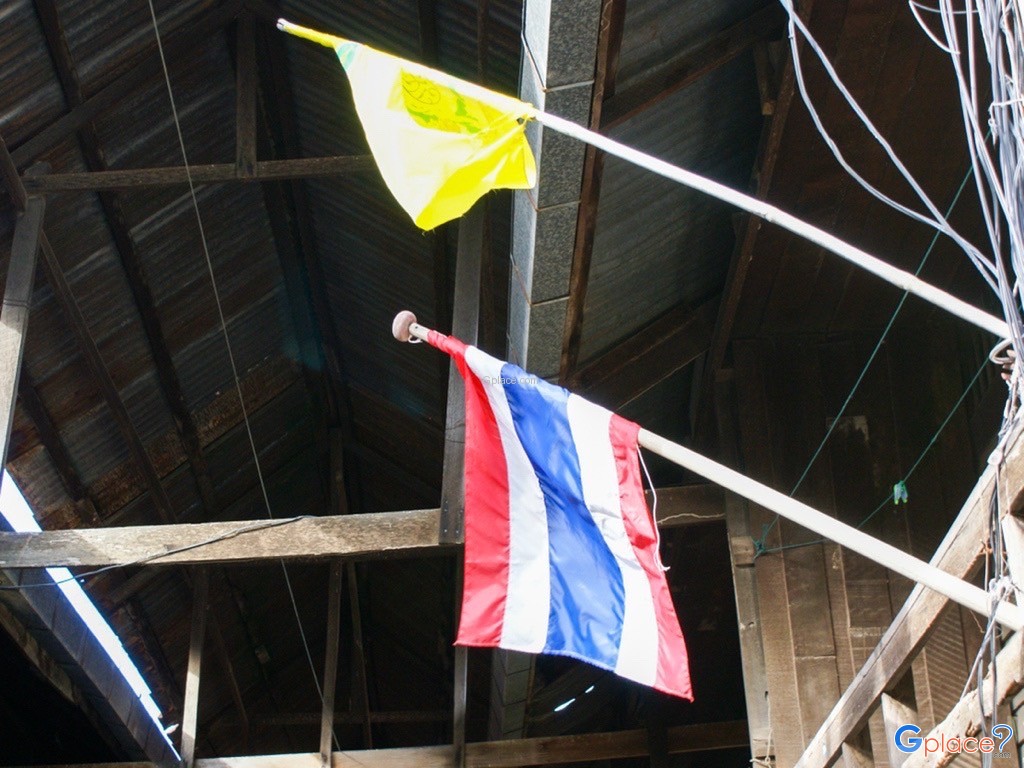

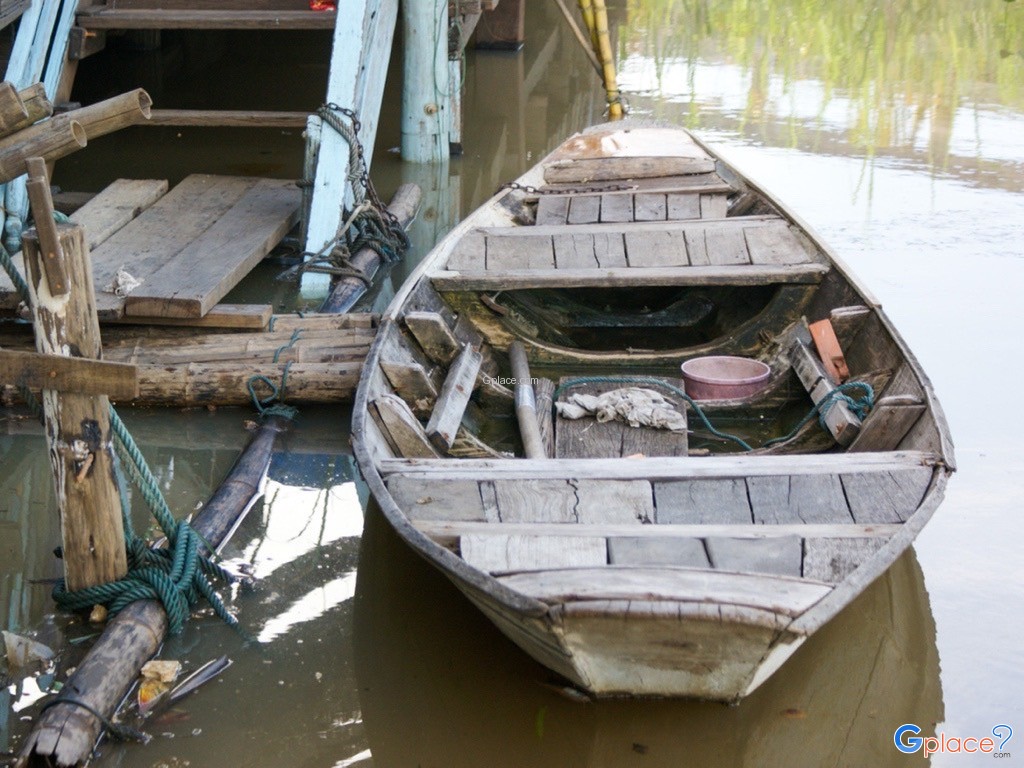
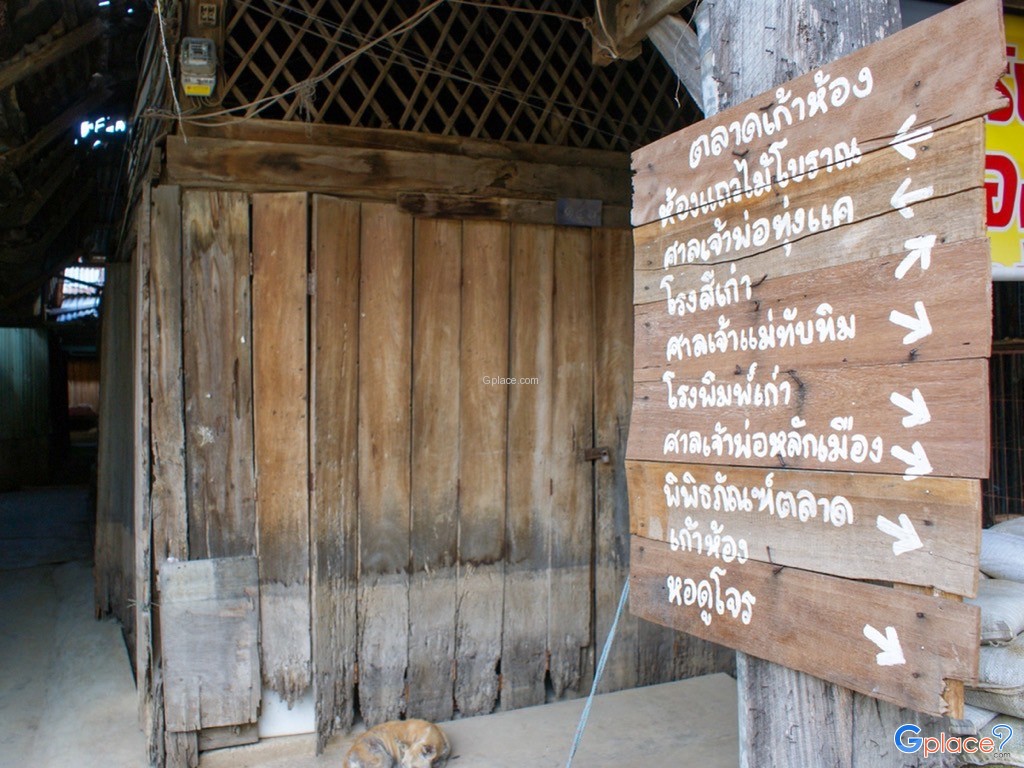
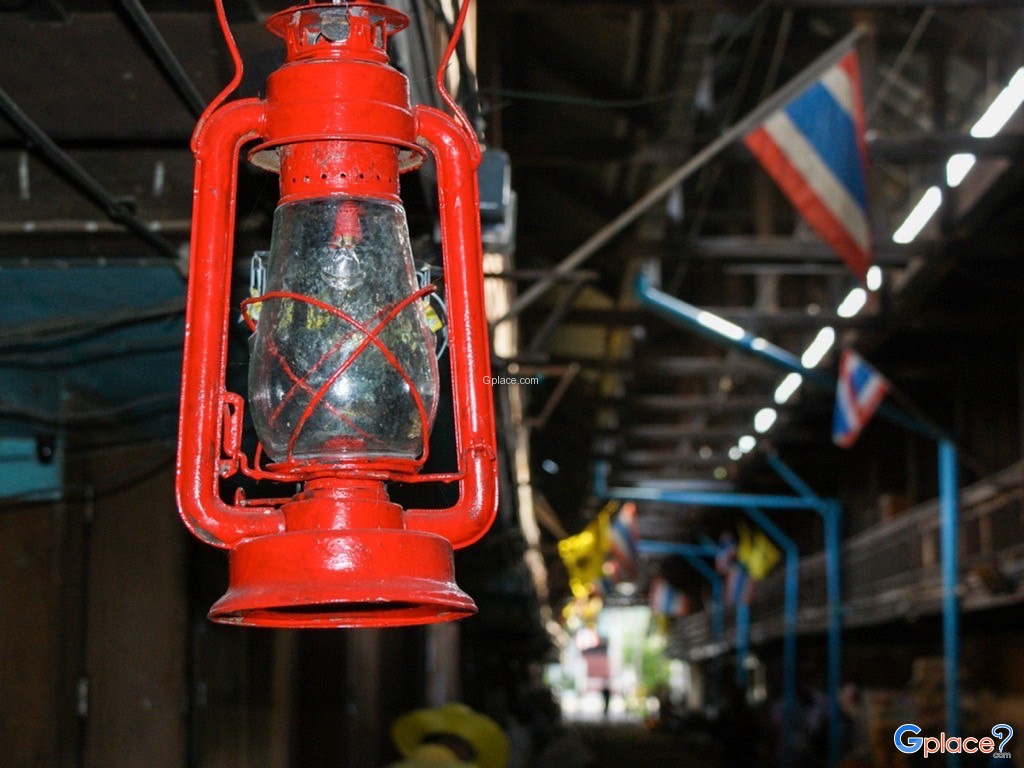
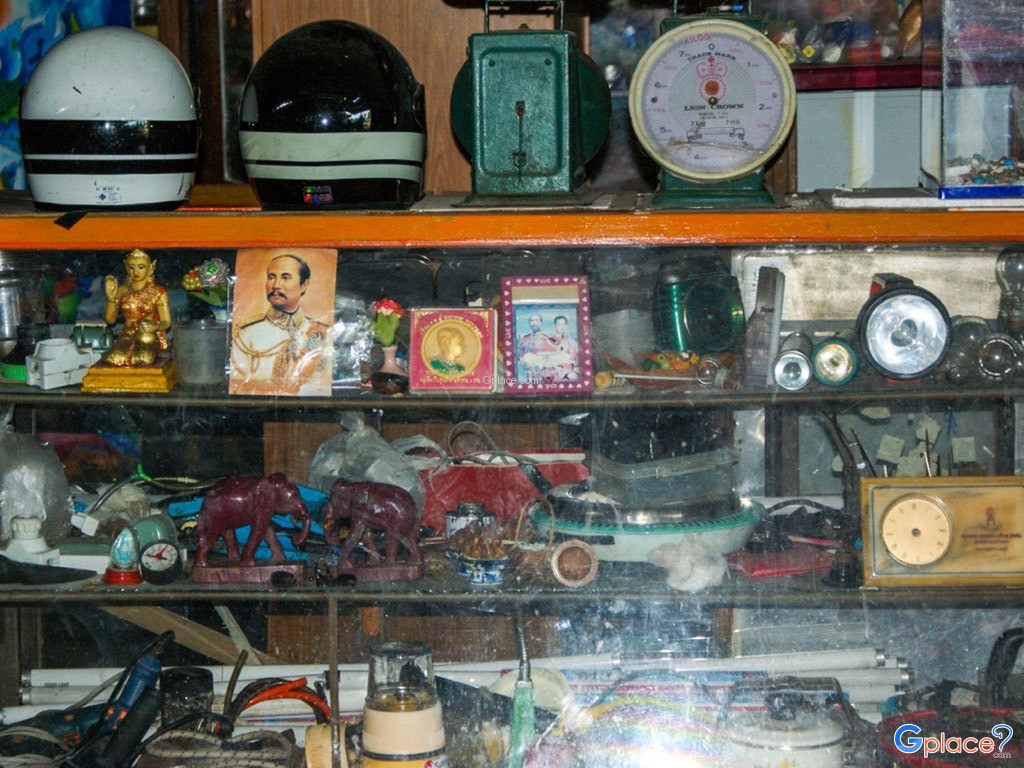


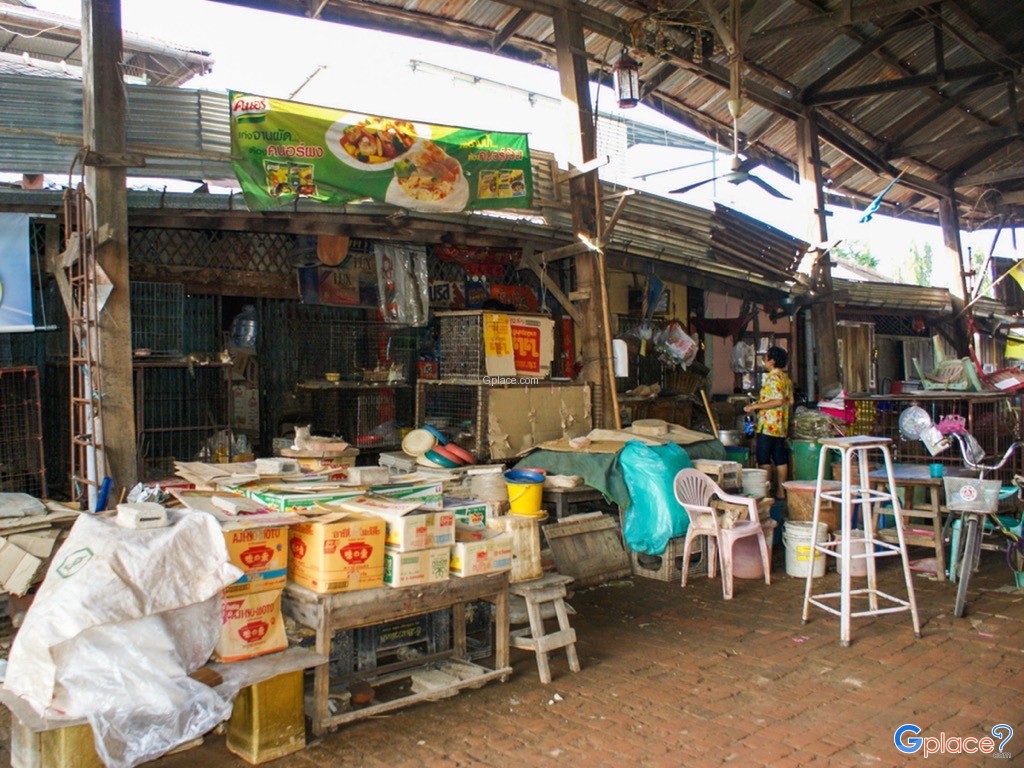
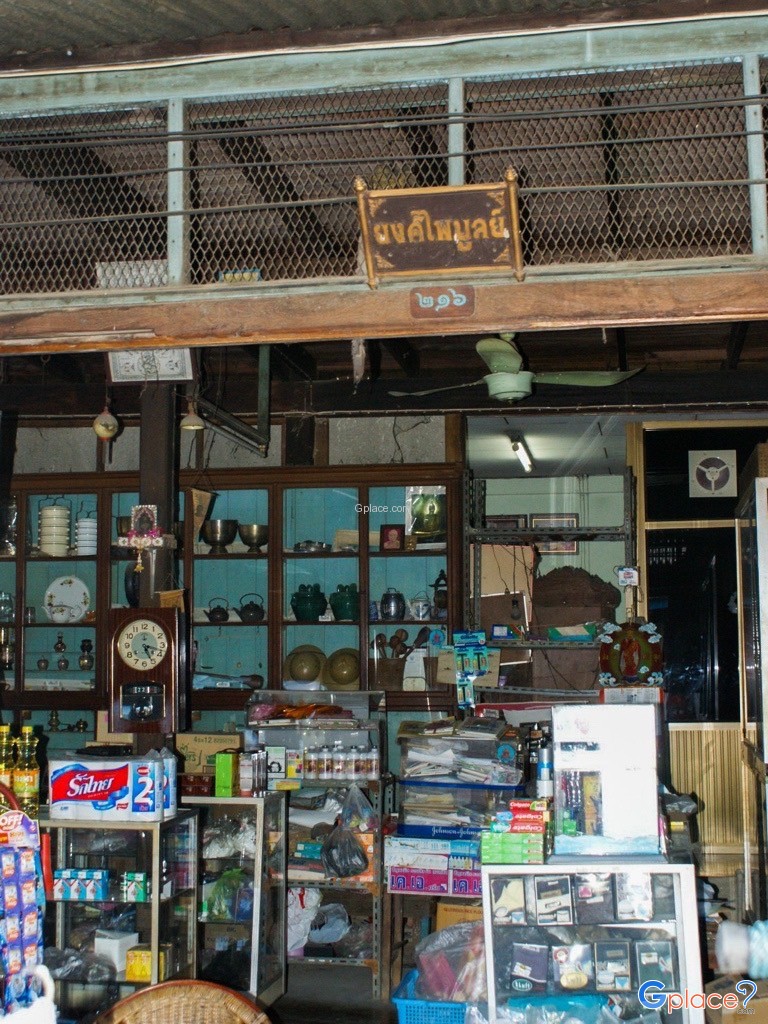
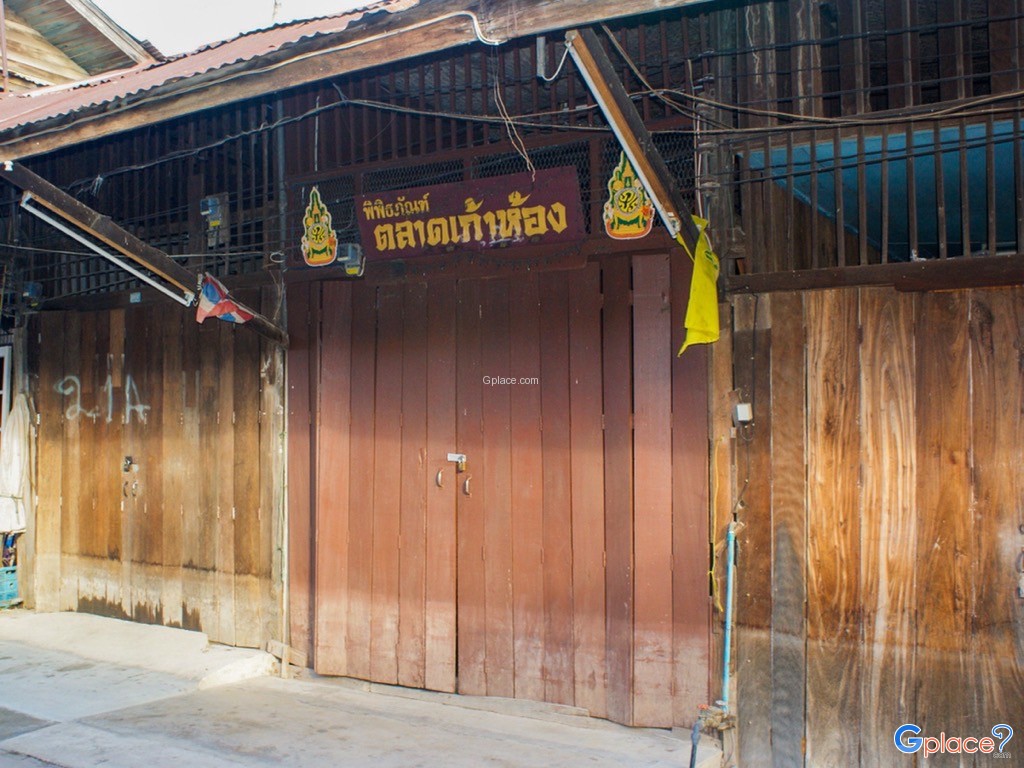
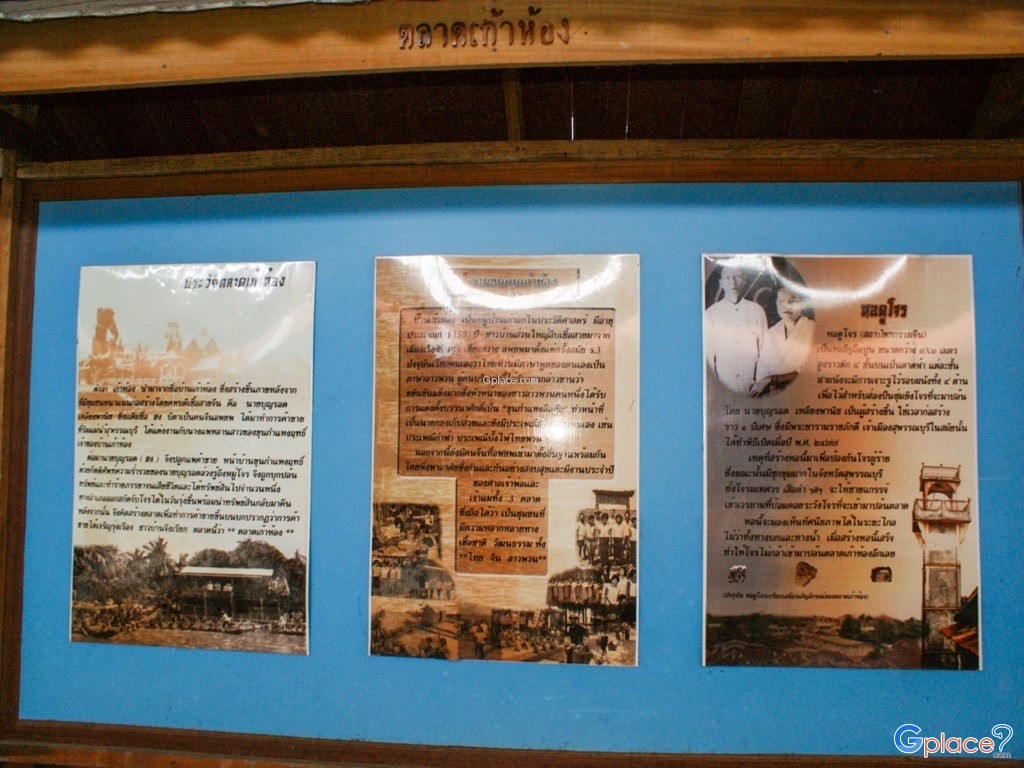
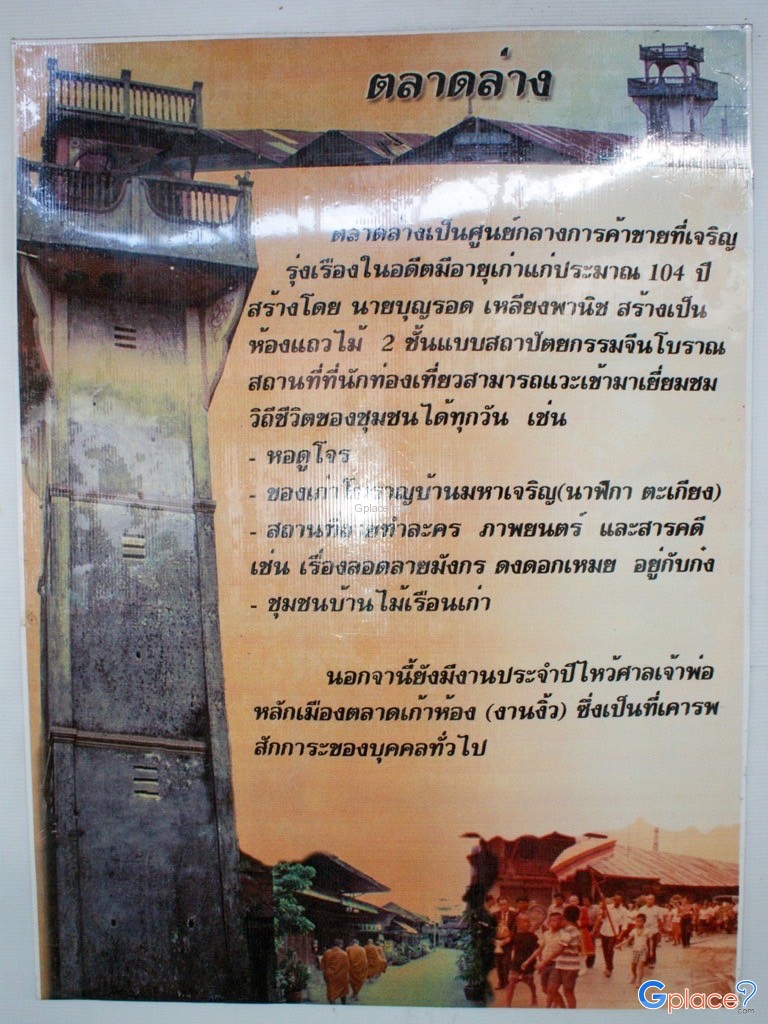
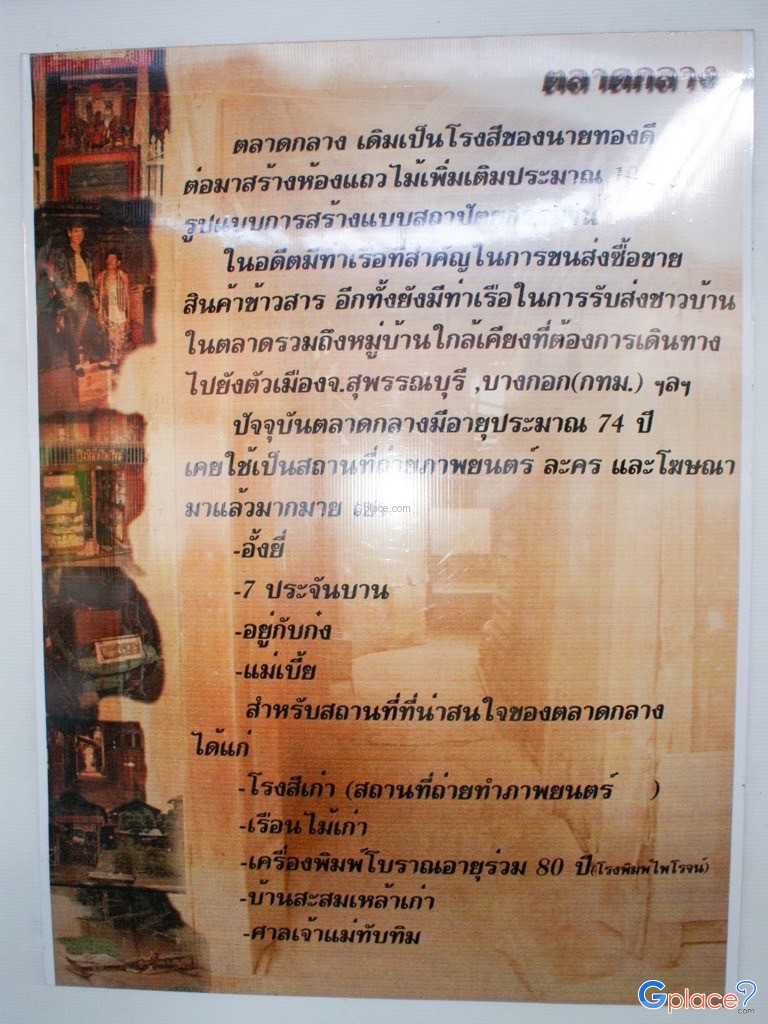
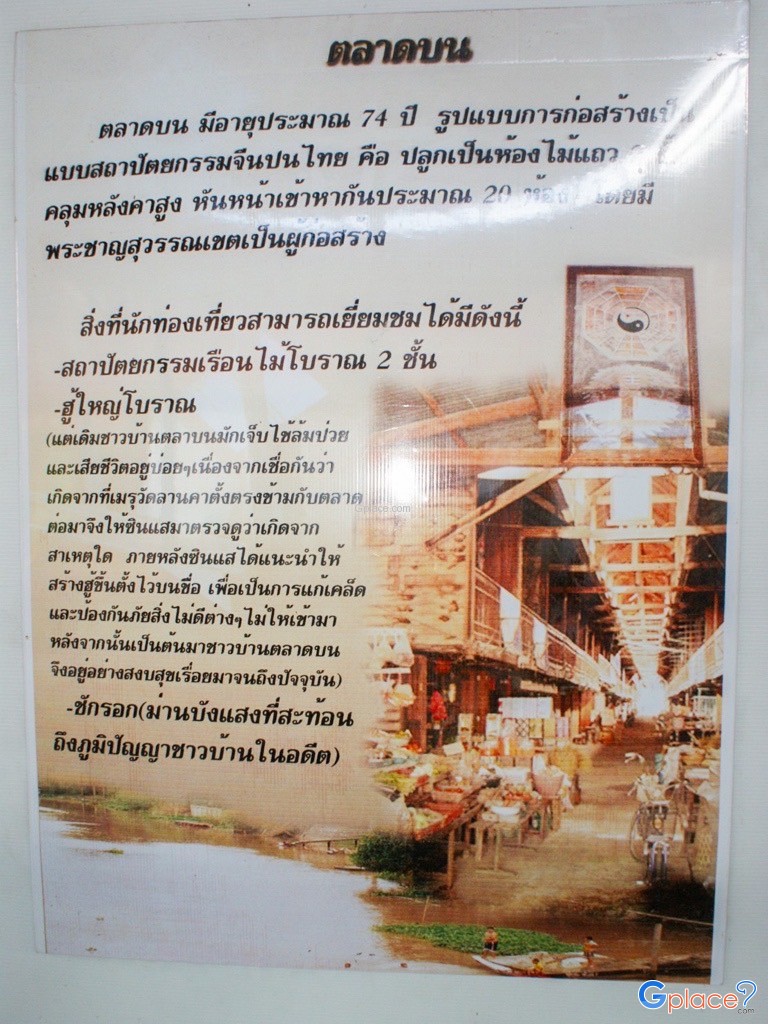
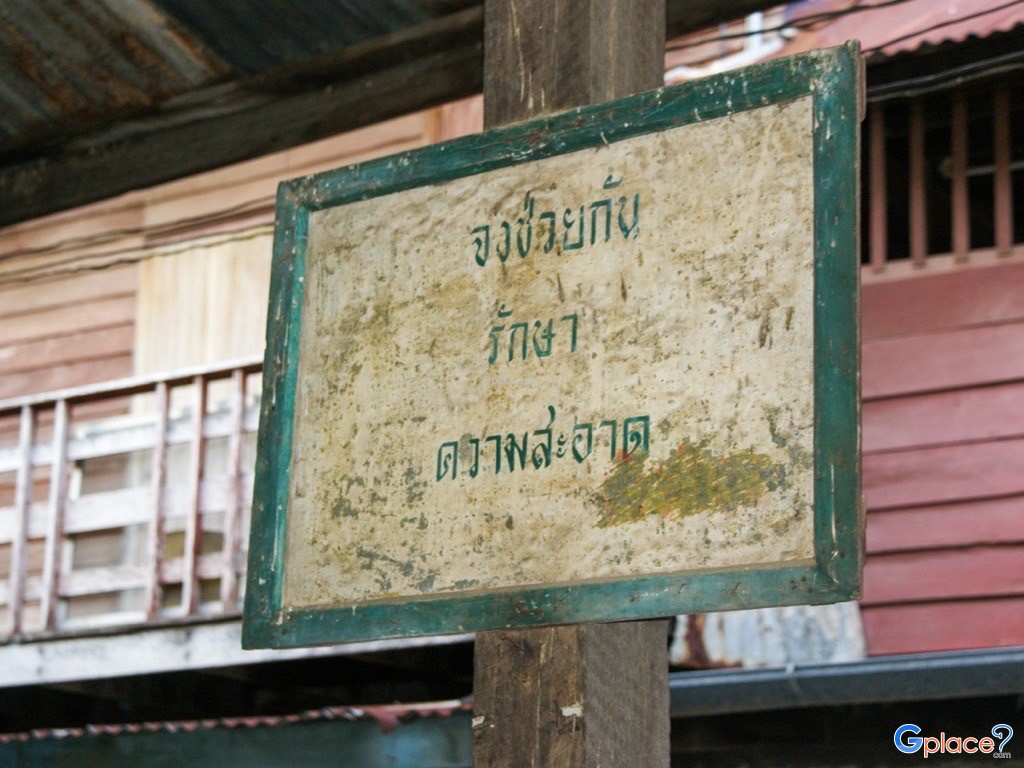
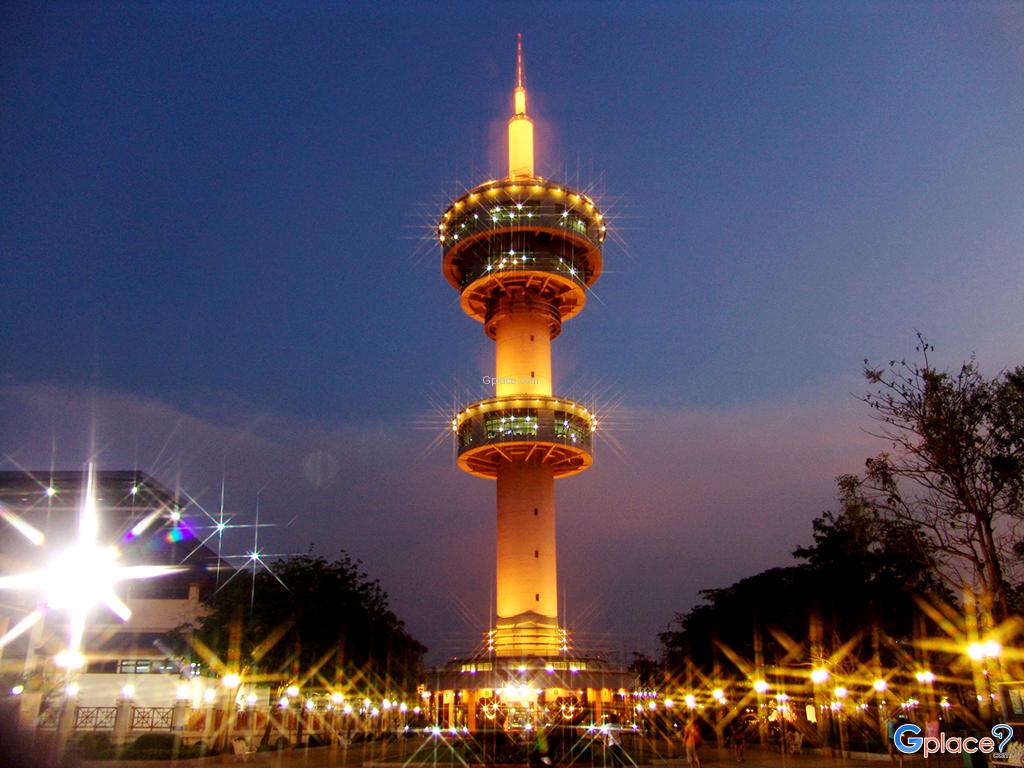
“An ancient wooden market featuring Thai-Chinese architecture and the iconic "Watchtower" used for community defense in the past.”
Kao Hong Market is a historic marketplace with a long-standing history, established during the early reign of King Chulalongkorn (Rama V). Today, it is located in Bang Pla Ma Subdistrict Municipality, Moo 2, Bang Pla Ma Subdistrict, Bang Pla Ma District, Suphan Buri Province. According to historical documents and oral accounts passed down by local elders, the name “Kao Hong Market” is derived from “Ban Kao Hong,” an ancient settlement with a long history that once served as an important center of prosperity in the area.
According to local narratives, the origin of Kao Hong Market can be traced back to a Chinese immigrant named “Mr. Hong,” who migrated from Bangkok to engage in trade around the Ban Kao Hong area. Thanks to its strategic riverside location, which was ideal for water transportation, Mr. Hong’s trading business quickly flourished. Around 1881, he married “Nang Phae,” the granddaughter of Khun Kamhaengrit of Ban Kao Hong, and built a floating house that was moored along the river in front of Ban Kao Hong to serve as a trading post.
At that time, the Ban Kao Hong area was a bustling commercial zone, with rows of floating houses operating as shops along both sides of the river. A wide variety of goods were sold, including ceremonial items for ordination, agricultural tools and equipment, as well as daily consumer products essential to local life. Mr. Hong was commonly known among villagers as “Jek Rod,” and later became officially known as “Bunrod Liangpanich,” a name that reflected his wealth and commercial success during that era.
In 1924, a tragic incident occurred when bandits raided Mr. Bunrod’s floating house and violently attacked Nang Phae, resulting in her death. This event had a profound impact on his life and business direction. Shortly afterward, Mr. Bunrod remarried a woman named “Nang Somchin” and began to reconsider the form of his commercial activities, shifting from water-based trade to land-based commerce for greater safety and stability.
Mr. Bunrod then planned and constructed a market on the opposite bank of Ban Kao Hong, relocating many floating shops onto land. This transformation allowed the market to function as a central hub for both water and land trade in the surrounding communities. The market was officially named “Kao Hong Market,” adopting the name of the historic Ban Kao Hong settlement.
Although Kao Hong Market is no longer as lively as it once was and now has fewer shops than in the past, remnants of its riverside market identity and traditional community atmosphere can still be seen. Wooden structures and traces of the old way of life remain, making Kao Hong Market an important cultural and historical site that vividly reflects the prosperity of river-based commerce in Suphan Buri Province in earlier times.
How to Get There
Private Car:
- From Suphan Buri city center, take Highway 340 (towards Bangkok), then turn right into Bang Pla Ma following signs for Kao Hong Market, about 9 km from the city.
Public Transport:
- Take a van on the Bangkok-Suphan Buri line, get off at Bang Pla Ma junction, and take a local songthaew to the market.
Travel Tips
Best Time to Visit:
- Weekends and public holidays are best as more shops are open compared to weekdays.
Dress Code:
- Casual clothing and comfortable walking shoes for exploring the wooden alleys.
Recommended Activities:
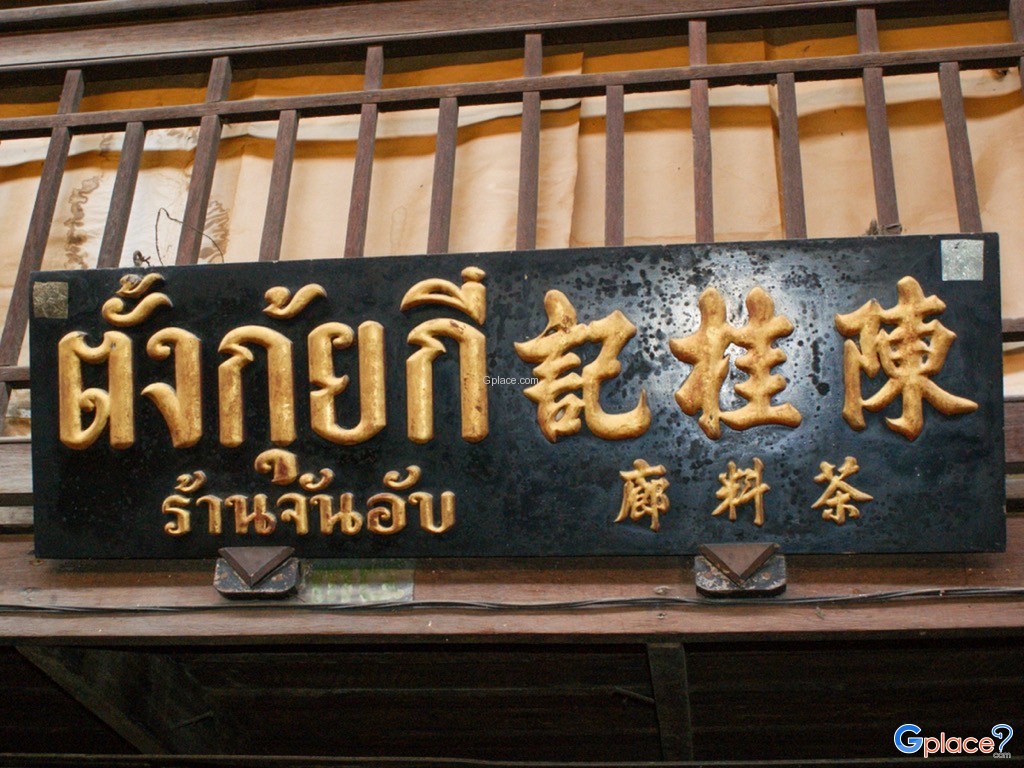
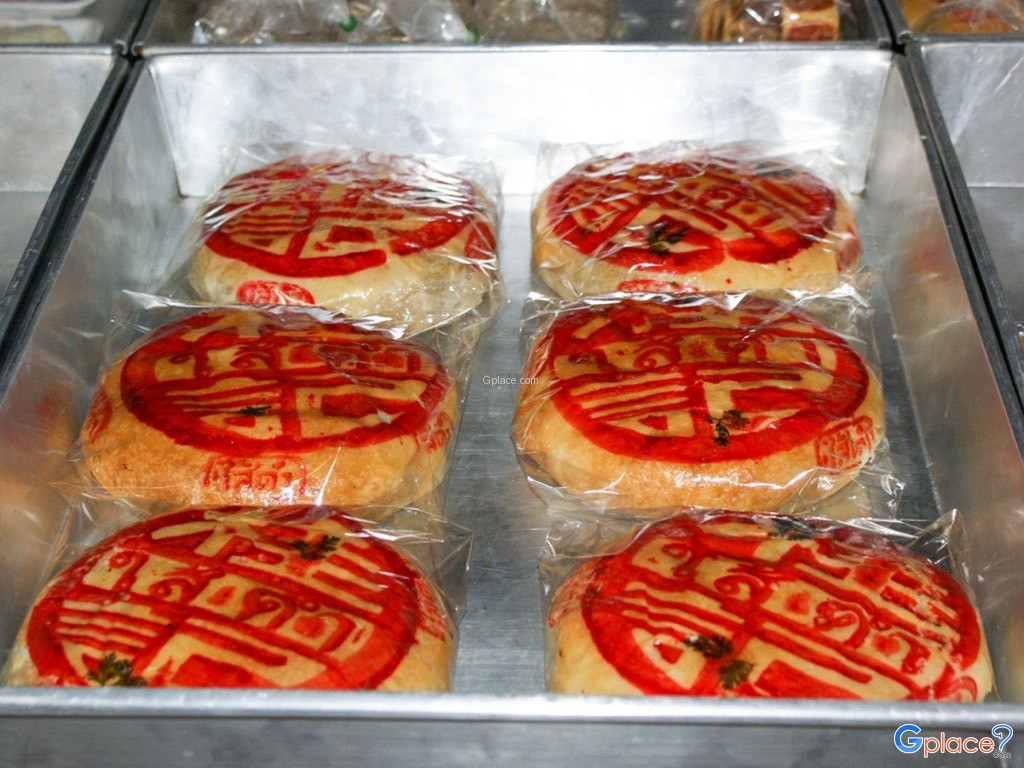
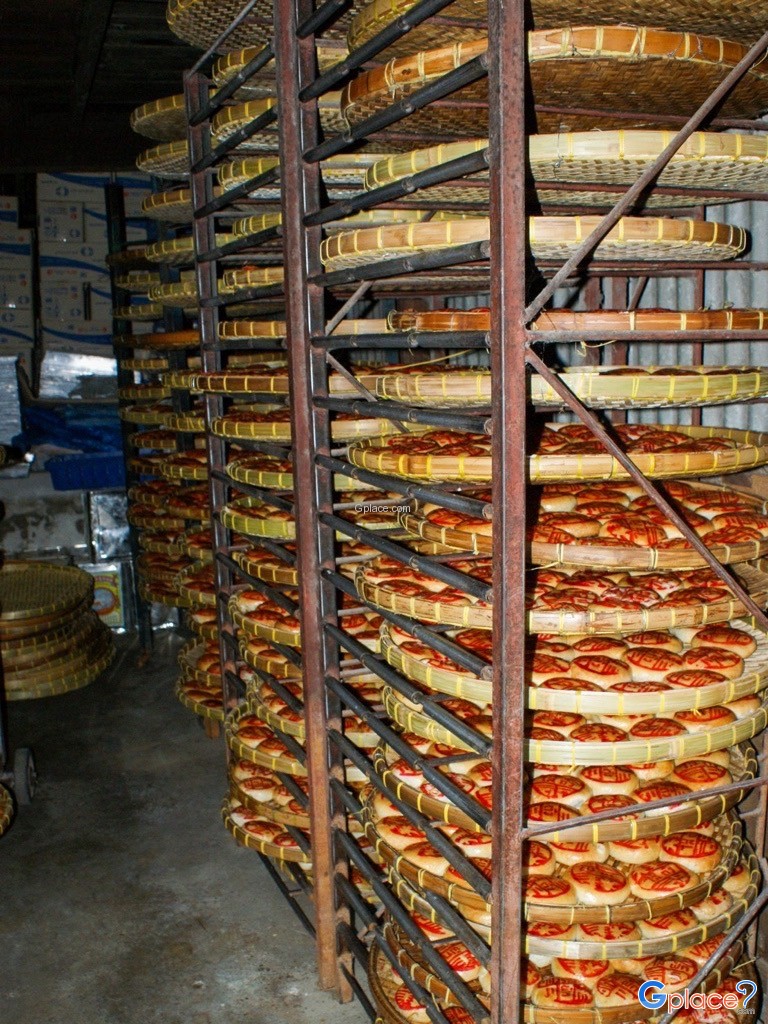
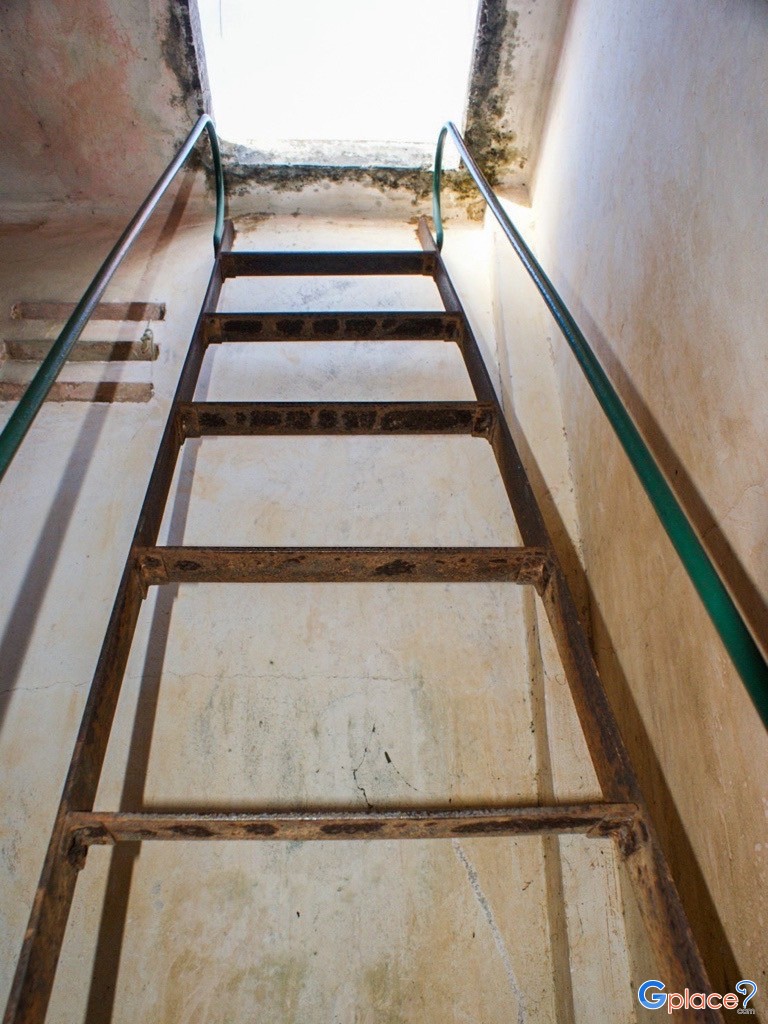
- Don't miss climbing the Watchtower and tasting the legendary spring rolls at "Tang Kui Kee."
Photo Spots:
- The wooden bridge connecting the market sections and the Watchtower are prime locations for photography.
Admission Fee
-
Local visitors: Free
-
Foreign visitors: Free
Opening Hours
-
Open daily from 08:00 - 17:00 (Most active from morning to early afternoon)
Kao Hong Market

 Share
Share
 Kao Hong Market, Taka, Bang Pla Ma, Suphan Buri, Thailand
Map
Kao Hong Market, Taka, Bang Pla Ma, Suphan Buri, Thailand
Map
 Closed today
Mon8.00 - 17.00
Tue8.00 - 17.00
Wed8.00 - 17.00
Thu8.00 - 17.00
Fri8.00 - 17.00
Sat8.00 - 17.00
Sun8.00 - 17.00



 4901
4901