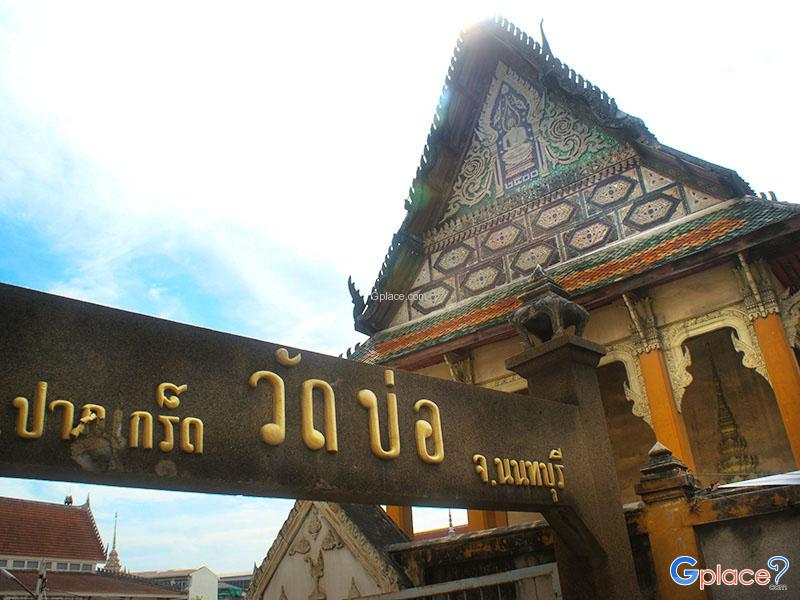
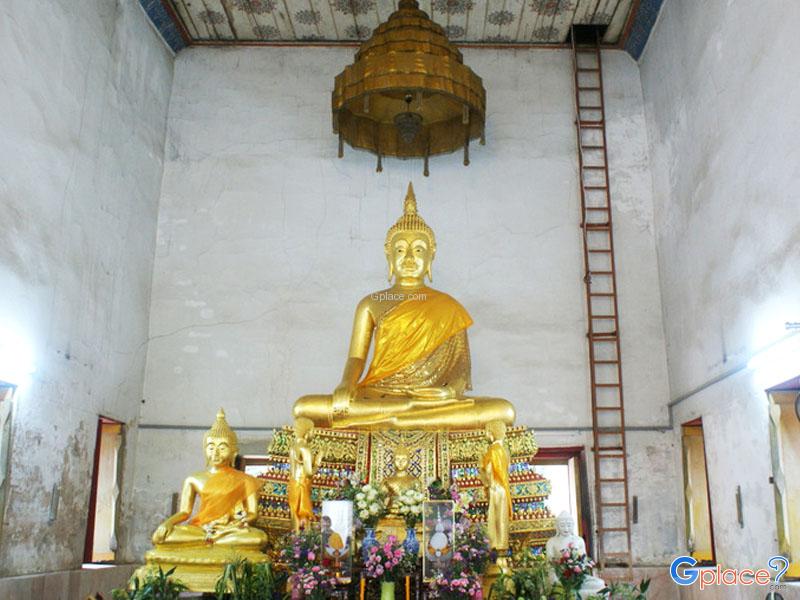
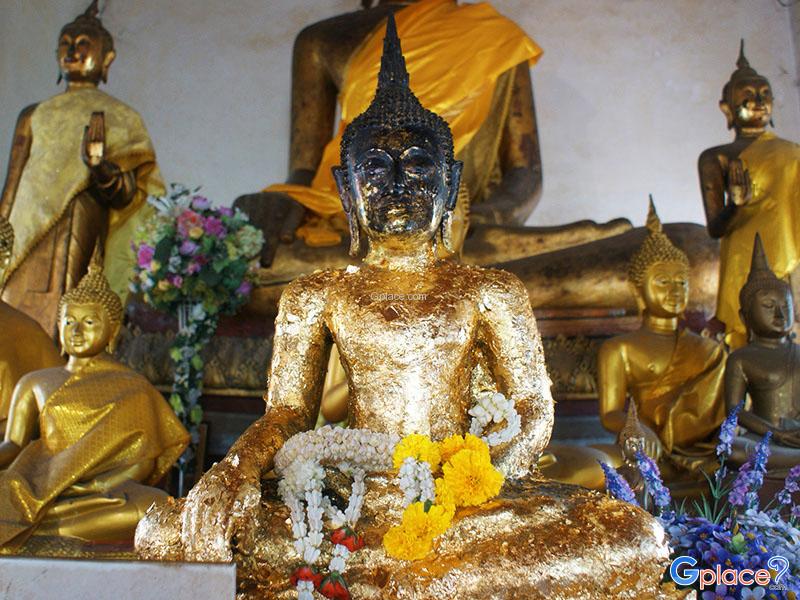
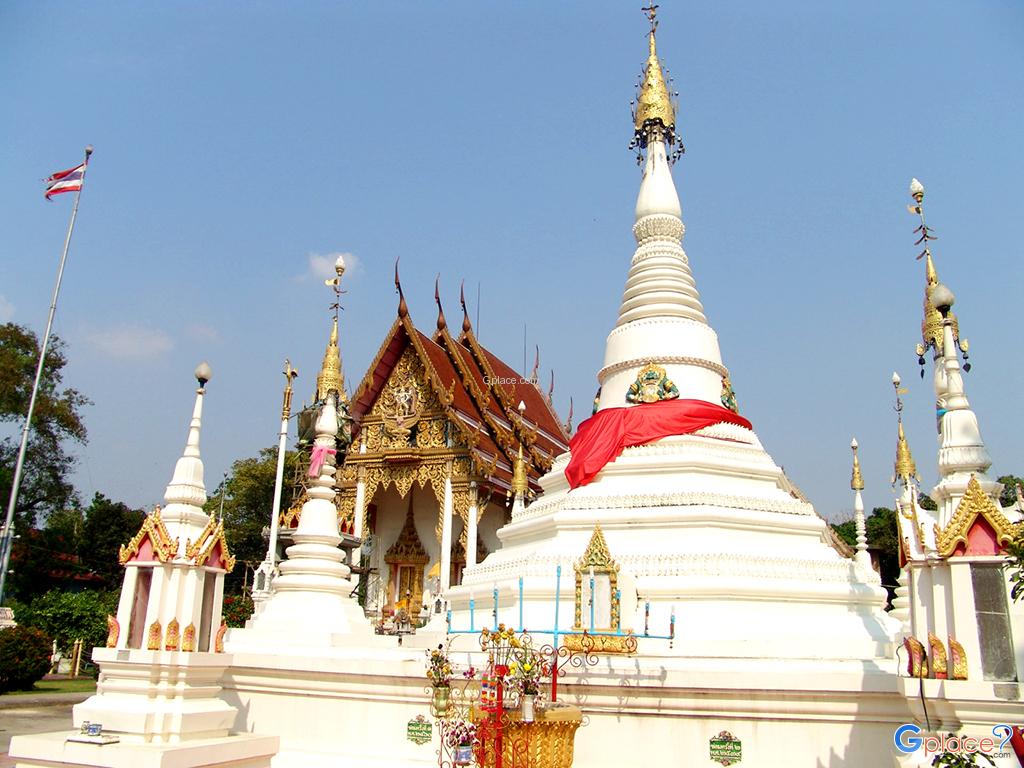
Wat Chimpli Sutthawat, originally known as “Wat Pa Fai,” is an ancient temple believed to have been established in the late Ayutthaya period, when the Chao Phraya River basin in present-day Nonthaburi played an important role in trade and settlement. During this time, Koh Kret was a significant area for the Mon community, who migrated and settled there, continuously contributing to local religious and cultural development. Later, during the transition from the late Ayutthaya period to the early Rattanakosin period, many temples in this region, including Wat Pa Fai, were affected by the second fall of Ayutthaya in 2310 B.E. (1767 A.D.), causing them to fall into ruin and abandonment for a long period.It was not until the reign of King Rama II in the early Rattanakosin era that the temple was restored due to royal faith and recognition of the importance of Koh Kret as both a religious and Mon cultural community area. After restoration, the temple was renamed “Wat Chimpli Sutthawat.” The term “Chimpli” refers, according to Buddhist cosmology, to the celestial palace of Indra in the Tavatimsa Heaven, symbolizing prosperity, purity, and sacredness. Meanwhile, “Sutthawat” refers to a pure abode of highly enlightened beings, giving the temple name profound religious meaning and auspicious significance.
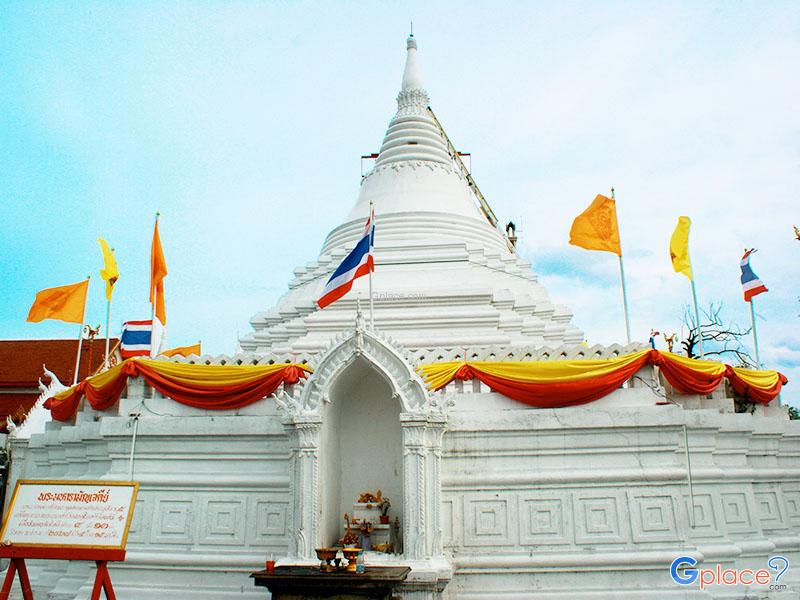
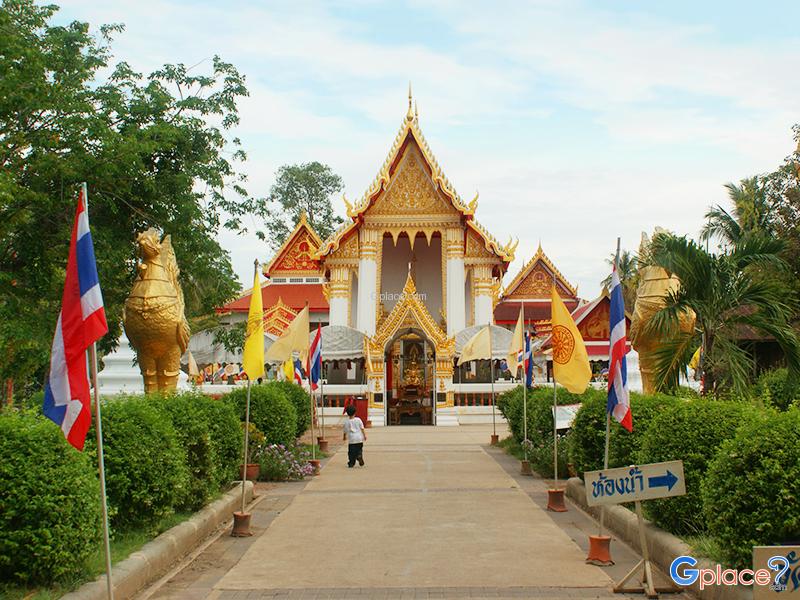
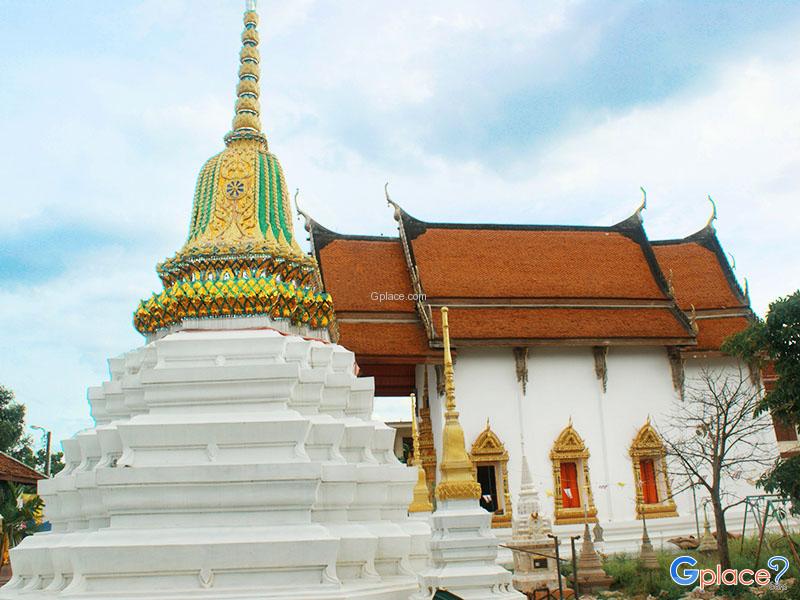
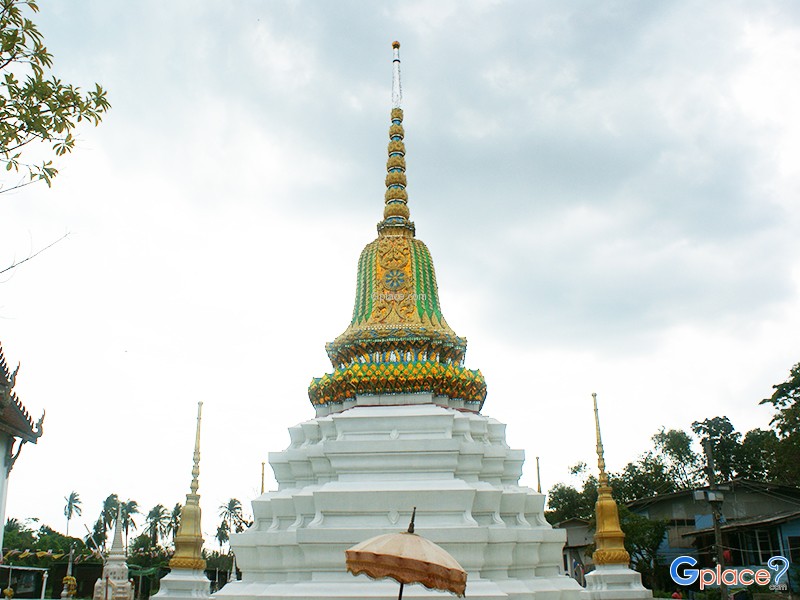
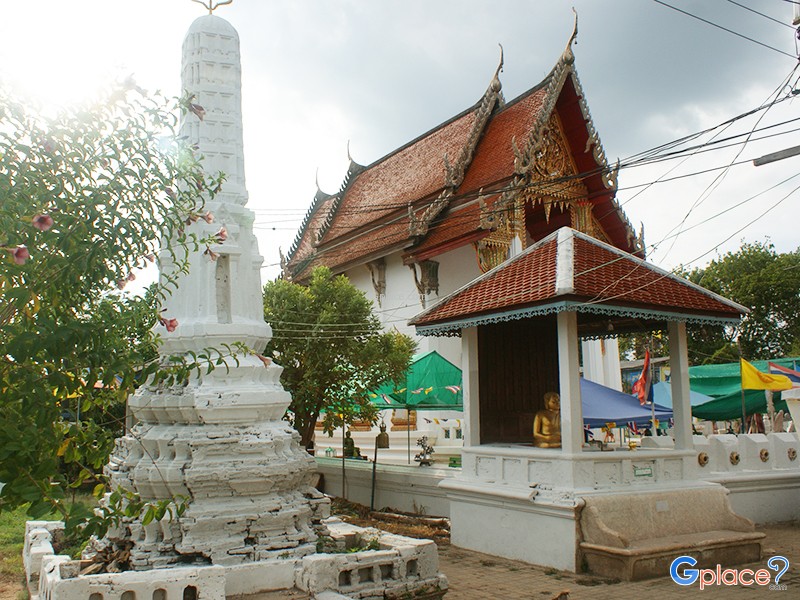
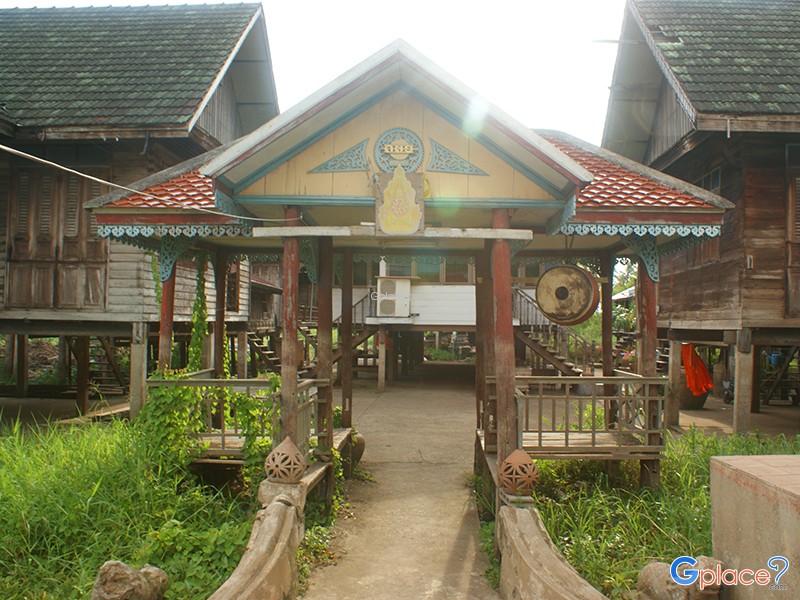
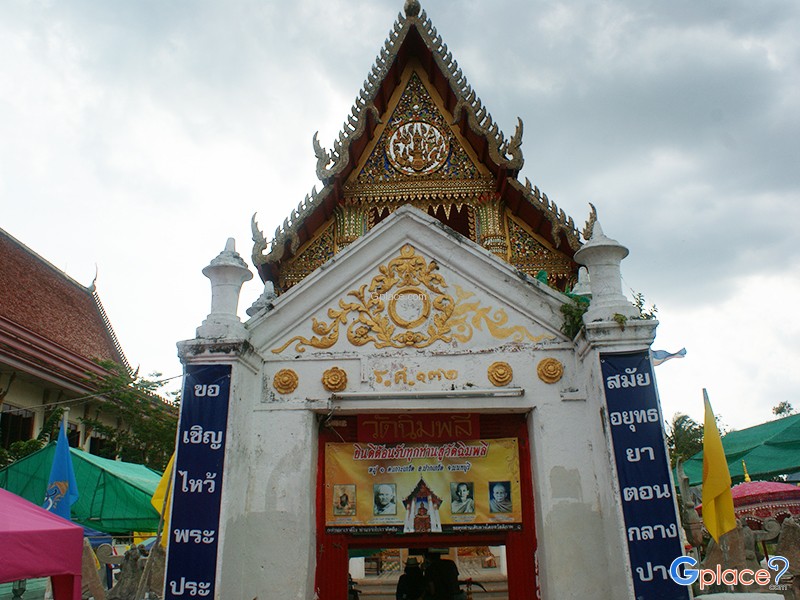
In terms of art and architecture, the temple is an important example of the integration of two artistic periods: late Ayutthaya art and early Rattanakosin art. The ordination hall (ubosot) features a curved base known as a “boat-shaped foundation,” a rare architectural style today. The overall structure emphasizes simplicity and strength while reflecting the Buddhist concept of balance. Decorative elements such as finely carved wooden gable panels with mythological deities and floral motifs, mandala-style door and window frames, and partial glass inlay decorations all clearly reflect early Rattanakosin artistic influence, emphasizing refinement and elegance.Inside the sacred precinct, there is also a twelve-sided indented chedi (Yomum Mai Sip Song), a high-ranking stupa form from the Ayutthaya period. Its base is indented to create a more graceful appearance while maintaining structural balance. Around the main chedi are four smaller subsidiary chedis arranged according to the concept of the four cardinal directions, reflecting Buddhist cosmological ideas of the universe. In addition, the temple grounds incorporate the former area of Wat Pa Laylai, an abandoned temple site, resulting in a larger complex with scattered archaeological remains throughout the area.
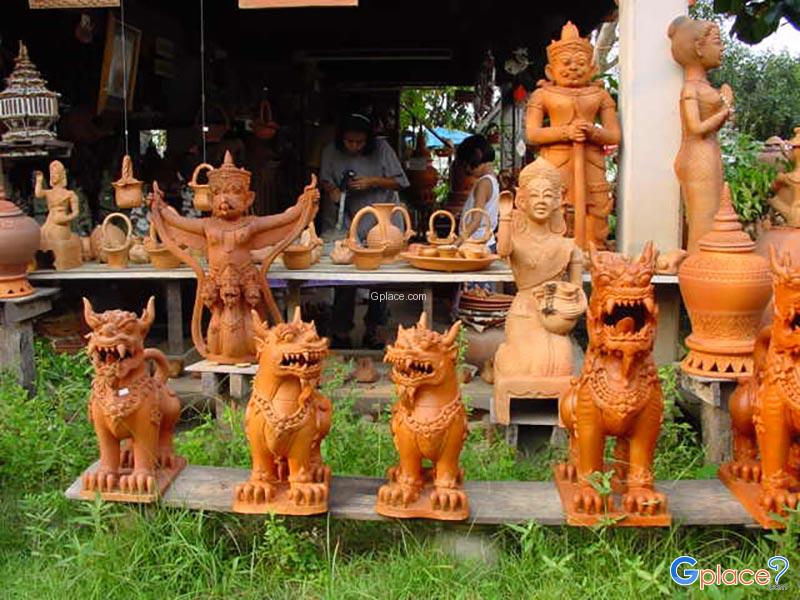
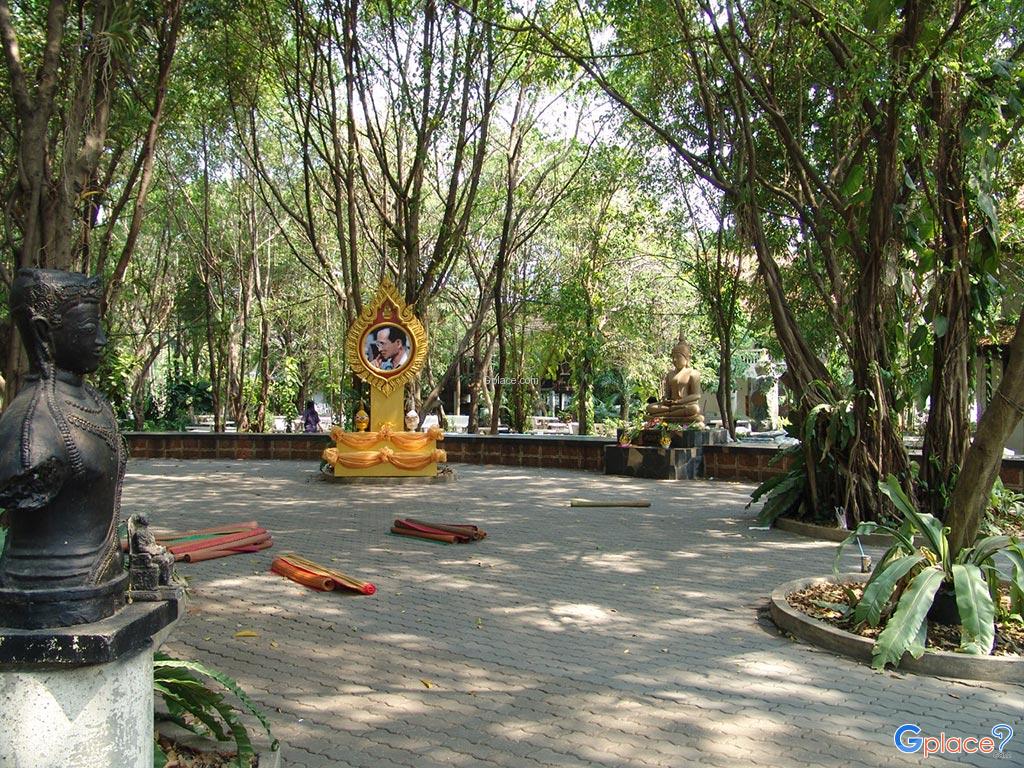
Furthermore, the temple reflects important cultural roles as a center of the Mon community on Koh Kret, the restoration of religious sites in the early Rattanakosin period, and the blending of Thai and Chinese artistic influences. This is particularly evident in the Chinese guardian statues placed around the temple boundary walls, reflecting the popularity of Chinese art during the reign of King Rama II.

 Attractions
  Hotel
Hotel  Restaurant
  Shopping
  Abroad







 Share
Share
 Moo 1, Koh Kret, Pak Kret, Nonthaburi 11120
Map
Moo 1, Koh Kret, Pak Kret, Nonthaburi 11120
Map
 Closed today



 4738
4738