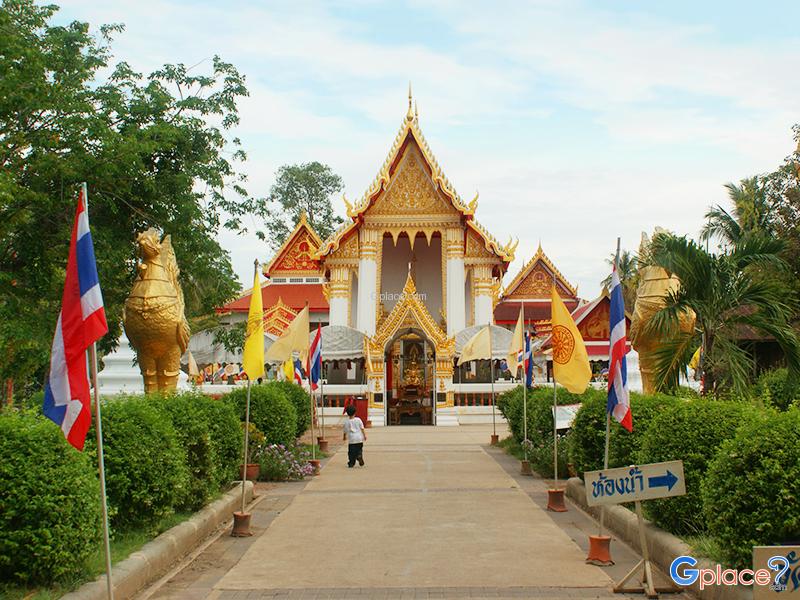
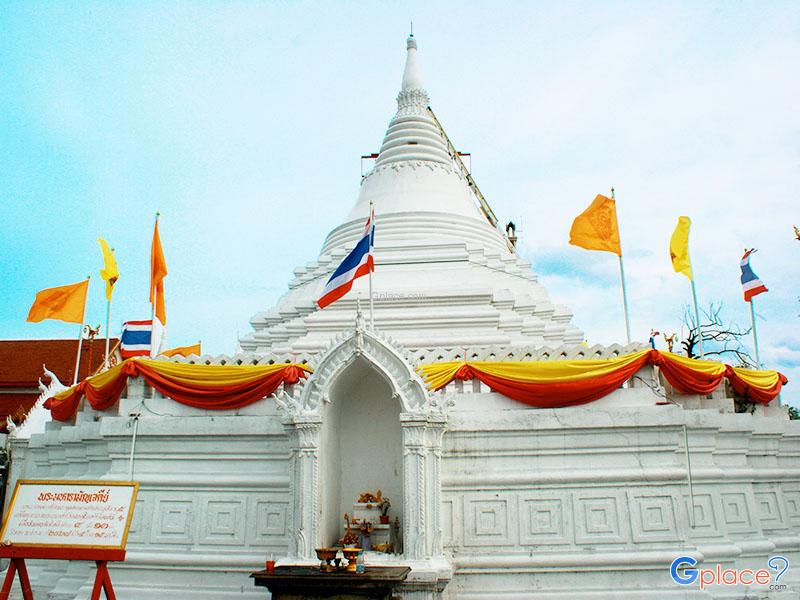
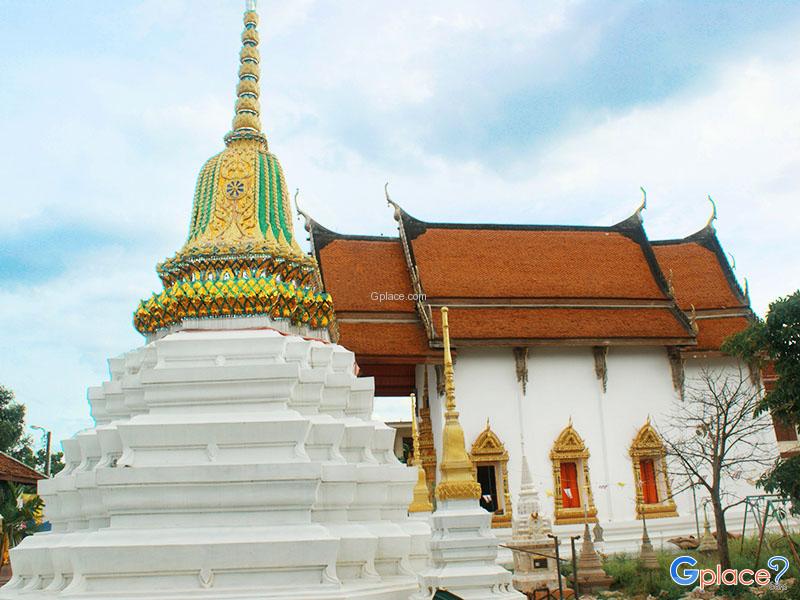
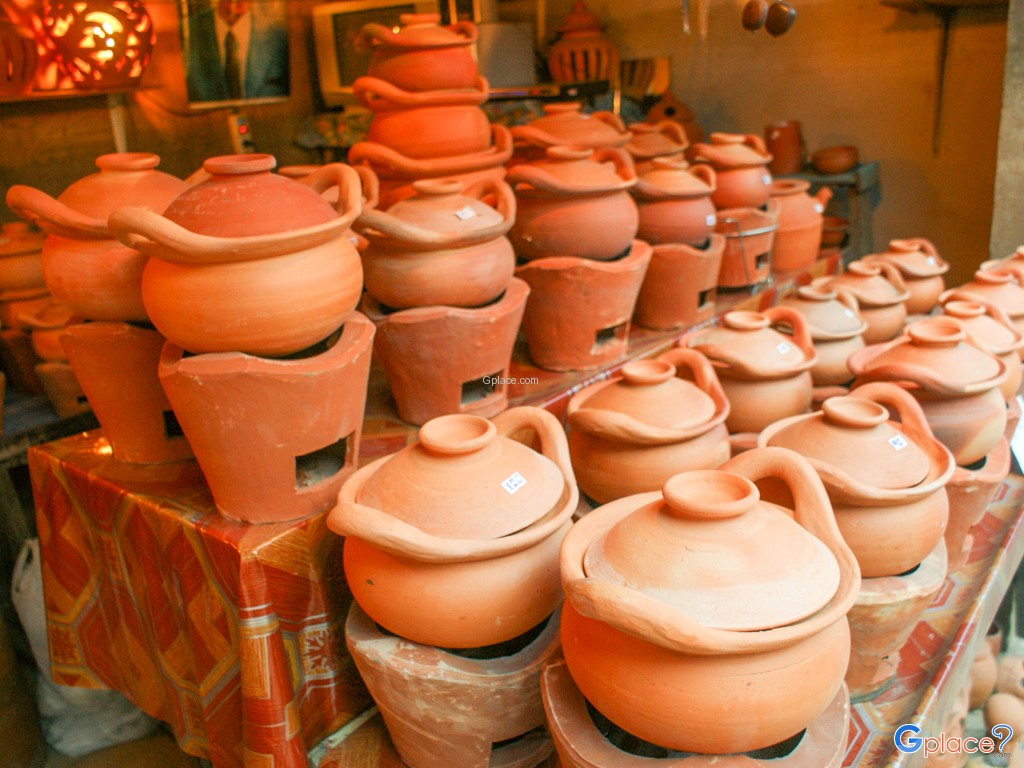
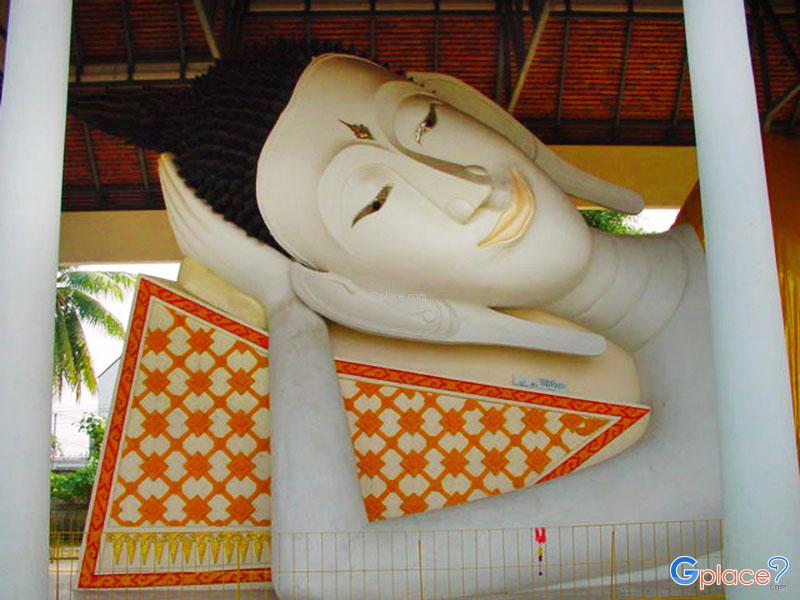
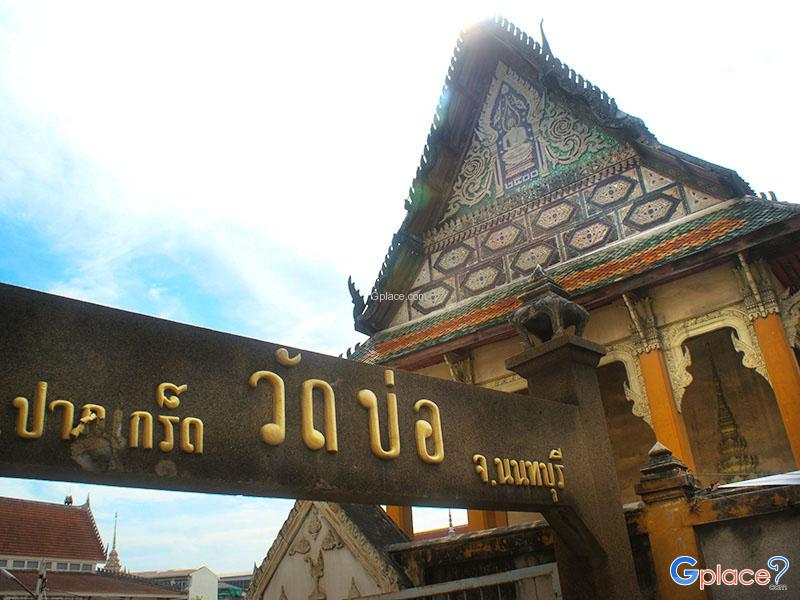
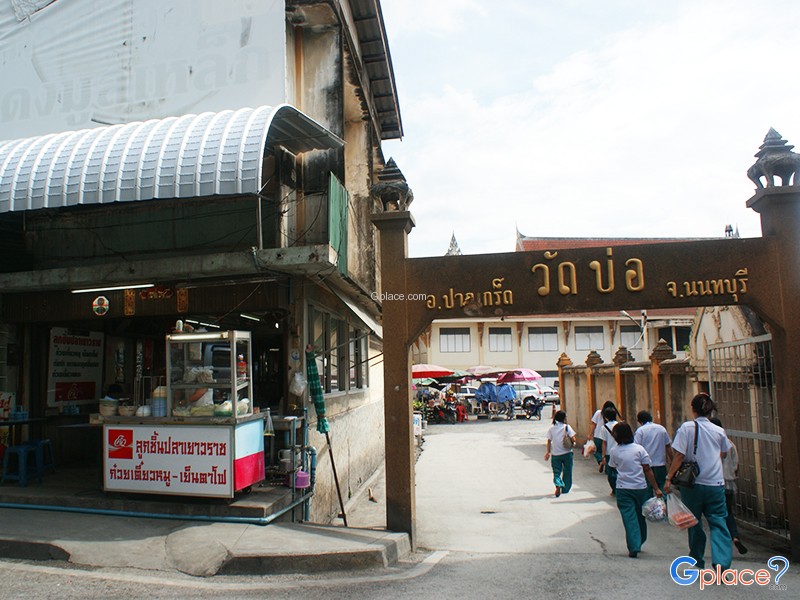
Wat Bo Pak Kret is an ancient Buddhist temple located along the Chao Phraya River in Pak Kret, Nonthaburi Province. It has long been closely connected with the riverside community’s way of life and is classified as a Maha Nikaya temple. The temple reflects the traditional settlement pattern of people living along the Chao Phraya River in earlier times. The name “Wat Bo” is believed to originate from the original landscape of the area, which was likely a low-lying basin or pond-like terrain, consistent with the natural flood-prone geography along the river.In terms of historical background, the temple is believed to have been established during the late Ayutthaya period to the early Thonburi period and has continued to develop over time. A significant influence came from Mon communities who migrated and settled in the Pak Kret area. These communities brought their beliefs, Buddhist art, and traditions, helping to establish the temple as a spiritual center of the community. As a result, Wat Bo reflects a unique blend of early Rattanakosin Thai art, Mon folk art, and traditional riverside temple architecture.
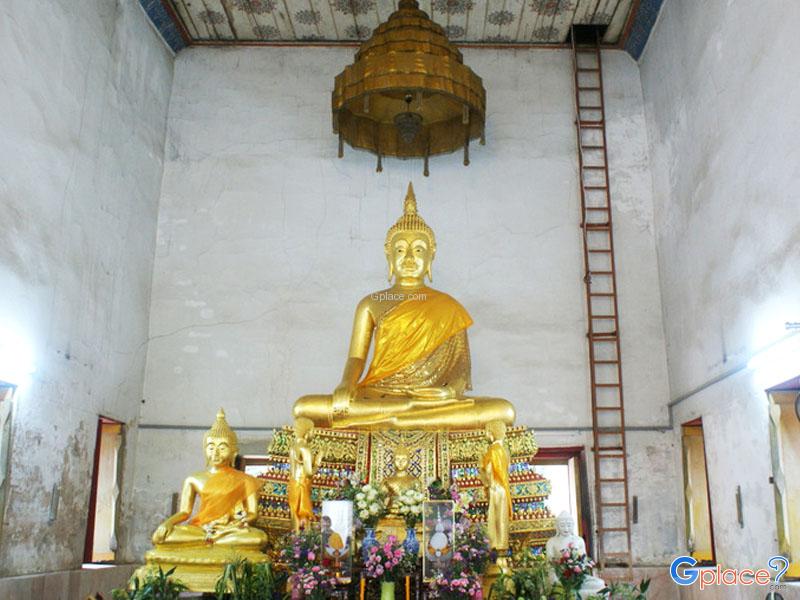
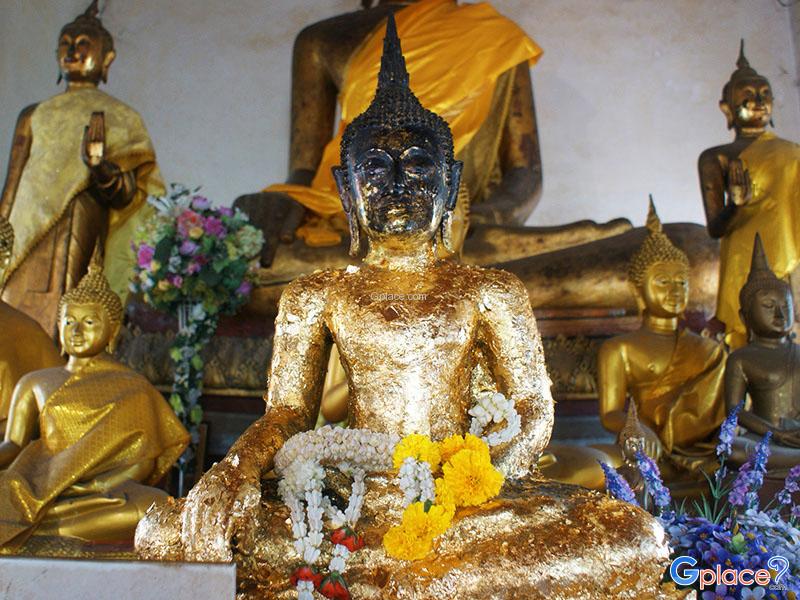
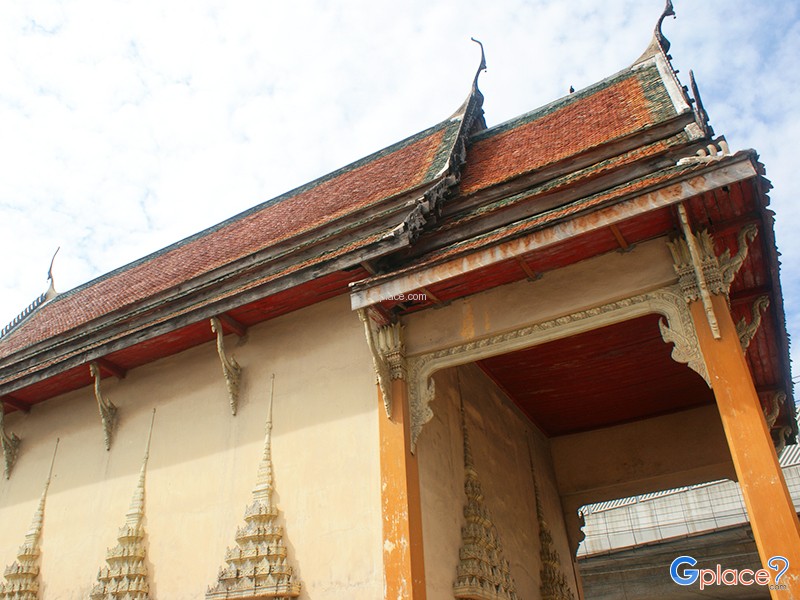
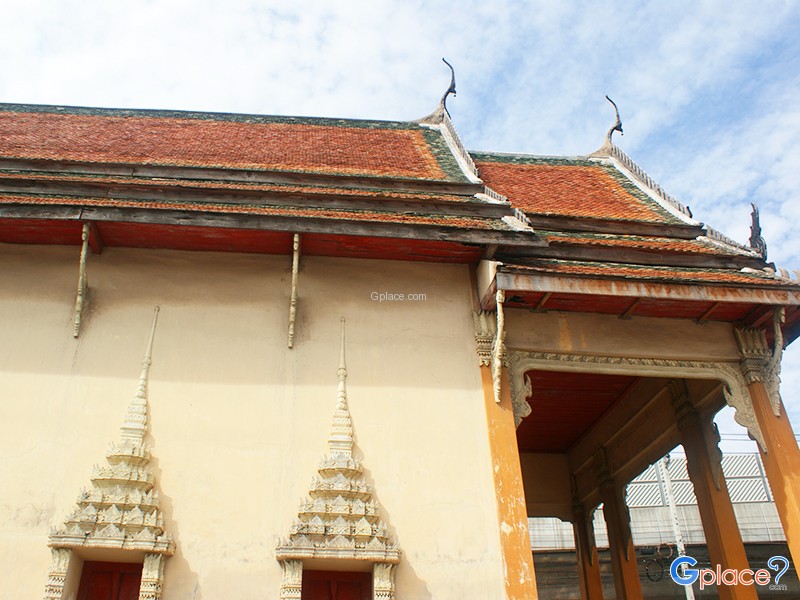
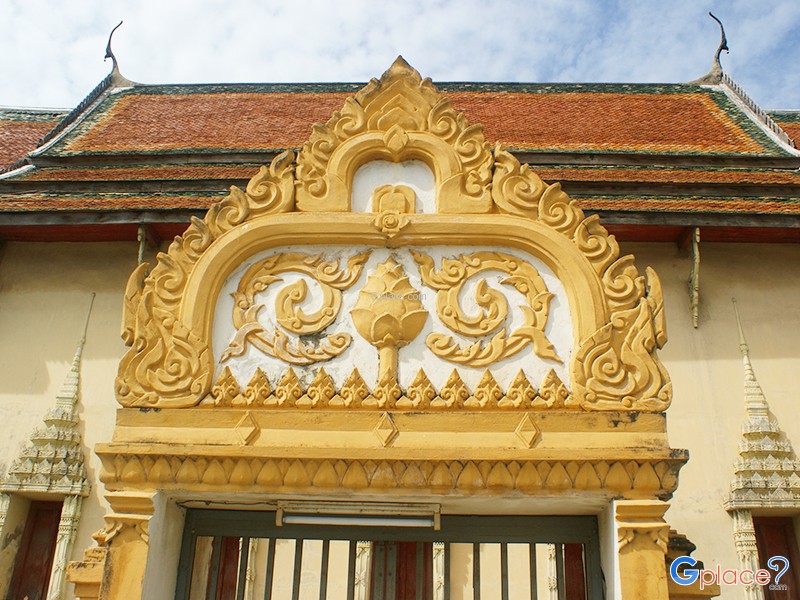
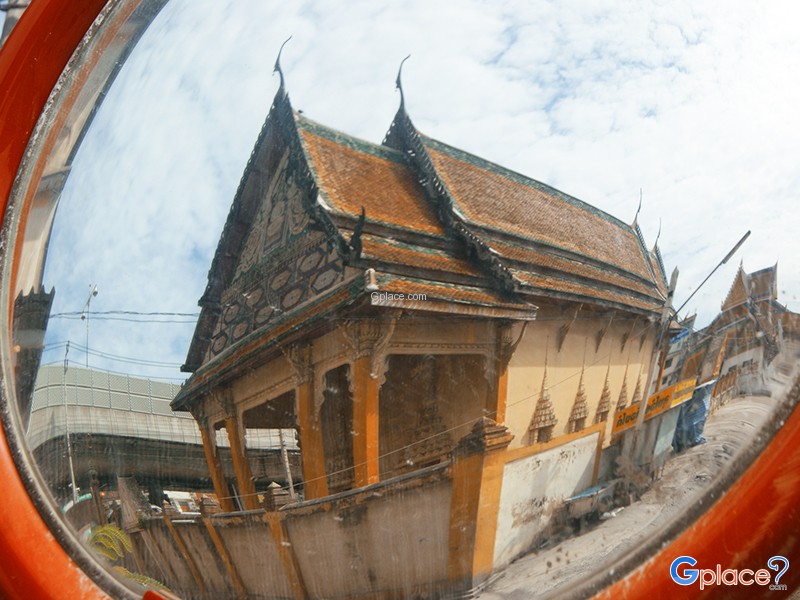
the main highlight of the temple is its old ordination hall (ubosot), which is relatively small in size but rich in artistic detail. The structure follows a traditional community temple style with a compact form. The gable is decorated with finely carved wooden depictions of deities riding a royal chariot, surrounded by intricate traditional Thai floral patterns that have been well preserved. Inside the ubosot is a principal Buddha image in the Maravijaya posture. The interior atmosphere is simple and peaceful, serving primarily as a space for community religious ceremonies rather than grandeur.
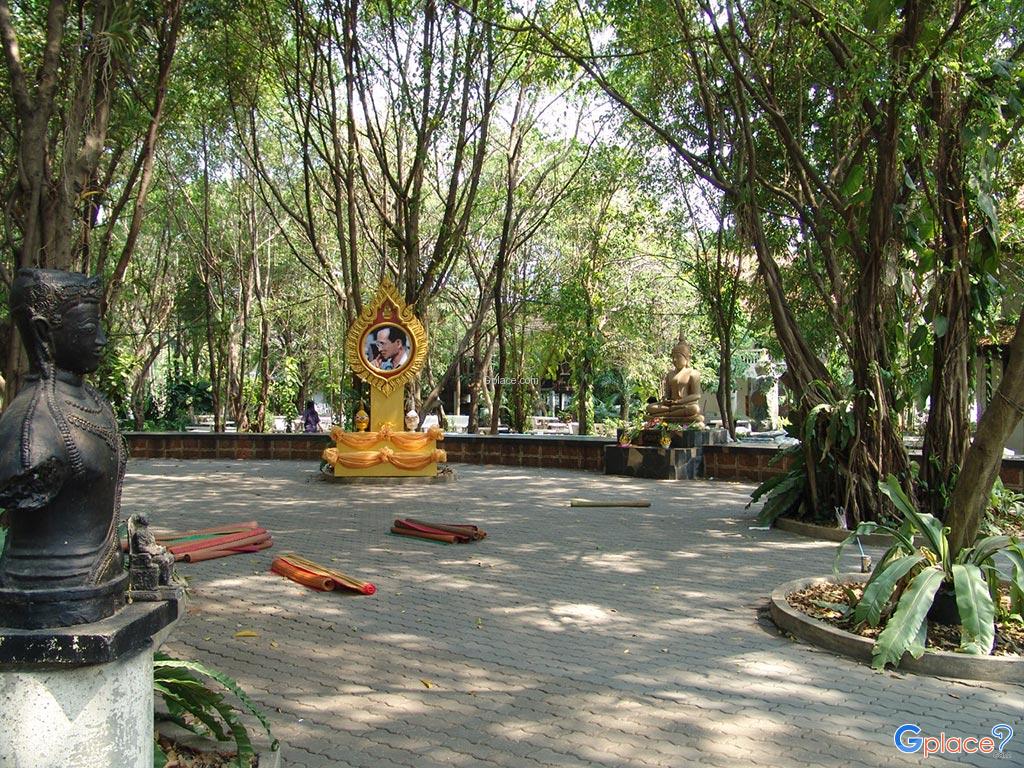
In terms of beliefs, Wat Bo clearly reflects a combination of Buddhism and local folk traditions. One of the most revered sacred figures is Thao Wessuwan, widely worshipped today for blessings related to fortune, career success, protection, and overcoming obstacles. There are also beliefs associated with the Naga deity, Phra Por Pu Srisuttho Naga, which are connected to fertility, water abundance, and the riverside way of life along the Chao Phraya River. These beliefs demonstrate a harmonious integration of Buddhist faith and local spiritual traditions.In its role within the community, Wat Bo once served as an important cultural center for the Mon people in the area, who integrated their arts and traditions into local life. This has given the temple a distinct identity in terms of art, belief systems, and spatial usage. Located directly along the Chao Phraya River, the temple enjoys a calm, shaded, and peaceful environment, making it suitable for merit-making, worship, and in-depth study of the history and culture of riverside communities.

 Attractions
  Hotel
Hotel  Restaurant
  Shopping
  Abroad







 Share
Share
 Pak Kret , Pak Kret, Nonthaburi 11120
Map
Pak Kret , Pak Kret, Nonthaburi 11120
Map
 Closed today



 5920
5920