 Attractions
  Hotel
Hotel  Restaurant
  Shopping
  Abroad






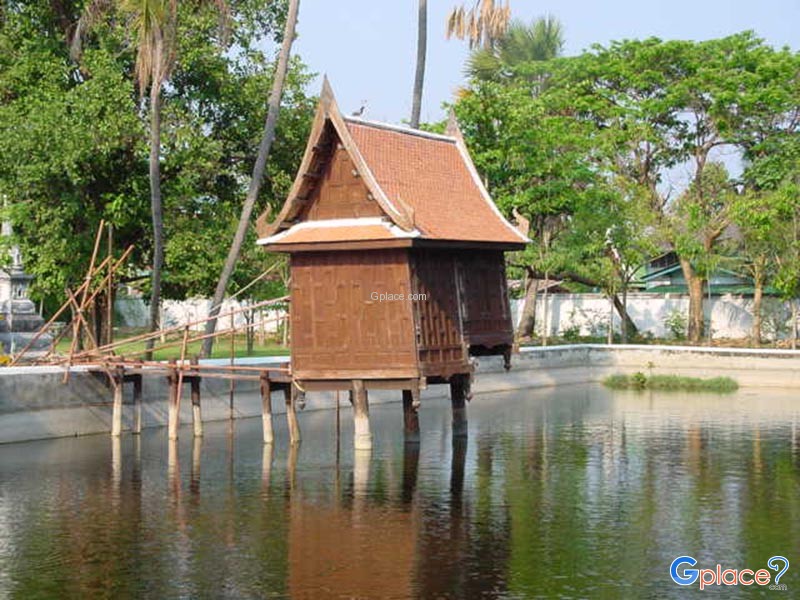
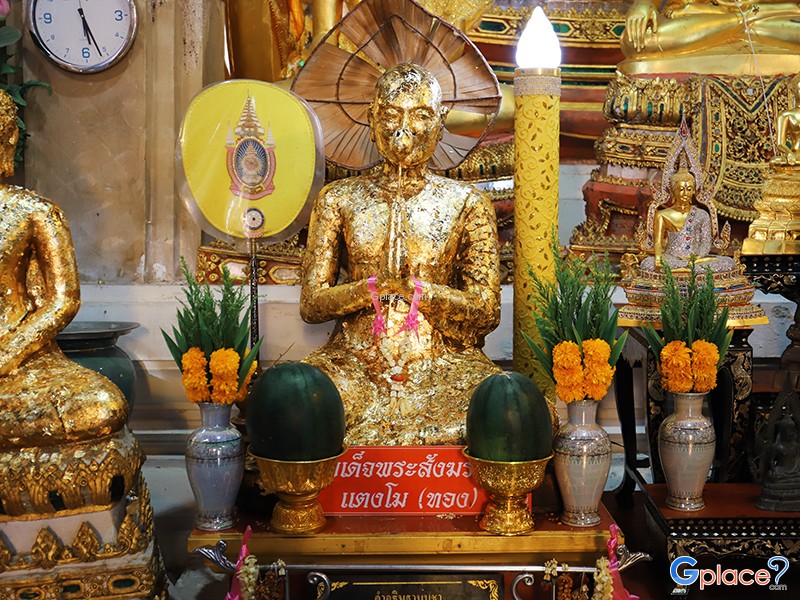
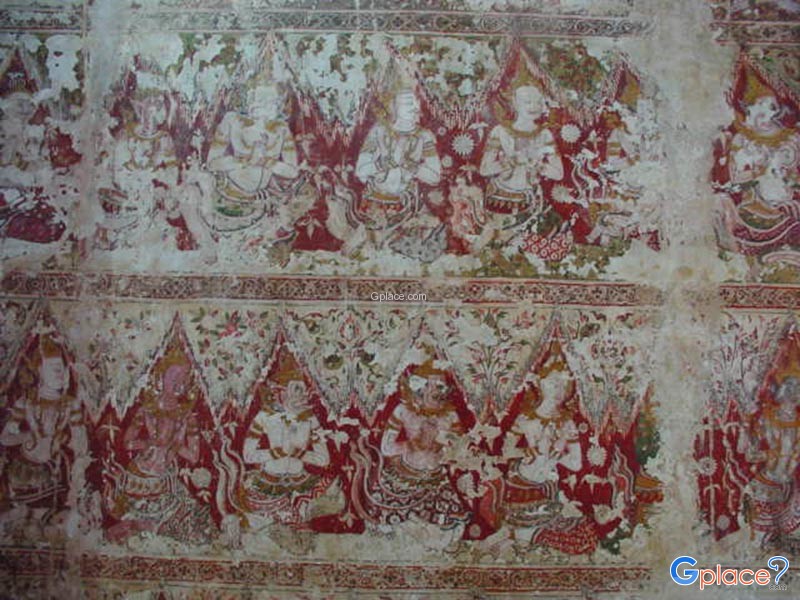
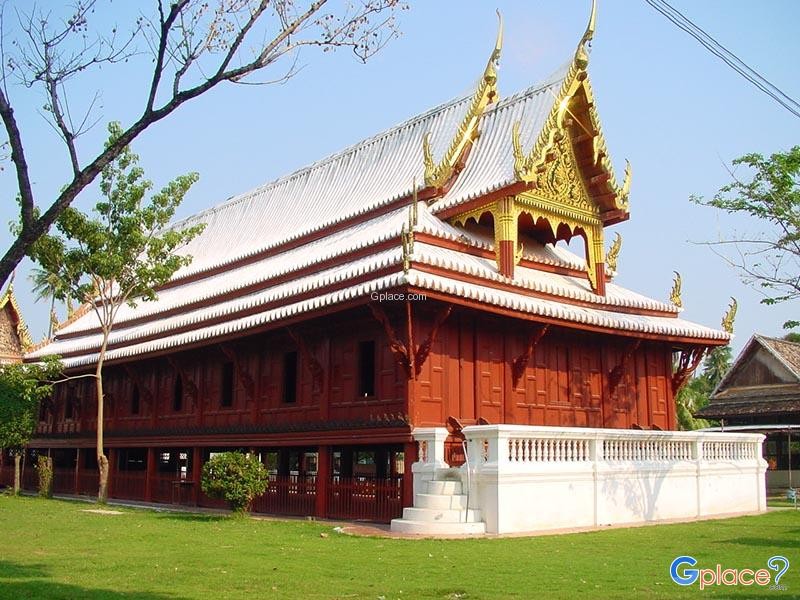
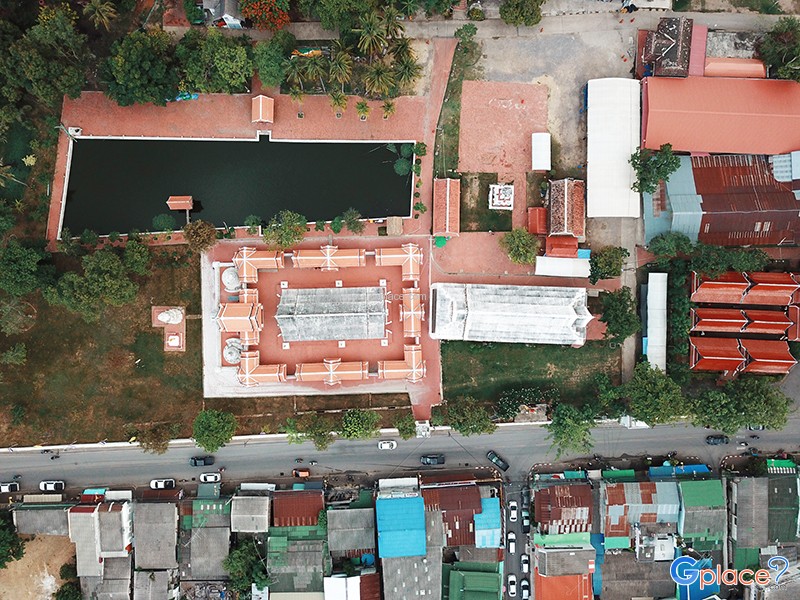
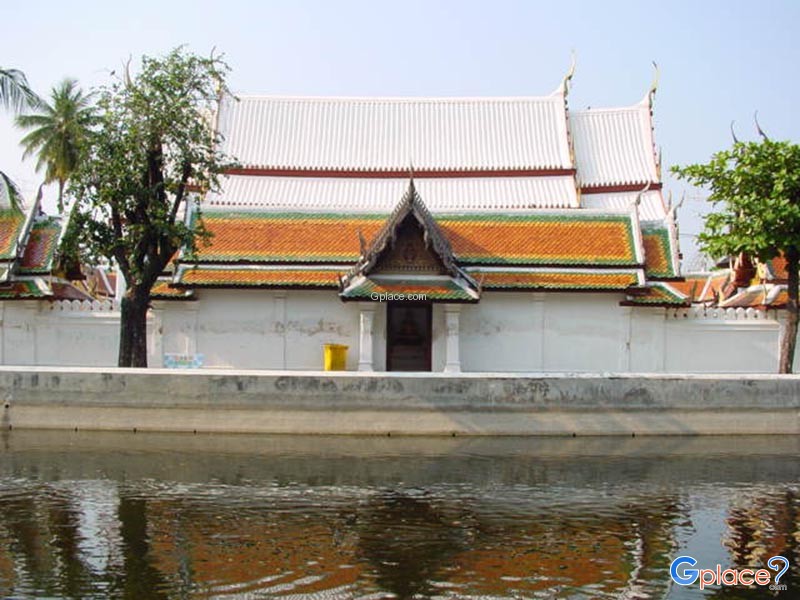
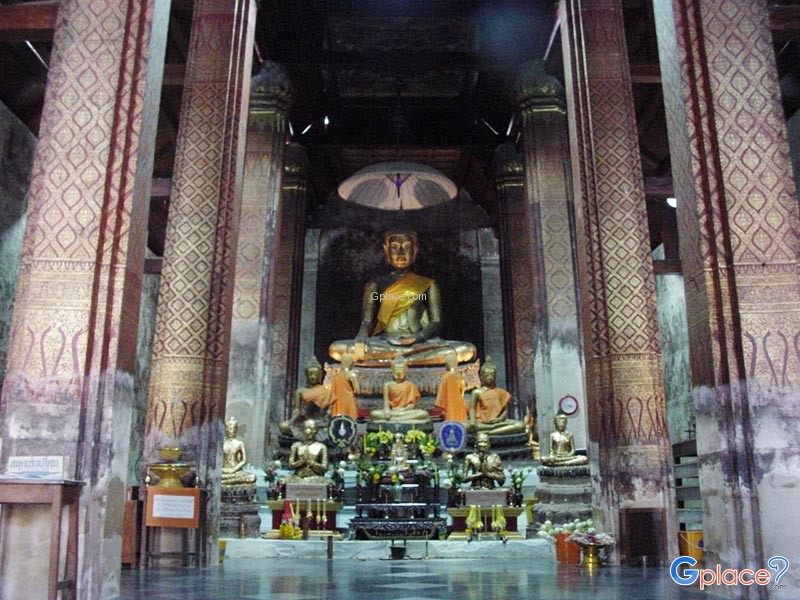
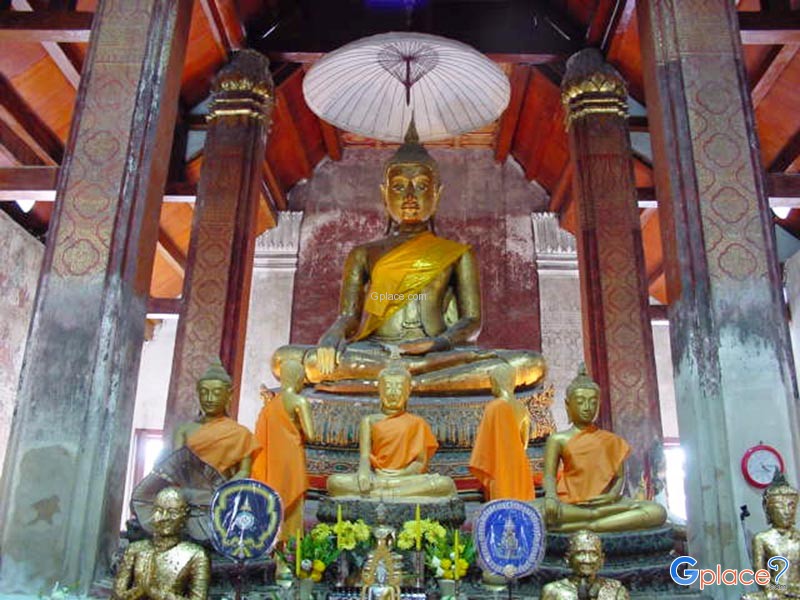
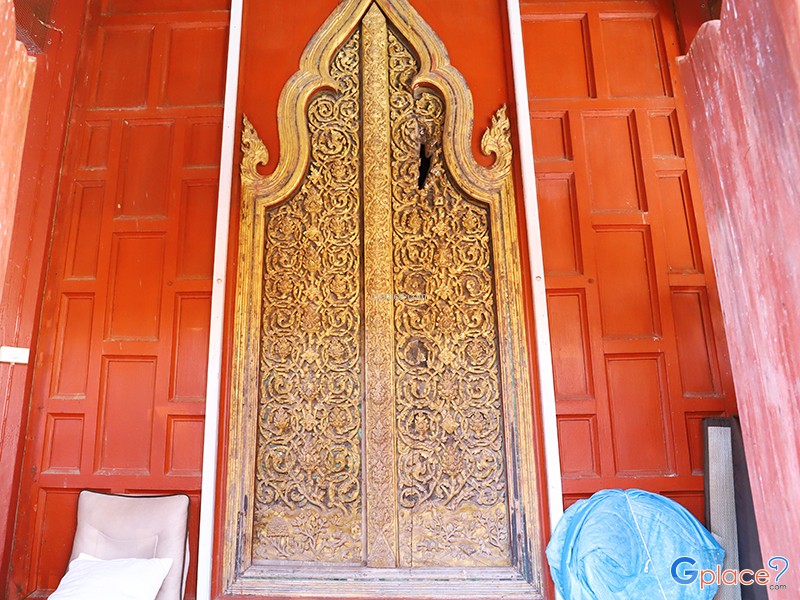
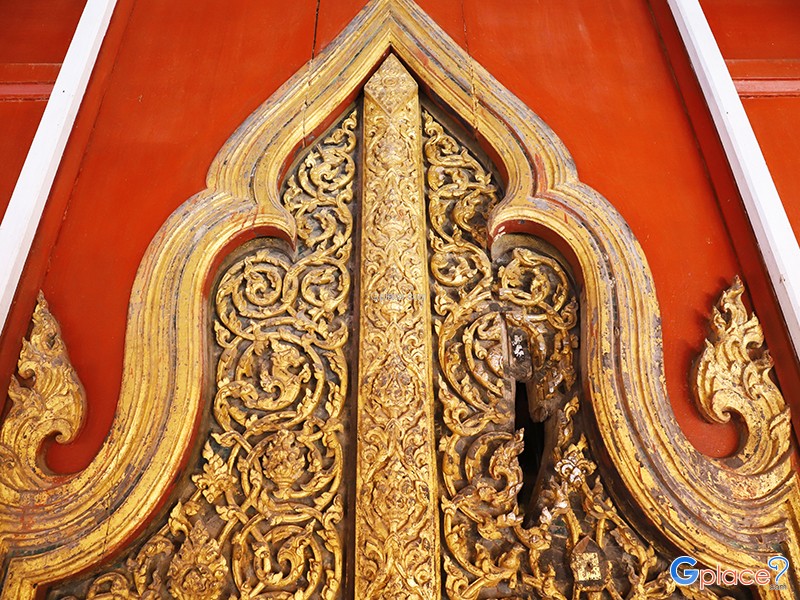
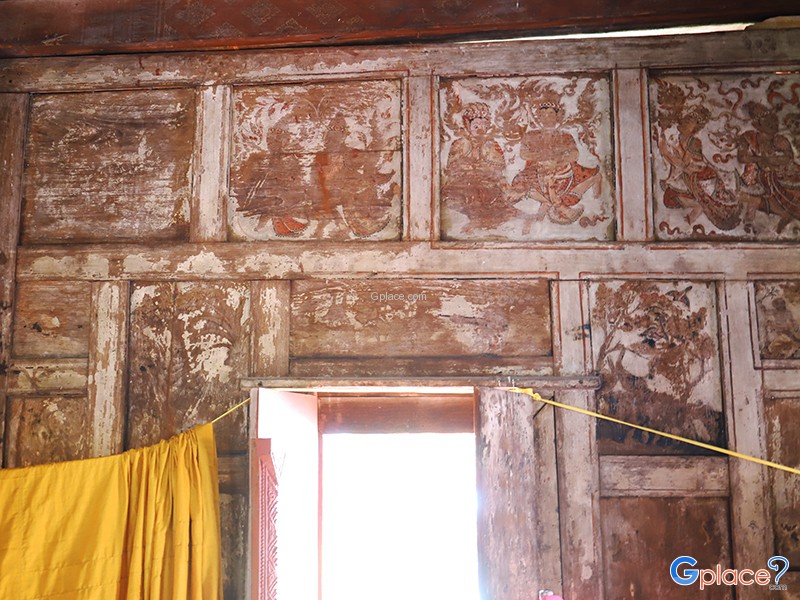
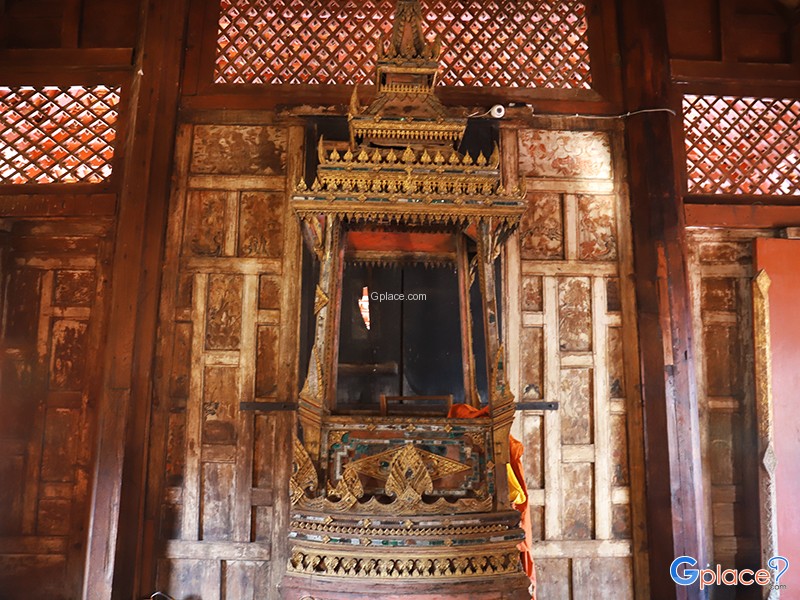
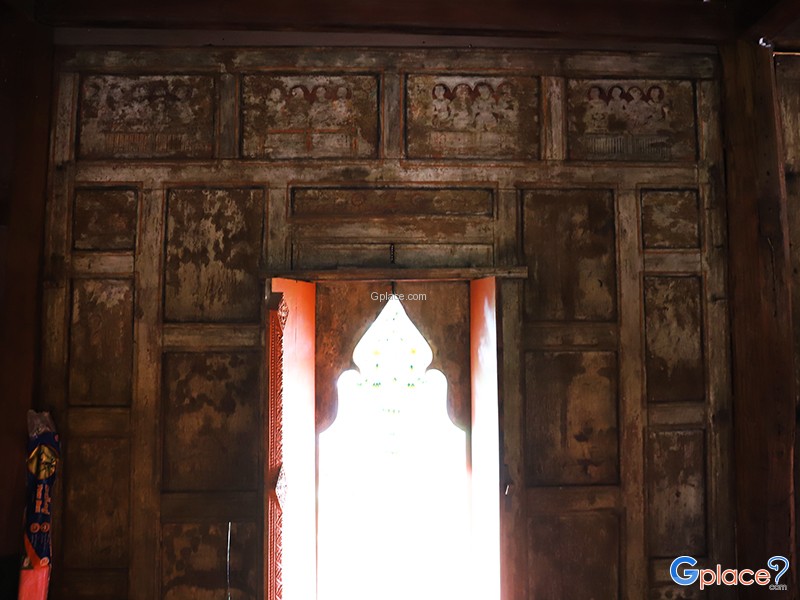
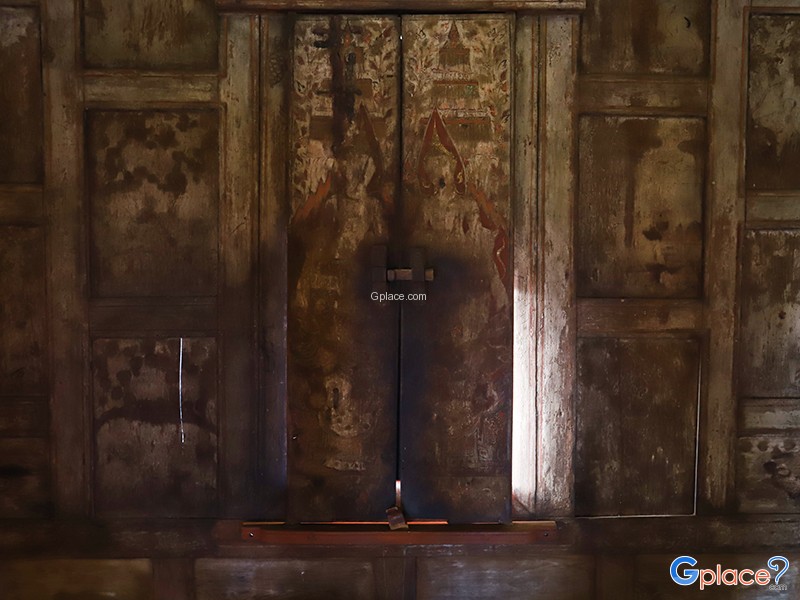
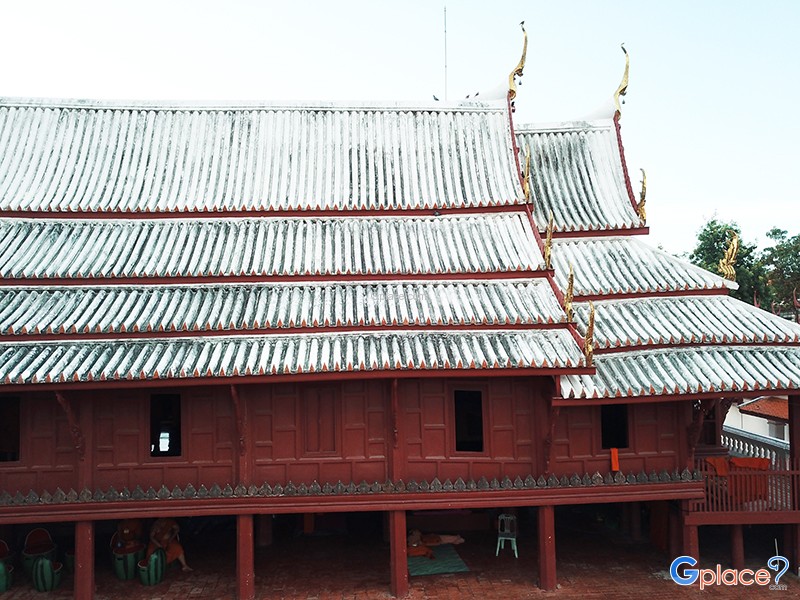

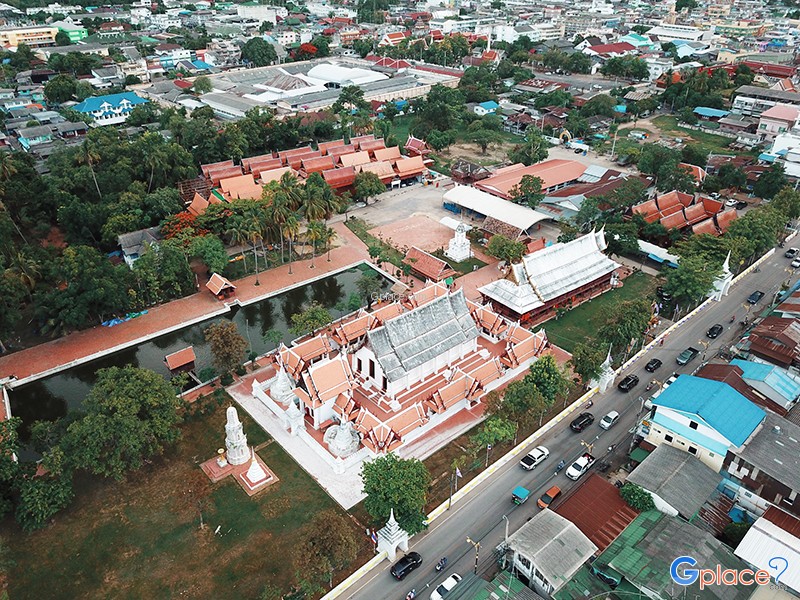
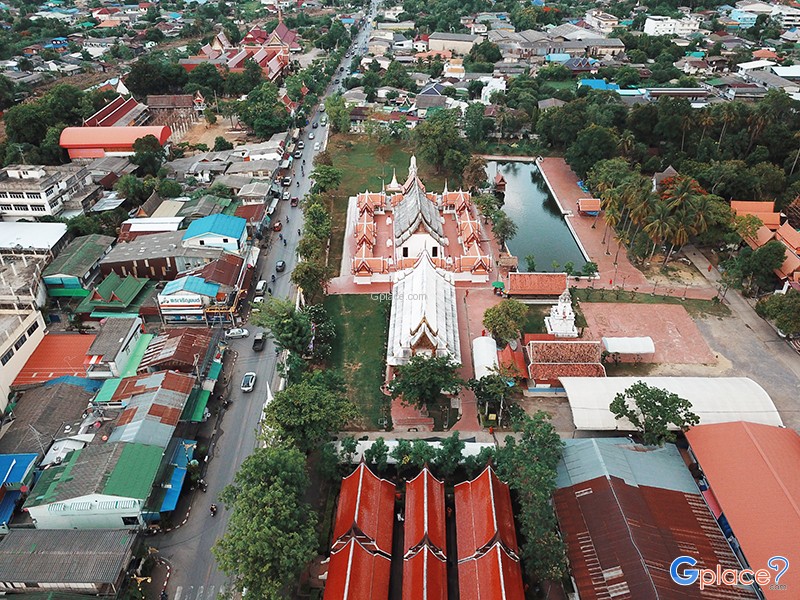
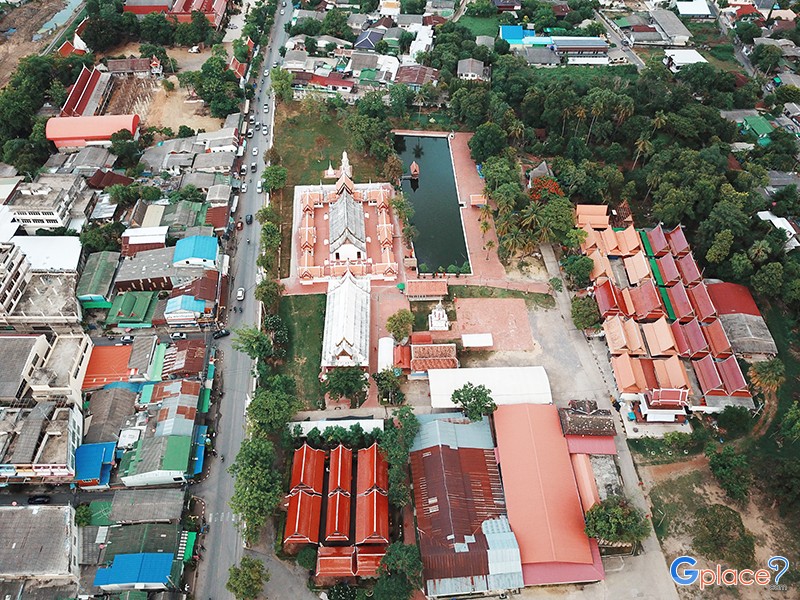
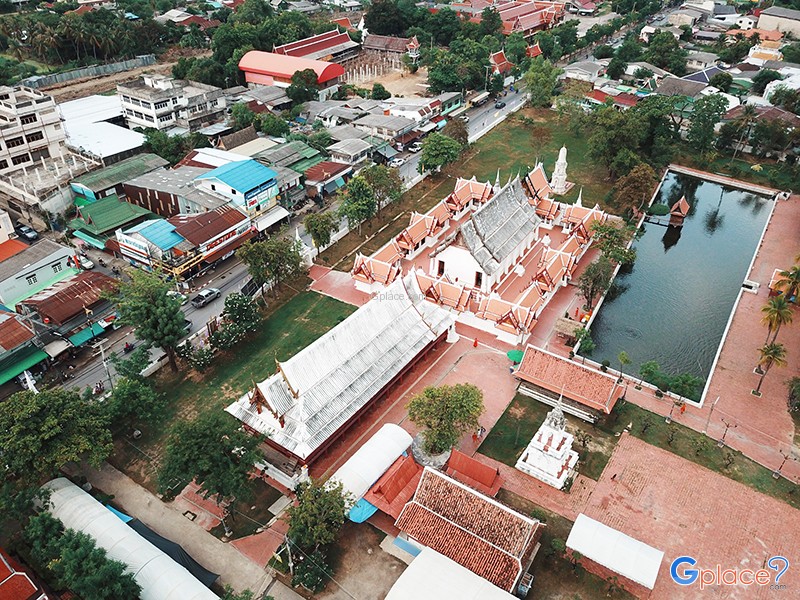

“Admire the exquisite ancient golden teakwood multipurpose hall adorned with master-class wood carvings, alongside stunning 300-year-old murals and historic battle scars on the timber doors.”
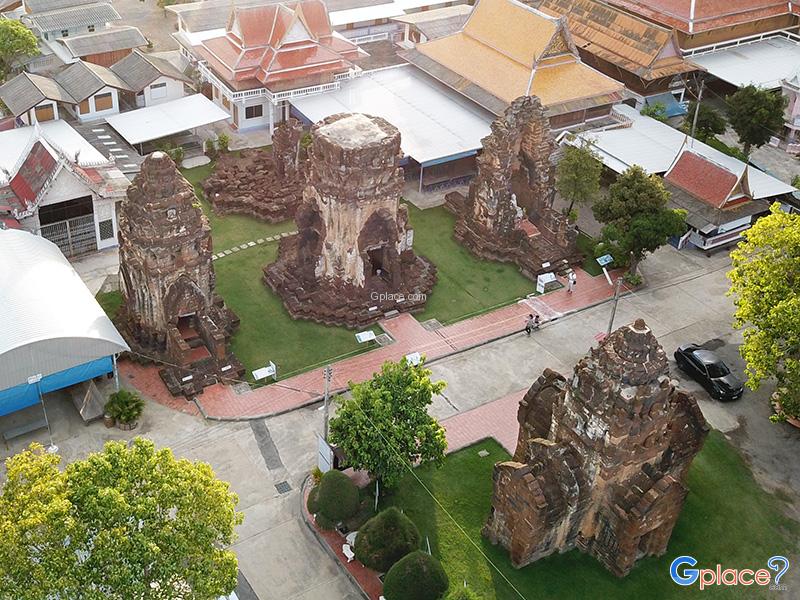
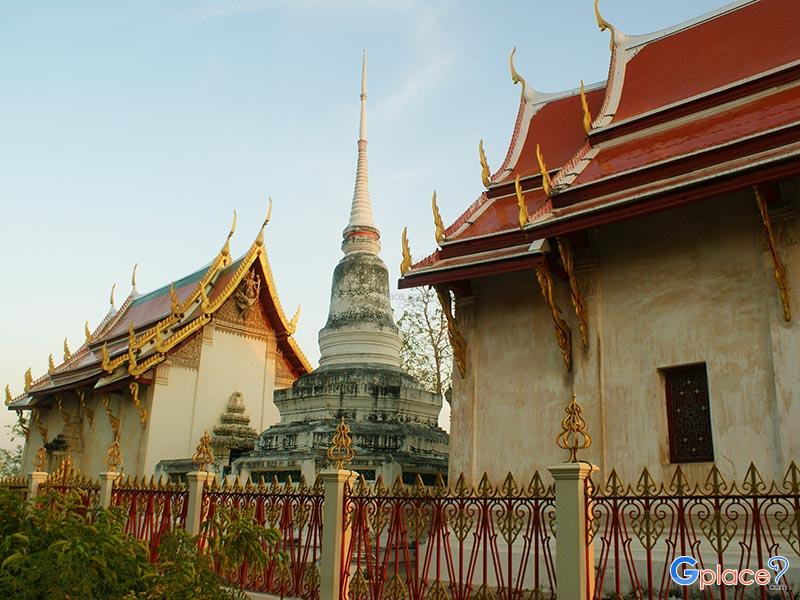
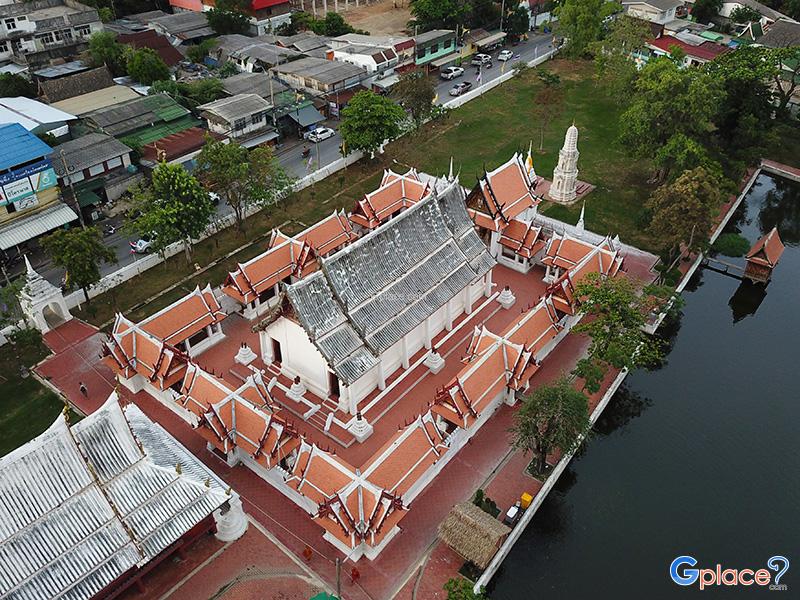
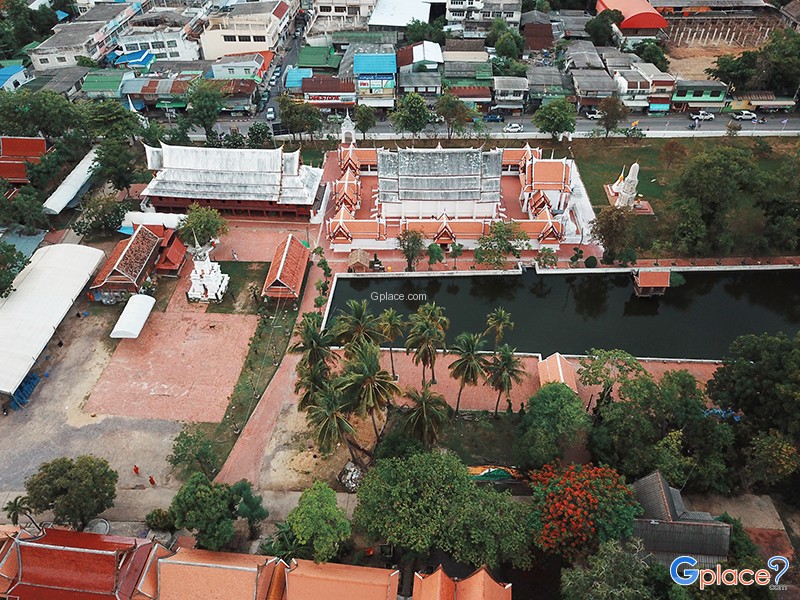
Yai Suwannaram Woravihara Temple, commonly known by locals as “Wat Yai,” is a third-class royal monastery and one of the most important cultural treasures of Ayutthaya-period art in Phetchaburi. It is believed to have been established around the 17th–18th centuries and has undergone restorations across different eras. The temple is regarded as a cultural gem due to its exceptional preservation of original structures, architectural forms, and traditional craftsmanship.
The most remarkable structure within the temple is the teakwood sermon hall, entirely constructed from golden teak. Originally, this building served as a royal residence of King Suriyenthrathibodi (King Suea) of the Ayutthaya Kingdom. Later, it was dismantled and donated to Somdet Phra Sangkharat (Taengmo) to be reconstructed as a sermon hall. This wooden structure represents an outstanding example of royal craftsmanship and traditional Thai artisan techniques, rarely seen today.
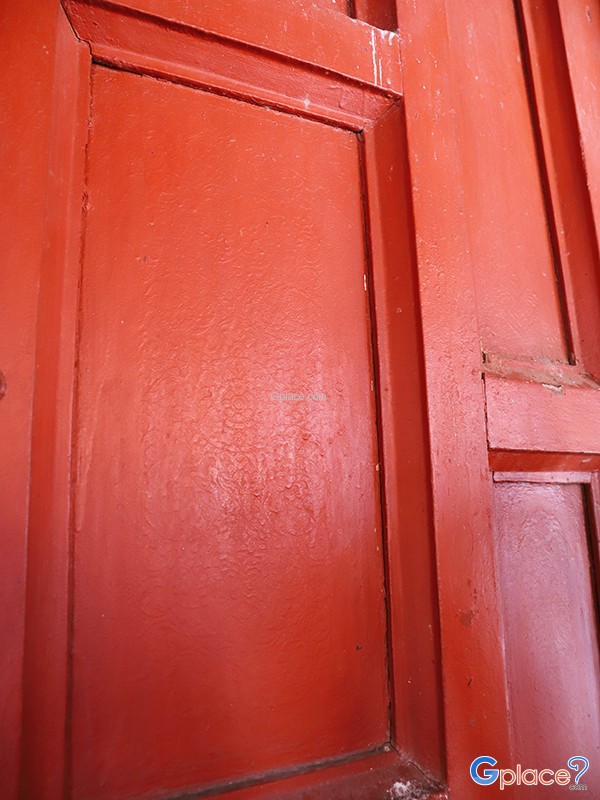
One of the temple’s most distinctive features is the intricately carved wooden doors adorned with spiral kanok motifs. Visible axe marks on the doors are believed to have been left by Burmese soldiers during the fall of Ayutthaya in 1767 (B.E. 2310) when they attempted to force their way inside. These marks stand as tangible historical evidence of past conflicts and add profound emotional and historical value to the site.
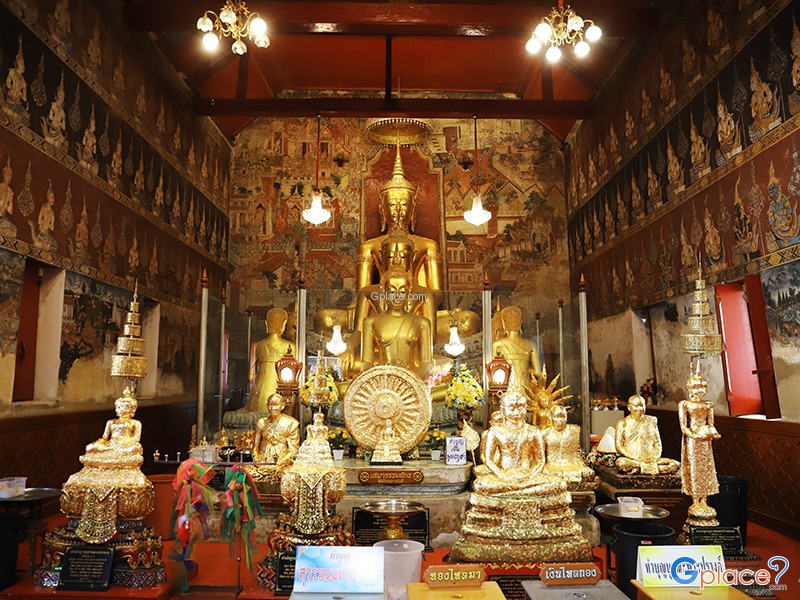
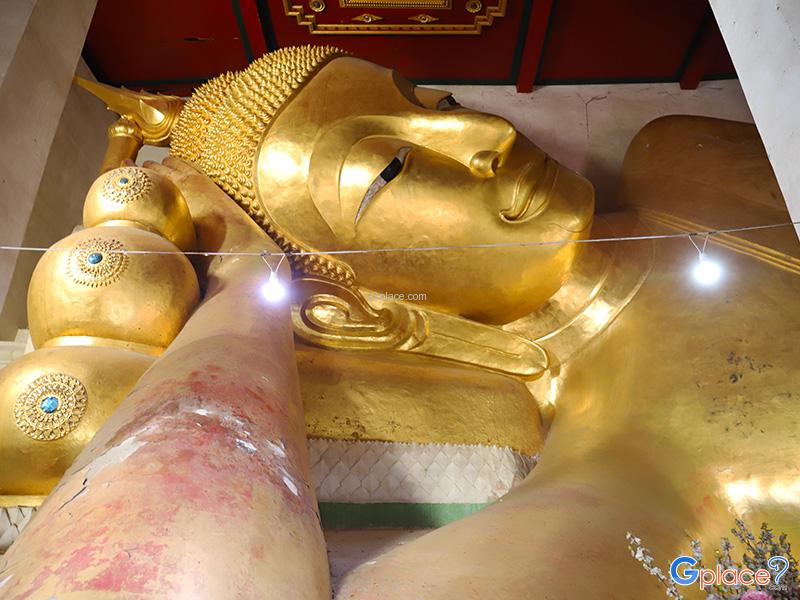
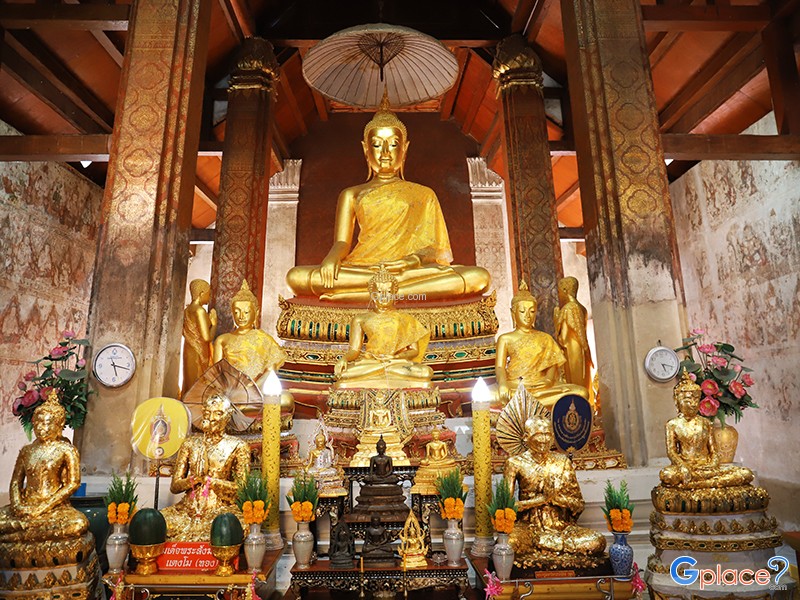
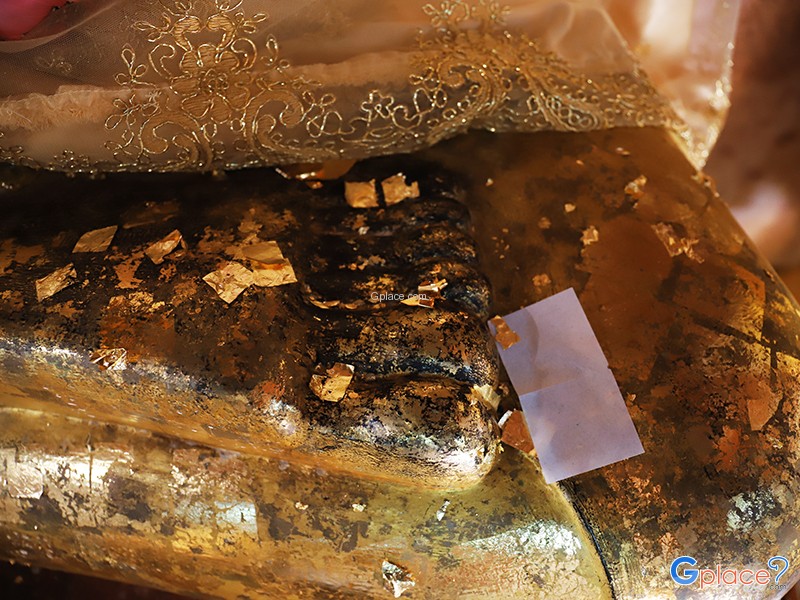
Inside the ordination hall, the principal Buddha image displays an unusual feature—six toes on each foot—often interpreted as a symbolic Buddhist riddle that invites contemplation and scholarly interpretation. The interior walls are decorated with ancient tempera murals depicting celestial assemblies, painted in the late Ayutthaya period. The murals retain their original delicate lines, subdued colors, and refined composition, representing master-level Buddhist art.
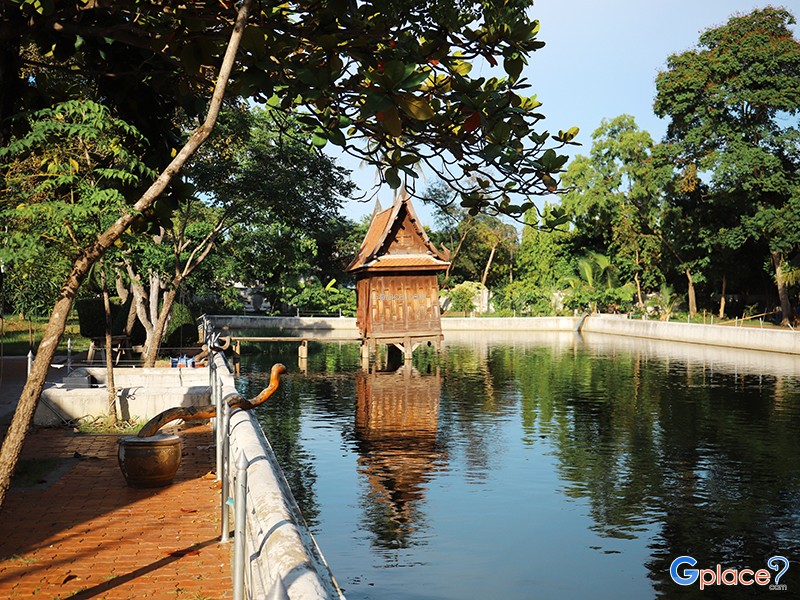
The surrounding atmosphere of the temple is peaceful, shaded, and evocative of the past, with old wooden monk quarters, ancient ponds, and stucco decorations on gables designed in the distinctive ship-base style of late Ayutthaya architecture. Walking through the temple grounds feels like stepping back in time, allowing visitors to experience the artistic and spiritual prosperity of a historic craft city without intrusion from modern structures.
Yai Suwannaram Woravihara Temple serves as an invaluable learning center for artisans, historians, and photographers interested in traditional wooden architecture, carving techniques, and classical Buddhist art. Couples and families often visit to pay respects to “Luang Pho Hok Niu” (the Six-Toed Buddha) for good fortune while immersing themselves in a living cultural heritage that has been preserved for centuries.
How to Get There
Private Car:
- From Phetkasem Road, enter Phetchaburi city center and head toward Phong Suriya Road. The temple is easily visible along the road with parking available inside.
Public Transport:
- Take a van or bus from the Phetchaburi transport station, or hire a local taxi/tuk-tuk within the city to the temple gates.
Train:
- Get off at Phetchaburi Railway Station and take a motorcycle taxi or a local "Songthaew" (baht bus) that circles the city.
Travel Tips
Best Visiting Season:
- Accessible year-round, but the morning hours (08:00 – 10:00) offer the best lighting for photography and cooler temperatures.
Footwear and Attire:
- Please dress politely as this is a royal temple; avoid short skirts, shorts, or sleeveless tops. Shoes must be removed before entering the hall and chapel.
Photography:
- Photography is permitted inside the chapel, but please turn off your flash to prevent damage to the ancient murals.
Local Culture:
- After your visit, try local Phetchaburi delicacies like "Khanom Mo Kaeng" (custard) or "Khao Chae" (chilled rice) in the nearby market to experience the local lifestyle.
Planning:
- The temple complex is compact; a detailed visit takes about 1-2 hours. It can easily be combined with a trip to Phra Nakhon Khiri (Khao Wang).
Admission Fee
-
Local visitors: Adult Free, Child Free
-
Foreign visitors: Adult Free (Donations for temple restoration are welcomed)
Opening Hours:
-
General daily hours: 08:00 – 17:00
-
The multipurpose hall may briefly close for cleaning or during religious ceremonies
Yai Suwannaram Woravihara Temple

 Share
Share
 Yai Suwannaram Temple, Phong Suriya Road, Tha Rap, Mueang Phetchaburi, Phetchaburi, Thailand
Map
Yai Suwannaram Temple, Phong Suriya Road, Tha Rap, Mueang Phetchaburi, Phetchaburi, Thailand
Map
 Open now : 8.00 - 17.00
Mon8.00 - 17.00
Tue8.00 - 17.00
Wed8.00 - 17.00
Thu8.00 - 17.00
Fri8.00 - 17.00
Sat8.00 - 17.00
Sun8.00 - 17.00



 6402
6402