 Attractions
  Hotel
Hotel  Restaurant
  Shopping
  Abroad





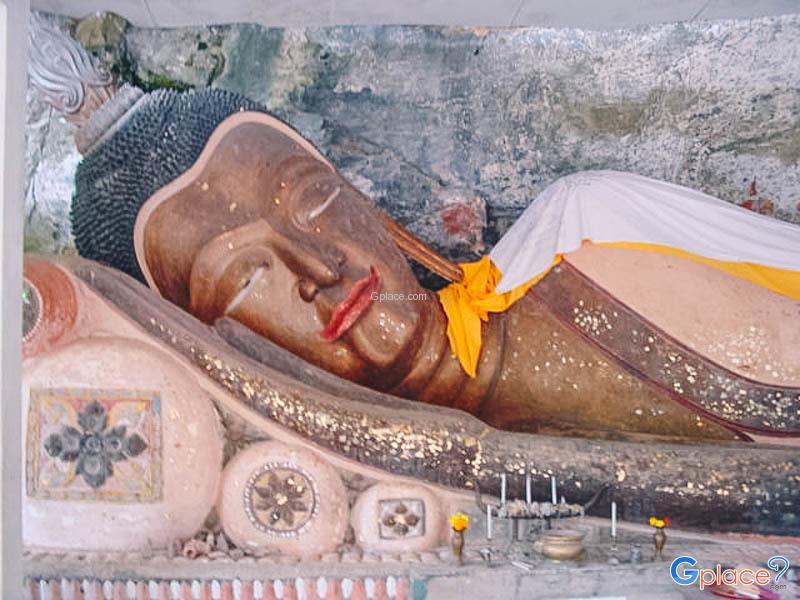

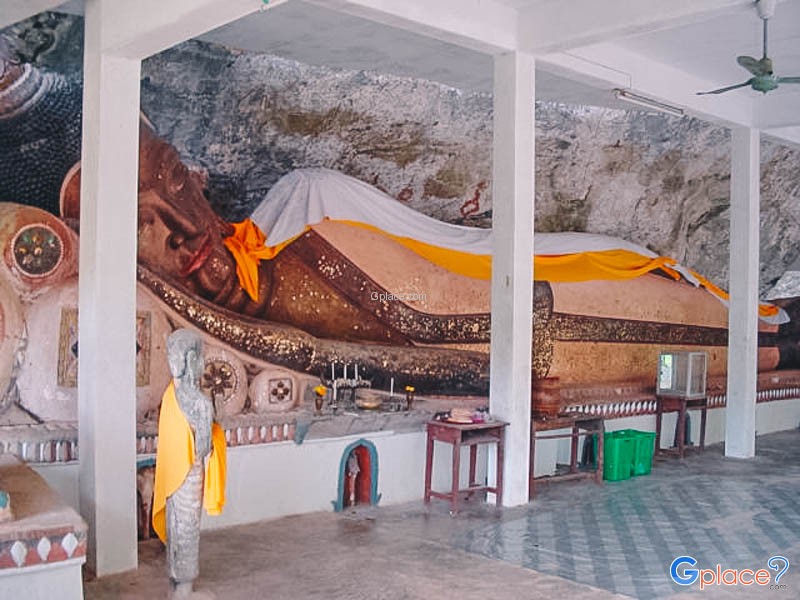
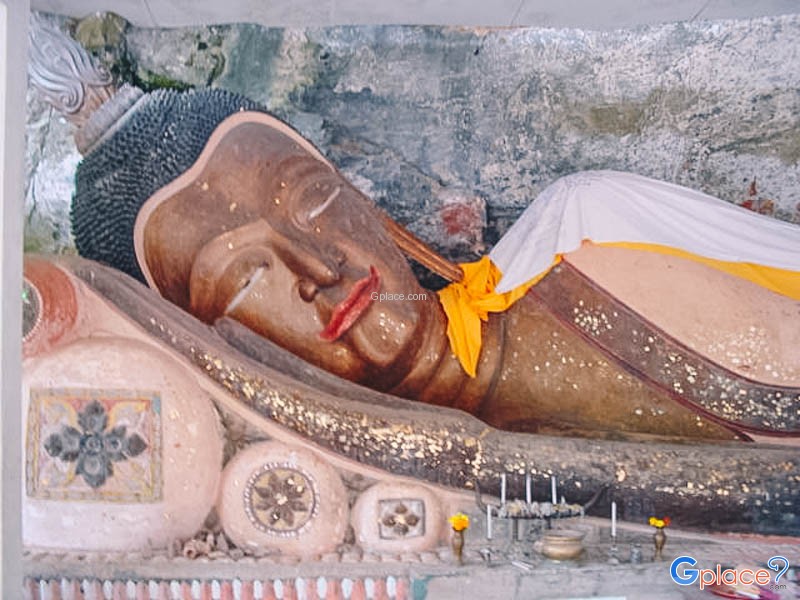
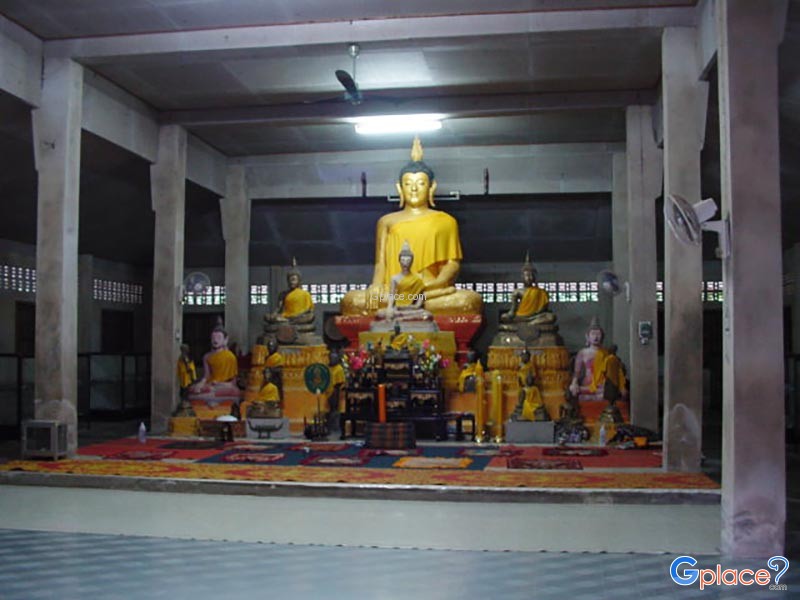
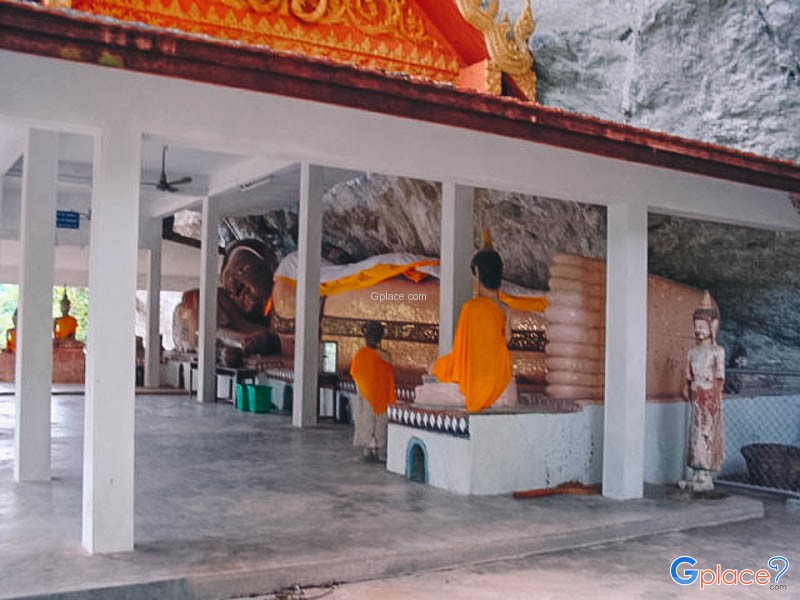
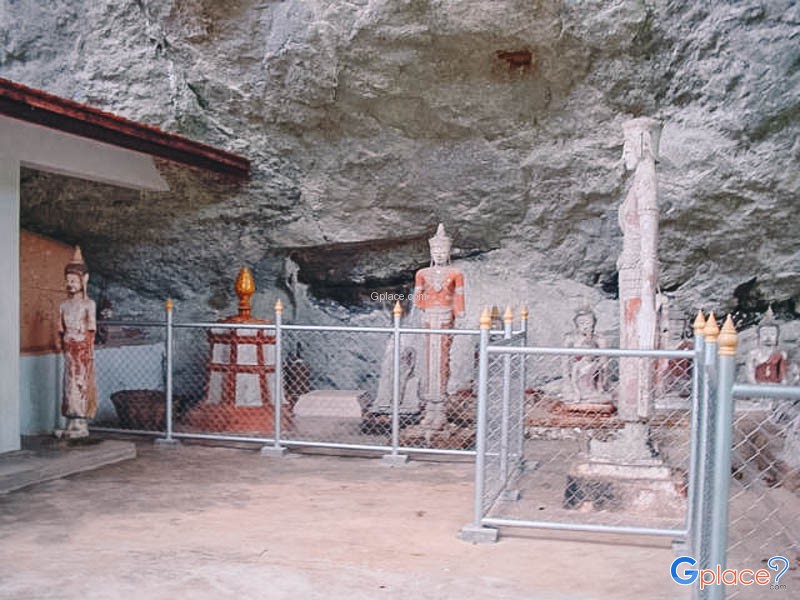
“A religious and archaeological site with evidence of human activity dating back thousands of years. Its main sacred landmark is the large Reclining Buddha housed inside the cave.”
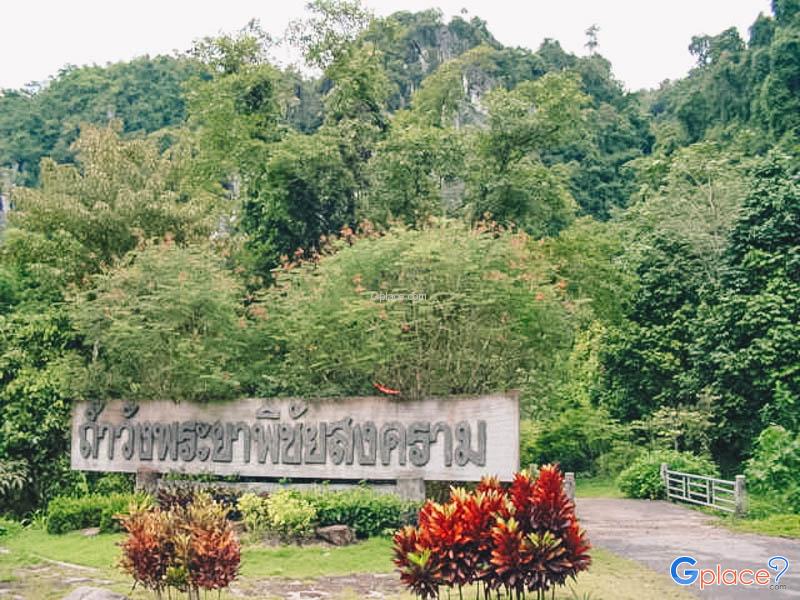
Wat Tham Phra Phut, originally known as Wat Tham Phra, is an ancient temple built around 1831 AD (B.E. 2374) during the reign of King Rama II. The temple is nestled among limestone and granite mountains, a natural landscape characteristic of Ratsada District. Its unique setting, blending natural cave formations with historical and religious structures, makes the temple both a spiritual site and a significant historical attraction in Trang Province.
The temple grounds contain several caves, where many archaeological artifacts have been discovered, including pottery fragments, seashells, tools, and human bone fragments. These findings suggest that the area was once inhabited or used for rituals thousands of years ago, marking it as an important prehistoric site in southern Thailand.
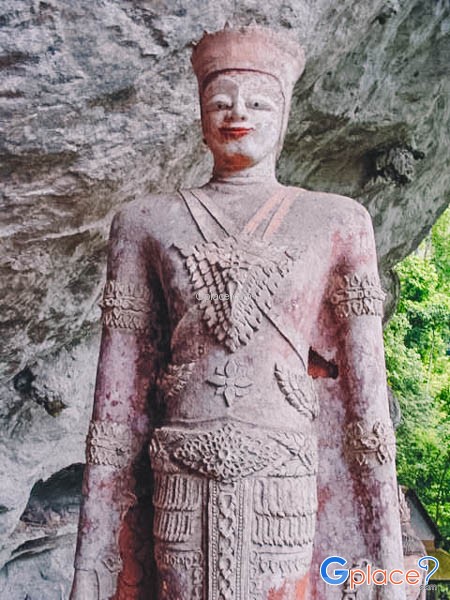
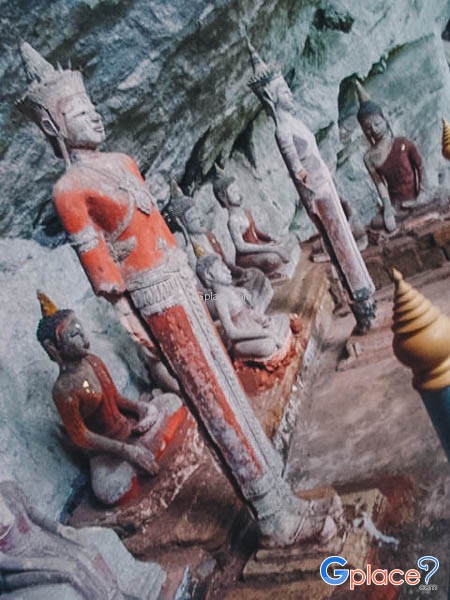
Inside the main cave stands the temple’s most revered figure—the large Reclining Buddha, which draws both locals and visitors seeking blessings. The cave also houses a distinct standing Buddha statue adorned with a traditional “terd” crown, reflecting a unique artistic style rarely seen in the region. Another noteworthy feature is a Buddha image positioned high on a cliff ledge, supported by a carved plaster elephant head base, adding to the temple’s remarkable artistic and cultural significance.
Surrounding the cave, the natural environment remains lush and serene, with limestone cliffs creating a peaceful atmosphere ideal for meditation, merit-making, and quiet reflection. The combination of sacred objects, archaeological history, and natural scenery makes Wat Tham Phra Phut an important spiritual landmark and a cultural heritage site registered for its archaeological value.
How to Get There
- Private Car: The temple is located in Ratsada District. Follow main routes from Trang city toward Ratsada, then use Google Maps to navigate to Ban Tham Phra, Nong Bua Subdistrict.
- Public Transport: No direct public transportation serves the temple. Travelers must take a bus or van to a nearby district and then hire local transport (taxi or chartered songthaew) to reach the temple.
Travel Tips
-
Dress modestly as it is a religious site.
-
The cave houses numerous Buddha images for worship.
-
The surrounding limestone mountains create a quiet, shaded, and peaceful environment suitable for meditation and relaxation.
Entrance Fee:
- Free of charge.
Opening Hours:
- Open daily during the temple’s daytime visiting hours.
Wat Tham Phra Phut

 Share
Share
 Ban Tham Phra, Moo 6, Nong Bua Subdistrict, Ratsada District, Trang
Map
Ban Tham Phra, Moo 6, Nong Bua Subdistrict, Ratsada District, Trang
Map
 Open now



 4104
4104