 Attractions
  Hotel
Hotel  Restaurant
  Shopping
  Abroad





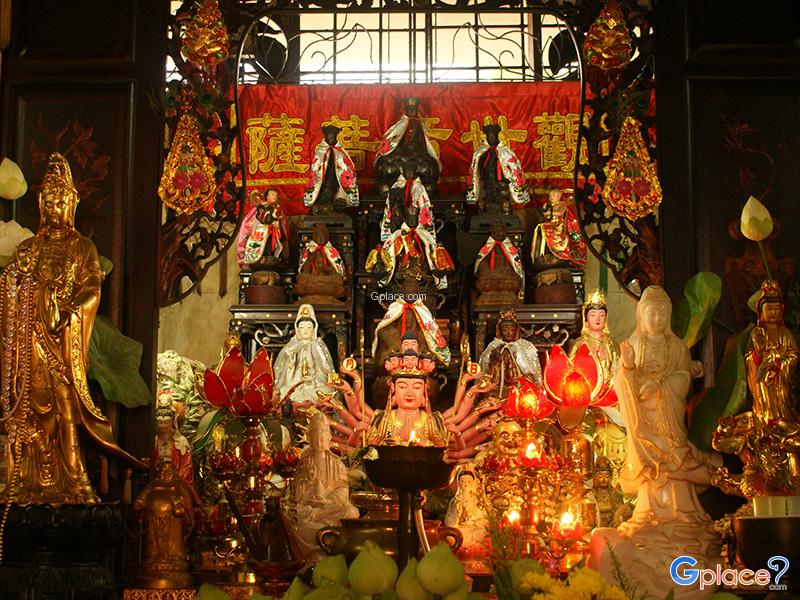

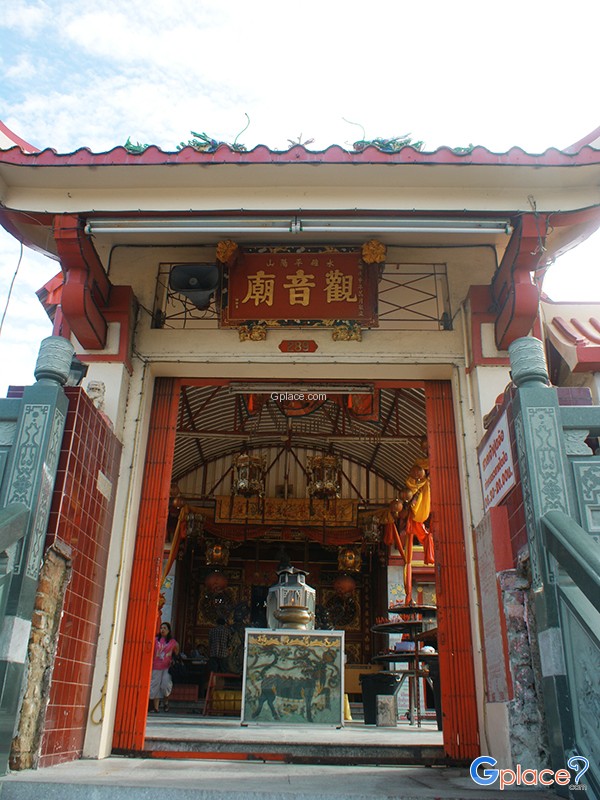
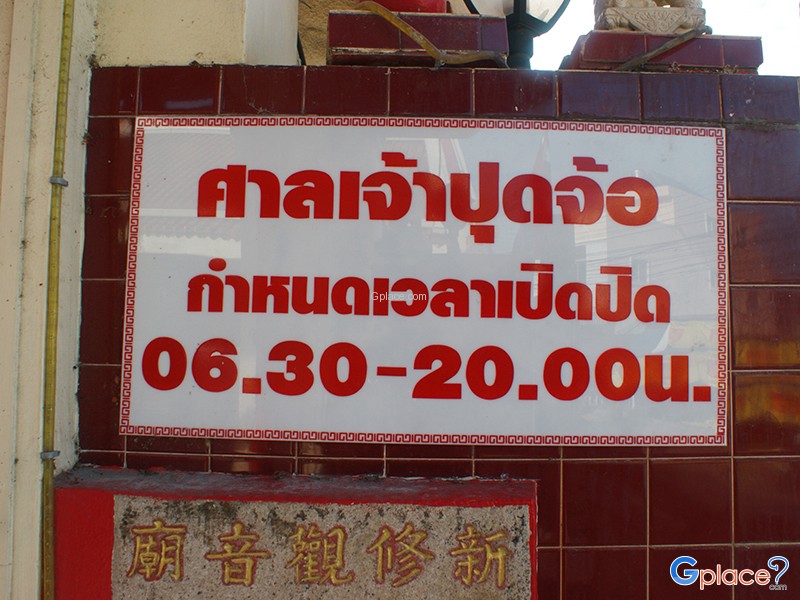
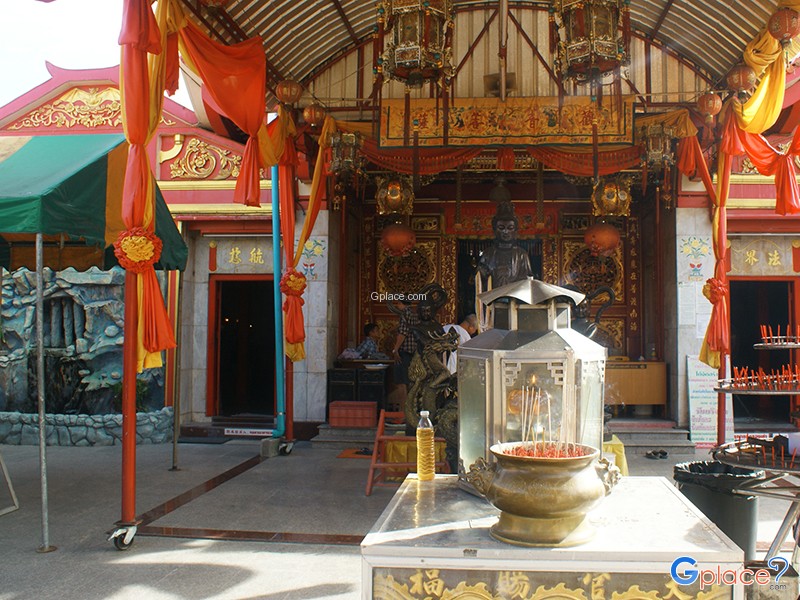
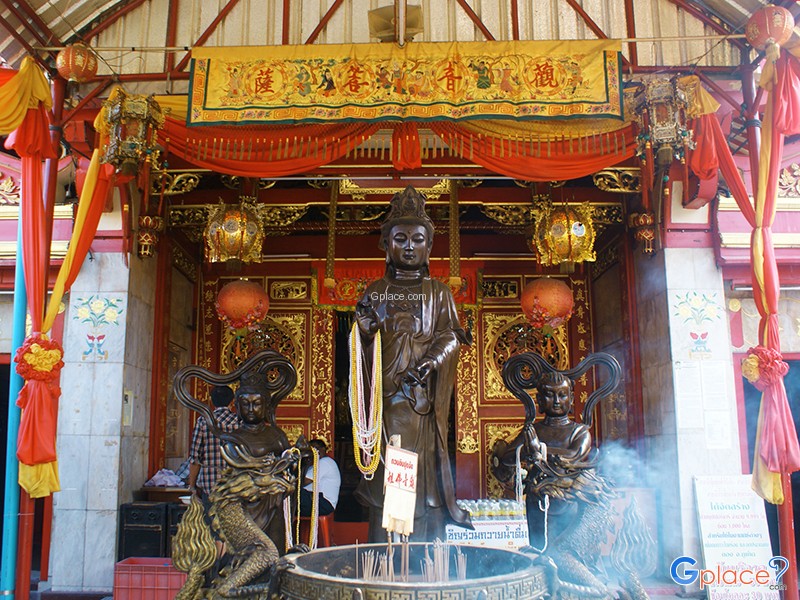
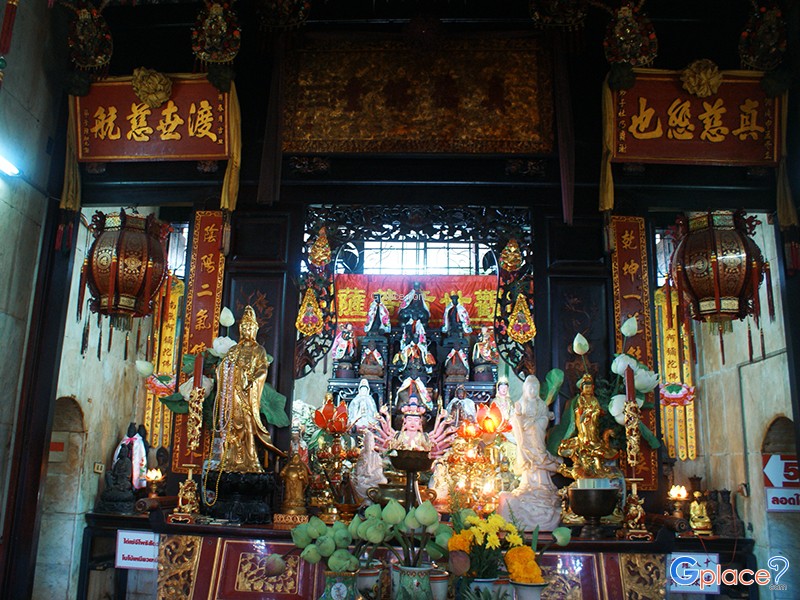
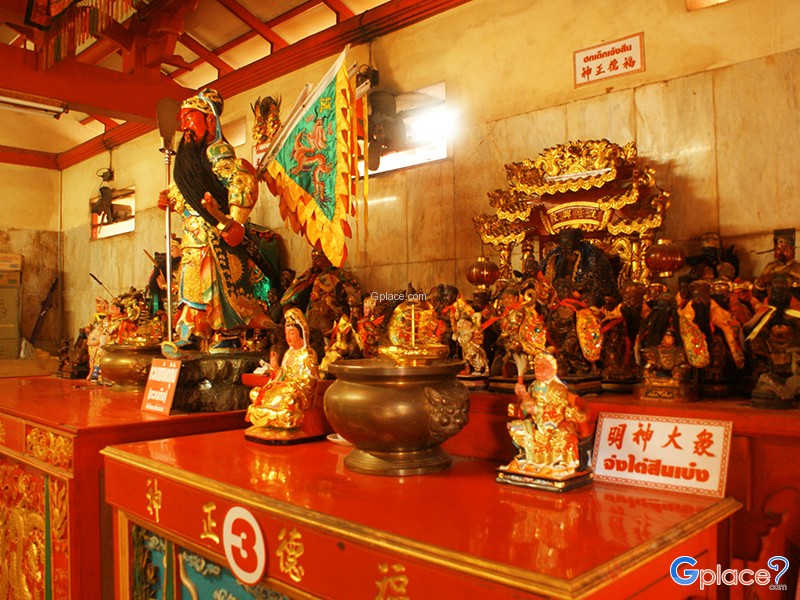

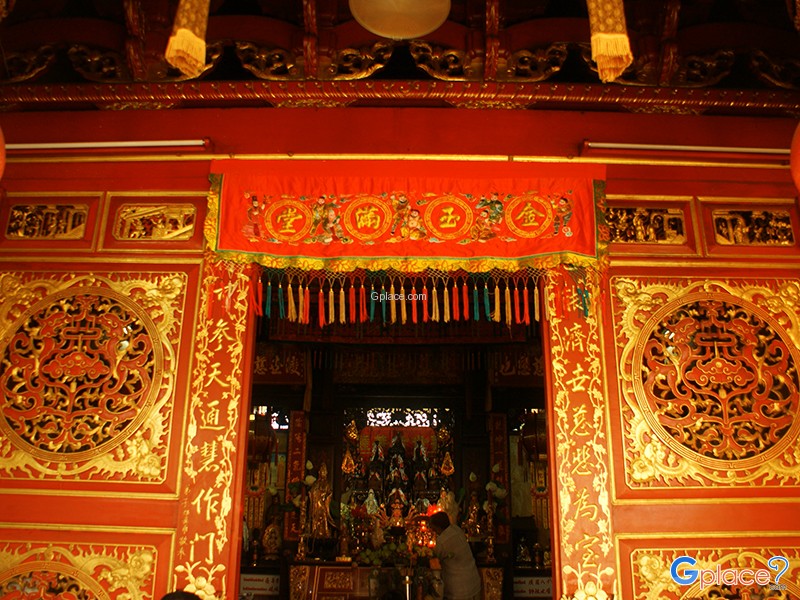
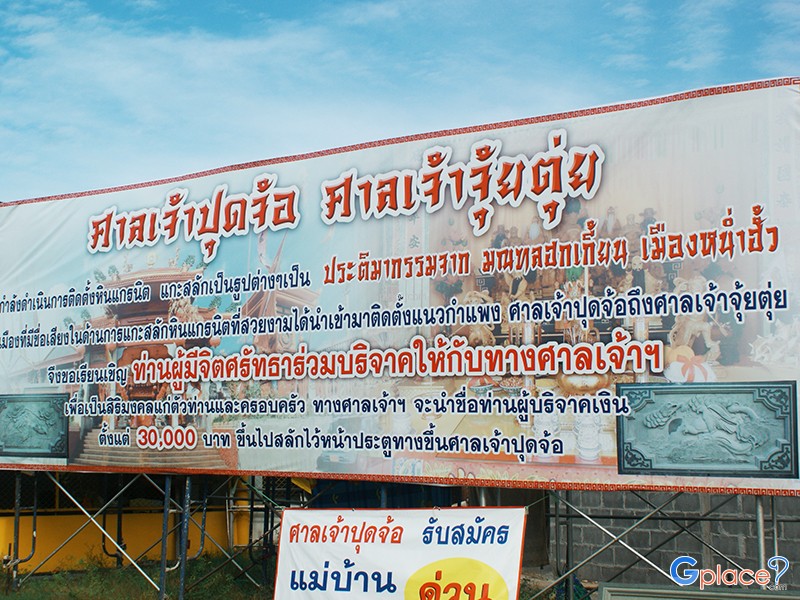
“Phuket's oldest shrine featuring the sacred Guanyin Goddess. Renowned for health and fertility blessings, accurate fortune sticks, and serene Hokkien architecture reflecting centuries of faith.”
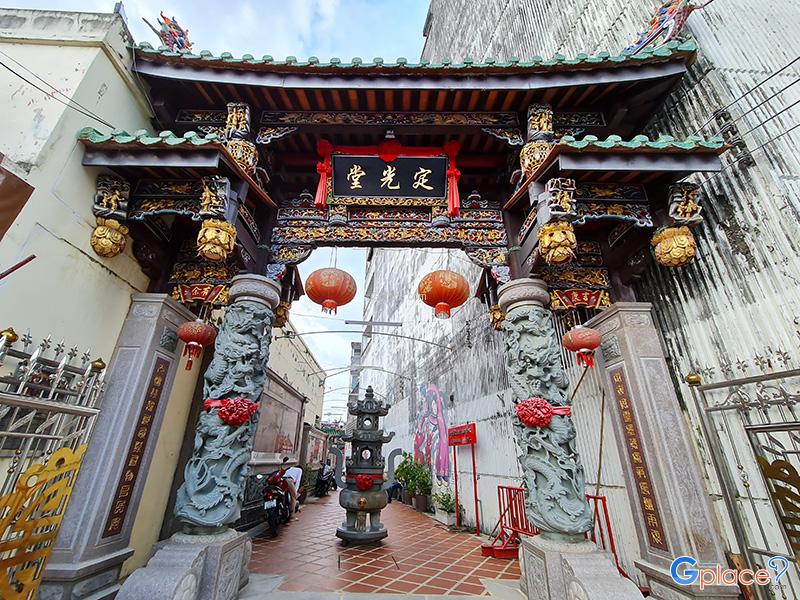
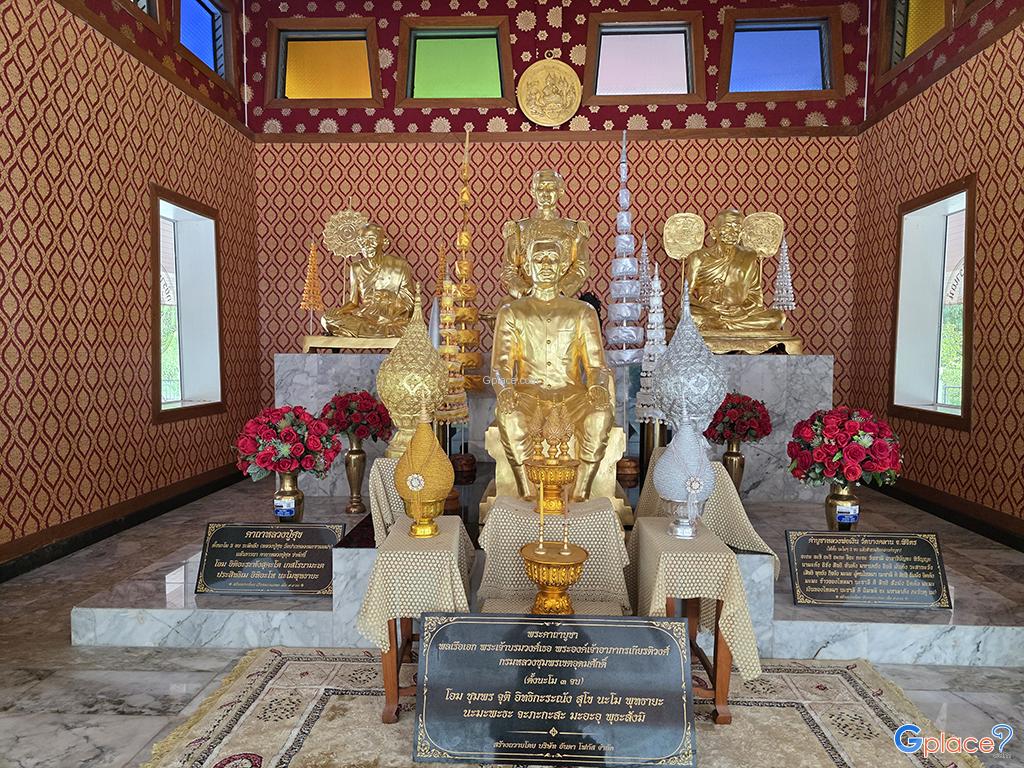
Pud Jor Shrine, locally known as "Aam Pud Jor," stands as a cornerstone of historical and spiritual significance in Phuket, being one of the island's oldest Chinese sanctuaries with a legacy spanning over a century. Located on Ranong Road, adjacent to the prominent Jui Tui Shrine, this sacred site was originally dedicated to Lord Guan Yu (Te Kun), the God of War. However, its identity evolved significantly after early Chinese immigrants invited the statue of Guanyin Bodhisattva—referred to as "Pud Jor" in the Hokkien dialect—to be enshrined here. Over time, the immense faith of the local community shifted towards her, leading her to become the primary deity of the temple. The architecture is a quintessential representation of Hokkien Chinese influence, characterized by a modest yet profoundly serene structure that has preserved its traditional essence despite numerous renovations. Inside, the air remains thick with the scent of incense and the spiritual heritage of Phuket’s ancestors, passed down through generations.
Beyond its role as a place of worship, Pud Jor Shrine is historically recognized as a hub for traditional wisdom and divination. It is nationally renowned for its "Siam Si" (fortune sticks), which are widely believed to be remarkably accurate. In earlier times, the shrine was also known for providing "medicinal fortune sticks," which guided the underprivileged in seeking herbal remedies for various ailments. Furthermore, the spiritual potency of the Guanyin statue at this shrine is legendary, particularly for blessings regarding health, longevity, and fertility. Devotees often travel from afar to fulfill their vows, typically offering pearl necklaces or white flowers as tokens of gratitude. During the annual Phuket Vegetarian Festival, Pud Jor Shrine plays a pivotal role, hosting sacred fire-invoking ceremonies and other essential rituals in conjunction with Jui Tui Shrine. This synergy reflects the deep-rooted bond between the local Chinese community and this venerable institution, making it a living museum of faith and cultural continuity.
How to Get There
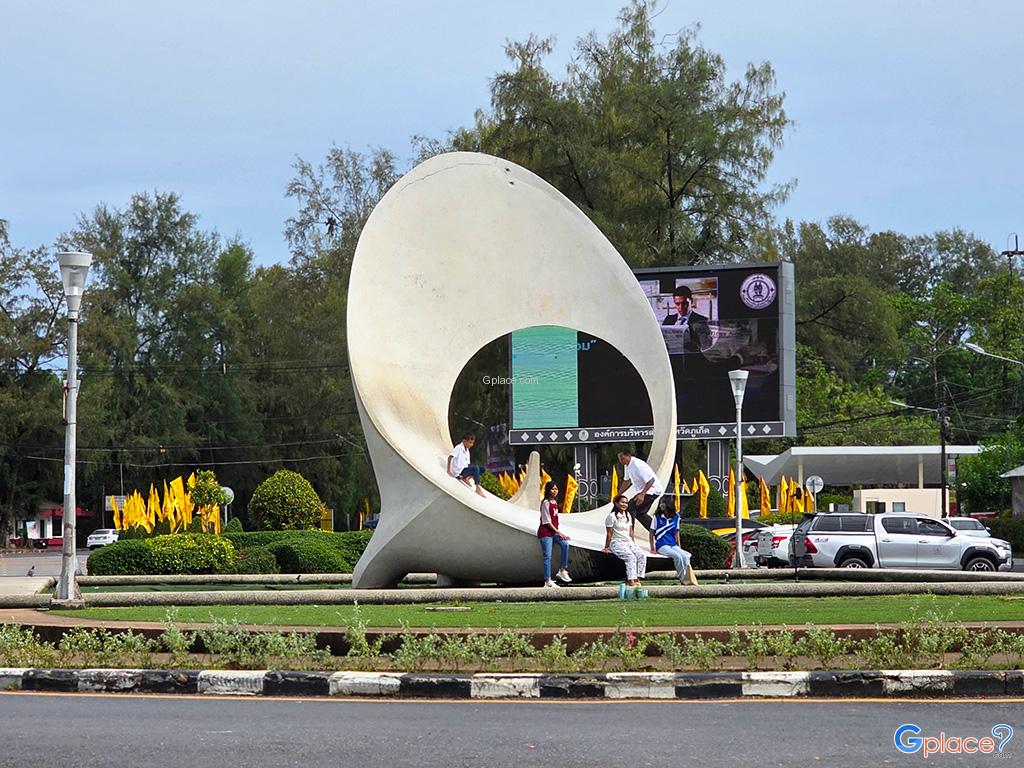
- Located on Ranong Road in Phuket Town. From the Fountain Circle (near the main market), head west towards the Phuket City Police Station. The shrine is located on the left side in Soi Phuthorn, adjacent to Jui Tui Shrine.
Travel Tips
- Dress modestly (no sleeveless tops or shorts)
- Light incense outside before entering
- Avoid photography in restricted areas
- Visit early for a शांत and less crowded atmosphere
Admission Fees:
- Free admission.
Opening Hours:
- 06:30 AM – 07:00 PM
Pud Jor Shrine

 Share
Share
 T.Talat Nuea, A.Mueang Phuket, Phuket 83000
Map
T.Talat Nuea, A.Mueang Phuket, Phuket 83000
Map
 Closed today
Mon6.30 - 19.00
Tue6.30 - 19.00
Wed6.30 - 19.00
Thu6.30 - 19.00
Fri6.30 - 19.00
Sat6.30 - 19.00
Sun6.30 - 19.00

 https://thai-tour.com/thai-tour/south/phuket/data/place/pic-sarn-jao-pud-jor.html

 3755
3755