 Attractions
  Hotel
Hotel  Restaurant
  Shopping
  Abroad





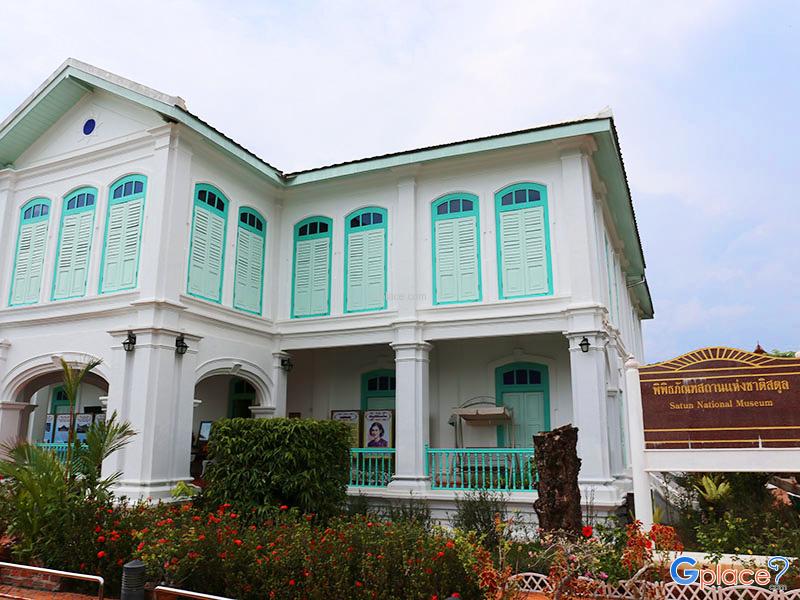

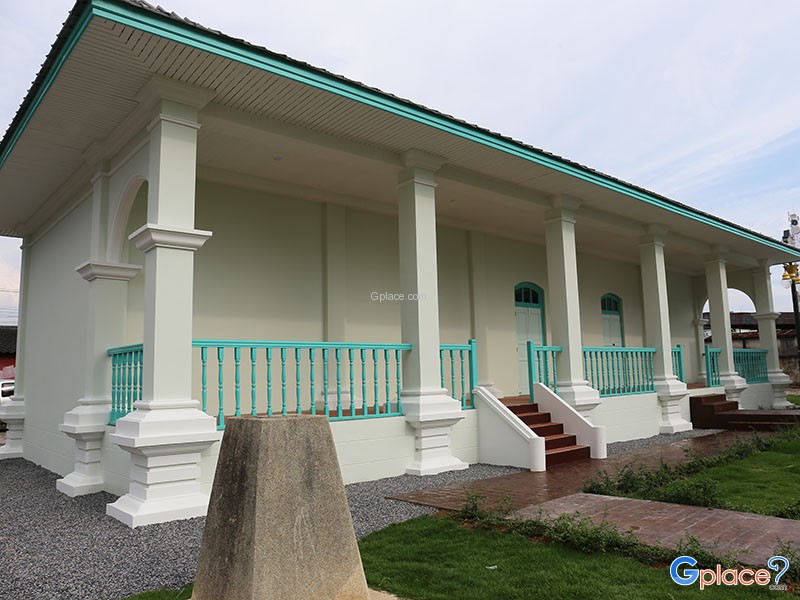
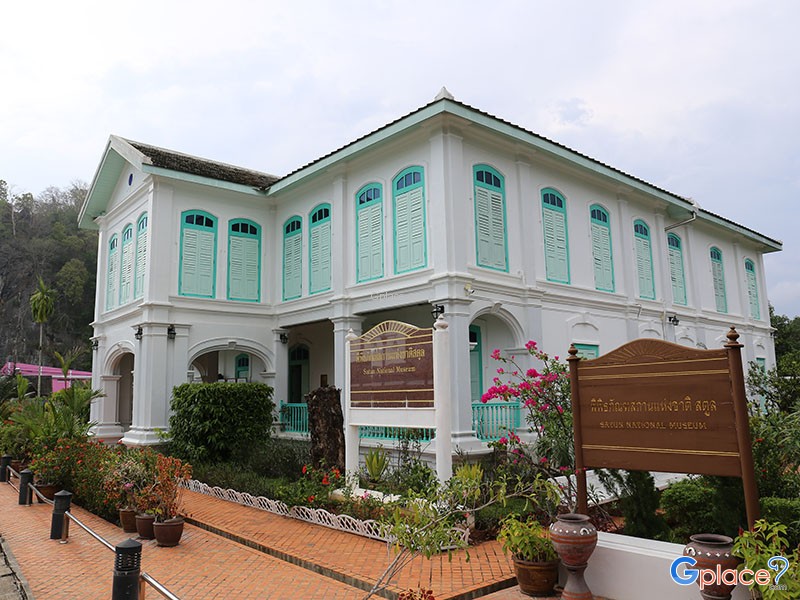
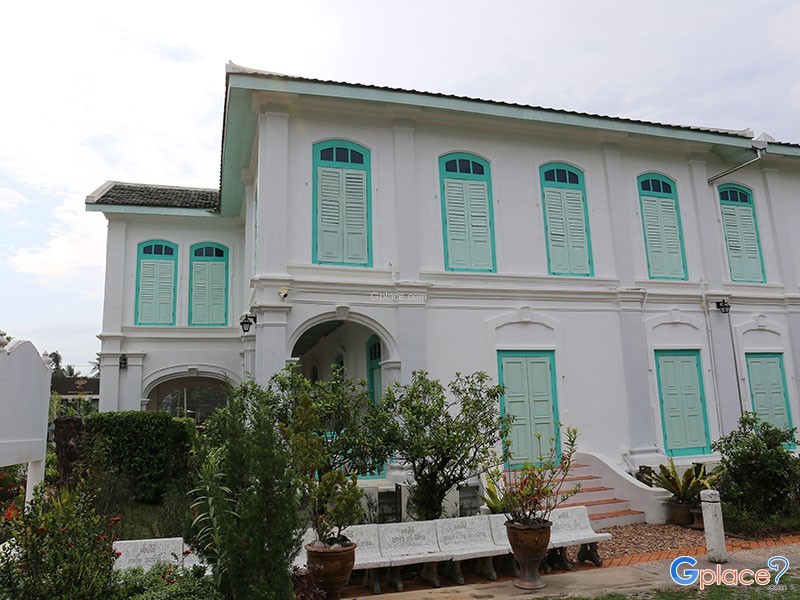

“Elegant Sino-Portuguese mansion built for King Rama V, now a museum showcasing rare Satun history, artifacts, and local culture within stunning European-Malay architectural heritage.”
Kuden Mansion, now officially known as the Satun National Museum, stands as a magnificent testament to the architectural grandeur and diplomatic history of the late 19th century. Construction began in 1898 (R.S. 117) under the orders of Phraya Phuminart Phakdi (Tunku Baharuddin bin Tammabung), the governor of Satun. The mansion was originally intended to serve as a royal residence for King Chulalongkorn (Rama V) during his southern expeditions. Although the King never actually stayed at the mansion, the building assumed a pivotal role as the administrative and historical heart of Satun province for over a century.
Architecturally, the mansion is a prime example of the "Sino-Portuguese" style, showcasing a sophisticated fusion of diverse cultural influences. The two-story masonry structure was built using traditional techniques, relying on a robust spread footing system instead of modern pilings. Its roof is a Malay-style hip roof, adorned with traditional terracotta "banana leaf" tiles. A defining feature is the large Spanish-style wooden folding windows, designed to provide superior ventilation in the tropical climate. Additionally, the transoms above the windows and doors feature intricate stucco decorations, reflecting the high-caliber craftsmanship prevalent during that era.
Throughout its storied past, the Kuden Mansion has evolved to meet the needs of the changing times. It has served as the Governor's residence, the Provincial Hall, and even a Japanese military command post during World War II. Recognizing its immense historical value, the Fine Arts Department registered it as a National Ancient Monument in 1989. After an extensive restoration, it was officially inaugurated as the Satun National Museum in 2000. Today, the museum houses in-depth exhibitions ranging from Satun's geological origins to the ethnology of the Andaman tribes, such as the Sea Gypsies (Chao Lay) and the Maniq people. The upper floor meticulously preserves the simulated atmosphere of the Governor's private bedrooms and formal reception halls, offering a rare glimpse into the region's aristocratic heritage.
How to Get There
- Located in the heart of Satun city on Satun Thani Road, Soi 5, opposite the Satun Municipality Office. It is easily accessible by private car, taxi, or local motorcycle taxis.
Travel Tips
- Visit in the morning or early afternoon to avoid the heat and allow enough time before closing
- Learn a bit about the history beforehand to better understand the exhibits and cultural value
- Dress respectfully, as it is a historical and government-related site
- Avoid touching artifacts to help preserve the museum collections
Admission Fees:
- Thai Nationals: 10 THB
- Foreigners: 30 THB
- (Free entry for students in uniform and senior citizens)
Opening Hours:
- Wednesday - Sunday, 09:00 AM - 04:00 PM (Closed on Mondays, Tuesdays, and Public Holidays).
Kuden Mansion

 Share
Share
 Soi 5, Satun Thani Road, Phiman Subdistrict, Mueang District, Satun Province, 91000 91000
Map
Soi 5, Satun Thani Road, Phiman Subdistrict, Mueang District, Satun Province, 91000 91000
Map
 Closed today
Mon -
Tue -
Wed9.00 - 16.00
Thu9.00 - 16.00
Fri9.00 - 16.00
Sat9.00 - 16.00
Sun9.00 - 16.00

 http://www.virtualmuseum.finearts.go.th/satun/index.php/th/

 4376
4376