 Attractions
  Hotel
Hotel  Restaurant
  Shopping
  Abroad





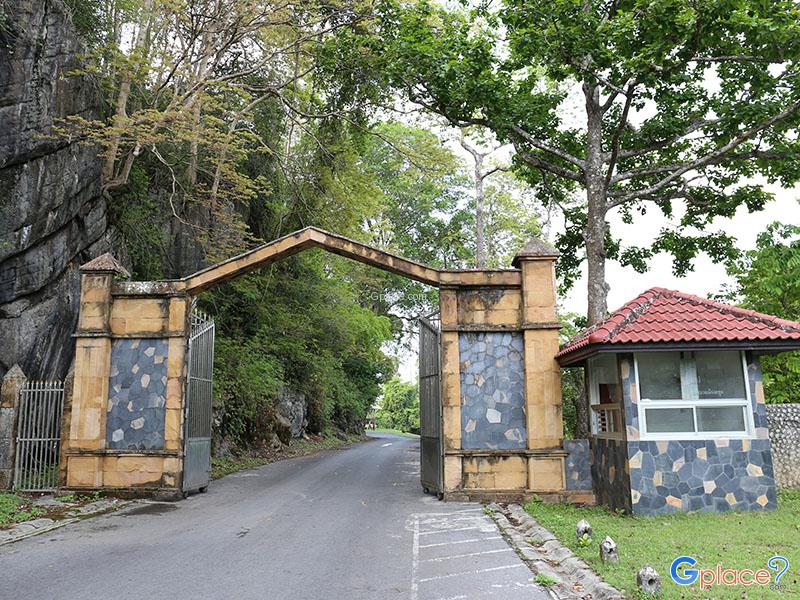

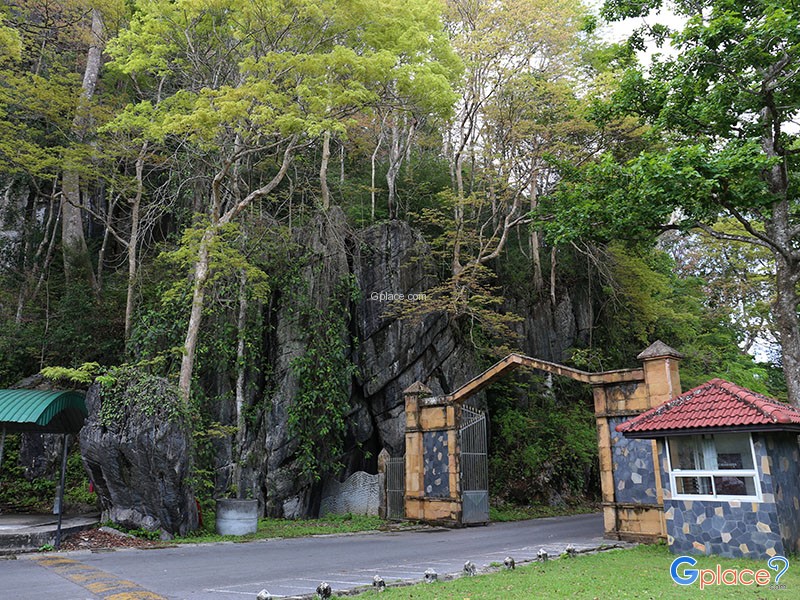
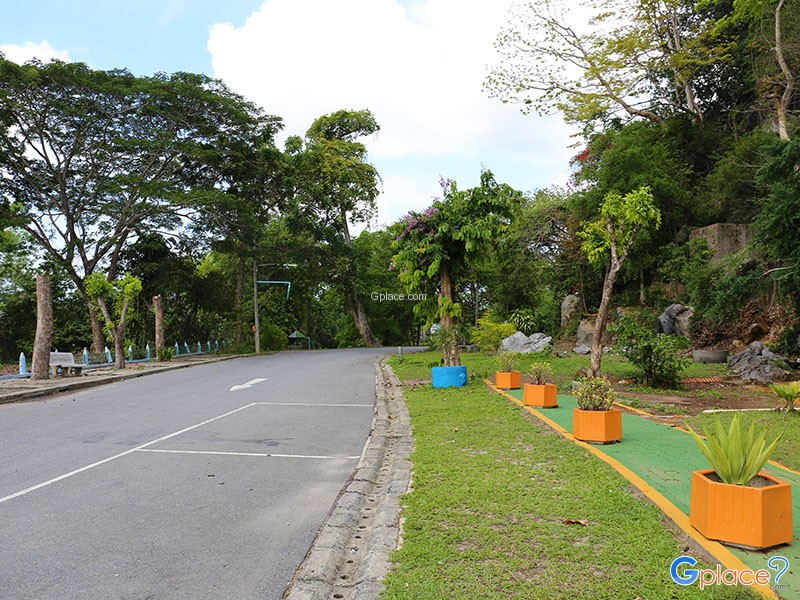
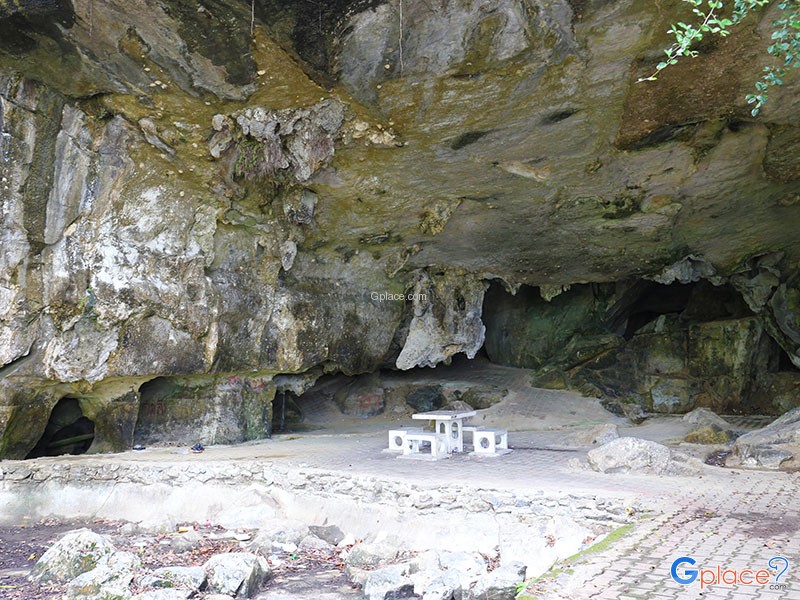
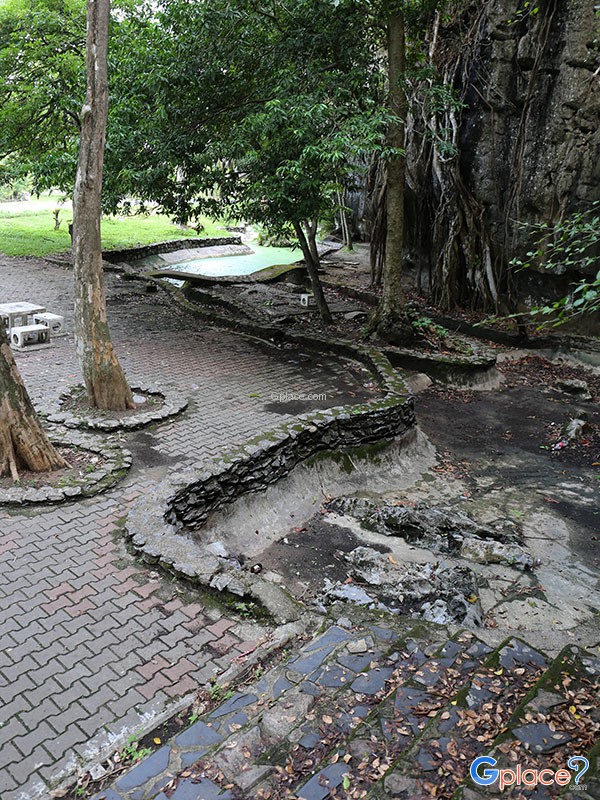
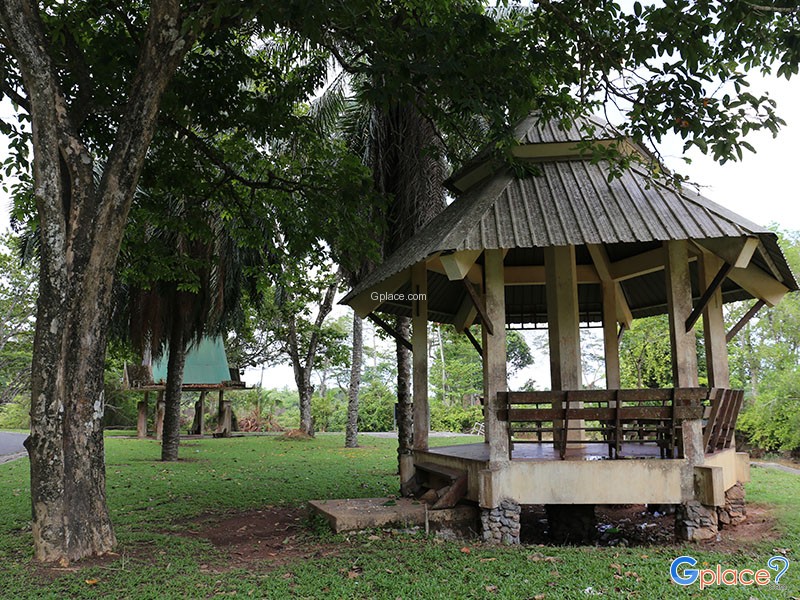
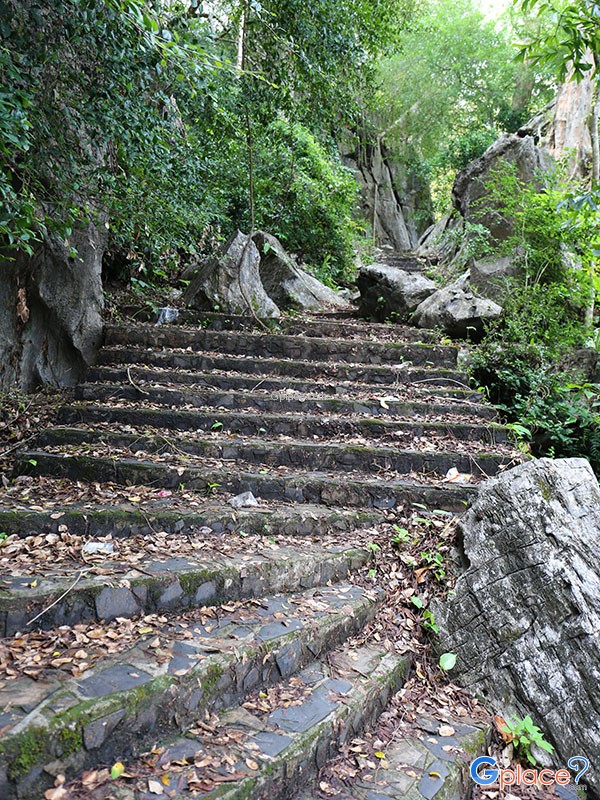

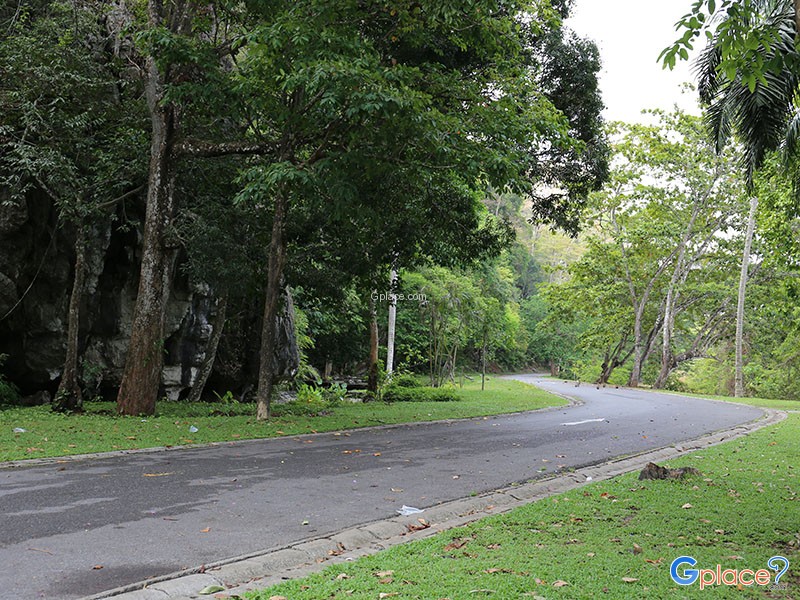
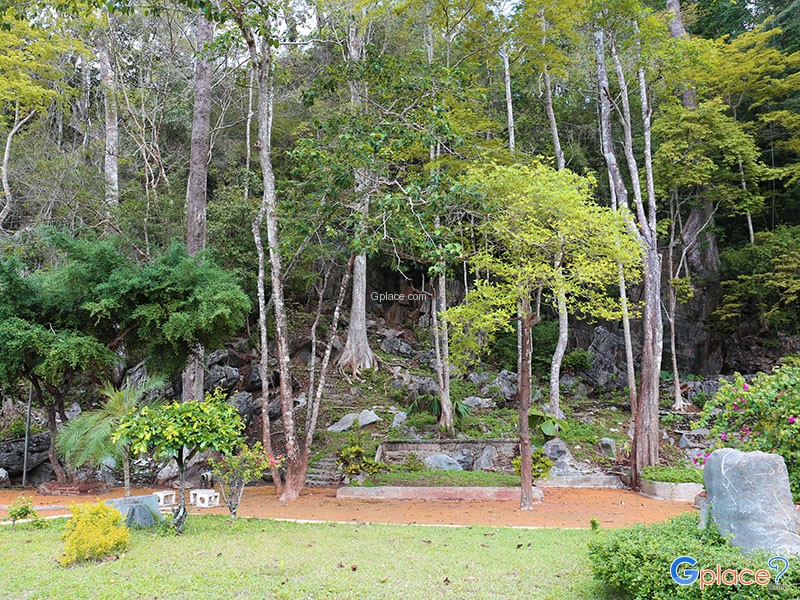
“A public park set against a limestone hill, featuring shallow caves, rock shelters, a canal, and an artificial waterfall. Peaceful atmosphere with many resident monkeys.”
Khao To Phaya Wang Park stands out from typical public parks due to its unique landscape, featuring an isolated limestone hill rising prominently in the middle of the city. The limestone is ancient, formed from the accumulation of marine organisms over time. This geological formation has created natural cavities, shallow caves, and rock shelters—key characteristics that define the park’s identity.
From a geological perspective, limestone areas like this are shaped by the gradual dissolution caused by mildly acidic rainwater. Over time, this process forms cavities and rough surfaces. Visitors can observe features resembling stalactites and stalagmites near the cave entrances. Although the caves are not deep, they offer an authentic cave-like atmosphere.
Historically, the area was once an archaeological site where prehistoric stone tools were discovered. This suggests that the location may have served as a habitation or activity site for early humans, thanks to its natural water sources and shelter provided by the surrounding rock formations.
The park’s layout today is designed to “wrap around” the hill, with walking paths and roads circling it, allowing visitors to explore the entire area. Along the way, there are resting pavilions placed at key , especially near limestone cliffs where shade and cooler temperatures provide a noticeable contrast to open spaces.
Another important feature is the Mam Bang Canal, which flows alongside the park. It helps regulate temperature and increase humidity, keeping the environment cool even during the daytime. The canal also supports a small ecosystem that sustains local plant and animal life.
In terms of ecology, the resident monkeys are an integral part of the park’s natural balance. While they are accustomed to human presence, they still retain natural instincts. Visitors are advised not to feed them or engage in behaviors that may attract their attention, to avoid disturbances for both humans and wildlife.
The time that best reflects the local lifestyle is in the evening. The park becomes a lively hub for residents of Satun, who come for jogging, cycling, and group exercise. This highlights the park’s role as a public space that seamlessly connects nature, health, and community life.
How to Get There
- By car: Drive along Khuha Pravet Road. The route is clearly signposted, and parking is available.
- Local transport: Motorcycle taxis and tuk-tuks are easily available from anywhere in town.
Travel Tips
Admission Fee:
- Free admission
Opening Hours:
- Open daily from approximately 8:30 AM – 6:30 PM
Khao To Phaya Wang Park

 Share
Share
 Phiman, Mueang, Satun 91000
Map
Phiman, Mueang, Satun 91000
Map
 Closed today
Mon8.30 - 18.30
Tue8.30 - 18.30
Wed8.30 - 18.30
Thu8.30 - 18.30
Fri8.30 - 18.30
Sat8.30 - 18.30
Sun8.30 - 18.30



 21891
21891