 Attractions
  Hotel
Hotel  Restaurant
  Shopping
  Abroad





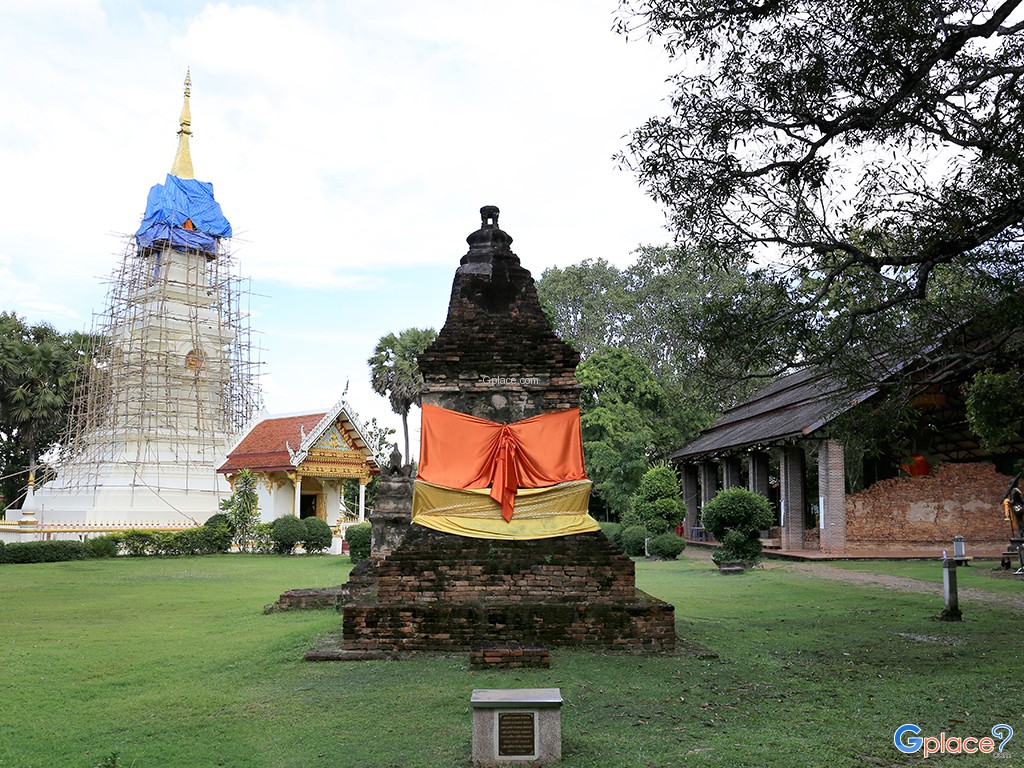

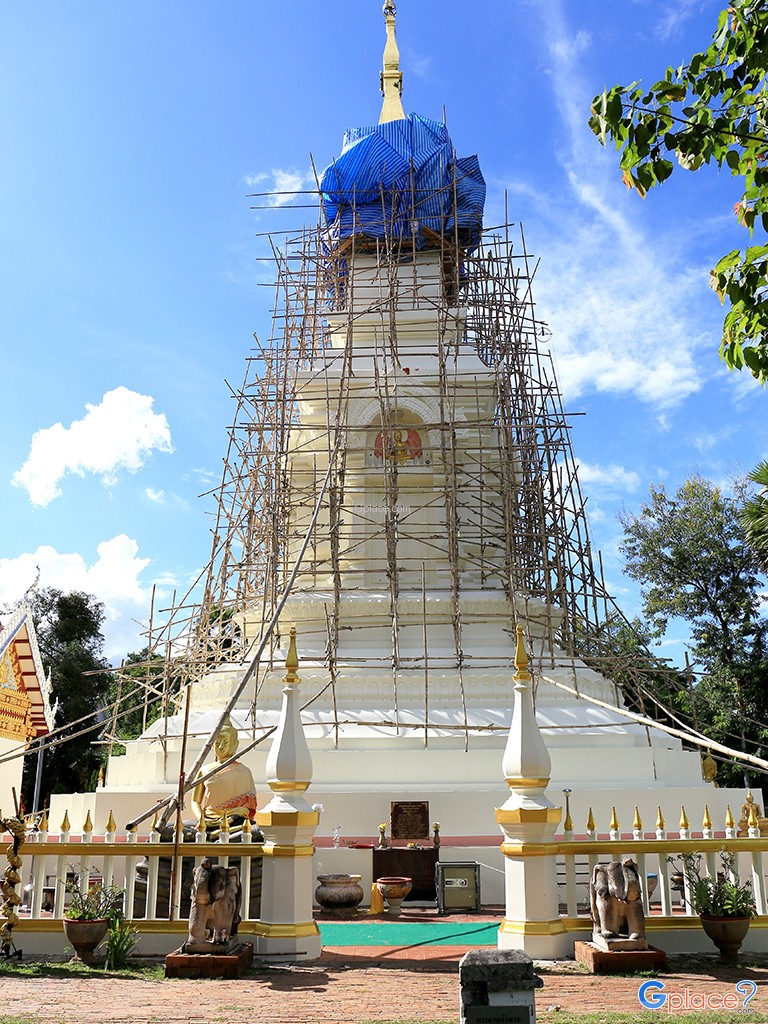
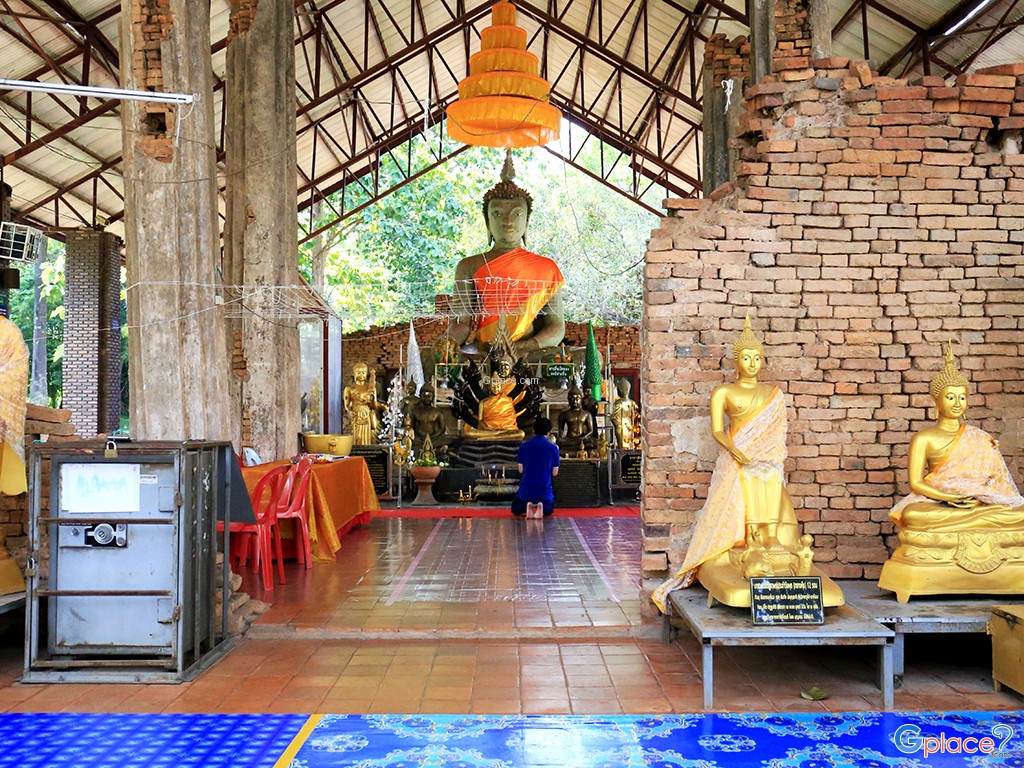
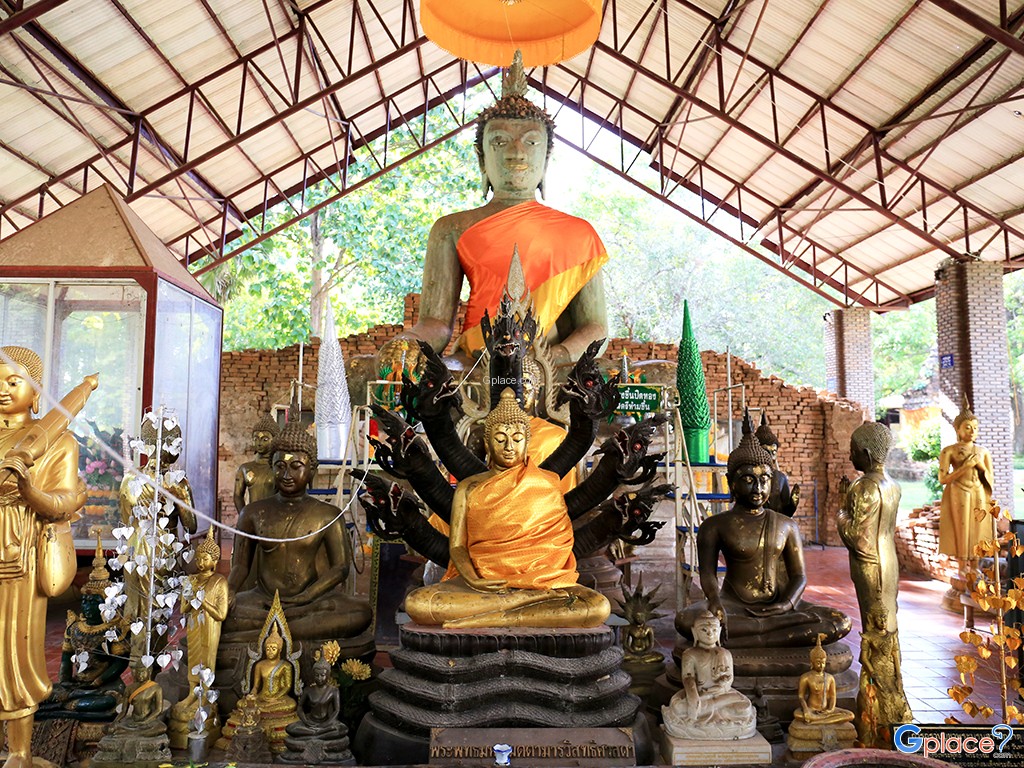
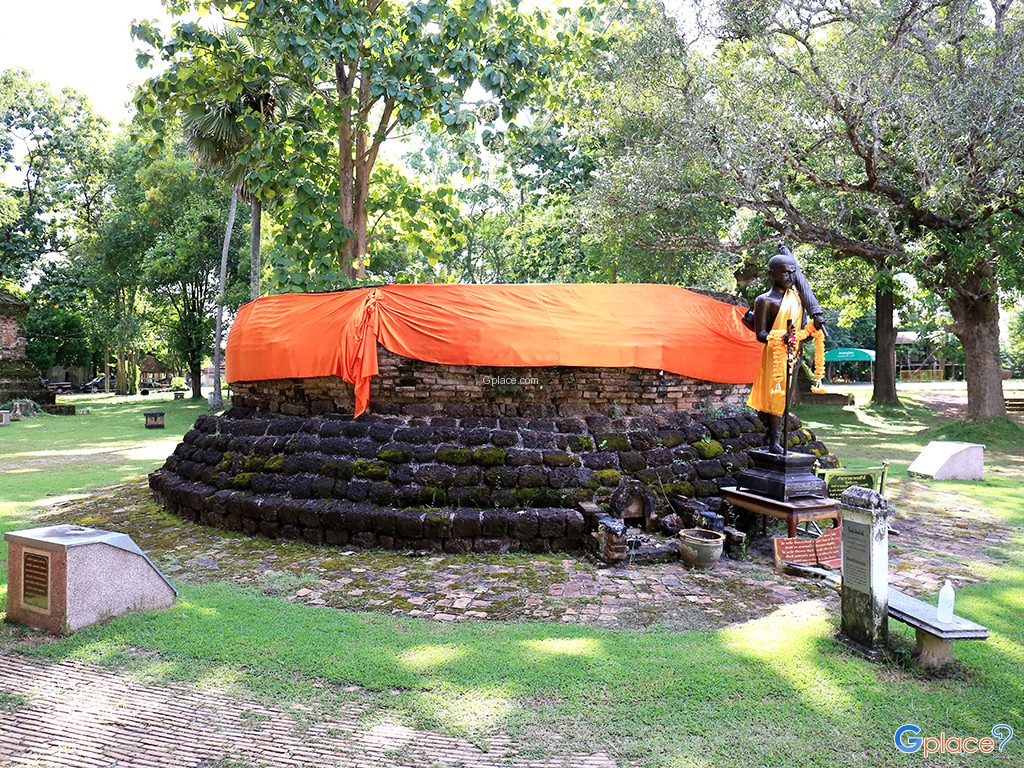
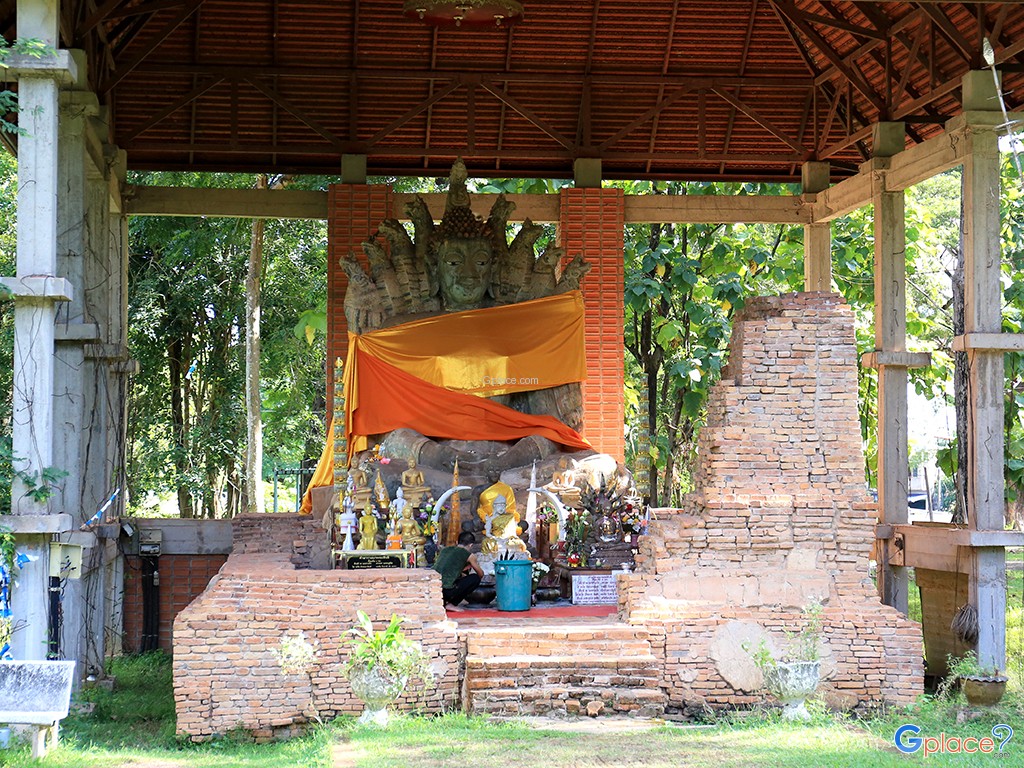
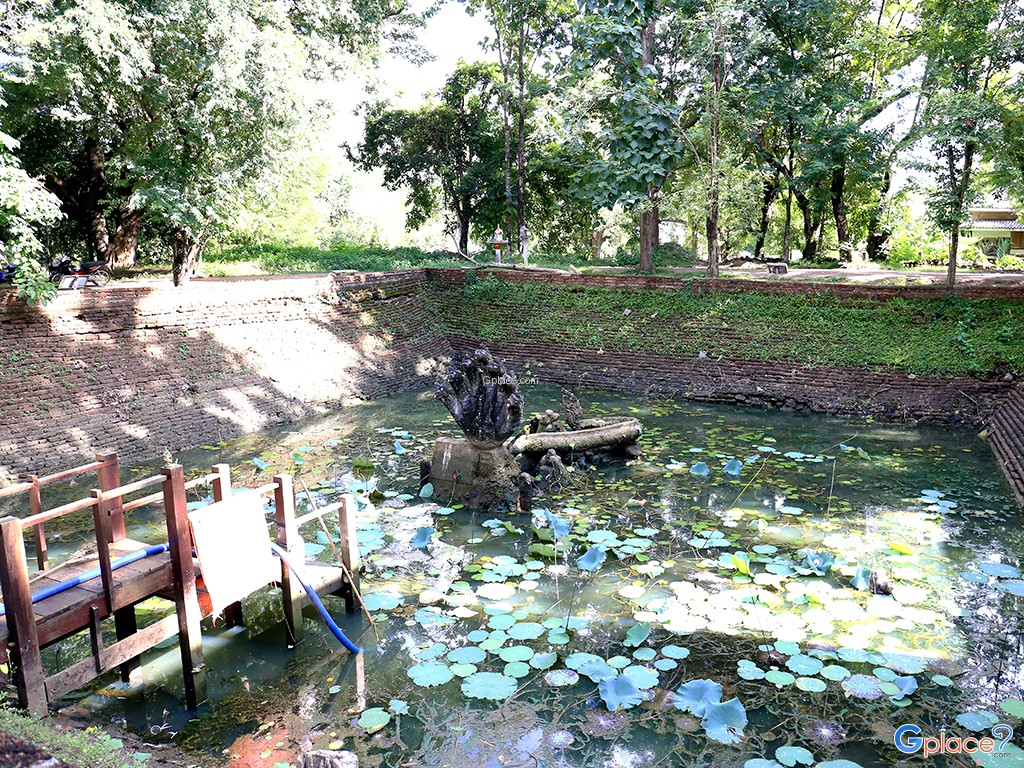
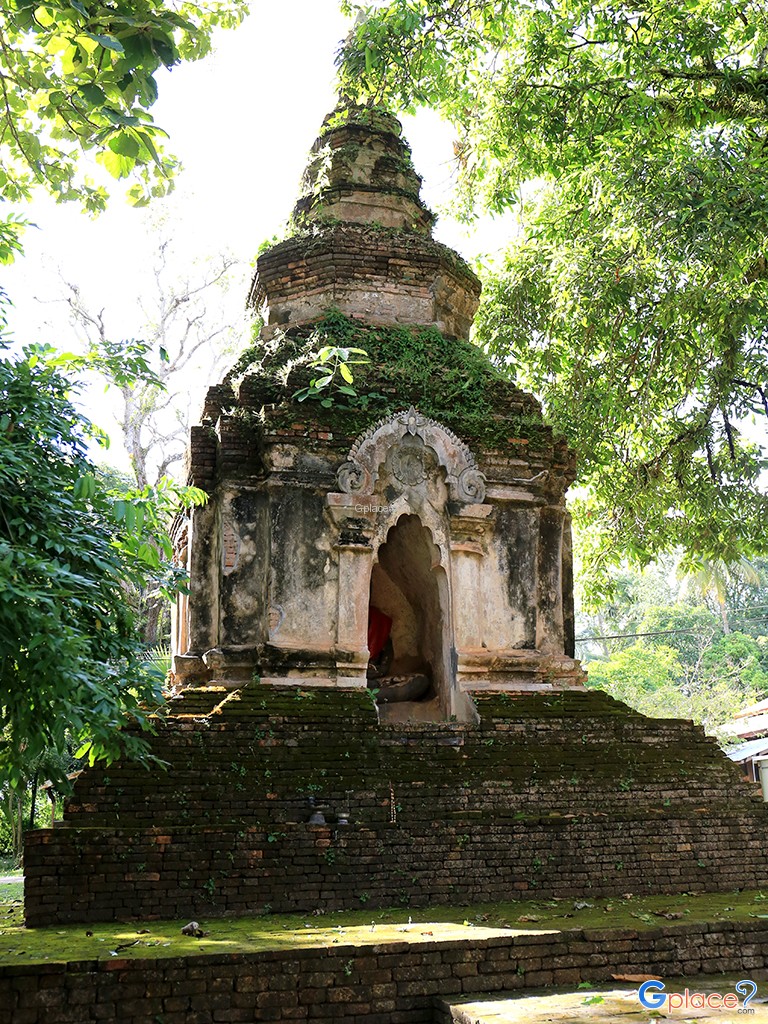
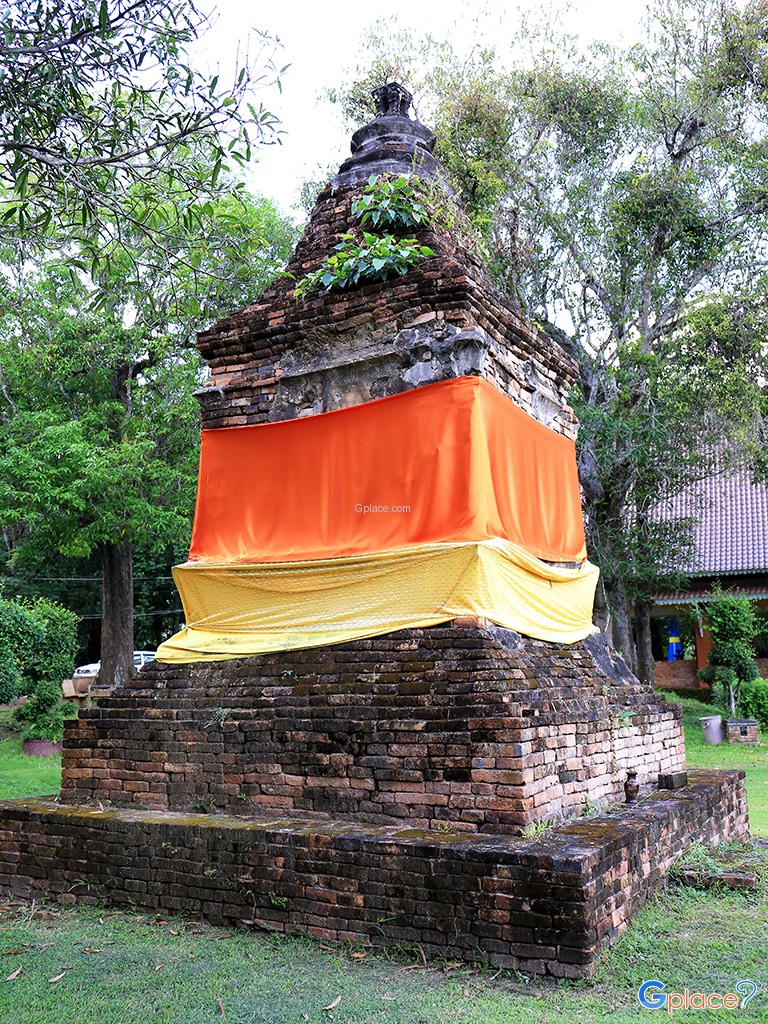
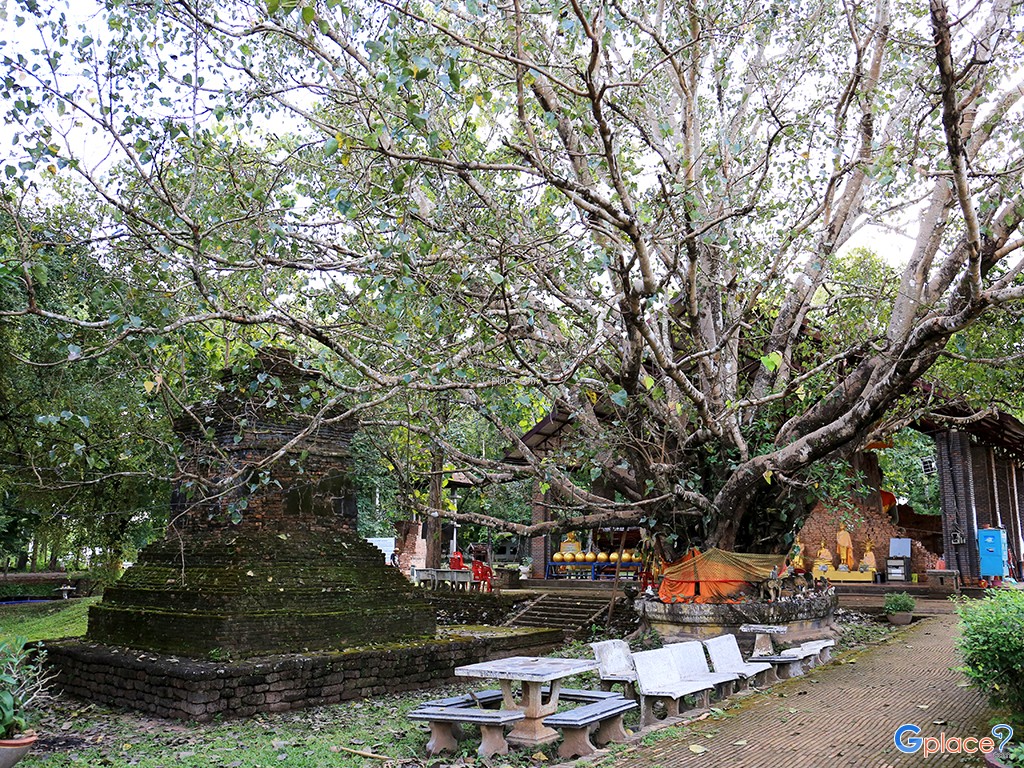
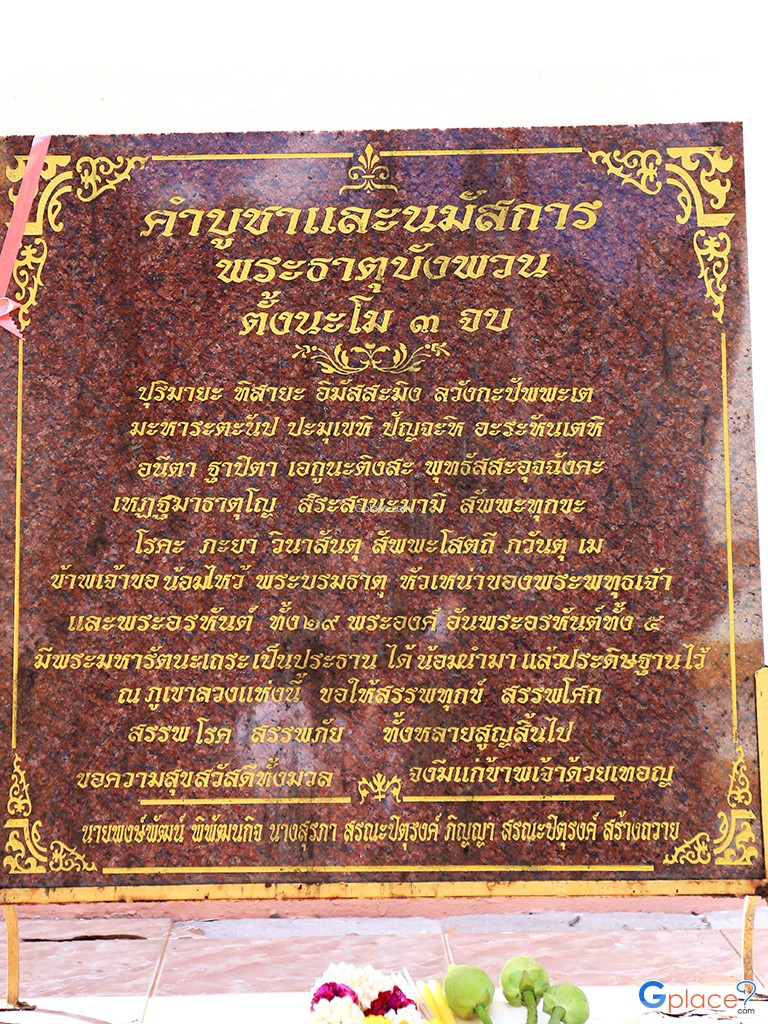
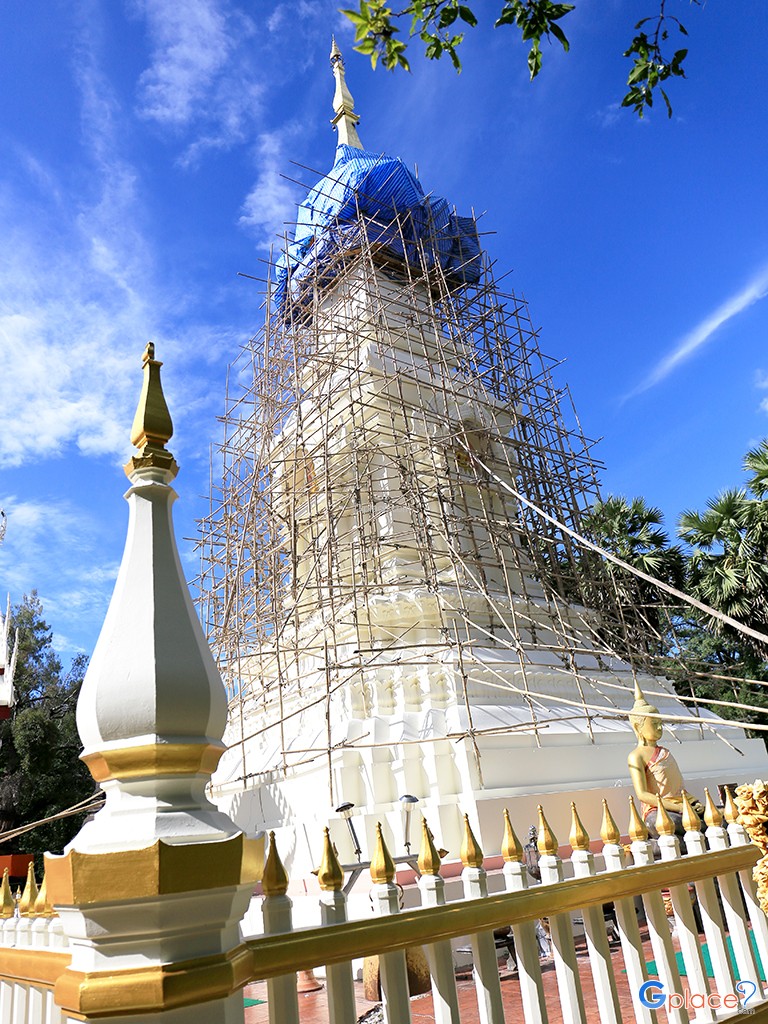
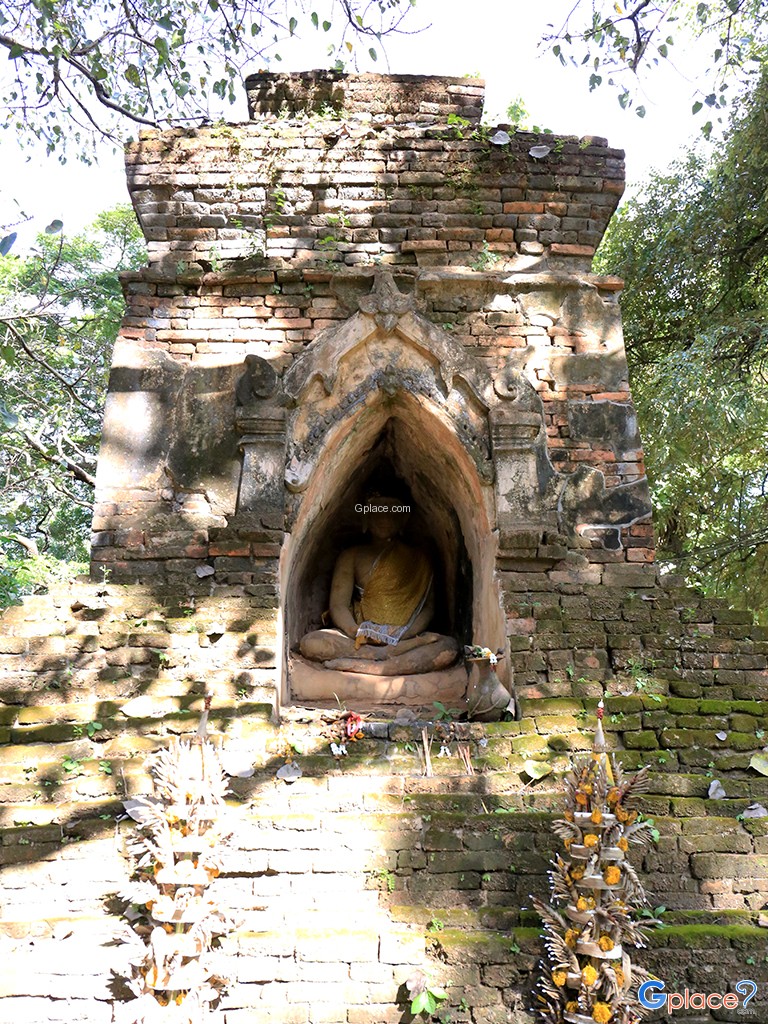
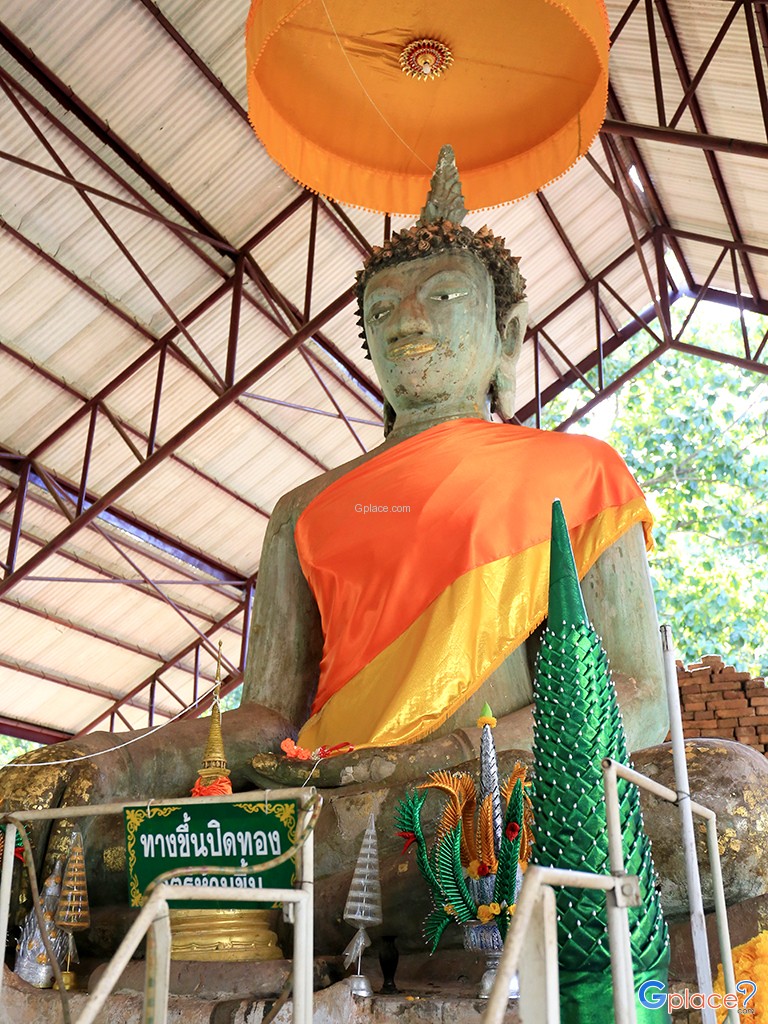
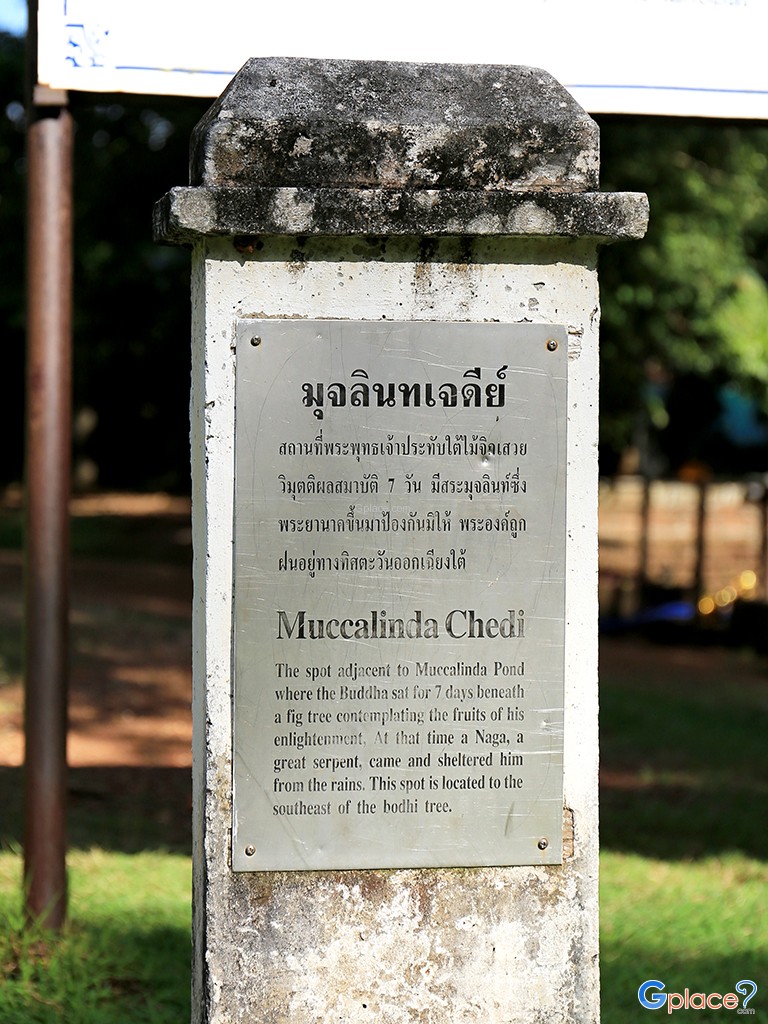
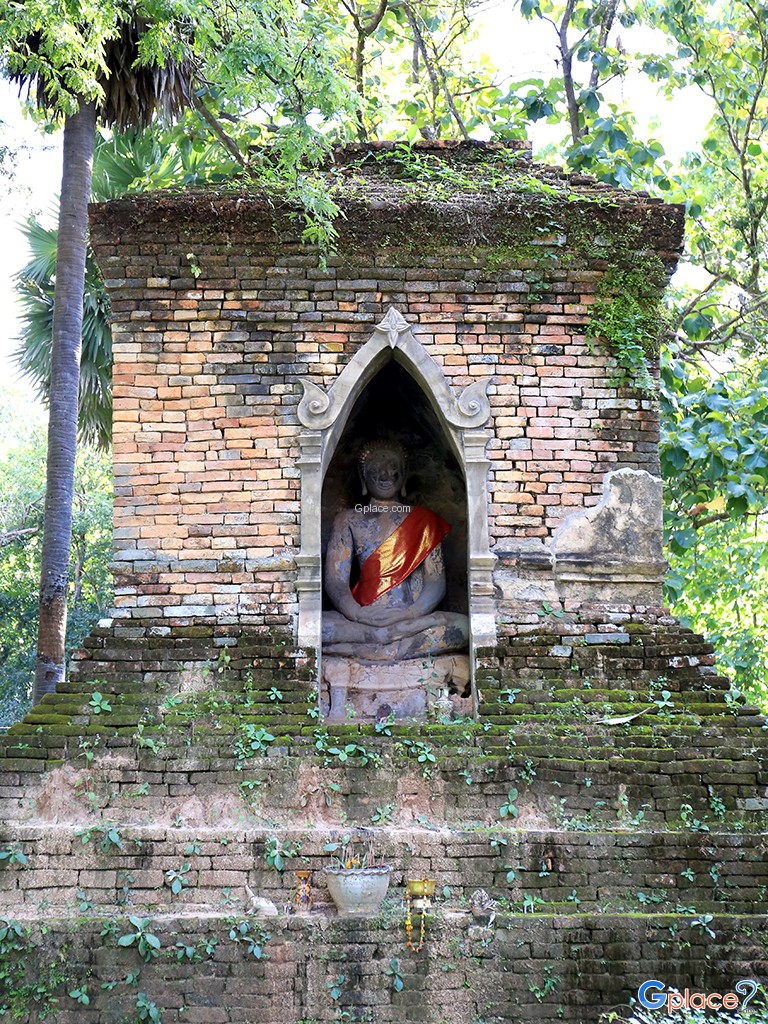
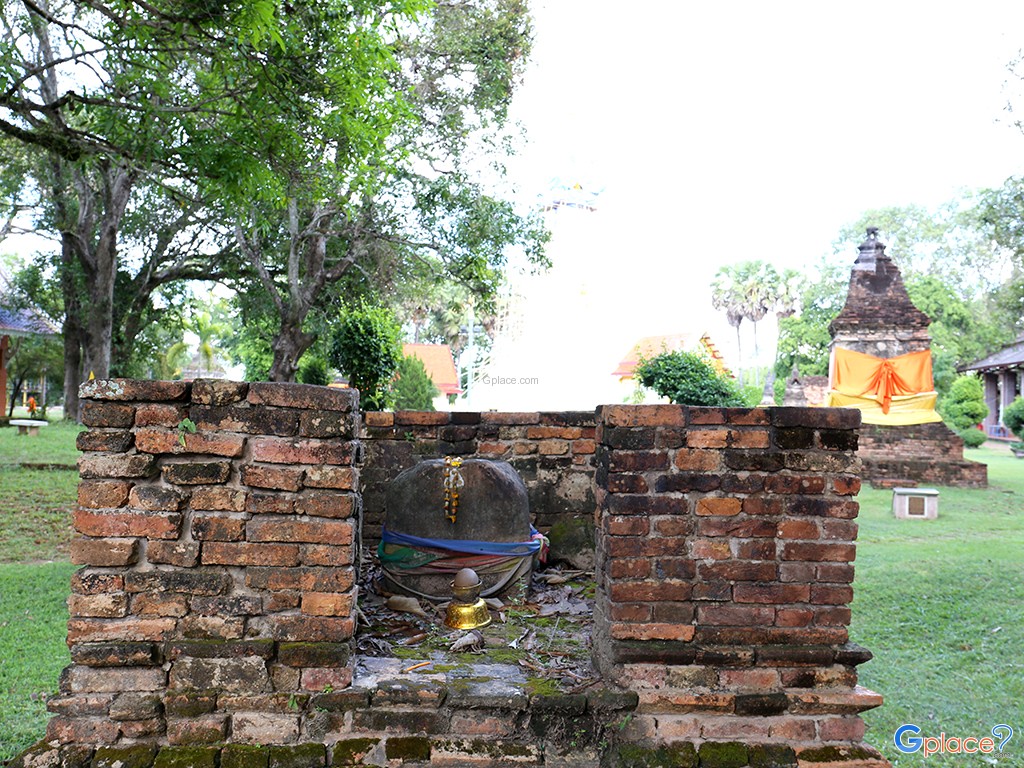
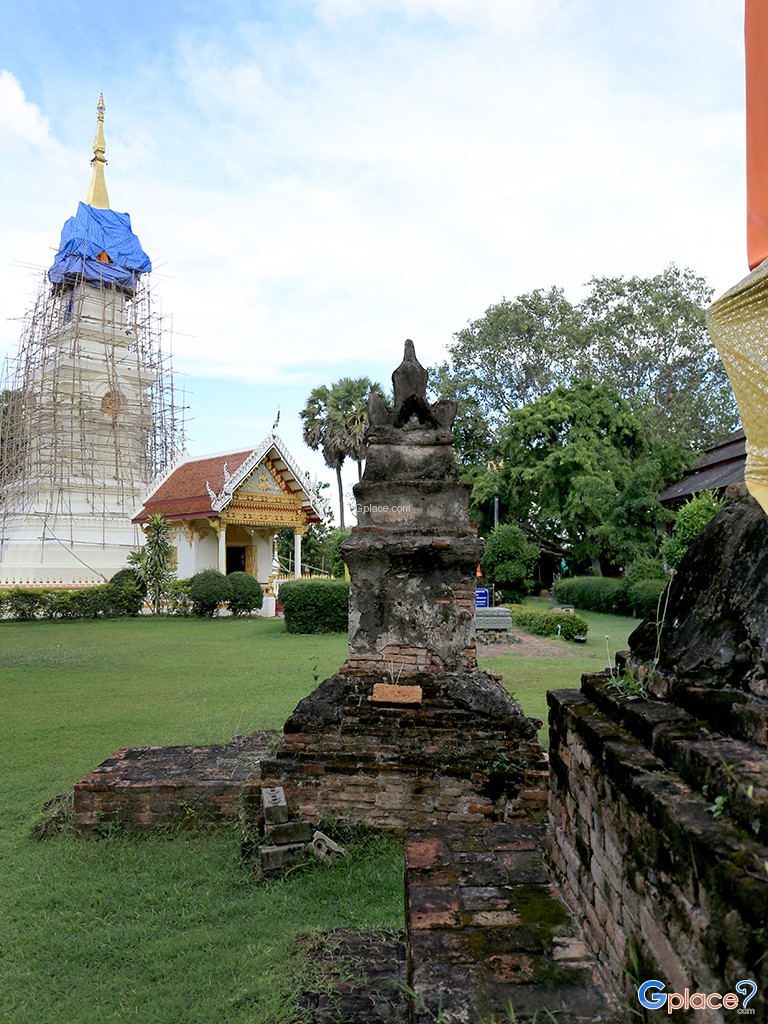
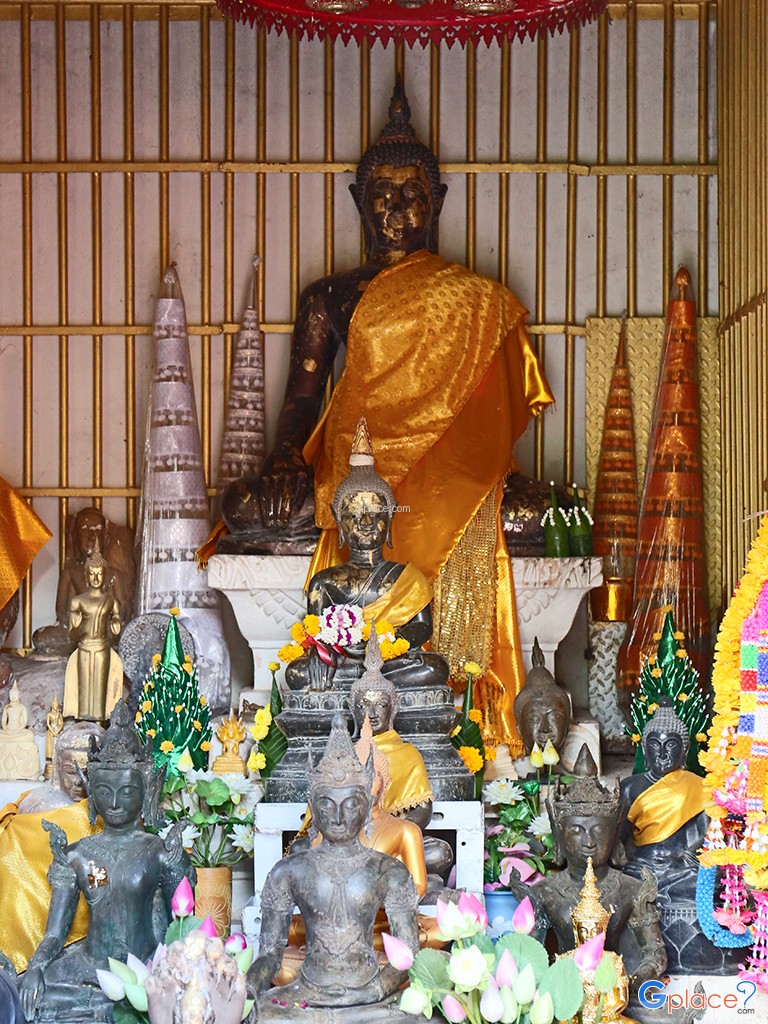
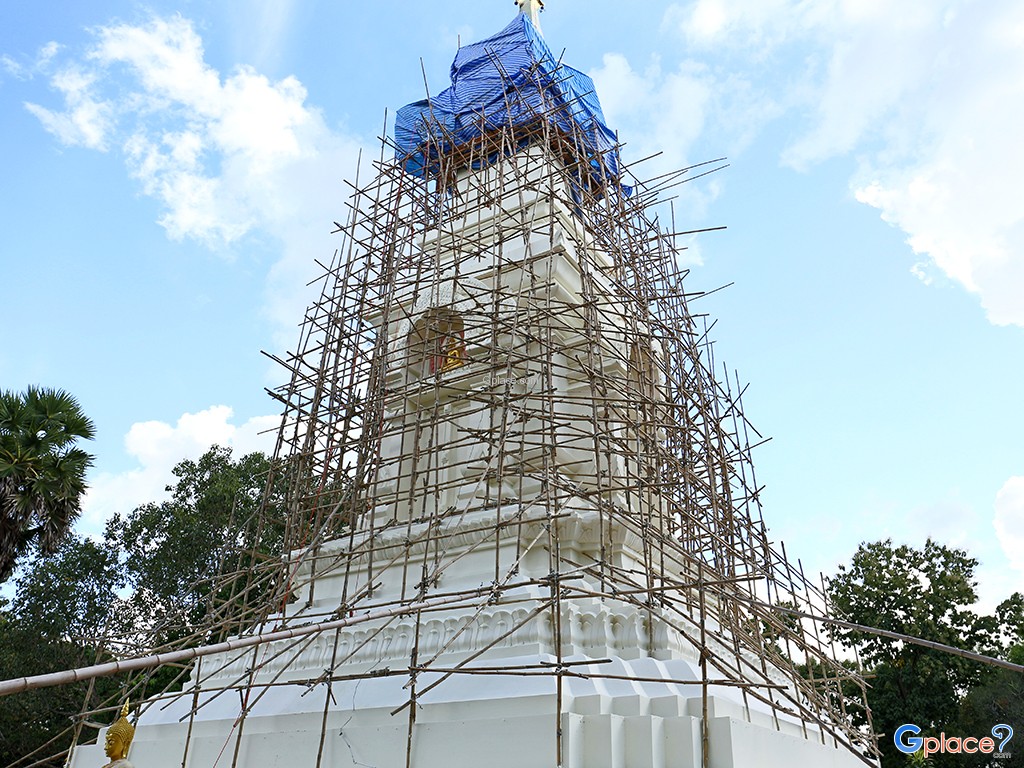

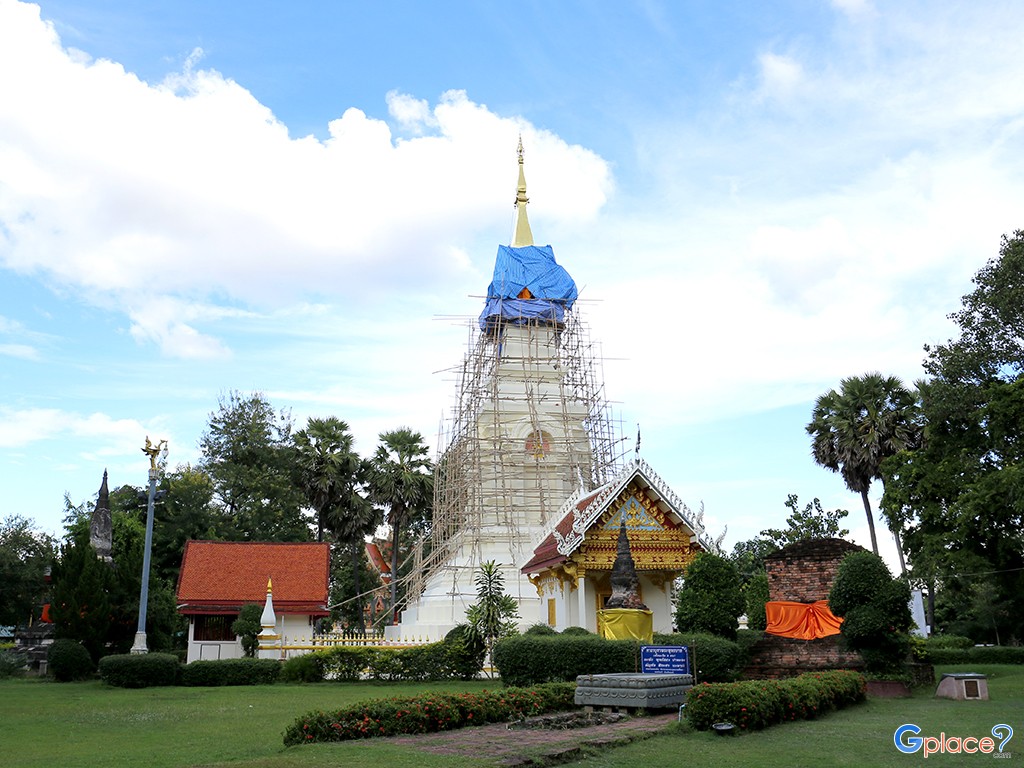
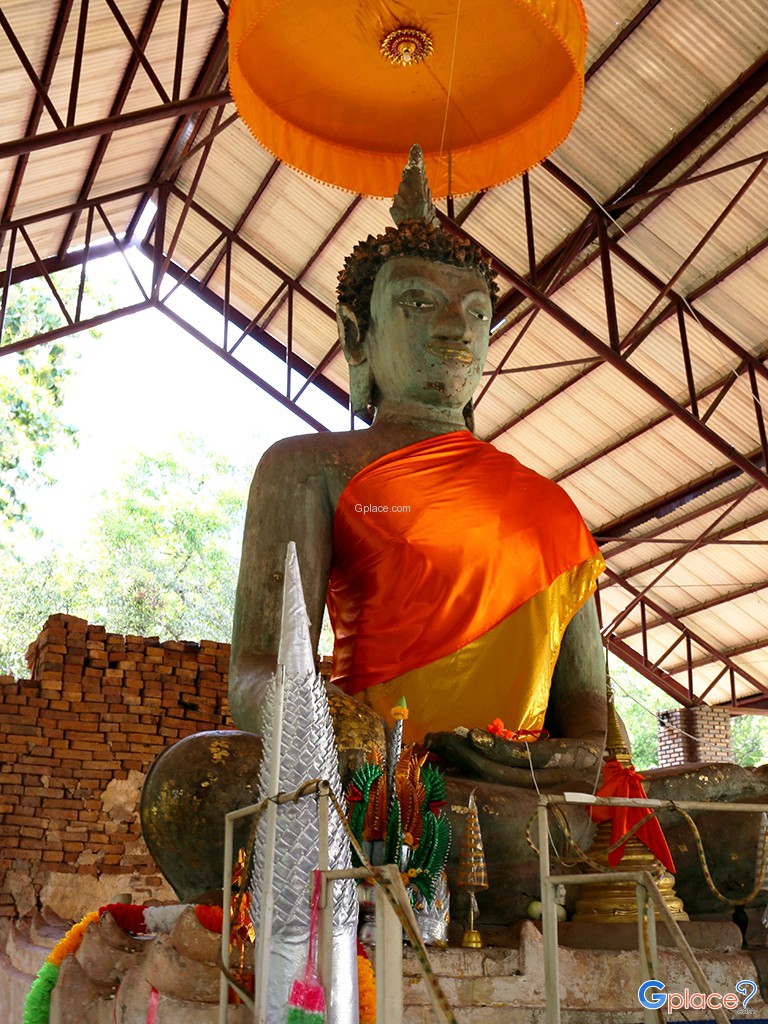
“Enshrining Buddha’s sacred relics, featuring rare ancient Seven Great Stations and the mystical Mucalinda Naga pond, a holy site used for Thailand’s royal water ceremonies.”
Wat Phra That Bang Phuan is one of the most significant religious landmarks in the Mekong River basin. According to the Urangkhathat (the legend of the Buddha’s chest bone relic), this site was established to enshrine the sacred relics of the Buddha, specifically the "Phra Bangkhon Nak" (pelvic bone), which were brought from India by five Arahants. The original stupa was constructed using sun-dried baked bricks in a local stylistic tradition. It underwent a major restoration during the reign of King Setthathirath of the Lan Xang Kingdom, and it has since been preserved and officially registered as a national ancient monument by the Fine Arts Department of Thailand.
The most extraordinary feature of this temple, making it unique on a global scale, is the presence of the "Sattamahasthana." This refers to the recreation of the seven locations where the Buddha spent seven weeks in meditation after attaining enlightenment. Historically, these sites were built as monuments to celebrate the Buddha's enlightenment; however, Wat Phra That Bang Phuan is one of the very few places in the world (and believed to be the only one with such a complete collection) where all seven original Sattamahasthana structures are still intact in a single area. These include the Bodhipallanka, Animmissa Cetiya, Ratanacankama Cetiya, Ratanaghara Cetiya, Ajapala Nigrodha Cetiya, Mucalinda Cetiya, and Rajayatana Cetiya.
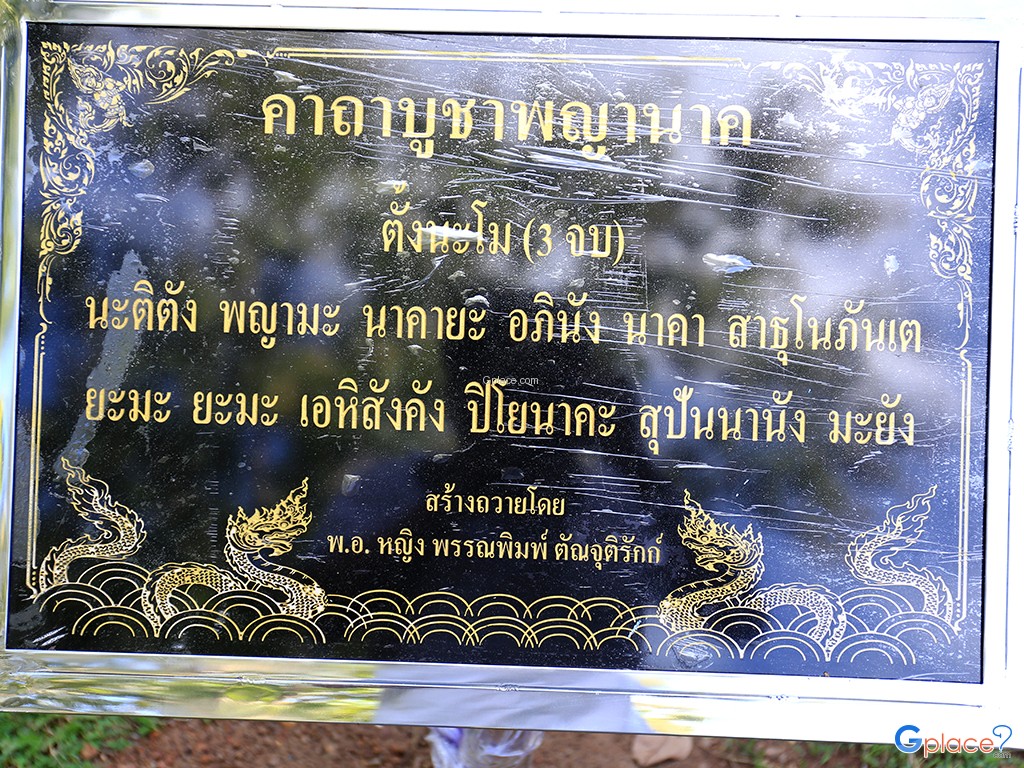
Another vital landmark within the temple grounds is the "Mucalinda Pond" or the Naga Pond, which features a majestic seven-headed Naga statue emerging from the center of an ancient pool. Local legend suggests this pond is the dwelling of a Naga who guards the Buddha's relics. The water from this pond is considered highly sacred and holds national importance, as it is one of the sources used for the "Holy Water" collection ceremonies during Royal Coronation rites and other significant state ceremonies in Thailand. The temple’s atmosphere is a profound blend of ancient faith and religious architecture, seamlessly integrating Lan Xang and local artistic influences.
How to Get There
- From Nong Khai town, take Highway 2 (Mittraphap Road, Nong Khai-Udon Thani) for approximately 11 kilometers, then turn right onto Highway 211 (towards Tha Bo District). Drive straight for another 10 kilometers, and you will see the temple on the right-hand side.
Travel Tips
-
Please dress modestly and respectfully when visiting this sacred religious site.
-
The best time to visit is early morning or late afternoon to avoid the midday heat.
-
Be sure to visit all Seven Great Stations (Sattamahasthana) to see the rare historical layout.
-
Carry an umbrella or a hat as most of the ancient ruins are located in open areas.
-
It is strictly forbidden to remove any artifacts from the site per Fine Arts Department regulations.
-
The Mucalinda Pond is one of the most photogenic and mystical spots within the temple.
-
Donations for temple restoration can be made at the Vihara of Luang Pho Phra Chao Yai Ong Dam.
-
Check the local calendar for the annual Phra That festival, usually held in February.
-
Keep a bottle of water handy while exploring the vast grounds of the archaeological site.
Admission Fees:
- Free Admission
Opening Hours:
- Open daily from 08:00 AM – 06:00 PM.
Phrathat Bang Phuan

 Share
Share
 T.Phra That Bang Phuan, A.Mueang Nong Khai, Nong Khai, 43100
Map
T.Phra That Bang Phuan, A.Mueang Nong Khai, Nong Khai, 43100
Map
 Closed today
Mon8.00 - 18.00
Tue8.00 - 18.00
Wed8.00 - 18.00
Thu8.00 - 18.00
Fri8.00 - 18.00
Sat8.00 - 18.00
Sun8.00 - 18.00



 3845
3845