 Attractions
  Hotel
Hotel  Restaurant
  Shopping
  Abroad






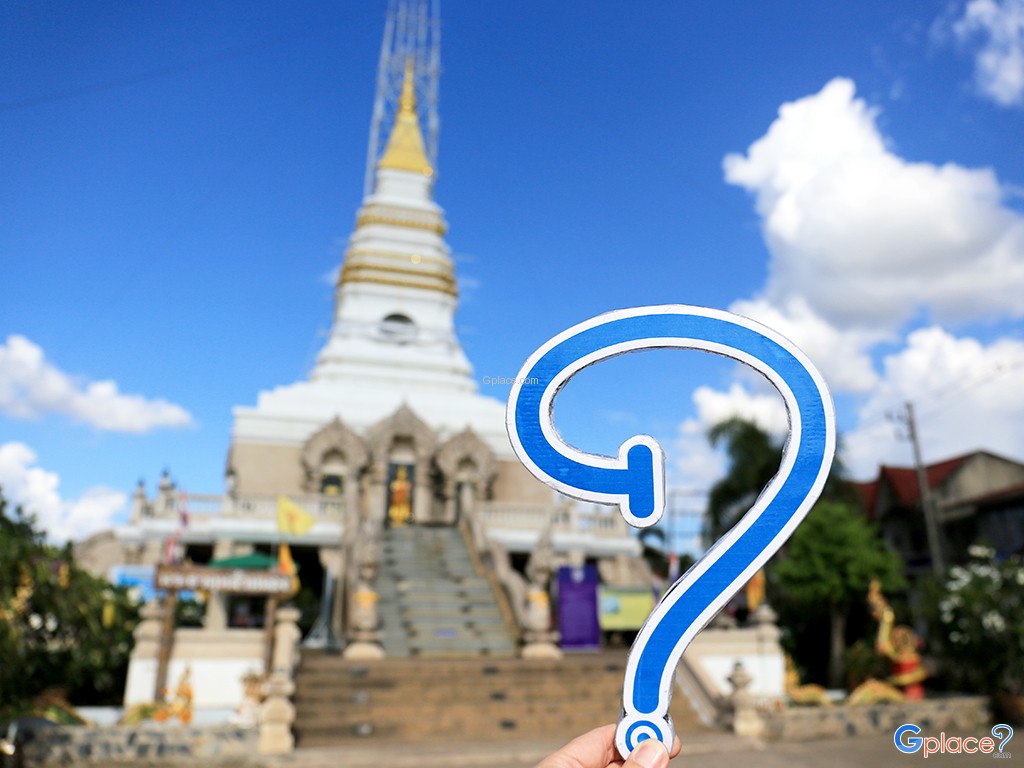
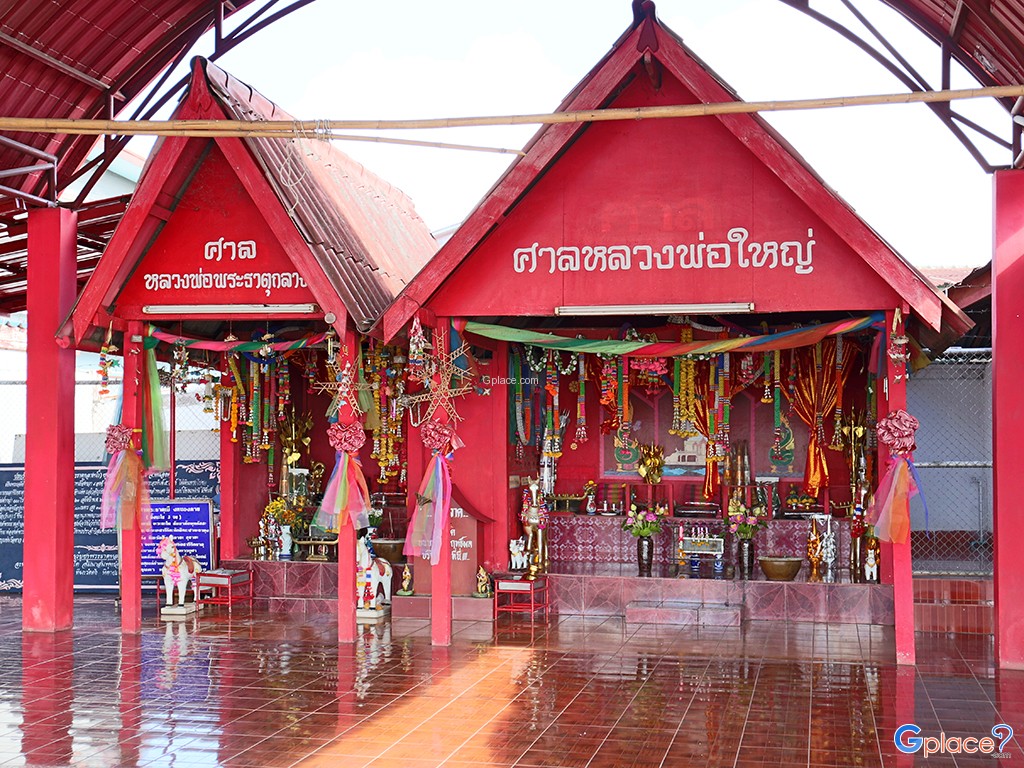
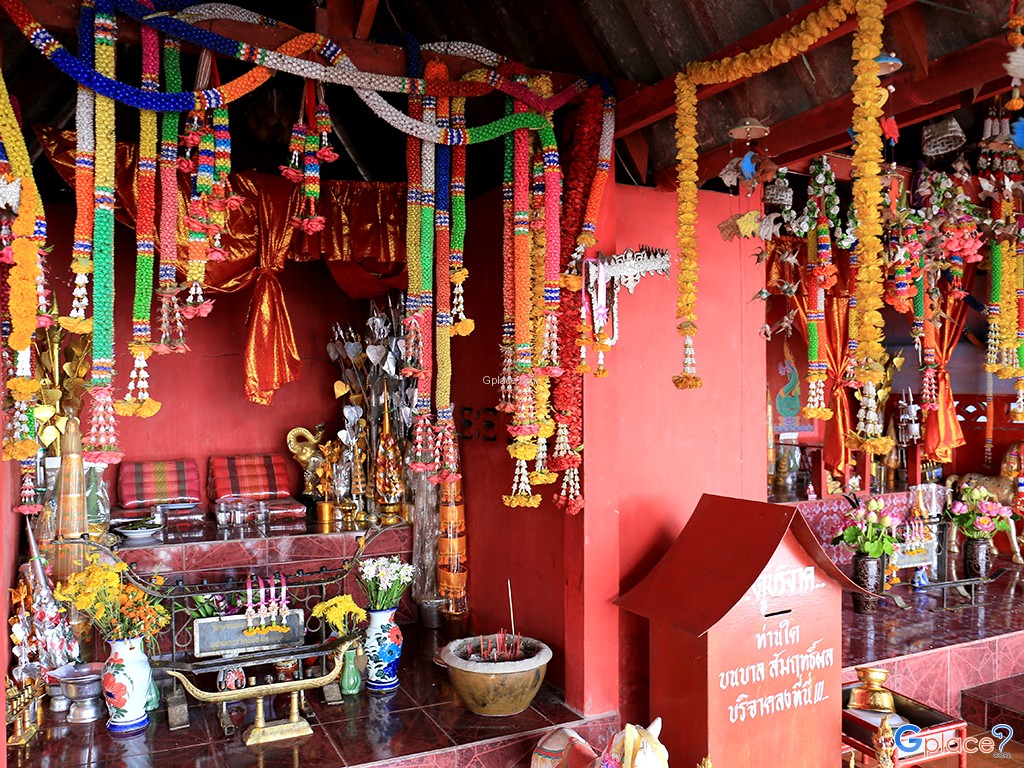
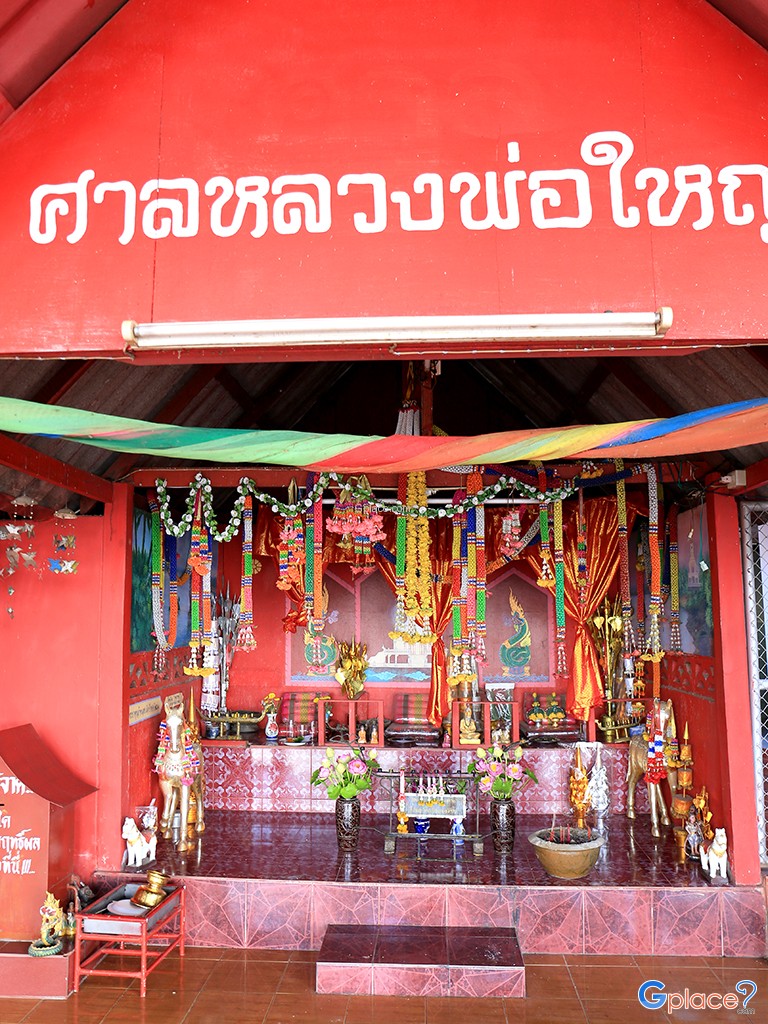
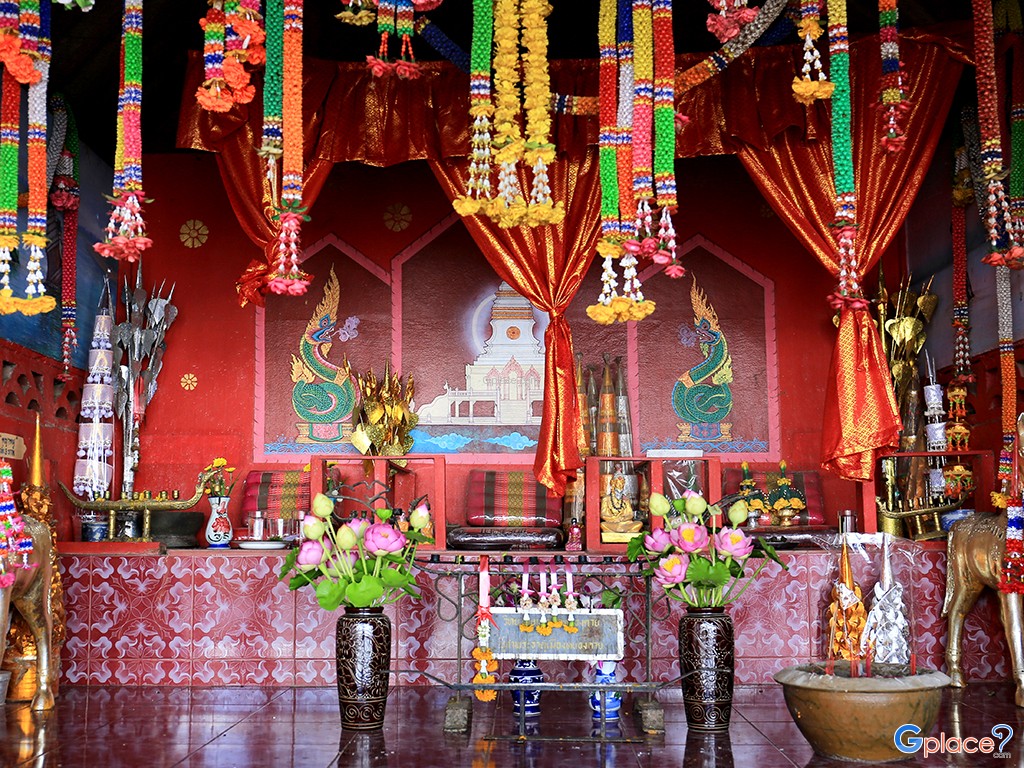
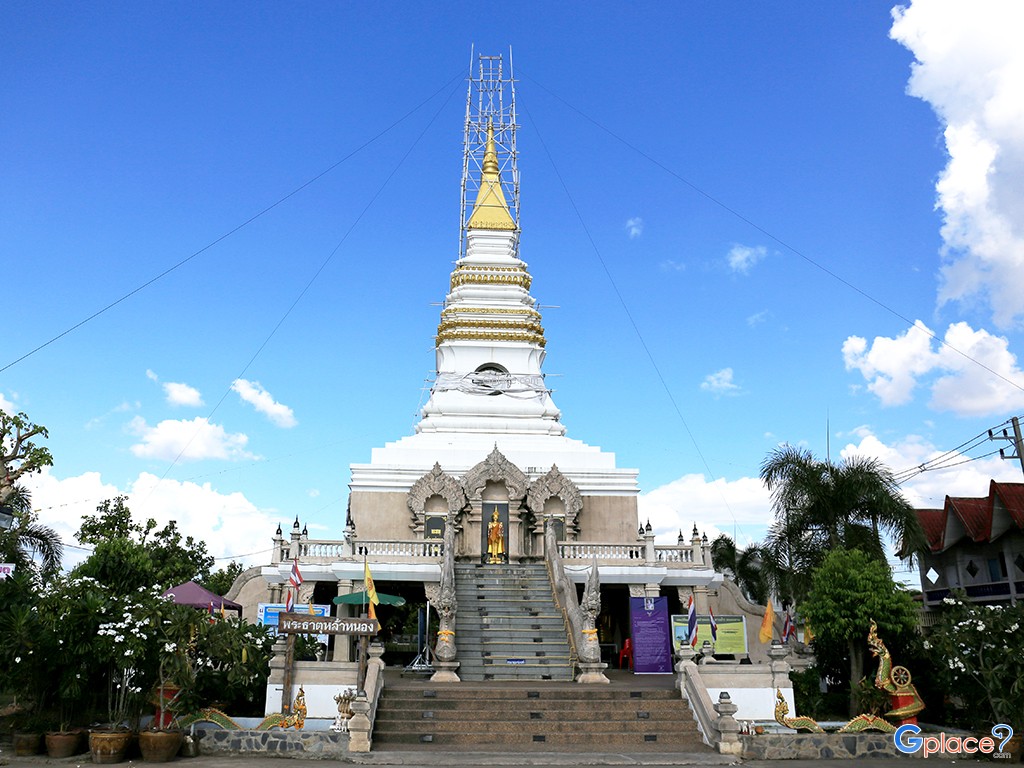
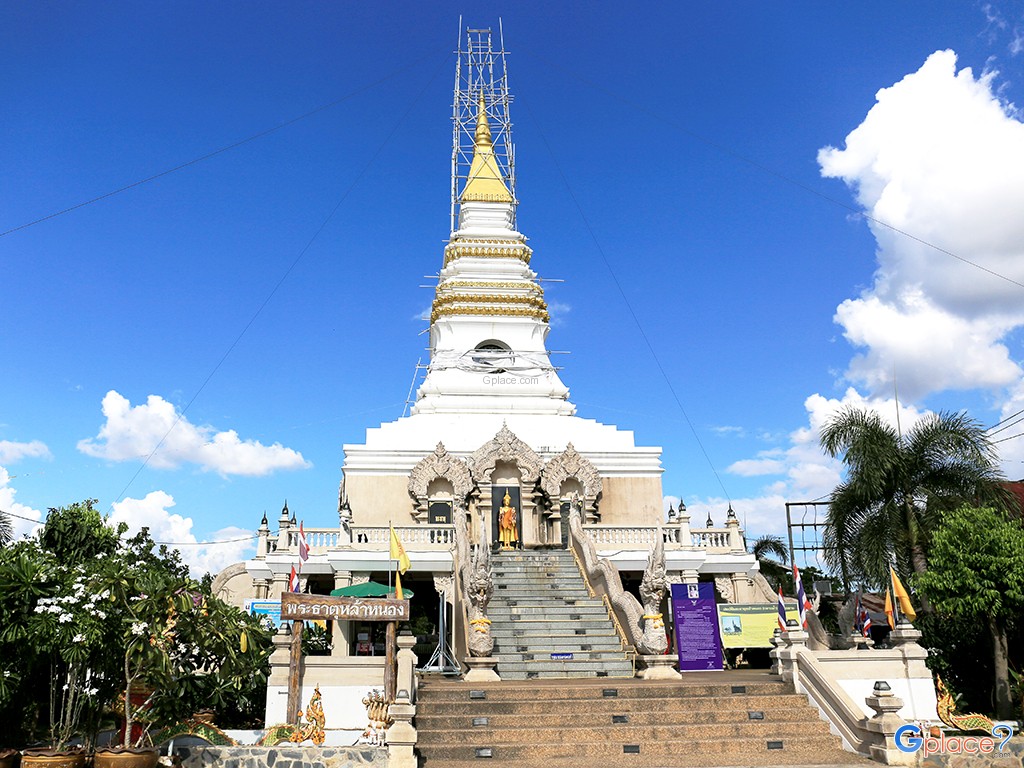
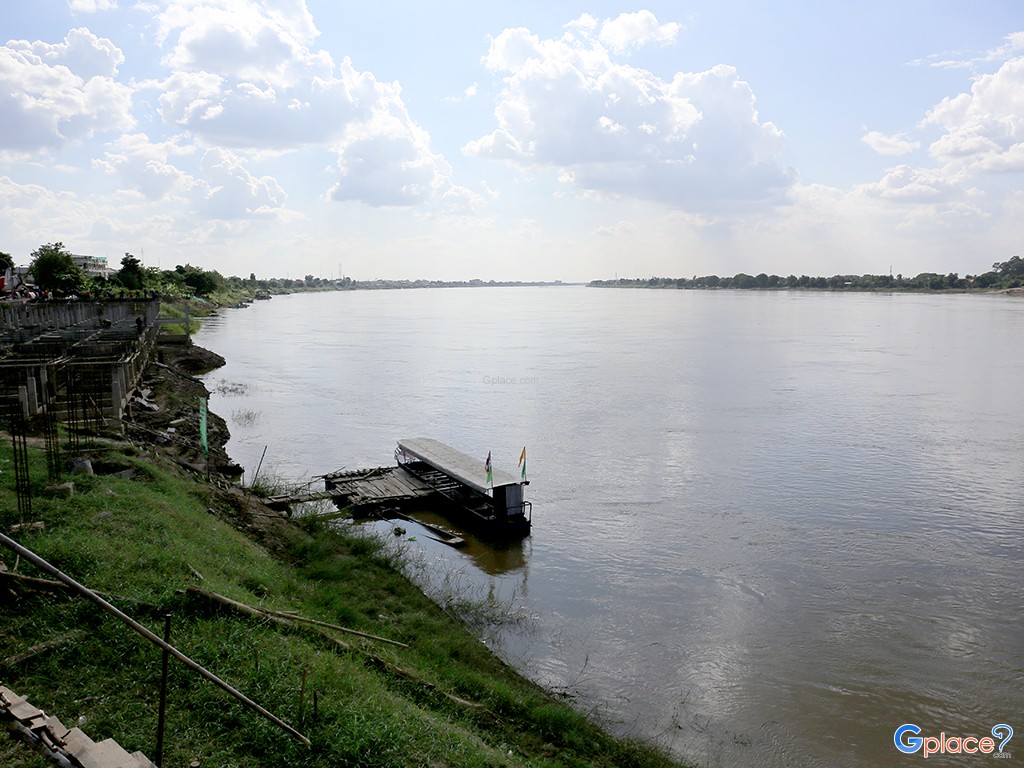
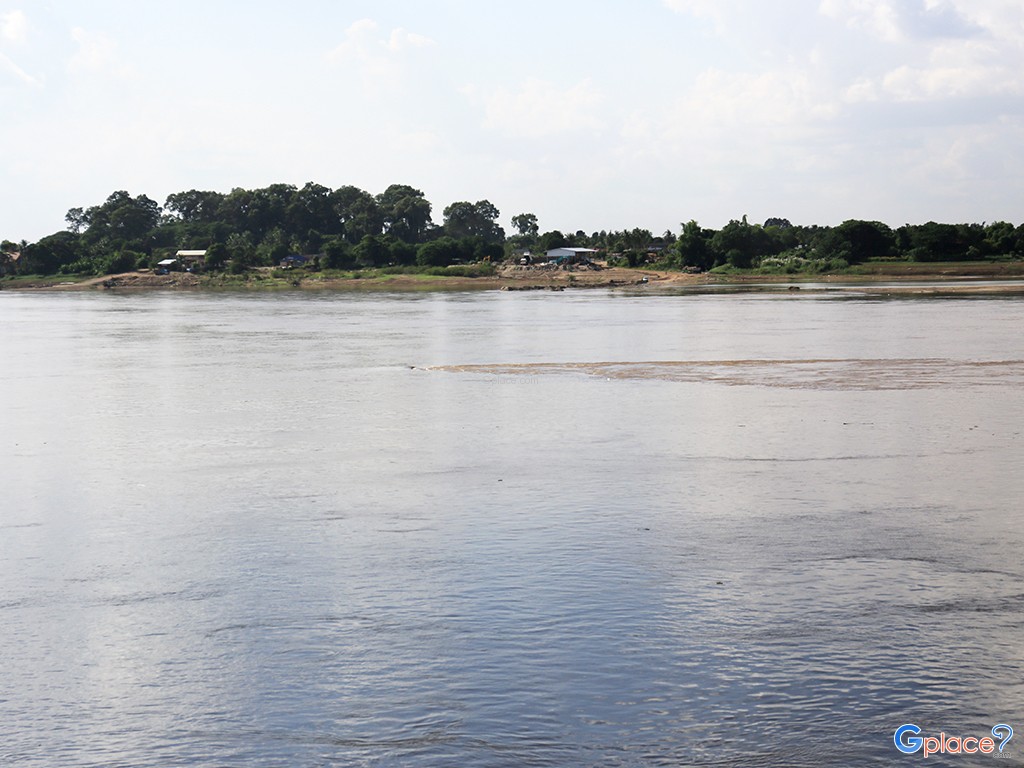
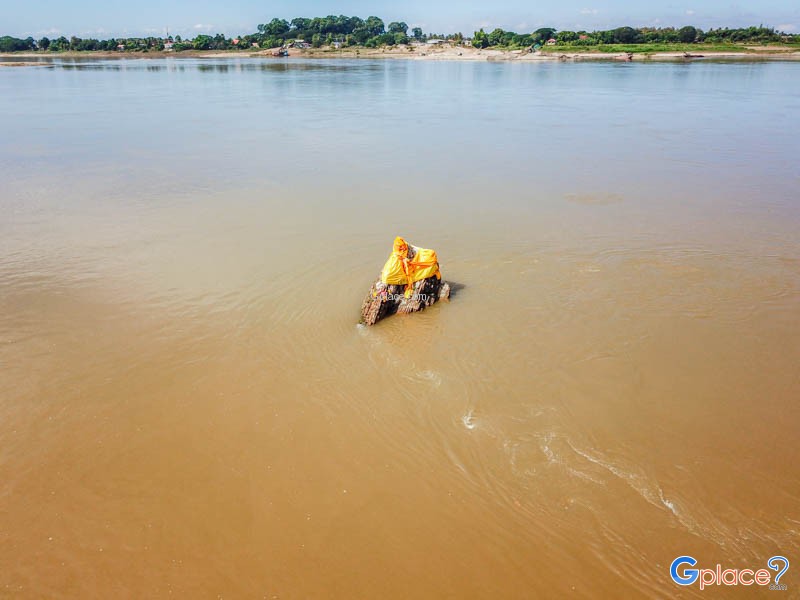
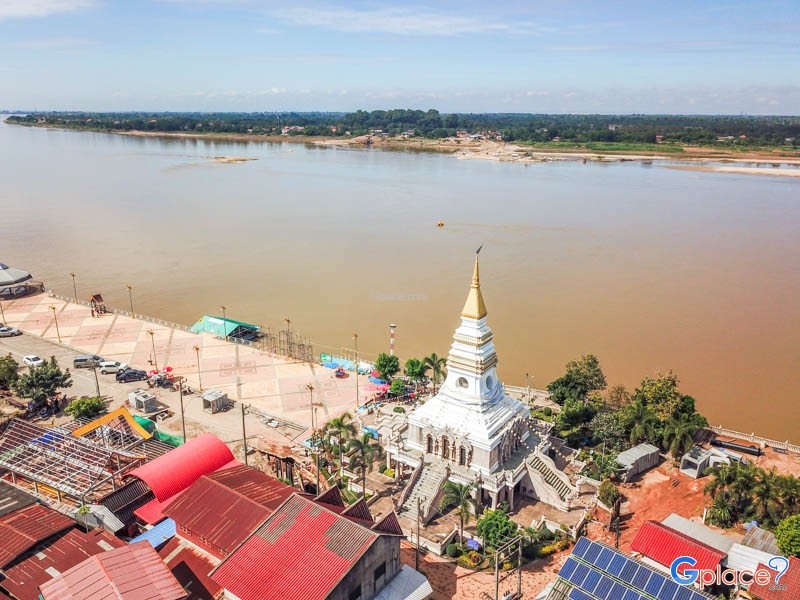
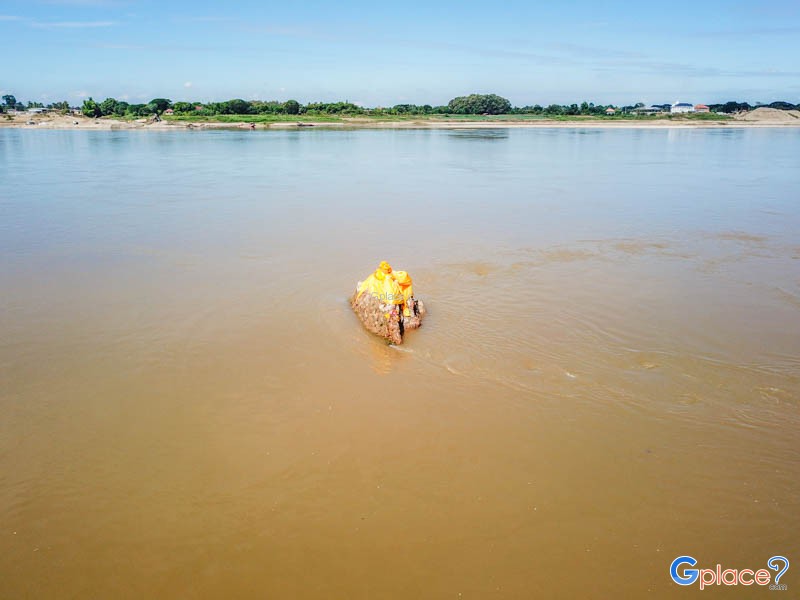
“Witness the miraculous submerged ancient stupa surfacing during the dry season. Explore the riverside replica, majestic Naga sculptures, and iconic Mekong views at this spiritual landmark.”
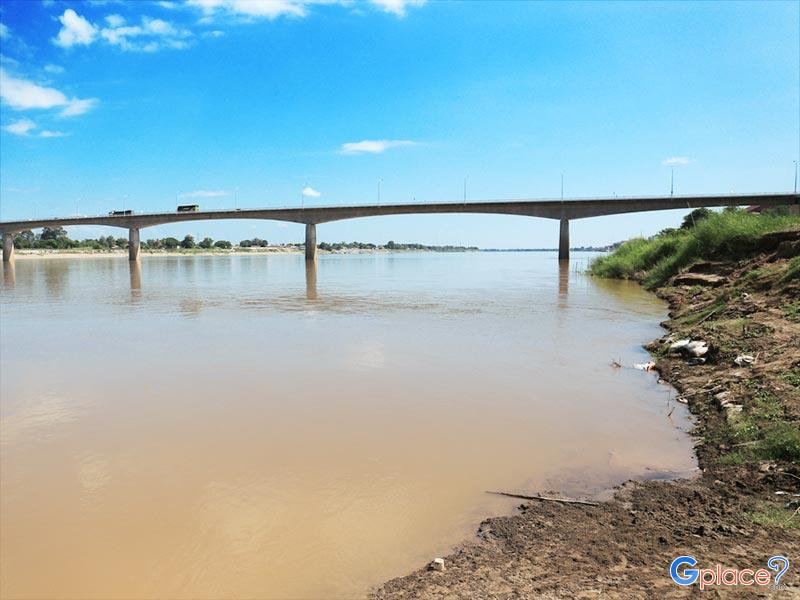
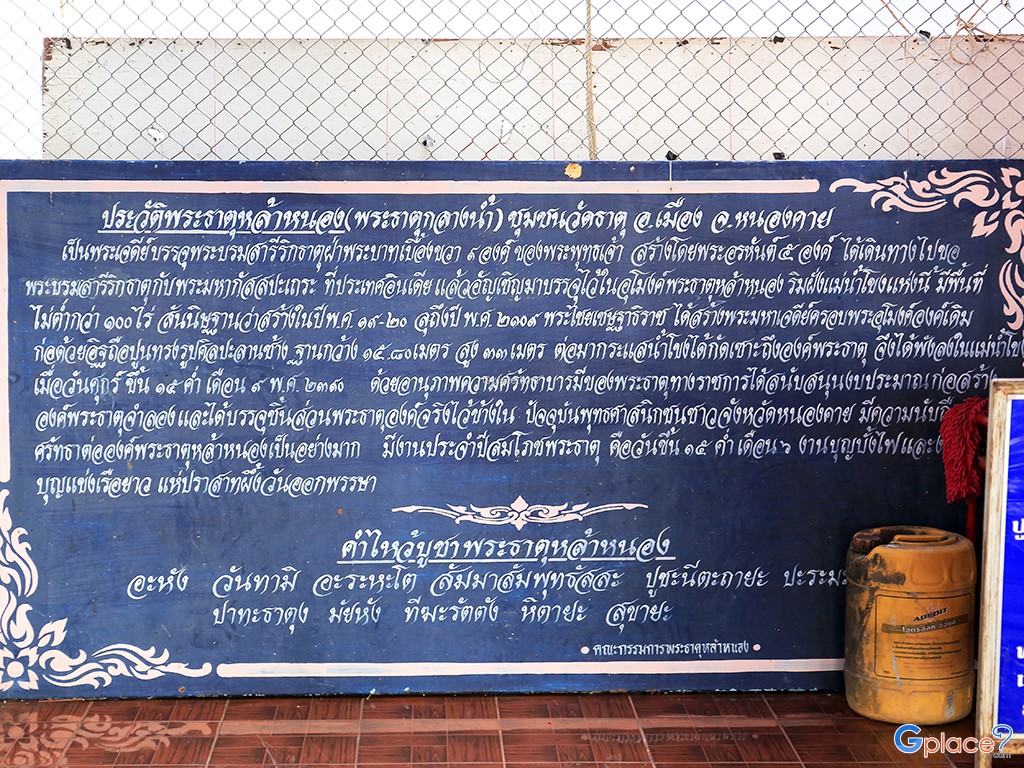
Phra That Nong Khai, widely known as Phra That La Nong or the Submerged Stupa, possesses a profound and sacred history documented in the Urangkhathat (The Legend of Phra That Phanom). According to ancient chronicles, this stupa enshrines nine holy relics of the Buddha’s right foot bones. Architecturally, the original structure followed the Lan Xang style, bearing a striking resemblance to the famous Phra That Phanom but on a smaller scale. For centuries, it stood on the banks of the Mekong River, serving as the spiritual heart of the Lan Xang people on both sides of the river.
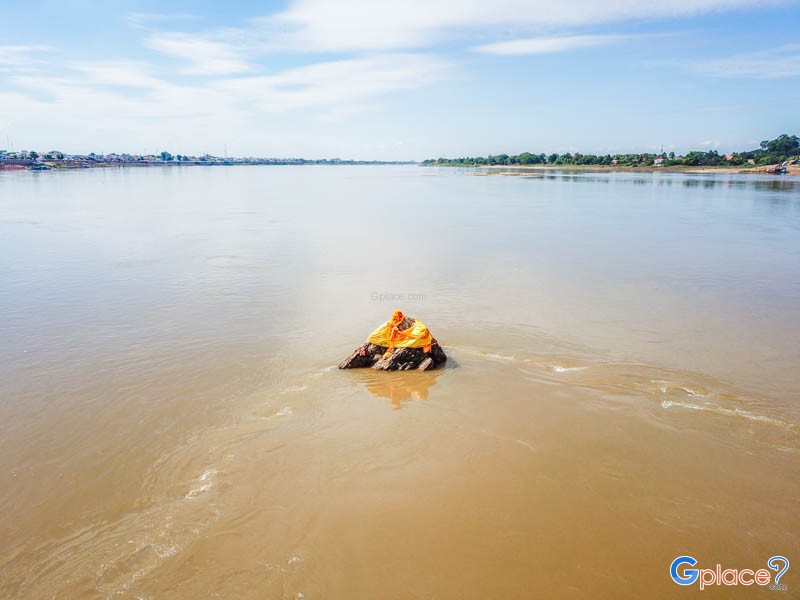
The relentless flow of the Mekong River eventually led to a historic turning point. In 1847 (during the reign of King Rama III), the riverbanks significantly eroded, causing the massive stupa to collapse and sink into the depths of the Mekong. Today, the ruins lie approximately 180 meters from the Thai shore. The base of the ancient stupa is only visible during the dry season (typically from February to May) when the water level recedes. The submerged structure remains tilted against the current, covered in river moss, yet its ancient bricks remain remarkably intact after more than 170 years underwater.
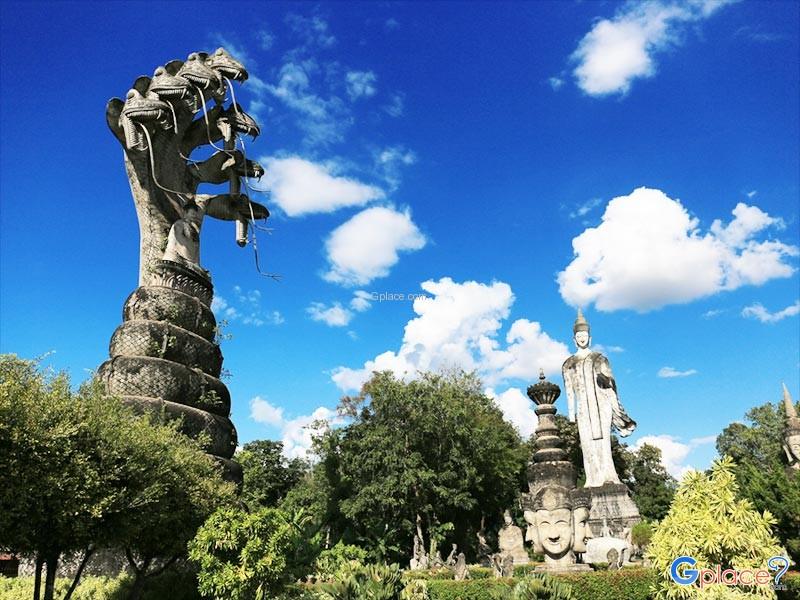
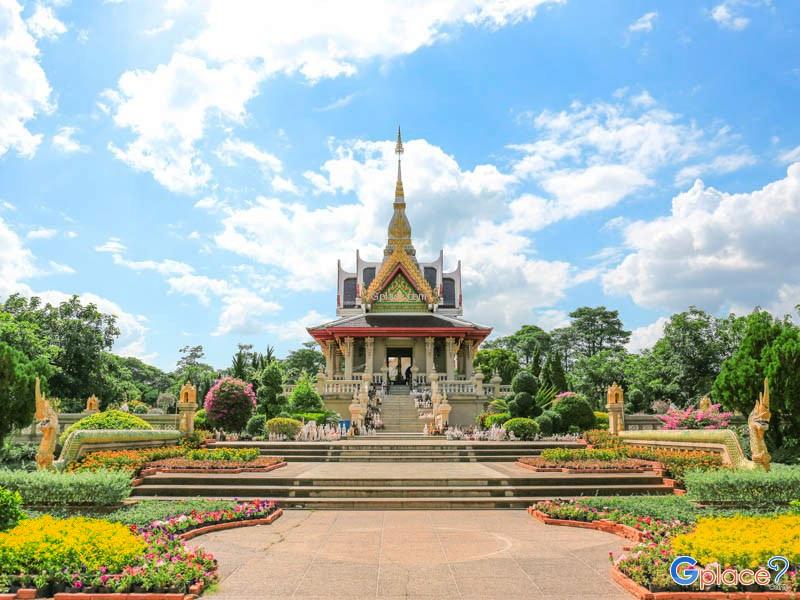
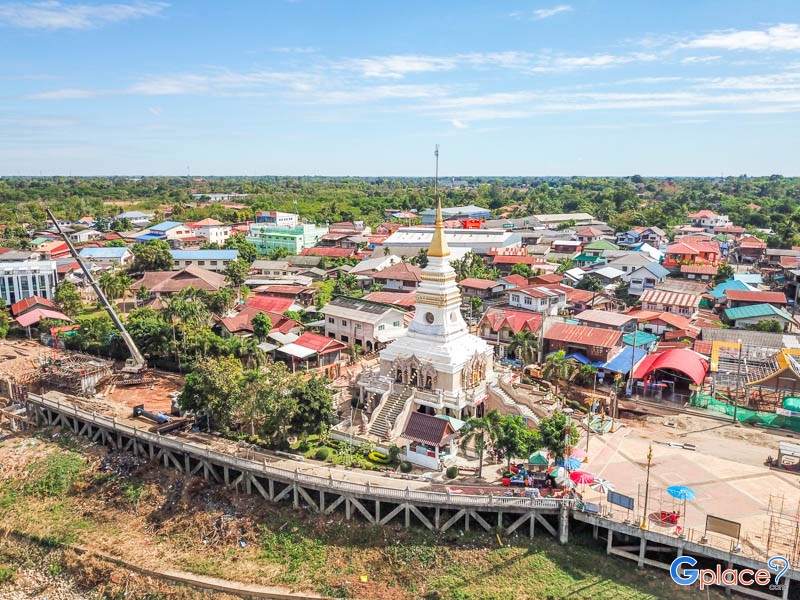
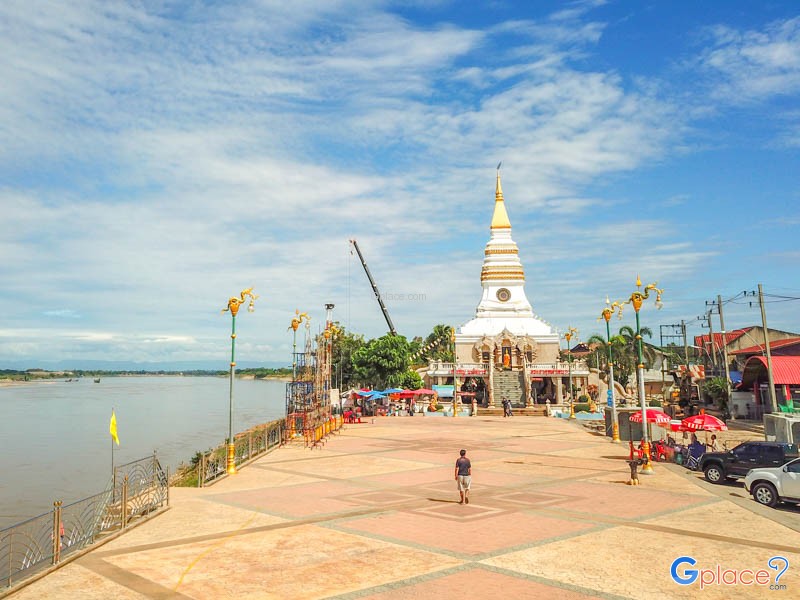
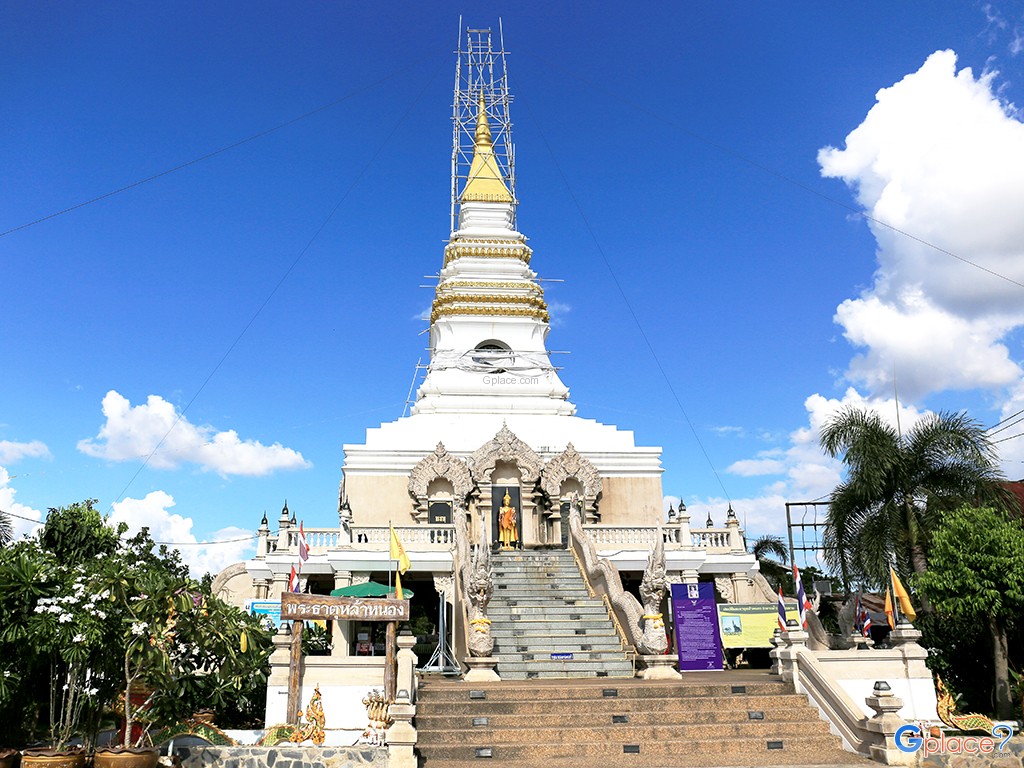
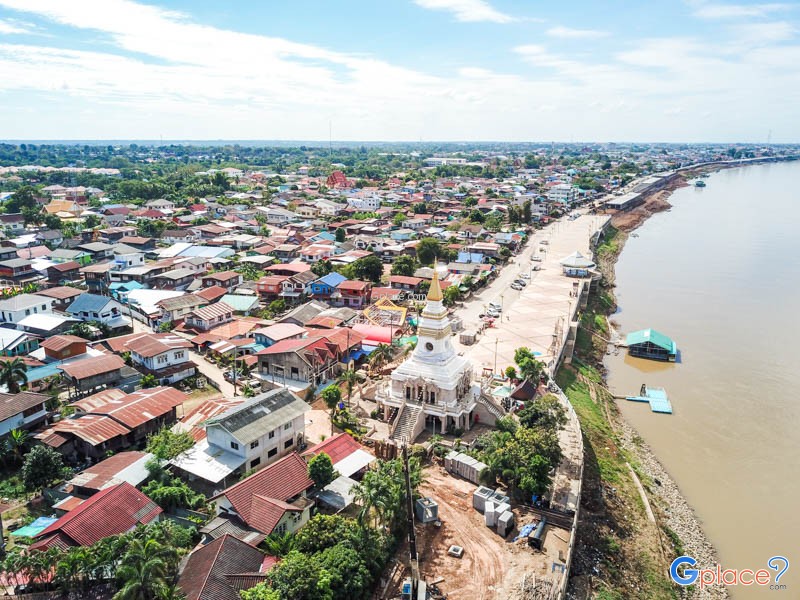
To preserve this spiritual heritage, the Fine Arts Department and Nong Khai Province constructed a life-sized replica on the riverside. This new stupa, measuring 10 meters wide at the base and 15 meters in height_, was modeled after the original submerged structure and enshrines Buddha relics granted by the Supreme Patriarch. The surrounding area has been developed into a cultural plaza featuring magnificent Naga sculptures and scenic viewpoints. Beyond its historical significance, Phra That Nong Khai remains a vibrant center for local traditions, including the Rocket Festival and the unique annual ceremony of wrapping the submerged stupa with sacred cloth.
How to Get There
- It's best to visit in the morning or evening before sunset to enjoy the beautiful views along the Mekong River without getting too hot. For those seeking blessings, renting a boat to perform a water-based candlelit procession around the pagoda in the middle of the Mekong River is recommended for good fortune.
Travel Tips
-
Check the Mekong water levels beforehand if you wish to see the actual submerged stupa tip.
-
Visit during early morning or late afternoon to avoid the heat and enjoy the sunset views.
-
Rent a long-tail boat to perform a triple circumambulation around the stupa for good fortune.
-
Bring a hat, umbrella, or sunscreen as the riverside plaza is quite exposed to direct sunlight.
-
Dress politely and modestly to show respect for this highly revered religious and historical site.
-
Photographers should bring a zoom lens to capture the details of the submerged stupa from the shore.
-
Visit the riverside replica first to study the history and structure before heading out by boat.
-
Plan your visit during major festivals like Visakha Bucha to witness the unique cloth-wrapping ceremony.
Admission Fees:
- Free entry
Opening Hours:
- The riverside area and replica stupa are accessible 24/7. Long-tail boat services to the submerged stupa are available daily from 06:00 AM – 06:00 PM.
Phrathat Nong Khai

 Share
Share
 T.Nai Mueang, A.Mueang Nong Khai, Nong Khai, 43000
Map
T.Nai Mueang, A.Mueang Nong Khai, Nong Khai, 43000
Map
 Open now



 4256
4256