 Attractions
  Hotel
Hotel  Restaurant
  Shopping
  Abroad






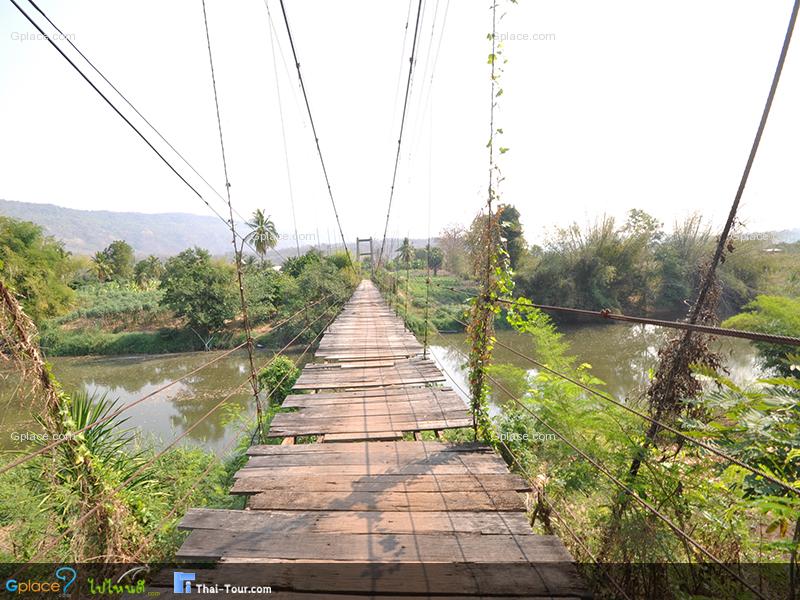
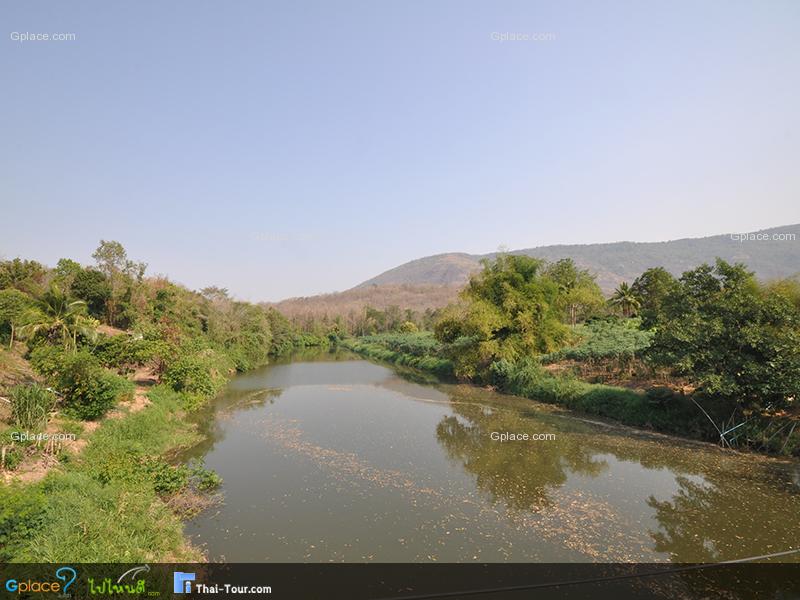
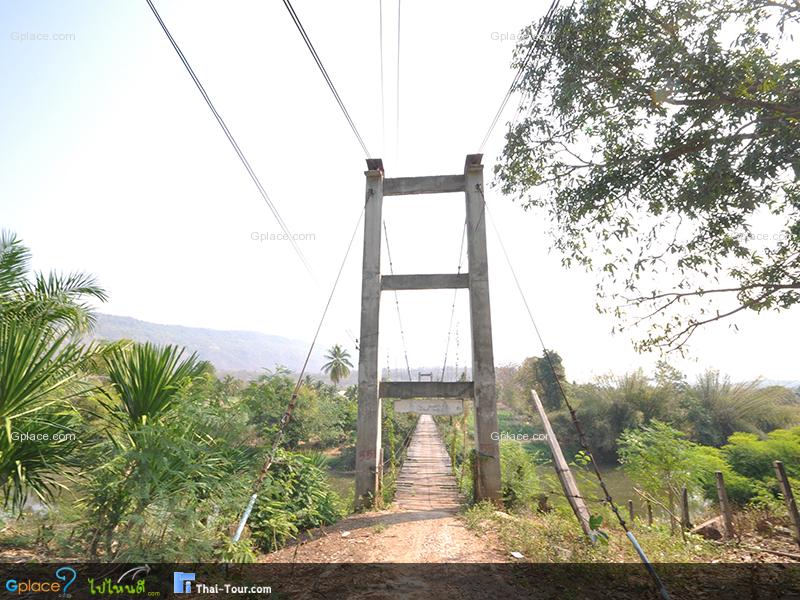
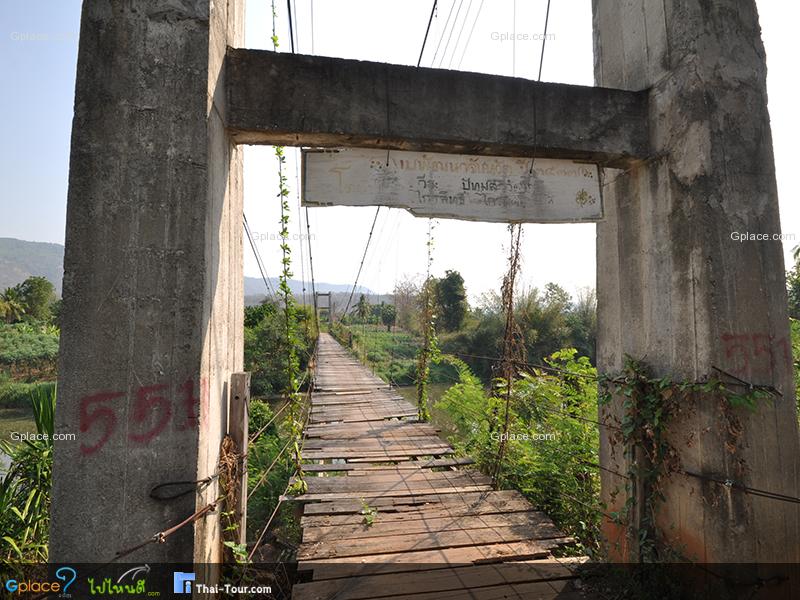
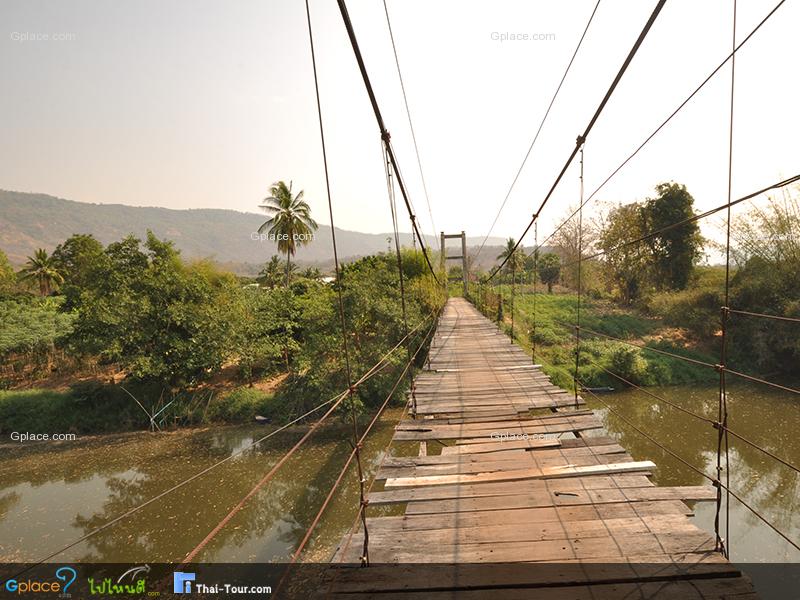
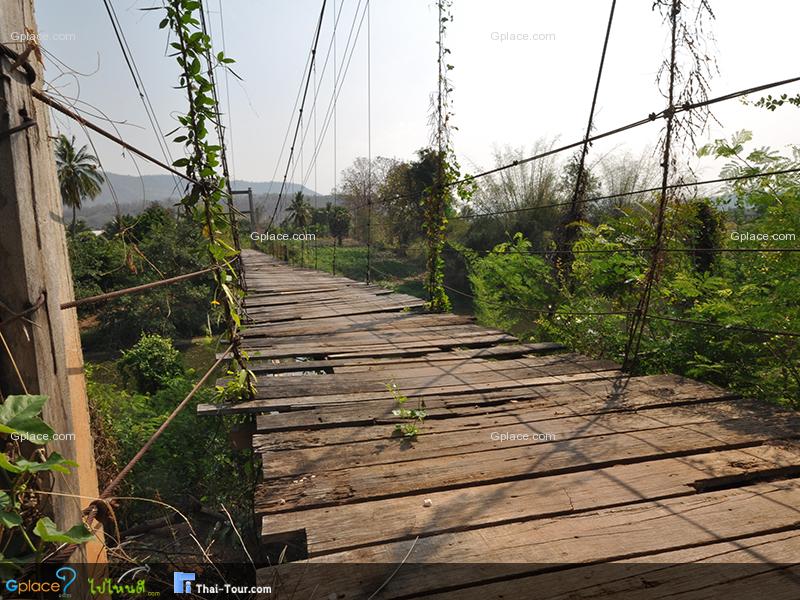
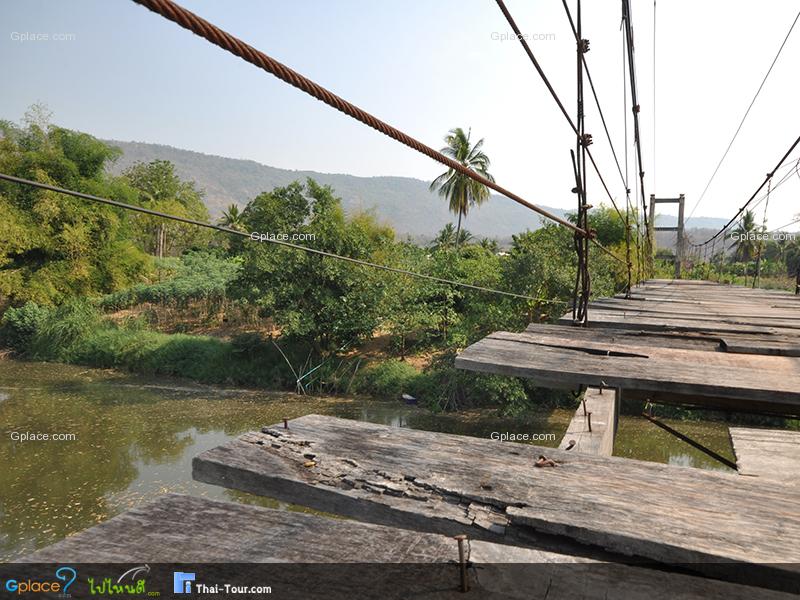
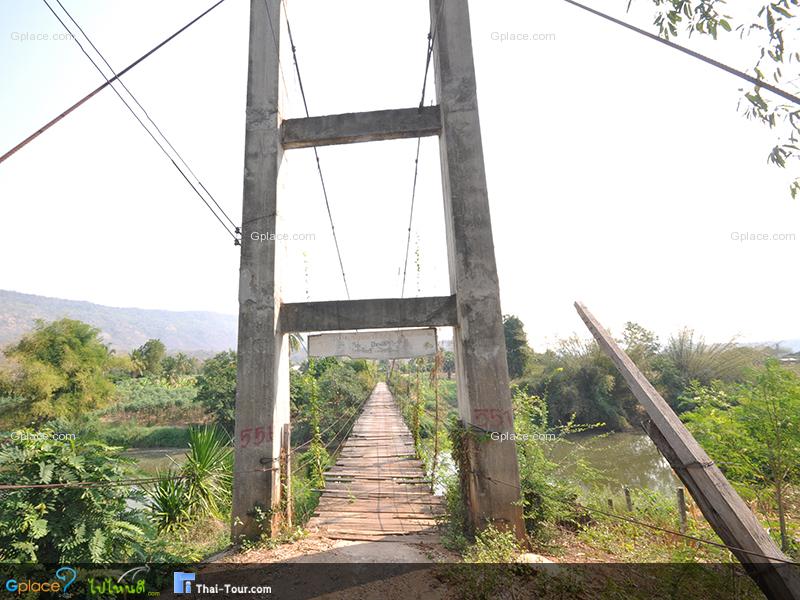
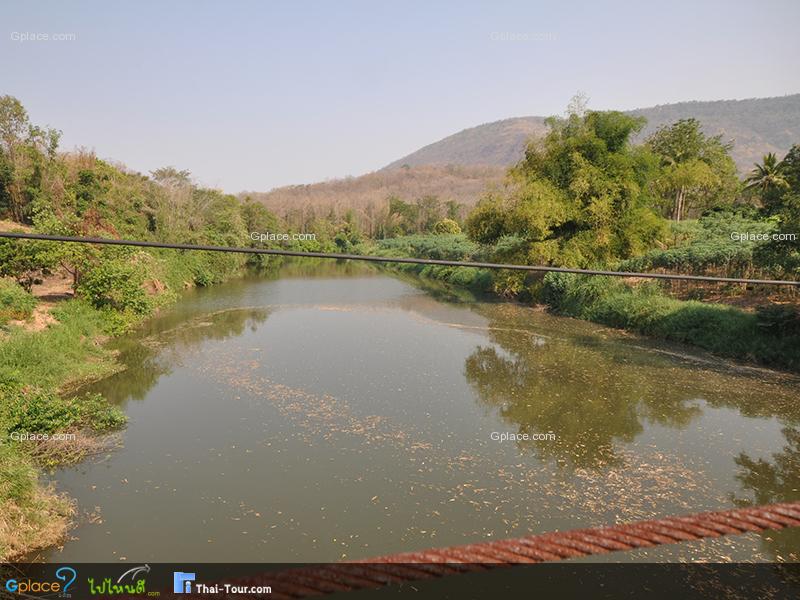
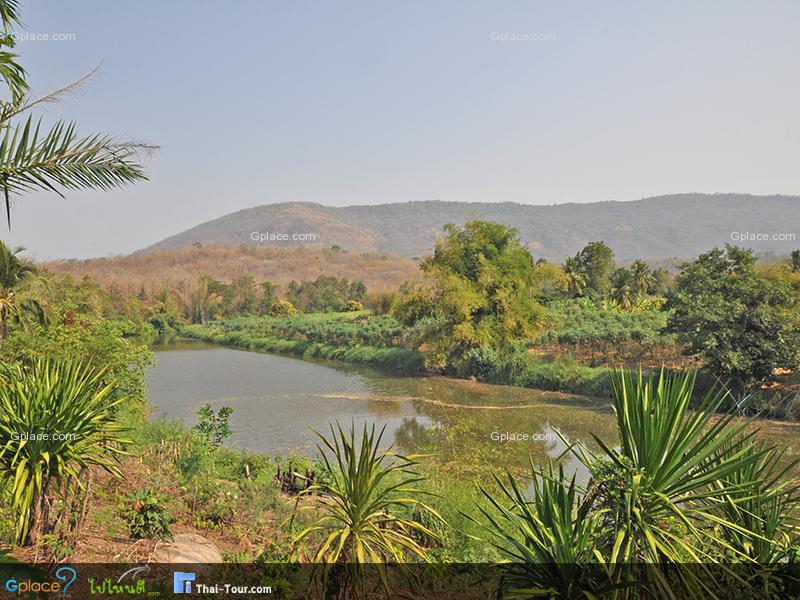
“Challenge yourself with world-class whitewater rapids while exploring a cultural heritage deeply connected to Naga beliefs through natural rock formations miraculously carved by water erosion.”
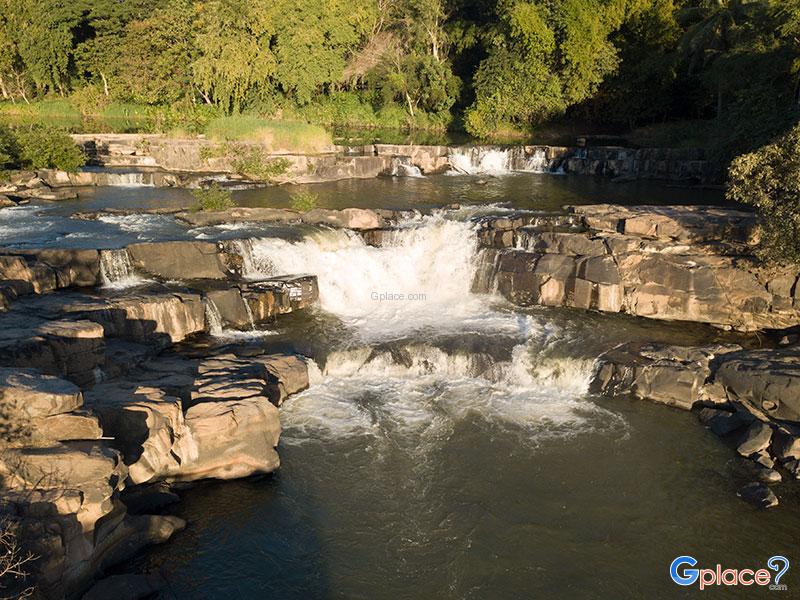
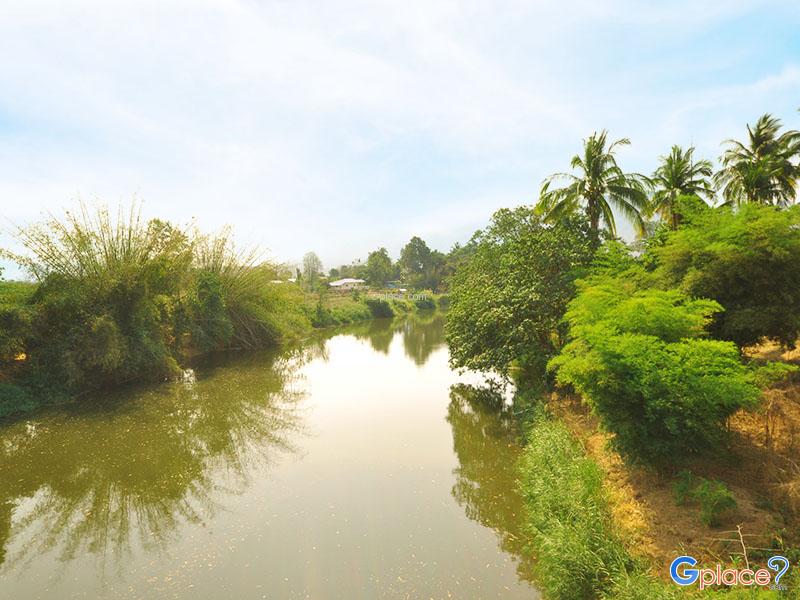
Khek River is considered one of the most prominent and complex waterways in the lower northern region of Thailand. Originating from the Phetchabun Mountains in Khao Kho, it flows through a landscape dominated by geological structures of sandstone and sedimentary rocks accumulated over millions of years. A defining characteristic of this river is its steep gradient and path through intricate rock layers, resulting in grand waterfalls and over 17 major rapids. Hydrologically, the torrential currents act as a natural sculptor, eroding the sandstone into exotic shapes and creating numerous potholes (Ghumphalak) throughout the riverbed. This has become a vital site for pedological study and a world-class arena for whitewater rafters, who rate the difficulty from Grade 1 to 5 depending on seasonal water levels.
In terms of beliefs and cultural heritage, the Khek River is deeply intertwined with Naga folklore among the residents of Wang Thong and Khao Kho districts. The river’s winding path through rocky crevices is often used as a metaphor for the Naga the mythical guardian of natural abundance. Notably in current trends, there has been the discovery of natural rock outcrops along the riverbanks with unique shapes resembling a Naga’s head. These formations, resulting from long-term natural erosion, spark the imagination of all who see them. This has become a focal point of faith, attracting locals and tourists to pay their respects according to local customs. It reflects a lifestyle of deep respect for the laws of nature and the maintenance of a harmonious balance between spiritual faith and environmental preservation without being overly superstitious.
For natural science enthusiasts, the Khek River offers a rare wonder: it is a habitat for the Freshwater Jellyfish (Craspedacusta sowerbii), which can be spotted during the summer at the Bang Rachan Rapids. The presence of these organisms is a critical bioindicator of high water purity and a lack of chemical pollution, as freshwater jellyfish are extremely sensitive to environmental changes. Furthermore, the ecosystem along both banks serves as a sanctuary for hill evergreen and mixed deciduous flora, which helps filter the air and maintain moisture for the headwater forest. This makes the Khek River not just a place for recreation, but a vast living classroom showcasing high biodiversity for all to study.
A visit to the Khek River is a multi-dimensional experience comprising adventure that challenges personal limits, the study of earth’s history through rock layers, and an immersion into a community way of life rooted in respect for natural forces. Whether it is the imagined image of a Naga within the stones or the tiny, delicate organisms in the water, these elements form the profound charm of the Khek River, providing endless stories to discover and learn.
How to Get There
-
By Private Car: From Phetchabun, take Highway 12 (Phitsanulok-Lom Sak). The river runs parallel to the road, and you can stop at various viewpoints and waterfalls along the way.
-
Whitewater Rafting: Contact operators located between KM 45-53 of Highway 12. They provide safety equipment and professional guides for the entire duration of the activity.
-
Visiting Naga Faith Sites: You may ask for specific coordinates from local villagers in Wang Thong district or at various tourist rest stops along the Khek River.
Travel Tips
-
Best Visiting Seasons: June–October for the most thrilling rafting experience, and March–May for paddle boating to see the freshwater jellyfish.
-
Footwear and Gear: If walking to view the Naga-shaped rocks, wear shoes with good traction (anti-slip soles), as riverbank stones can be damp and covered in moss.
-
Photography: Morning and evening light help emphasize the erosion patterns on the rocks, providing more depth and clarity to their unique shapes.
-
Conduct: Maintain tranquility and show respect to sites of local belief. Do not litter or damage natural rock formations.
-
Safety: Strictly follow the instructions of officials and guides, especially regarding the use of life jackets and helmets when near fast-moving currents.
Admission Fee:
- Free admission to the area (Activities may incur additional costs)
Opening Hours:
-
Water Activities: 08:30 – 16:30
-
Natural Viewpoints: Open daily, subject to weather conditions
Khek river

 Share
Share
 Khek River, Wang Thong District, Phitsanulok and Khao Kho District, Phetchabun
Map
Khek River, Wang Thong District, Phitsanulok and Khao Kho District, Phetchabun
Map
 Closed today
Mon8.30 - 16.30
Tue8.30 - 16.30
Wed8.30 - 16.30
Thu8.30 - 16.30
Fri8.30 - 16.30
Sat8.30 - 16.30
Sun8.30 - 16.30



 26224
26224