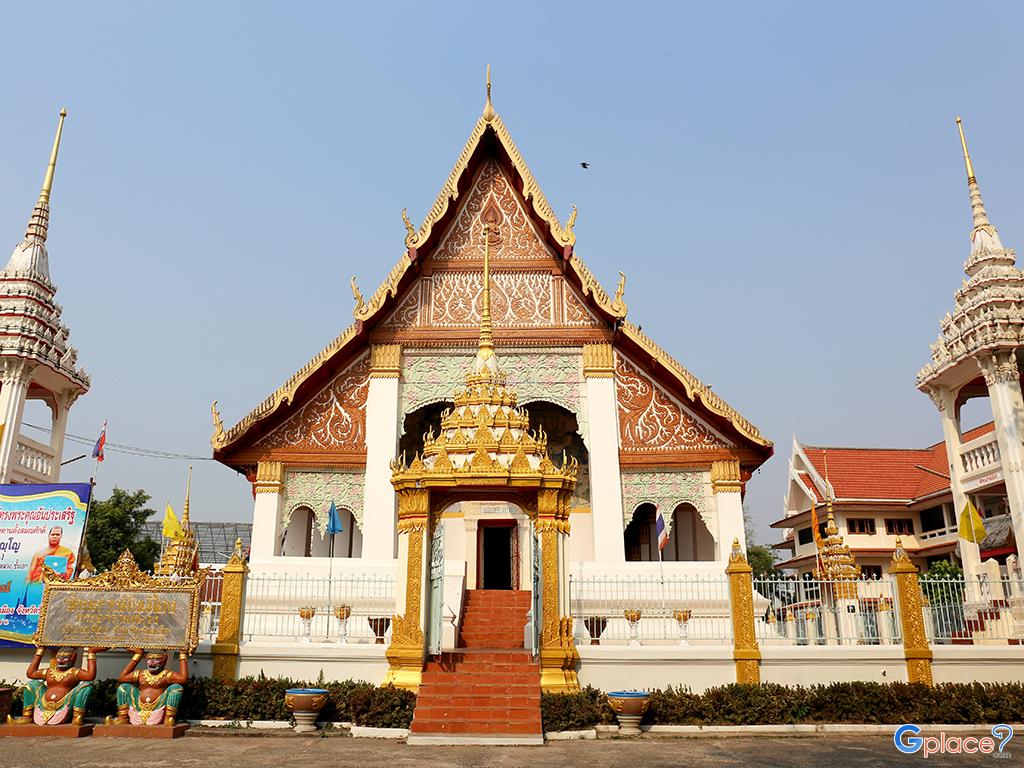
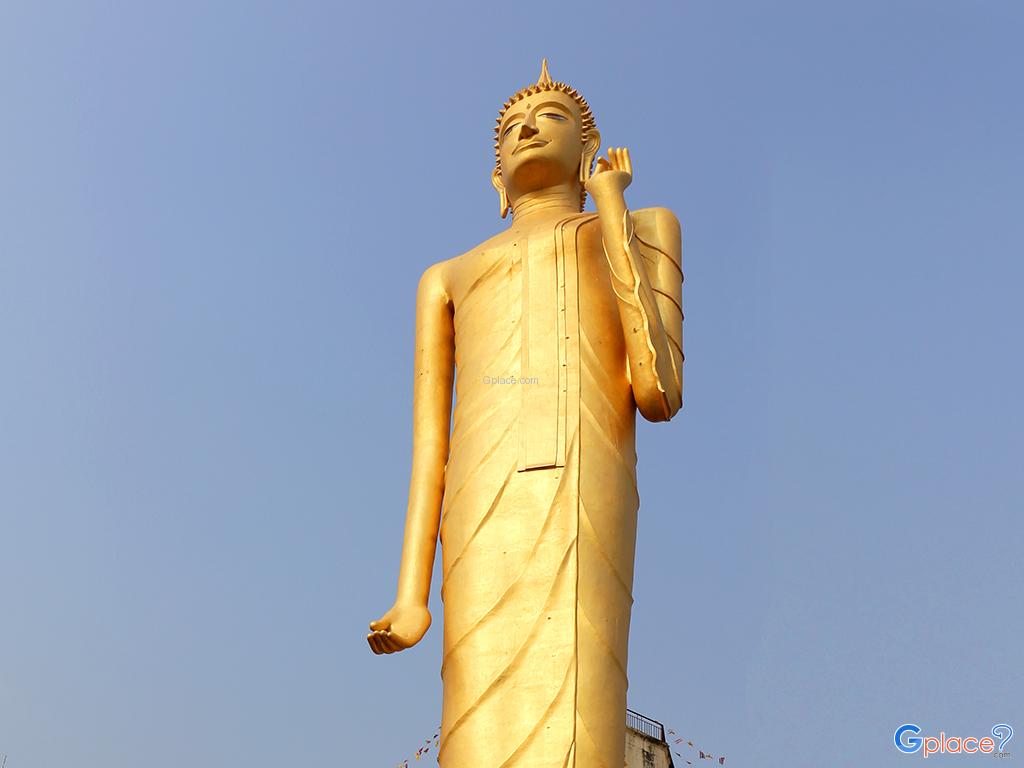
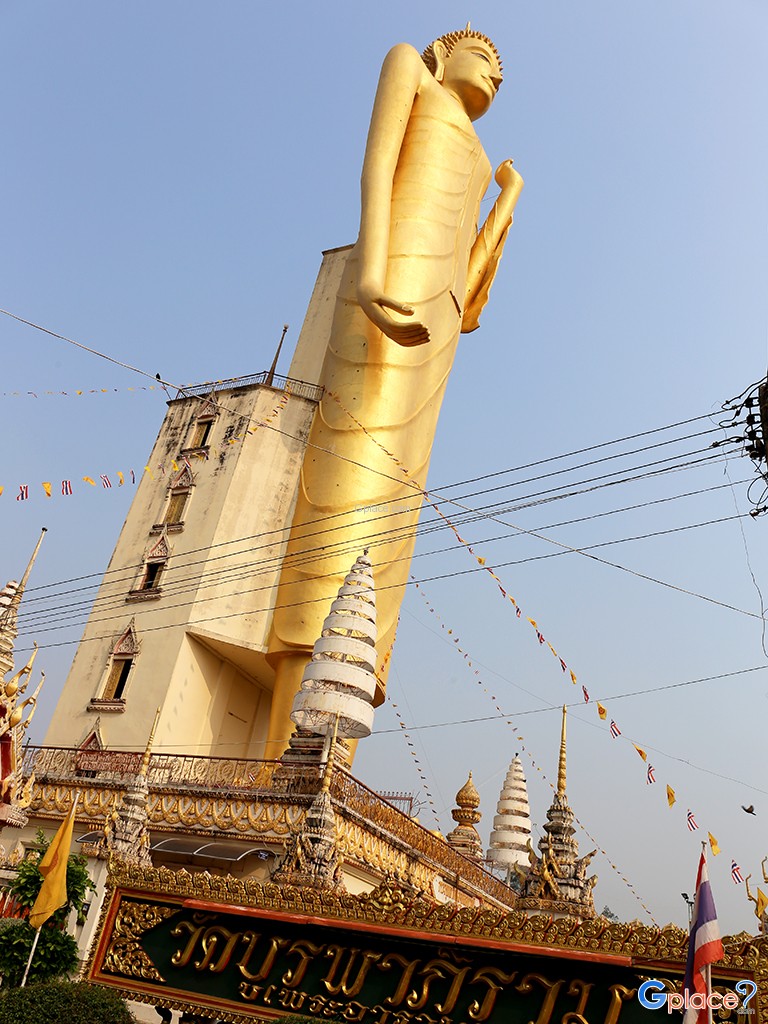
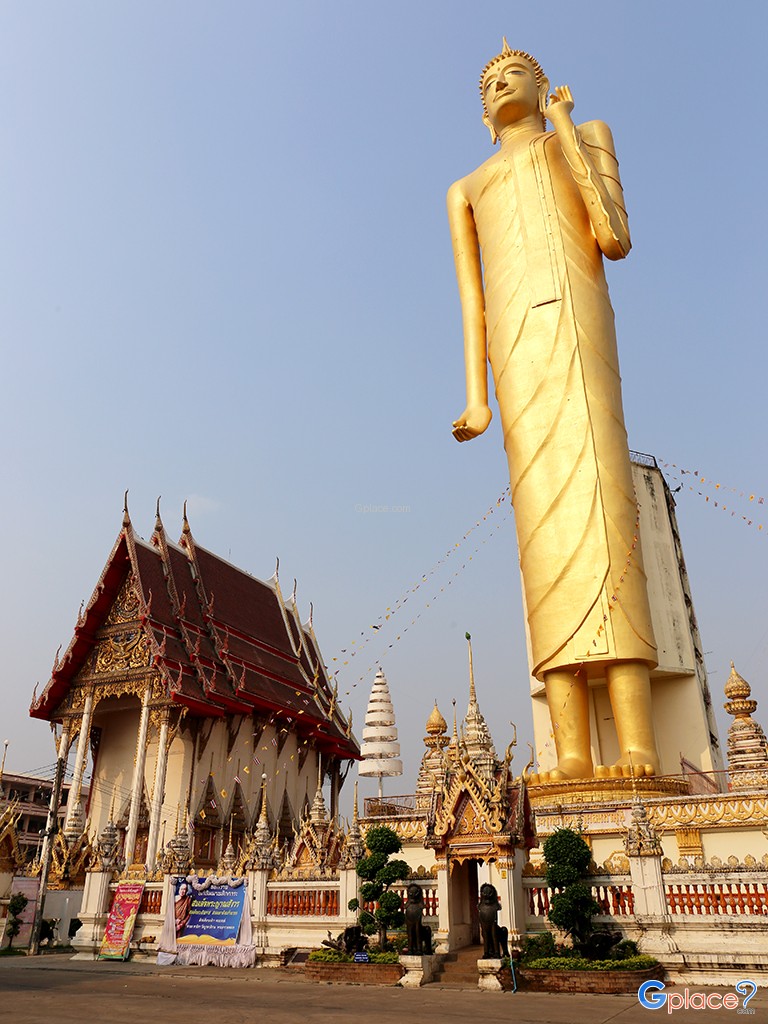
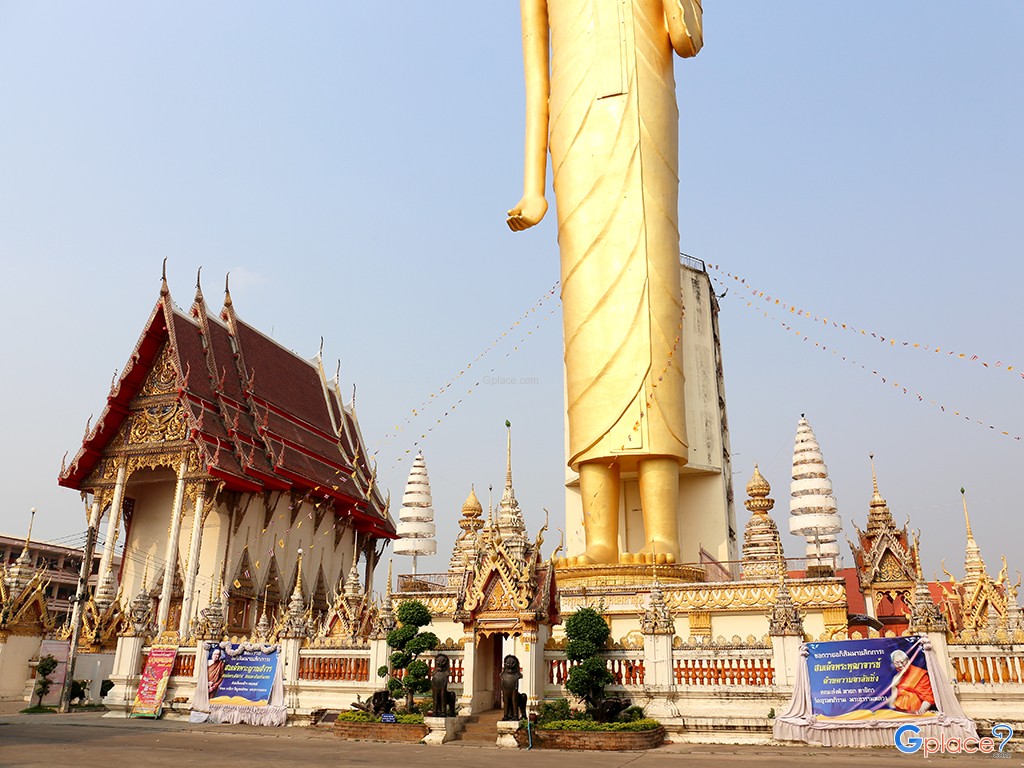
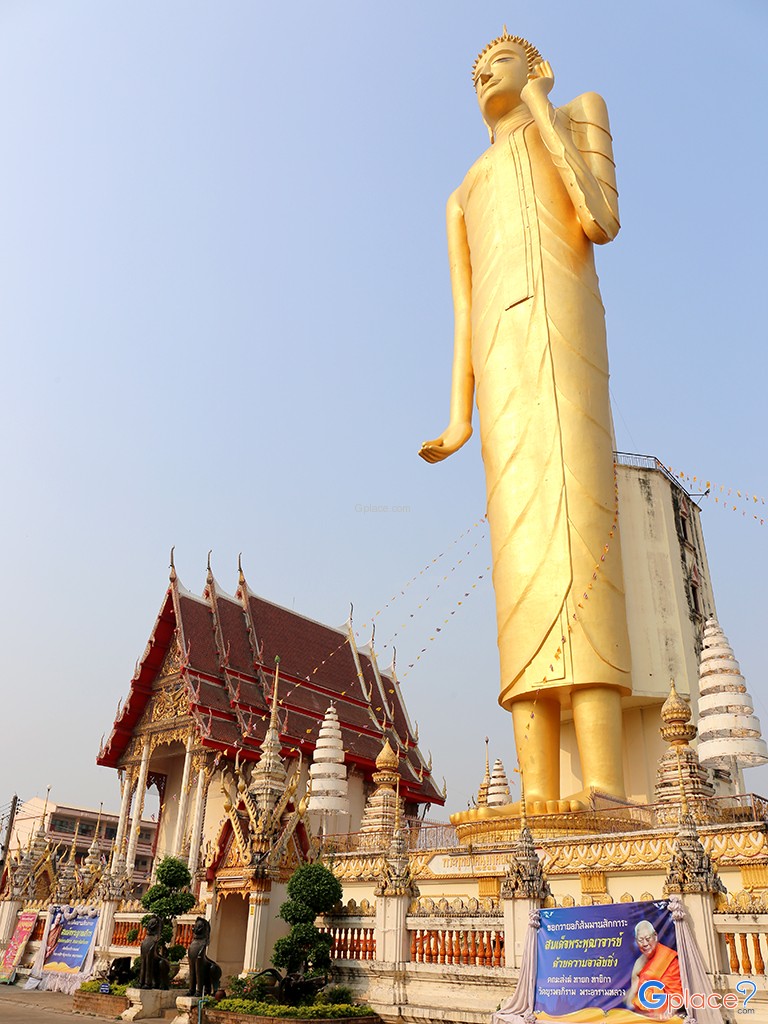
Wat Buraphaphiram, originally known as Wat Hua Ro, was established in 1913 and later developed into a third-class royal temple. Today, it is an important religious site in the heart of Roi Et and a spiritual center for local people.The main highlight of the temple is Phra Phuttha Rattanamongkhon Mahamuni, commonly known as “Luang Pho Yai,” a massive standing Buddha in the posture of blessing. The statue is approximately 59.2 meters tall, and including its base it reaches about 67.85 meters, making it the tallest standing Buddha statue in Thailand.The statue was designed with symbolic meaning, with a total height_ of 101 wa from base to top, representing Roi Et Province and reflecting beliefs in prosperity, good fortune, and spiritual significance.
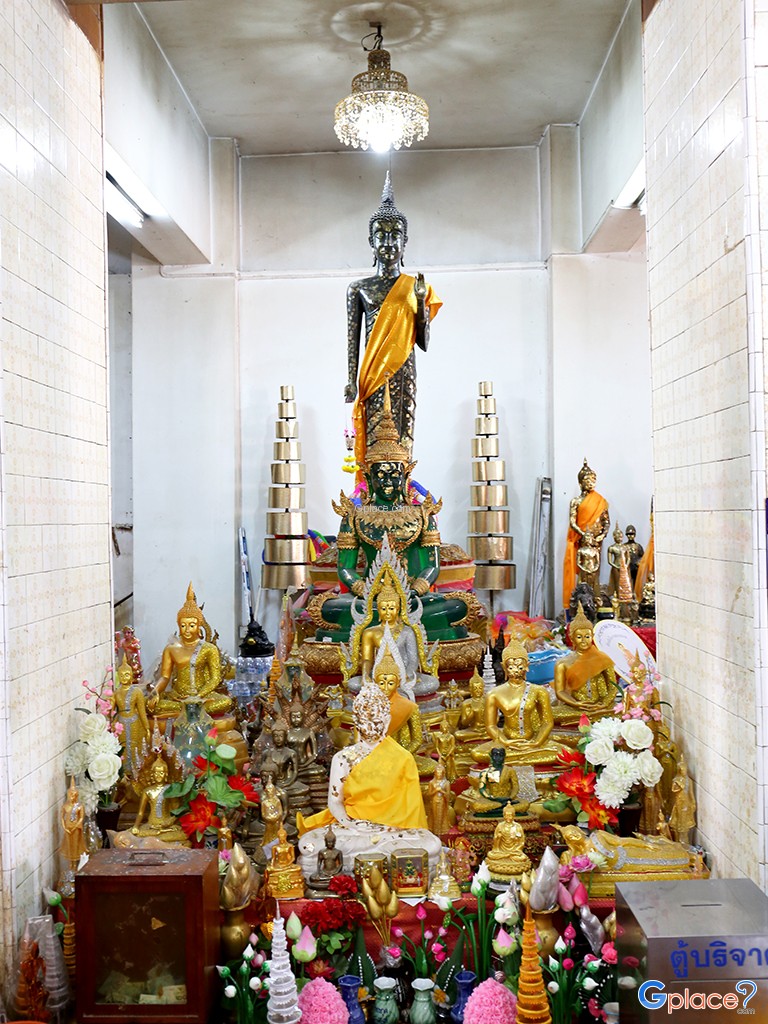
Inside the temple, the area is well organized, especially beneath the base of the Buddha where a museum is located. It exhibits antiques, amulets, and wax figures of respected monks, and also serves as a place for meditation and religious ceremonies.The ordination hall features beautifully detailed murals depicting the life of the Buddha and the Jataka tales, created in traditional Thai artistic style. The temple grounds also include an open viewing area around the statue, offering panoramic views of Roi Et city, especially beautiful at sunset.The temple is a major center of faith where people come to pay respect to Luang Pho Yai and pray for success, career advancement, prosperity, and peace of mind. During important Buddhist festivals such as Makha Bucha, Visakha Bucha, and Buddhist Lent, large numbers of devotees gather to make merit and participate in candlelight ceremonies.
The atmosphere changes throughout the day: mornings are cool and ideal for merit-making and photography, evenings offer beautiful golden light on the statue, and at night the illuminated Buddha creates a striking landmark visible from afar.Wat Buraphaphiram is therefore not only a religious site but also a key landmark of Roi Et Province, reflecting faith, culture, and local identity.

 Attractions
  Hotel
Hotel  Restaurant
  Shopping
  Abroad








 Share
Share
 Nai Mueang , Mueang Roi Et, Roi Et 45000
Map
Nai Mueang , Mueang Roi Et, Roi Et 45000
Map
 Closed today



 34
34