 Attractions
  Hotel
Hotel  Restaurant
  Shopping
  Abroad





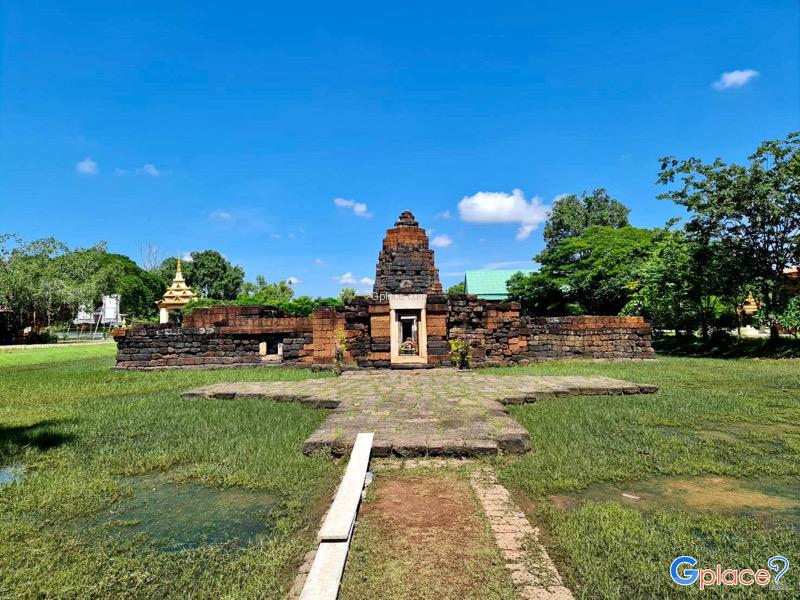


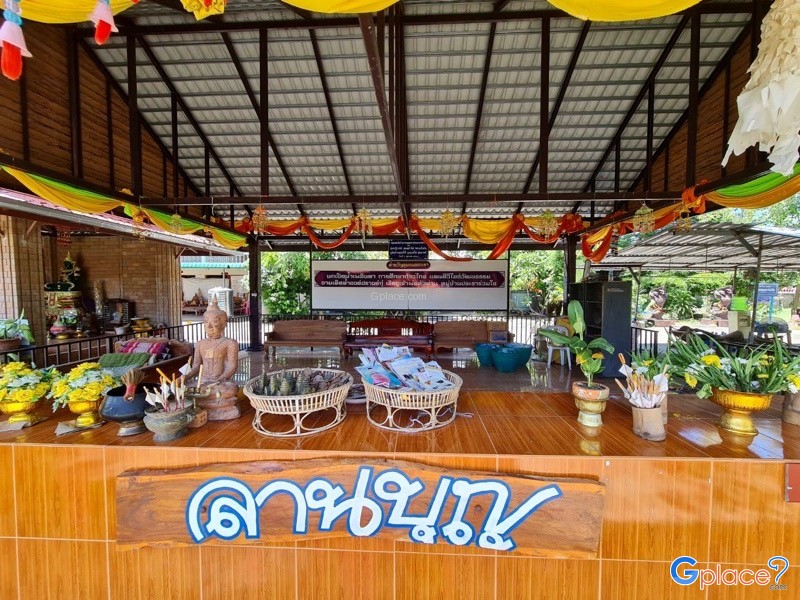
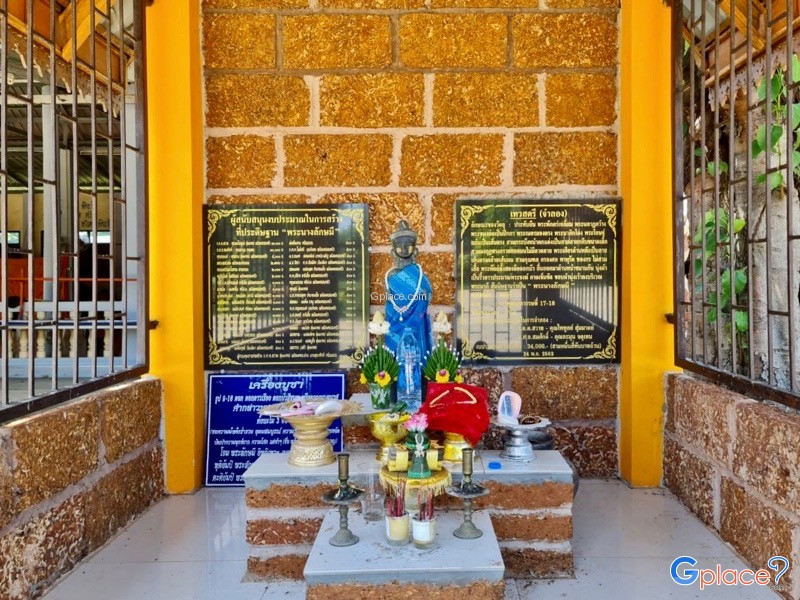

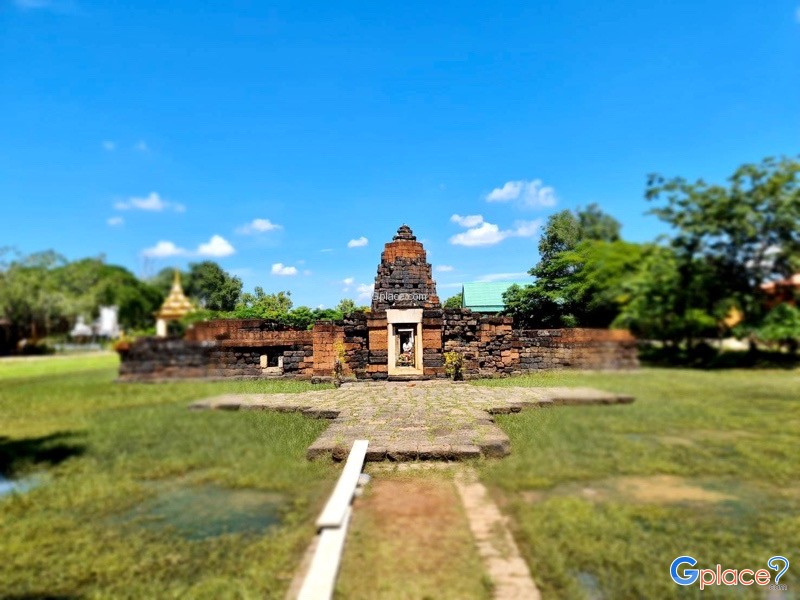
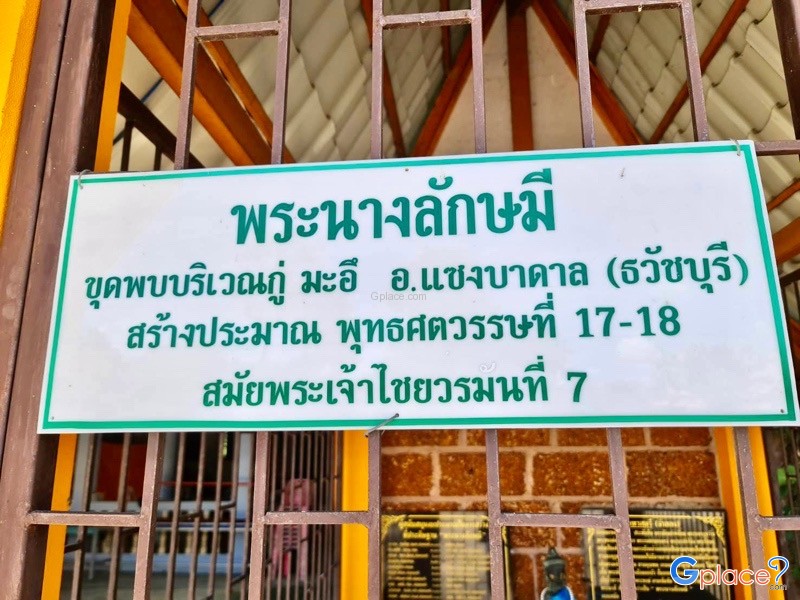
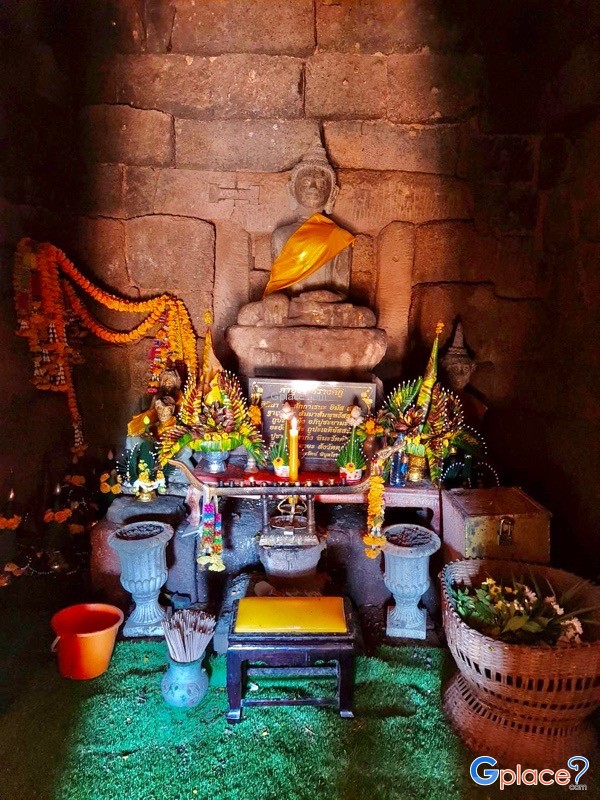
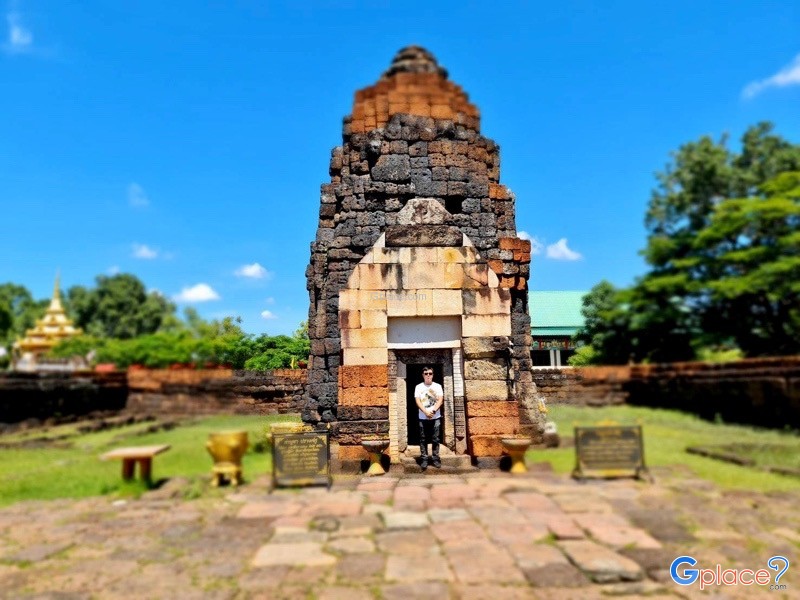
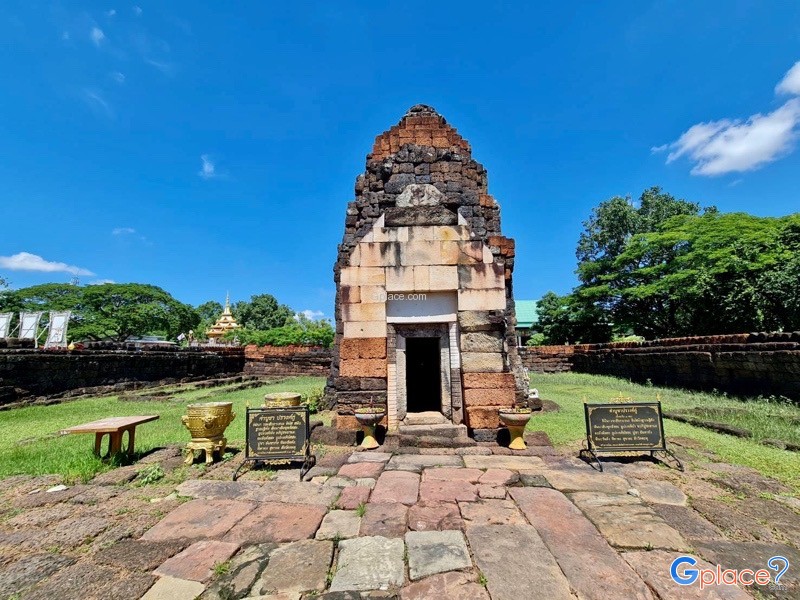
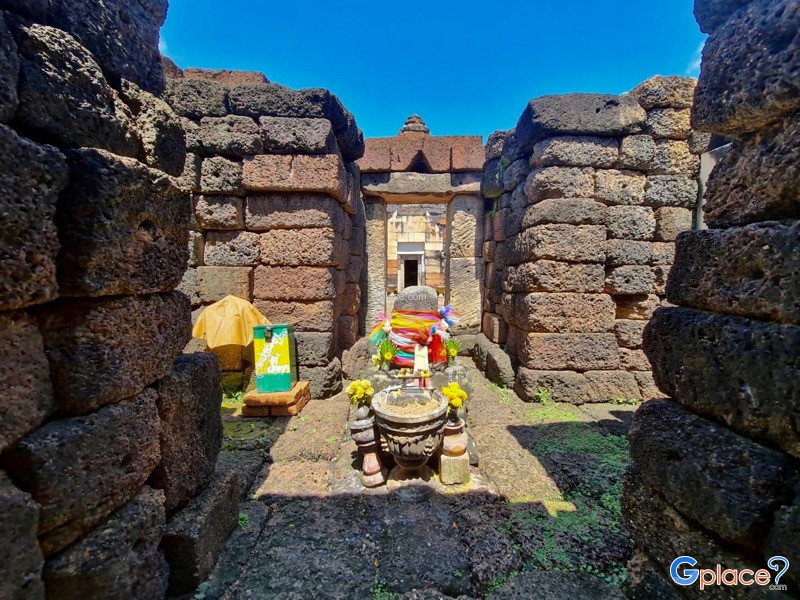

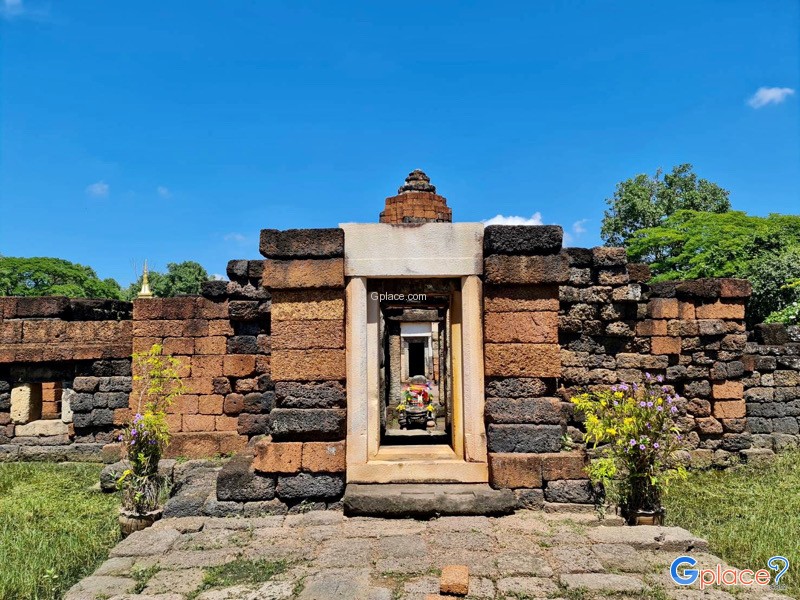
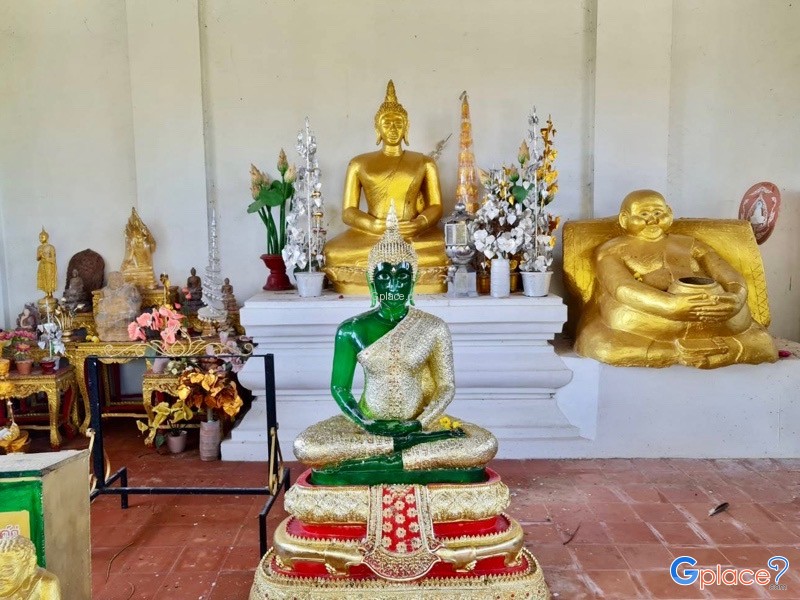
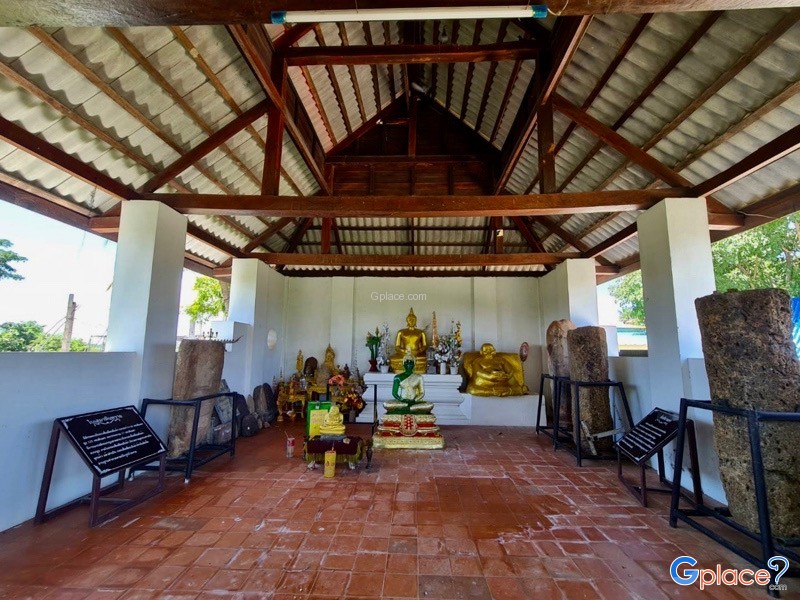
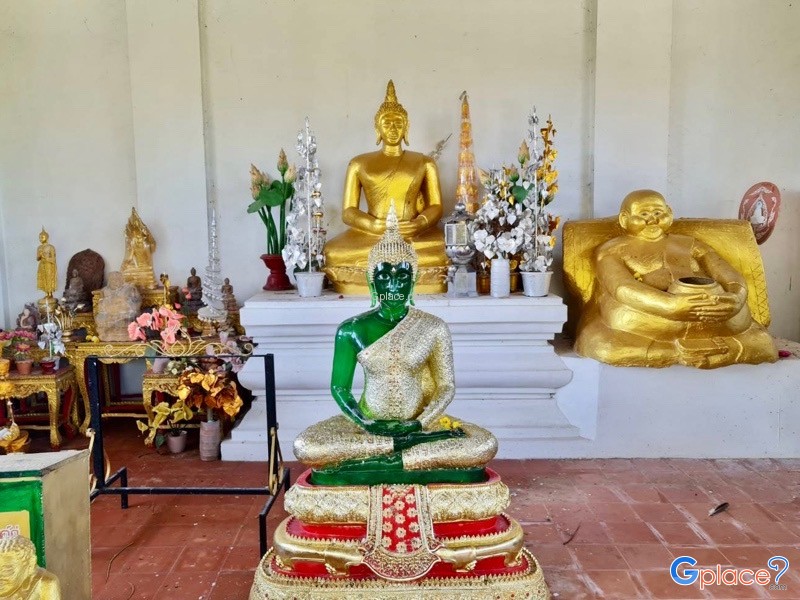
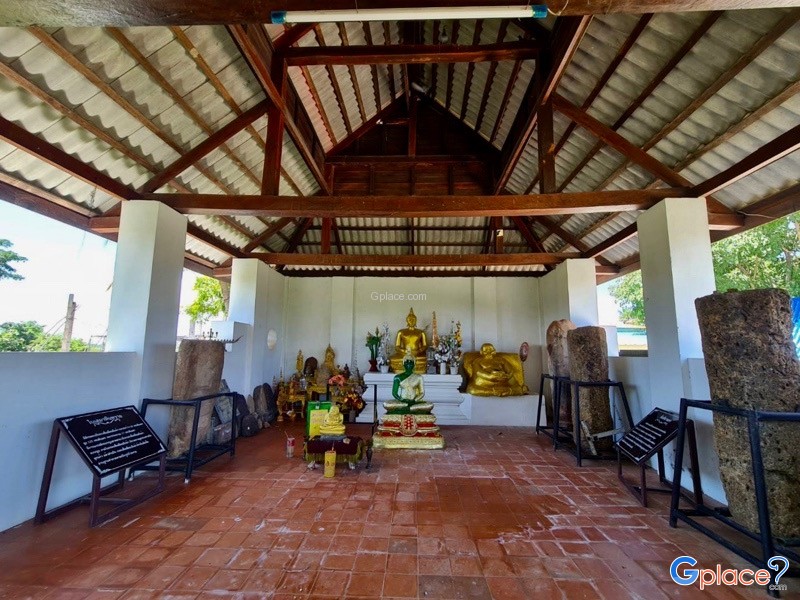
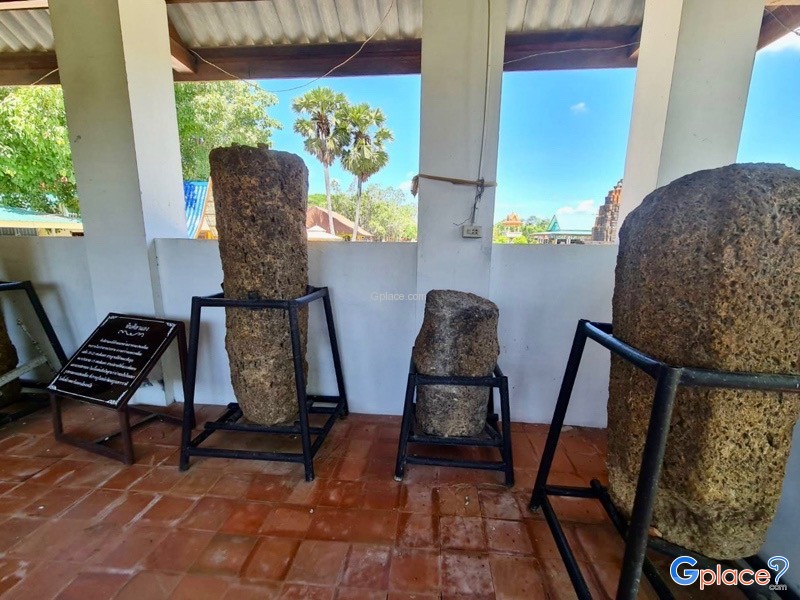
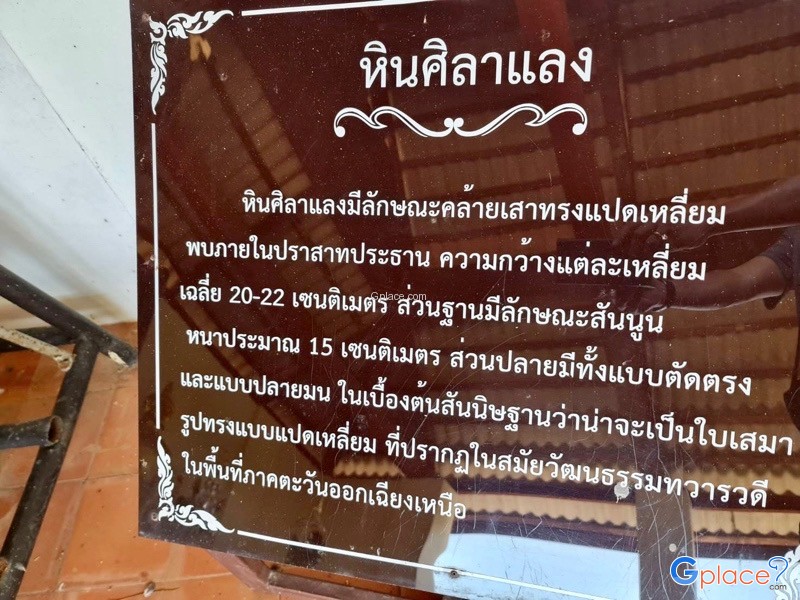
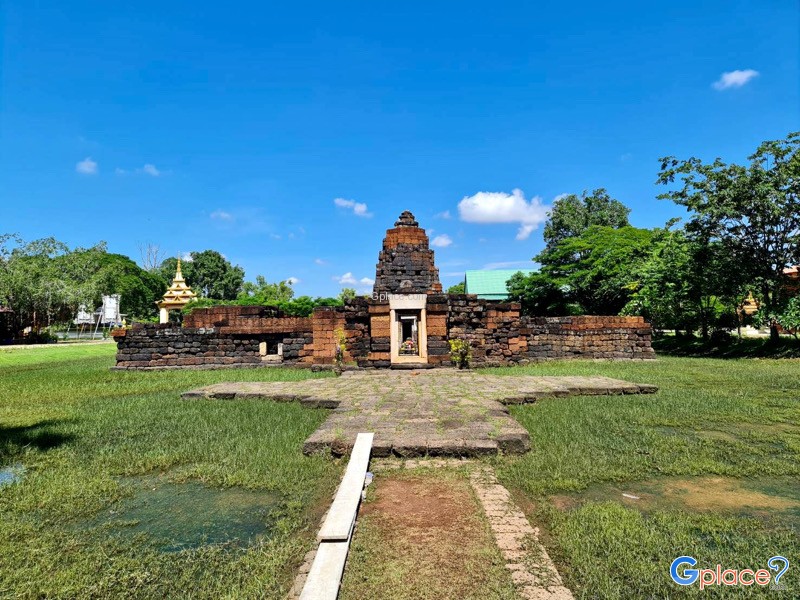

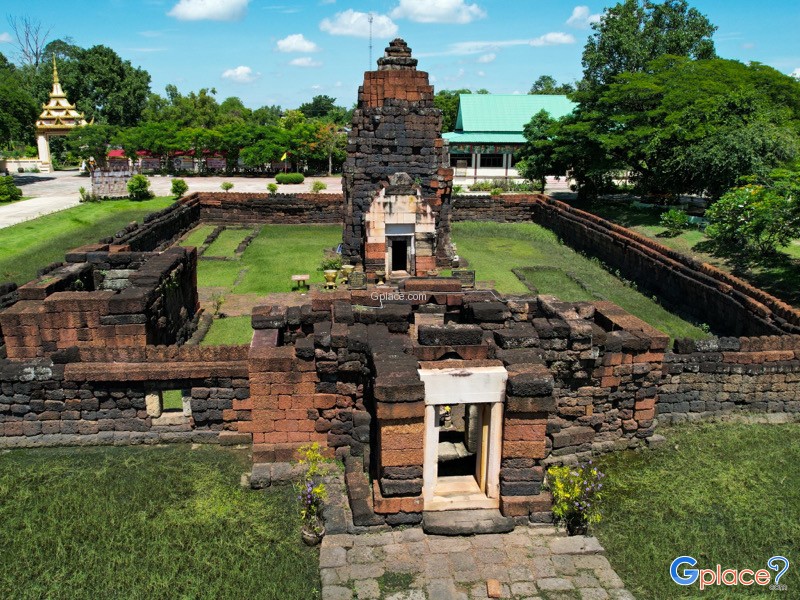
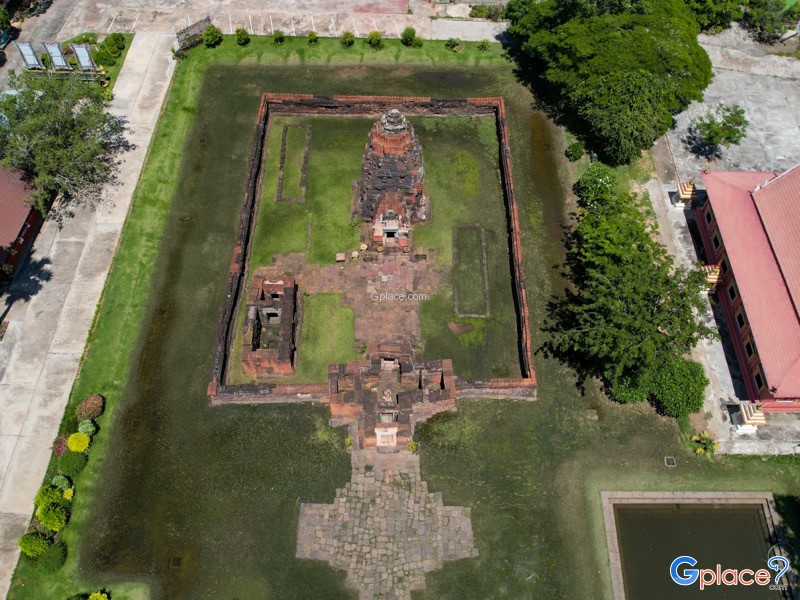
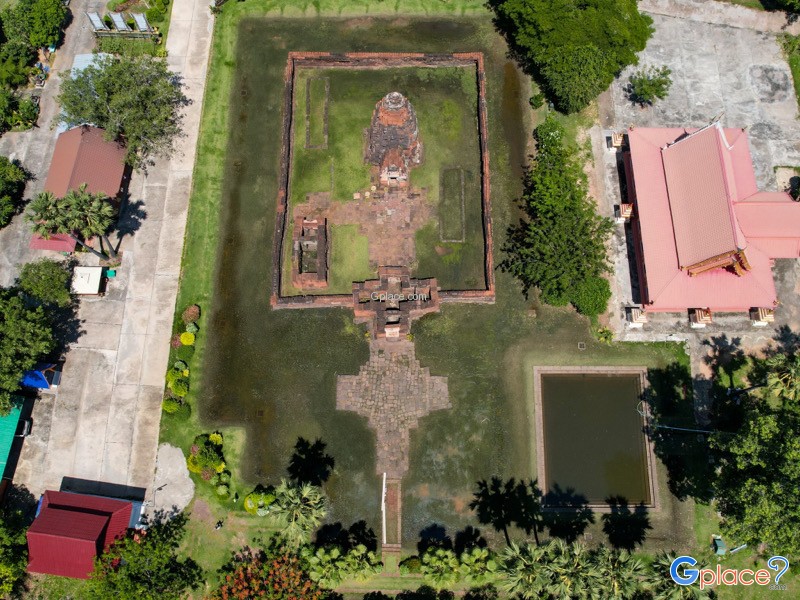
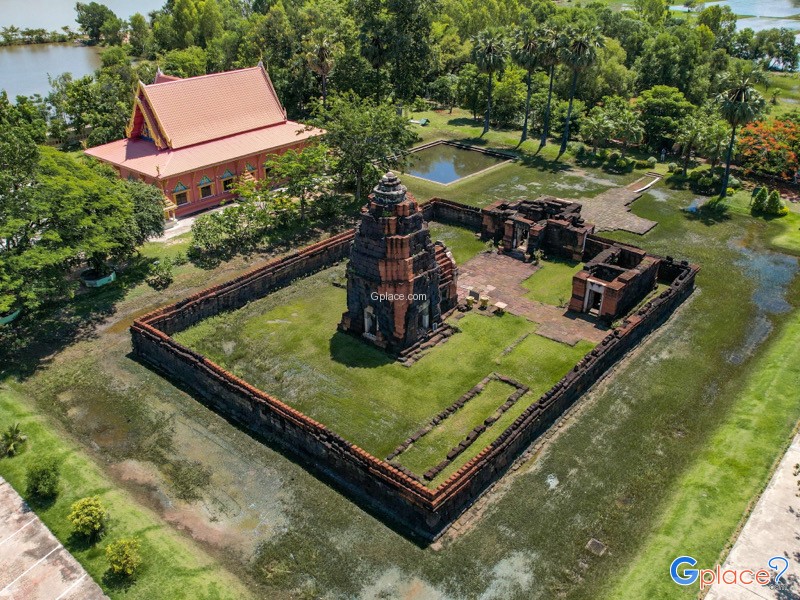
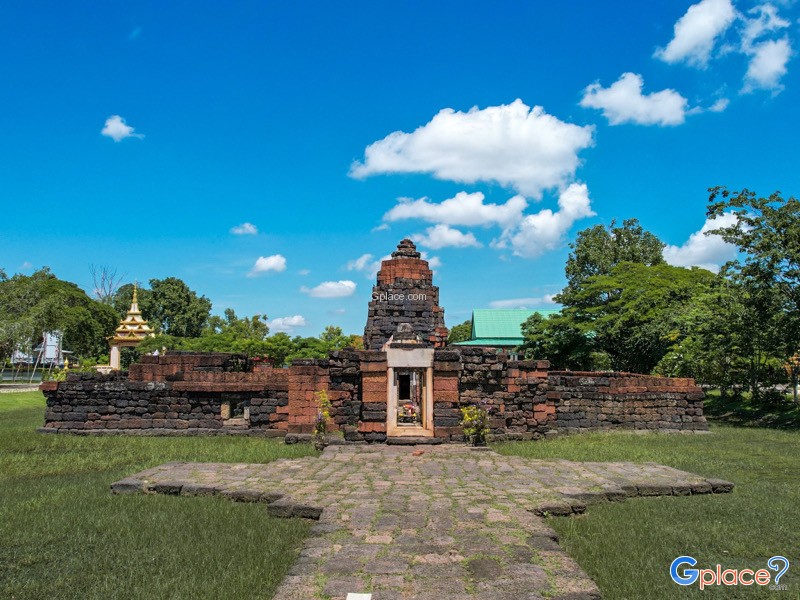
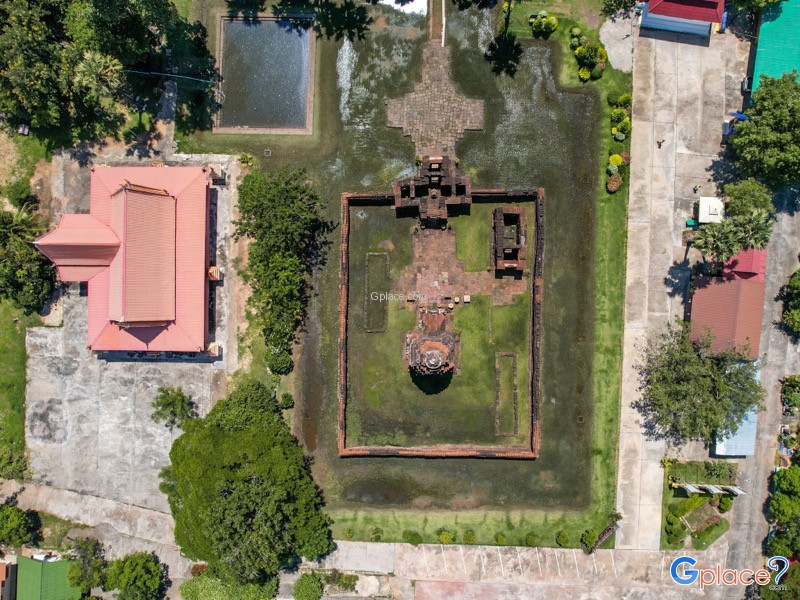
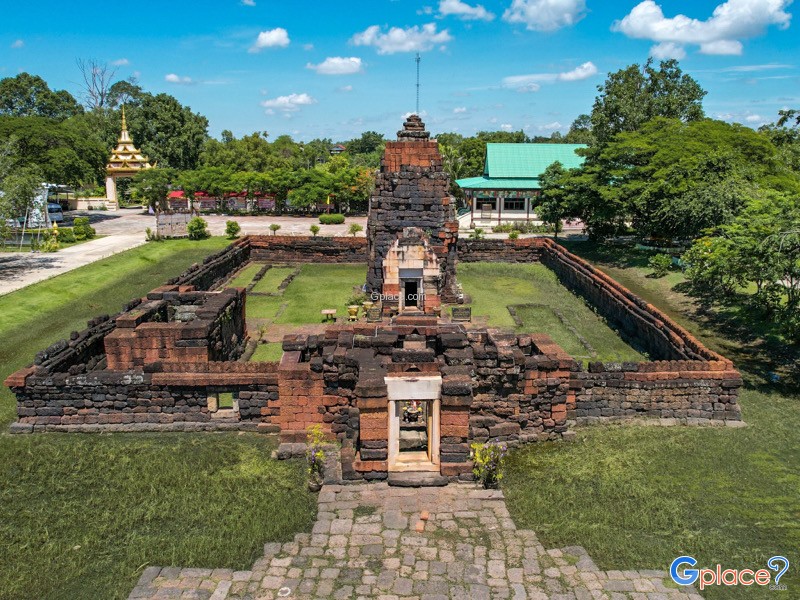
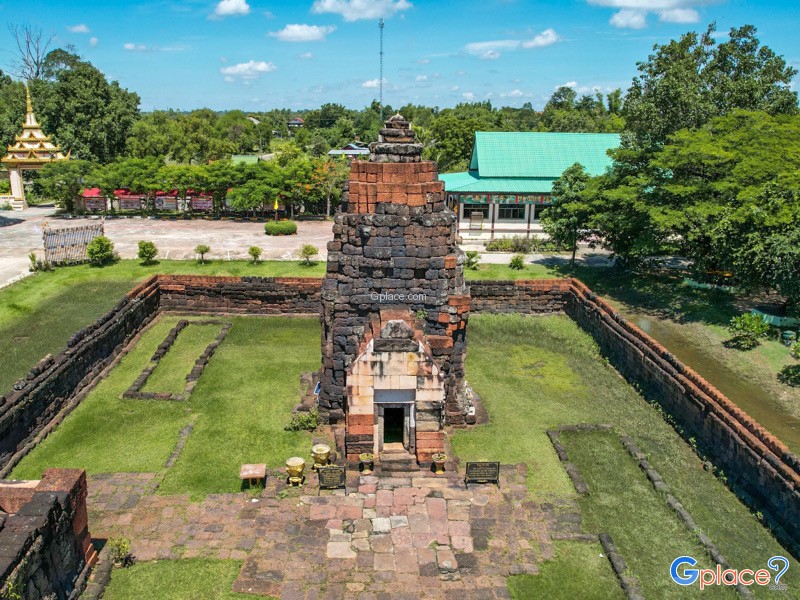
“A well-preserved Arokhayasala sanctuary featuring a main prang, library building, enclosure wall, and baray. Beautiful Bayon-style sandstone carvings with a peaceful and sacred atmosphere.”
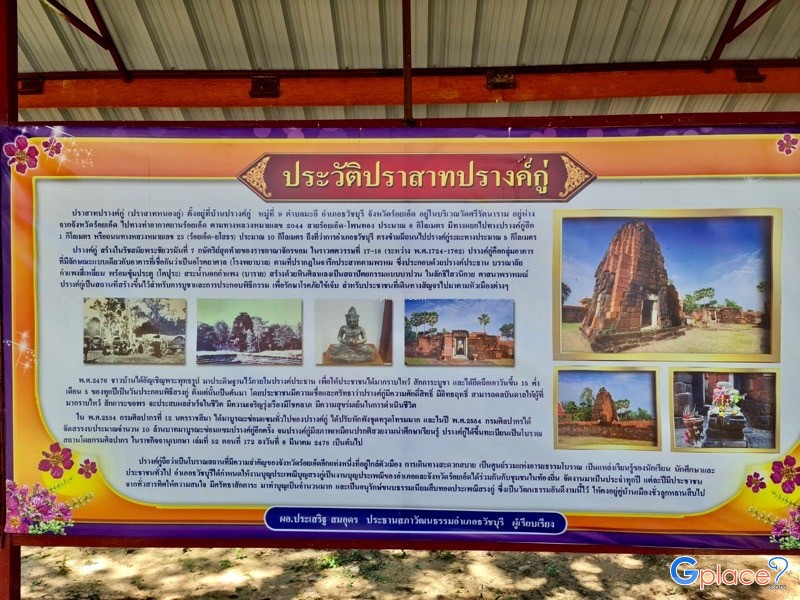
Prang Ku (Prasat Nong Ku), Roi Et Province, is an ancient Khmer archaeological site of great importance within the “Arokhayasala” group, built during the reign of King Jayavarman VII of the Khmer Empire around the 18th Buddhist century. It was constructed as both a religious sanctuary and a medical facility within an ancient welfare system designed to care for local people and travelers along important regional routes.The concept of Arokhayasala reflects the advanced social organization of that era, integrating Mahayana Buddhism and traditional medicine into a systematic structure. Each site typically consisted of a sanctuary, treatment buildings, and a sacred water reservoir. Prang Ku is one of more than 100 such complexes distributed throughout the Khmer Empire.
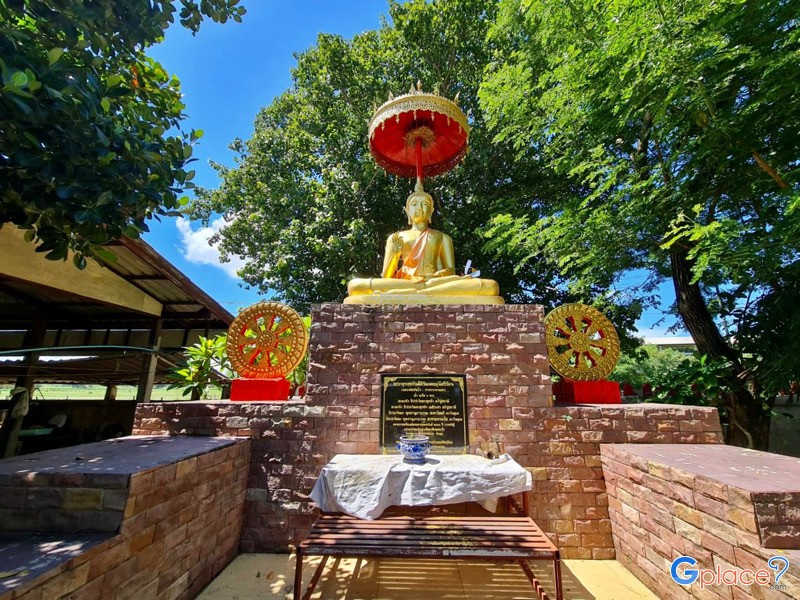
The architectural layout of Prang Ku is rectangular and oriented to the east, following Hindu and Buddhist cosmological beliefs in Khmer civilization. At the center stands the main prang, serving as the spiritual and religious focal point of the site. It was originally used for Mahayana Buddhist deities, and today it often houses Buddha images for local worship.To the southeast of the complex is a library building (bannalai), believed to have been used for storing palm-leaf manuscripts and sacred religious texts related to rituals and healing practices. The entire complex is enclosed by a laterite boundary wall, clearly separating the sacred area from the outside. Outside the northeastern corner lies a water reservoir, or “baray,” which played an important role in both ritual practices and ancient medical beliefs. The water from the baray was considered sacred and was likely used in ceremonies and healing practices associated with the Arokhayasala system.
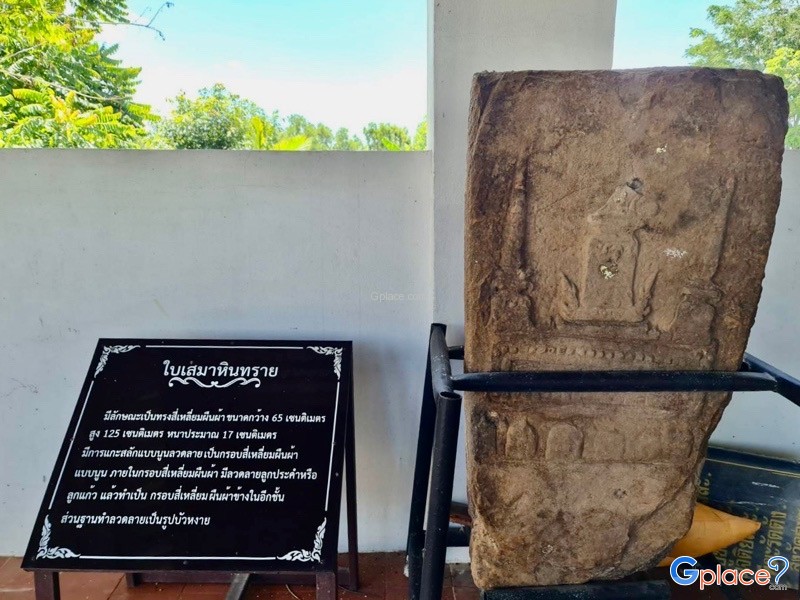
The structure is primarily built from laterite, a strong and locally available material, while sandstone was used for finely detailed elements such as lintels, door frames, and decorative carvings. These carvings still show traces of Bayon-style Khmer art, characterized by serene facial expressions, refined forms, and religious symbolism associated with Mahayana Buddhism.Although not as complete as major Khmer sites in Cambodia, Prang Ku still demonstrates the sophistication of ancient Khmer craftsmanship and clearly reflects the integration of religious beliefs with the daily life of people during that period.
Prang Ku is also part of a wider network of important ancient sites in the northeastern region of Thailand, serving not only as religious centers but also as hubs for medicine, travel, and trade routes in the past. It functioned as a key community center in the region. Today, Prang Ku is maintained and partially restored by the Fine Arts Department of Thailand. Some original structures remain clearly visible, allowing visitors and researchers to study Khmer social structure and architecture up close. It is an important historical learning site in Roi Et Province and the northeastern region of Thailand.
How to Get There
Travel Tips
- Visitors are advised to dress modestly, as the site is located within a temple area and is a sacred archaeological site respected by local communities.
- It is recommended to avoid visiting during peak midday heat and instead come in the early morning or late afternoon for more comfortable weather and better photography lighting.
- Visitors should bring drinking water and sun protection such as hats or umbrellas, as shaded areas within the site are limited.
- It is best to take time walking around slowly to observe the details of the sandstone carvings and the ancient Khmer architectural layout.
- If visiting during the 5th lunar month (around April), visitors can experience the Prang Ku sacred bathing ceremony, an important local cultural event.
Admission Fee:
- Free admission (donations are welcome for site maintenance)
Opening Hours:
- Open daily from 08:00 AM – 06:00 PM
Prang Ku

 Share
Share
 Ma-Ue, Thawat Buri, Roi Et 45170
Map
Ma-Ue, Thawat Buri, Roi Et 45170
Map
 Closed today
Mon8.00 - 18.00
Tue8.00 - 18.00
Wed8.00 - 18.00
Thu8.00 - 18.00
Fri8.00 - 18.00
Sat8.00 - 18.00
Sun8.00 - 18.00



 24
24