 Attractions
  Hotel
Hotel  Restaurant
  Shopping
  Abroad





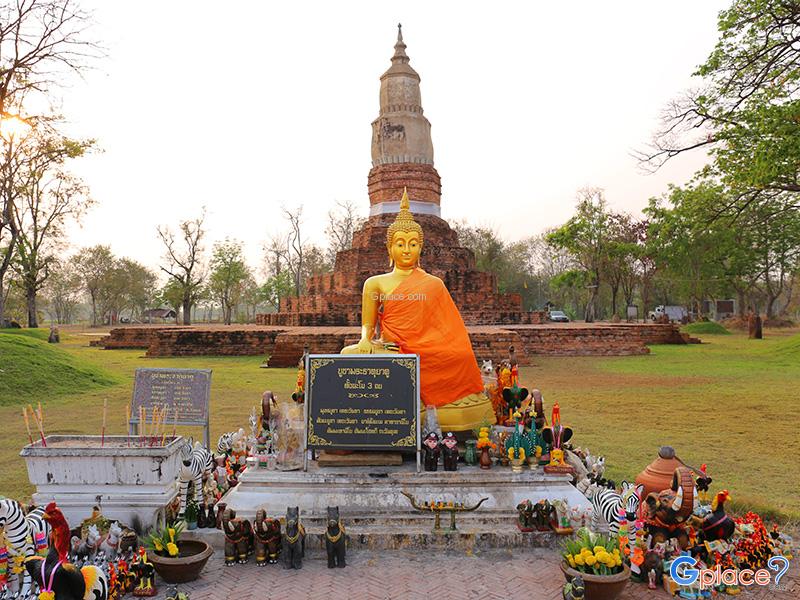

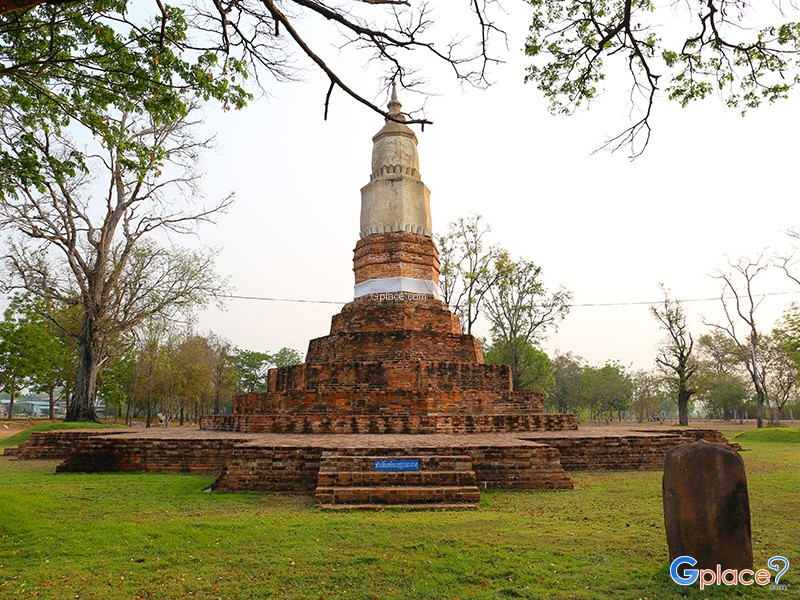
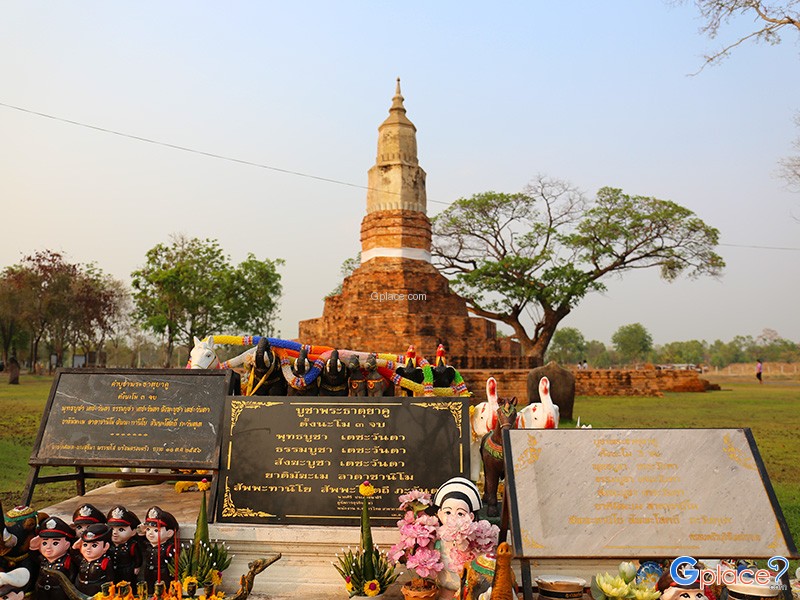
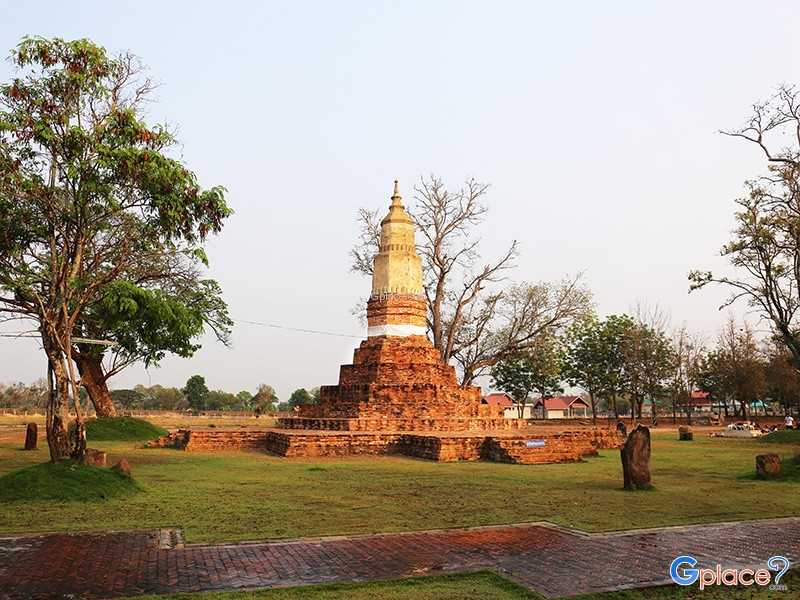
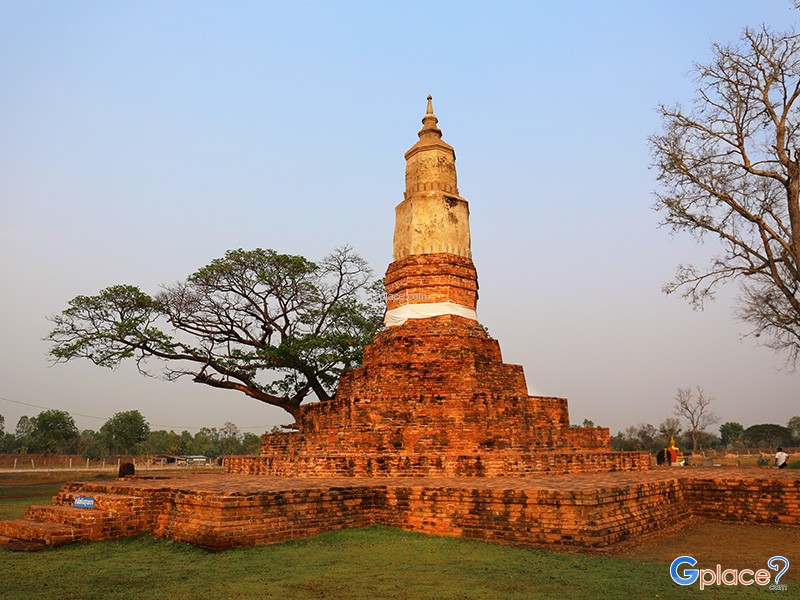
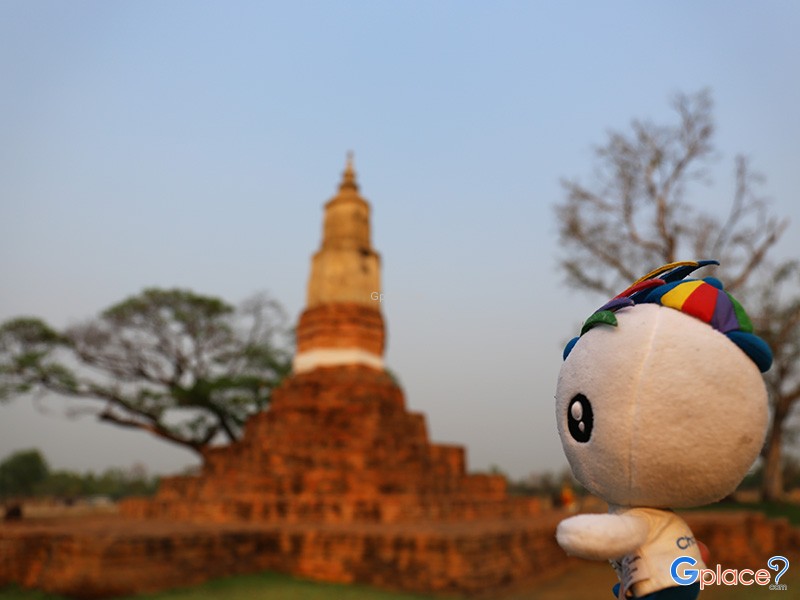
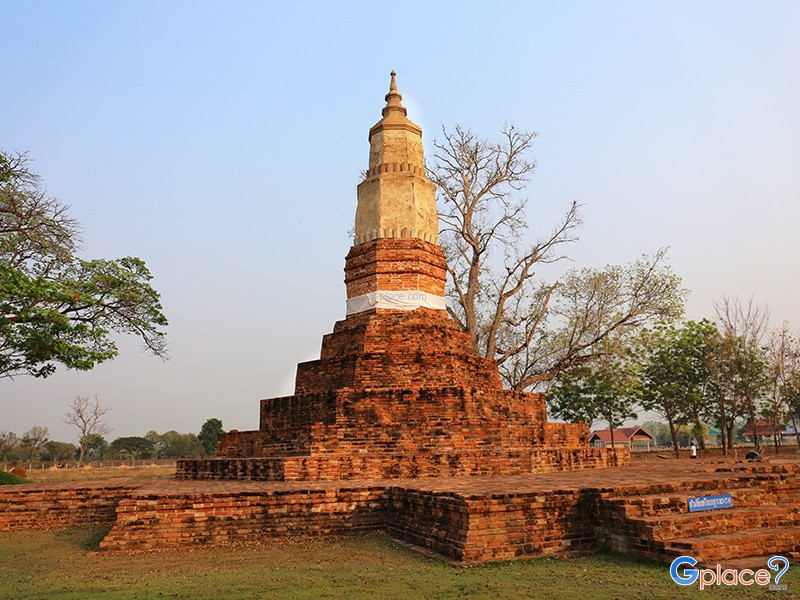
“An ancient stupa showcasing architecture from three historical eras, highlighted by a colorful Sea of Tung Flags within the 1,000-year-old Fa Daet Song Yang Ancient City.”
Phra That Ya Khu is located within “Fa Daet Song Yang Ancient City,” an important ancient settlement in the Chi River basin of Kalasin Province. Archaeologists believe it was once a large community of the Dvaravati civilization, flourishing between the 7th–11th centuries CE, or more than 1,000 years ago. The site is characterized by a large oval-shaped moated city surrounded by earthen ramparts and is considered an early Buddhist center in the Isan region.Phra That Ya Khu, locally known as the “Great Stupa,” is regarded as the most prominent archaeological structure within Fa Daet Song Yang Ancient City. It is believed to have been built to enshrine sacred relics of the Buddha or the remains of respected local monks. The term “Ya Khu” is thought to derive from an ancient Isan word meaning “venerable monk” or “teacher monk,” reflecting the deep spiritual reverence that local people have held for this stupa for generations.
A key highlight of the stupa is its architectural evolution through multiple restoration periods. The lower section retains original Dvaravati-style craftsmanship with a large square brick base. Later, an octagonal mid-section was added during the Ayutthaya period, followed by a bell-shaped spire in the Rattanakosin era. This results in a rare and distinctive combination of architectural styles rarely found in northeastern Thailand.The surrounding area is also an important archaeological site, where numerous sandstone boundary stones (bai sema) have been discovered. These stones are intricately carved with scenes from the Buddha’s life and Jataka tales, representing some of the finest Dvaravati-era Buddhist art in Thailand. Some artifacts are preserved in national museums, while others remain displayed within the ancient city area.
Beyond its historical value, Phra That Ya Khu is a major spiritual center for local people. During Songkran, Visakha Bucha Day, and other important Buddhist festivals, the annual worship ceremony is held, featuring traditional performances, merit-making rituals, and the decoration of thousands of colorful “Tung” flags around the stupa. This creates the spectacular “Sea of Tung Flags,” which has become a well-known cultural identity of Kalasin Province.For tourism, Phra That Ya Khu is ideal for visitors interested in history, archaeology, art, and Isan culture. Travelers can walk through the ancient city walls, explore the legacy of the Dvaravati civilization, and experience local traditions, including traditional Tung weaving and community handicrafts that are still preserved today.The best time to visit is early morning or late afternoon when the weather is cooler and the lighting enhances the beauty of the stupa and the colorful flags. During festival seasons, the area becomes especially vibrant, with thousands of flags fluttering in the wind, creating a peaceful yet majestic atmosphere unique to Isan culture.
How to Get There
- By Car: From Kalasin city center, take Highway 214 (Kalasin–Roi Et route) for approximately 19 kilometers to Kamalasai District. Then turn onto Highway 2367 and continue for about 6 kilometers until reaching the entrance to Fa Daet Song Yang Ancient City.
- By Public Transport: Take a public bus or minivan on the Kalasin–Roi Et route and get off at Kamalasai District. Then continue by local “sky lab” taxi or motorcycle taxi to Phra That Ya Khu.
Travel Tips
- It is recommended to visit on Friday–Sunday to fully experience the “Sea of Tung Flags” display
- Late afternoon provides the best lighting for photography
- Dress modestly, as this is a sacred religious site
- Visitors can also shop for local OTOP products and traditional handmade Tung crafts from the community nearby
Admission Fee:
- Free of charge for both Thai and international visitors.
Opening Hours:
- Open daily from 08:30 AM to 04:30 PM.
Phra that Yakhu

 Share
Share
 Kalasin Khong Chai District 46130
Map
Kalasin Khong Chai District 46130
Map
 Closed today
Mon8.30 - 16.30
Tue8.30 - 16.30
Wed8.30 - 16.30
Thu8.30 - 16.30
Fri8.30 - 16.30
Sat8.30 - 16.30
Sun8.30 - 16.30

 https://www.thai-tour.com/place/kalasin/kamalasai/558

 4569
4569