 Attractions
  Hotel
Hotel  Restaurant
  Shopping
  Abroad





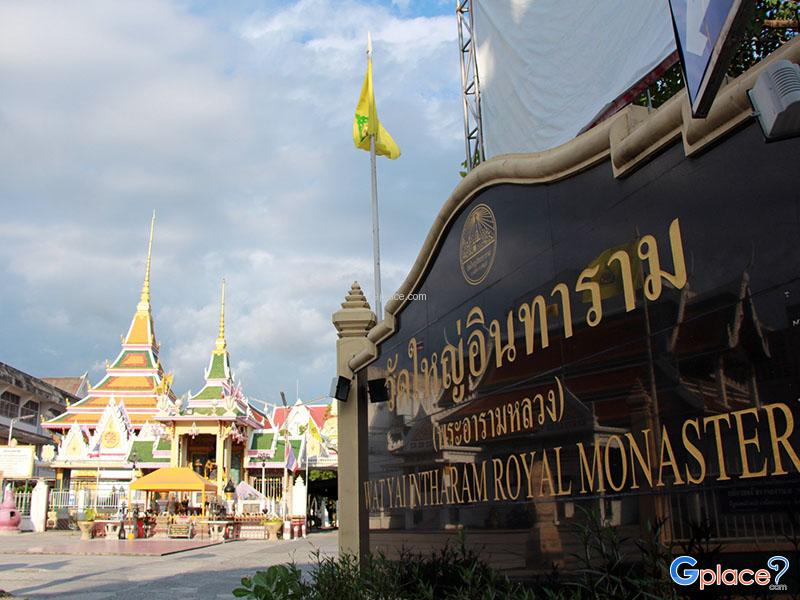

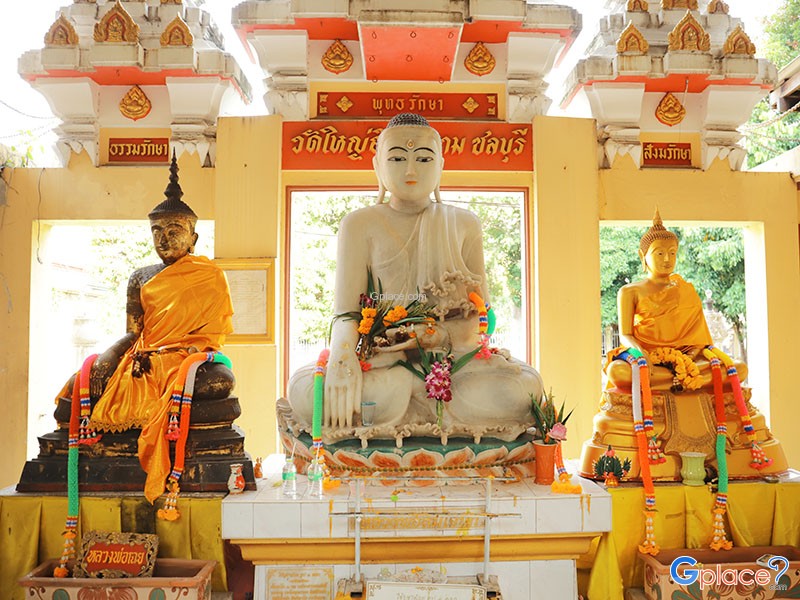
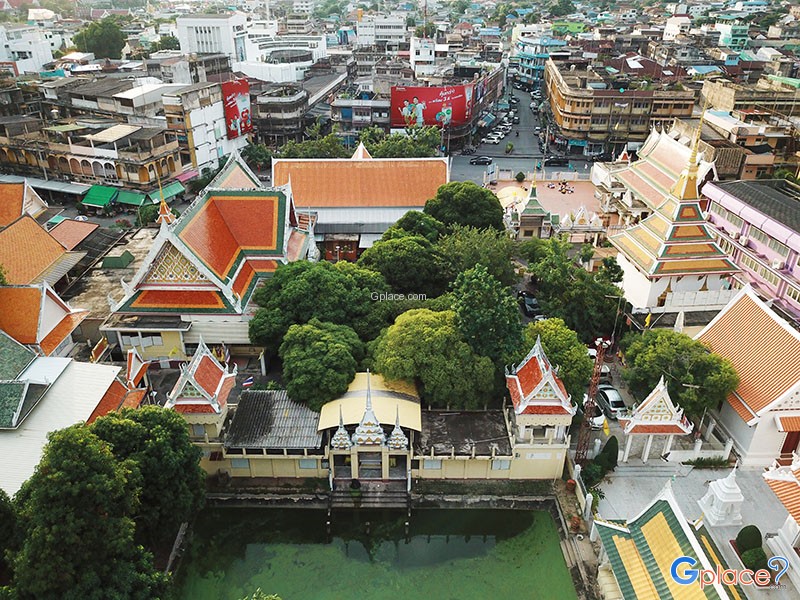
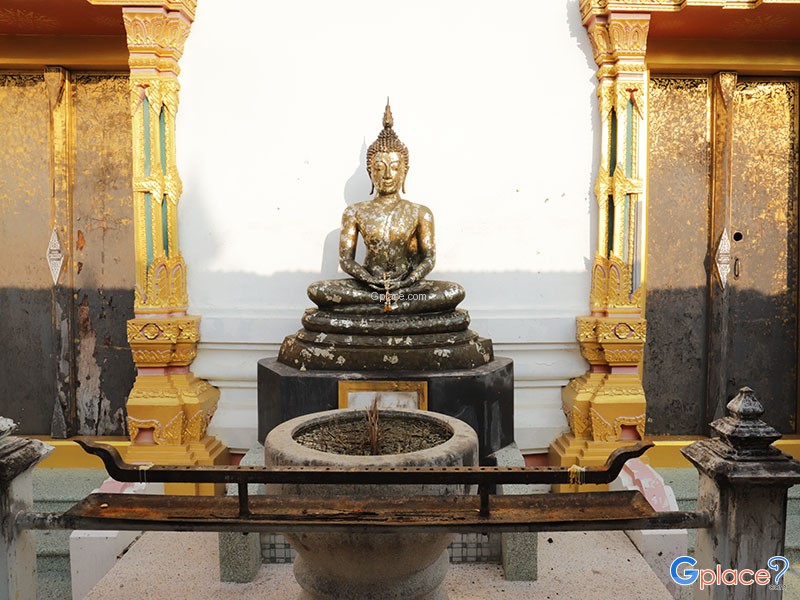
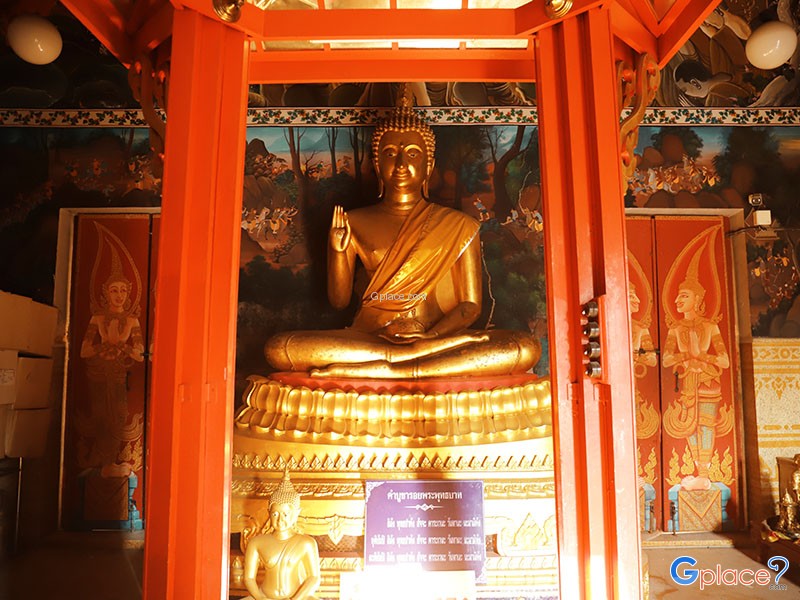
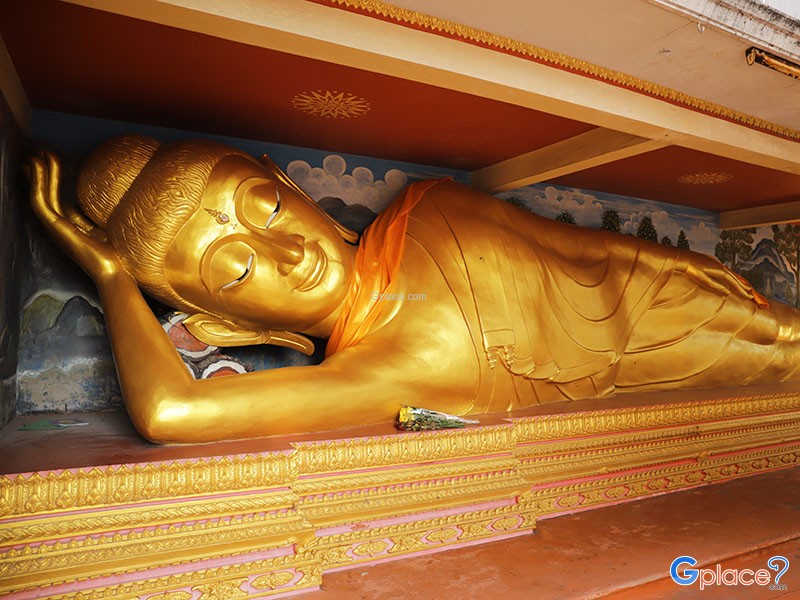
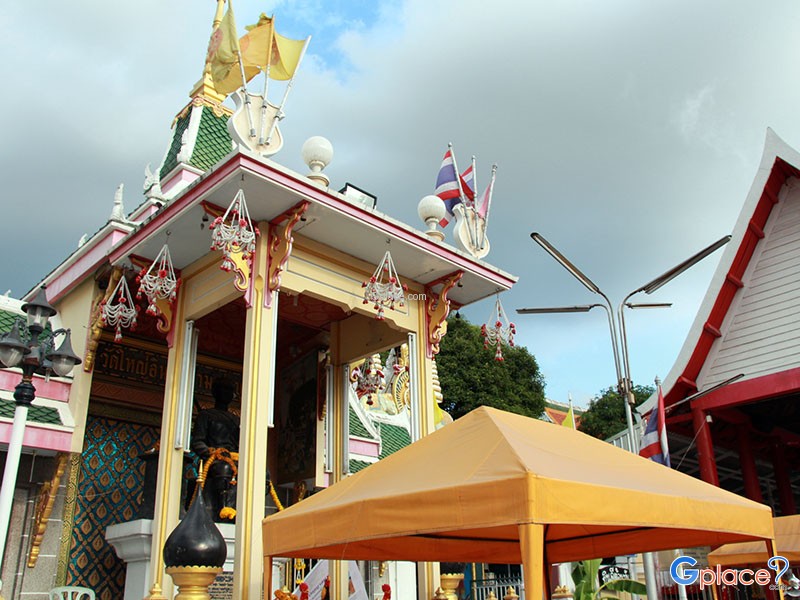
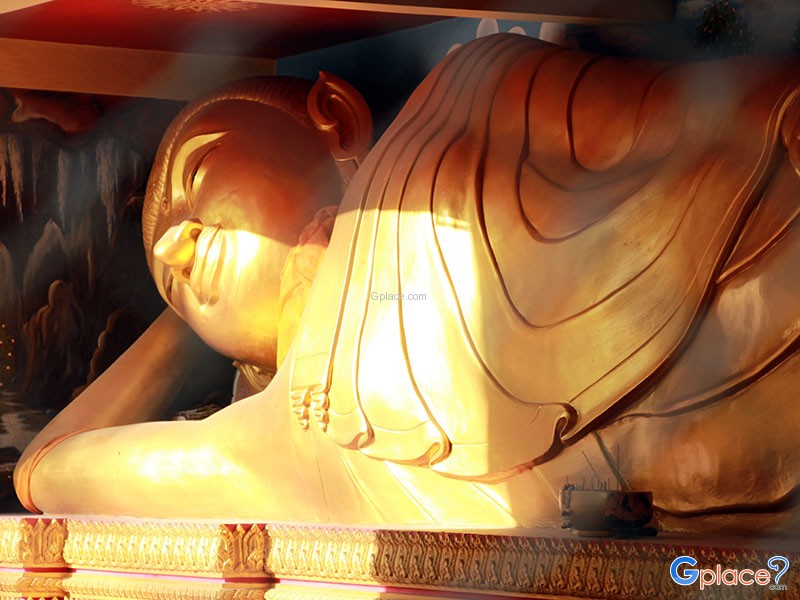
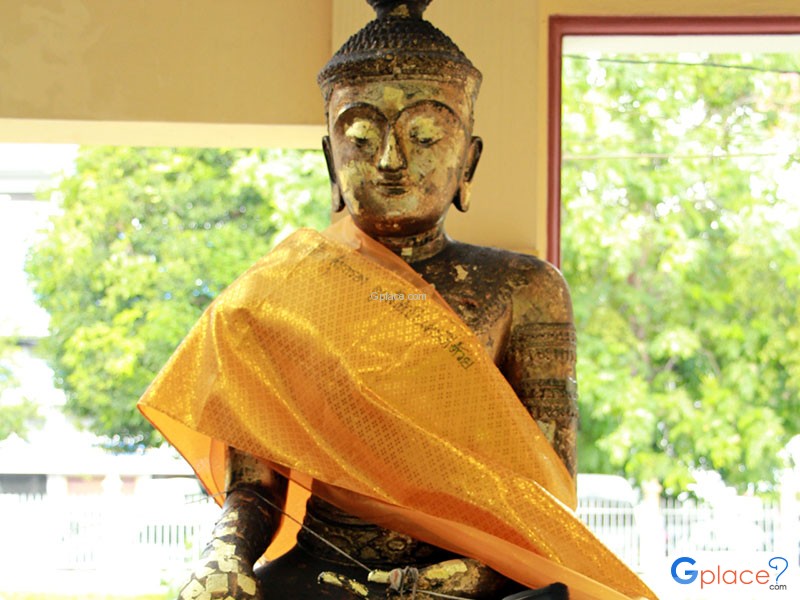
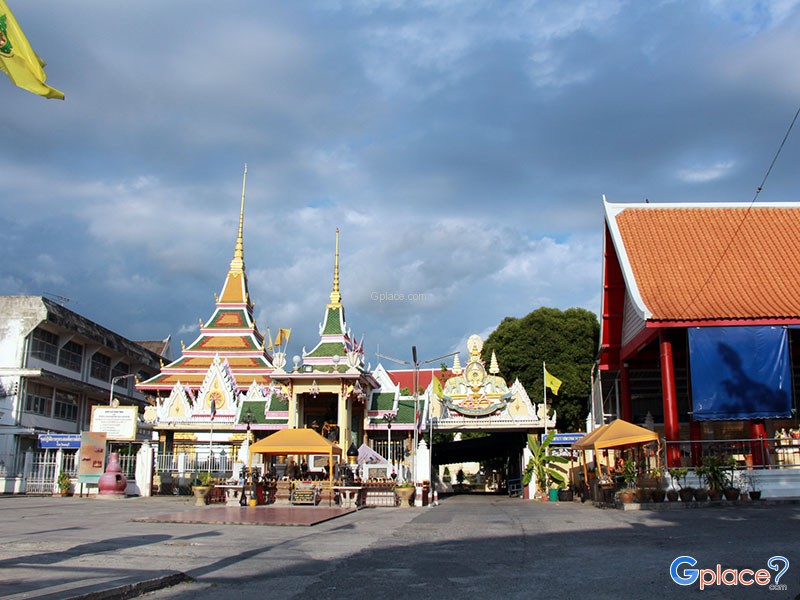
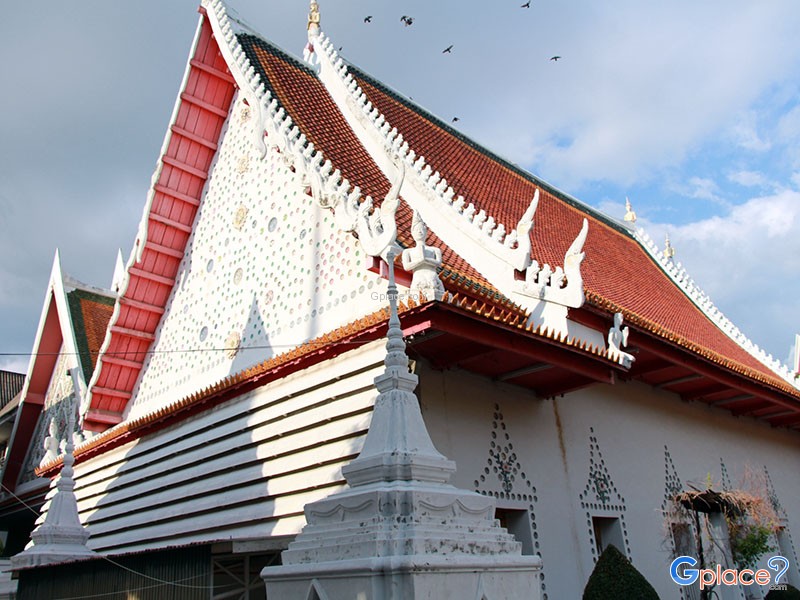
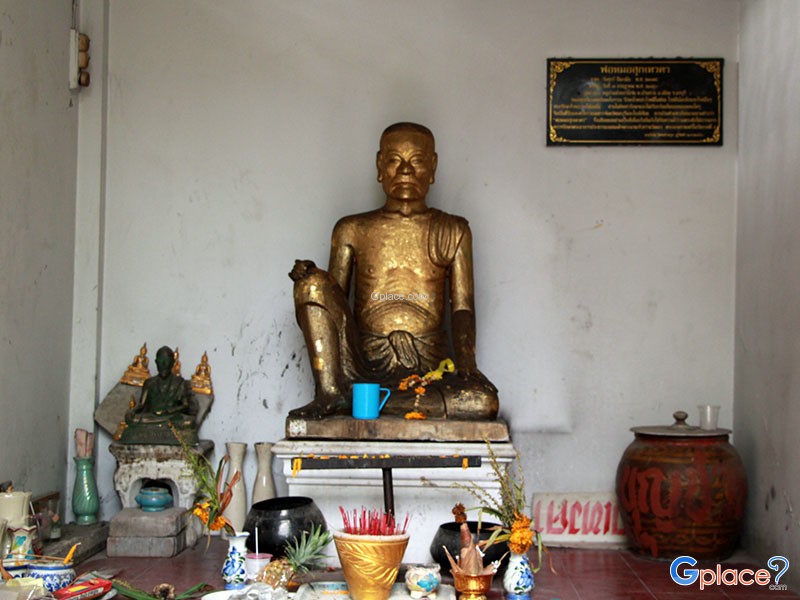
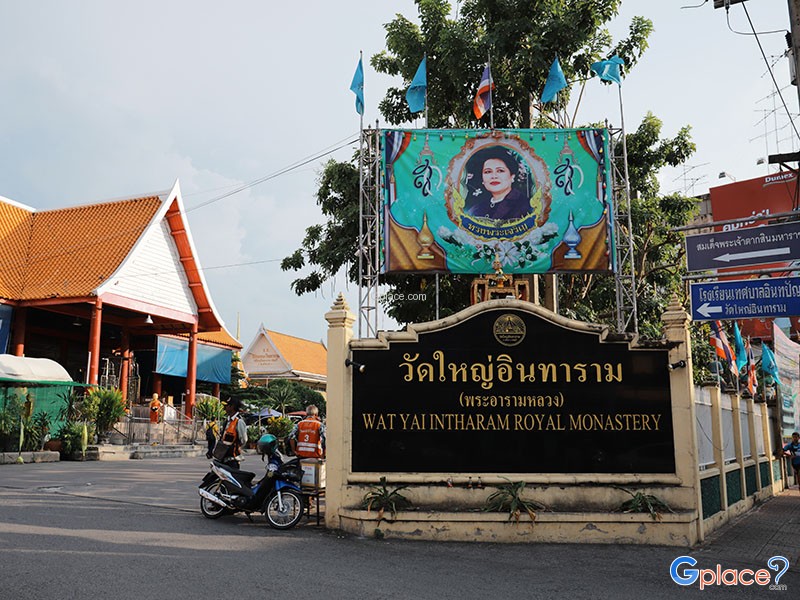
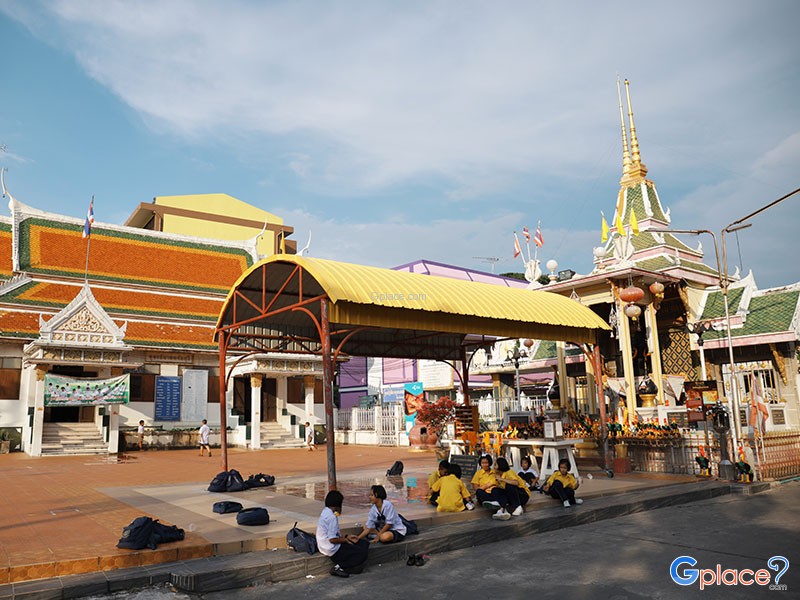
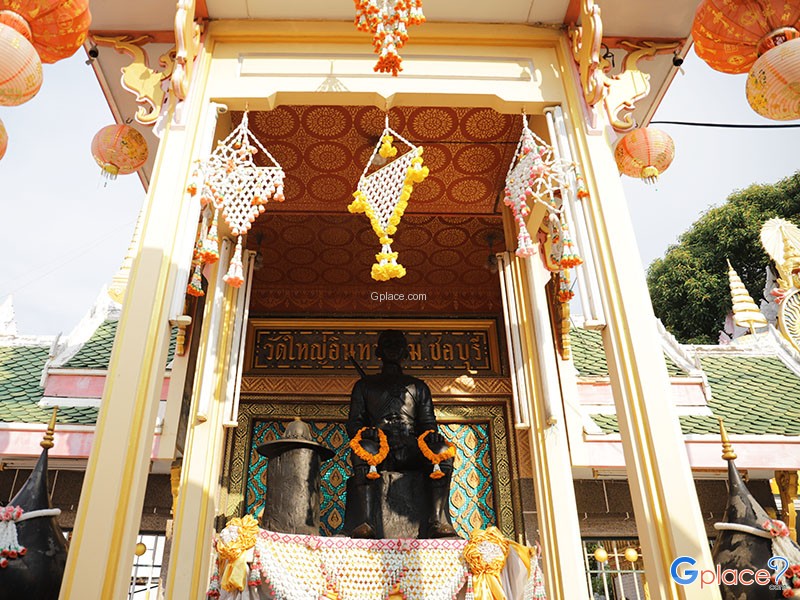
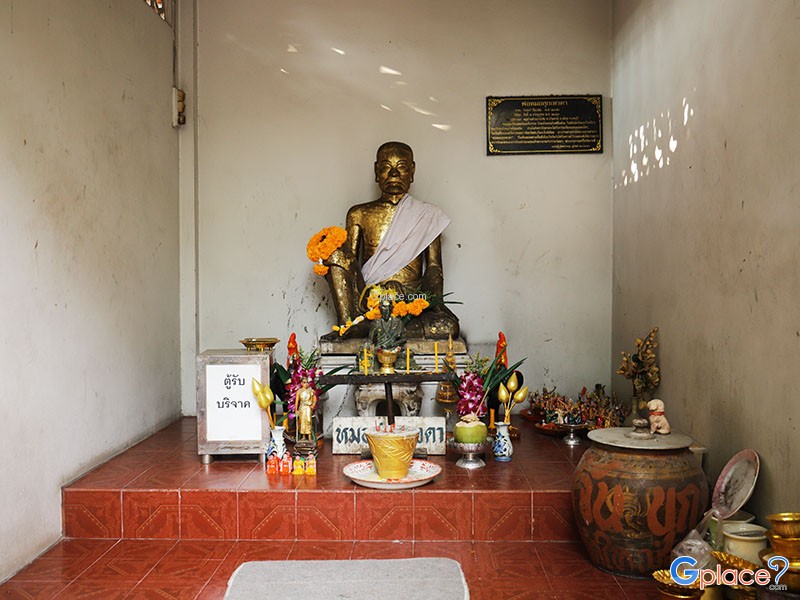
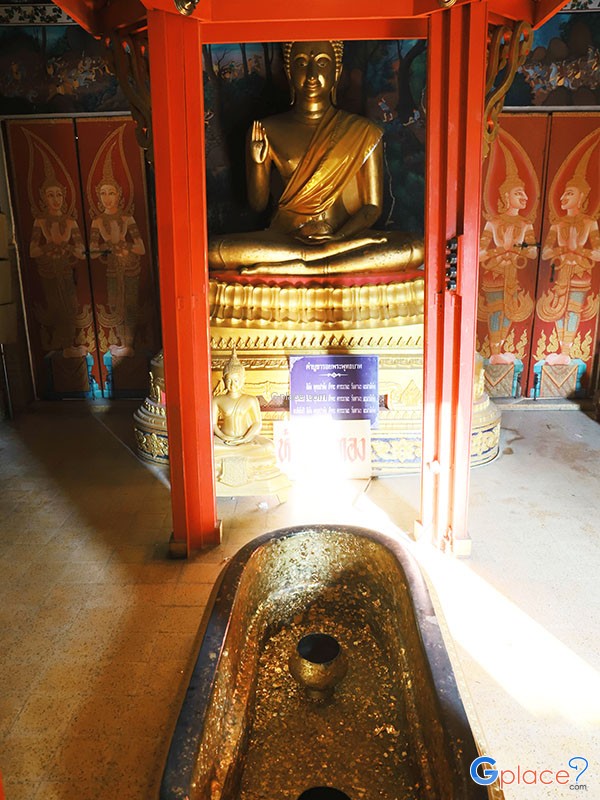
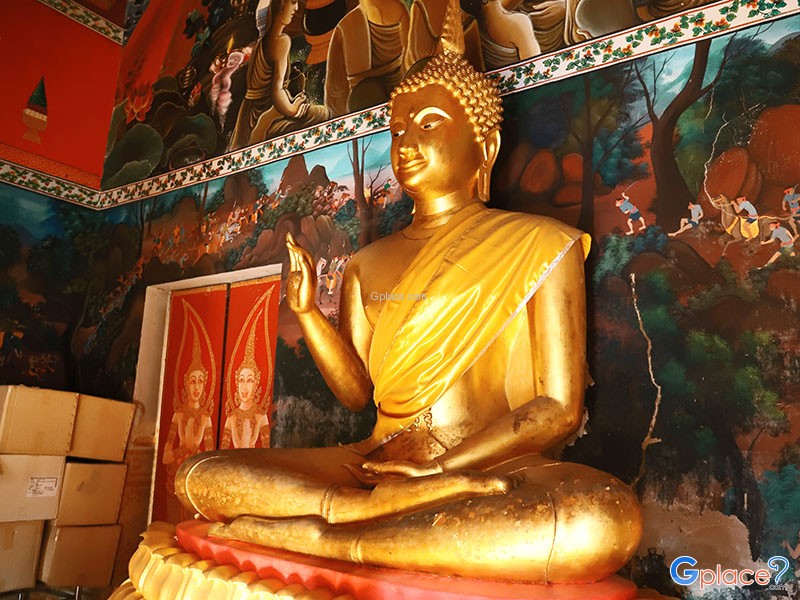
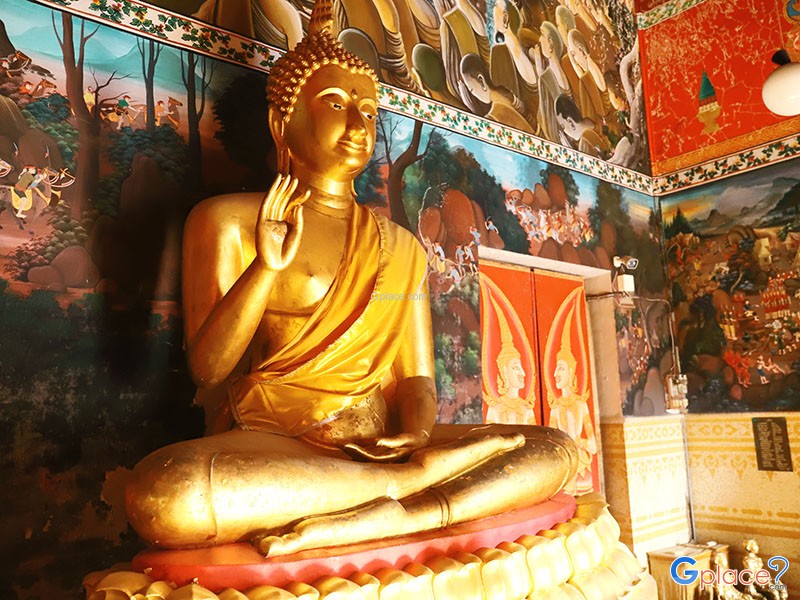
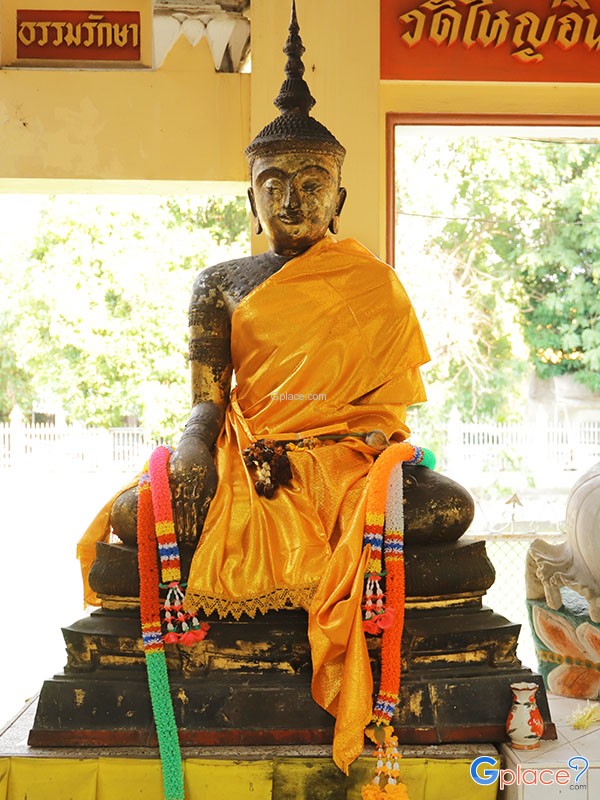
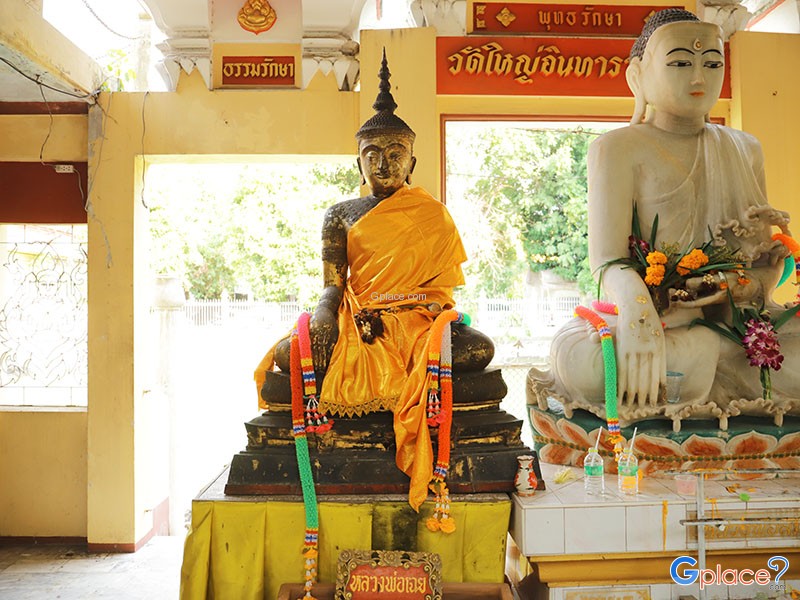
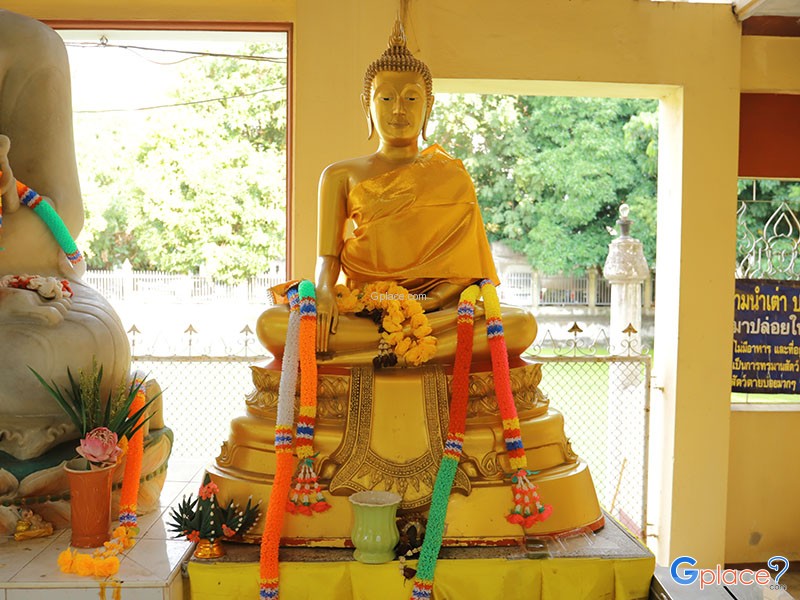
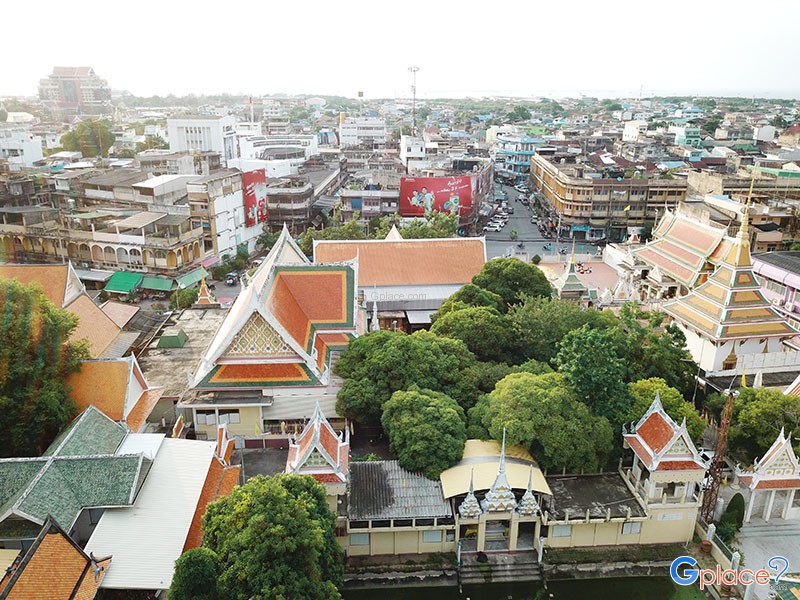
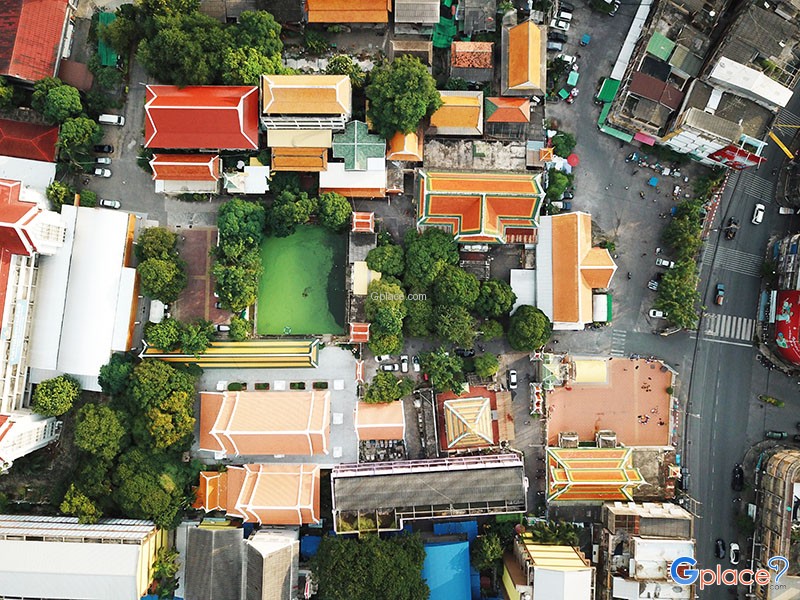
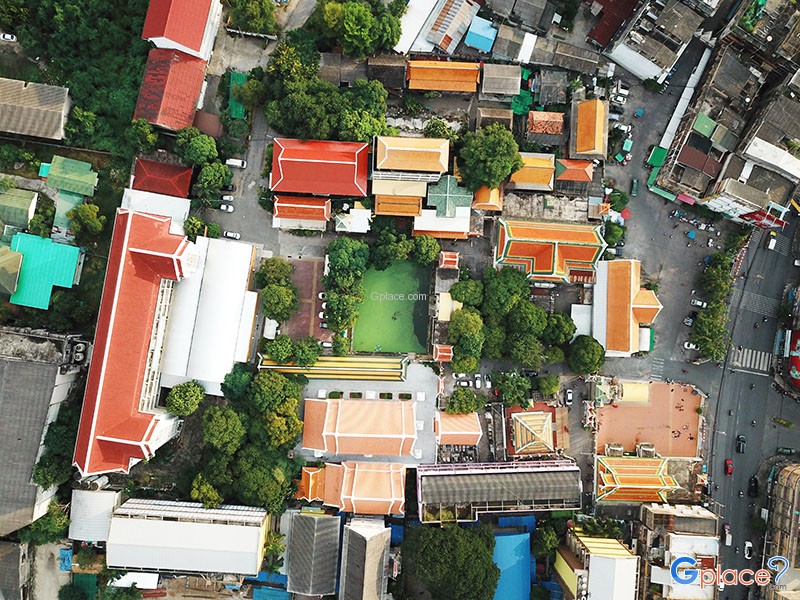
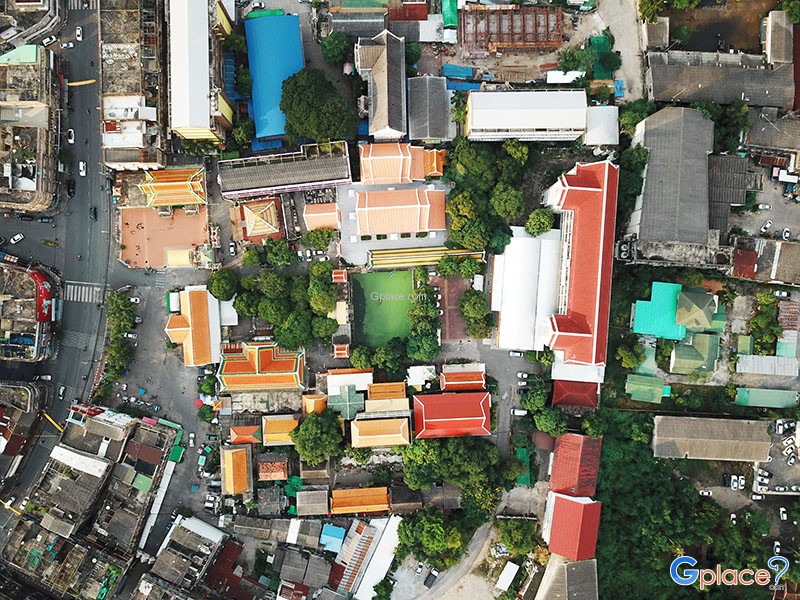
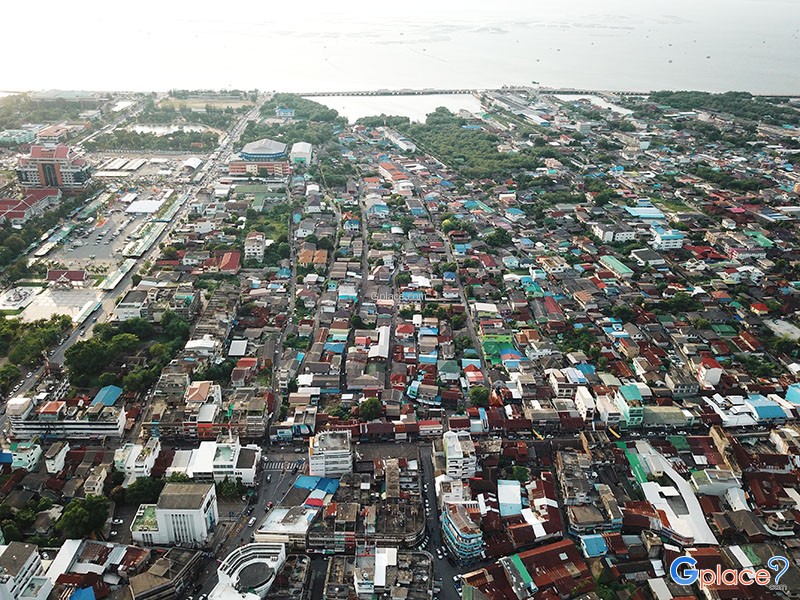
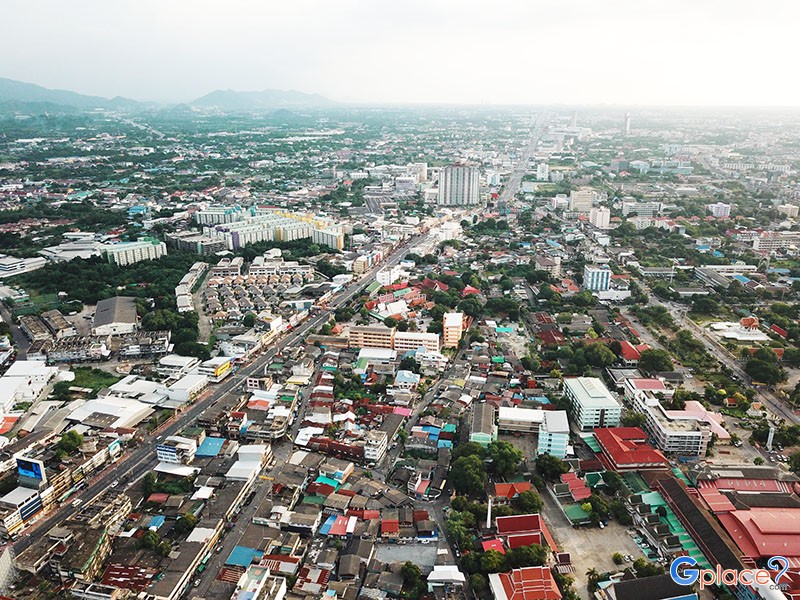
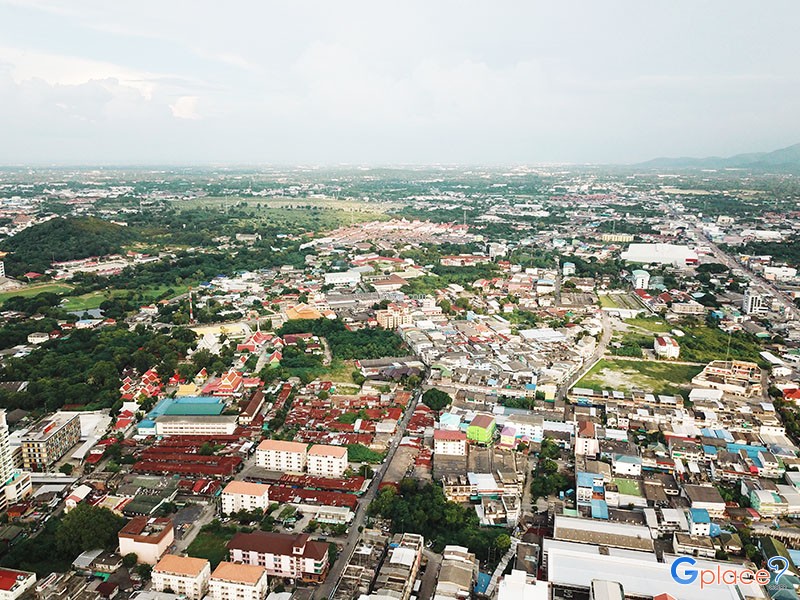
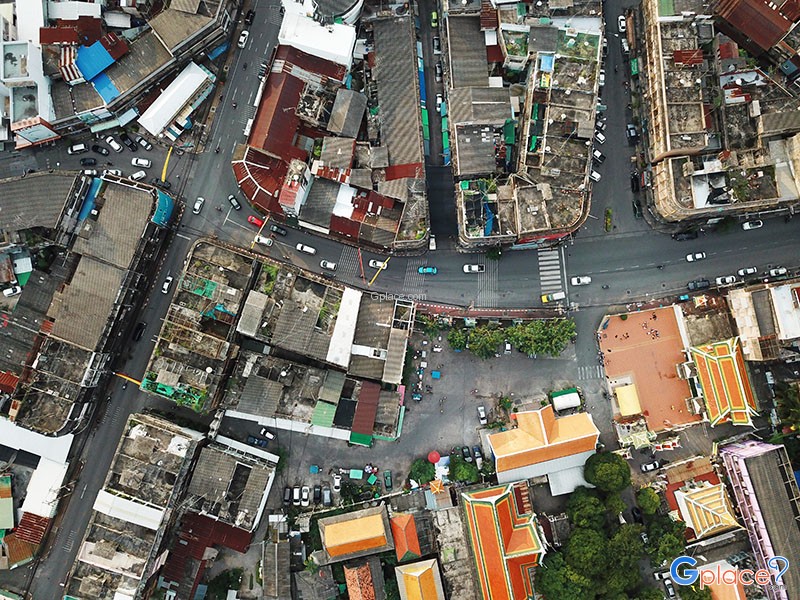
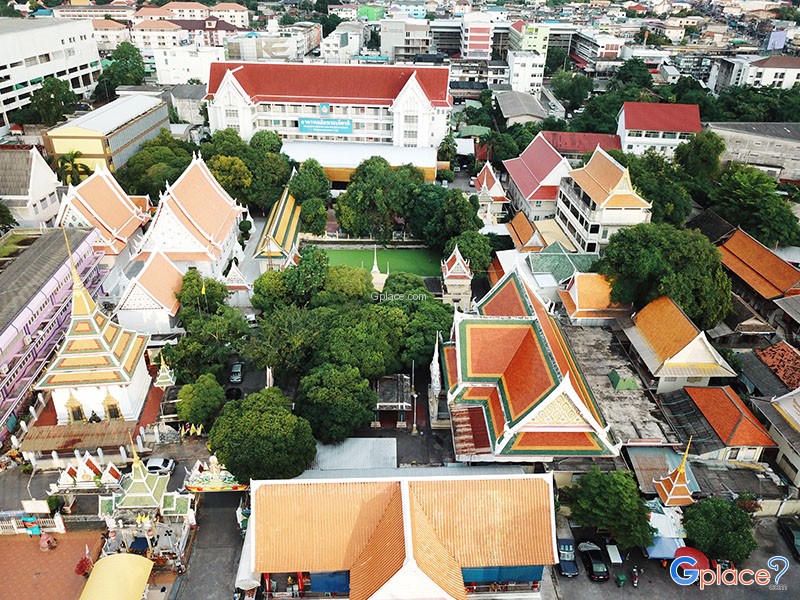
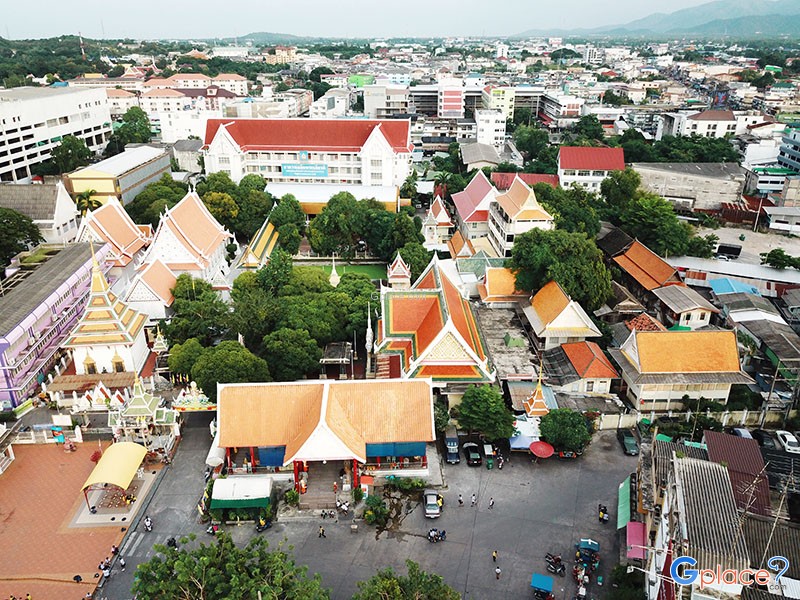
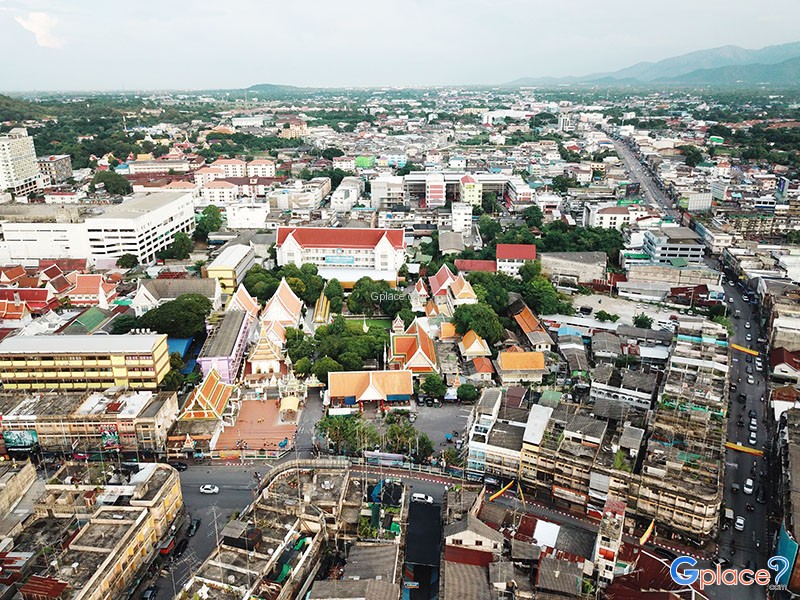
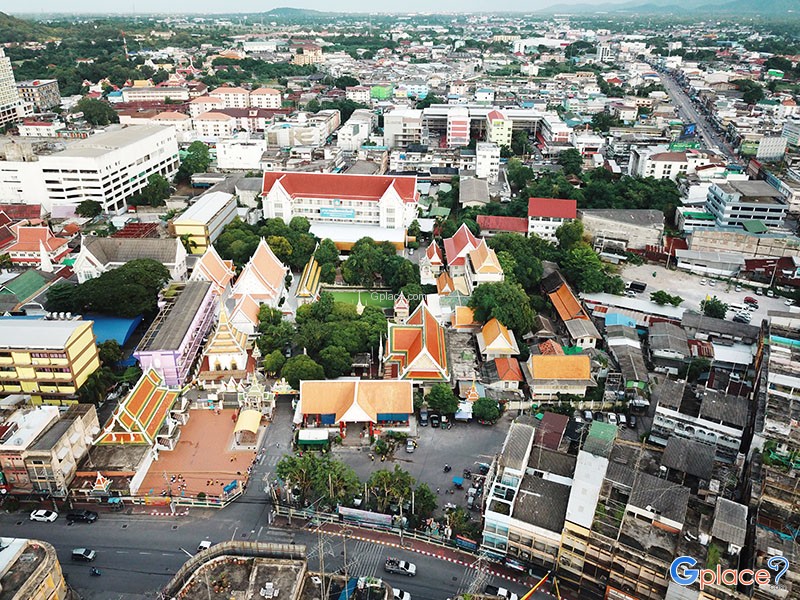
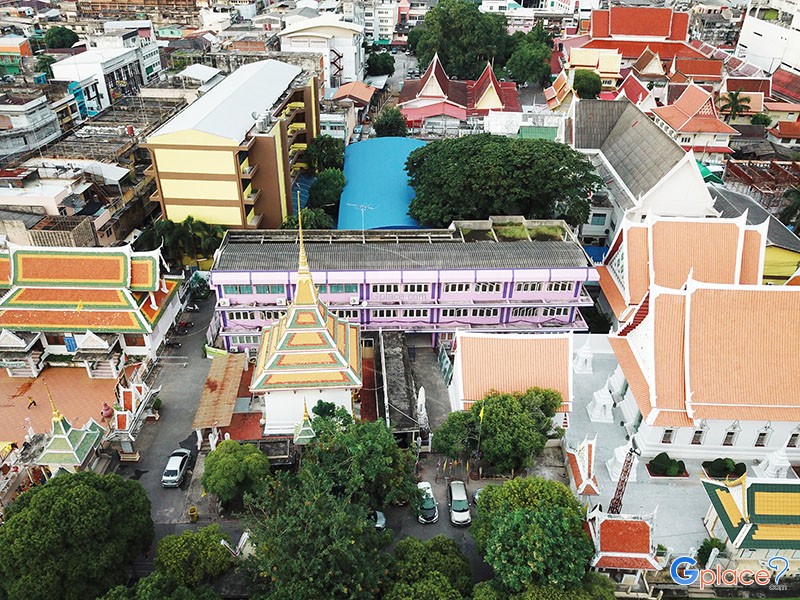
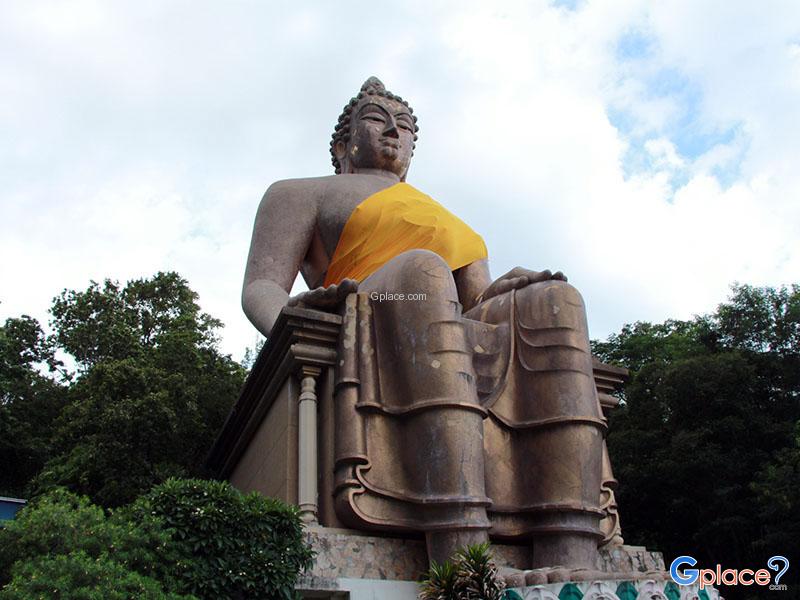
“Marvel at the concave junk-shaped base architecture symbolizing the vessel of Dhamma, pay respects to the sacred Luang Phor To, and discover exquisite Ayutthaya-era murals featuring rare depictions of foreigners and historical figures.”
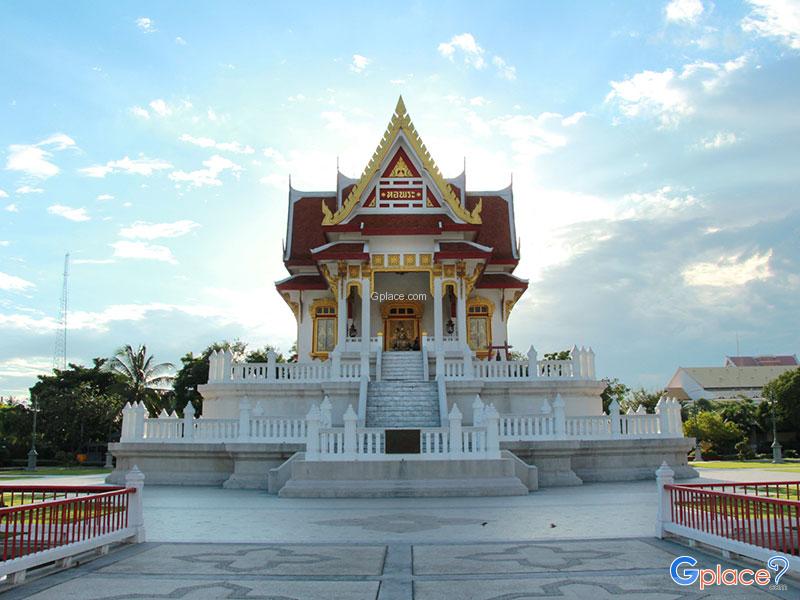
Yai Intharam Temple is a third-class Royal Monastery and a significant historical site mentioned in the Royal Chronicles. It is believed to have been constructed during the late Ayutthaya period (around the reign of King Borommakot). Its peak historical significance lies in its role during the fall of Ayutthaya; King Taksin the Great (then Phraya Wachiraprakan) gathered his troops and resources here in Chon Buri before marching to Chantaburi to reclaim Thailand's independence. A majestic monument dedicated to him stands within the Royal Vihara.
Unique Architectural Structure: The ordination hall (Ubosot) is a prime example of Junk-shaped Architecture (Curved Base), where the base of the walls curves downward in the center a popular style in late Ayutthaya. This design symbolizes the "Dhamma Vessel" that carries sentient beings across the ocean of samsara to Nirvana. The roof structure is notably built without crossbeams (using straight log pillars instead). The pediment is adorned with high-relief stucco featuring floral motifs and celestial beings (Thep Phanom), integrated with Benjarong porcelain and Chinese ceramics evidence of the maritime Silk Road cultural exchange.
Master-class Murals: Inside the Ubosot lies a treasure trove of Thai art. The upper walls feature Thep Chumnum (Assembly of Deities) in four tiers. These are unique for depicting deities and semi-divine beings with foreign facial features (such as Portuguese and Chinese), reflecting Chon Buri's status as a cosmopolitan port city at the time. The walls between the windows tell the stories of the Ten Jataka Tales, particularly the "Vessantara Jataka," rendered with immense precision. The artists used traditional tempera (mineral pigments mixed with glue) with sharp black outlines and genuine gold leaf, creating a shimmering effect that remains vivid despite being centuries old.
Surrounding Historical Complex Beyond the Ubosot, the Teakwood Sala Kan Parian (Preaching Hall) is a rare specimen of traditional Thai timber architecture, featuring exquisite wood carvings on the eaves and brackets. The Royal Vihara houses a large Reclining Buddha. The entire temple layout follows ancient Buddhist Cosmology, with the Ubosot at the center representing Mount Meru, surrounded by the spiritual realm.
Yai Intharam Temple is more than a tourist destination; it is an open-air museum of the Ten Crafts (Chang Sip Mu), including stucco, wood carving, painting, and mother-of-pearl inlay. It serves as an inspiration for artists and historians alike, offering a profound sense of peace through refined Buddhist art.
How to Get There
-
Private Car: Take Sukhumvit Road toward Chon Buri city center. Turn into Chet Chamnong Road (Old Market area). The temple is located opposite the Krung Thai Bank alley.
-
Public Van/Bus: Take a route to Chon Buri city. Get off at Na Keng Market or the Provincial Hall, then take a motorcycle taxi or walk approximately 500 meters.
Travel Tips
-
Best Time to Visit: November to February offers cooler weather. The morning sun around 09:00 AM illuminates the stucco pediment beautifully.
-
Equipment: Bring small binoculars or use a phone zoom lens to observe the intricate details of the upper murals (Thep Chumnum) which are high up the walls.
-
Photography: Do not use flash inside the Ubosot. Flash photography causes chemical damage to ancient mineral pigments, causing them to fade or peel over time.
Admission Fee:
- No Admission Fee
Opening Hours:
-
Daily: 08:00 AM – 05:00 PM
Yai Intharam Temple

 Share
Share
 Bang Pla Soi Subdistrict, Mueang Chon Buri District, Chon Buri
Map
Bang Pla Soi Subdistrict, Mueang Chon Buri District, Chon Buri
Map
 Closed today
Mon8.00 - 17.00
Tue8.00 - 17.00
Wed8.00 - 17.00
Thu8.00 - 17.00
Fri8.00 - 17.00
Sat8.00 - 17.00
Sun8.00 - 17.00



 4179
4179