 Attractions
  Hotel
Hotel  Restaurant
  Shopping
  Abroad





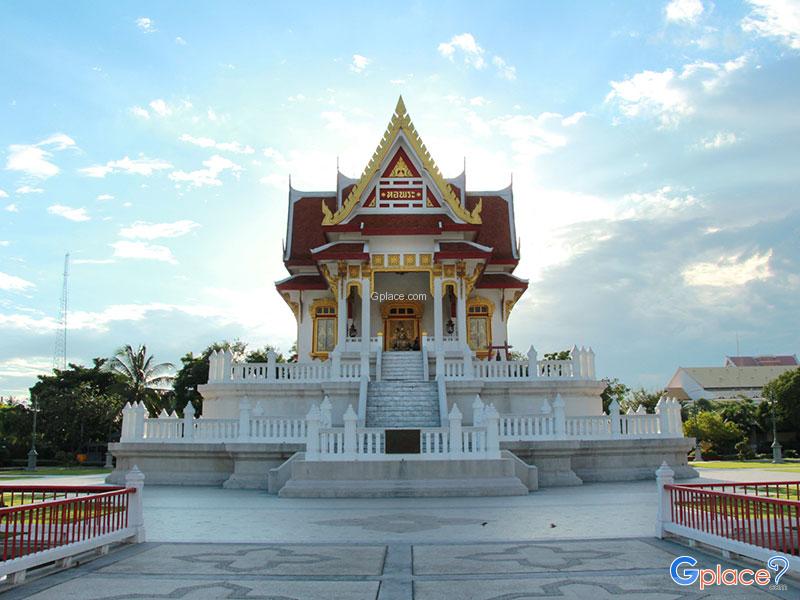


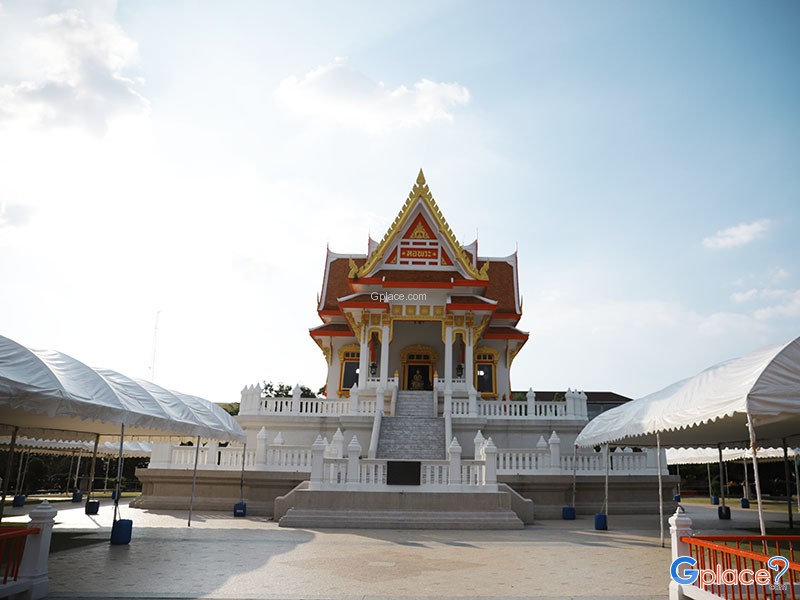
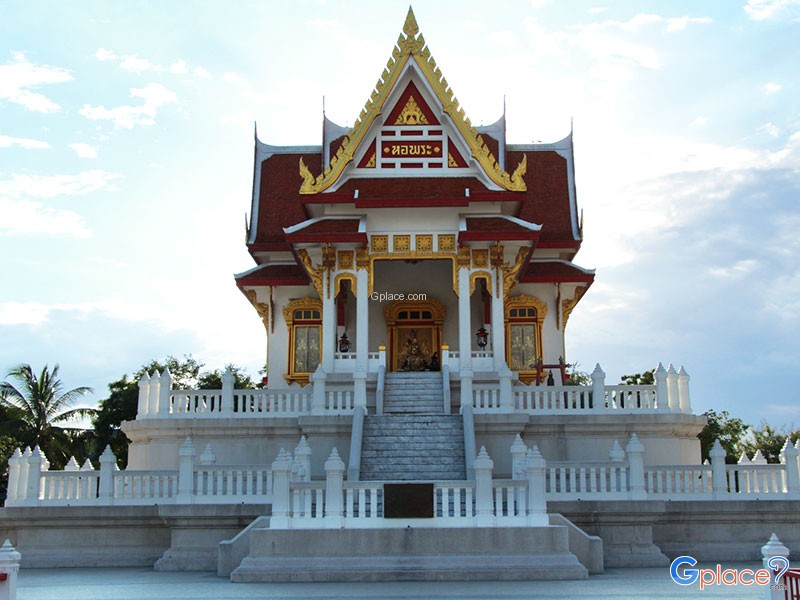

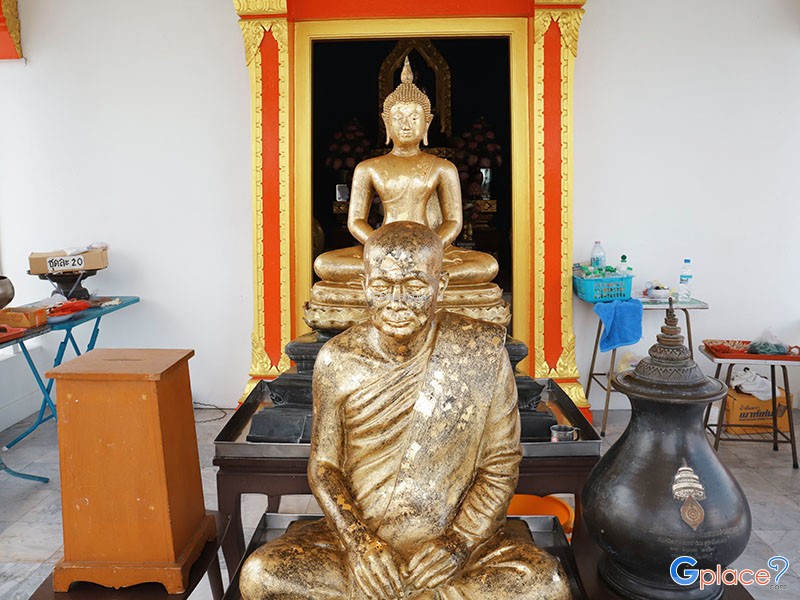
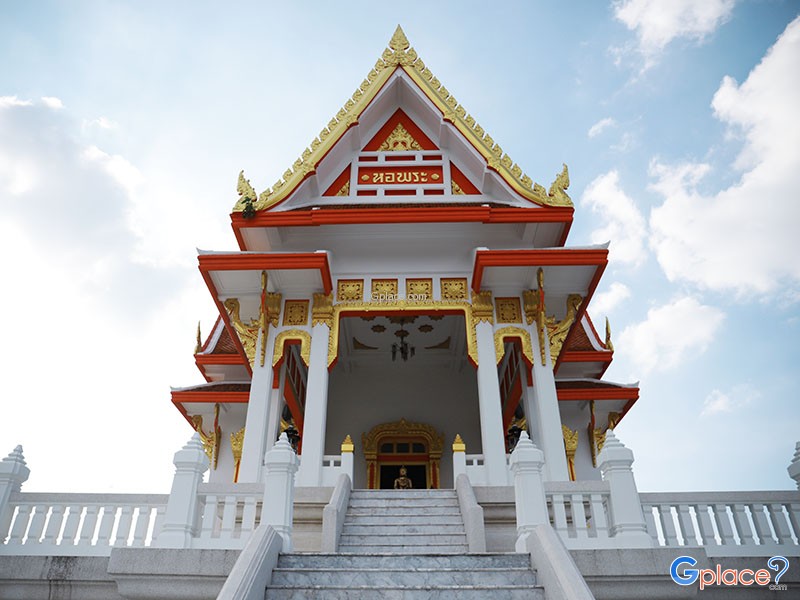
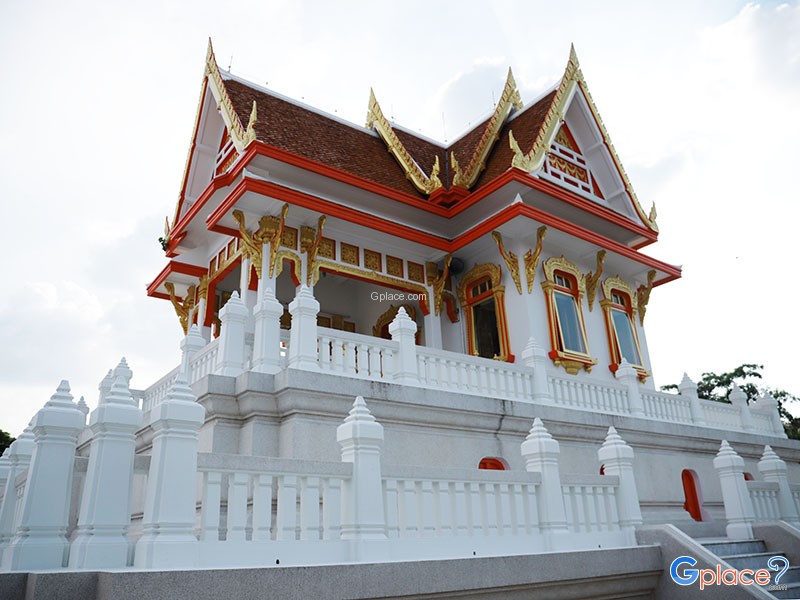
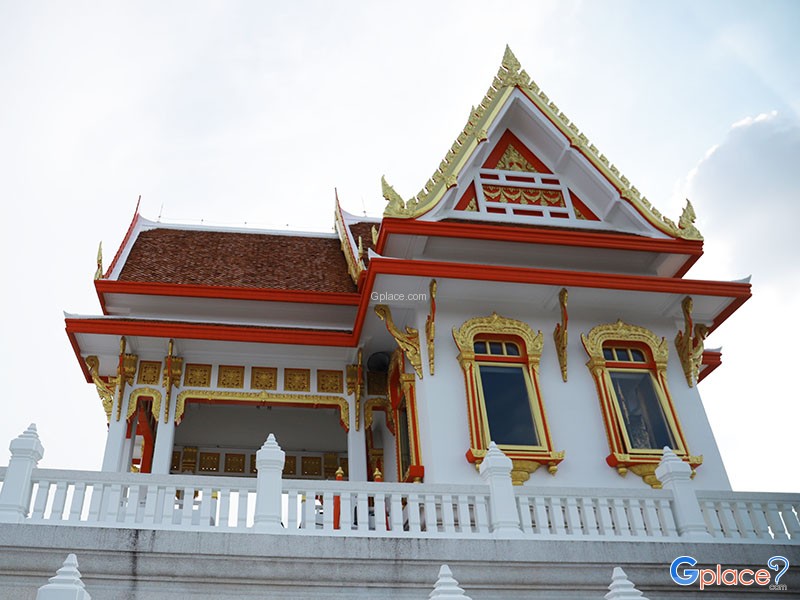
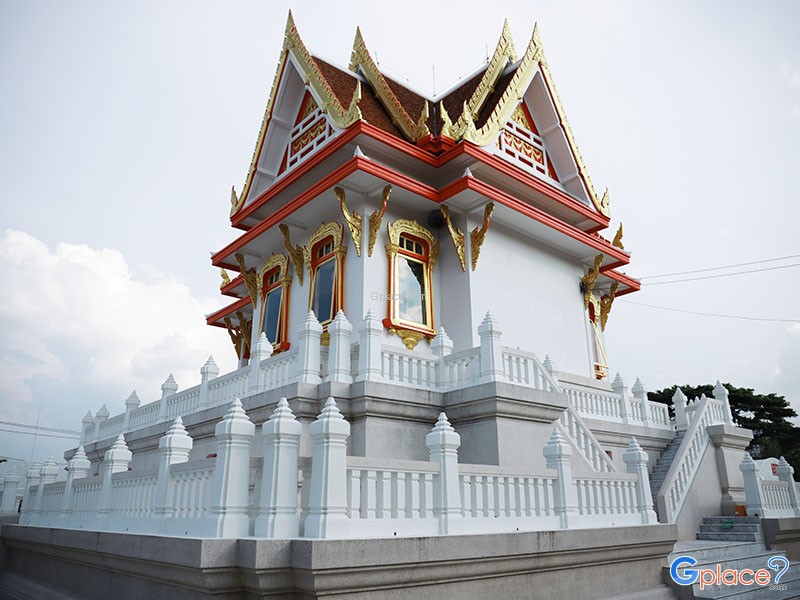
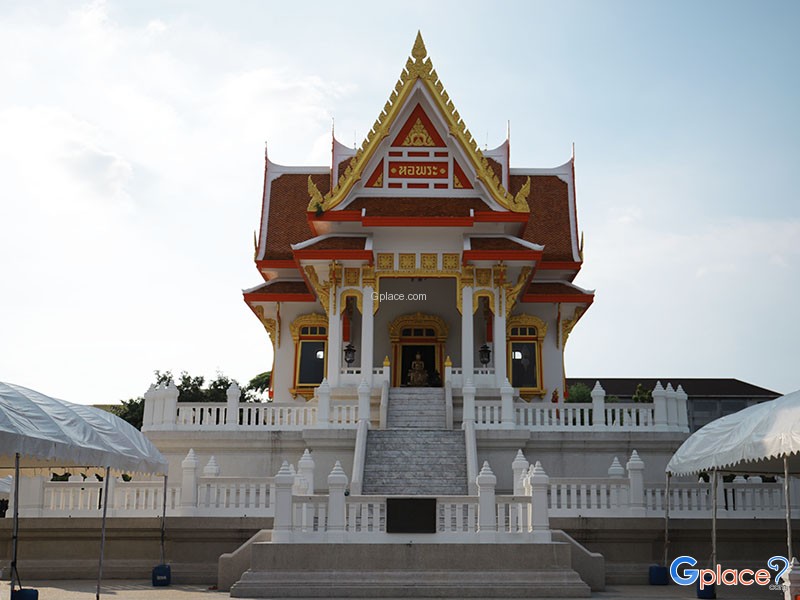
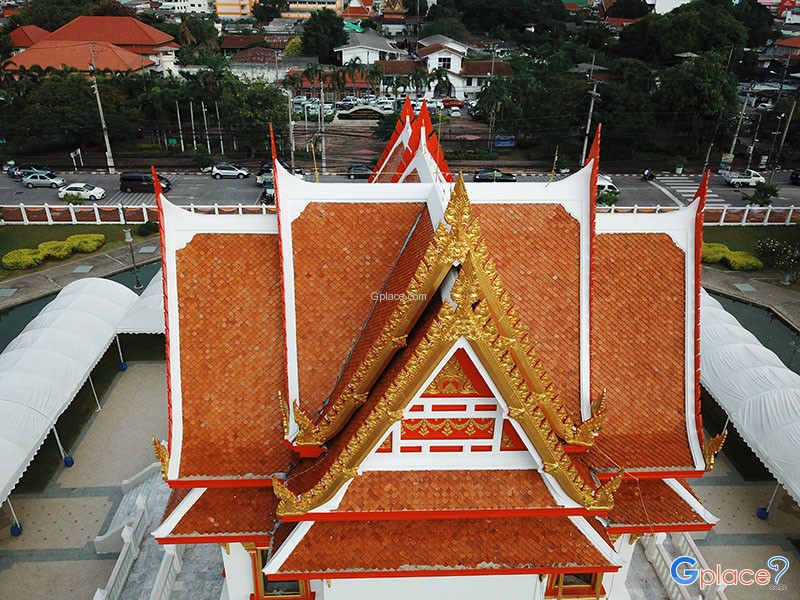
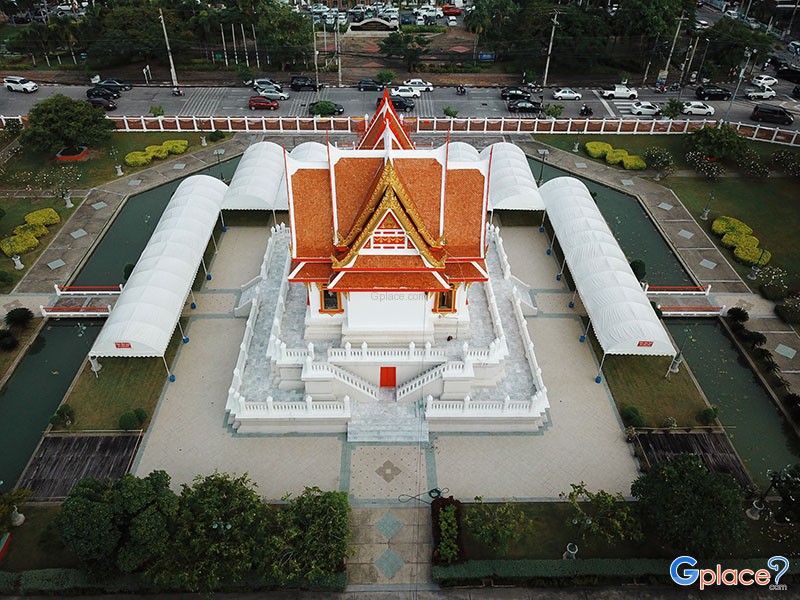
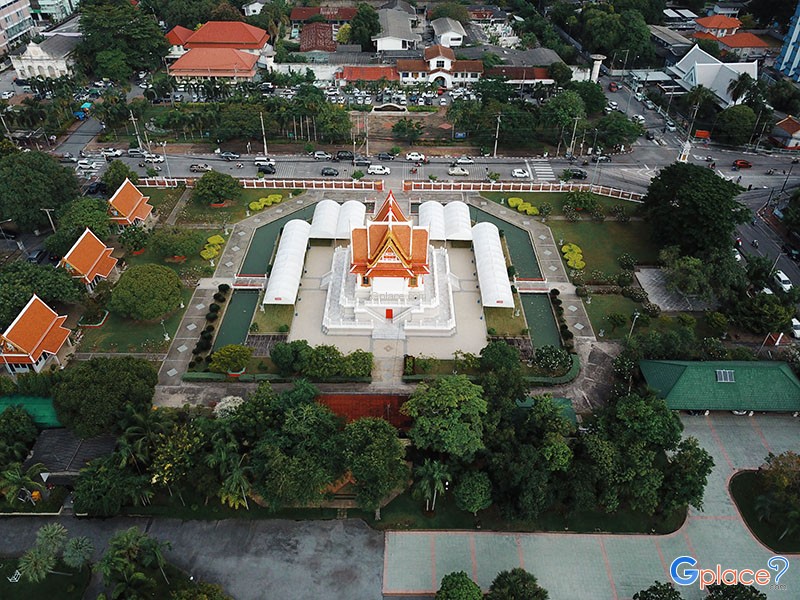
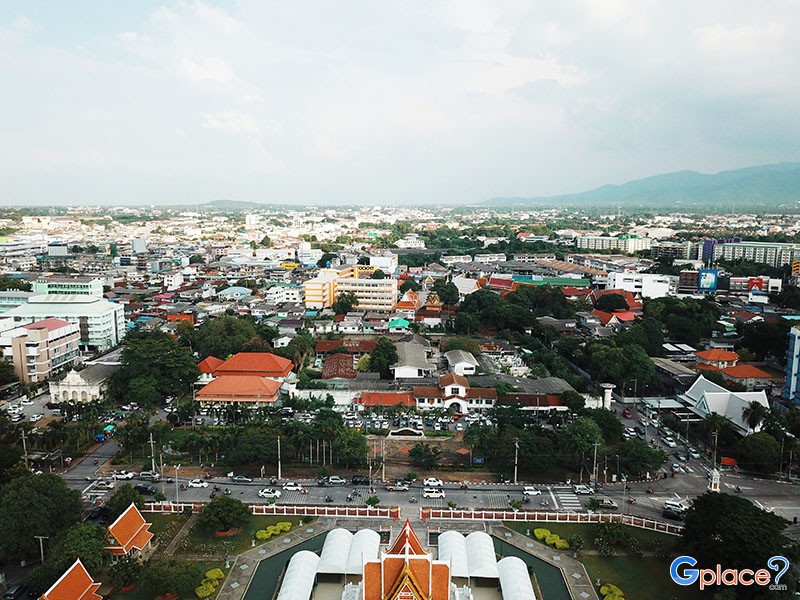

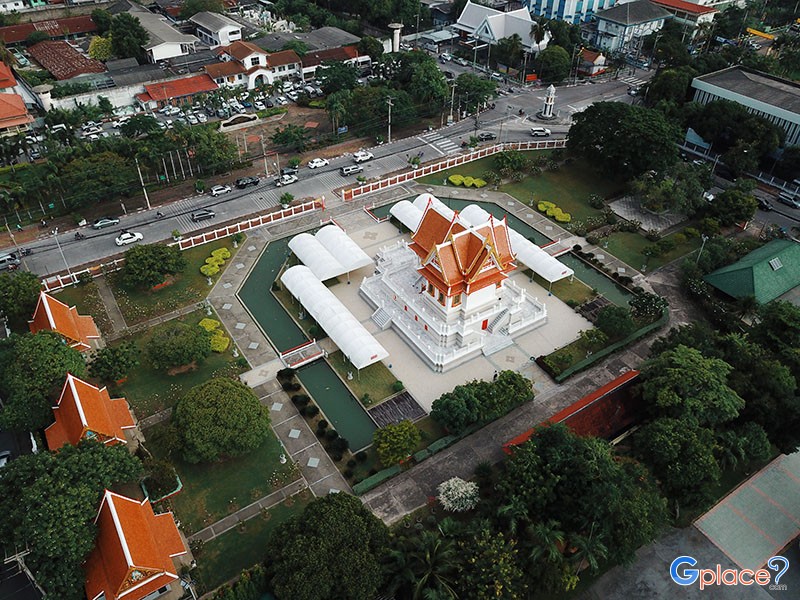
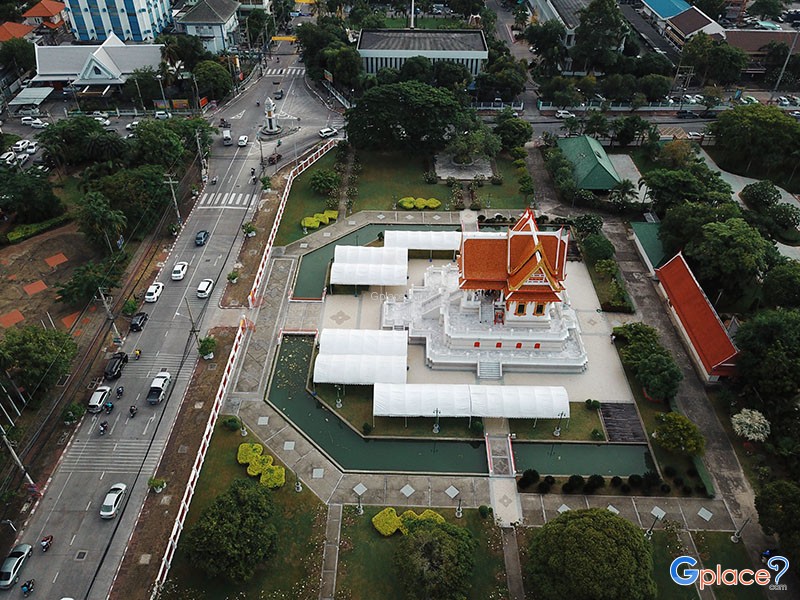
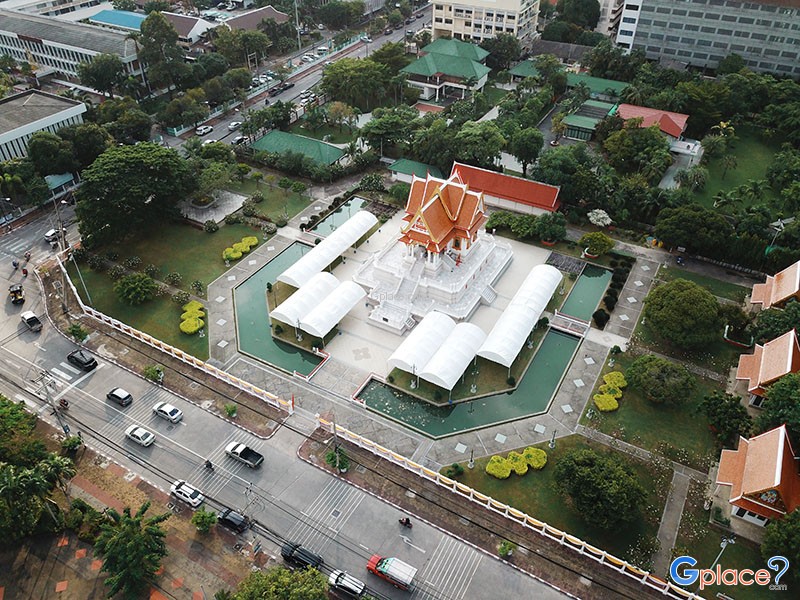
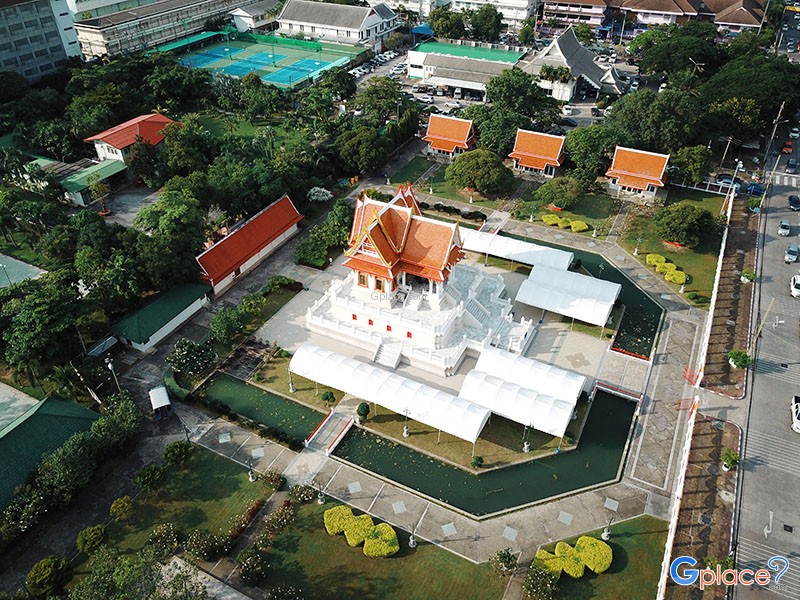
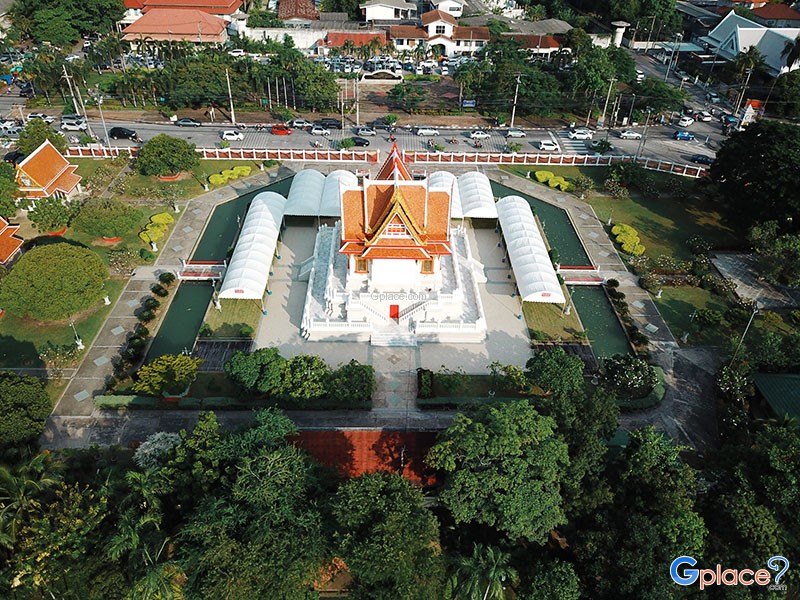
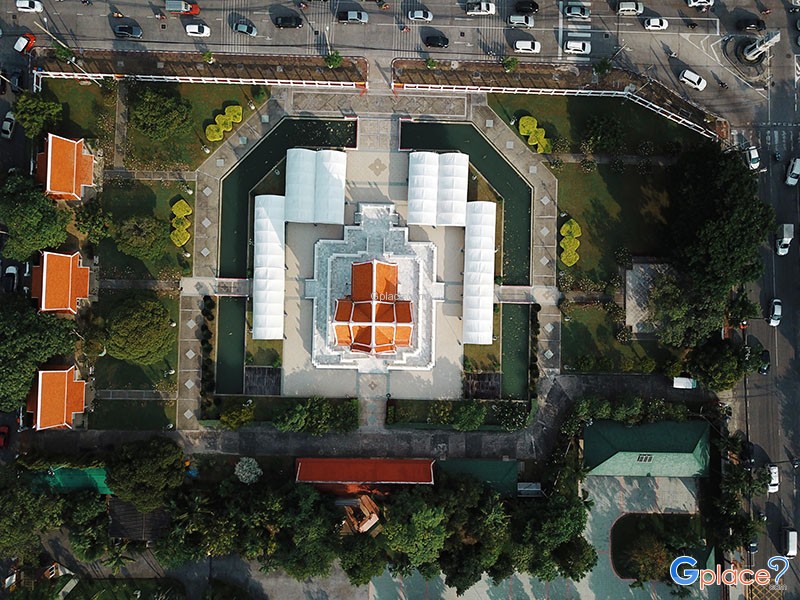
“Marvel at Chonburi’s only pure silver Buddha image, enshrined within a majestic Thai-contemporary pavilion a landmark historically inaugurated by His Majesty King Rama IX.”
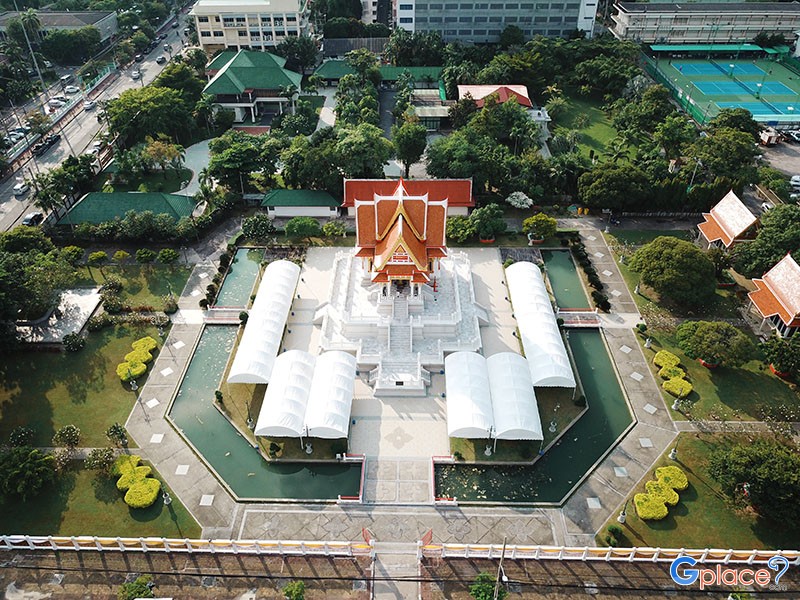
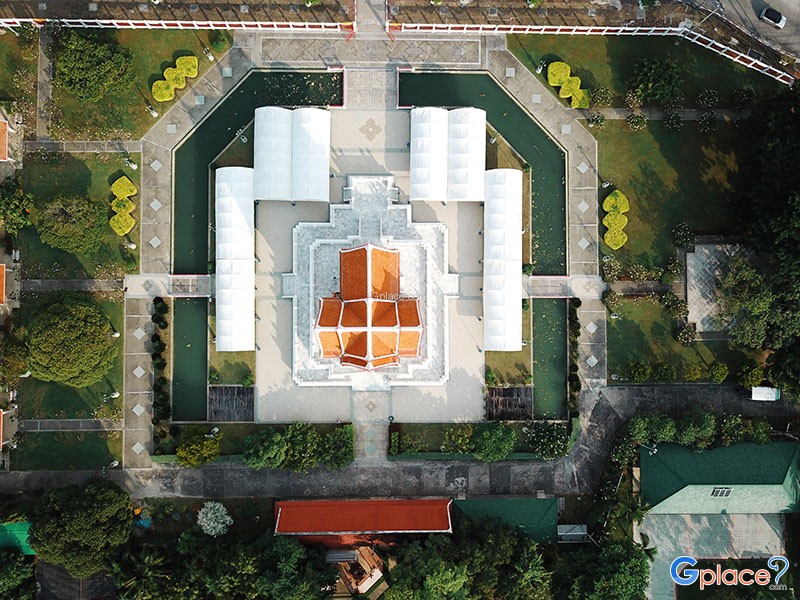
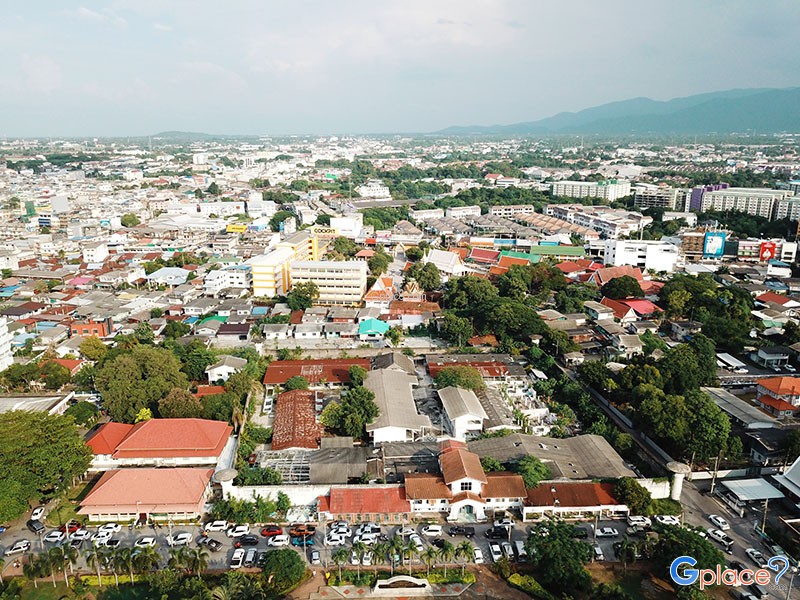
Ho Phra Phuttha Sihing Ming Mongkhon Sirinat is far more than a religious site; it has served as the spiritual center for the people of Chonburi for over six decades. Standing elegantly on Wachira Prakan Road near the Provincial Hall, the building features a Tri-Muk (triple-porch) Thai architectural style. Its design emphasizes airy spaces and graceful lines, perfectly blending traditional craftsmanship with a touch of modern aesthetics. The pavilion was born from the collective faith of the local community with the sole purpose of creating a permanent spiritual landmark for future generations.
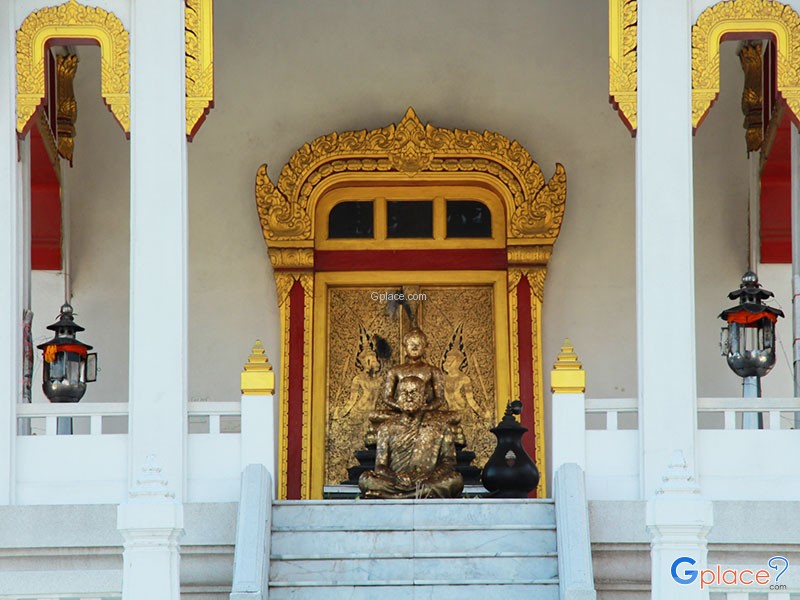
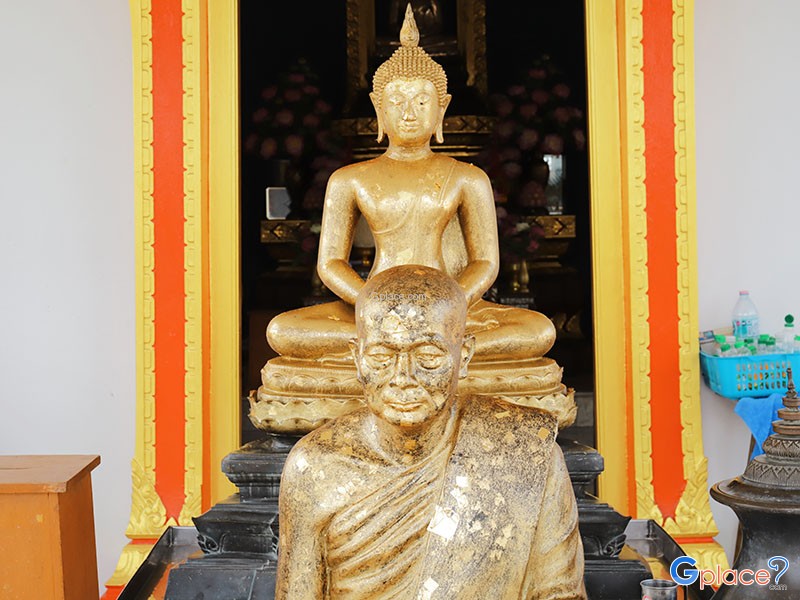
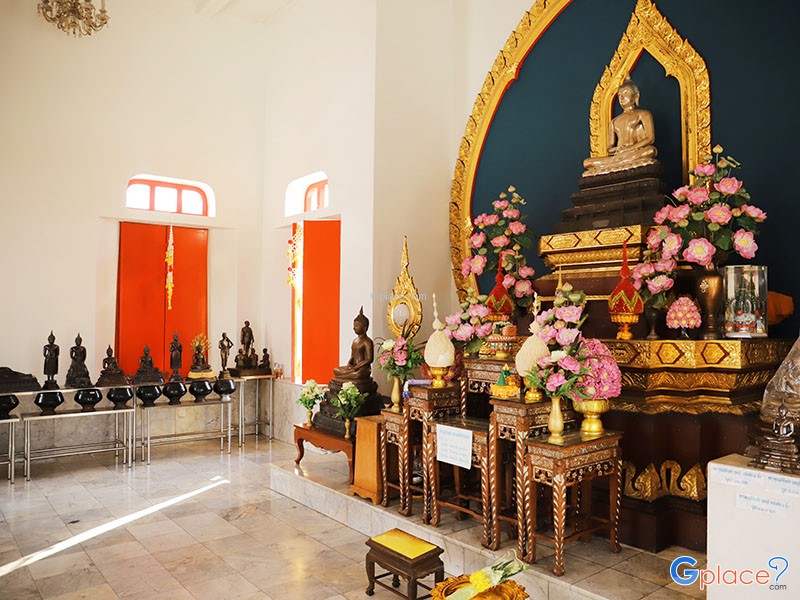
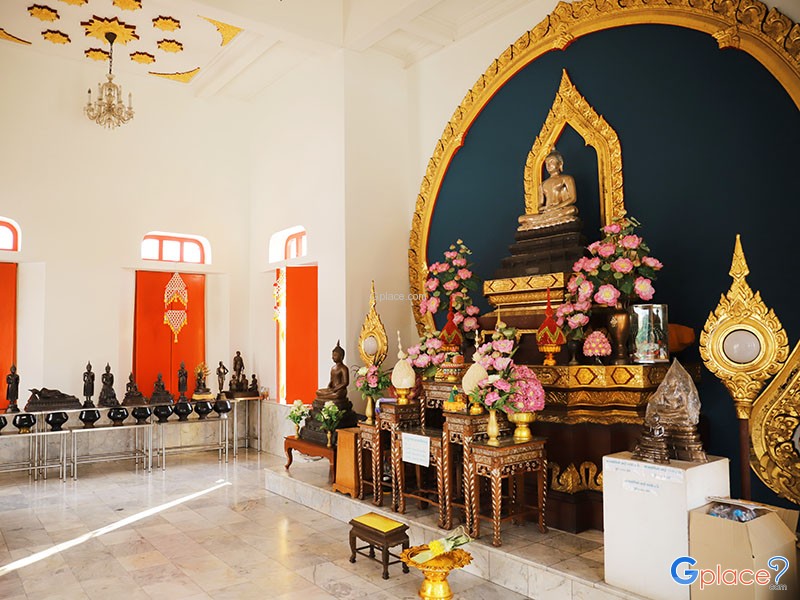
The most significant highlight that cannot be missed is paying respects to the replica of Phra Phuttha Sihing. This statue is extraordinary compared to typical Buddha images because it is entirely cast from pure solid silver. It perfectly replicates the original proportions of the Phra Phuttha Sihing enshrined at the Phutthaisawan Chapel (National Museum, Bangkok), with a lap width_ of 66 centimeters and a height_ of 91 centimeters. The sacred silver-casting ceremony took place on April 18, 1960. Historically, this event serves as a landmark of faith, representing the unity of Chonburi citizens who together created this official provincial Buddha image.
A Sanctuary of Serenity The interior of the pavilion is designed to offer a state of absolute peace. Despite its location in the heart of a bustling commercial district, once you step inside the vihara (sanctuary), you will feel an immediate coolness from the marble floors and high ceilings that provide excellent ventilation. Inside, there are intricate murals depicting the life of Buddha alongside detailed portrayals of local Chonburi traditions. Additionally, the surrounding area is adorned with significant trees, such as the Bodh Gaya Bodhi tree, grown from a sapling of the original Sri Maha Bodhi tree. This was presented by the Indian Ambassador during King Rama IX's royal visit to officially open the pavilion in 1966, infusing the site with a tangible aura of sanctity and history.
Experience for Every Traveler For Architectural Photographers, you will enjoy capturing the exquisite details of the hand-carved gables and the perfect symmetrical composition of the "Tri-Muk" (triple-porch) building. For spiritual seekers and Buddhist practitioners, it is a popular place to pray for safety, protection, and prosperity. This devotion is most vibrant during the Songkran Festival, when the silver Buddha is ceremoniously paraded around Chonburi city for the public to participate in a ritual water-cleansing ceremony a tradition deeply upheld by the community.
More Than Just a Stopover This pavilion is not merely a place to stop and pray; it is a journey to learn about the identity of the Chonburi people through the finesse of Thai craftsmanship and the power of faith. If you have the chance to visit Chonburi city, spending a few quiet moments here will recharge your spirit and allow you to see a deeper, more profound side of Chonburi province.
How to Get There
-
By Private Car: From Bangkok, take Sukhumvit Road toward Chonburi city center. Turn onto Wachira Prakan Road; the pavilion is prominently located next to the Chonburi Municipality Office and near the Provincial Hall.
-
By Public Transport: Take a van or bus (Bangkok-Chonburi route) and get off at the Chalerm Thai Department Store. From there, take a red "Songthaew" (local pickup truck) on the "Rob Mueang" (city loop) route, which stops directly in front of the pavilion.
-
On Foot: If staying in the old town area, it is a pleasant walk from the Provincial Hall or the Bang Pla Soi market district.
Travel Tips
- Pair your visit with a trip to the Bang Pla Soi Old Market nearby to sample local delicacies like Khao Haeng (dried rice porridge) or Jaeng Lon (grilled fish cake skewers) for a true taste of Chonburi.
- Photography is allowed as usual, but please be careful not to use tripods inside the building if it is crowded, and please refrain from using flash to maintain the peace of the place.
- Please dress appropriately as this is a sacred place.
Admission Fee:
- Free of charge
Opening Hours:
- Open Daily: 08:00 AM – 04:30 PM.
The Silver Buddha Pavilion Ho Phra Phuttha Sihing

 Share
Share
 Wachira Prakan Road, Bang Pla Soi Subdistrict, Mueang Chonburi District, Chonburi
Map
Wachira Prakan Road, Bang Pla Soi Subdistrict, Mueang Chonburi District, Chonburi
Map
 Closed today
Mon8.00 - 16.30
Tue8.00 - 16.30
Wed8.00 - 16.30
Thu8.00 - 16.30
Fri8.00 - 16.30
Sat8.00 - 16.30
Sun8.00 - 16.30



 4874
4874