 Attractions
  Hotel
Hotel  Restaurant
  Shopping
  Abroad





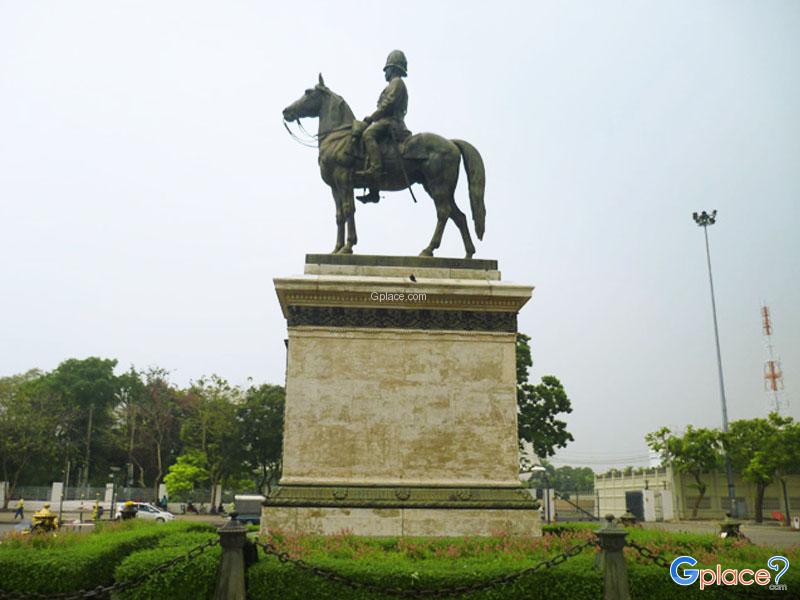

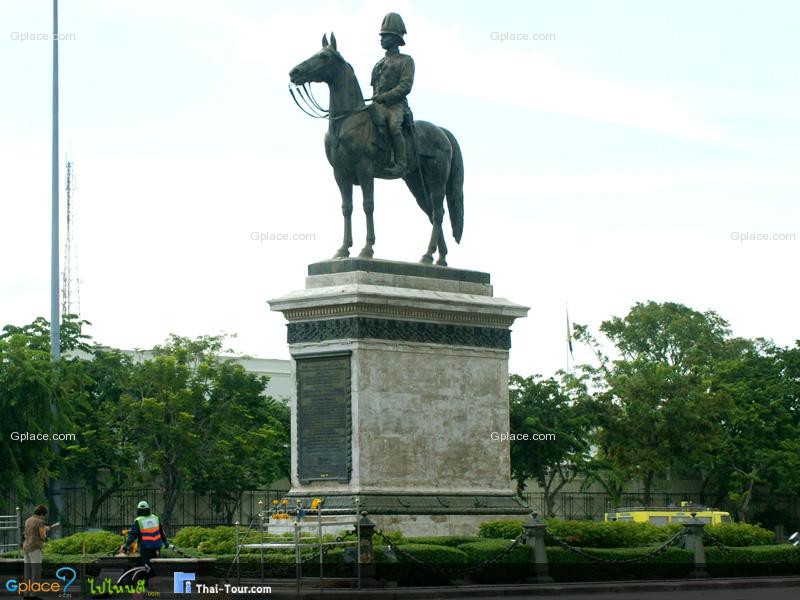
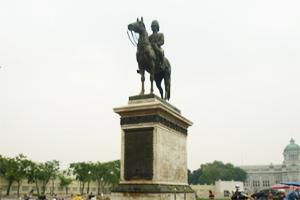
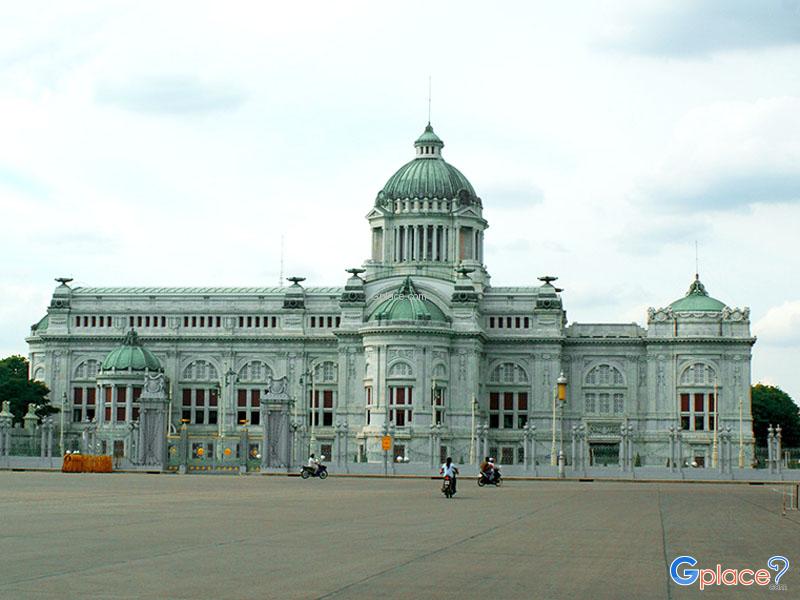
“Behold the grandeur of the bronze statue cast in France, standing proudly before the Ananta Samakhom Throne Hall amidst some of the most stunning Neo-Classical architecture in Asia.”
The Equestrian Statue of King Chulalongkorn, widely known as "Phra Borommarup Song Ma," is a priceless historical monument built during the reign of King Rama V. It holds the distinction of being the first royal monument in Thailand created while the monarch was still alive. The statue itself was cast in bronze in Paris, France, and stands elegantly at the Dusit Palace Plaza, a historic site that serves as a grand terminus for the wide, European-style Ratchadamnoen Avenue.
The defining feature of this site is the international-standard sculpture that seamlessly blends Western artistic influence with Thai regality. Strategically positioned with the Ananta Samakhom Throne Hall as its backdrop, the white marble Italian Renaissance-style building creates an atmosphere of opulence reminiscent of a European capital. Beyond its architectural beauty, it is a sacred space where Thais frequently come to pay respects and seek blessings for success in their careers and lives.
The surrounding area offers a serene and spacious environment, perfect for a stroll to admire modern urban planning and architecture as the evening sun begins to fade. The cool breeze across the open plaza makes exploring the Dusit Palace grounds a delightful experience. Every year on October 23rd, or Chulalongkorn Day, the plaza transforms into a sea of pink roses brought by thousands of devotees, creating a powerful and beautiful image of national faith and gratitude.
For photography enthusiasts, this location is one of the premier architectural photo spots in Bangkok, offering perfect symmetry between the statue, the throne hall, and the surrounding boulevards. Artists and sketchers are often seen capturing the intricate details of the structures, while cultural travelers can learn about the country's modernization through the lens of urban design that reflects the era of Siam's "Great Reformer."
Visiting this landmark is more than just a sightseeing stop; it is an encounter with the foundations of modern Thailand and an appreciation for timeless artistic mastery. It is a place that provides inspiration and positive energy to all visitors, whether they come for spiritual merit-making or simply to relax amidst the classic and historic atmosphere of the capital’s royal heart.
How to Get There
Public Bus:
- Routes 70, 72, 503, or any bus passing the former Dusit Zoo and the 1st Army Area Headquarters.
Private Car:
- Parking is available in designated spots around the periphery of the royal grounds (please observe local traffic signs).
Chao Phraya Express Boat:
- Disembark at Thewet Pier, then take a Tuk-Tuk or Taxi to the Royal Plaza.
Travel Tips
Best Visiting Seasons:
- Recommended visiting hours are early morning (06:00 – 08:30) or late afternoon (16:30 onwards) to avoid the heat and capture the best golden hour lighting.
Dress Code:
- As this is part of the Outer Royal Precinct, visitors should dress politely; avoid shorts and sleeveless shirts.
Photography:
- The best wide-angle shots can be taken from the center island of Ratchadamnoen Nok Avenue looking toward the statue.
Offerings:
- It is local tradition to offer pink roses (pink being the color of Tuesday, the King's birthday) and incense.
Travel Planning:
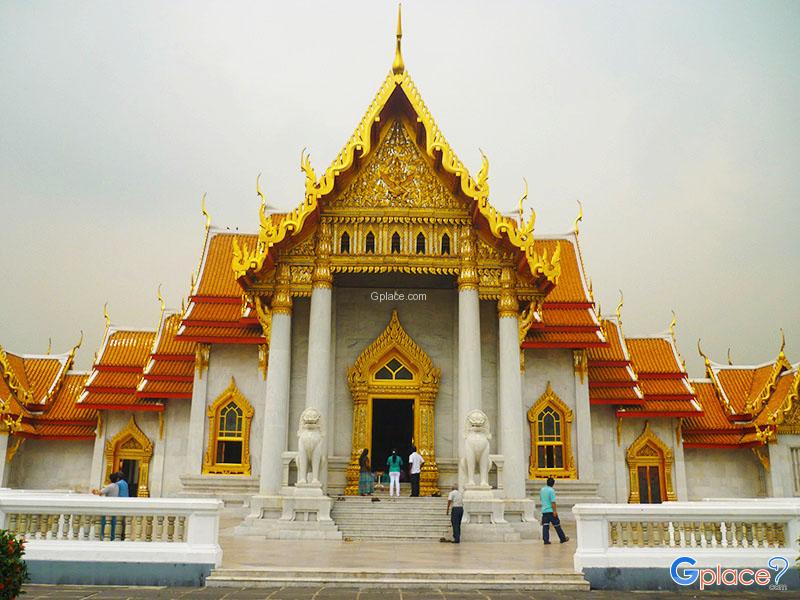
- This site is conveniently located near Wat Benchamabophit (The Marble Temple) and the National Library, making it easy to combine into a one-day cultural tour.
Admission Fee
-
Local visitors: Free
-
Foreign visitors: Free
Opening Hours
-
Open 24 hours for viewing and paying respects at the plaza area.
-
Note: Access may be restricted during royal ceremonies or official government events.
The Equestrian Statue of King Chulalongkorn

 Share
Share
 The Equestrian Statue of King Chulalongkorn, Dusit Palace Plaza, Dusit, Dusit, Bangkok, Thailand
Map
The Equestrian Statue of King Chulalongkorn, Dusit Palace Plaza, Dusit, Dusit, Bangkok, Thailand
Map
 Open now

 https://thai-tour.com/thai-tour/bangkok/data/king_ramav-equestrian.html

 3737
3737