 Attractions
  Hotel
Hotel  Restaurant
  Shopping
  Abroad





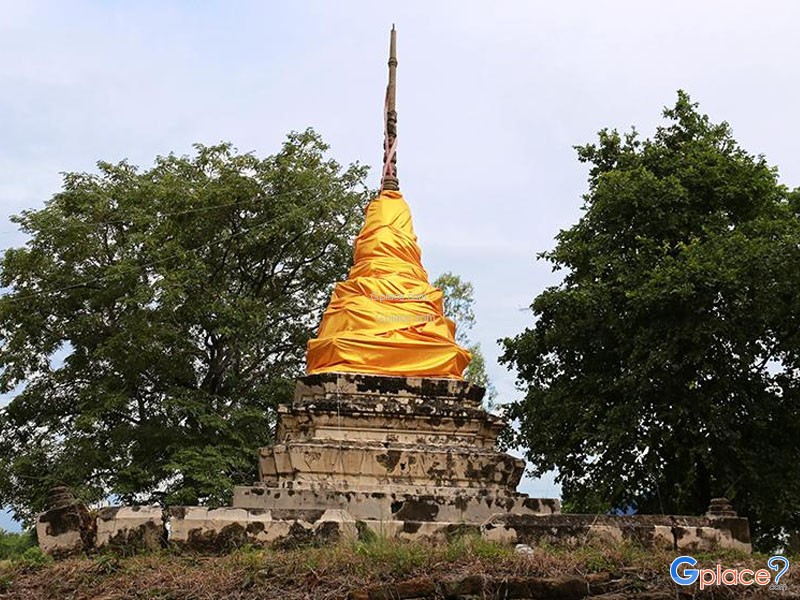

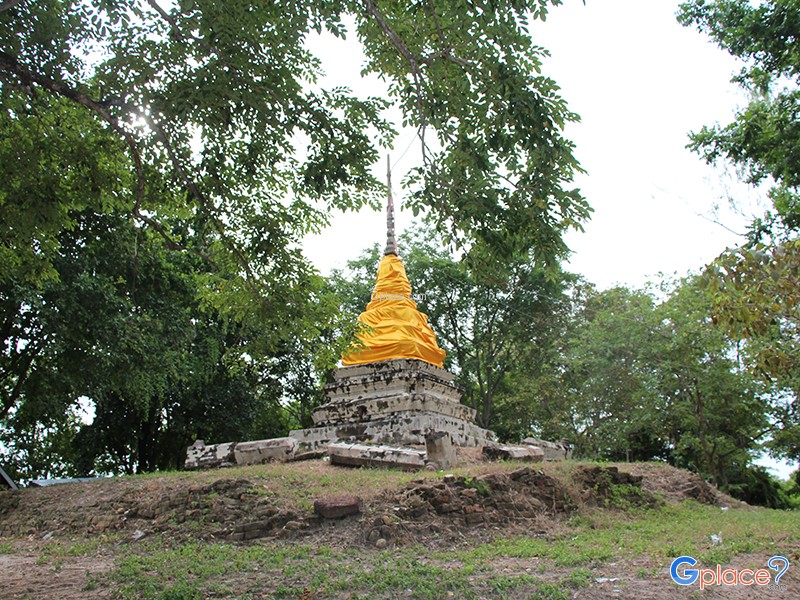
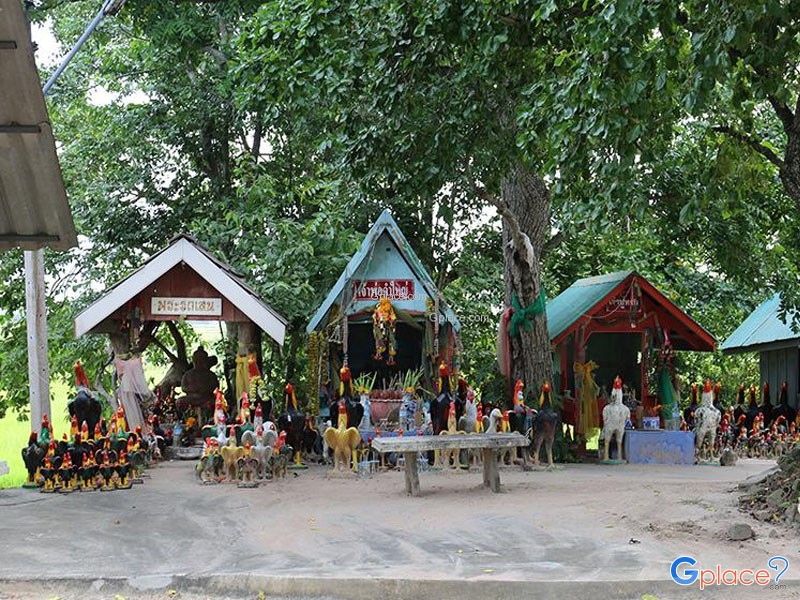

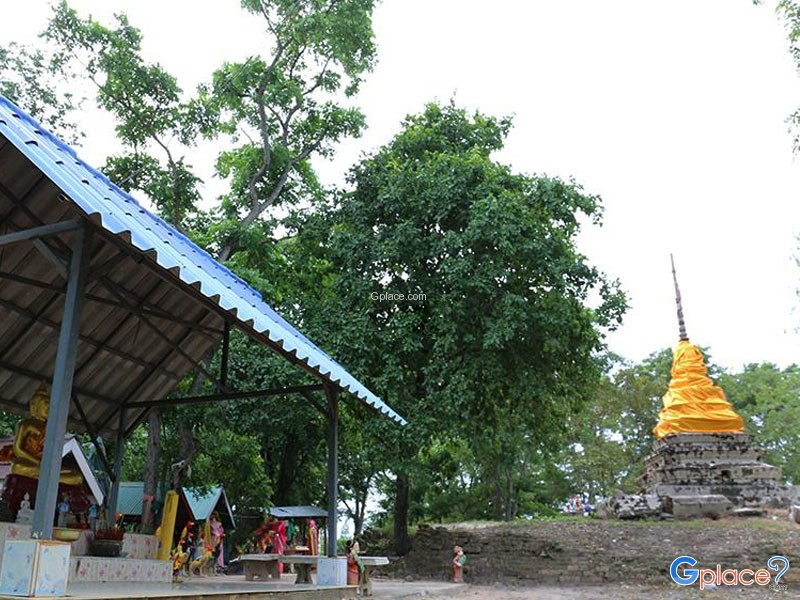
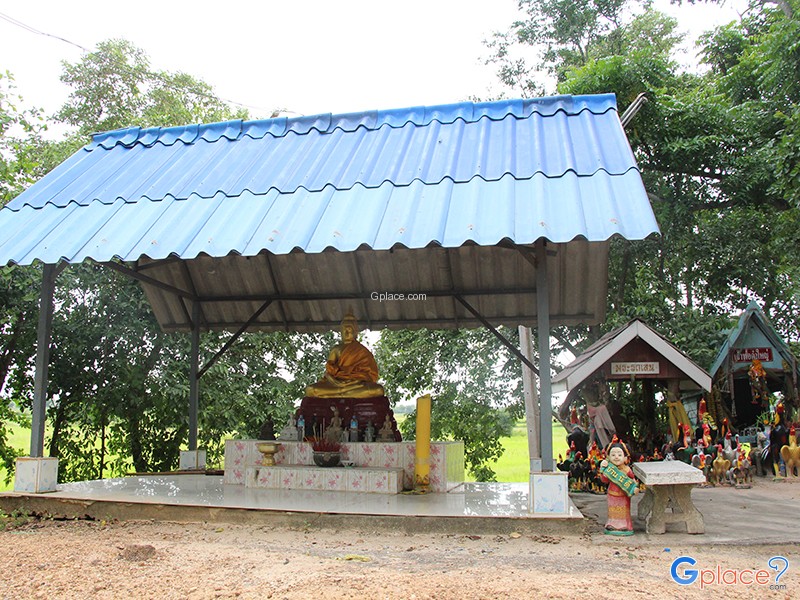
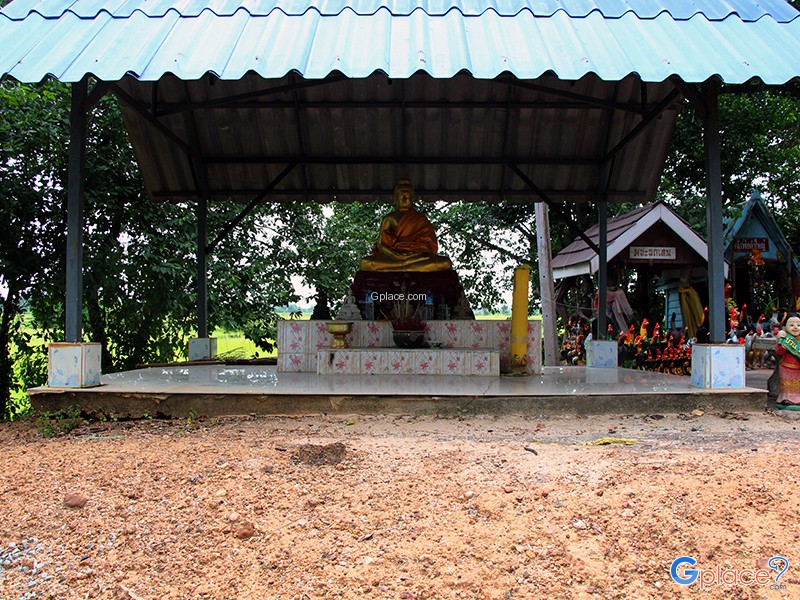
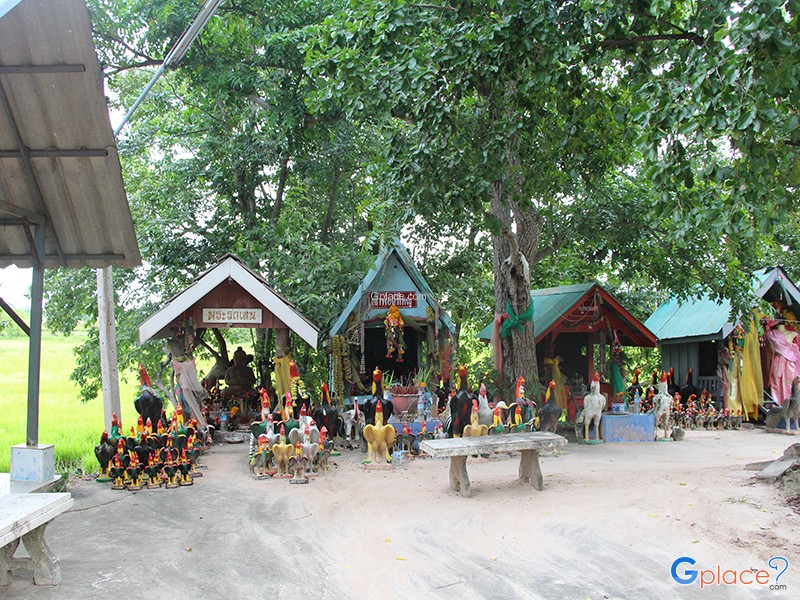
“The convergence of Dvaravati civilization and the local legend of Phra Rot-Meri, showcased through an ancient stupa and the 1,200-year-old moats and ramparts of a historic fortified city.”
Phra That Mueang Phra Rot is far more than just a local religious site it is a pivotal historical landmark of the Indochinese Peninsula. It served as the central hub of an ancient city during the Dvaravati period (6th–11th Century AD), an era recognized as the golden age for the expansion of Buddhism and Indian culture into Thailand. Based on aerial photography and archaeological surveys, Mueang Phra Rot features a rectangular city plan with rounded corners, spanning an area of over 600 rai. The city was fortified with excavated moats and raised earthen ramparts designed for both irrigation and strategic defense, reflecting a sophisticated level of urban planning and clear statehood during that era.
The crown jewel of this site is the Ancient Laterite Stupa, which stands majestically as the temple's primary landmark. The foundational structure is composed of massive laterite blocks meticulously stacked without the use of mortar—a high-level Dvaravati construction technique prioritizing permanence and stability. Laterite possesses unique porous properties that facilitate moisture drainage, making it ideal for the monsoon climate. The stupa itself exhibits an inverted bell shape (stupa), heavily influenced by India's Amaravati and Gupta artistic styles. However, it was localized through the addition of a tiered, stepped base, which creates a sense of visual depth and architectural grandeur.
According to local folklore, the site is deeply intertwined with the legend of Phra Rot and Meri (also known as the Twelve Sisters), with the surrounding area believed to be the actual backdrop of this timeless tale. Visiting this site is akin to walking through living history, especially with the discovery of artifacts such as sandstone Buddha images and ancient pottery around the stupa's base. These findings serve as concrete evidence of the site’s role as a vital trade link between inland river communities and maritime civilizations.
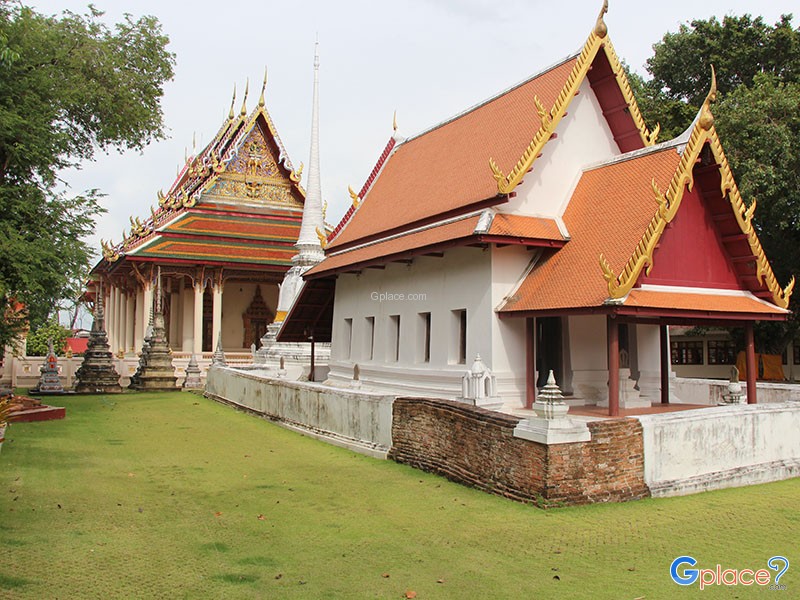
The temple's interior architecture offers a fascinating blend of antiquity and modernity, particularly in the preservation of the original laterite remnants used in the stupa's primary foundation. This showcases the construction wisdom of the Dvaravati era, which focused on durability and the use of local resources. Exploring the grounds allows visitors to witness the Chronological Layering of time, stretching from the ancient Dvaravati period to the present day.
Phra That Mueang Phra Rot is an unmissable destination for history enthusiasts. It is a place that allows us to truly "understand" the roots of the people of Phanat Nikhom and Chonburi, offering a travel experience that perfectly fulfills both archaeological curiosity and aesthetic appreciation.
How to Get There
- From Chonburi City, take Sukhaprayun Road toward Phanat Nikhom. At the main intersection, turn onto Mueang Phra Rot Road heading toward Na Phra That Subdistrict. The temple will be on your right with ample parking.
Travel Tips
-
Photo Spots: The area around the base of the pagoda and the walkway with its ancient laterite walls offers enchanting lighting and shadows, perfect for classic or sepia-toned photos.
-
Local Food: Local food stalls are often located in front of the temple. Try the Phanat Nikhom chive dumplings or dishes made from bamboo shoots, a famous ingredient in the area.
-
Respectful Observance: As this is an important historical site, touching or writing on the laterite stones and artifacts is strictly prohibited to preserve its preservation.
Admission Fee :
- Free of charge
Opening Hours:
- Daily: 07.30 – 17:30 น.
Phra That Muang Phra Rot

 Share
Share
 Na Phra That Subdistrict, Phanat Nikhom District, Chonburi
Map
Na Phra That Subdistrict, Phanat Nikhom District, Chonburi
Map
 Open now

 https://thai-tour.com/thai-tour/east/chonburi/data/place/pic_phrarod.htm

 4625
4625