 Attractions
  Hotel
Hotel  Restaurant
  Shopping
  Abroad





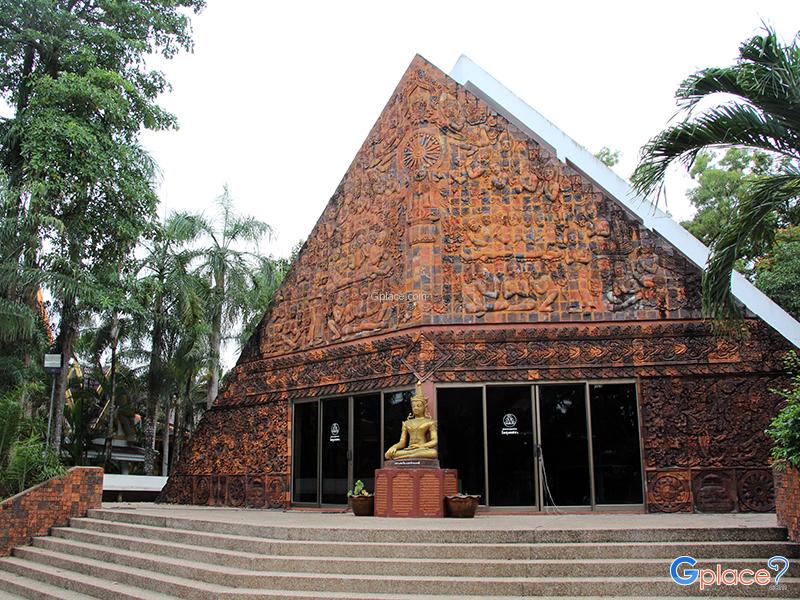


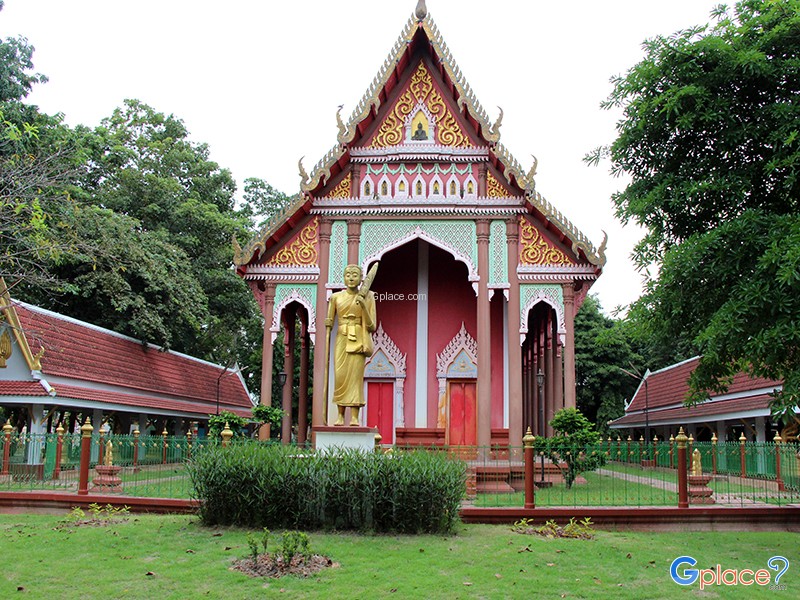

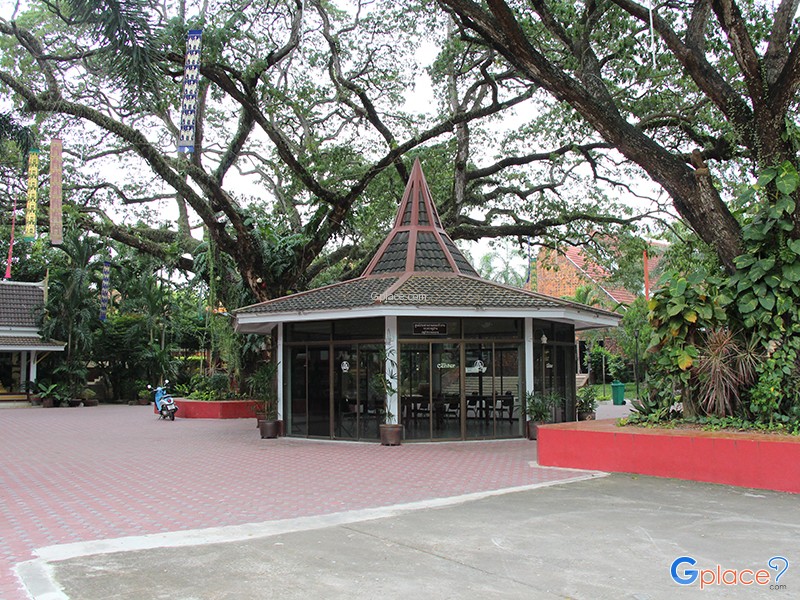
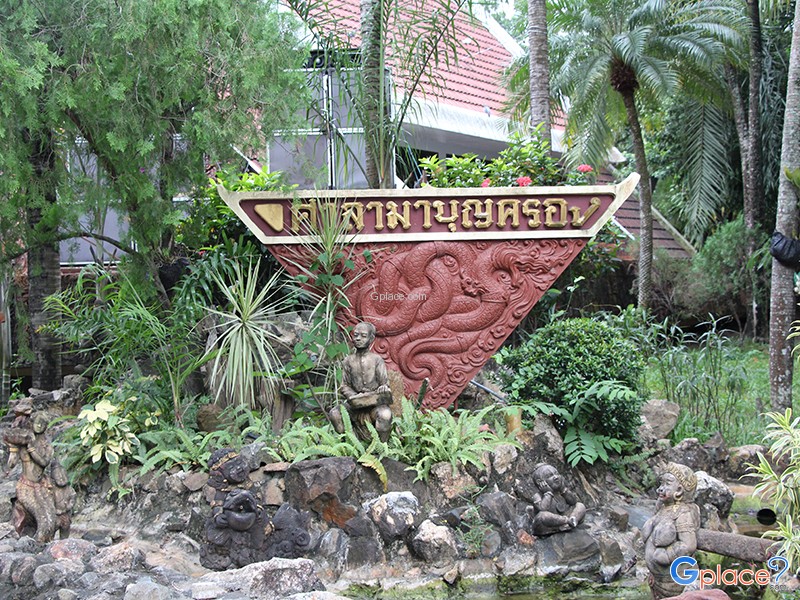
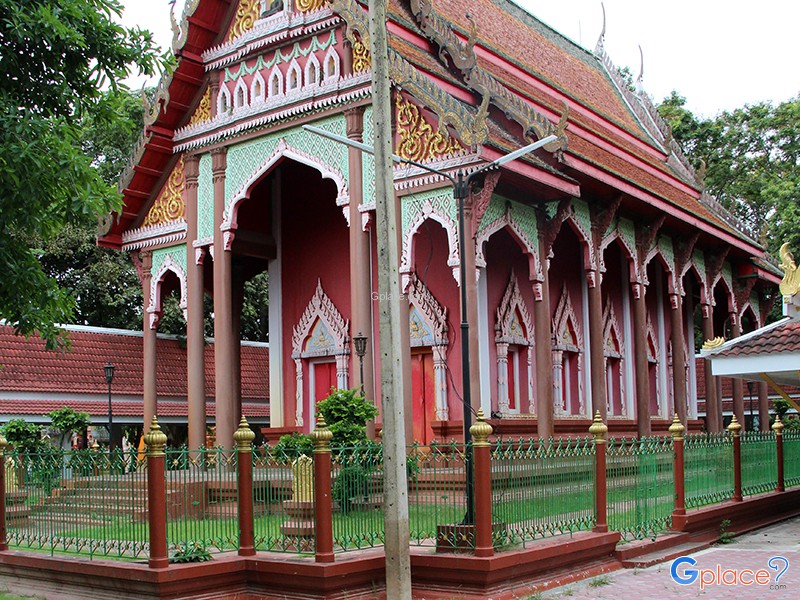
“A spiritual sanctuary serving as a bridge between local folklore and contemporary artistry, featuring a majestic golden Naga designed with the Buddhist concept of divine protection”
Chum Saeng Sri Wanaram Temple commonly known by locals as Chum Saeng Temple, is a Buddhist temple of cultural and spiritual significance for the Chum Saeng community in Mon Nang Subdistrict, Phanat Nikhom District, Chonburi Province. The temple serves as a center of faith, a place for learning Buddhist art, and a peaceful space for spiritual practice. It is distinguished as a forest monastery that clearly maintains harmony between religion, nature, and the local community.
The name Sri Wanaram is derived from Pali and Sanskrit, in which the word vana means forest. This reflects the temple’s core concept that emphasizes seclusion, simplicity, and respectful coexistence with nature. Wat Chum Saeng Sri Wanaram has therefore not been developed as a large or grand religious complex, but instead focuses on appropriate spatial management in order to preserve the original ecosystem and create an atmosphere conducive to meditation and contemplative practice.
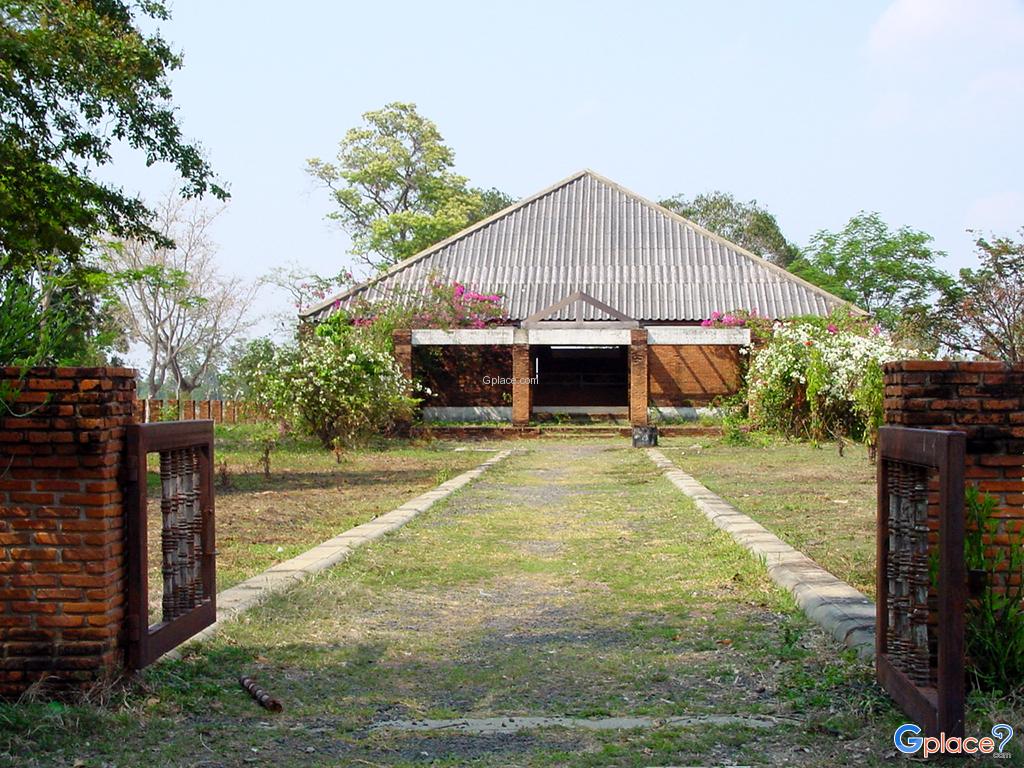
The temple layout and building arrangement are designed primarily with consideration for the natural terrain and existing trees. Religious structures such as the ordination hall, sermon hall, and monks’ residences are integrated harmoniously within green spaces, with no unnecessary removal of large trees. As a result, the temple has become a learning space for Ecological Buddhism, demonstrating a sustainable approach to the development of Buddhist religious sites.
A major highlight of Chum Saeng Sri Wanaram Temple Buddhist art is the sculpture of the Seven-Headed Naga, which stands in a prominent position and serves as a symbol of the temple. This sculpture is crafted in plaster and designed according to contemporary artistic concepts, using organic forms to create a sense of movement and vitality. Rather than following the straight-line composition typical of traditional art, the Naga’s body is formed with dynamic curves that respond to light direction, wind flow, and the surrounding spatial context.
The use of gold coloring with a semi-metallic, semi-stone appearance enhances visual depth and reflects the sacred nature of the Naga as a protector of Buddhism according to traditional belief. Symbolically, the seven-headed Naga represents the Seven Factors of Enlightenment (Satta Bojjhanga), which are fundamental principles in Theravada Buddhism. This makes the sculpture not only aesthetically valuable but also rich in profound Buddhist teachings.
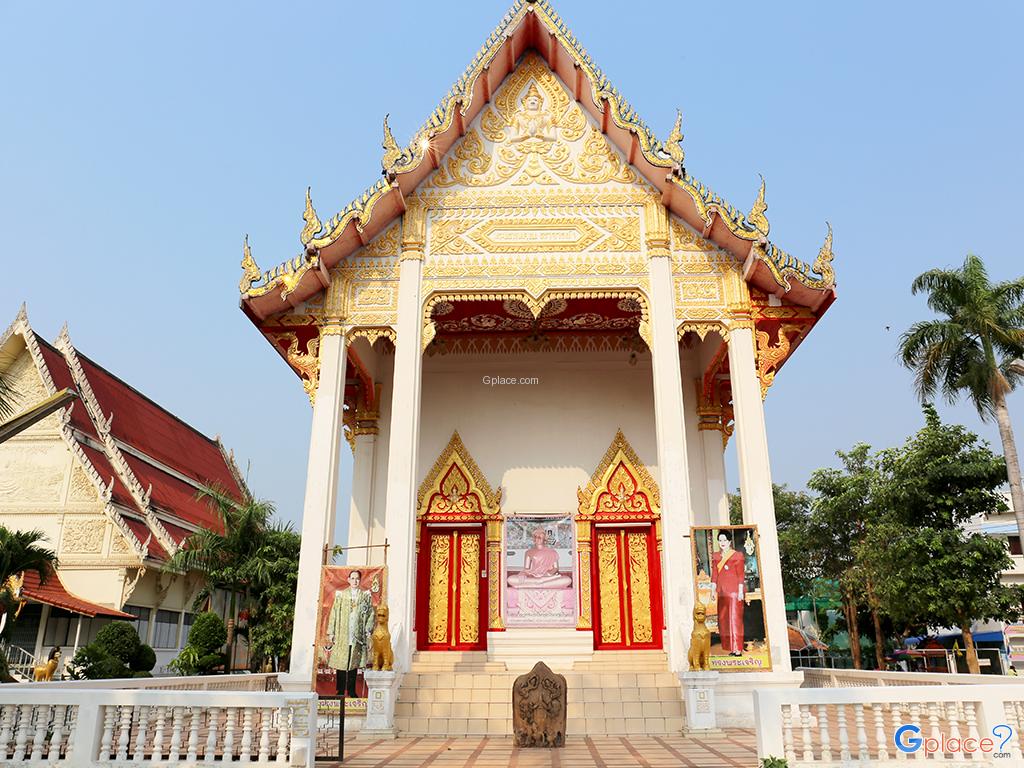
In terms of architecture, the temple’s ordination hall and sermon hall are designed following the concept of Applied Thai Architecture, reducing the complexity of decorative elements such as chofa, bai raka, and pediments to align with a contemporary context, while still preserving traditional proportions and structural principles. Interior spaces employ white tones, earth colors, and natural material textures to convey a sense of calm, emptiness, and detachment, which are essential to Buddhist practice.
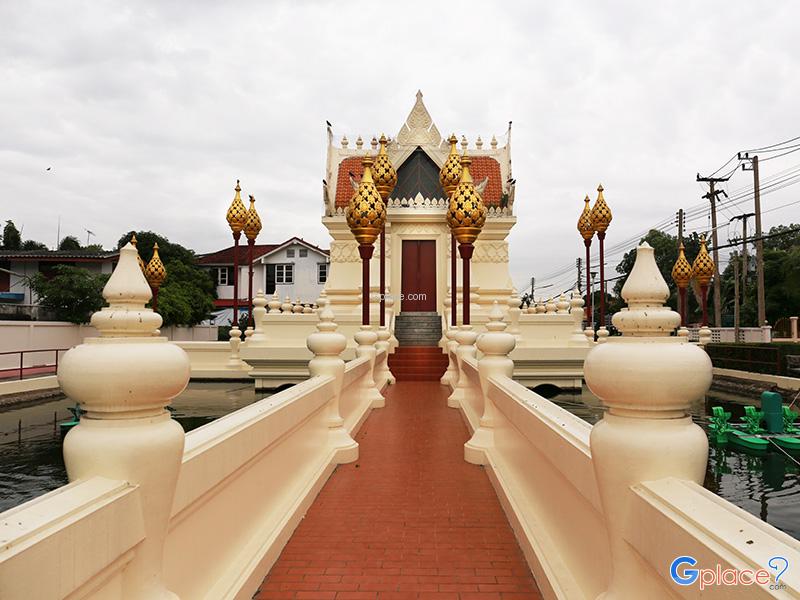
Chum Saeng Sri Wanaram Temple is also recognized as a monastery that emphasizes efficient energy use. Buildings are oriented to allow natural air circulation (cross ventilation), reducing reliance on air conditioning even during the hot season. Green spaces, ponds, and surrounding trees help regulate temperature and create a cool and comfortable environment. This approach represents knowledge in Sustainable Landscape Design, which can be adapted for use in other Buddhist sites.
For visitors, the temple is especially suitable for those interested in Cultural and Spiritual Tourism, as well as academics, artists, and designers seeking to study the relationship between art, religion, and nature. The tranquil environment supports meditation, walking meditation, and deep reflection. Wat Chum Saeng Sri Wanaram can therefore be seen as a living open-air classroom that conveys aspects of Thai society through Buddhist art and landscape in a natural manner.
A visit to Wat Chum Saeng Sri Wanaram is not merely a journey to pay respect to sacred objects, but also an opportunity to learn about the balanced coexistence of faith, art, and the environment. It reflects how Buddhist art can exist in harmony with nature and community life in a sustainable way.
How to Get There
- By Private Car: From Highway 331 turn onto Rural Road 4004 toward Mon Nang Subdistrict. Follow the clear temple signage.
Travel Tips
-
Best Season: The Late Rainy Season to Early Winter (November) is ideal, as the forest canopy is at its lushest and local wildflowers are in full bloom.
-
Recommended Gear: For birdwatchers or botanists, bring binoculars and a notebook, as the temple grounds host several rare local bird species and forest flora.
-
Etiquette: As this is a meditation retreat, please silence your mobile phones. Respect the "Quiet Zone" to fully absorb the sounds of nature.
-
Local Insight: Phanat Nikhom is famous for the "World’s Largest Wickerwork." After visiting the temple, explore the old market to see how local bamboo craftsmanship connects to the surrounding forest resources.
Admission Fee:
- No entrance fee.
Opening hours:
- Open: 06:00 – 17:30
Chum Saeng Sri Wanaram Temple

 Share
Share
 Ban Chum Saeng, Mon Nang Subdistrict, Phanat Nikhom District, Chonburi
Map
Ban Chum Saeng, Mon Nang Subdistrict, Phanat Nikhom District, Chonburi
Map
 Open now : 6.00 - 17.30
Mon6.00 - 17.30
Tue6.00 - 17.30
Wed6.00 - 17.30
Thu6.00 - 17.30
Fri6.00 - 17.30
Sat6.00 - 17.30
Sun6.00 - 17.30



 4771
4771