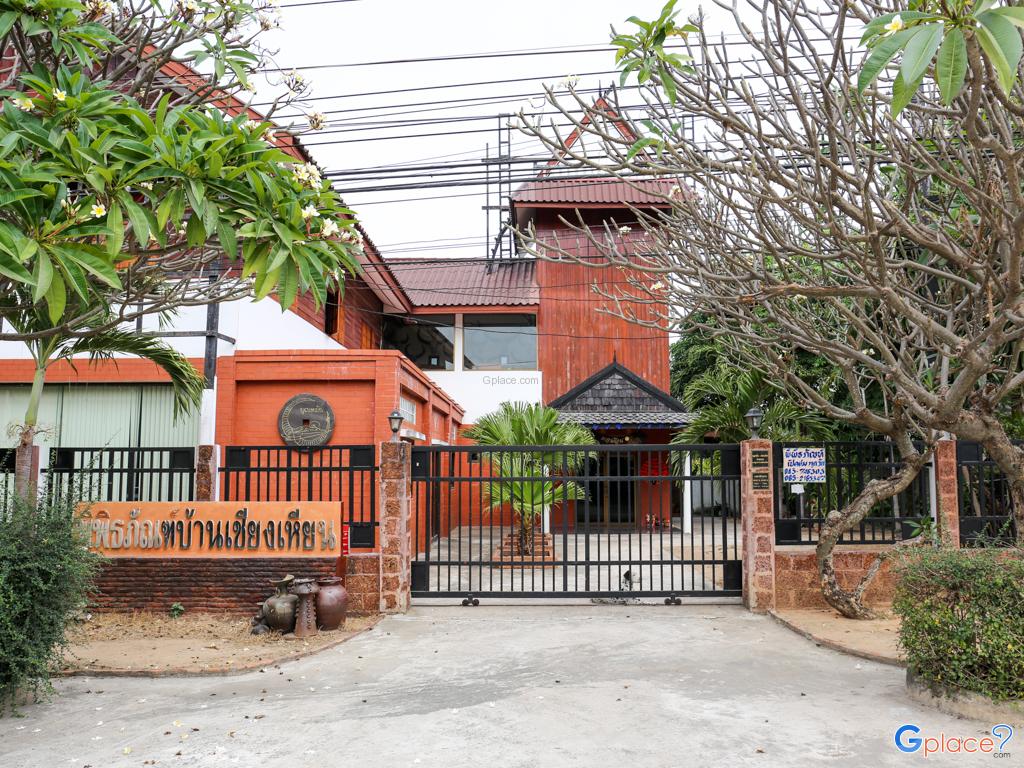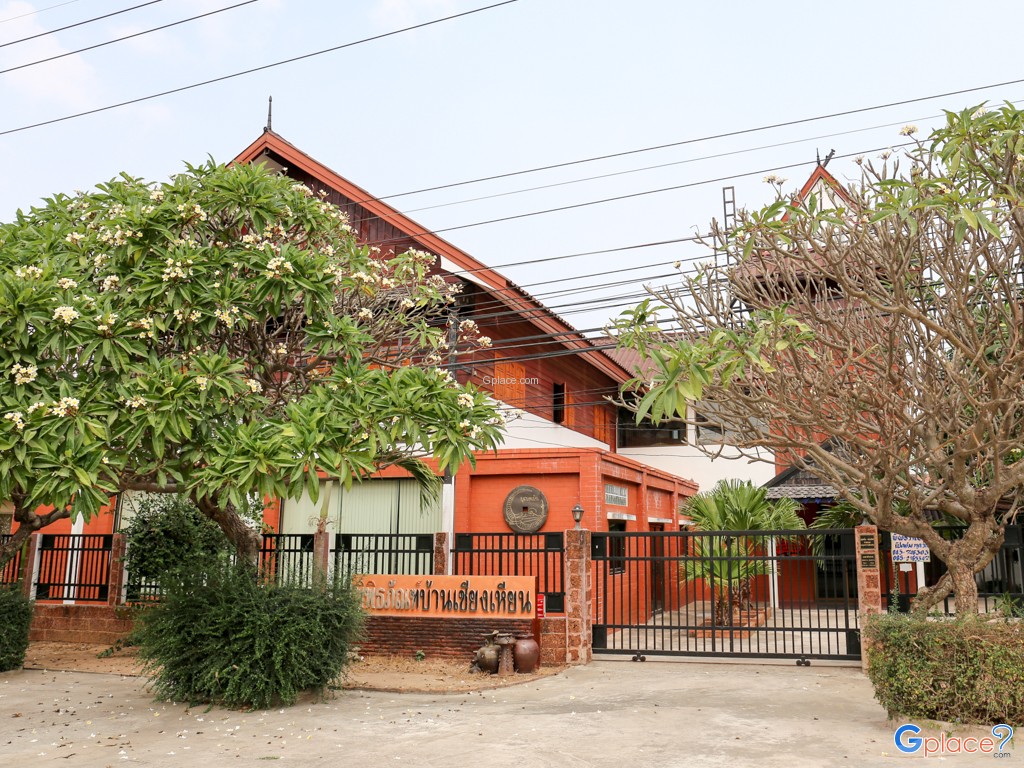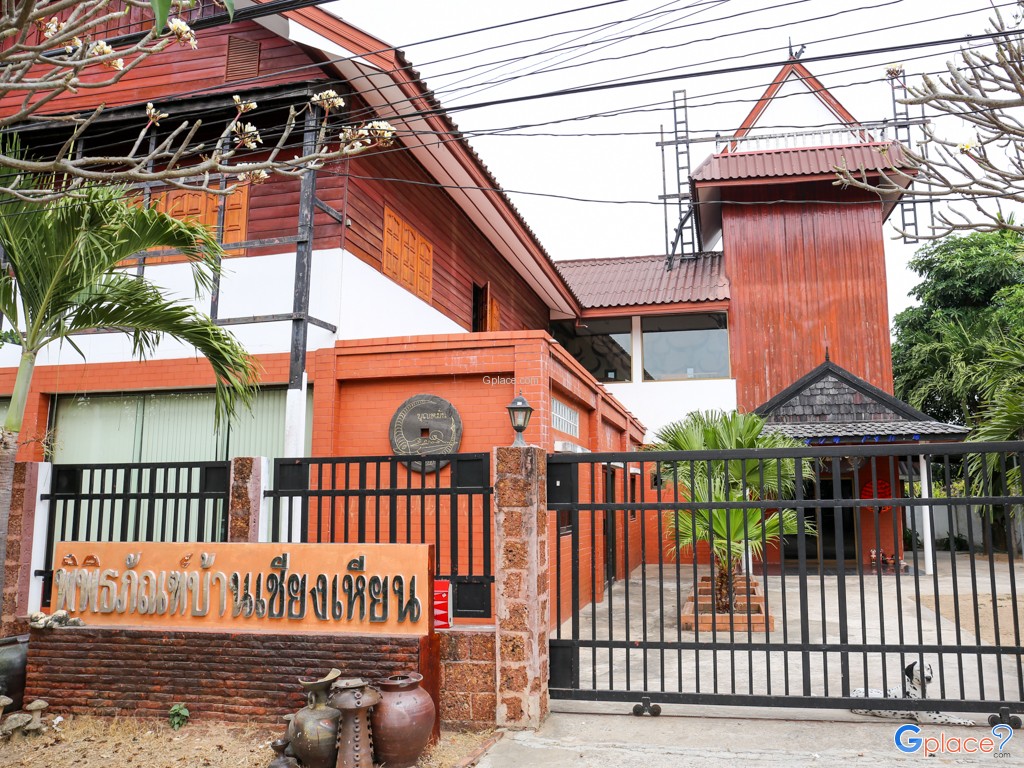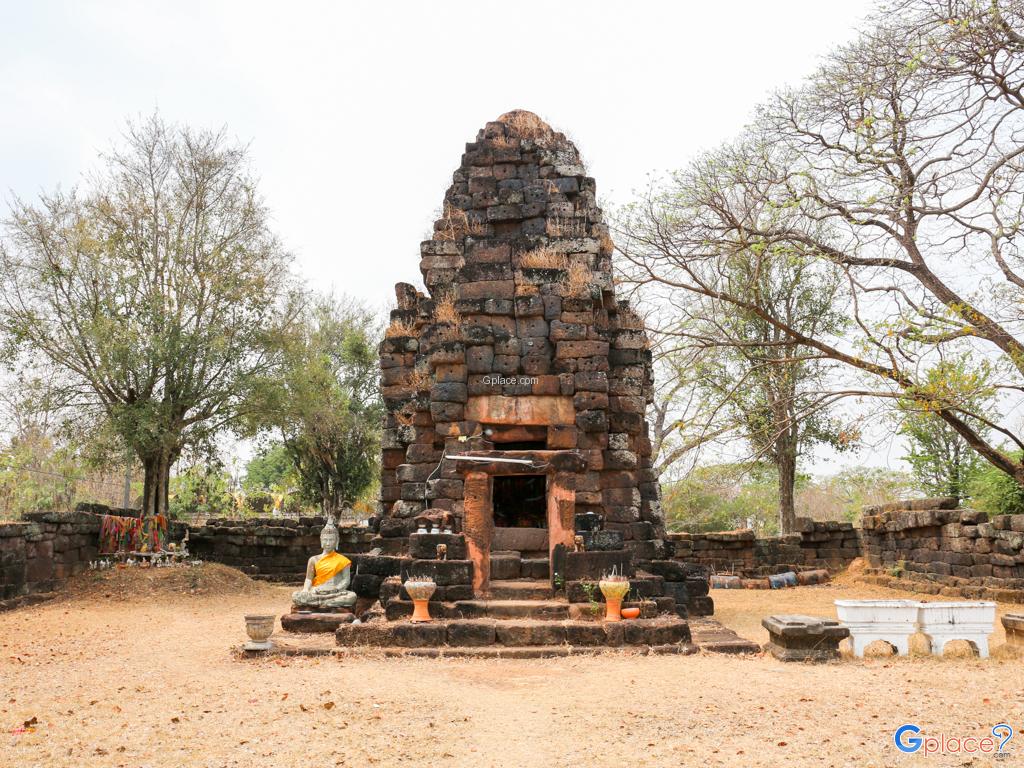
“Explore the ancient settlement and learn about its history as a memorial reflecting the dedication and sacrifice of Ajarn Boonham Kamsa-ard”

Ban Chiang Hian Museum was founded through the dedication and determination of Ajarn Boonham Kamsa-ard, who began collecting archaeological objects, traditional tools, and everyday items reflecting the Isan way of life several decades ago. His collection continued for over 50 years, eventually growing into a large archive of more than 10,000 items, and was later developed into a community museum to make these cultural resources accessible to the public instead of being kept privately.The Ban Chiang Hian area, where the museum is located, is also an important archaeological site in Maha Sarakham Province. The landscape features an ancient moated settlement with an approximate diameter of 1 kilometer. It consists of multiple layers of earthen embankments and a double-moat system, parts of which have now transformed into ponds and wetlands surrounding the village. This geographical structure reflects an ancient settlement system with organized water management and defensive planning.Based on archaeological evidence, scholars suggest that the site was continuously inhabited for a long period and may be associated with the Dvaravati period through to the post-Dvaravati era in northeastern Thailand, dating back approximately 1,500–2,000 years. However, interpretations are still based on comparative analysis of stratified soil layers and artifacts discovered at the site, as it represents a multi-period settlement with long-term occupation.

Excavations and surveys have revealed deep occupation layers, indicating prolonged human settlement and successive cultural development over time. Within these layers, various archaeological materials have been found, including human skeletons that provide insights into burial practices, population structure, and health conditions of ancient communities. Pottery such as jars, pots, and bowls has also been discovered, reflecting everyday domestic life and food storage practices.In addition, stone tools, bone implements, and metal artifacts such as bronze and iron objects have been found. These indicate technological development within the ancient society, particularly the adoption of metal tools that were more durable and efficient for agriculture, hunting, and daily activities.The multi-layered moat and embankment structure is also an important subject of archaeological interpretation. It is believed that the settlement expanded over multiple periods rather than being constructed at once, with successive modifications and expansions reflecting population growth and environmental adaptation. This makes the site structurally complex and significant for understanding ancient settlement organization.

Inside the museum, exhibitions are divided into two main sections. The upper floor focuses on archaeological artifacts and traditional Isan household items such as bamboo crafts, weaving tools, agricultural implements, and ancient ceremonial textiles like the Pha Phawet cloth, which reflects long-standing local beliefs and traditions.The lower floor is dedicated to contemporary art, showcasing paintings and sculptures by Ajarn Boonham Kamsa-ard, as well as works by students, university groups, and local artists. This transforms the museum into not only a place of preservation but also a creative space linking contemporary art with cultural heritage.Today, Ban Chiang Hian Museum plays a broader role beyond tourism. It serves as a center for learning in history, archaeology, and local culture, connecting the past, present, and future through physical artifacts, community narratives, and ongoing local participation.


How to Get There
  • By car: From Maha Sarakham city center, take Highway 23 (Maha Sarakham–Roi Et route) heading east for about 7 kilometers. You will arrive at Ban Chiang Hian Village. The museum is located inside the village and is clearly signposted.

Travel Tips
  • It is recommended to contact the local community in advance before visiting, especially for group visits or if you would like a local guide. This will help you gain a deeper understanding of the history and exhibitions.
  • Plan to spend at least 1–2 hours exploring the museum, as it contains a large collection of archaeological artifacts and several exhibition areas.
  • You are encouraged to walk around the Ban Chiang Hian community as well, especially the ancient moat and water reservoir areas, which are important remnants of the original ancient settlement.
  • The best time to visit is in the morning or late afternoon when the weather is cooler and more suitable for walking around the outdoor archaeological landscape.
  • You may also extend your trip to nearby cultural learning sites, such as local handicraft communities or traditional pottery-making areas, to gain a more complete understanding of Isan cultural heritage.

Admission fee:

  • Free of charge. Donations are welcome to support the maintenance and development of the museum.

Opening hours:

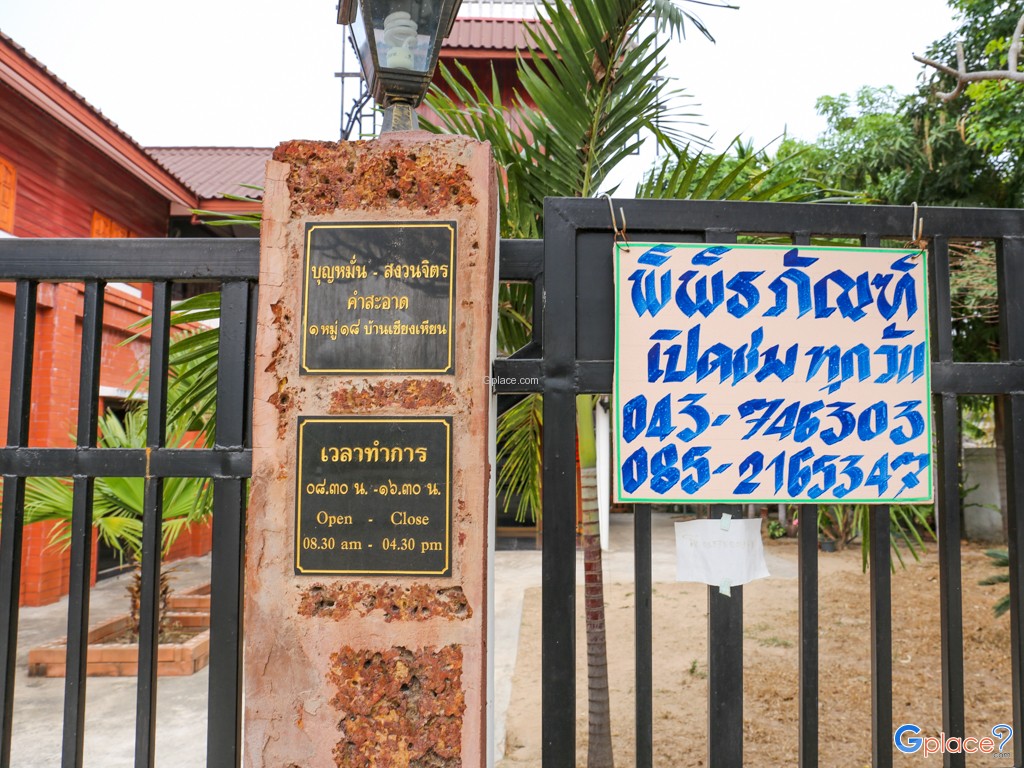
  • Open daily from 08:30 AM to 04:30 PM.

Ban Chiang Hian Museum

Share

Khewa, Mueang Maha Sarakham , Maha Sarakham 44000 Map

List 0 review | art & culture,attractions,place,Learning center,museum

Closed today

Mon8.30 - 16.30
Tue8.30 - 16.30
Wed8.30 - 16.30
Thu8.30 - 16.30
Fri8.30 - 16.30
Sat8.30 - 16.30
Sun8.30 - 16.30


043 746 303

1

Recommend trips

Manage your trips

Delete

All reviews

(List 0 review)