 Attractions
  Hotel
Hotel  Restaurant
  Shopping
  Abroad





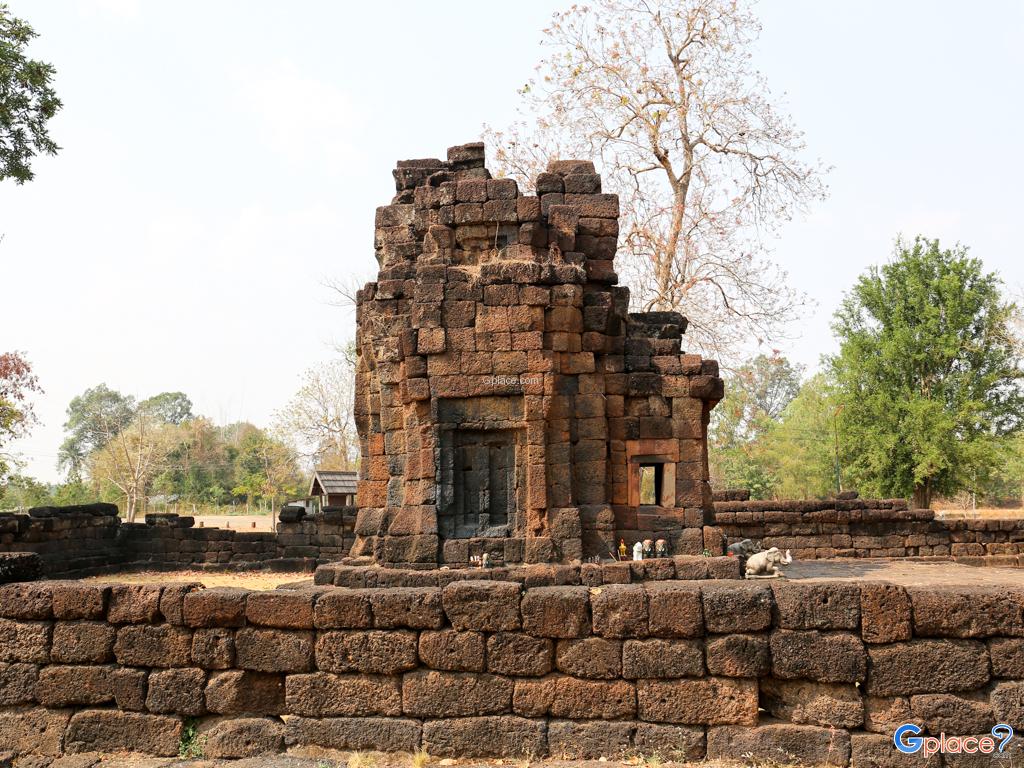

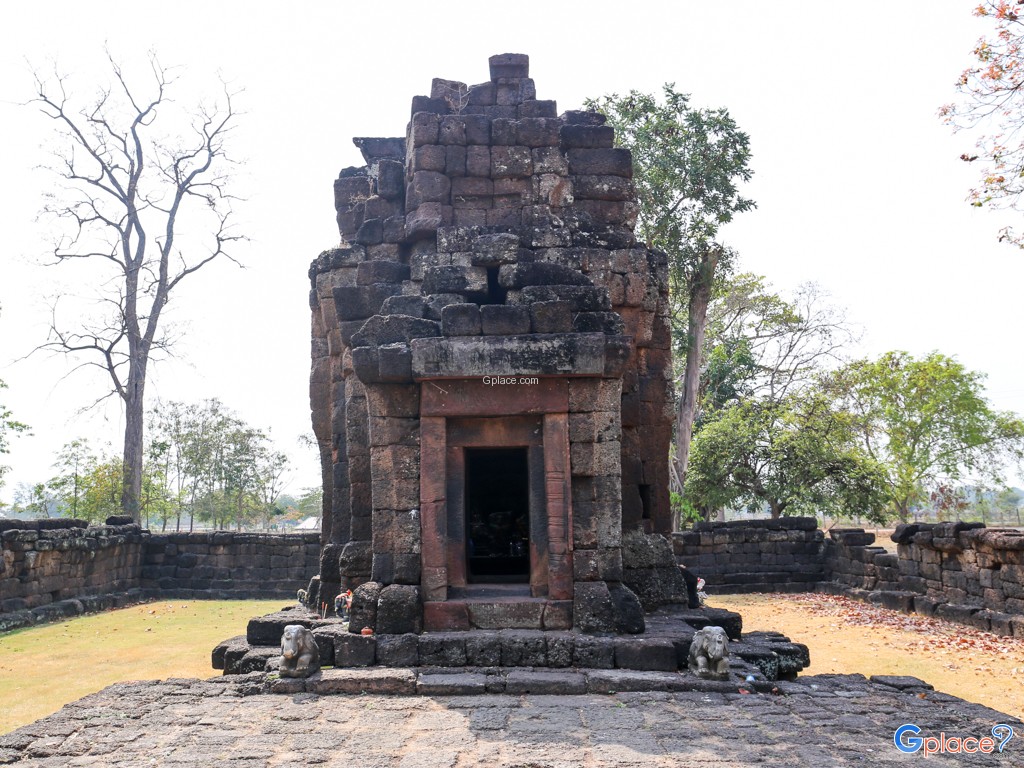


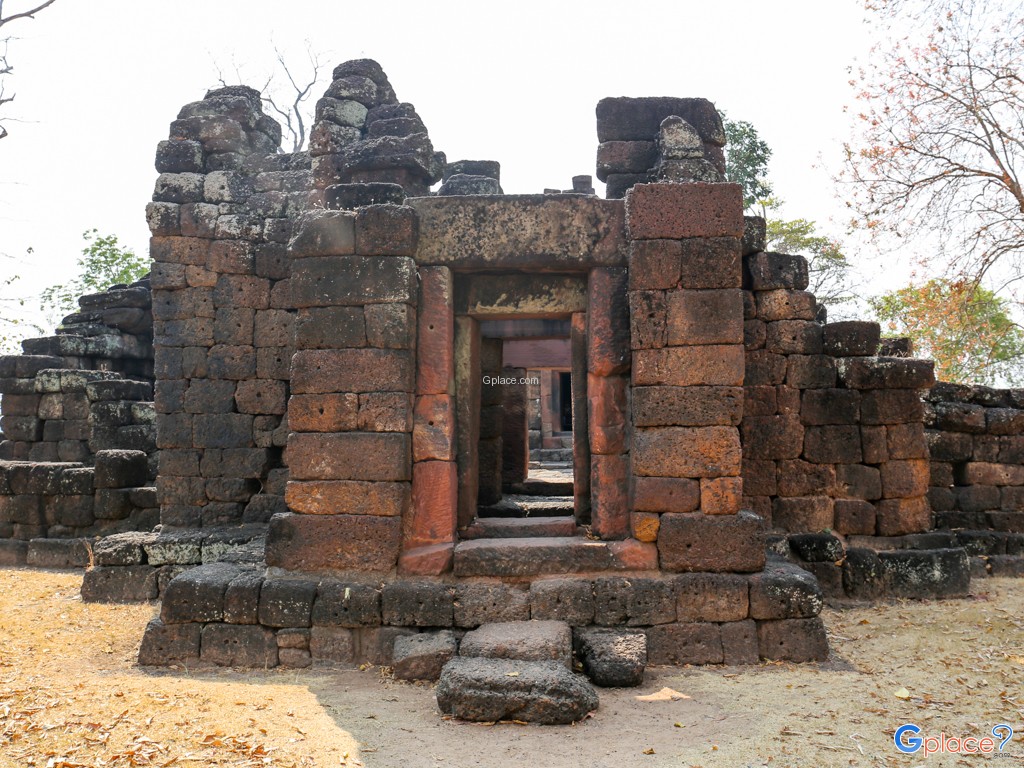
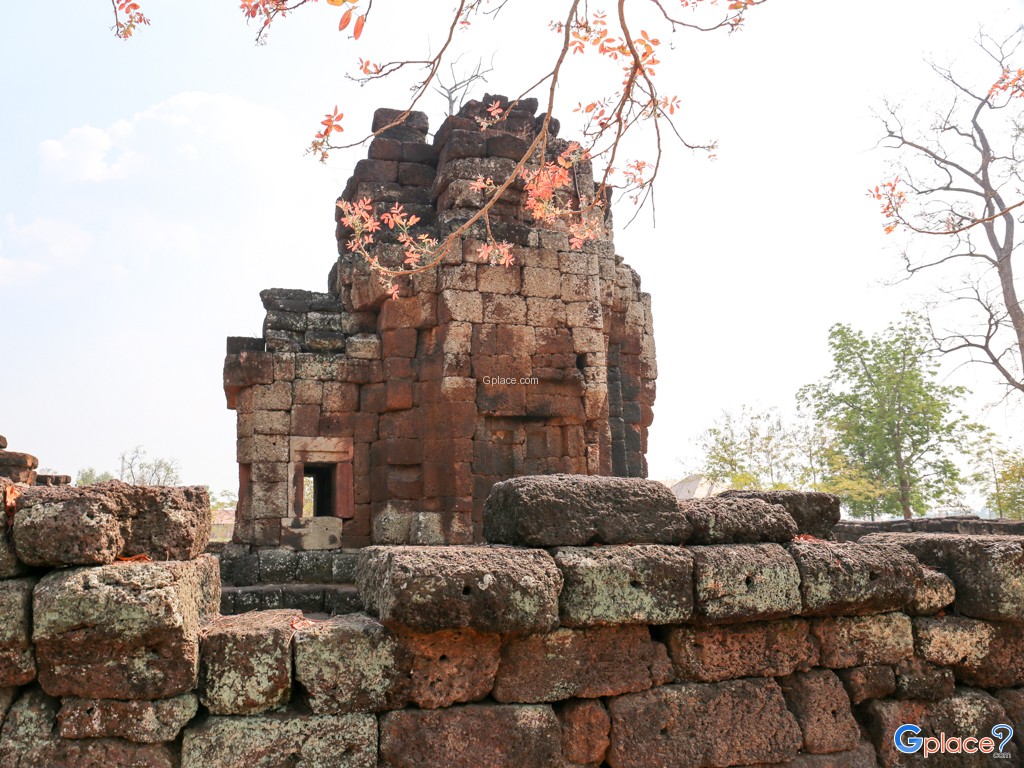
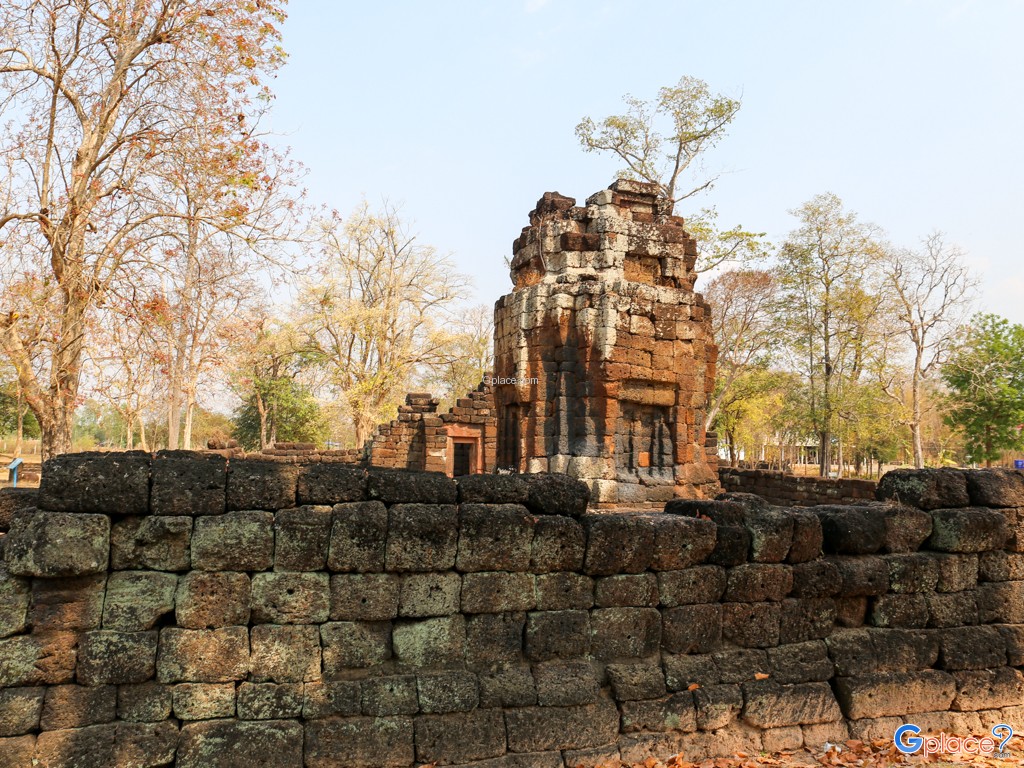
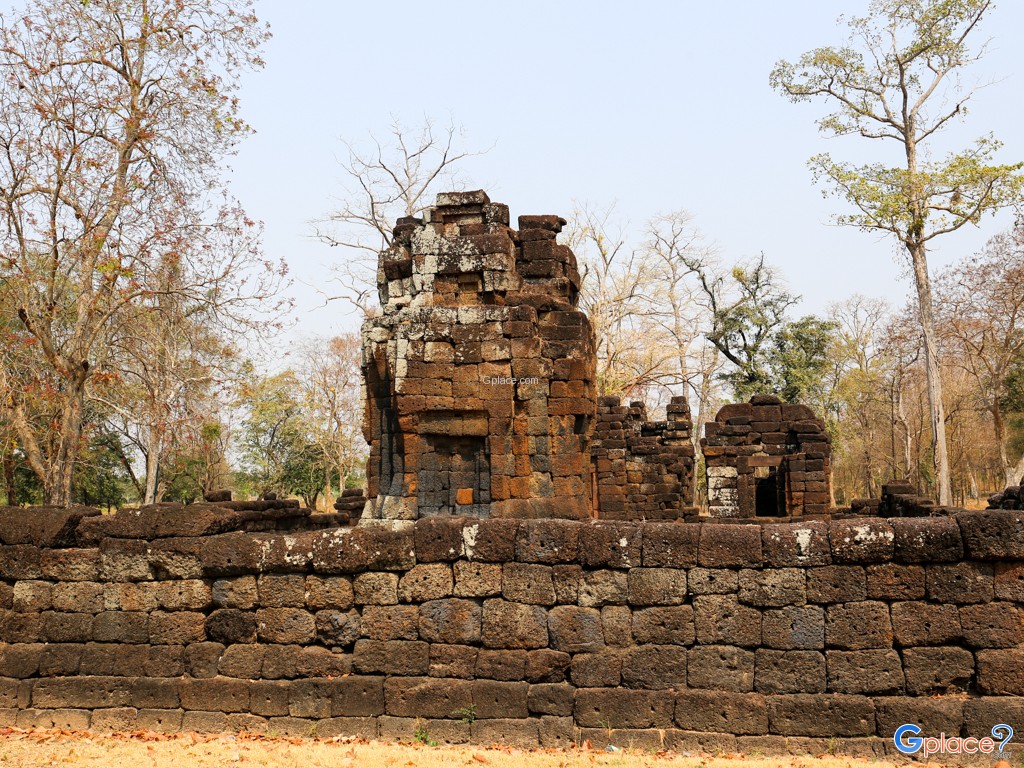
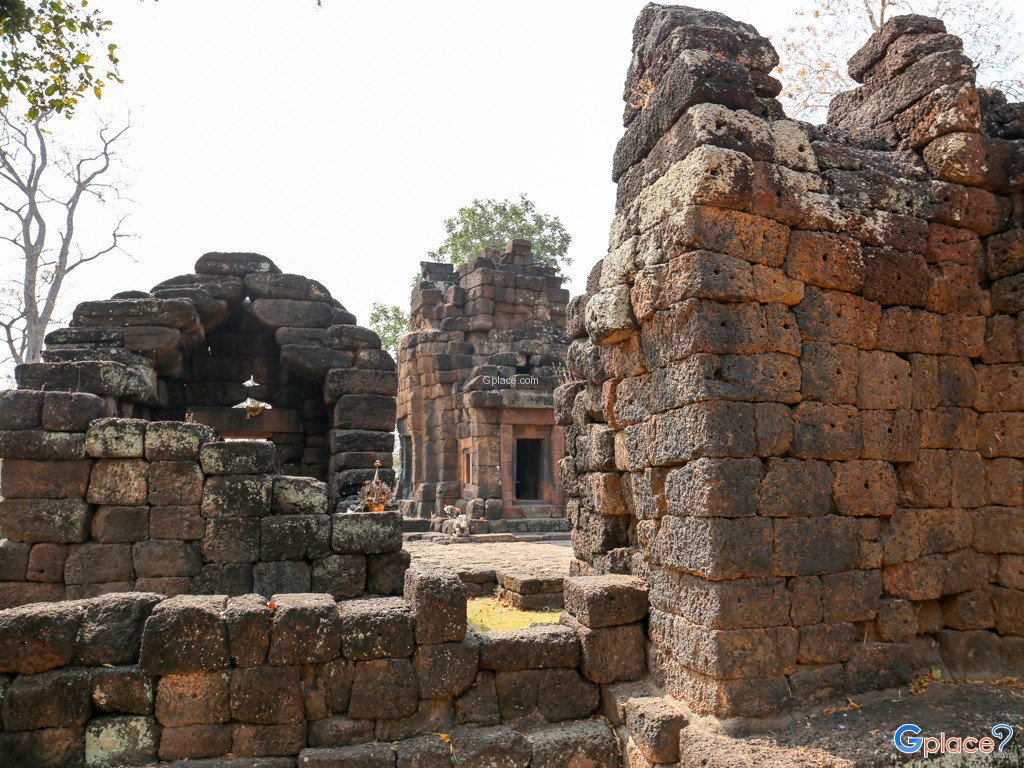
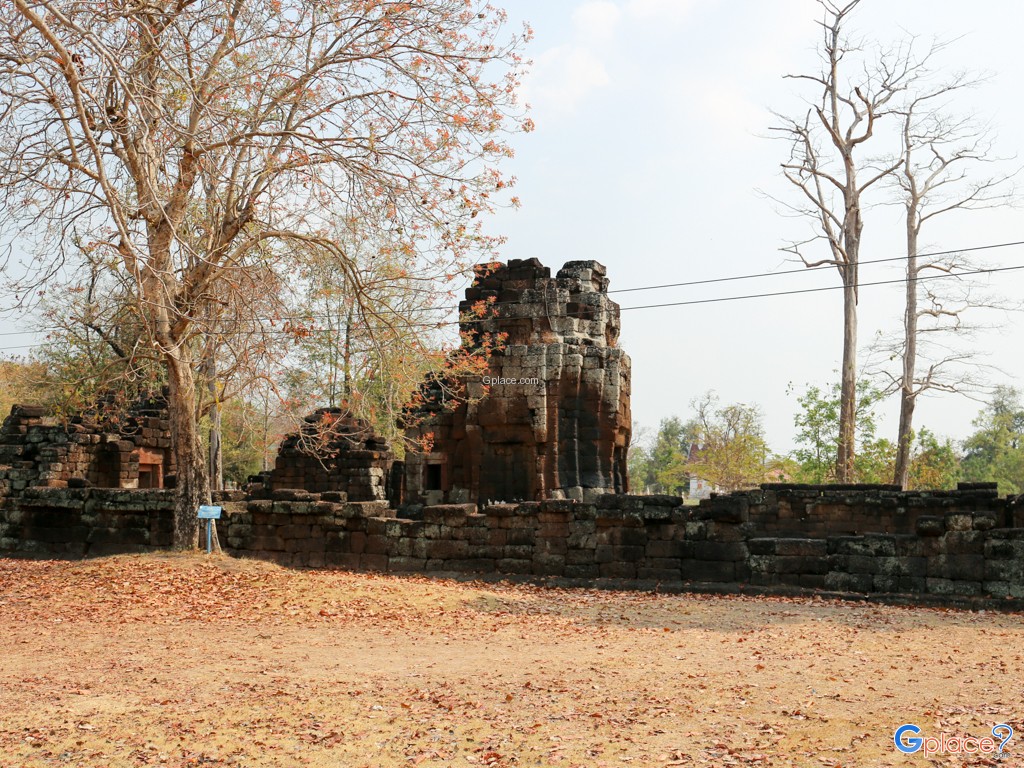
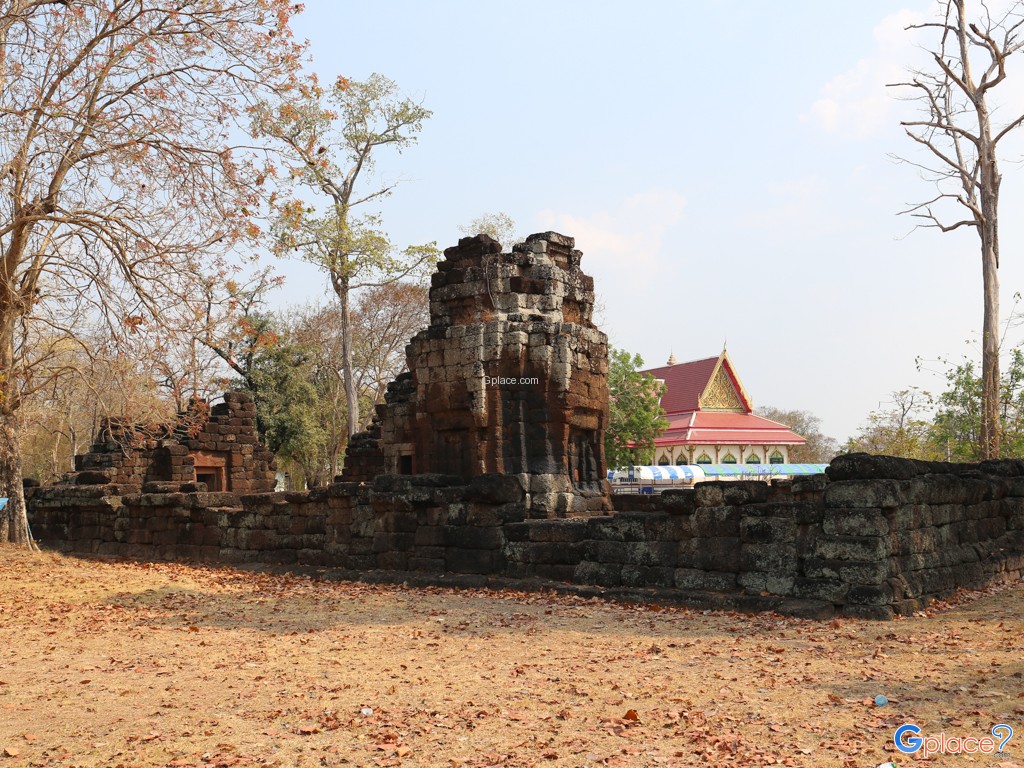
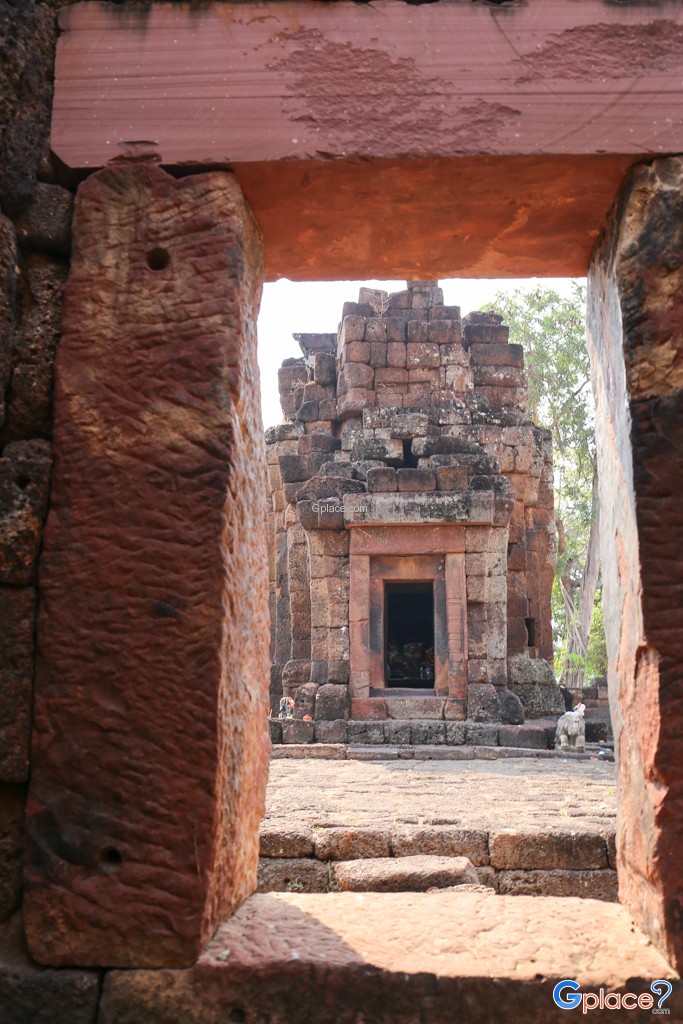
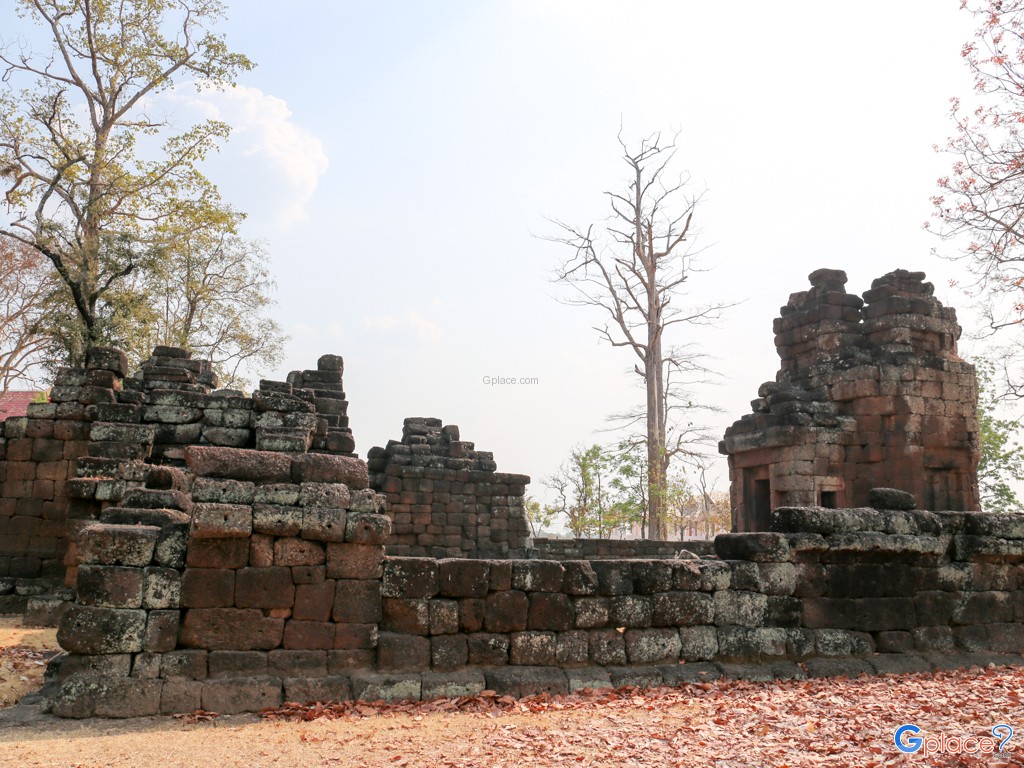
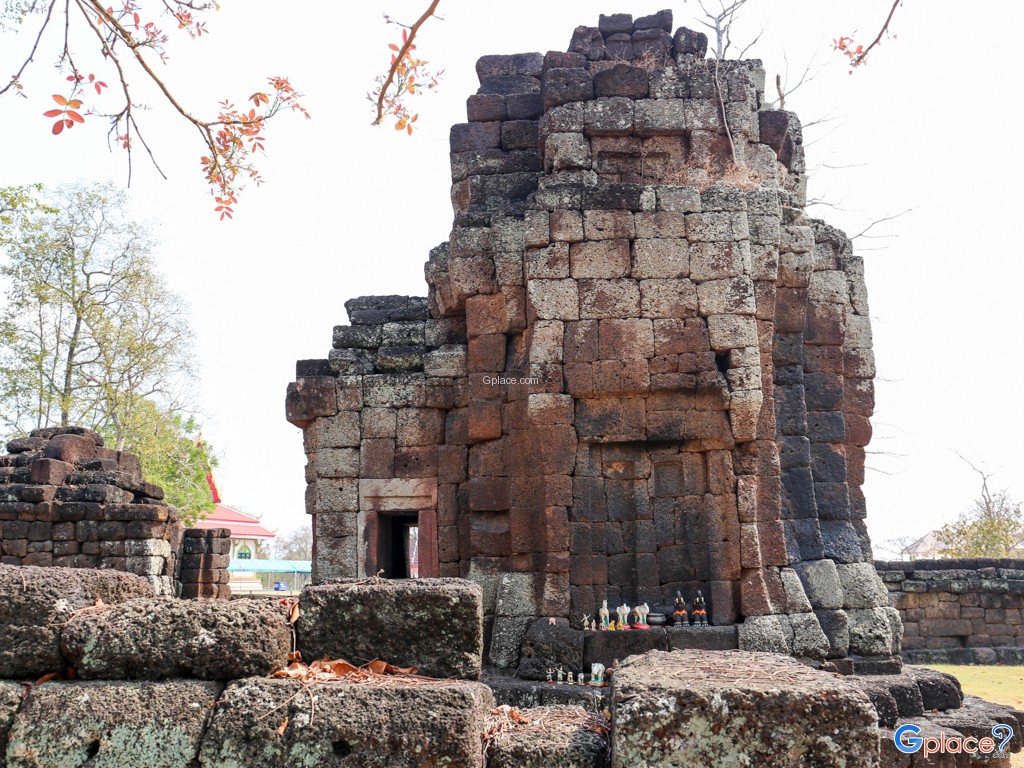
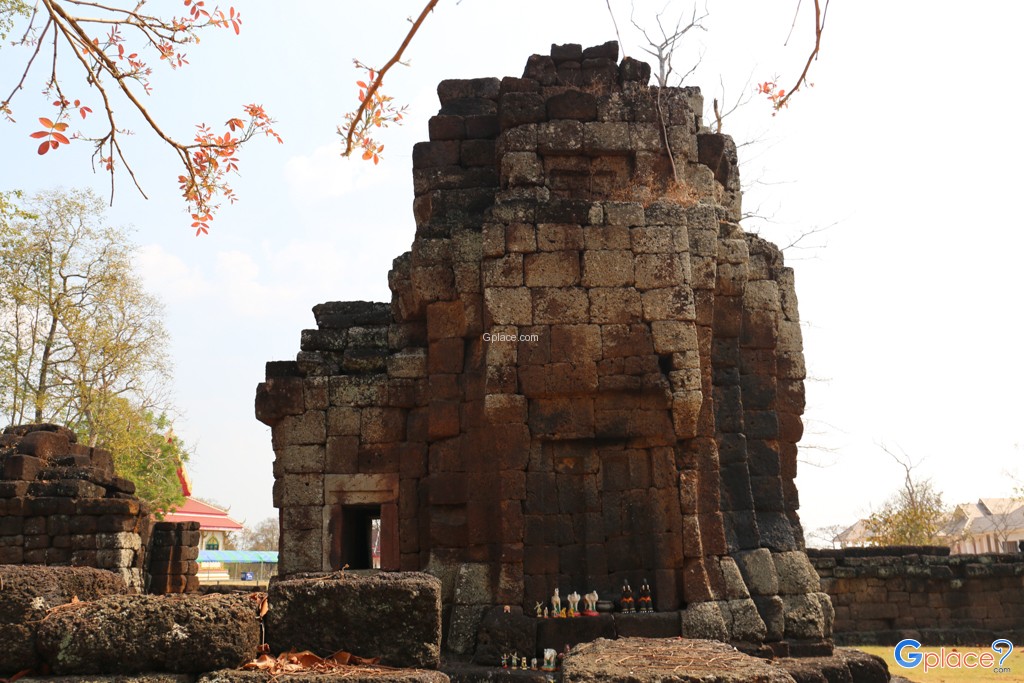
“Khmer-style temple: the main sanctuary is a square-shaped prang with its entrance projecting toward the east”
Koo Santrat is an important Khmer archaeological site located in Nadun District, Maha Sarakham Province, northeastern Thailand. It is believed to have been constructed around the 12th–13th century CE (Buddhist Era 1700–1750), during the reign of King Jayavarman VII of the Khmer Empire, a period when Khmer civilization reached its peak in religion, governance, and public healthcare systems.Historically, Koo Santrat is classified as an “Arogyashala,” or ancient hospital-temple complex established under King Jayavarman VII’s royal initiative. The concept of Arogyashala combined Mahayana Buddhist beliefs with medical care practices, based on the idea that healing could not be separated from spiritual rituals, faith, and sacred power. These complexes functioned not only as religious sites but also as medical centers where herbal medicine, chanting rituals, and devotion to the Medicine Buddha (Bhaisajyaguru) were practiced as forms of healing.
Architecturally, the site reflects Khmer cosmological principles. The main sanctuary is constructed from laterite and sandstone and follows a square layout with a twelve-cornered (indented) design typical of late Khmer architecture. It faces east, a direction symbolizing enlightenment, renewal, and spiritual awakening. This orientation also reflects the Khmer worldview, where Mount Meru is considered the center of the universe.In front of the main sanctuary lies a gopura, or entrance gateway, which serves as a symbolic threshold between the secular world and the sacred space. Inside the complex, there is also a library building (bannalai), believed to have been used for storing palm-leaf manuscripts, medical texts, or religious scriptures. This highlights the importance of knowledge systems in the Khmer world, which integrated religion, medicine, and administration.
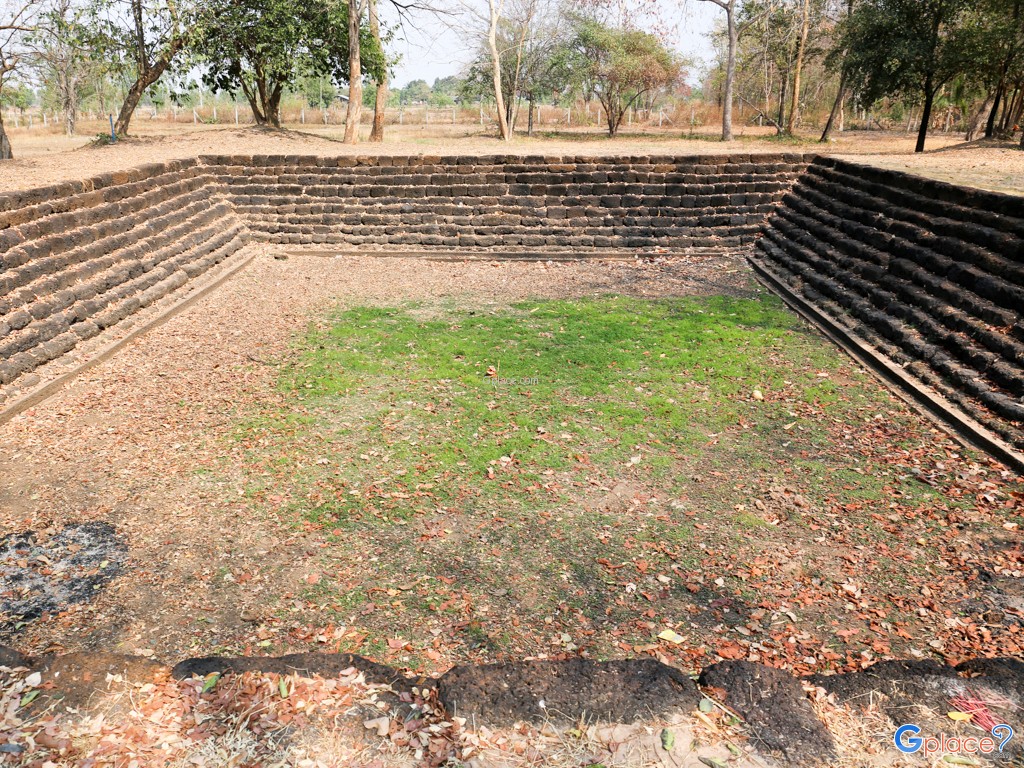
The entire complex is enclosed by a laterite boundary wall that defines the sacred precinct (puddhavasa) and reinforces its sanctity. A rectangular baray, or water reservoir, is also located to the northeast. This water feature played both ritual and ecological roles, being used in purification ceremonies and symbolizing the cosmic ocean surrounding Mount Meru in Hindu-Buddhist cosmology.One of the most significant archaeological values of Koo Santrat is the presence of unfinished construction elements, particularly sandstone lintels and door frames that were never fully carved. These incomplete details provide rare insight into ancient construction processes, allowing researchers to study the workflow of Khmer artisans from stone preparation to structural assembly and decorative carving—evidence that is rarely preserved in completed monuments.
Artistically, the site represents a transitional phase between the Baphuon and Bayon styles. The Baphuon style emphasizes solid structural forms and simplicity, while the Bayon style introduces Mahayana Buddhist influence, focusing on compassion and the role of bodhisattvas. This aligns with the site’s function as an Arogyashala dedicated to healing and public welfare.Beyond its archaeological importance, Koo Santrat remains a sacred local heritage site and an important educational resource. It demonstrates that northeastern Thailand was not a peripheral zone of civilization but part of a broader Khmer cultural and political network connected to Angkor and other major centers of the empire.
How to Get There
- By car: start from Maha Sarakham city and take Highway 2040 passing through Kaedam and Wapi Pathum districts. Then turn onto Highway 2381 heading toward Nadun District, following the same route as Phra That Nadun. This route is well-signposted and commonly used by visitors traveling to the area’s cultural and historical attractions.
Travel Tips
- Visit in the early morning or late afternoon for the best lighting and photography conditions.
- Avoid midday visits due to strong sunlight and heat.
- Combine your trip with nearby attractions such as Phra That Nadun and Koo Ban Daeng for a complete cultural route.
- Dress modestly, as the site is a sacred historical monument.
- Do not climb or touch the structures to help preserve the ancient ruins.
Admission Fee:
- Free of charge (no admission fee)
Opening Hours:
- Open daily, 24 hours
- Recommended Visiting Time
- 06:00–18:00 for safety and the best visibility of the ancient architecture and stone details
Ku Santarat

 Share
Share
 Phra That, Na Dun, Maha Sarakham, 44180
Map
Phra That, Na Dun, Maha Sarakham, 44180
Map
 Open now

 https://www.thai-tour.com/thai-tour/northeast/mahasarakam/data/place/pic-kusantarat.html

 3699
3699