 Attractions
  Hotel
Hotel  Restaurant
  Shopping
  Abroad





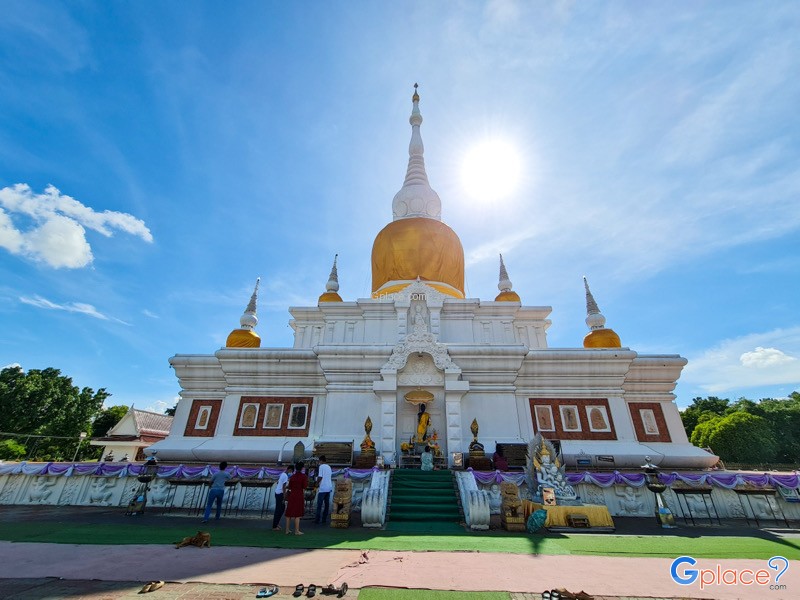

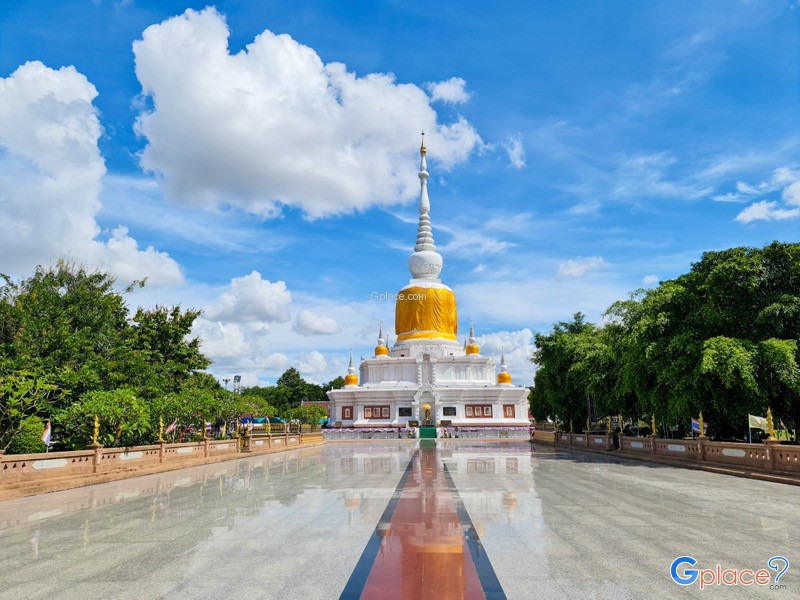
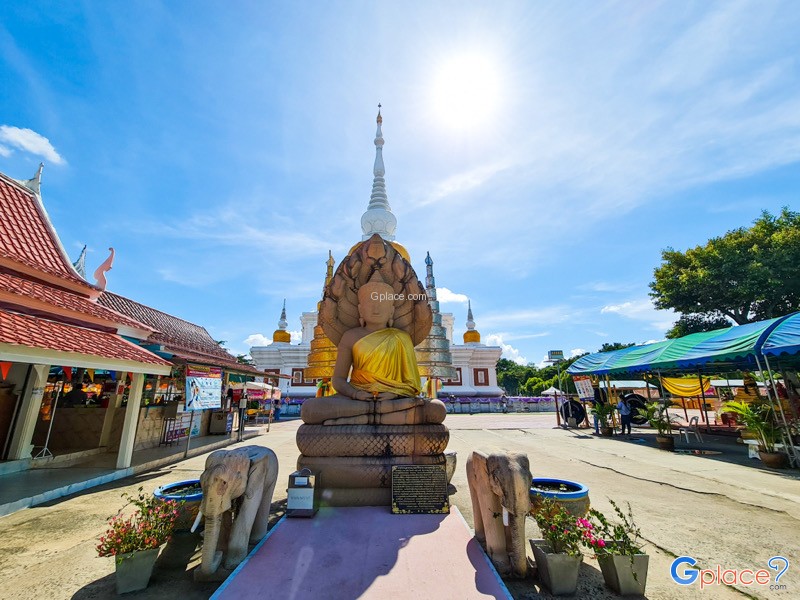

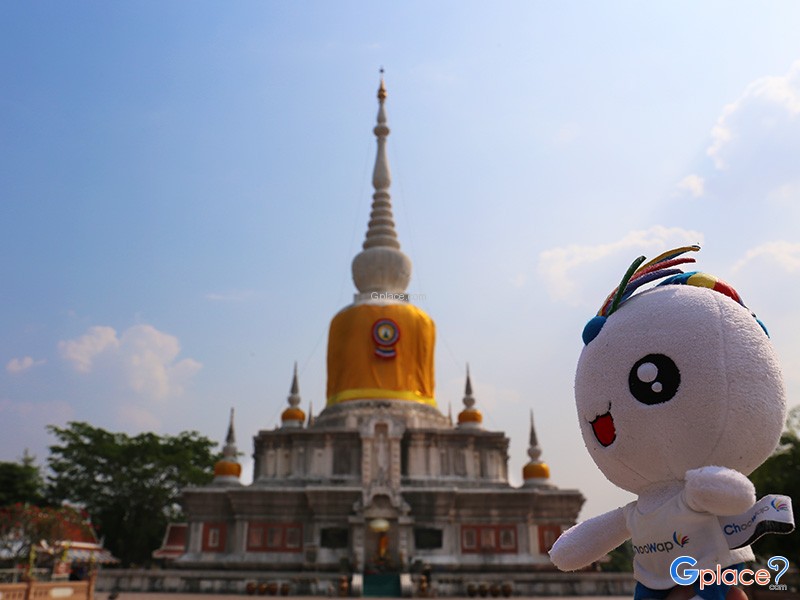

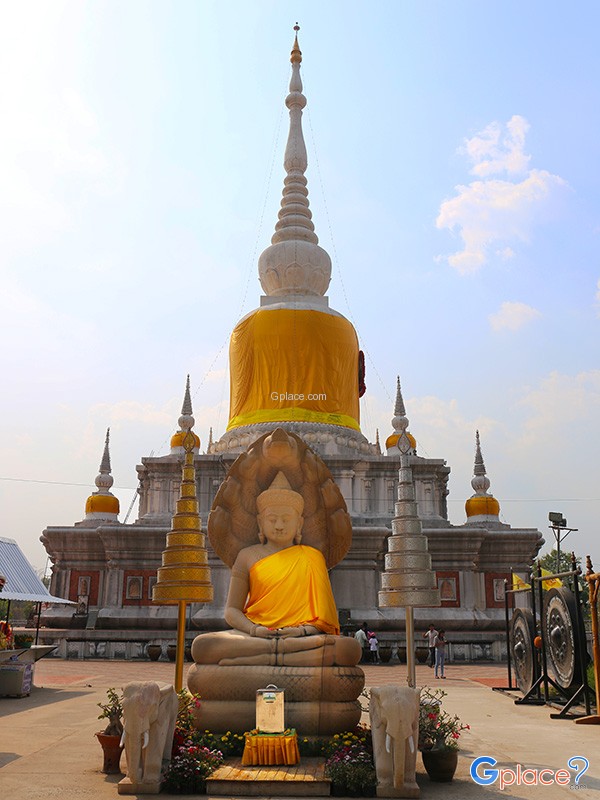
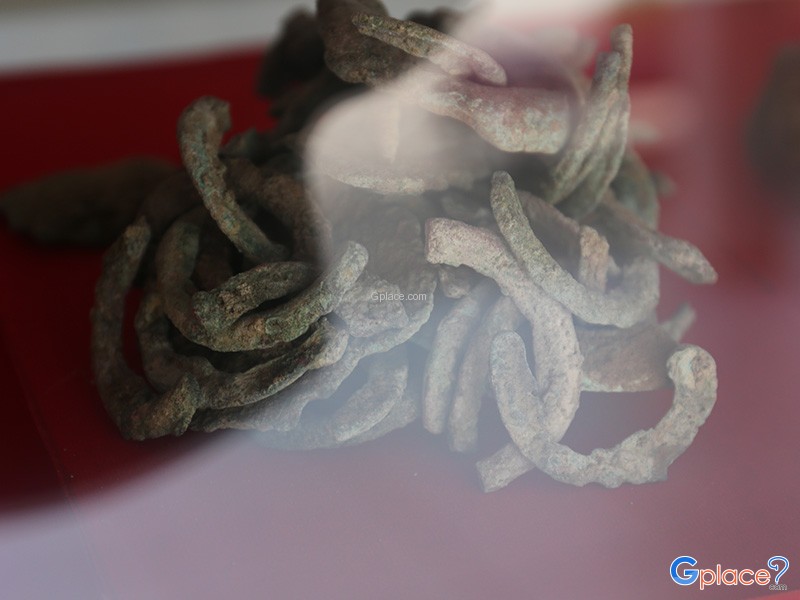
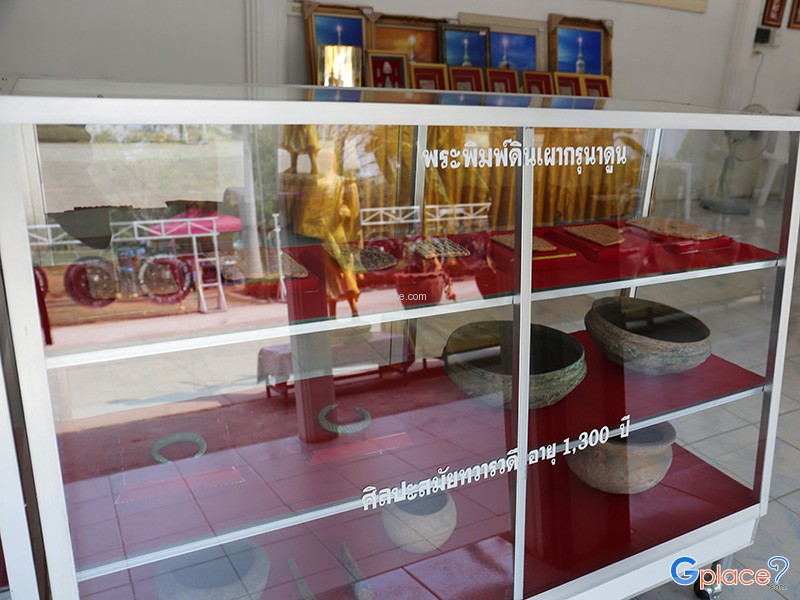

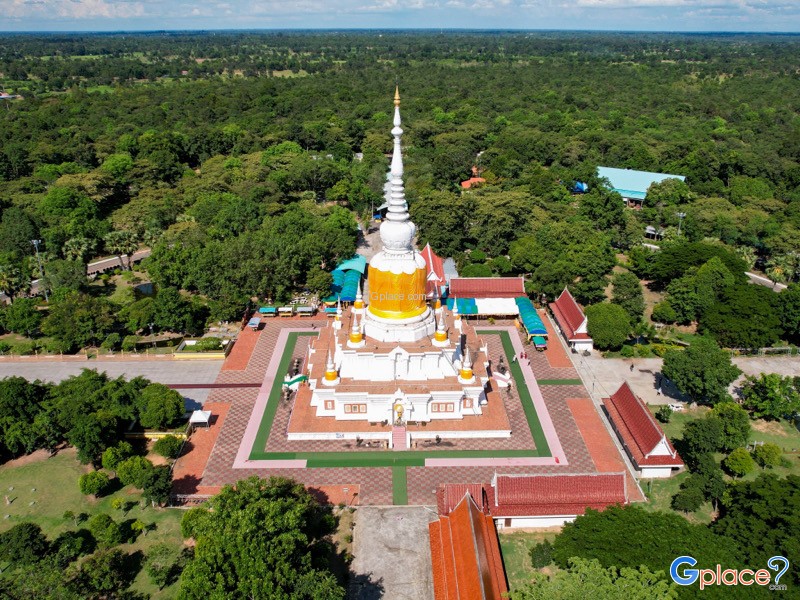
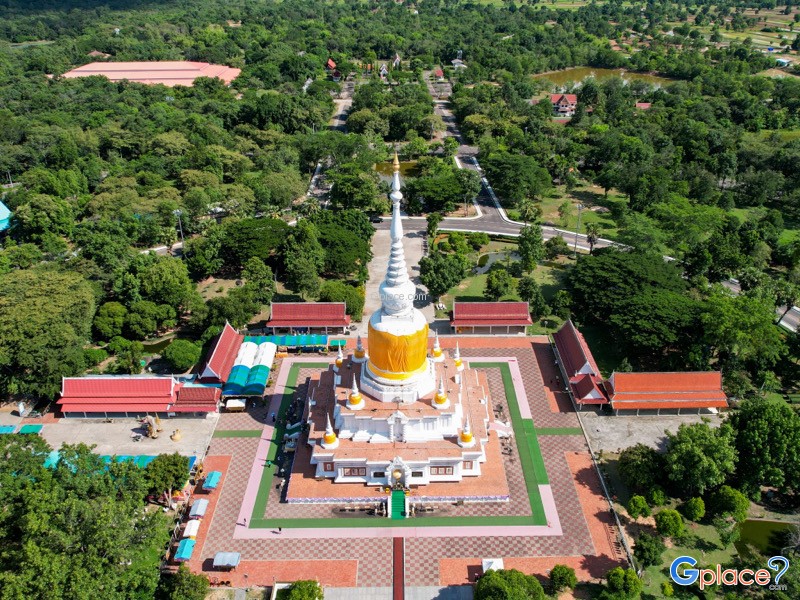
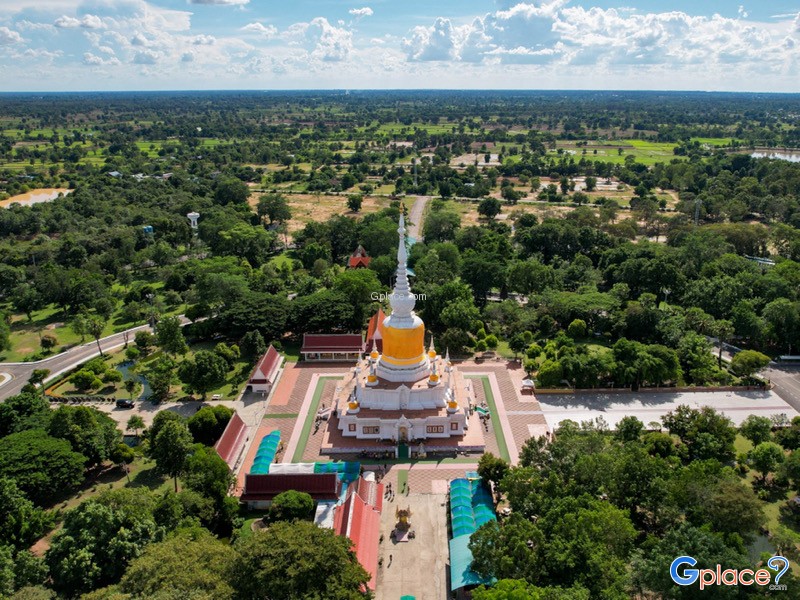
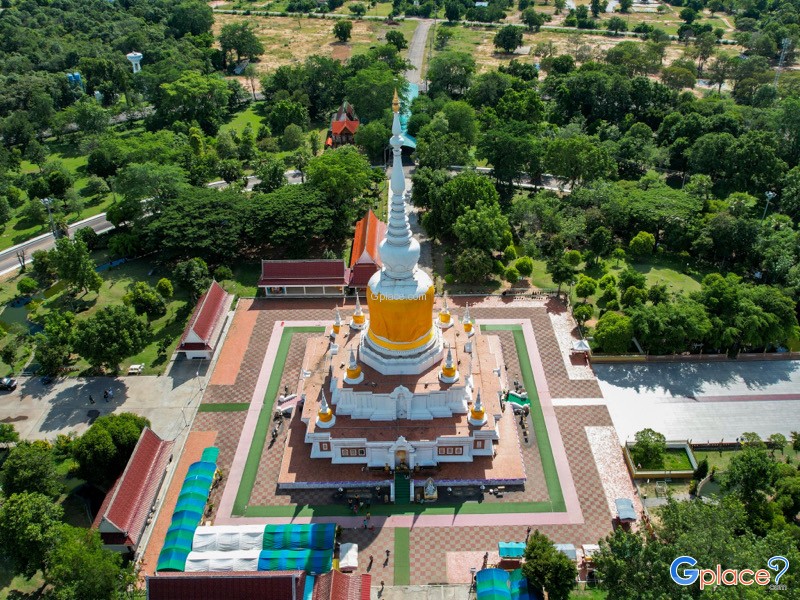


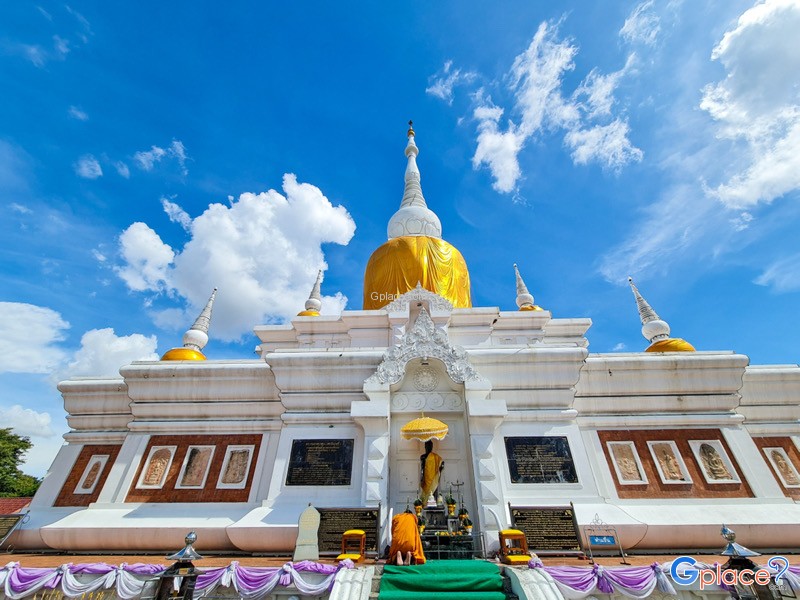
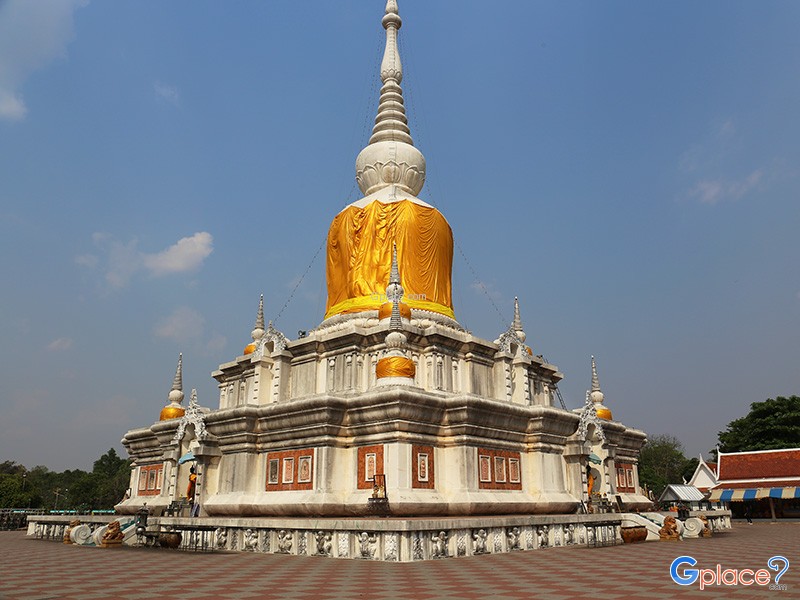
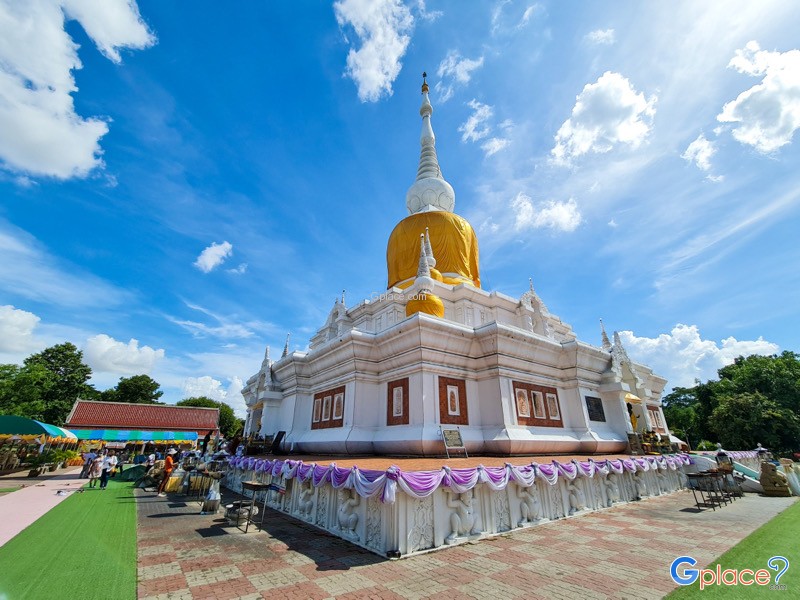
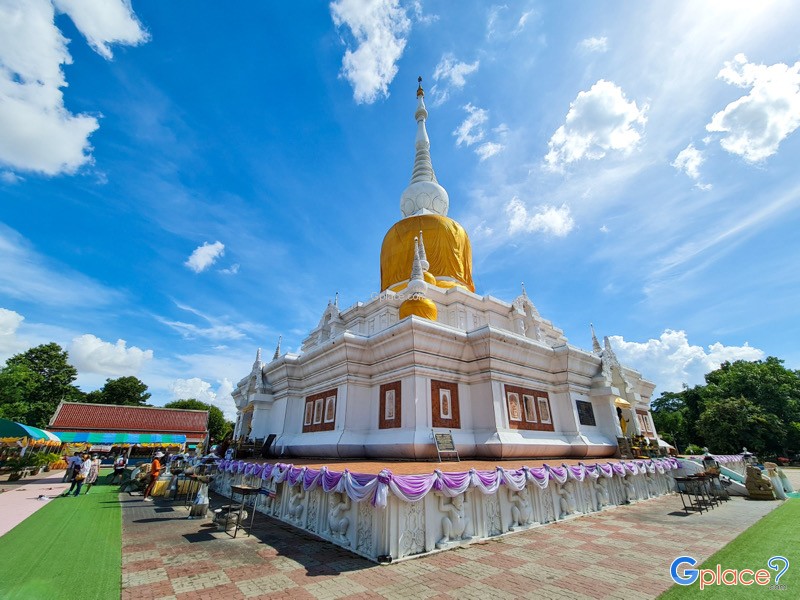
“ A stupa containing Buddha relics was discovered, enshrined in gold, silver, and bronze containers, dating back to approximately the 8th–10th centuries CE (13th–15th Buddhist century). ”
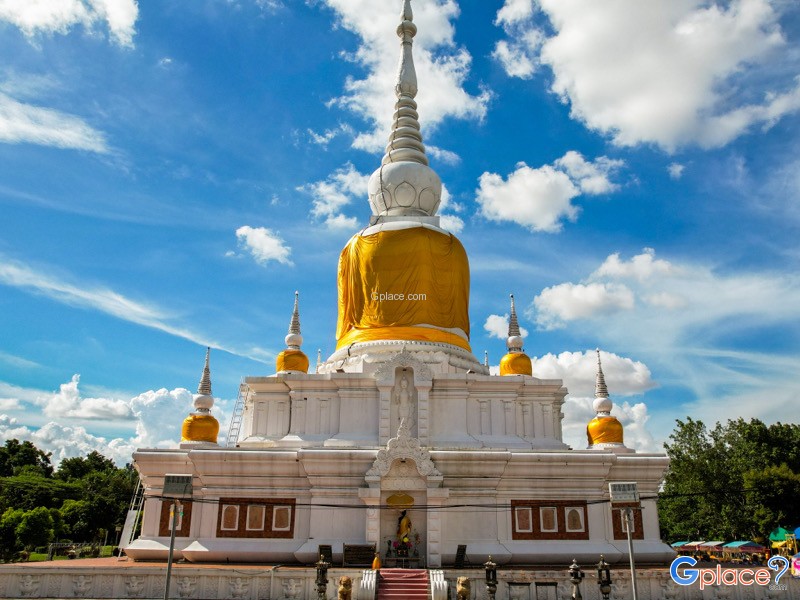
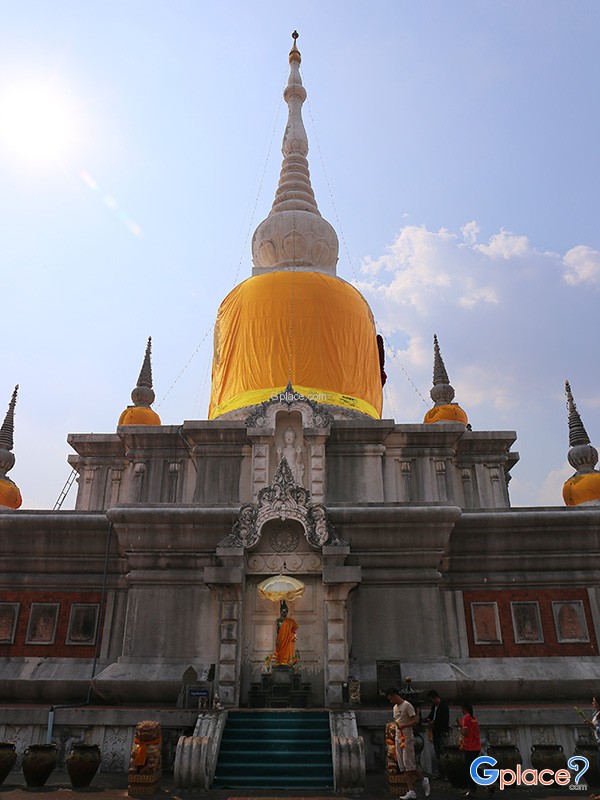
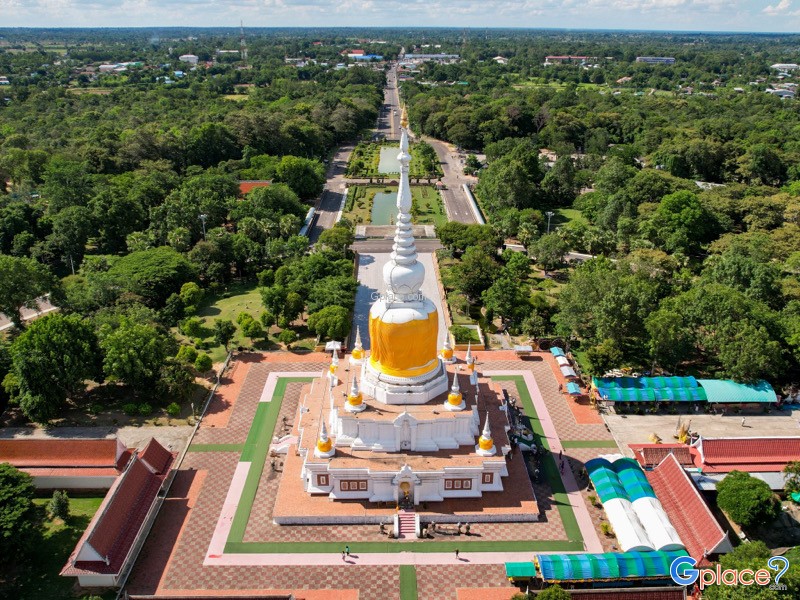
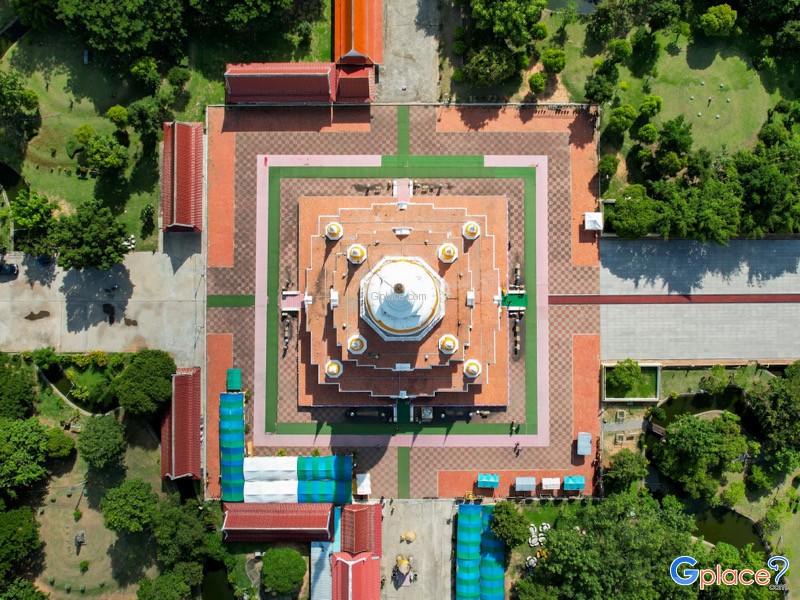
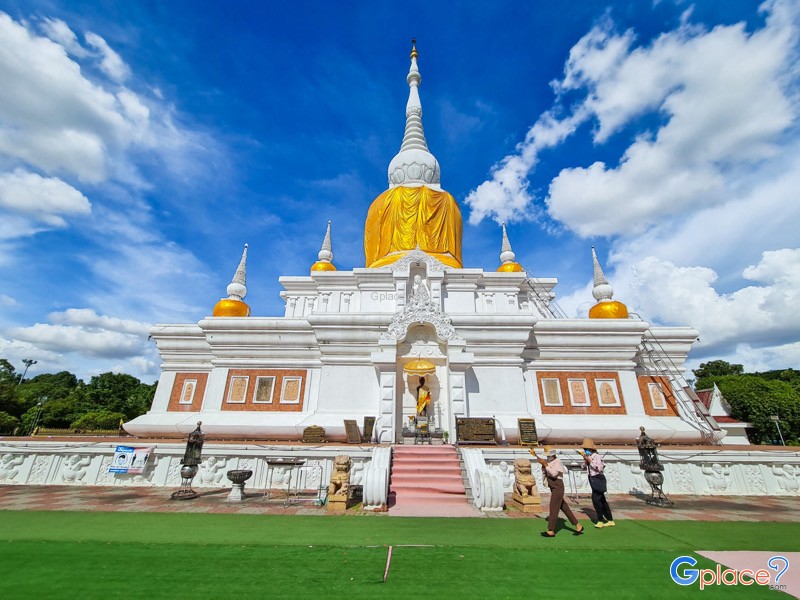
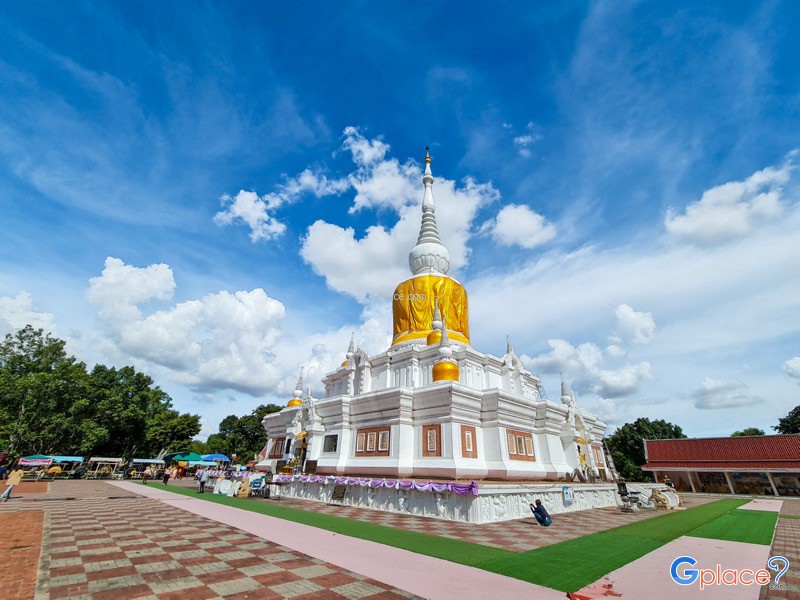
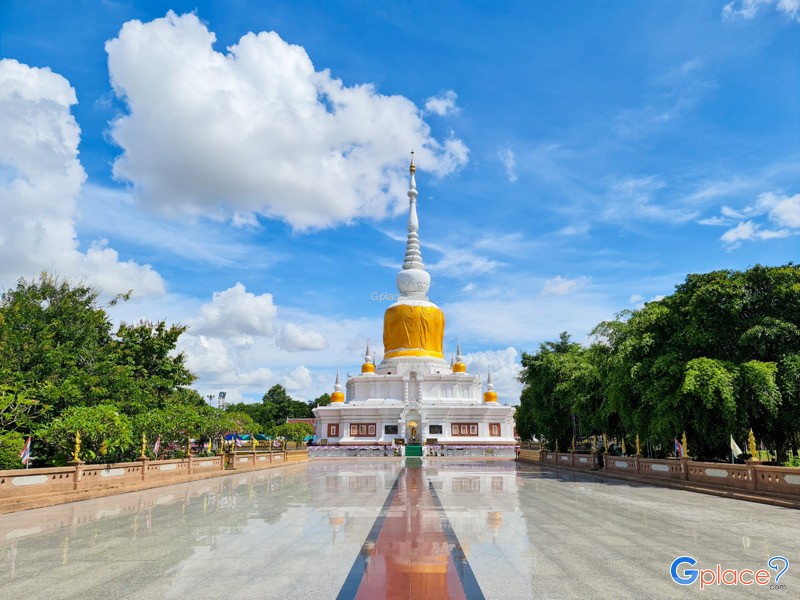
Phra That Na Dun is an important religious site in northeastern Thailand, notable for its history, archaeology, architecture, and Buddhist devotion. It is regarded as the spiritual center of the local community and is widely known as the “Buddhist Center of Isan,” reflecting its deep cultural and religious significance.The current stupa was reconstructed to replicate an ancient Dvaravati-style stupa excavated at Ban Na Dun in 1979. It stands about 50.50 meters tall and features a square-based design that emphasizes stability, simplicity, and balance, following early Buddhist architectural concepts from the Dvaravati period, one of the earliest Buddhist artistic traditions in mainland Southeast Asia. This gives the stupa a solemn and spiritually symbolic character.A key highlight is its terracotta exterior decoration, a distinctive feature of Dvaravati art. The patterns often draw inspiration from Buddhist symbols such as the Dharmachakra (Wheel of Dharma), lotus motifs, and vine-like designs, representing purity and the spread of Buddhist teachings. The natural earth-toned color of the terracotta enhances the structure’s calm and harmonious appearance with its surroundings.
The surrounding area covers approximately 902 rai and has been developed into a complete Buddhist park. It includes a botanical garden with local Isan plant species, a herbal garden reflecting traditional Thai medicinal knowledge, and green spaces integrated with natural water features. The landscape is designed to support walking meditation and spiritual practice, making it not only a tourist destination but also a place for inner peace and mindfulness.Historically, the site was part of the ancient city of Nakhon Champa Si, an important settlement during the late Dvaravati period. Archaeological excavations have uncovered numerous artifacts, including clay votive tablets, small Buddha images, and miniature stupas, indicating a once-flourishing Buddhist community connected to wider cultural networks in the Chi and Mekong river basins.A major discovery in 1979 revealed a stupa containing Buddha relics enshrined in elaborately crafted gold, silver, and bronze containers. This discovery provided significant evidence of strong Buddhist faith in the ancient community and became the basis for constructing the present-day Phra That Na Dun, with the relics re-enshrined at the original site as a focal point of worship.
Culturally, Phra That Na Dun hosts an important annual religious festival, especially during Makha Bucha Day. The event features merit-making ceremonies, candlelight circumambulation, cultural parades, and the large-scale “Ram Champa Si” dance performed by thousands of participants. The festival reflects strong community devotion and preserves local traditions.Overall, Phra That Na Dun is not only a religious monument but also a historical landmark, an archaeological heritage site, and a spiritual center that continues to play an important role in people’s lives today, symbolizing the enduring connection between the past, the present, and living faith.
How to Get There
- By car: From Maha Sarakham city, take Highway 2040 passing through Kaedam and Wapi Pathum districts, then turn onto Highway 2045 toward Na Dun District. The total distance is approximately 65 km.
- By public transport: Minibuses and public buses operate on the Maha Sarakham – Wapi Pathum – Na Dun route, departing from Maha Sarakham Bus Terminal.
Travel Tips
- Visit in the early morning or late afternoon for better lighting and cooler temperatures.
- Dress modestly, as it is a sacred religious site.
- Avoid midday heat; bring water and an umbrella.
- Visit during Makha Bucha Festival for a full cultural experience.
- Allow extra time to walk around the surrounding Buddhist park and temple grounds.
Admission Fee:
- Free of charge (no entrance fee)
Opening Hours:
- Open daily from 06:00 AM – 06:00 PM
Phra That Na Dun

 Share
Share
 Phra That, Na Dun, Maha Sarakham, 44180
Map
Phra That, Na Dun, Maha Sarakham, 44180
Map
 Closed today
Mon6.00 - 18.00
Tue6.00 - 18.00
Wed6.00 - 18.00
Thu6.00 - 18.00
Fri6.00 - 18.00
Sat6.00 - 18.00
Sun6.00 - 18.00

 https://www.thai-tour.com/thai-tour/northeast/mahasarakam/data/place/pic-phrathatnadun.html

 5102
5102