 Attractions
  Hotel
Hotel  Restaurant
  Shopping
  Abroad





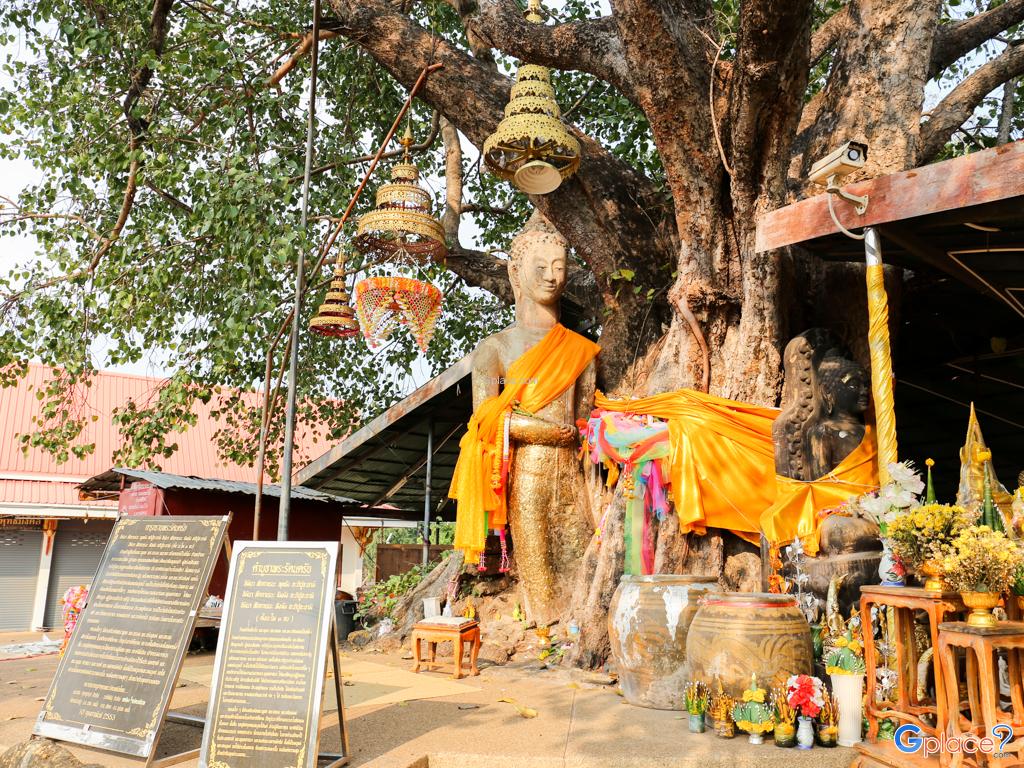

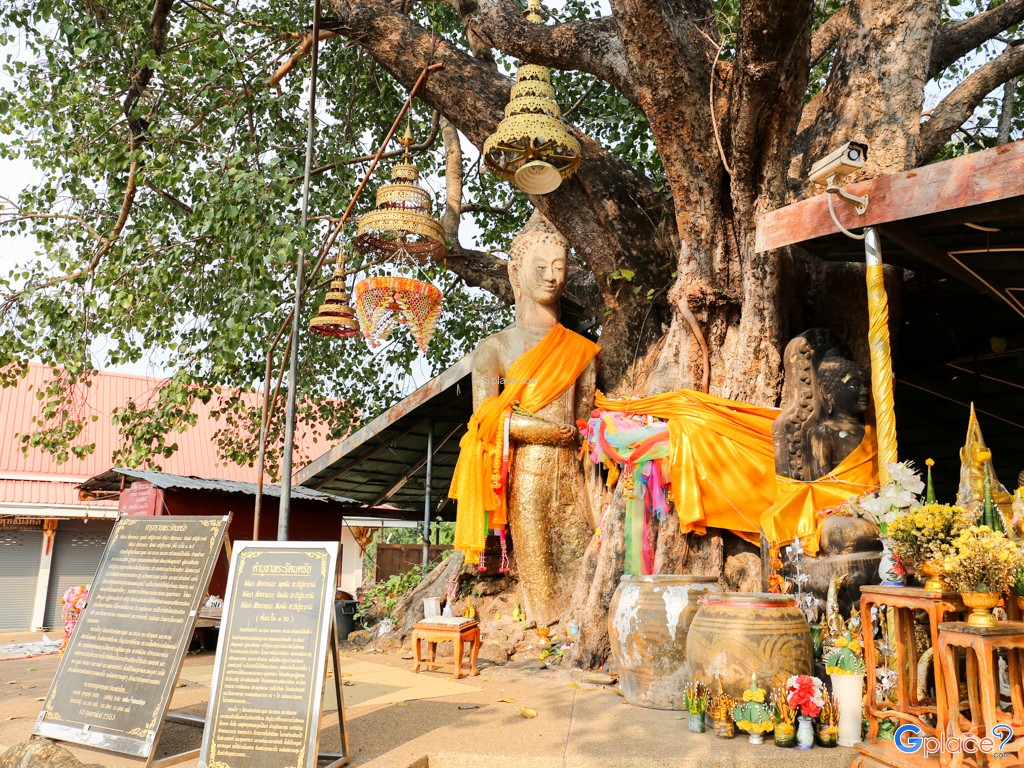
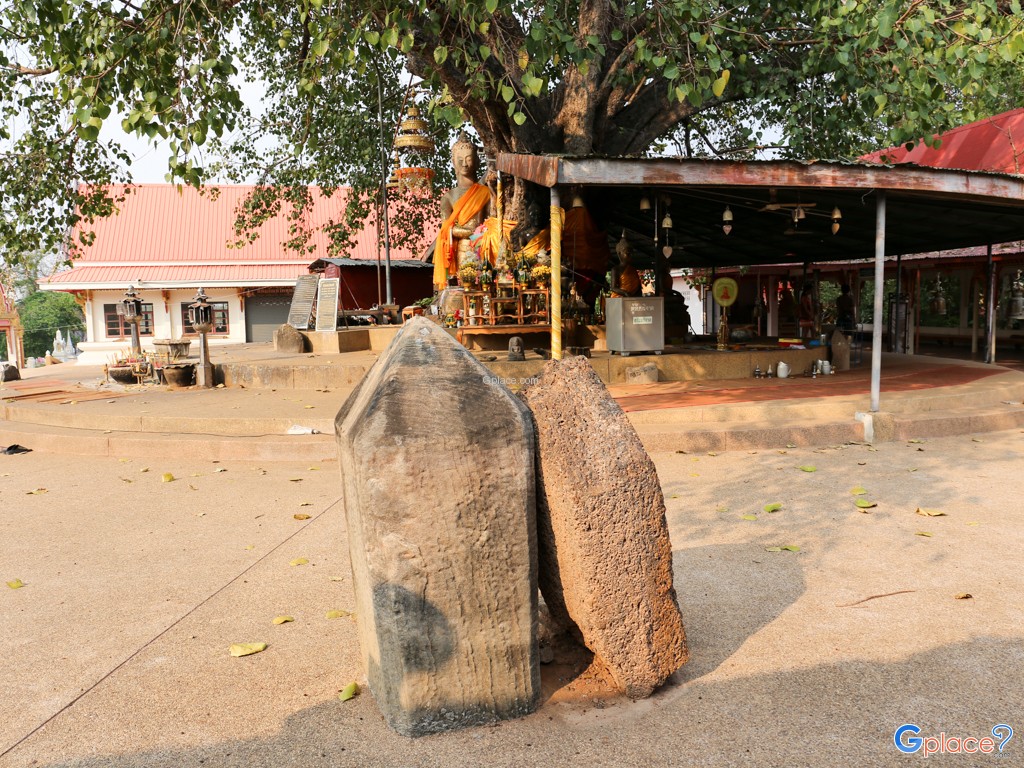
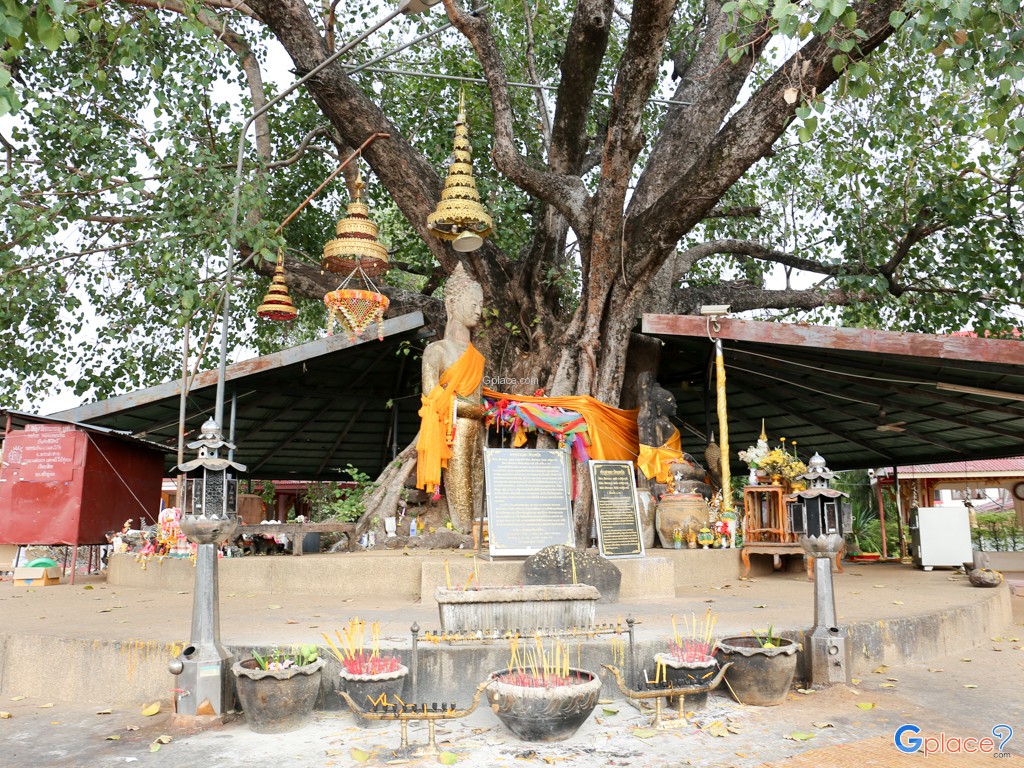
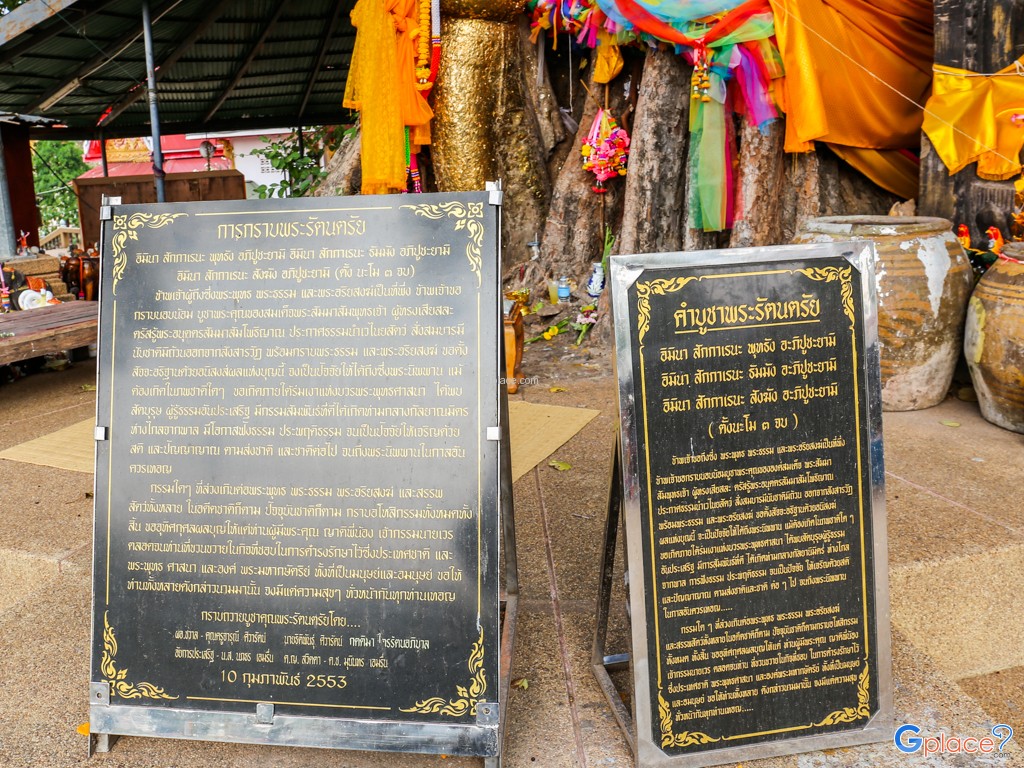
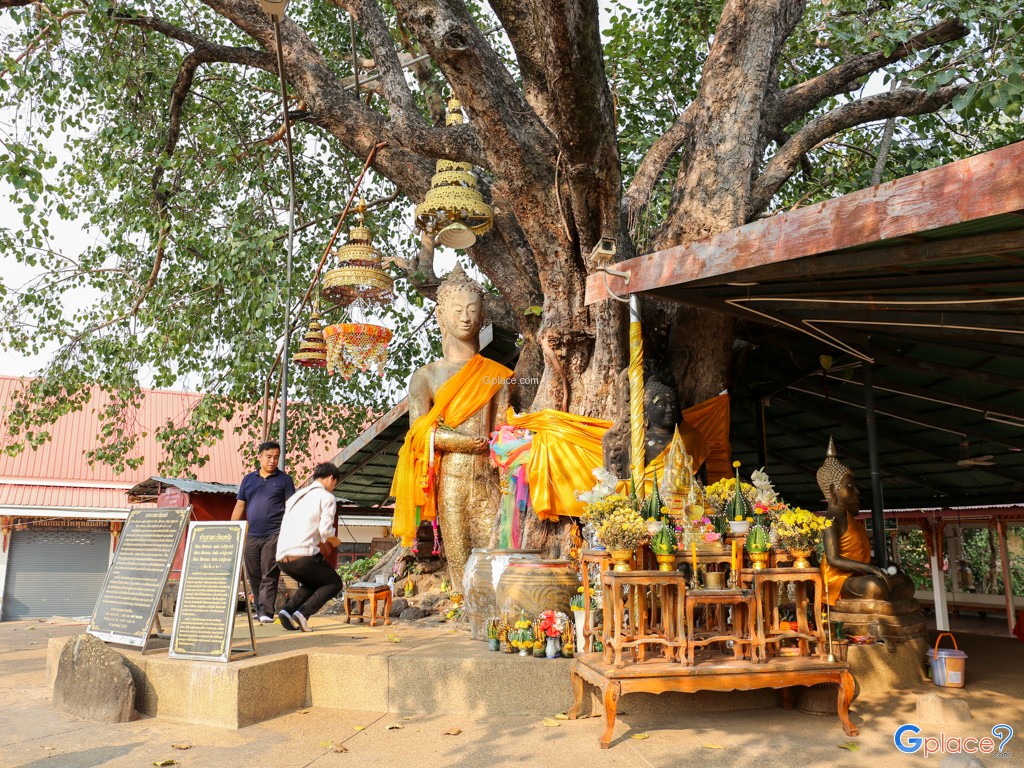
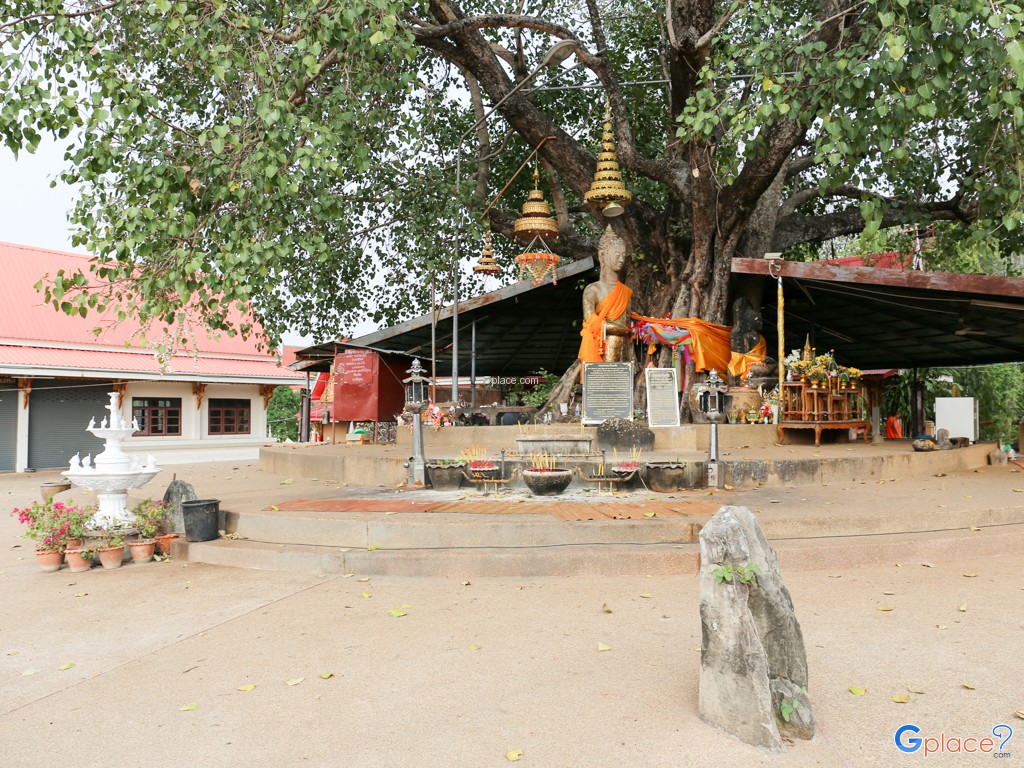
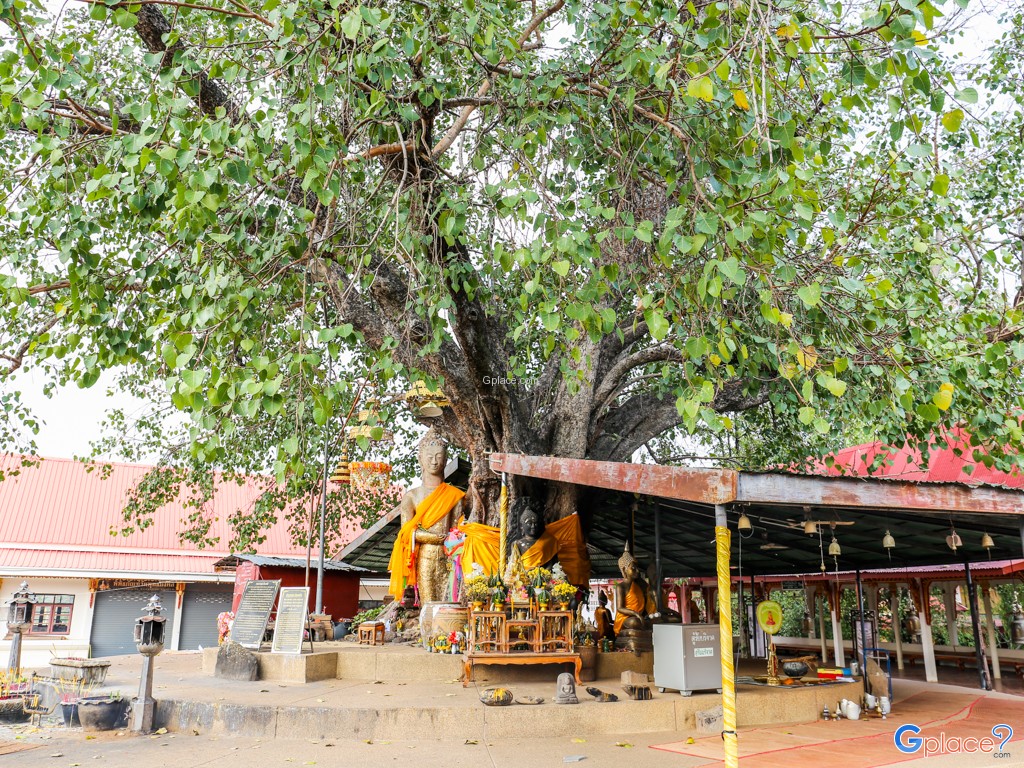
“A thousand-year-old red sandstone Buddha image from the Dvaravati period, distinguished by its ancient Bai Sema stone courtyard and legendary rain-praying folklore of Kantharawichai.”
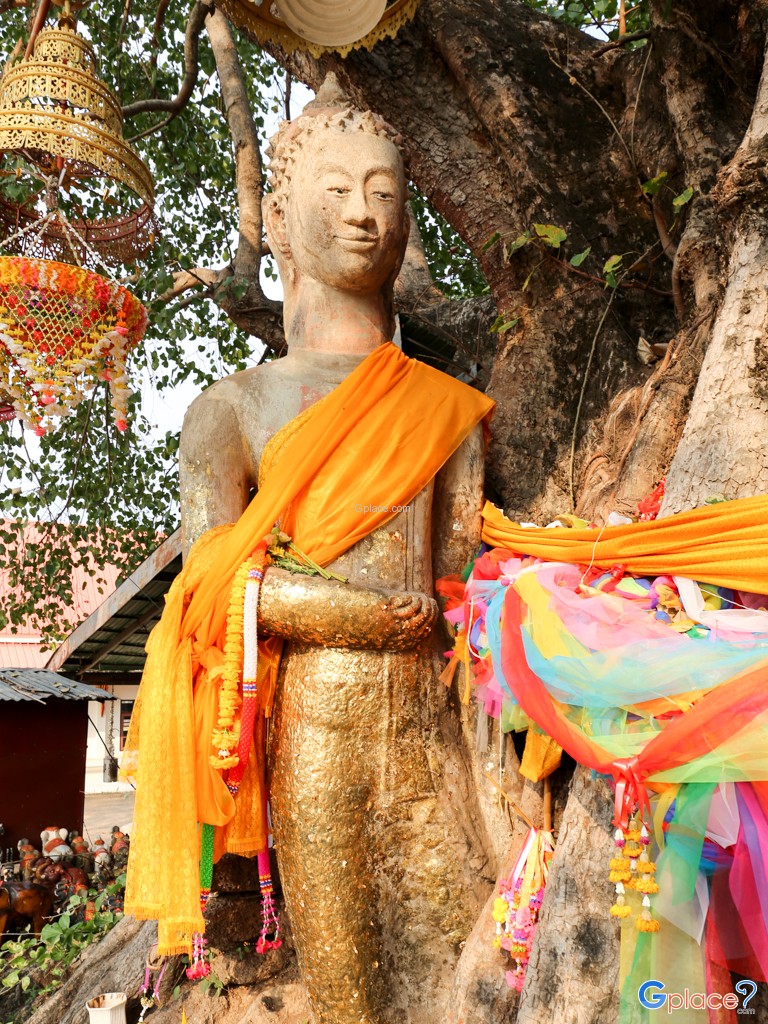
Phra Phuttha Yuen Mongkhon, locally known as “Luang Pho Phra Yuen,” is regarded as one of the most important ancient sacred objects in Kantharawichai District, Maha Sarakham Province, both historically and spiritually. Scholars believe the standing Buddha image dates back to the 7th–11th centuries CE during the late Dvaravati period, when ancient Khmer artistic influences spread throughout the Chi River basin in northeastern Thailand.The Buddha image was carved entirely from a single block of red sandstone, a material widely used in ancient Khmer religious architecture and sculpture. The statue features a square-shaped face, connected arched eyebrows, a tall and slender body, and a calm standing posture. These characteristics clearly reflect the fusion of Dvaravati Buddhist art and Khmer artistic traditions. The image also serves as historical evidence of the prosperity of the ancient Kantharawichai community, which was once an important cultural and trade center of the region.
One of the unique features of Phra Phuttha Yuen Mongkhon is its enshrinement in an open-air Bodhi courtyard rather than inside a traditional ordination hall like most modern temples. Surrounding the statue are two layers of ancient sandstone Bai Sema boundary stones, symbols traditionally used to designate sacred Buddhist grounds during the Dvaravati period. Archaeologists believe the site may have functioned as an important religious sanctuary long before the establishment of the present temple. Another fascinating aspect is the legendary tale of the “Male and Female Standing Buddhas.” According to local folklore, Kantharawichai once suffered from severe drought and famine. The villagers united in faith and created sacred Buddha images to pray for rain and prosperity. Men built “Phra Phuttha Ming Mueang,” while women created “Phra Phuttha Yuen Mongkhon.” After the completion ceremonies were held, rain finally returned and the land became fertile once again. Since then, local people have believed that the standing Buddha possesses spiritual power related to rainfall, abundance, and peace.
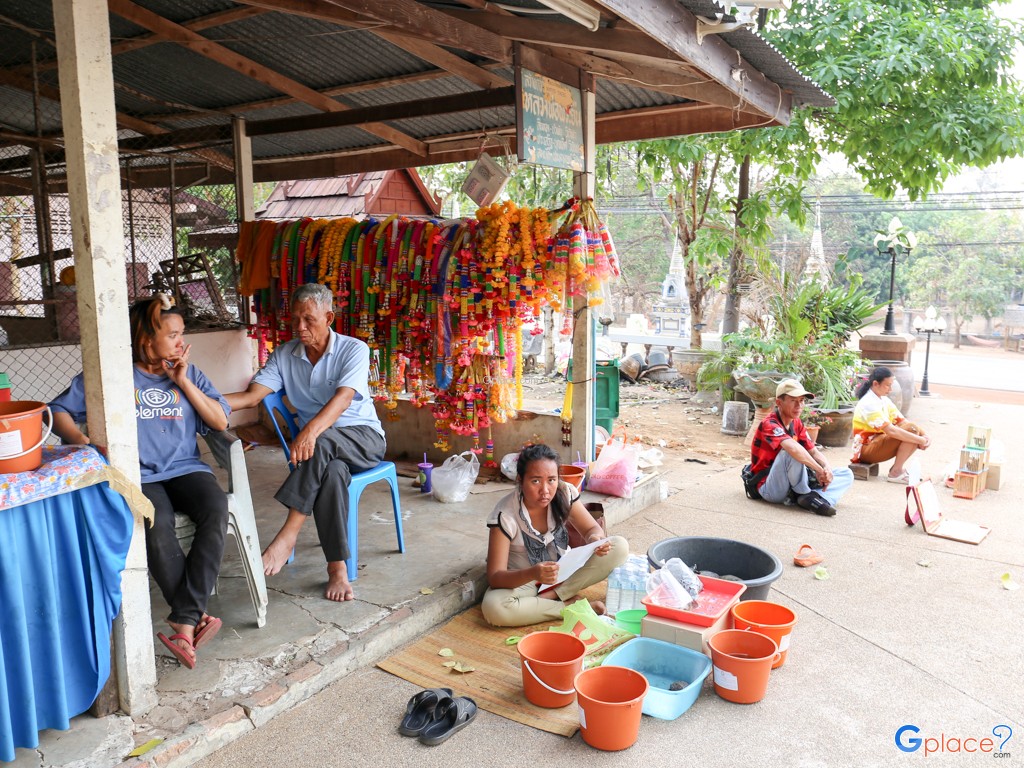
Today, Wat Phutthamongkhon still preserves the peaceful atmosphere of a traditional rural temple, shaded by large Bodhi trees and old native plants. The base of the Buddha image shows traces of restoration from different historical periods, reflecting the continuous devotion and care of the local community over centuries. Although a protective roof was later added to shield the statue from weather damage, the original open-air arrangement has been preserved in accordance with ancient beliefs. In terms of local faith, worshippers commonly visit the site to pray for blessings, prosperity, seasonal rainfall, family well-being, and harmony in life. During important Buddhist festivals, many people come to apply gold leaf, pour holy water, and offer flowers and incense. More than simply an archaeological monument, Phra Phuttha Yuen Mongkhon remains a living spiritual center and an enduring symbol of faith for the people of Kantharawichai and Maha Sarakham to this day.
How to Get There
- By Car: From Maha Sarakham city, take Highway No. 213 (Maha Sarakham–Kalasin Road) toward Kantharawichai District for approximately 14 kilometers. Once you arrive in Kantharawichai District, turn onto Dinanont Road and continue toward Ban Sa Village. Wat Phutthamongkhon will be clearly visible on the right-hand side.
Travel Tips
Admission Fee:
- Free admission for both Thai and international visitors. Donations for flowers, incense, candles, and temple maintenance are welcome according to personal faith and generosity.
Opening Hours:
- Open daily for visitors and worshippers from 6:00 AM – 6:00 PM.
Phra Phuttha Yuen Mongkhon

 Share
Share
 Khanthararat, Kantharawichai, Maha Sarakham, 44150
Map
Khanthararat, Kantharawichai, Maha Sarakham, 44150
Map
 Open now : 6.00 - 18.00
Mon6.00 - 18.00
Tue6.00 - 18.00
Wed6.00 - 18.00
Thu6.00 - 18.00
Fri6.00 - 18.00
Sat6.00 - 18.00
Sun6.00 - 18.00

 https://www.thai-tour.com/thai-tour/northeast/mahasarakam/data/place/pic-standingbuddhamongkol.html

 4867
4867