“A thousand-year-old red sandstone Buddha statue from the Dvaravati period, renowned for its rainmaking legend of Kantharawichai, ancient Sim hall, and peaceful shady atmosphere.”

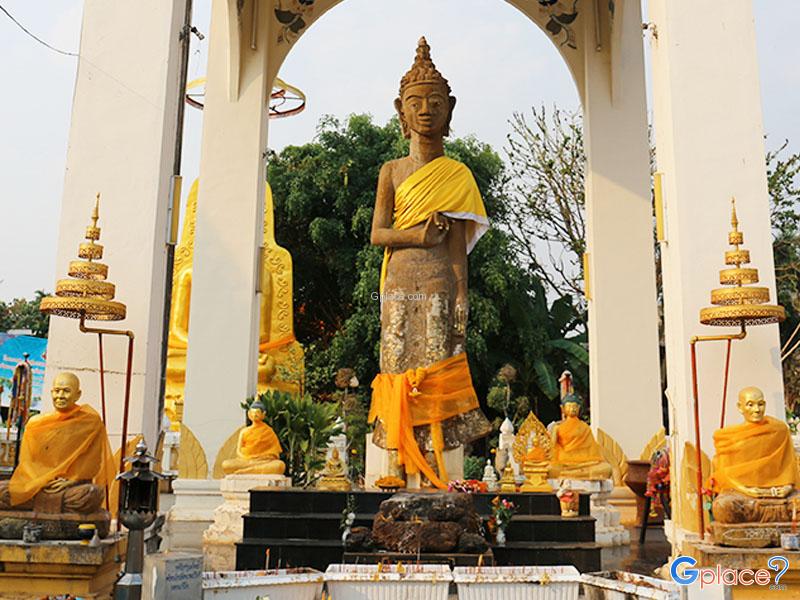
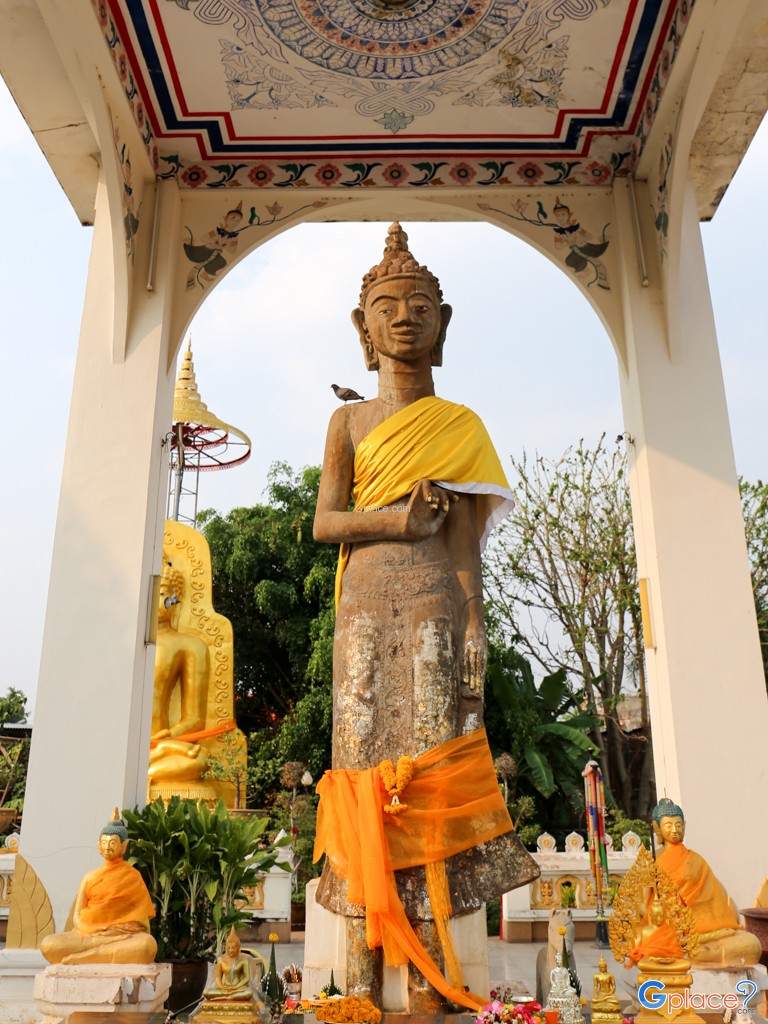
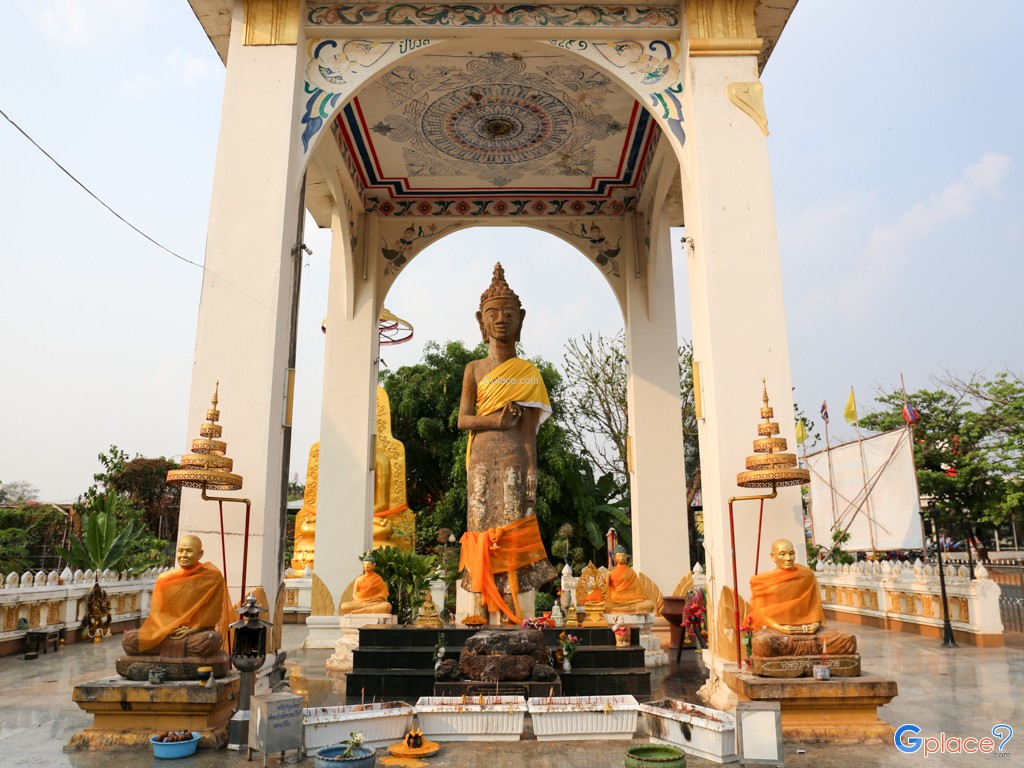
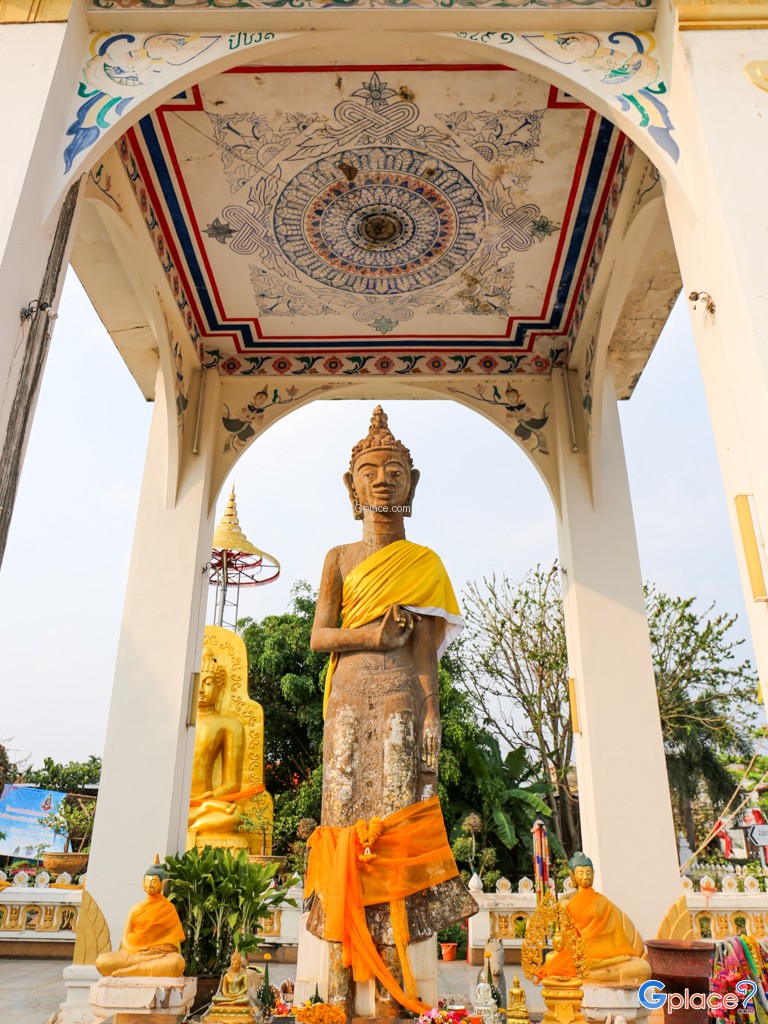
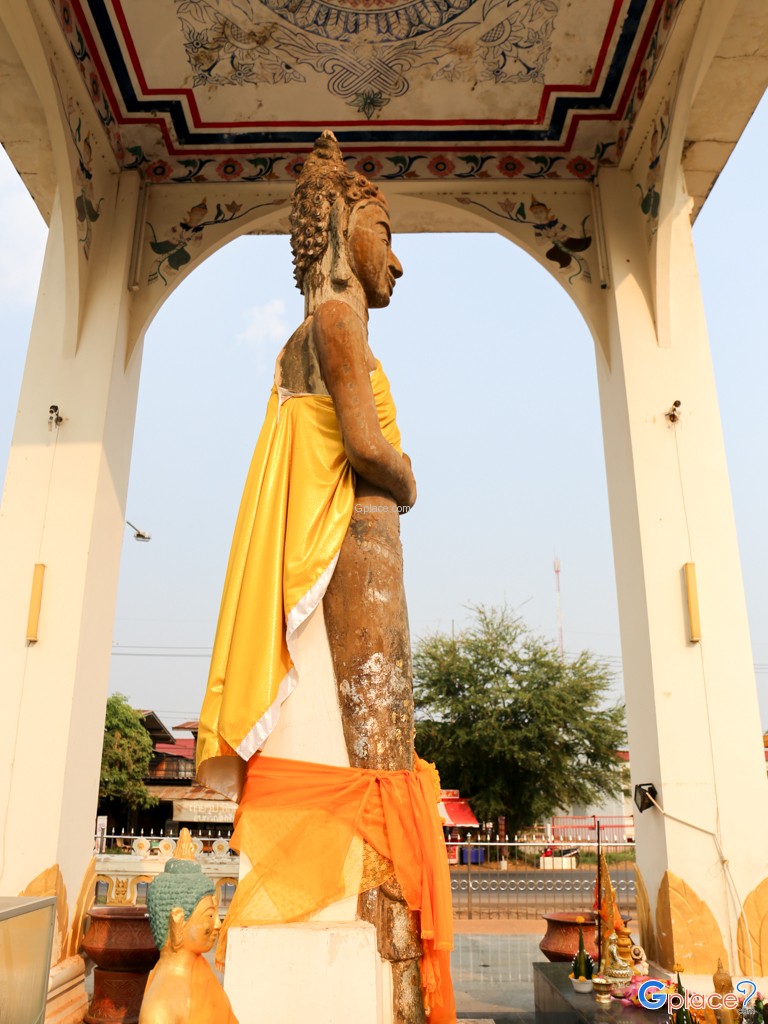
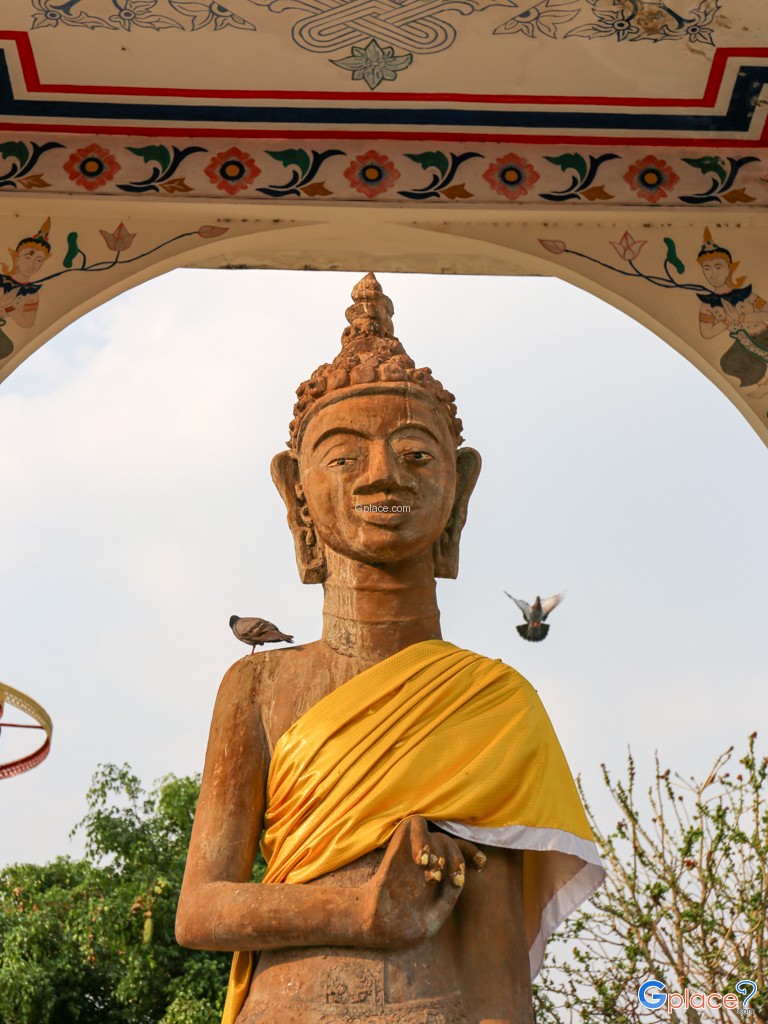
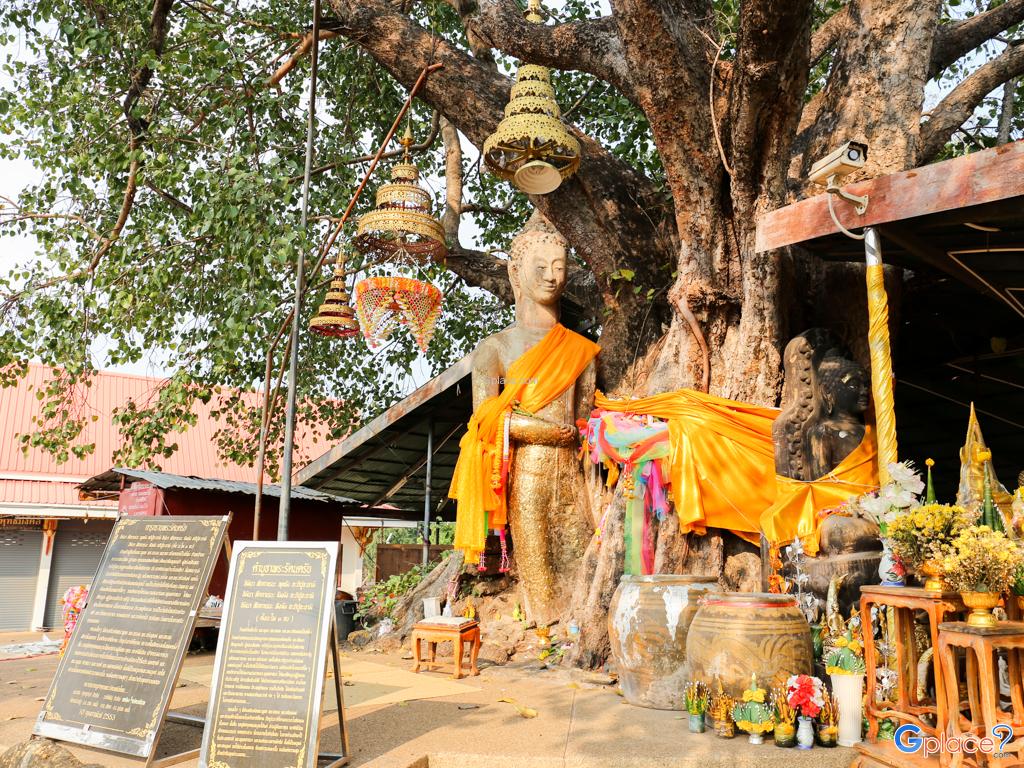
Ming Muang Buddha Statue, also known as “Phra Phuttharup Suwannamali,” is one of the most important ancient relics in Maha Sarakham Province. The statue is enshrined within Wat Suwannawat, an area that once flourished during the Dvaravati period and was historically connected to the ancient city of “Kantharathirat.”The Buddha image is a standing statue carved entirely from red sandstone, approximately 4 meters tall. Archaeologists believe it was created between the 13th–15th Buddhist centuries in the late Dvaravati artistic style. Its distinctive features include a square-shaped face, connected eyebrow lines resembling wings, a prominent nose, thick lips, and a robe clinging closely to the body. These characteristics reflect Dvaravati Buddhist art influenced by India’s Gupta style blended with local Isan craftsmanship.

Some archaeologists classify the statue among the rare group known as the “Dvaravati Standing Buddhas of the Chi River Basin,” an important archaeological indication that Kantharawichai was once a significant center of Buddhism and settlement in northeastern Thailand.The statue is commonly identified as depicting the “Bathing Buddha Posture” or, according to some interpretations, the “Pacifying the Ocean Posture.” Both hands are raised near the chest, symbolizing protection, peace, and the prevention of disasters. Local people therefore regard the statue as a sacred guardian Buddha that brings fertility, seasonal rainfall, and protection from illness and drought. According to local legend, the ancient city of Kantharathirat once suffered from severe drought, famine, and disease outbreaks. Tao Singto Dam, the ruler of the city at the time, gathered the townspeople to create two sacred standing Buddha images in order to seek forgiveness from nature and restore morale to the community. The men built “Phra Phuttha Mongkhon” at Wat Phutthamongkhon, while the women created “Ming Muang Buddha Statue” at Wat Suwannawat. After both statues were completed, heavy rain finally returned, restoring prosperity and abundance to the land. Since then, the Buddha image has been deeply associated with rainfall, fertility, and the well-being of the community.

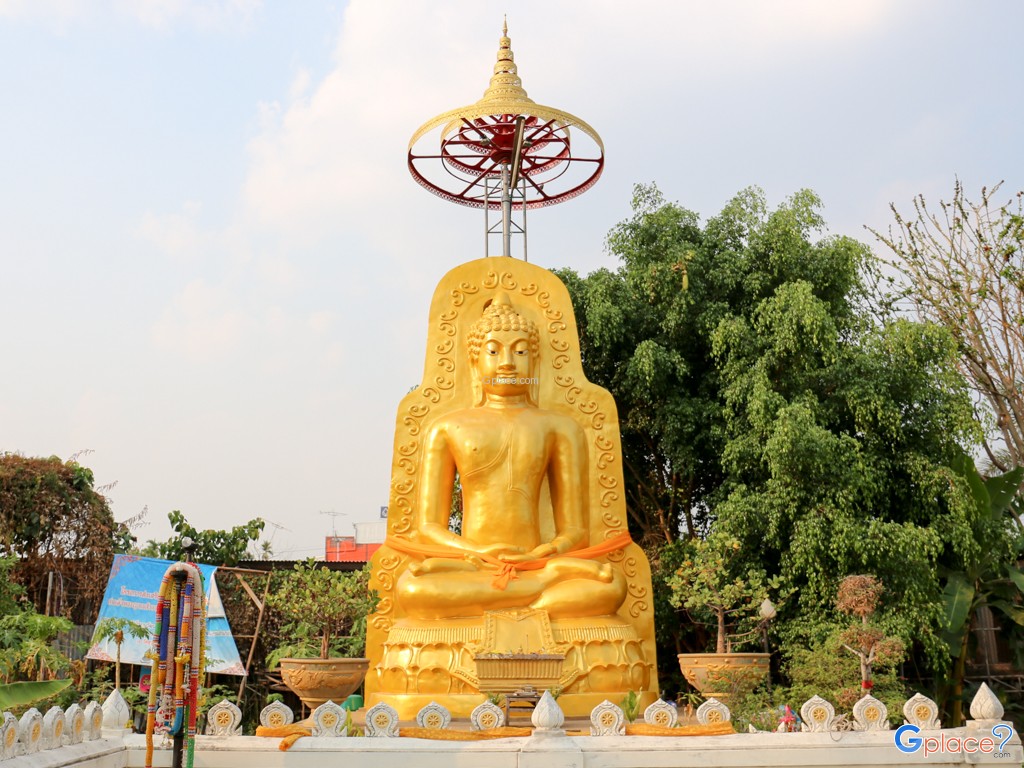
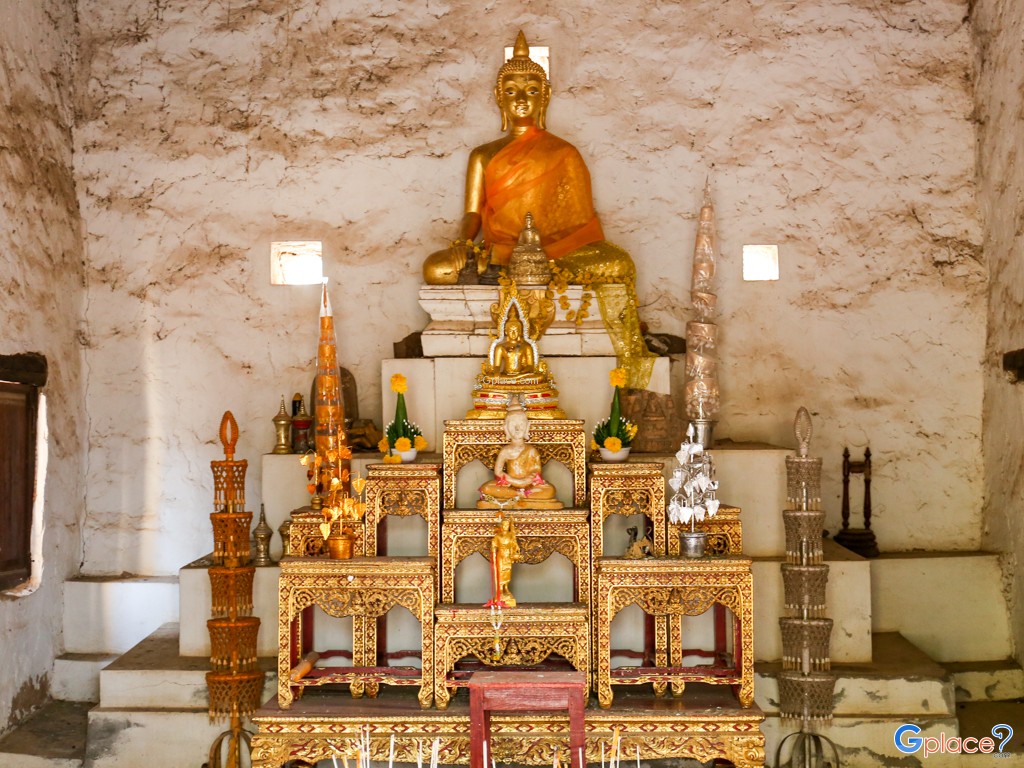
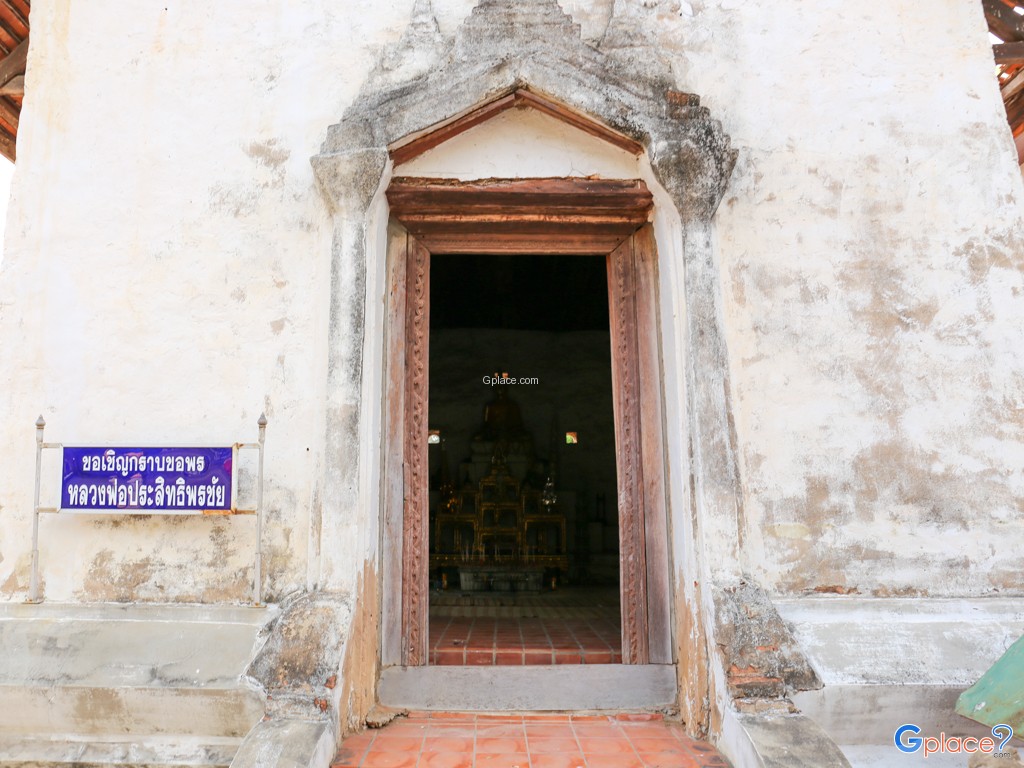
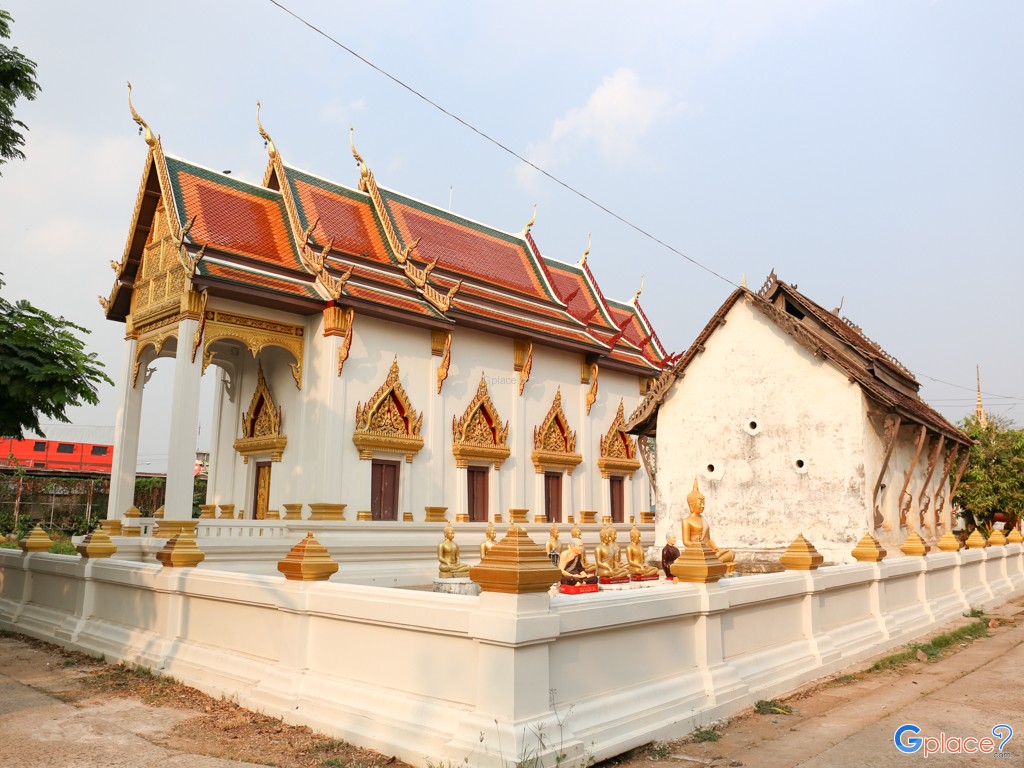
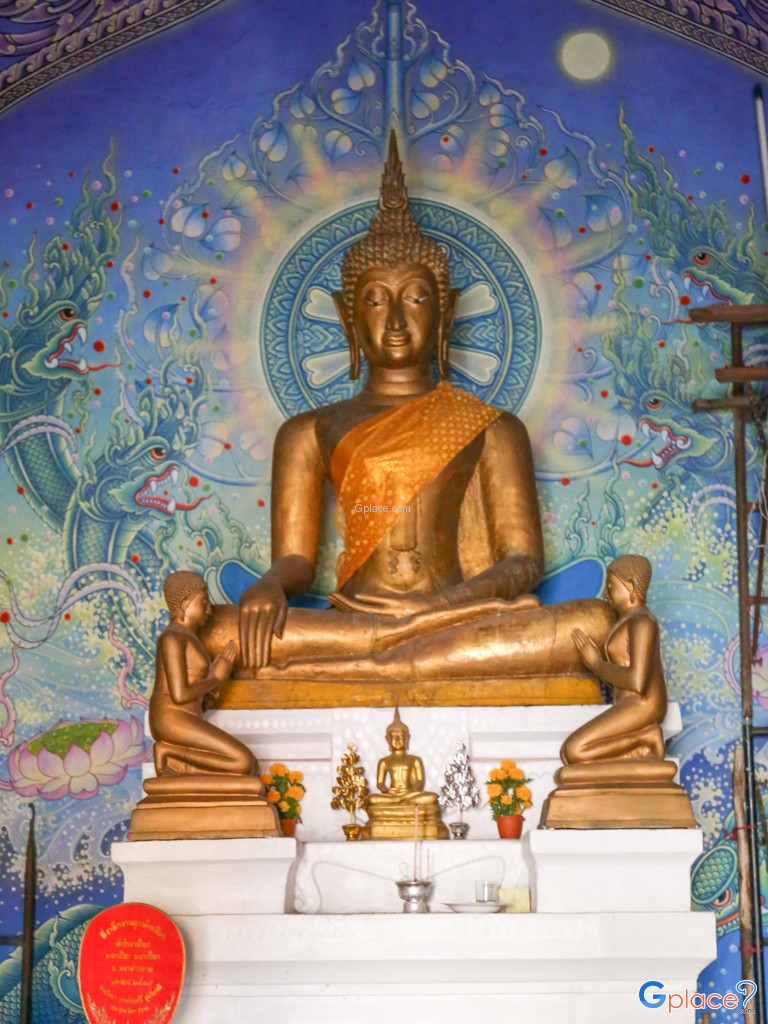
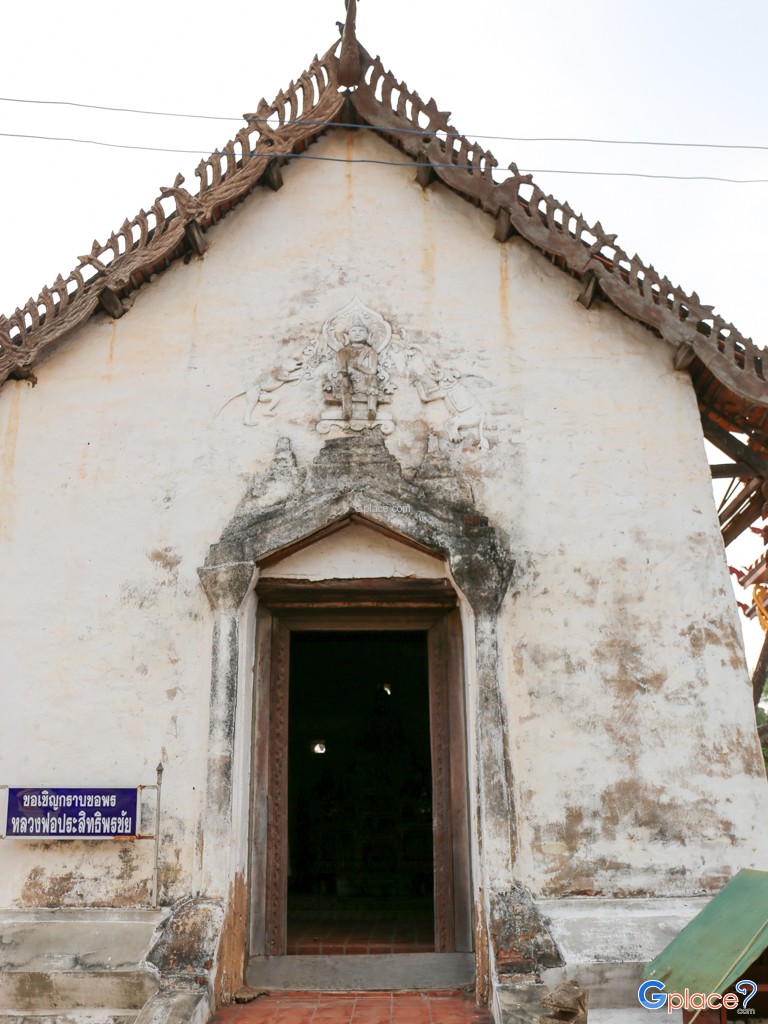
Within Wat Suwannawat stands an ancient Isan-style “Sim” (ordination hall), reflecting local architectural wisdom through its simple yet elegant design. The temple grounds are peaceful and shaded by large trees, making the site ideal not only for merit-making and meditation but also for those interested in Isan history, archaeology, and traditional culture.Today, Ming Muang Buddha Statue is officially registered as an archaeological site by Thailand’s Fine Arts Department and remains one of the most important cultural symbols of Maha Sarakham Province. Visitors, historians, and Buddhist devotees continue to travel here to pay respect, especially during important Buddhist festivals. Many local people believe the sacred Buddha image grants blessings related to career success, education, health, and prosperity, earning it the reputation as a revered guardian of Kantharawichai for more than a thousand years.


How to Get There
  • By Car: From Maha Sarakham city center, take Highway No. 213 (Maha Sarakham–Kalasin Road) toward Kantharawichai District for approximately 14 kilometers. Once entering the district community area near the local market, Wat Suwannawat will be on the left-hand side. The entrance is easy to access and clearly signposted.
  • By Public Transport: Visitors can take local buses or minivans operating on the Maha Sarakham–Kalasin or Khon Kaen–Maha Sarakham routes, which pass through Kantharawichai District and in front of Wat Suwannawat. Simply inform the driver to stop at the temple.

Travel Tips
  • Visit both Wat Suwannawat and Wat Phutthamongkhon to pay respect to the legendary twin standing Buddha images for good fortune.
  • Early morning or late afternoon is recommended for cooler weather and beautiful photography.
  • Since the Buddha statue is enshrined outdoors, bringing a hat or umbrella is advisable.
  • Dress modestly and respectfully when visiting this sacred religious site.
  • Allow extra time to explore the ancient Isan-style Sim (ordination hall) and the peaceful shaded surroundings of the temple. 

Admission Fee:

  • Free admission for both Thai and international visitors. Donations for temple and heritage maintenance are welcome.

Opening Hours:

  • Open daily from 06:00 AM – 06:00 PM

Ming Muang Buddha Statue

Share

Khok Phra, Kantharawichai, Maha Sarakham 44150 Map

List 0 review | art & culture,attractions,Temple,place,temple

Closed today

Mon6.00 - 18.00
Tue6.00 - 18.00
Wed6.00 - 18.00
Thu6.00 - 18.00
Fri6.00 - 18.00
Sat6.00 - 18.00
Sun6.00 - 18.00


9

Manage your trips

Delete

All reviews

(List 0 review)

Nearby Places

Kantharawichai Public Park Kantharawichai Public Park

(List 0 review)

Distance 0.30 Kilometer

Phra Phuttha Yuen Mongkhon Phra Phuttha Yuen Mongkhon

(List 0 review)

Distance 1.53 Kilometer