“A traditional weaving village and a valuable learning center for academic studies in arts and cultural heritage.”

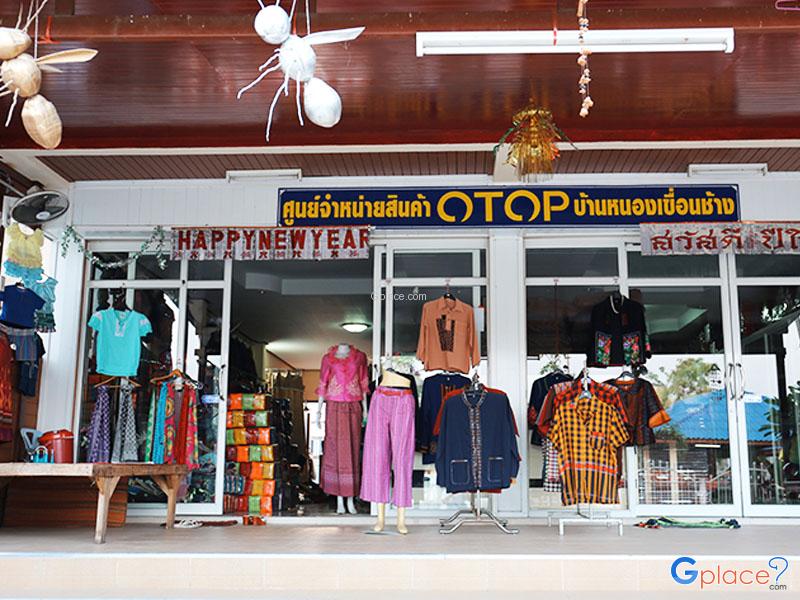
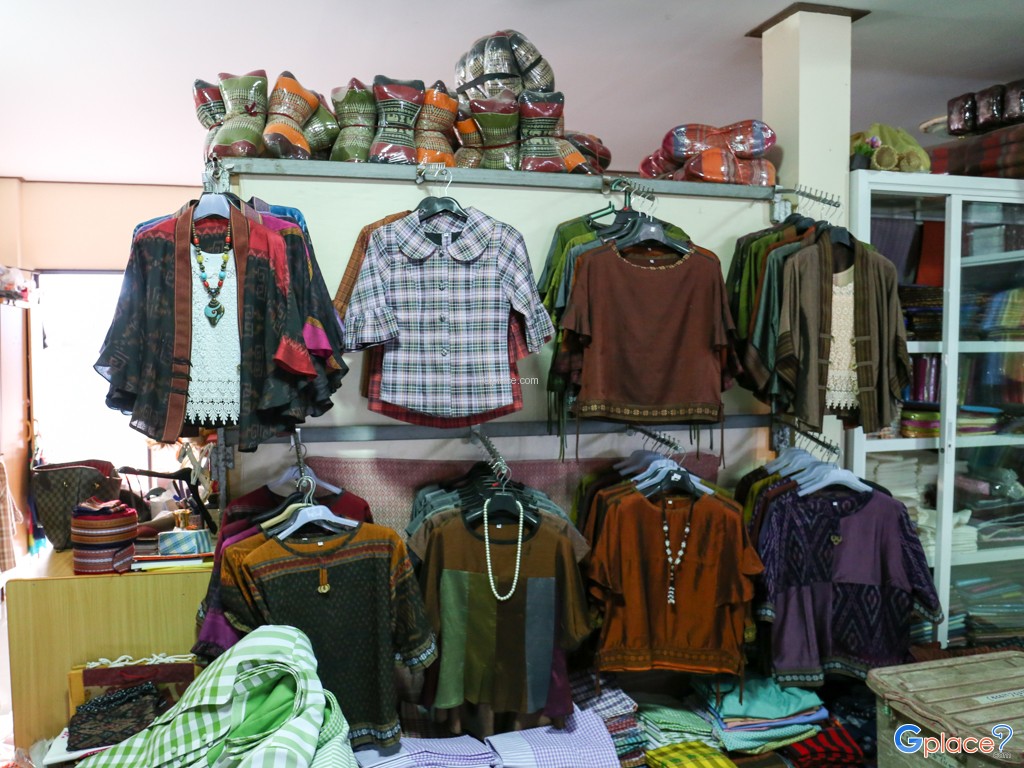
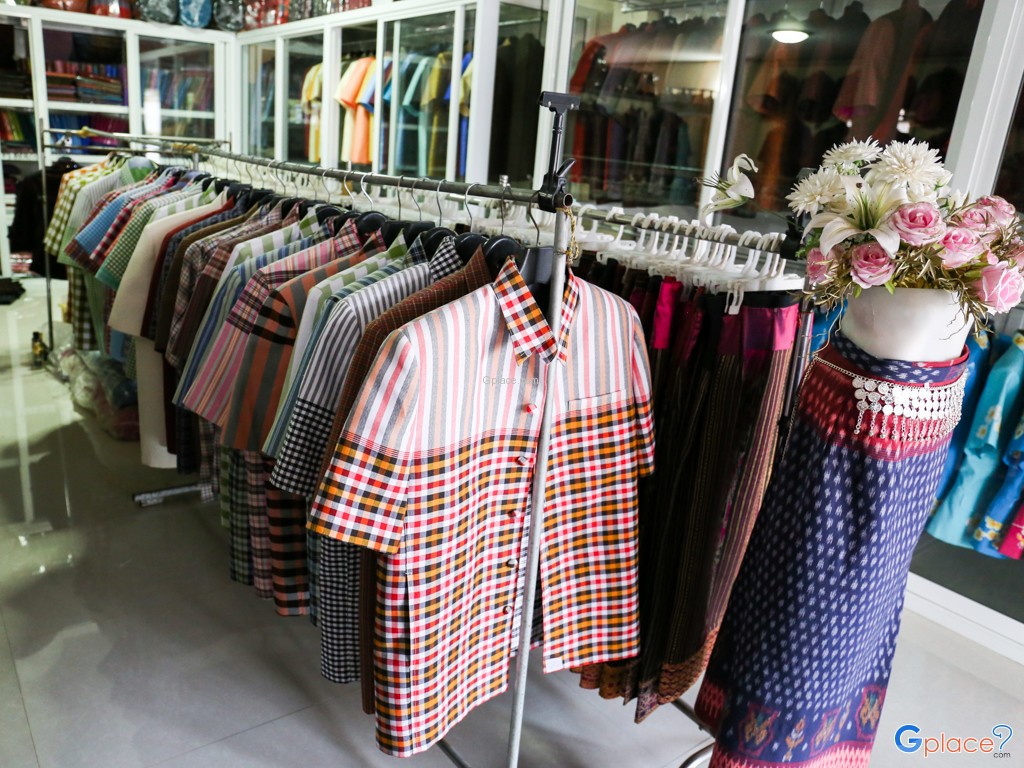
Ban Nong Khuean Chang, located in Maha Sarakham Province, is a traditional Isan community renowned for its exquisite Mudmee silk weaving and local handicrafts that beautifully reflect the deep-rooted wisdom of northeastern Thai culture. The village was established through the collective efforts of weaving families who have passed down their knowledge of sericulture and textile craftsmanship through generations. Over time, the community has grown into one of Maha Sarakham’s important handwoven textile centers and has been developed as an OTOP Nawatwithi tourism village, welcoming visitors to experience authentic local lifestyles and cultural traditions.The most distinctive identity of Ban Nong Khuean Chang lies in its “Mudmee silk,” a traditional tie-dye weaving technique in which silk threads are carefully tied before dyeing to create intricate and highly detailed patterns. Popular traditional motifs include “Lai Soi Dok Mak,” regarded as the signature textile pattern of Maha Sarakham Province, as well as Lai Kho, Lai Ton Son, Lai Dok Kaew, and various contemporary adaptations designed to suit modern markets while preserving traditional artistic structures.Visitors to the village can experience the entire silk-making process firsthand, beginning with mulberry cultivation for silkworm feeding, traditional silkworm farming, hand silk reeling, and natural dyeing using local materials such as tree bark, lac resin, leaves, red soil, and indigo. The process continues with Mudmee tying and traditional handloom weaving, both of which require exceptional patience, precision, and craftsmanship. Depending on the complexity of the design, a single silk fabric may take several weeks or even months to complete.

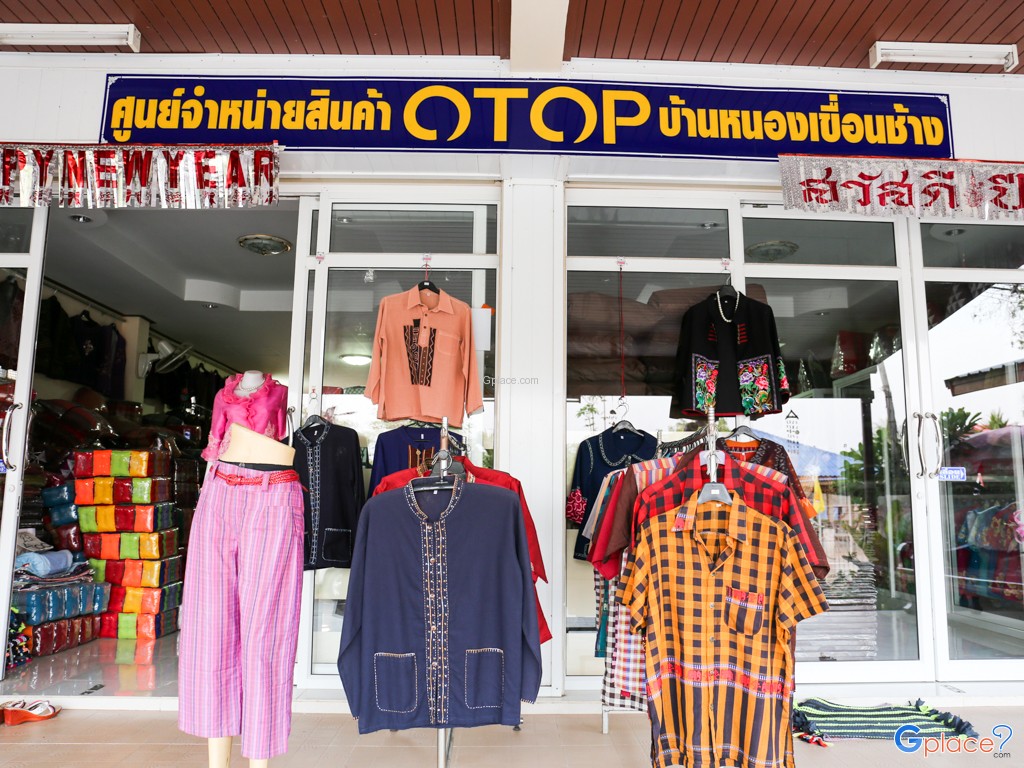
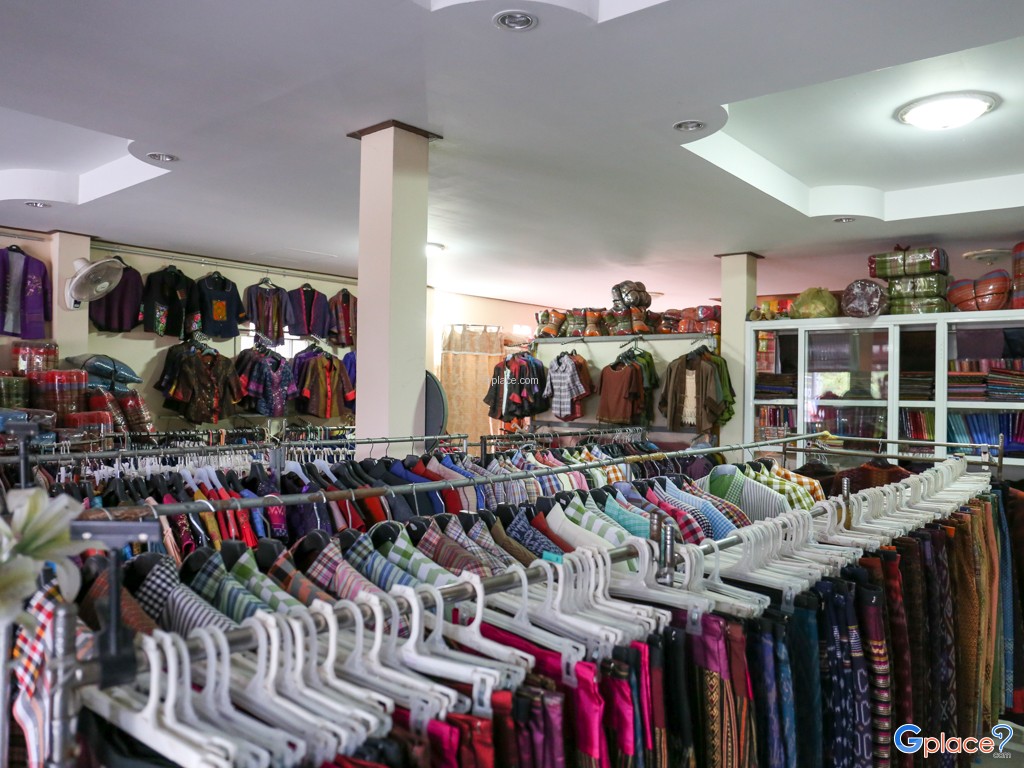
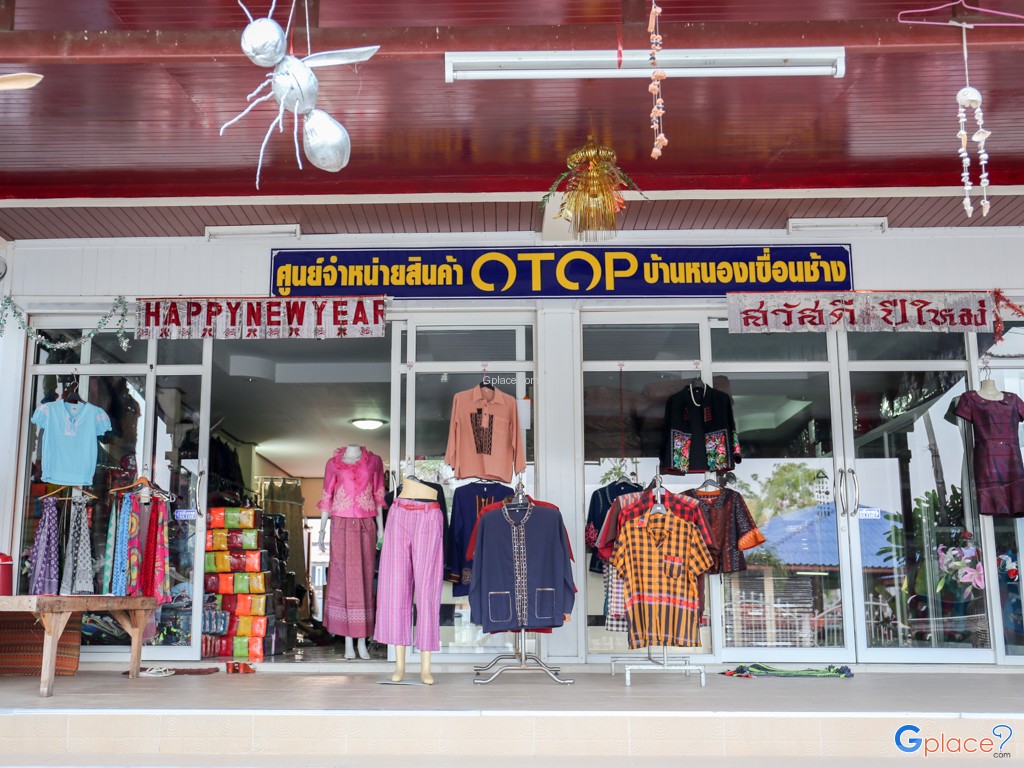
Beyond silk weaving, the community is also known for producing handwoven cotton textiles and naturally dyed fabrics that are especially popular among craft enthusiasts and environmentally conscious travelers. These products are made using eco-friendly methods and locally sourced natural materials. Visitors can shop for a variety of handmade products including traditional clothing, scarves, shawls, bags, hats, and home décor items, all crafted directly by local artisans within the community. Another unique attraction that adds vibrancy to the village is its colorful street art murals displayed throughout the community. These murals portray scenes of silk weaving, sericulture, rice farming, and traditional Isan lifestyles, transforming the village into not only a handicraft destination but also a creative cultural space where contemporary art blends harmoniously with local wisdom. Within the community, visitors can also participate in cultural workshops organized by local weaving groups and learning centers. Activities include Mudmee tying demonstrations, natural dyeing workshops, handloom weaving experiences, and crafting accessories from leftover silk materials. These activities not only provide additional income for villagers but also help preserve and pass on traditional knowledge to younger generations in a sustainable way.

Ban Nong Khuean Chang is therefore far more than just a silk-weaving village; it is a living reflection of community-based economy and Isan cultural wisdom. Travelers will experience the warmth of local people, the beauty of handcrafted textiles, and the simplicity of rural life that has been carefully preserved over time. It is an ideal destination for cultural tourism, Thai craft appreciation, and supporting authentic local community products directly from the source.


How to Get There
  • By Car: From Maha Sarakham city center, take Highway No. 208 (Maha Sarakham–Kosum Phisai route) and continue for approximately 8–10 kilometers. You will see a sign for Ban Nong Khuean Chang on the left-hand side. Turn into the community road and continue for about 2 kilometers to reach the village learning center and weaving groups.

Travel Tips
  • Visitors who wish to participate in weaving, Mudmee tie-dye, or natural dye workshops are advised to contact the community in advance, especially for tour groups or study visits, so that instructors and materials can be properly prepared.
  • The best time to visit is from November to February, when the weather is cool and pleasant, making it ideal for exploring the village and enjoying outdoor activities.
  • If you are interested in purchasing authentic high-quality silk, it is recommended to ask local weavers directly about the silk types, weaving techniques, and traditional patterns to better appreciate the value of each textile piece.
  • Be sure to allow extra time to explore the village’s street art murals and photo spots, as each location reflects fascinating stories of local lifestyles and traditional wisdom.
  • It is recommended to carry cash when shopping for community products and handmade crafts, as some local vendors may not yet support digital payment methods.

Admission Fee:

  • Free admission
  • (Workshop activities such as weaving or natural dyeing may require additional material fees depending on the program.)

Opening Hours:

  • Open daily from 08:30 AM – 05:00 PM
  • (Hours may vary depending on community activities.)

Ban Nong Khuean Chang

Share

Bo Yai, Borabue, Maha Sarakham, 44130 Map

List 0 review | art & culture,attractions,shops,Local products,Community village

Closed today

Mon8.30 - 17.00
Tue8.30 - 17.00
Wed8.30 - 17.00
Thu8.30 - 17.00
Fri8.30 - 17.00
Sat8.30 - 17.00
Sun8.30 - 17.00


08-1974-7667, 0-4375-8203

https://www.thai-tour.com/thai-tour/northeast/mahasarakam/data/place/pic-bannongkhueanchang.html

3892

Recommend trips

Manage your trips

Delete

All reviews

(List 0 review)

Last visit

Koh Payam Koh Payam (List 3 review)
Sa Si Liam Ancient Site Sa Si Liam Ancient Site (List 0 review)
Bangpra Golf Club Bangpra Golf Club (List 0 review)