 Attractions
  Hotel
Hotel  Restaurant
  Shopping
  Abroad






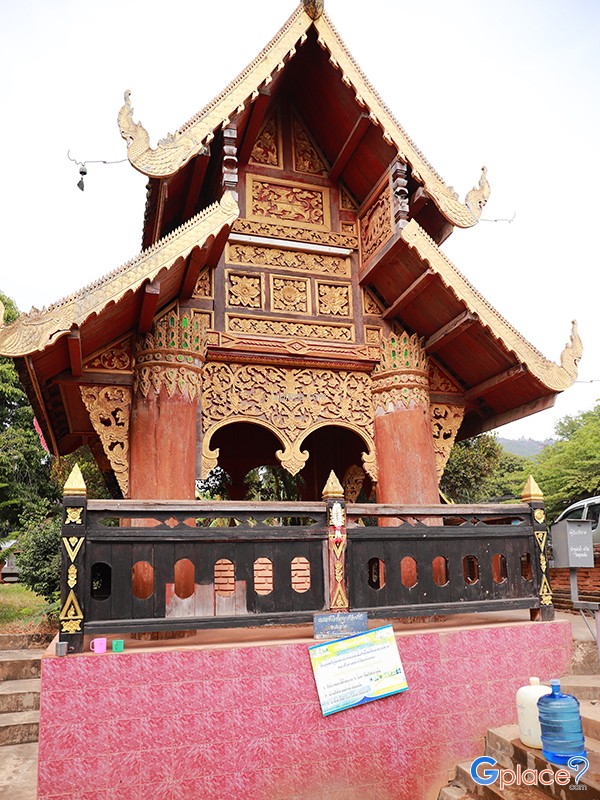
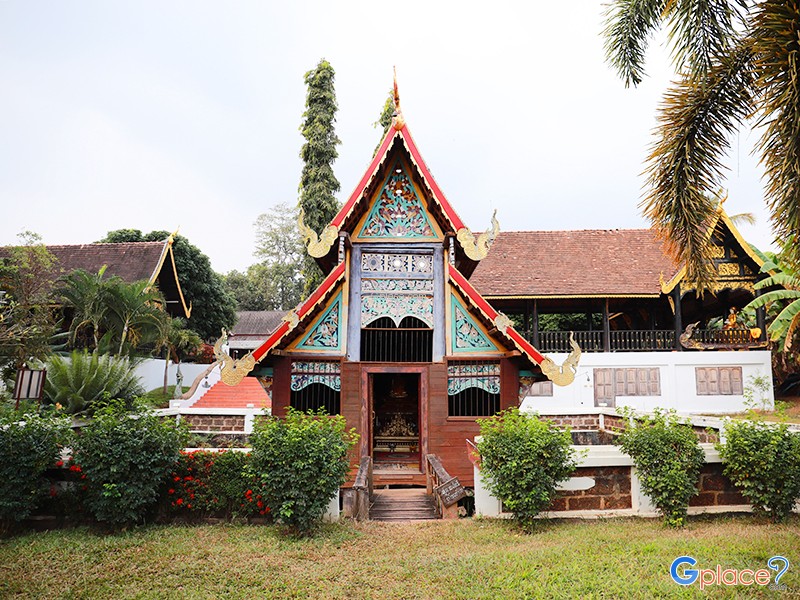
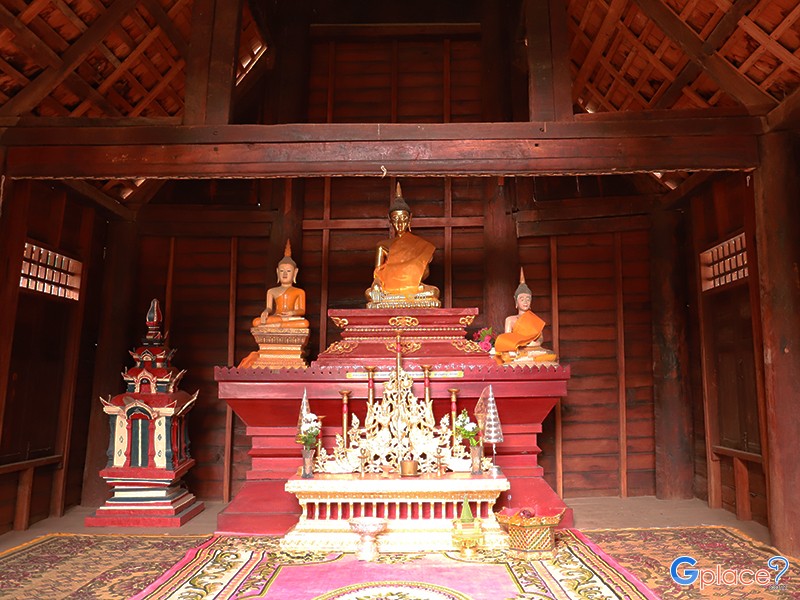
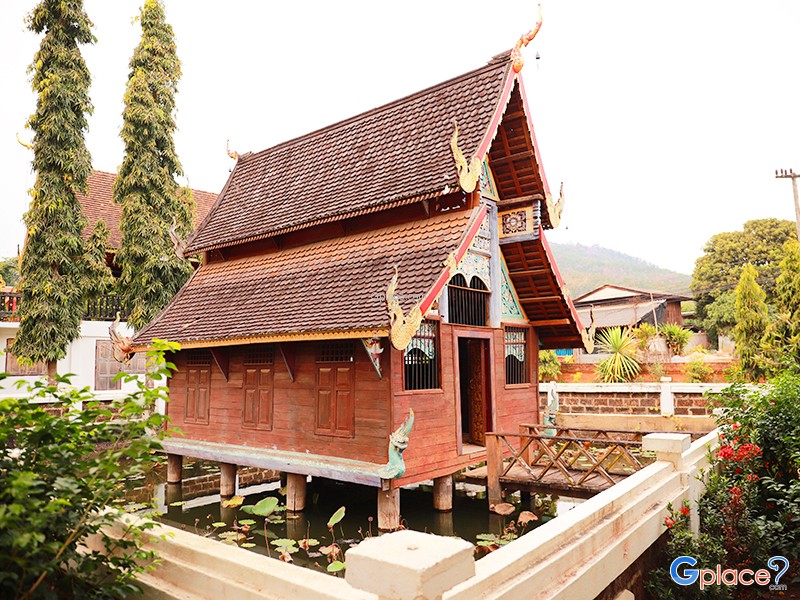
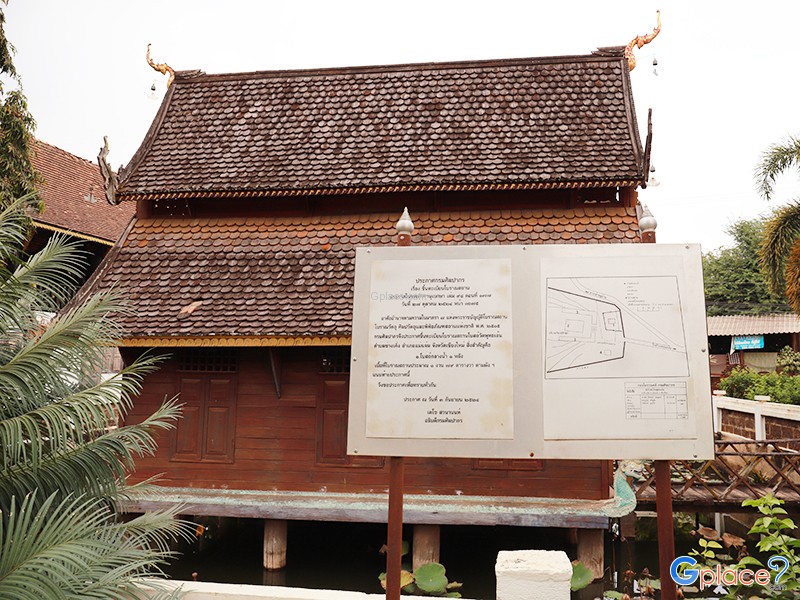
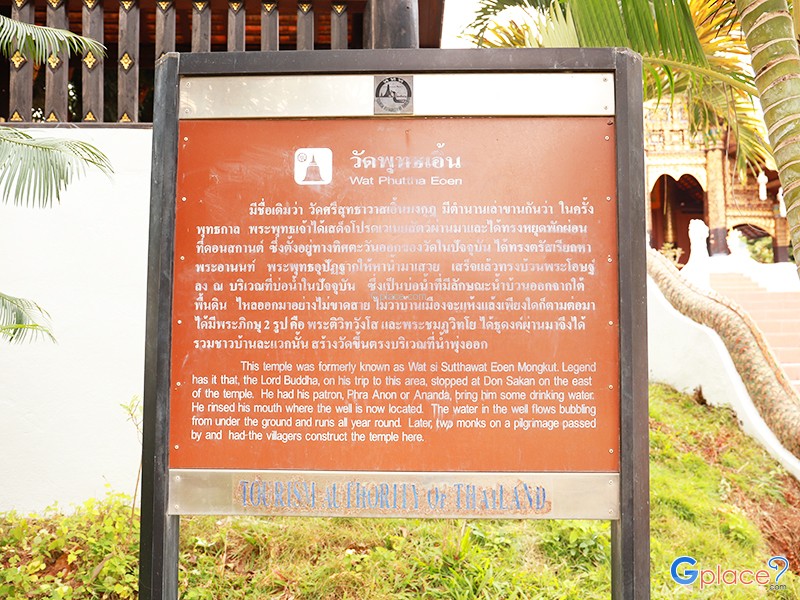
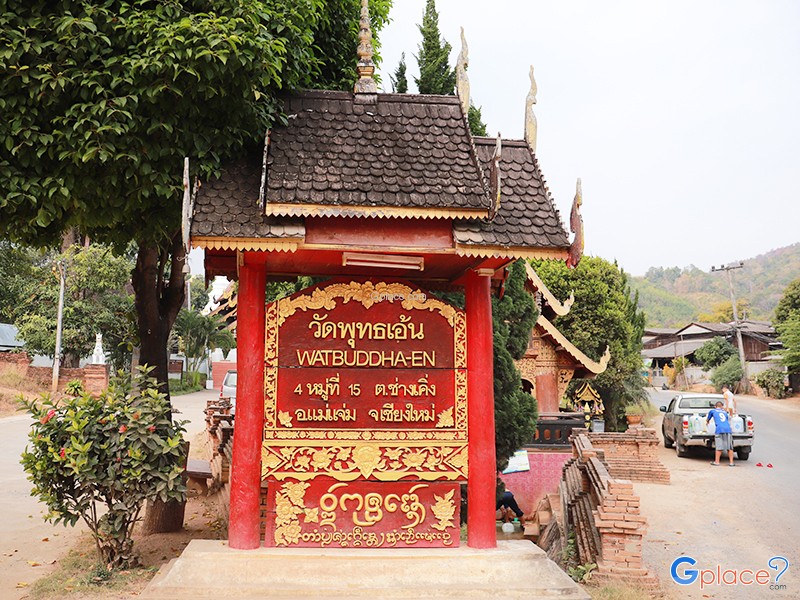
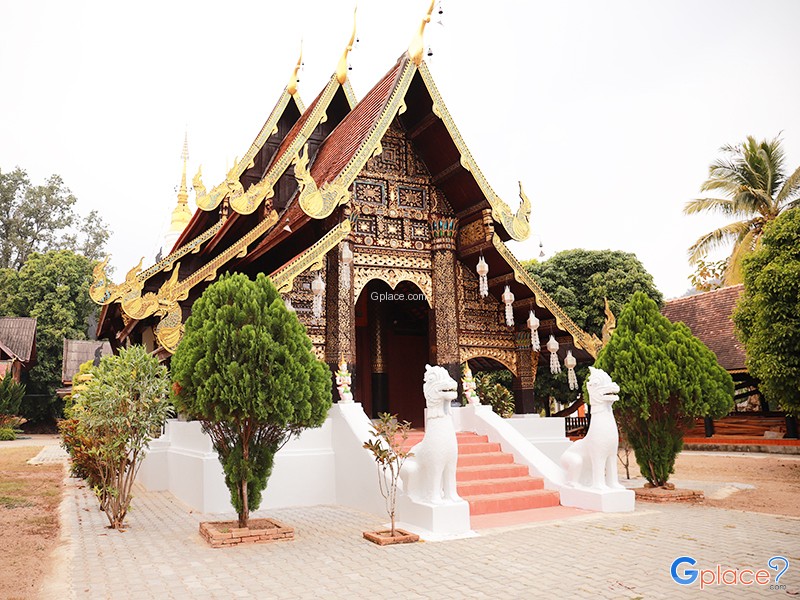

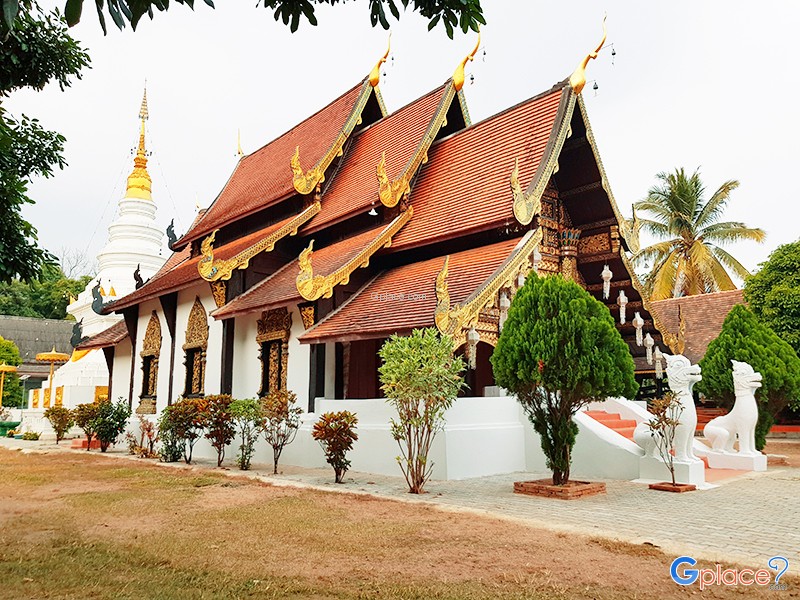
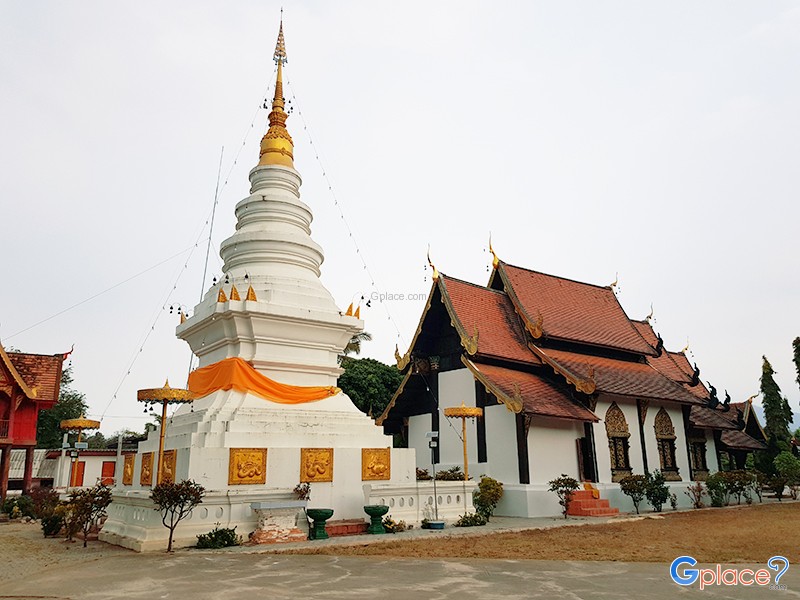

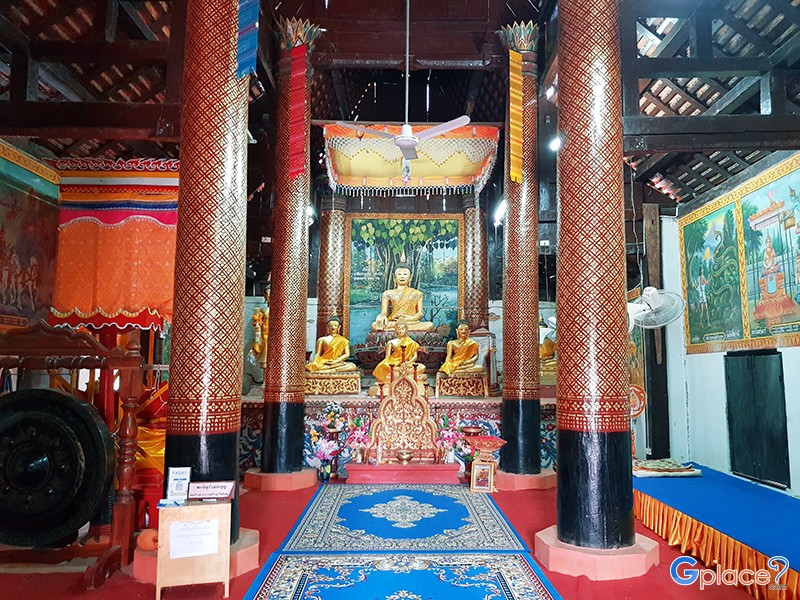
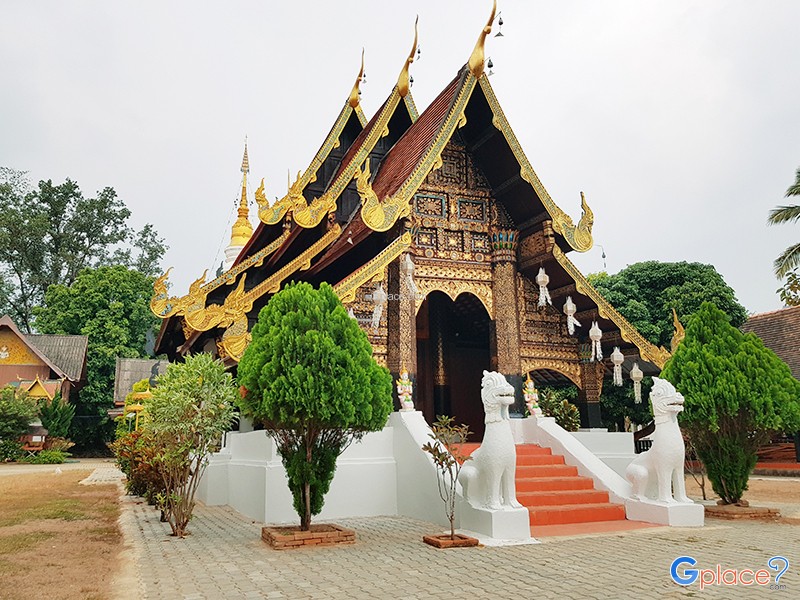
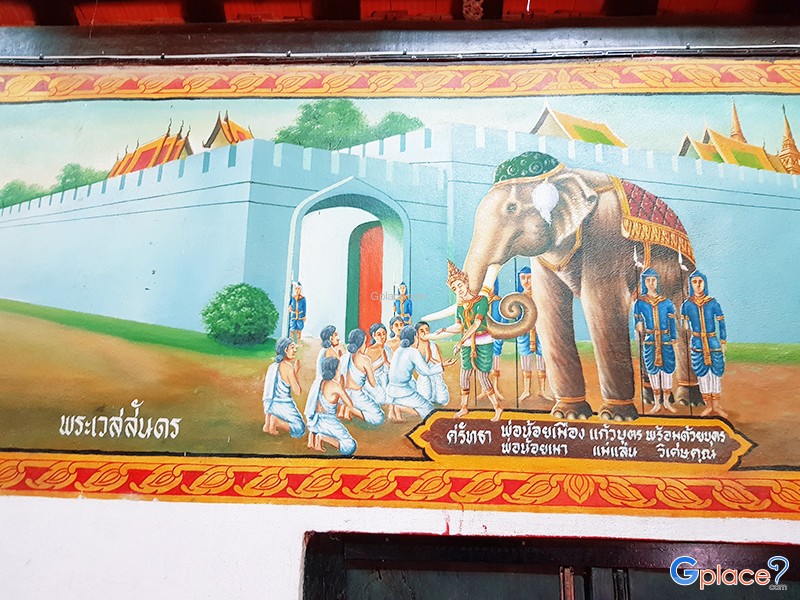
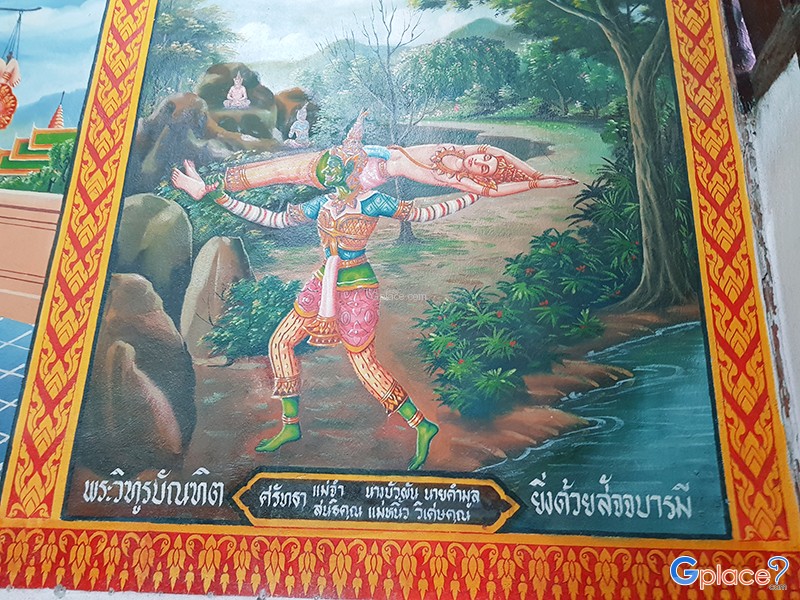
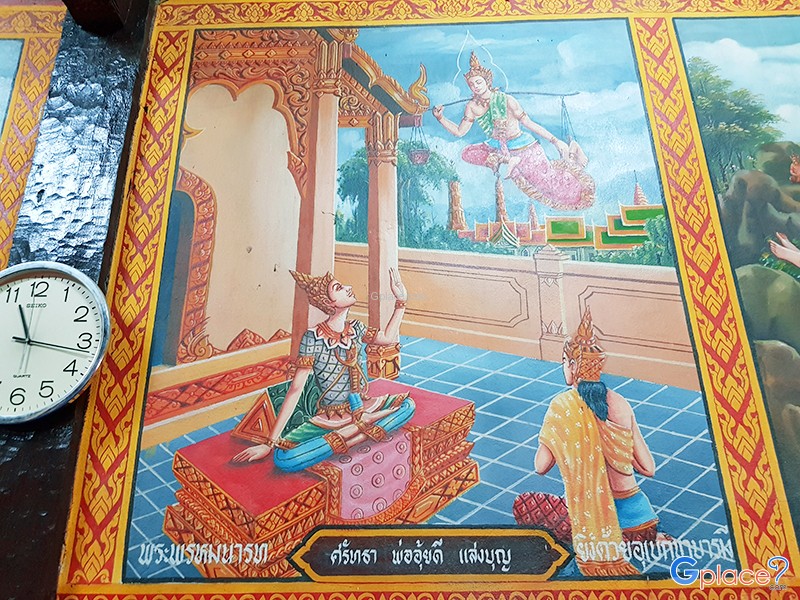
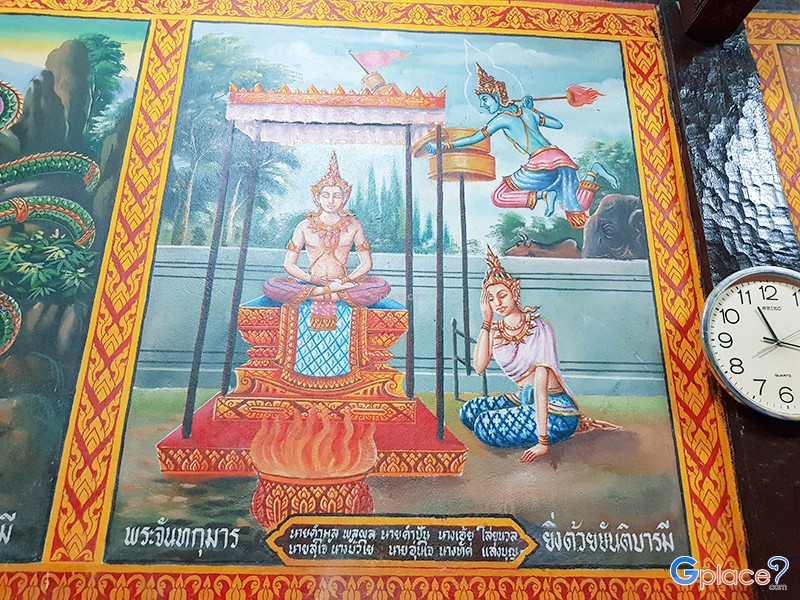
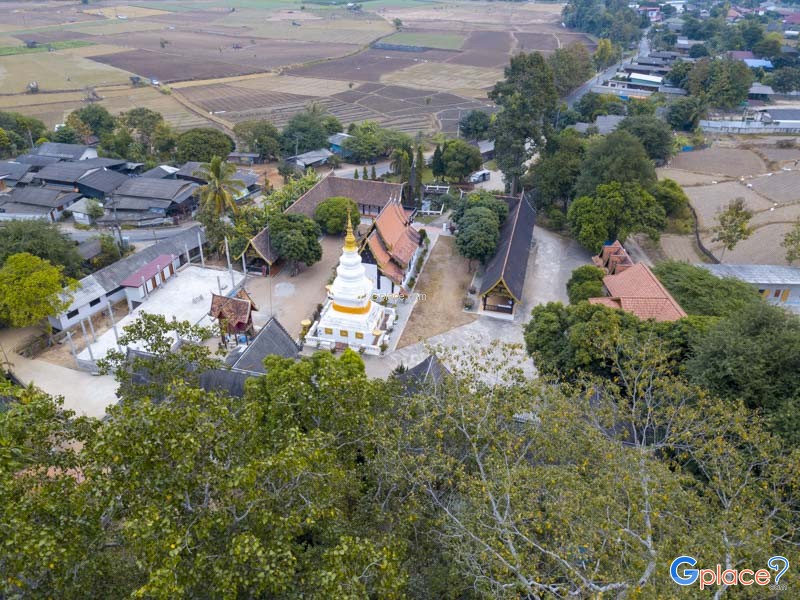
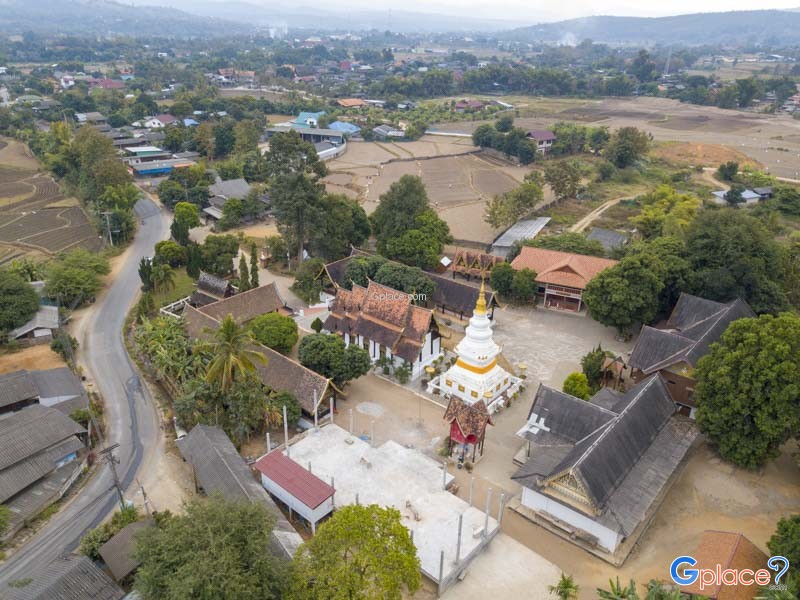
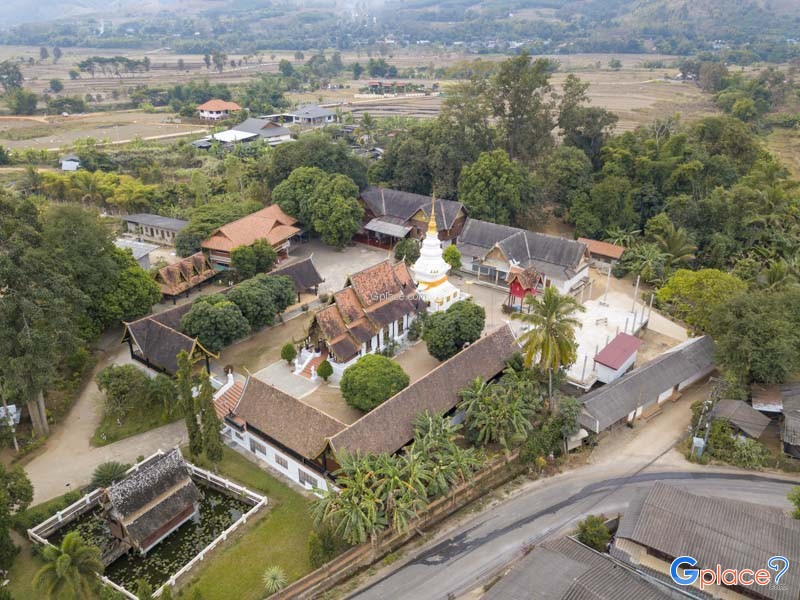
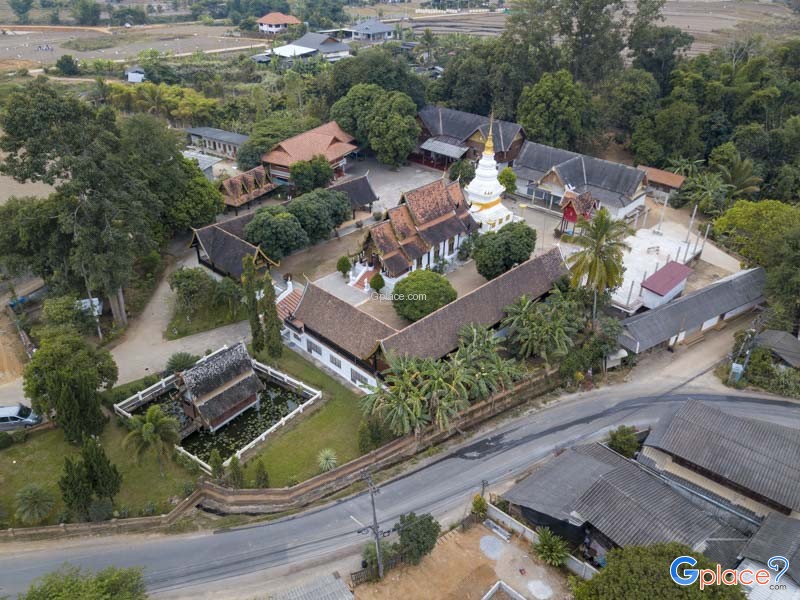
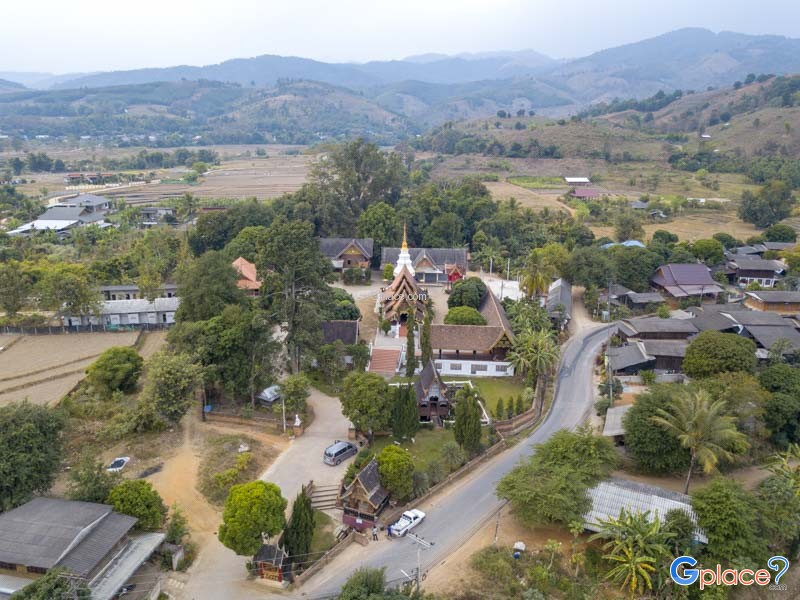
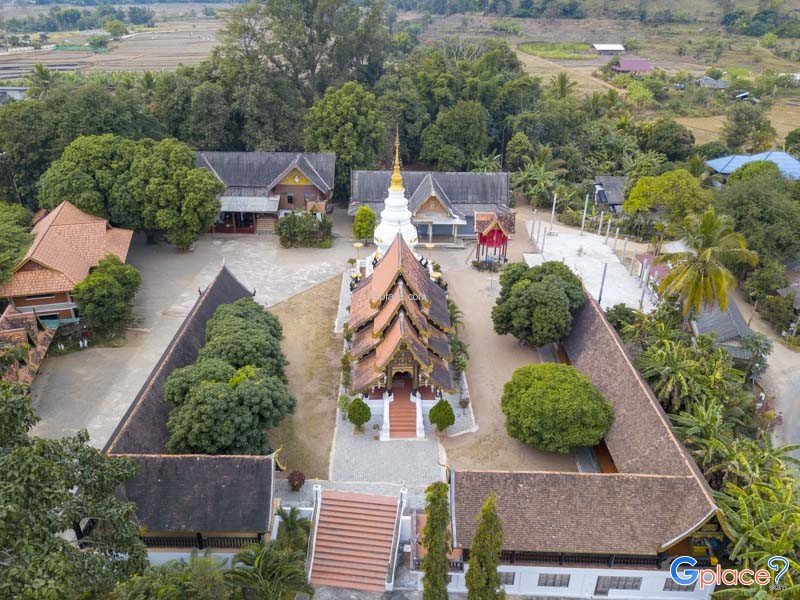
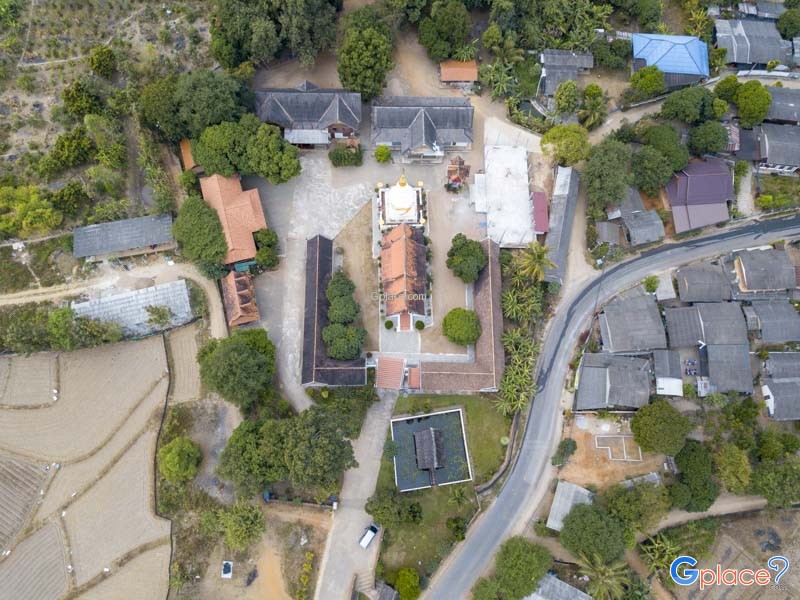
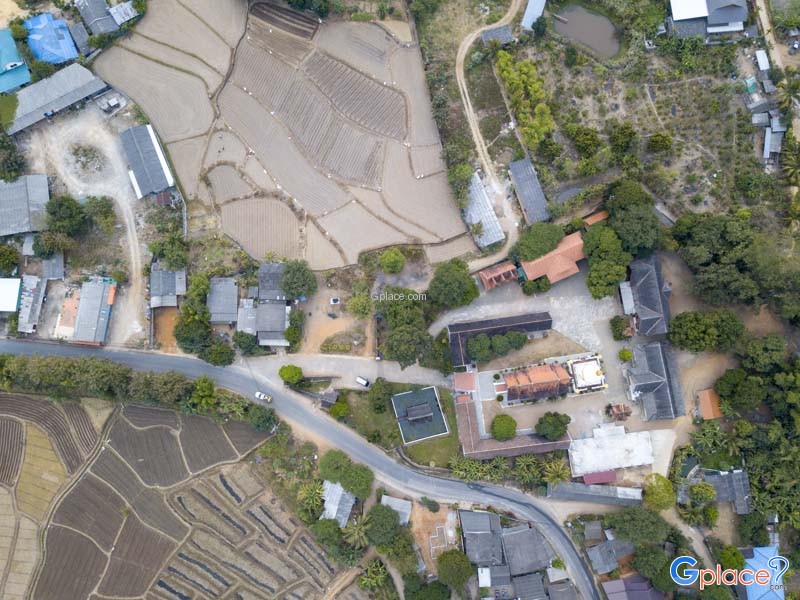
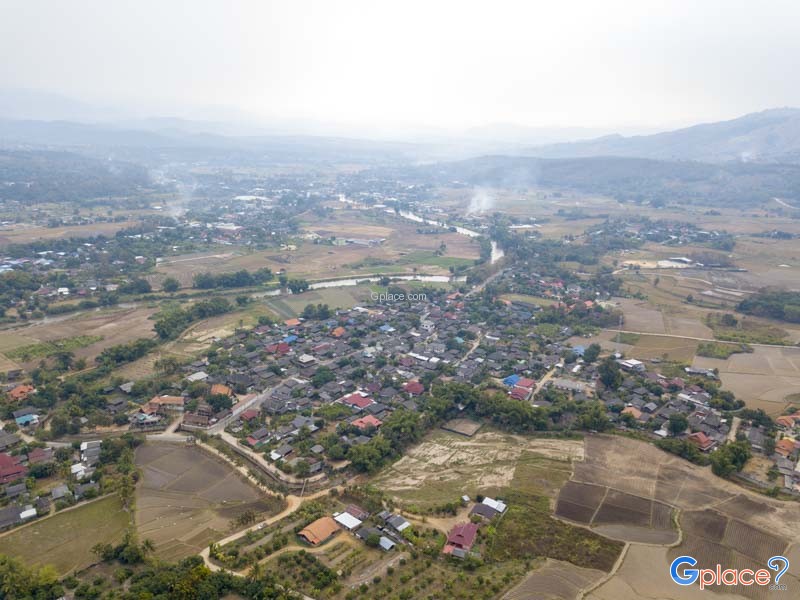
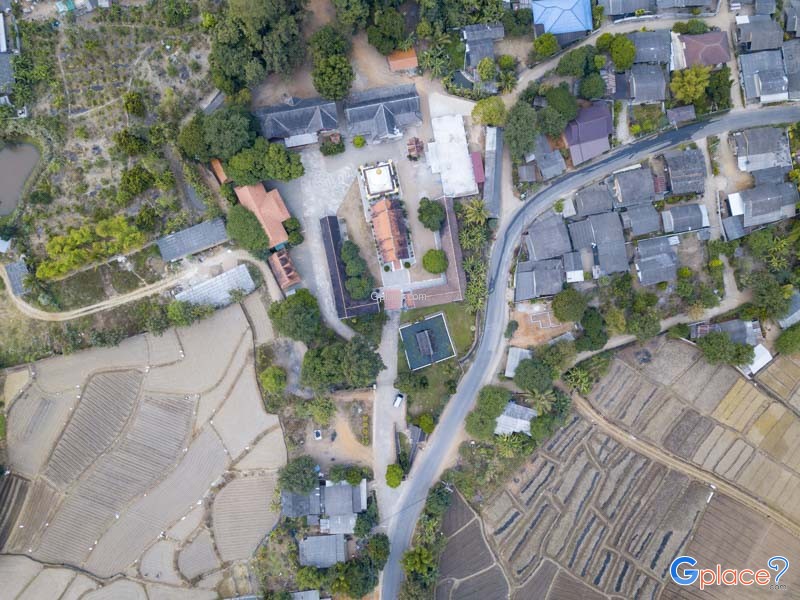
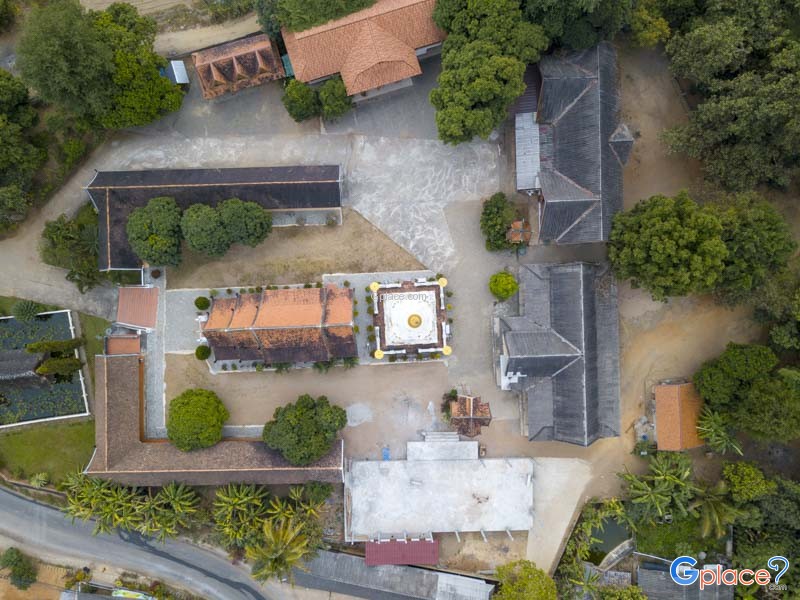
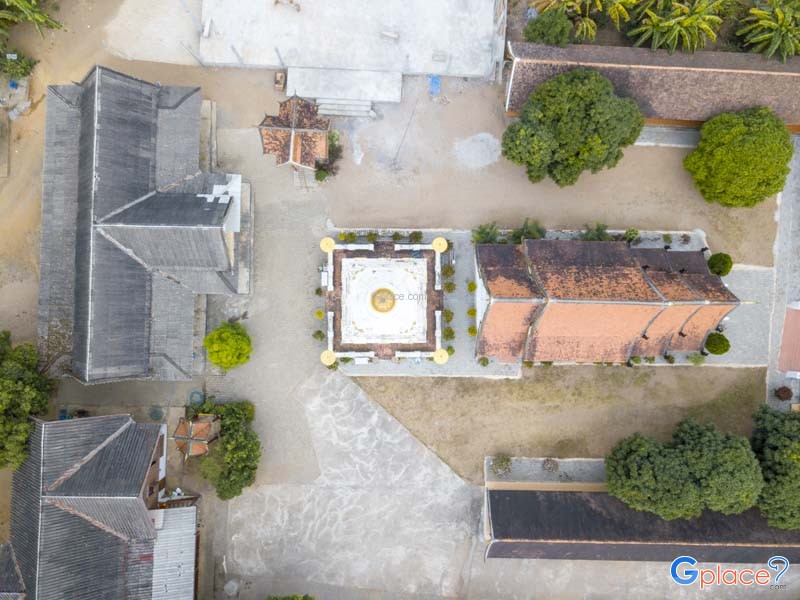
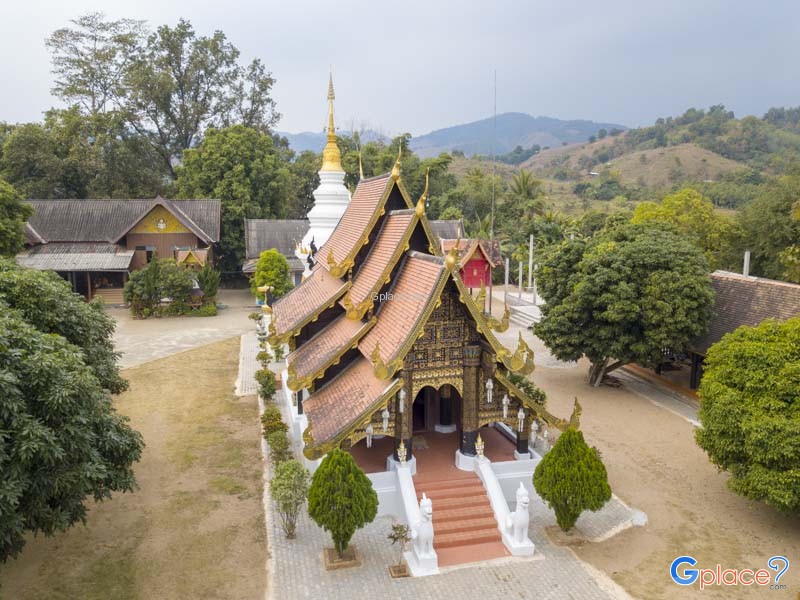
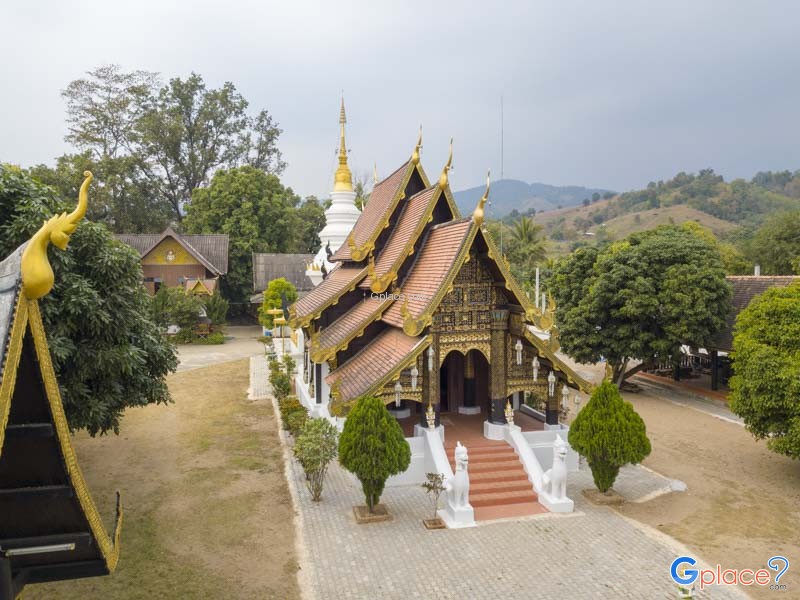
“ Witness the ancient Ubosot in water, pay homage to Lanna-style Buddha images, and see the sacred well with water flowing all year.”
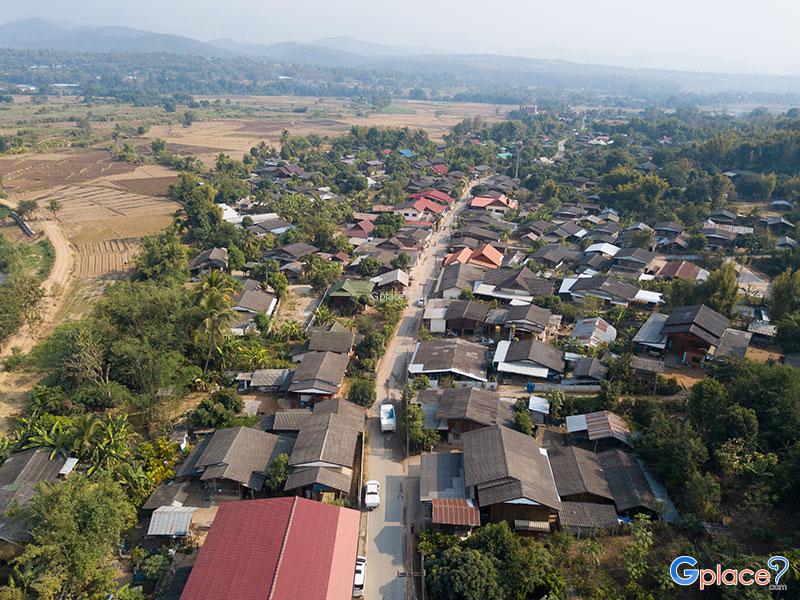
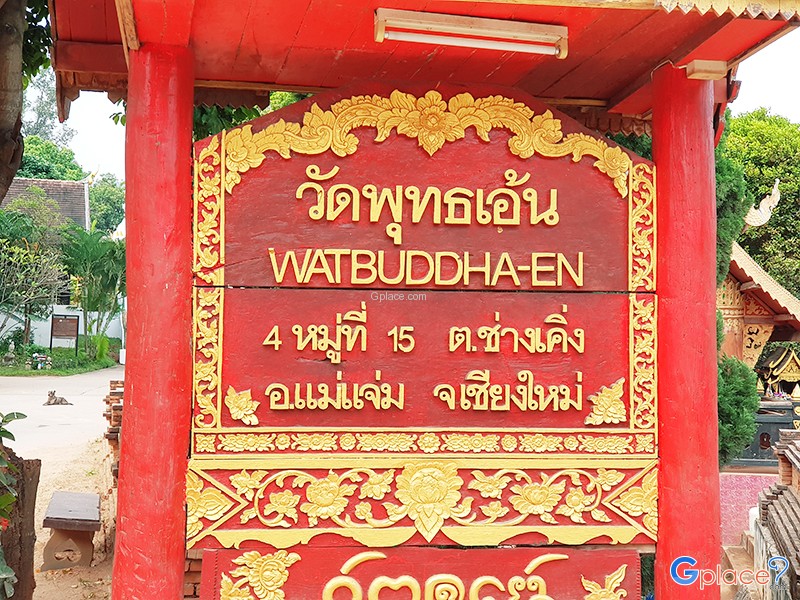
Wat Phut En is an important ancient temple in Mae Chaem District, Chiang Mai Province. It is believed to have been built during the early Rattanakosin period, around 1825 CE, making it over 200 years old. It has long been a center of faith for the Lanna community in Chang Khoeng sub-district. The name "En" comes from a natural well locally known as "Nam En," which has been a crucial water source sustaining people in the area for generations. This deep connection links the temple to the way of life of Mae Chaem residents, both religiously and in daily existence.
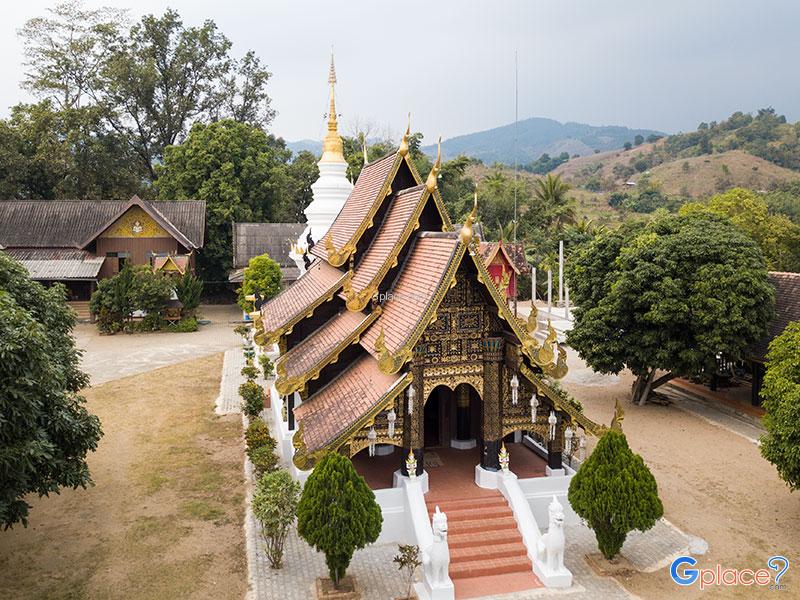
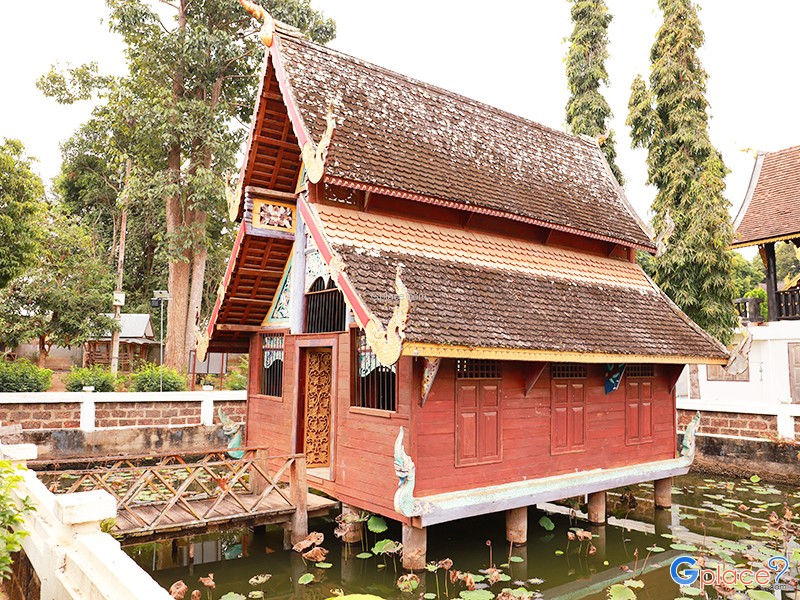
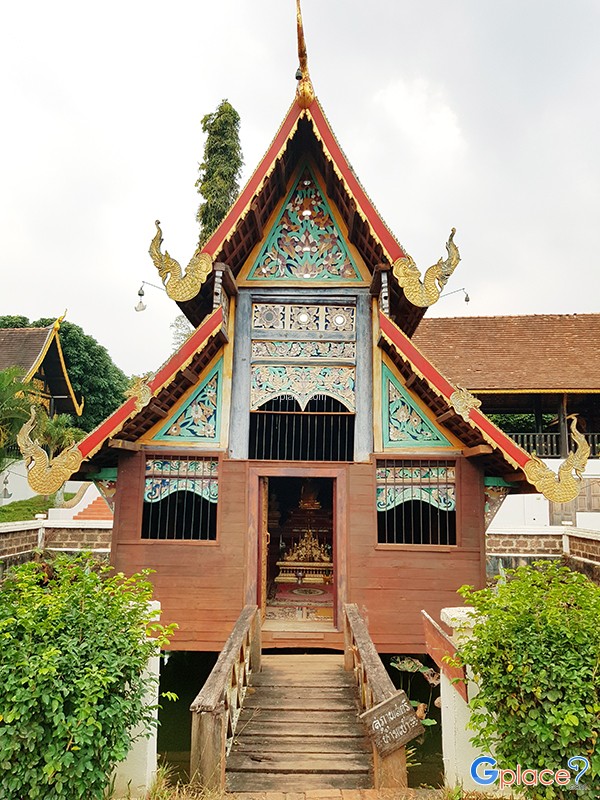
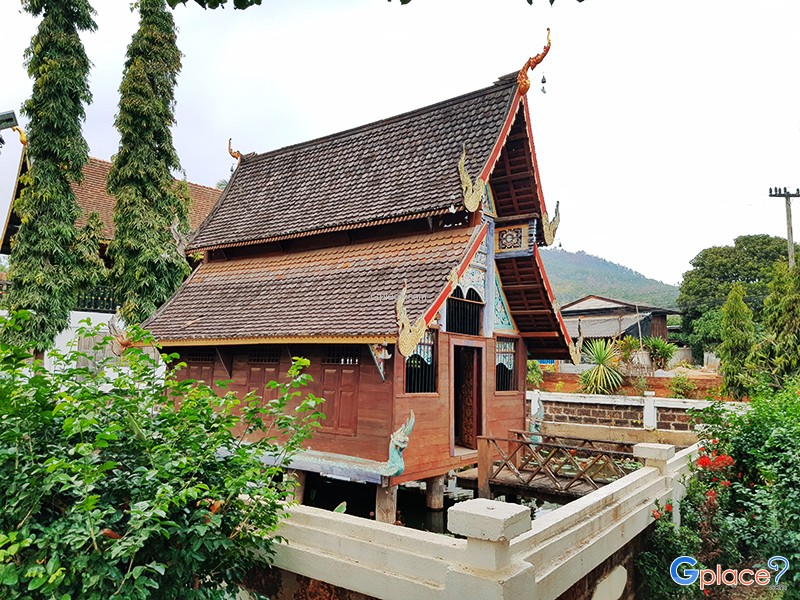
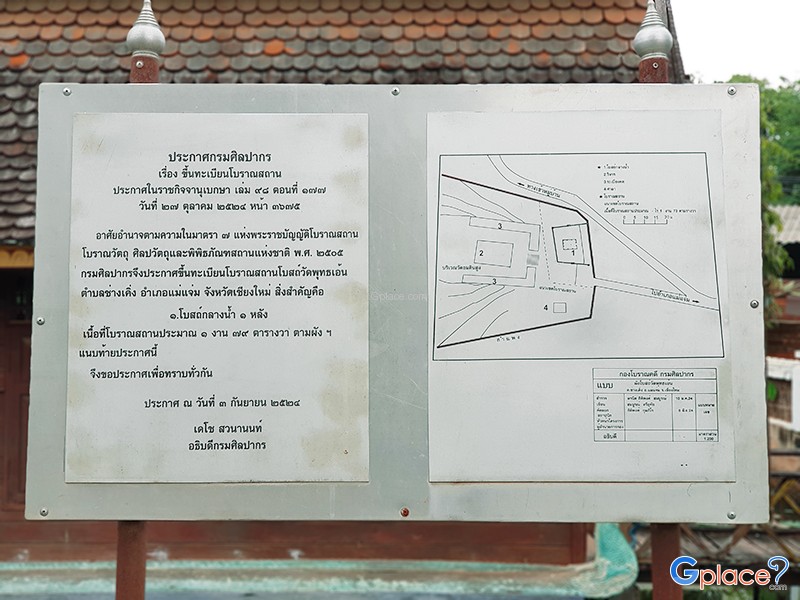
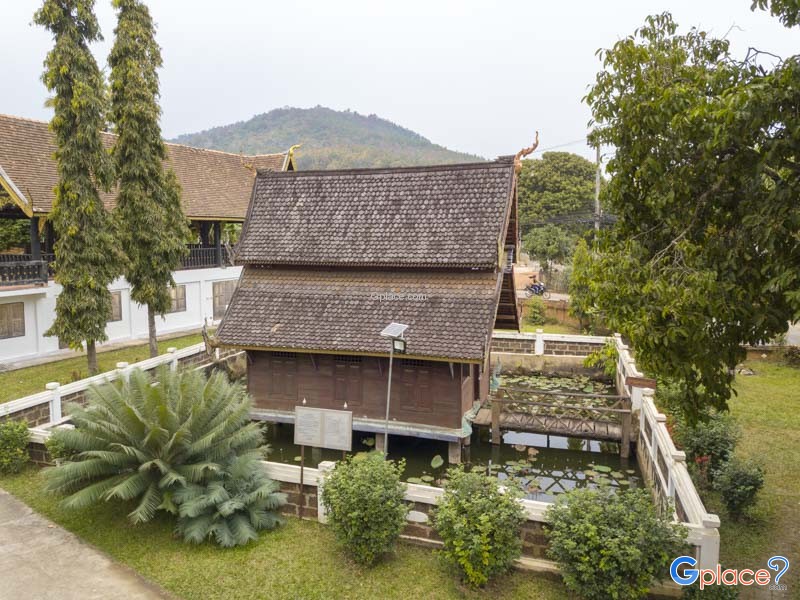
The most prominent feature of the temple is its Ubosot (ordination hall) in the middle of water (Uthokaseema), a rare architectural style in Thailand. The Ubosot, built entirely of wood, stands in the center of a pond on wooden pillars and laterite foundations. The surrounding water forms a "Phutthasima boundary" in accordance with ancient Lanna Buddhist beliefs. It is believed that using water as a boundary helps define a pure area for monastic rituals, free from external disturbances. This construction style was influenced by ancient temples in the Lanna Kingdom, and only a few such structures remain in the North today.
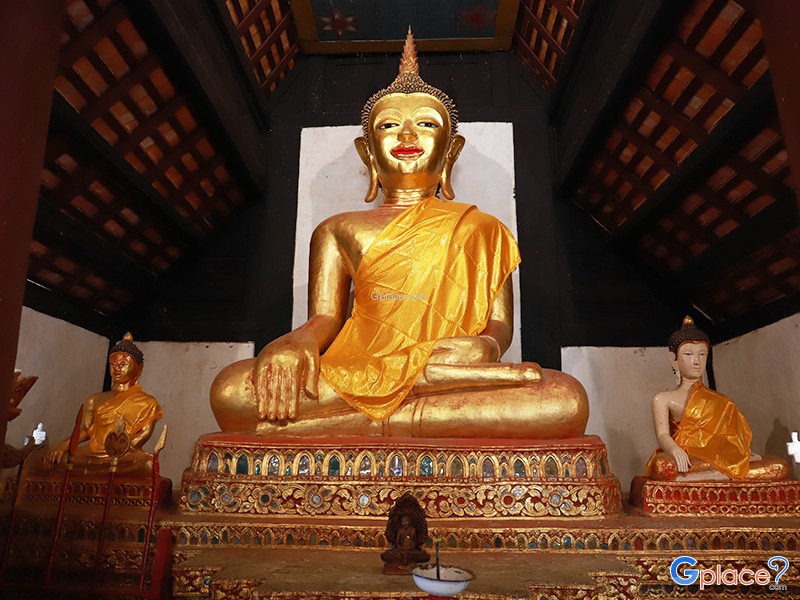
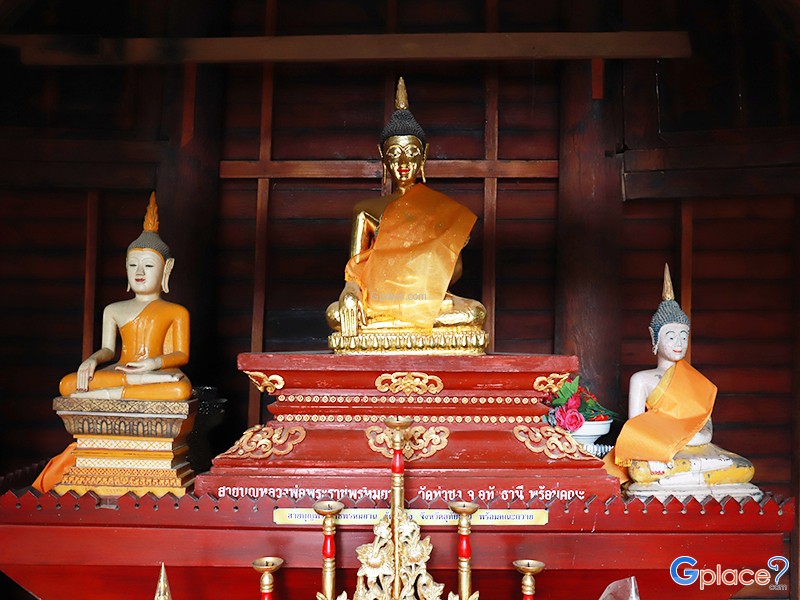
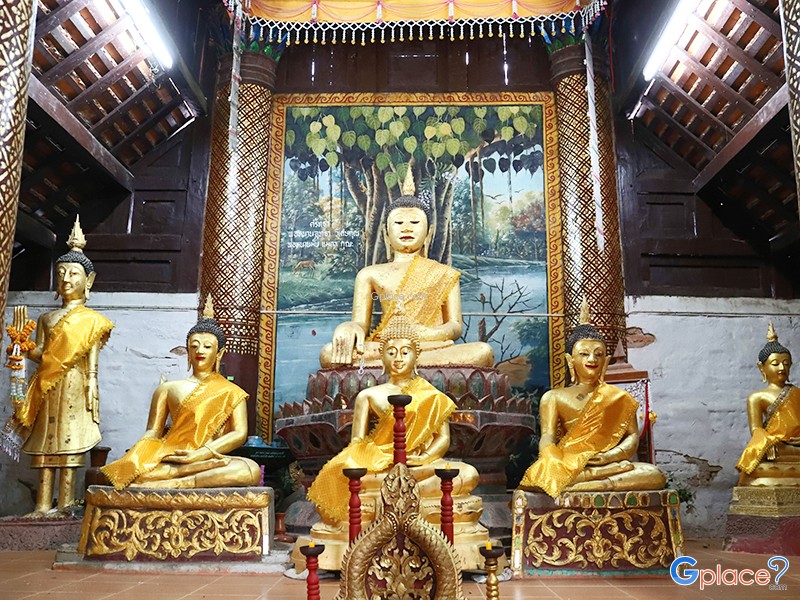
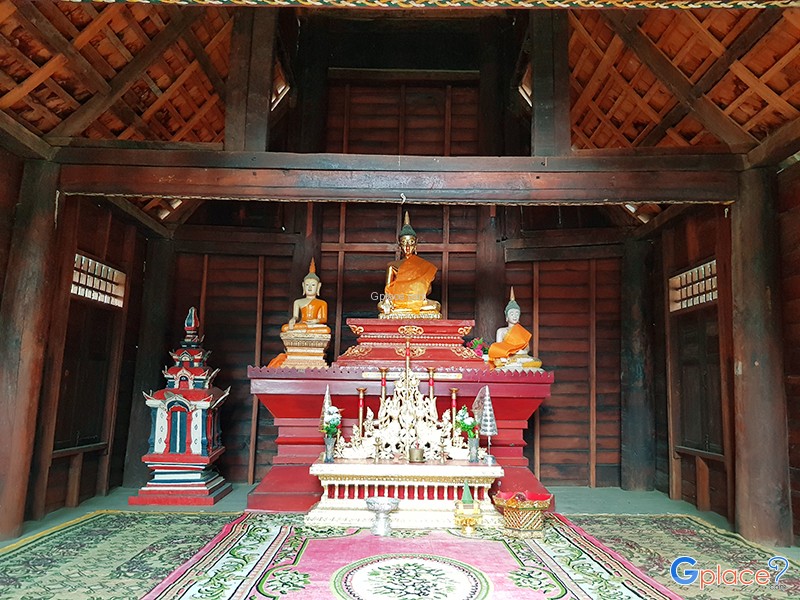
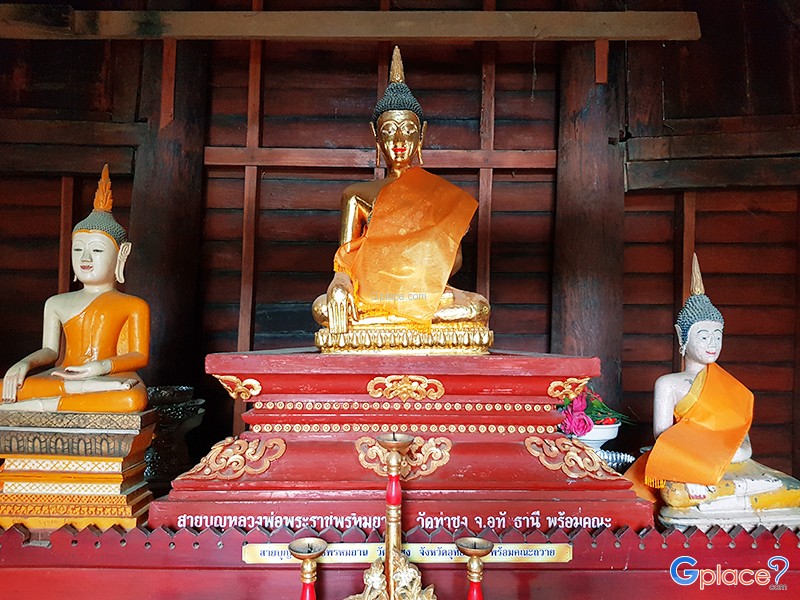
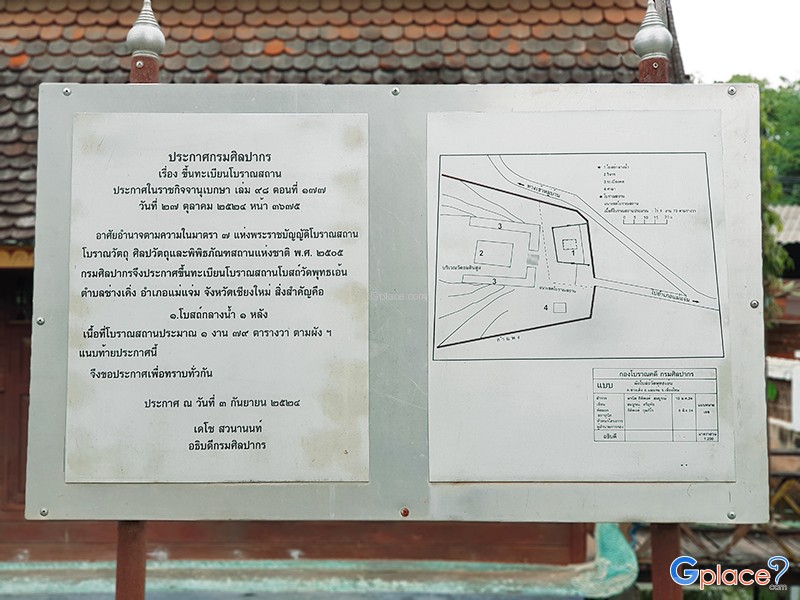
The Ubosot in water has been registered as an ancient monument by the Fine Arts Department due to its historical, artistic, and Lanna architectural value. Inside, it enshrines a principal Buddha image in the Maravijaya posture, crafted in Lanna style, along with artistic elements such as teak pillars, carved wooden door panels, and a multi-tiered roof structure that reflects the skill of local artisans from the past. Despite centuries passing, it remains well-preserved in excellent condition.
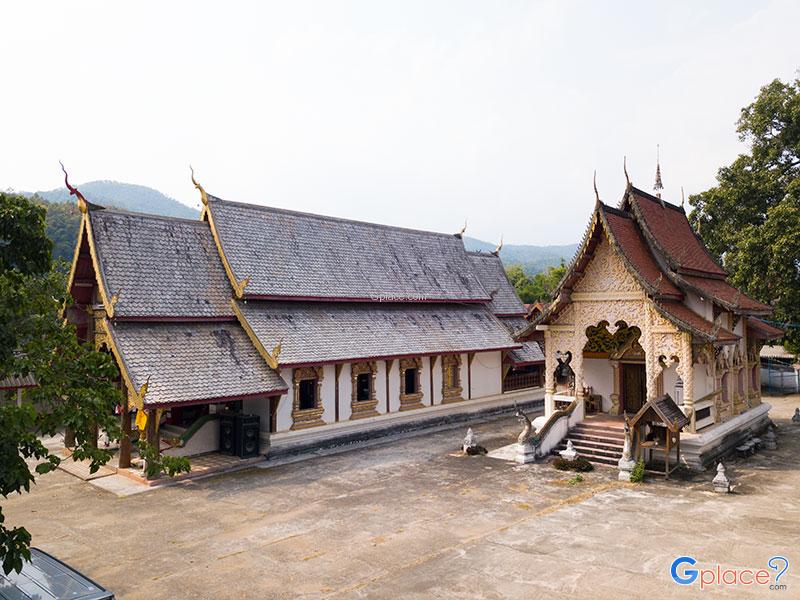
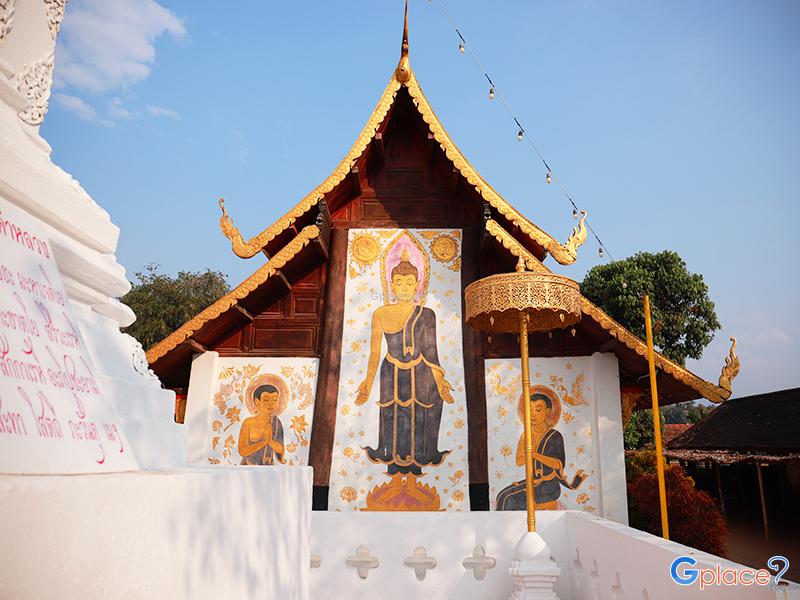
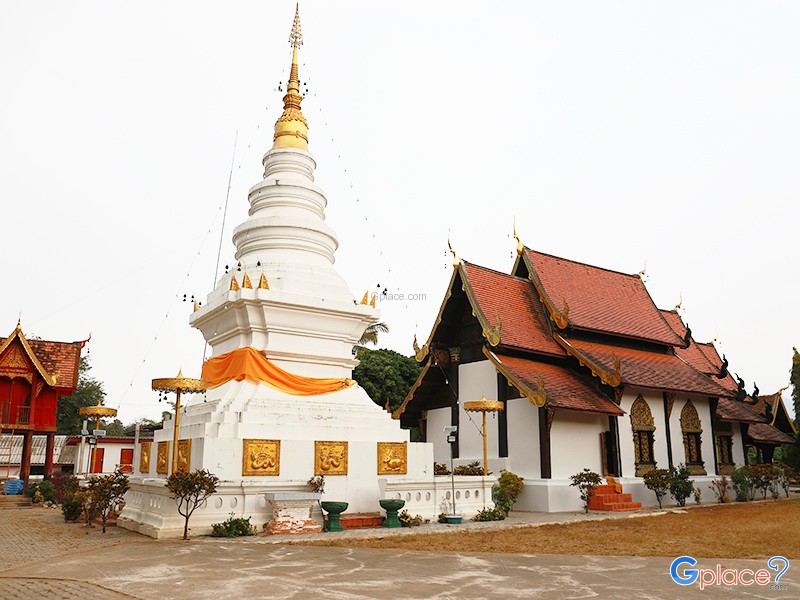
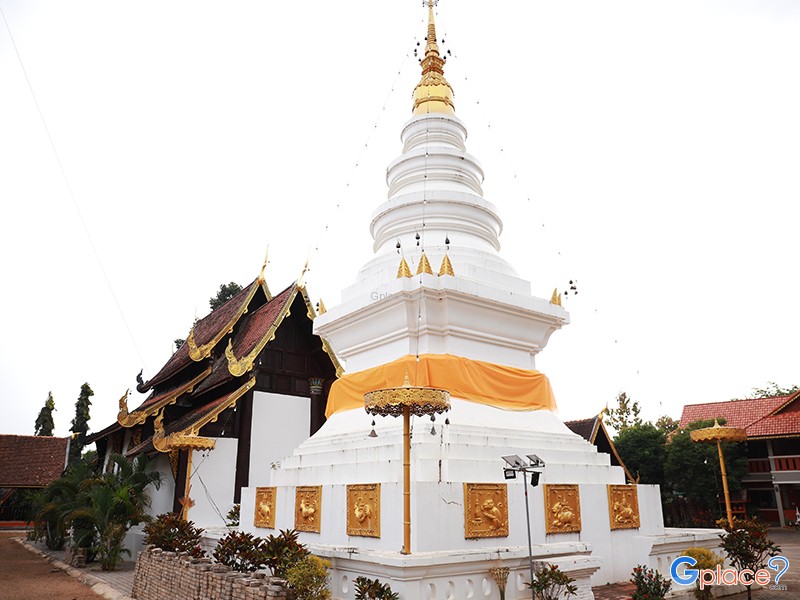
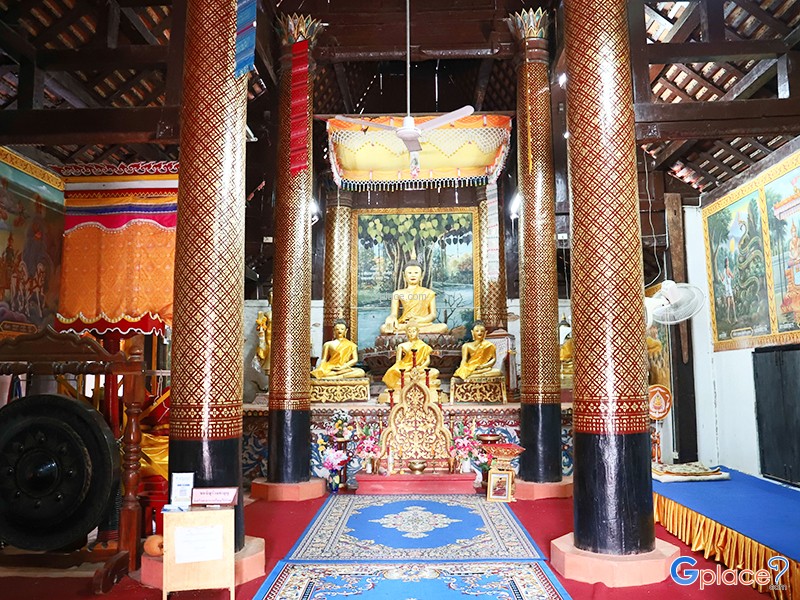
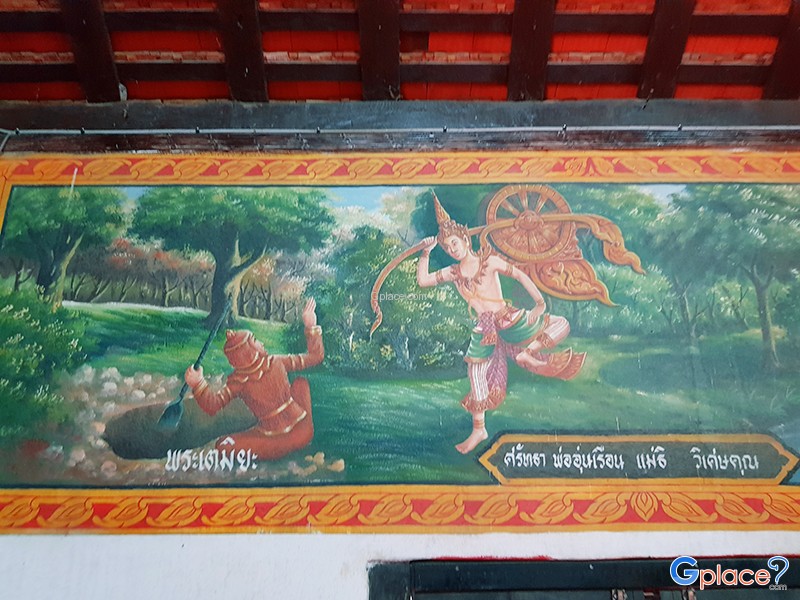
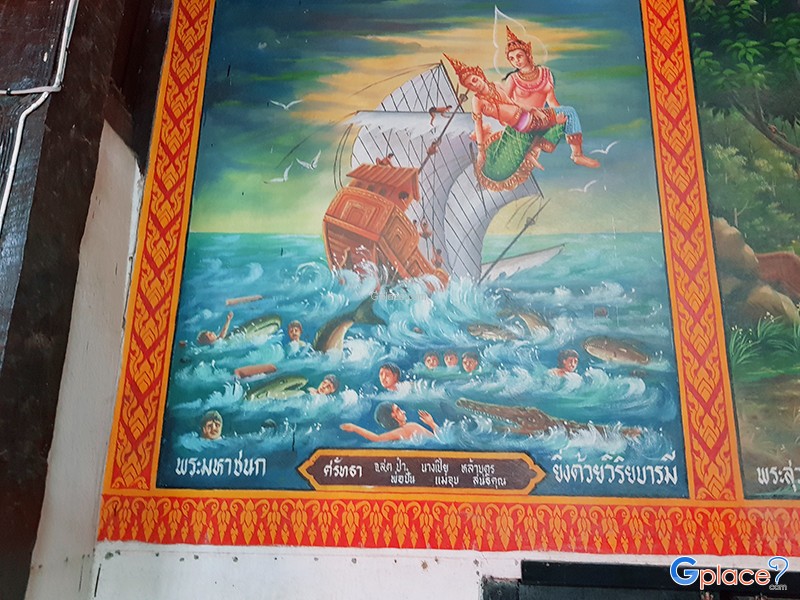
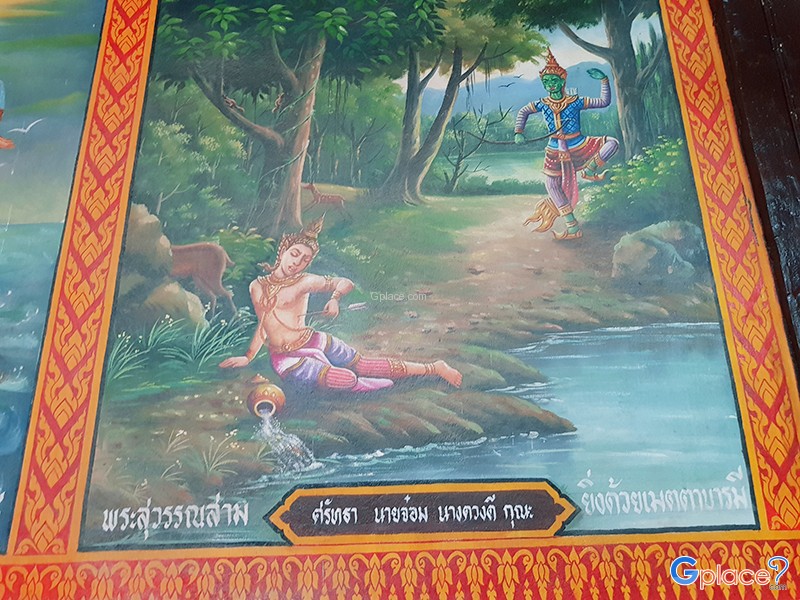
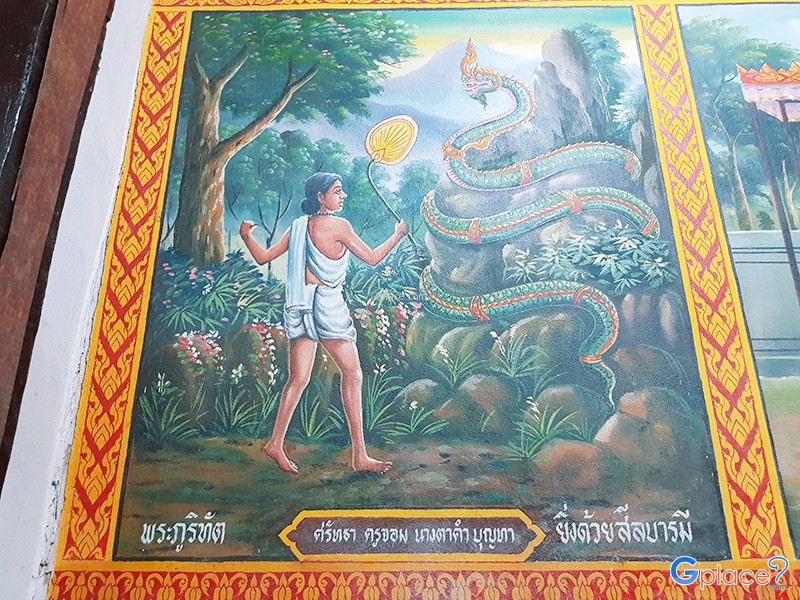
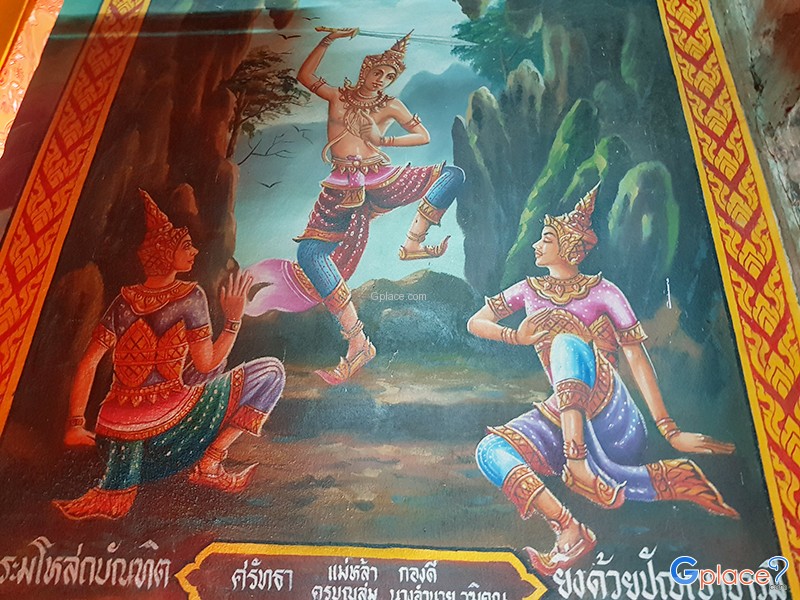
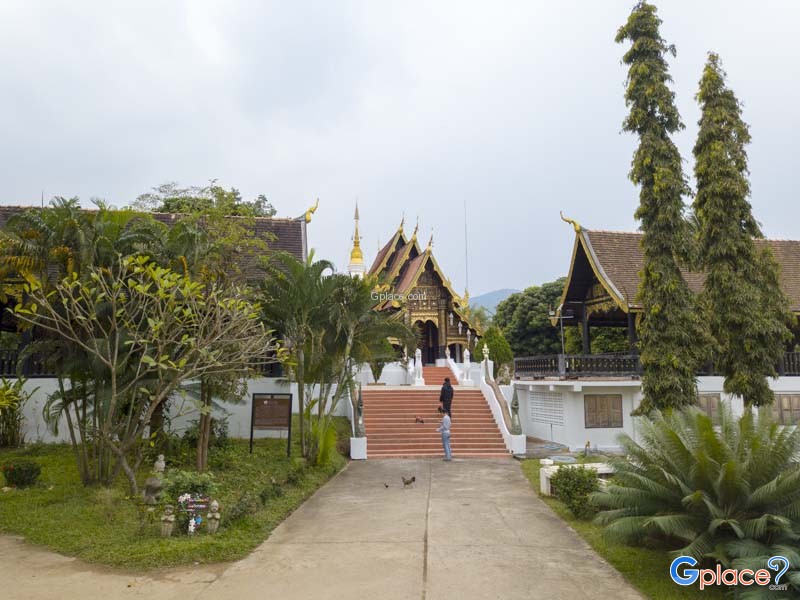
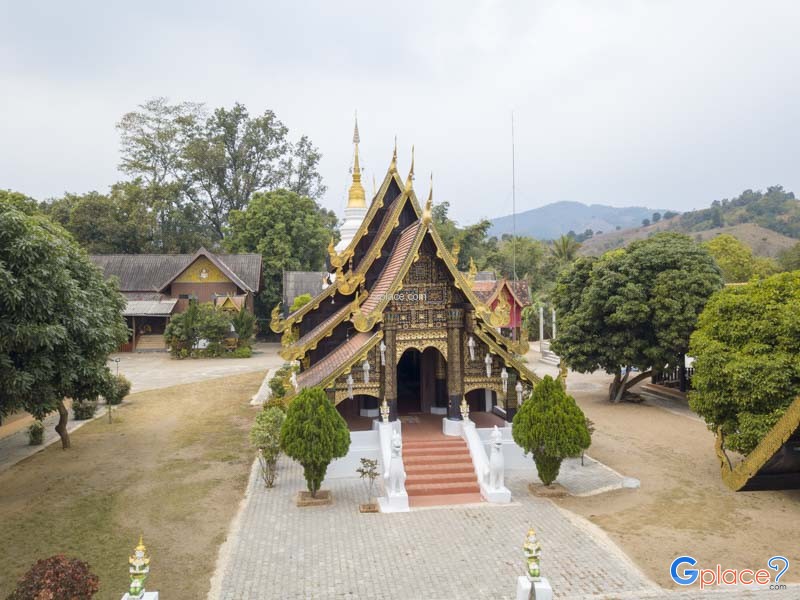
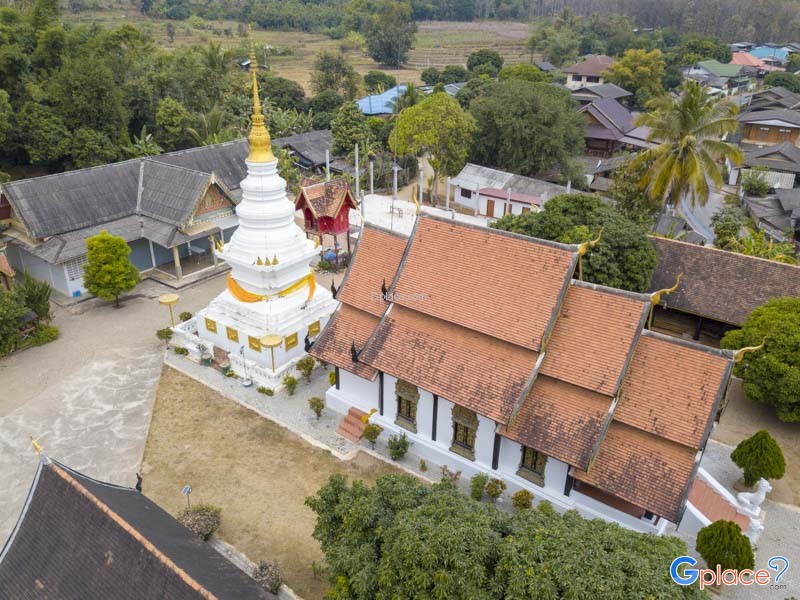
Within the temple compound, there is also an ancient wooden Vihara, which serves as a place for community religious ceremonies. It houses several ancient Buddha images, as well as a wooden pulpit and traditional Lanna offerings. Behind the Vihara stands a Lanna-style bell-shaped pagoda (chedi), used to enshrine relics of the Buddha and important relics of the temple. Surrounded by large, shady trees, the temple's atmosphere is serene, making it suitable for meditation and spiritual relaxation.
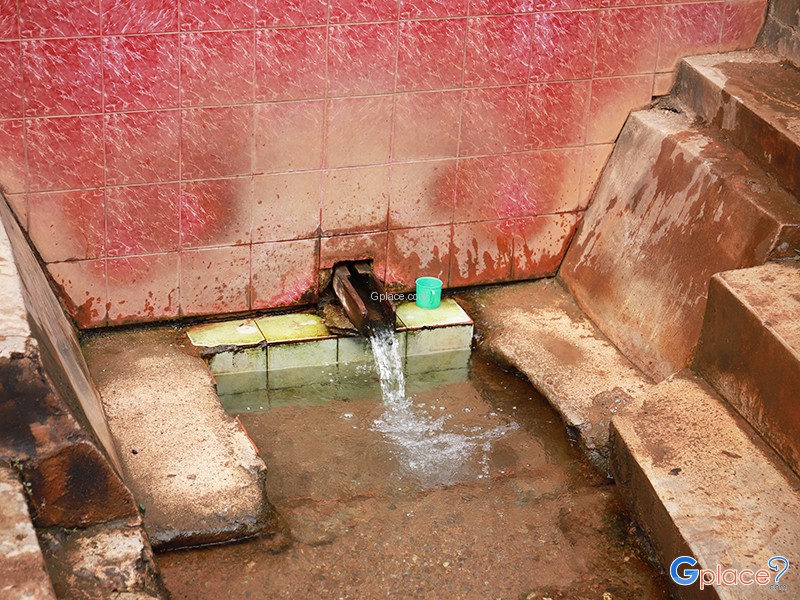
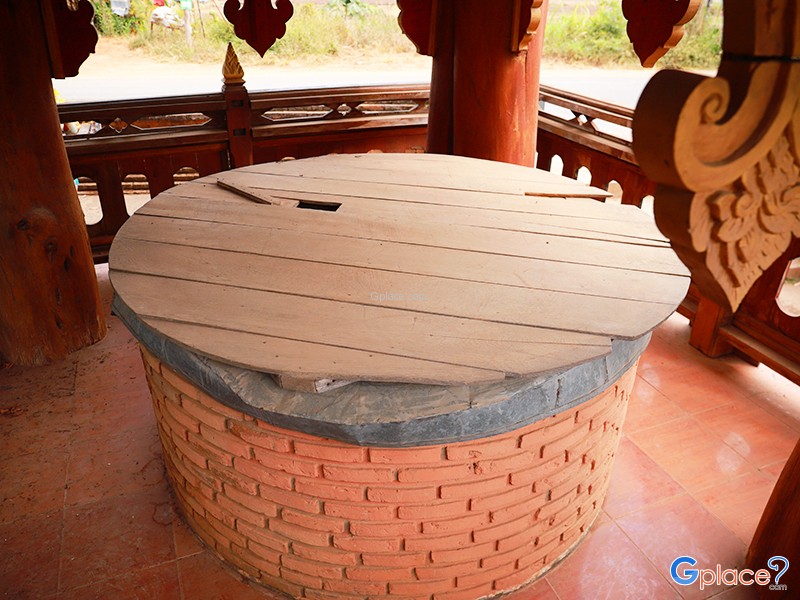
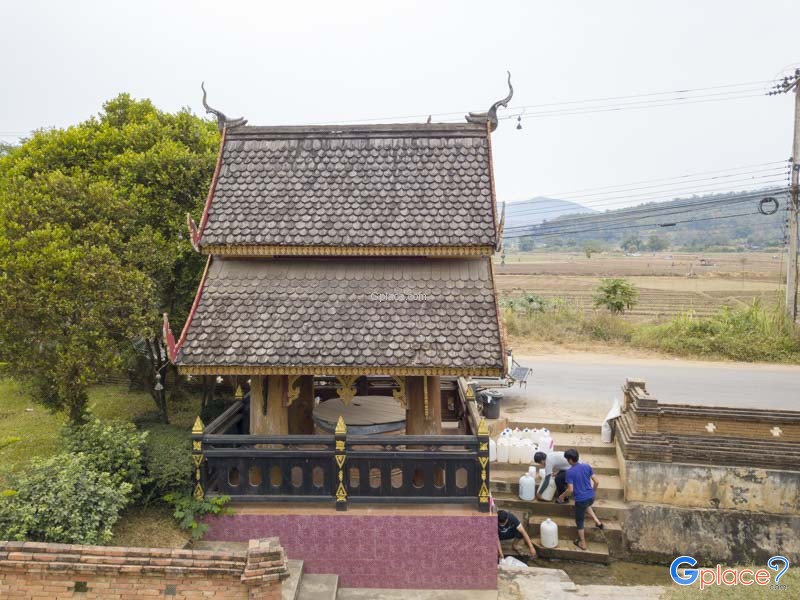
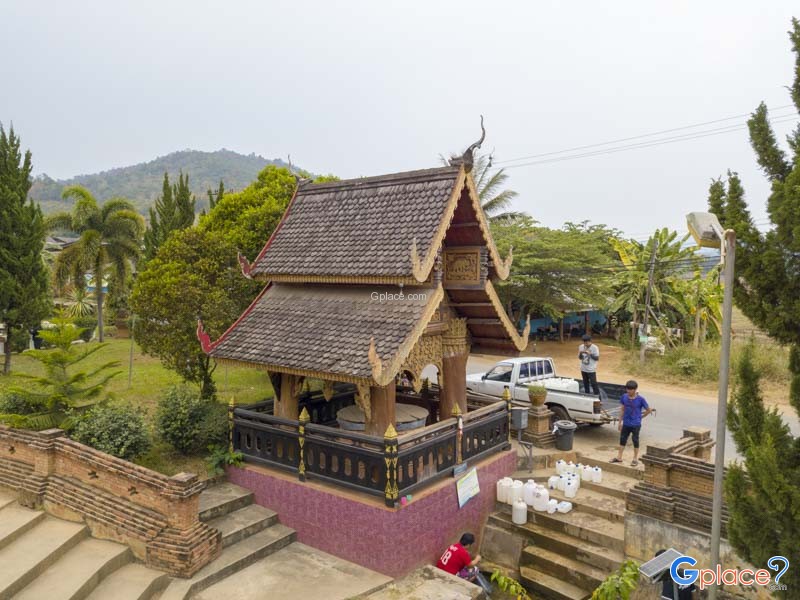
Another famous highlight is the sacred spring well "Nam En," which is natural mineral water continuously bubbling up from underground throughout the year, never drying even during the dry season. The water is clear, clean, and maintains a relatively constant temperature. Locals believe it is sacred and auspicious, often taking it home to drink for good fortune or using it in religious ceremonies and various community auspicious rituals. The temple has organized a system separating the well for drinking water, a holding pond, and drainage to consistently maintain the quality of the water source.
According to local accounts, Nam En is considered the origin of the village and temple's name, as it has been a rich natural water source since ancient times. The water contains natural minerals and continuously flows from underground, making it a crucial source of drinking and utility water for the community for generations. Even with modern plumbing available today, many locals still prefer to collect water from the well to drink and use for important occasions.
During important Buddhist festivals such as Makha Bucha, Visakha Bucha, Asalha Bucha, and Buddhist Lent, Wat Phut En becomes a center for religious activities. There are candle circumambulations, merit-making, dharma sermons, and the preservation of Lanna traditions, especially the strong adherence to traditional merit-making by the people of Mae Chaem. Tourists visiting during these times can experience a rare glimpse of local cultural atmosphere.
Beyond its religious significance, Wat Phut En is also a learning center for Lanna architecture and the history of the Mae Chaem community. Academics and those interested in art and culture often visit to study the style of the Ubosot in water, the temple layout, and the wisdom of natural water source management that aligned with the way of life of Lanna people in the past. Thus, it is considered a valuable cultural tourism destination in terms of history, art, and local beliefs.
With its unique Ubosot in water, the sacred well that never dries, and its serene atmosphere, Wat Phut En is one of the must-visit temples when traveling to Mae Chaem District. It is suitable for those who wish to pay respects to Buddha, make wishes, study Lanna history, admire invaluable ancient sites, and experience the charm of a local community that beautifully preserves its cultural heritage.
How to Get There
-
From Chiang Mai city, take Highway 108 (Chiang Mai–Hot) towards Chom Thong District. Then, turn onto Highway 1009, the route up Doi Inthanon National Park. When you reach Checkpoint 2, turn onto Highway 1192 heading towards Mae Chaem District. Continue driving to the district center, then use the main road to enter Chang Khoeng sub-district. There are signs guiding the way to Wat Phut En throughout the route.
-
Alternatively, you can travel from Hot District via Highway 108 and then connect to Highway 1088 to Mae Chaem District, which is suitable for those traveling from Tak Province or the western part of the North. The temple is located approximately 1–2 kilometers from Mae Chaem District Office. The paved road allows convenient access for cars, motorcycles, and vans. Parking is available within the temple grounds.
Travel Tips
- It is recommended to visit in the morning around 08:00–10:00 AM or in the evening around 04:00–05:00 PM. The light is beautiful for photographing the Ubosot in water.
- Dress respectfully; avoid sleeveless shirts, shorts, or inappropriate attire before entering the Vihara and Ubosot.
- The Ubosot in water is an ancient monument of historical value. Please walk carefully and do not climb on the structure.
- If you wish to collect water from the sacred well, please use clean containers and strictly follow the temple's rules.
- Refrain from swimming or putting dirt into the sacred well to help preserve the community's water source.
- You can combine your trip with Wat Pa Daed, Ban Mae Chaem, Ban Pa Pong Piang Rice Terraces, Thep Phanom Hot Spring, and Mae Pan Waterfall all in one day.
Admission Fee:
- Free admission. Visitors can make donations to support the temple's maintenance, utilities, and preservation of ancient sites according to their faith.
Opening Hours:
- Open for visitors and worship every day from 08:00 AM–05:00 PM. It is advisable to avoid visiting during times when monks are performing religious ceremonies for appropriateness and peace within the temple.
Wat Phut En

 Share
Share
 Moo 4, Chang Khoeng Sub-district, Mae Chaem District, Chiang Mai Province 50270
Map
Moo 4, Chang Khoeng Sub-district, Mae Chaem District, Chiang Mai Province 50270
Map
 Closed today
Mon8.00 - 17.00
Tue8.00 - 17.00
Wed8.00 - 17.00
Thu8.00 - 17.00
Fri8.00 - 17.00
Sat8.00 - 17.00
Sun8.00 - 17.00

 https://www.thai-tour.com/thai-tour/north/chiangmai/data/pic_bhudda-ent-temple.html

 4856
4856