 Attractions
  Hotel
Hotel  Restaurant
  Shopping
  Abroad






“Learn about hand-woven and natural-dyed cotton, visit Pa Da Textile Museum of a National Artist, located by the Ping River.”
Ban Rai Phai Ngam & Pa Da Textile Museum serves as a cultural learning center, a space for preserving local wisdom, and a hub for perpetuating cotton weaving traditions in the Ban Rai Phai Ngam community, Chom Thong District, Chiang Mai Province. This place is not merely a museum displaying textiles, but a “living space” that reflects the actual working lives of weavers in the Lanna community, from preparing cotton fibers and natural dyeing to weaving fabric on traditional looms passed down through generations.
The origin of Ban Rai Phai Ngam is deeply intertwined with Grandma Saengda Bansit (Pa Da), who was both a wisdom teacher and a pioneer in revitalizing the community's traditional cotton weaving. She was honored as a National Artist in Visual Arts (Textile Art) for her outstanding work in preserving and developing Lanna cotton weaving, maintaining its original value while beautifully adapting it for contemporary use. Her key philosophy was to make fabric not just an item for use, but a work of art that tells the story of the community, nature, and people's way of life.
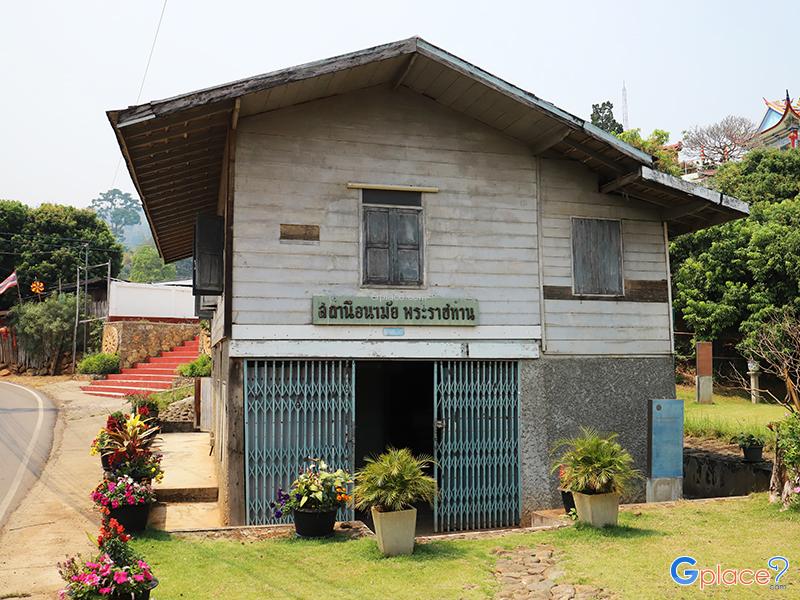
Within the museum area, there is a traditional Lanna-style wooden house that systematically displays the history of weaving in the North. It features ancient tools such as looms, shuttles, reeds, spinning wheels, cotton ginning equipment, and natural dyeing vessels, as well as old photographs, historical documents, and textile works reflecting the evolution of patterns and production techniques in each era. Visitors can clearly see the connection between traditional wisdom and its contemporary application.
One of the key highlights of Ban Rai Phai Ngam is its comprehensive handmade cotton production process, which is the heart of true craftsmanship. It starts from selecting high-quality cotton, ginning cotton to separate seeds from fibers, fluffing cotton, hand spinning yarn, winding yarn, tying ikat patterns or preparing warp threads according to desired designs, and finally, dyeing with natural materials such as bark, leaves, roots, flowers, and various local plants. The resulting colors are soft, gentle on the eyes, and uniquely distinctive, not overly vibrant. They are also environmentally friendly and safe for users.
The natural dyeing process here is particularly interesting because it not only aims for beautiful colors but also reflects the ancient wisdom of observing nature, choosing local materials suitable for seasons and the properties of cotton fibers. Colors derived from nature often have depth, dimension, and change with light, giving each piece of fabric its unique charm. This also reduces the use of chemicals in the production process, helping to preserve the environment and promote sustainable production concepts.
Visitors can observe demonstrations of weaving, spinning, and natural dyeing by local housewives and weavers who still work actively in the area. These demonstrations are not just performances for tourism but a vibrant transfer of knowledge from generation to generation. Visitors get a close-up look at the process, touch real cotton fibers, learn the intricate details of handwork, and understand how much time, patience, and skill go into making a single piece of fabric, thus fostering a greater appreciation for the value of Thai craftsmanship.
In terms of exhibits, the museum focuses not only on the beauty of the fabrics but also tells the story of the Lanna way of life through each type of fabric, whether it's a sarong, plain cloth, shawl, scarf, or contemporary clothing. The patterns often draw inspiration from nature and local culture, such as geometric designs, traditional motifs, and patterns that reflect the simplicity yet elegance of Northern people. Thus, Ban Rai Phai Ngam's fabrics possess both artistic and practical value in daily life.
Another important section is the community product store, which gathers hand-woven cotton products and various items produced by locals, such as cotton clothing, scarves, shawls, sarongs, fabric bags, tablecloths, home decorations, and local souvenirs. These products all reflect the meticulousness of craftsmanship and directly generate income for the community. Choosing to buy products from here is not just buying souvenirs but also supporting the grassroots economy and helping to preserve local wisdom.
Ban Rai Phai Ngam also holds significance as a cultural learning resource for students, researchers, and those interested in Thai textiles, as it can serve as a concrete case study for community-level wisdom preservation, covering knowledge management, product development, value creation from handicrafts, and linking art with cultural tourism. Furthermore, it exemplifies how a community can maintain its identity without necessarily abandoning its traditional roots to fit modern times.
The surrounding atmosphere of Ban Rai Phai Ngam is lush and peaceful, surrounded by large trees, green spaces, and natural views along the Ping River, making it an ideal place for a leisurely stroll, photographing Lanna wooden houses, relaxing, and truly immersing oneself in the atmosphere of a Northern rural community. The simplicity of the place actually highlights the value of the fabrics, as visitors get to experience both the beauty of art and the warmth of the local people simultaneously.
In summary, Ban Rai Phai Ngam & Pa Da Textile Museum is a place that harmoniously combines history, art, crafts, wisdom, and community life in one location. It is highly suitable for those who wish to delve deeply into Thai textiles, those interested in Lanna culture, and tourists seeking a valuable travel experience—not just a visit, but a true understanding of the roots of cotton weaving and the meaning of preserving local wisdom.
How to Get There
- From Chiang Mai city, take Highway 108 (Chiang Mai–Hot) heading towards Chom Thong District, passing through Hang Dong, San Pa Tong, and the Chom Thong town center. Then continue driving towards Hot District. Around kilometer marker 68–69, you will see a sign for Ban Rai Phai Ngam on the left. Turn into the soi (alley) following the sign for approximately 1 kilometer to reach the museum. The distance from Chiang Mai city is approximately 69 kilometers, taking about 1 hour and 15 minutes. It is convenient to travel by private car, van, or small bus, and there is parking available for tourists.
Travel Tips
- Suitable for those interested in arts and crafts, Thai textiles, and Lanna local wisdom.
- Allow at least 1–2 hours to explore the museum, watch demonstrations, and purchase community products.
- If traveling in a group, it is advisable to contact the community in advance to arrange demonstrations and a speaker.
- Don't miss the opportunity to purchase hand-woven cotton fabrics and OTOP products from the community to support local income.
- Early morning or late afternoon are pleasant times for walking around and taking photos of the Lanna wooden houses, as well as enjoying the atmosphere by the Ping River.
Admission Fee:
- Free admission. Tourists can support local wisdom preservation and generate income for the Ban Rai Phai Ngam community by purchasing hand-woven cotton products and local goods.
Opening Hours:
- Open daily from 08:30 AM – 05:00 PM (It is recommended to contact the community in advance if visiting as a group or wishing to participate in weaving demonstrations.)
Pa Da Textile Museum at Ban Rai Phai Ngam

 Share
Share
 Moo 3, Sob Tia Sub-district, Chom Thong District, Chiang Mai Province 50160
Map
Moo 3, Sob Tia Sub-district, Chom Thong District, Chiang Mai Province 50160
Map
 Closed today
Mon8.30 - 17.00
Tue8.30 - 17.00
Wed8.30 - 17.00
Thu8.30 - 17.00
Fri8.30 - 17.00
Sat8.30 - 17.00
Sun8.30 - 17.00

 https://www.thai-tour.com/thai-tour/north/chiangmai/data/pic_ban-rai-pai-ngam.html

 3480
3480