 Attractions
  Hotel
Hotel  Restaurant
  Shopping
  Abroad





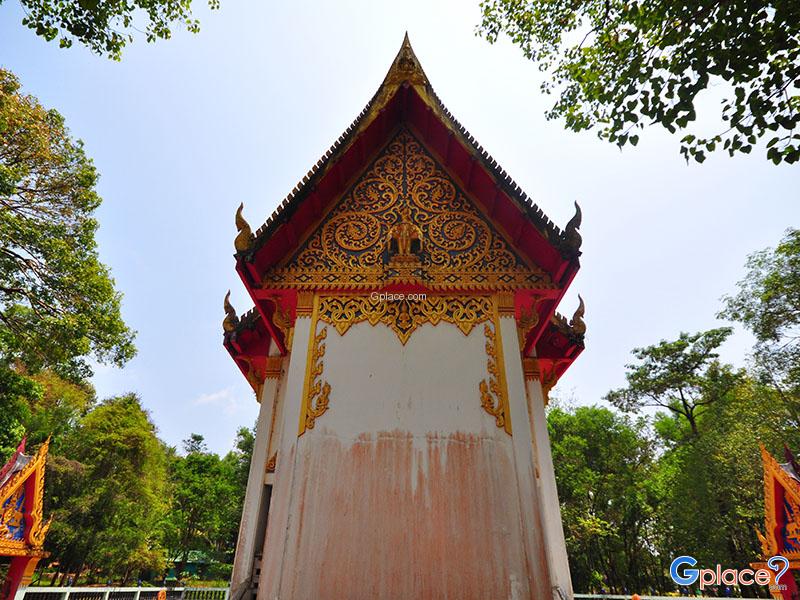


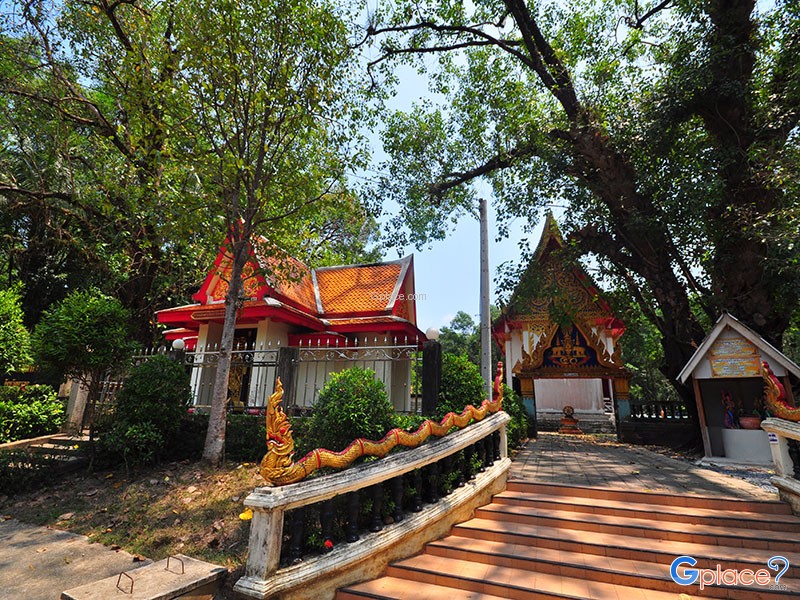
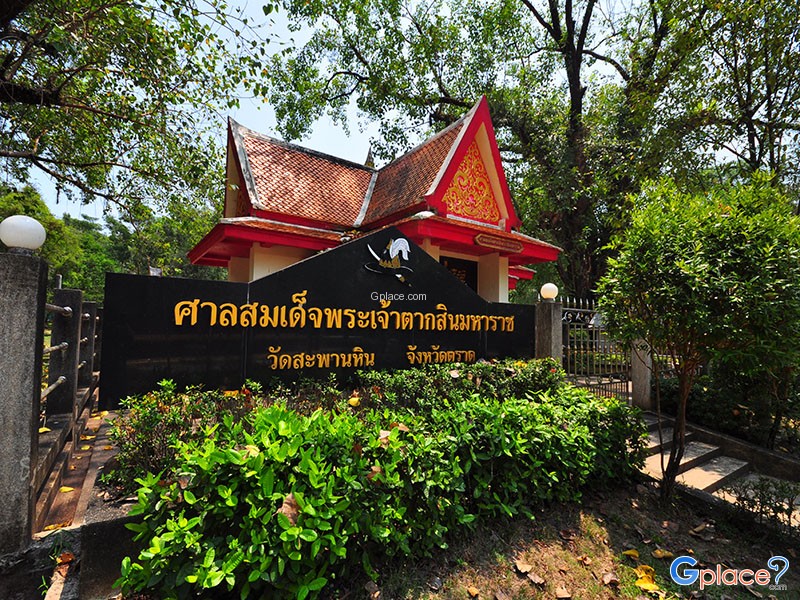
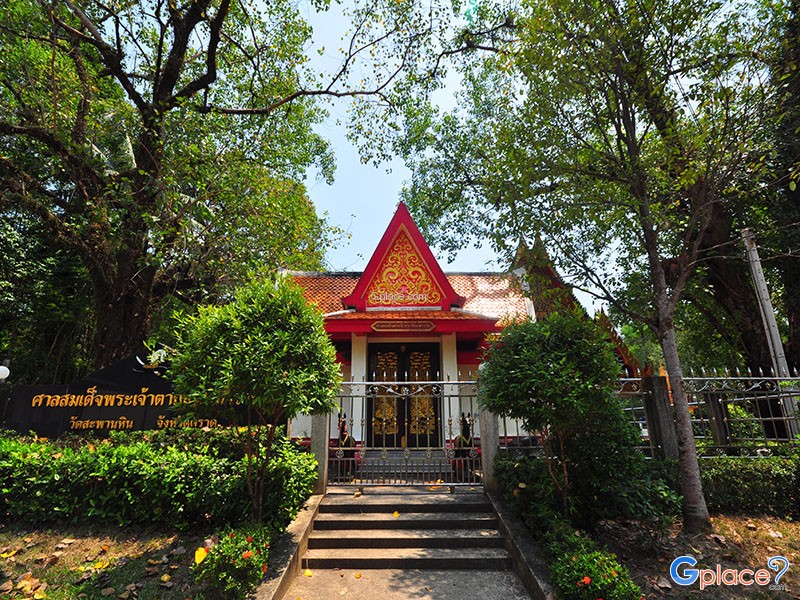

“Pay respects to Phra Phuttha Manee Rattana Patimakorn, a majestic large white Buddha image in the Maravijaya attitude, a key landmark on the historical route of Laem Ngop.”
Saphan Hin Temple It is considered a highly significant religious site in terms of local history and has long served as the spiritual center for the community. The name Saphan Hin (Stone Bridge) originates from the historical geography of the area, which once featured a natural rock formation resembling a bridge extending into the sea. This reflects the relationship between the temple's location and the unique coastal ecosystem of Trat Province.
The most prominent and majestic monument within the temple is Phra Phuttha Manee Rattana Patimakorn, commonly known among locals as Luang Phor Khao. This large white Buddha image in the Maravijaya attitude is enshrined outdoors. The entire statue is pure white, crafted according to Rattanakosin artistic styles that emphasize grace and serenity. The outdoor enshrinement allows travelers to see its grandeur from a distance, making it a major attraction for those seeking to pay respects for good fortune.
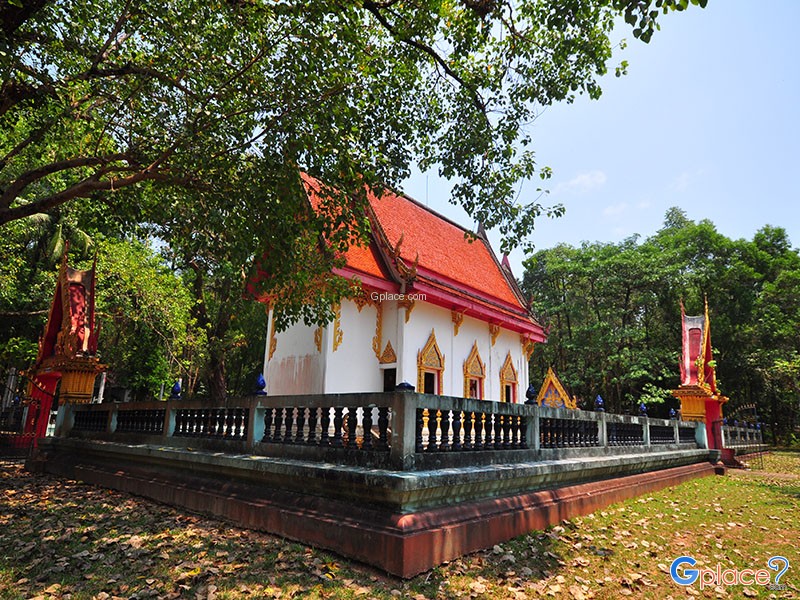
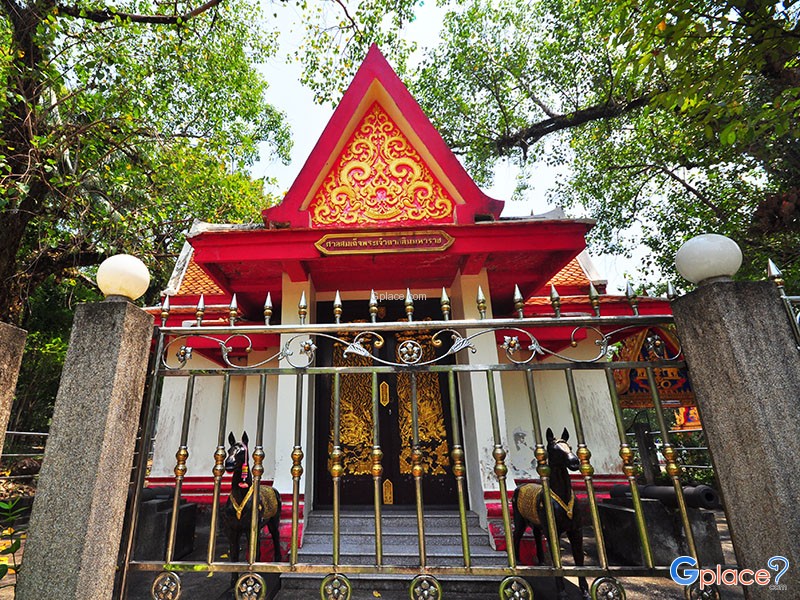
Historically, Wat Saphan Hin is significant due to its proximity to important naval battle sites of the past. The surrounding area was once part of a vital water transportation route between Thailand and neighboring countries. The existence of this temple serves as architectural and cultural evidence of the prosperity of fishing and trading communities in Laem Ngop from the past to the present. Within the temple grounds, there are various religious buildings constructed with simple yet powerful local art, reflecting the wisdom of using materials durable to the coastal climate.
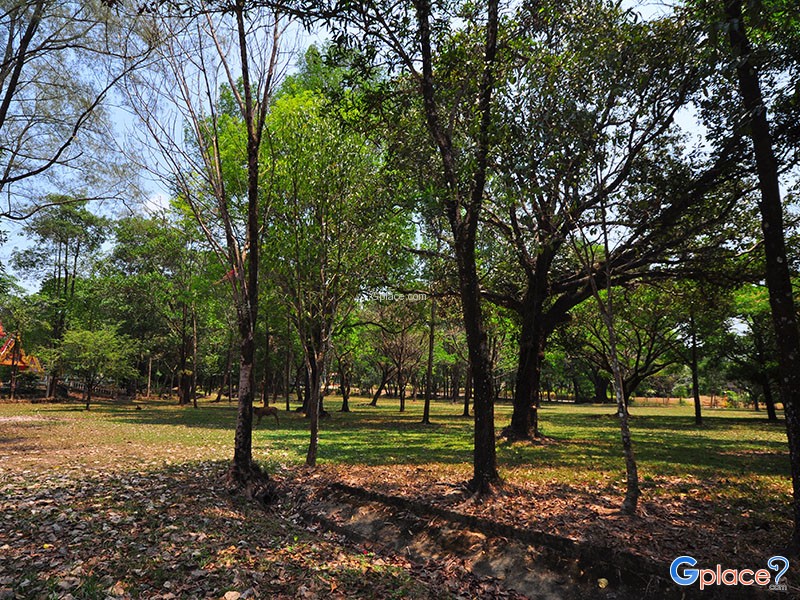
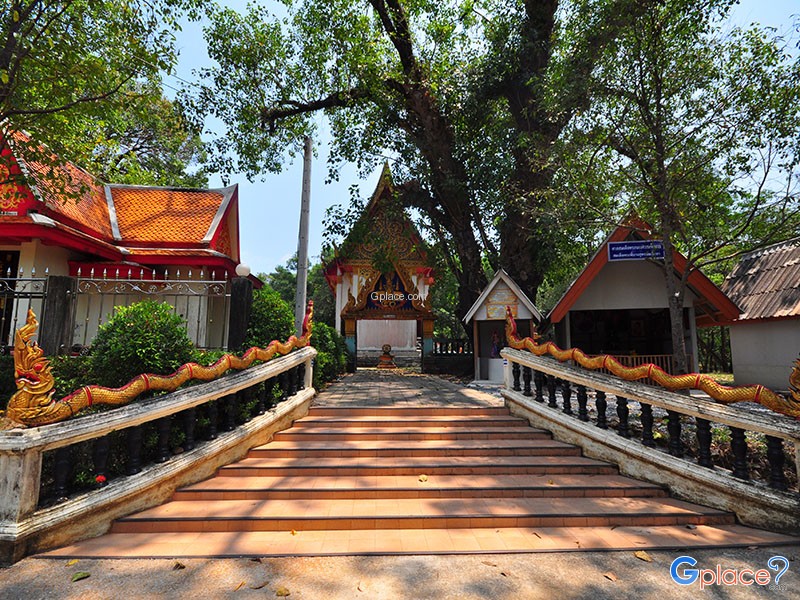
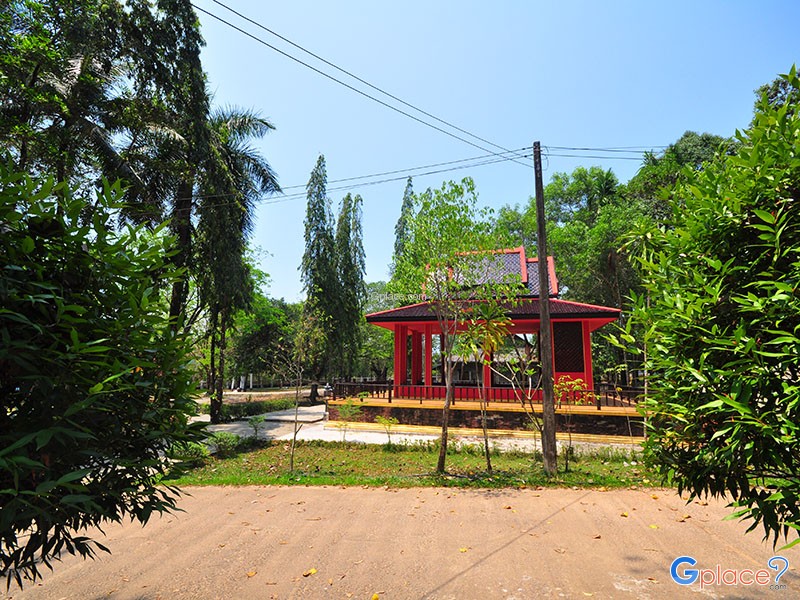
The general atmosphere of the temple is shady and peaceful, ideal for meditation and mental relaxation. The temple has organized gardens and walkways, allowing tourists to conveniently appreciate the beauty of the area. Furthermore, Wat Saphan Hin plays a crucial role in preserving the traditions of the Trat people, such as organizing major religious festivals that provide opportunities for the community to promote local products, thereby stimulating the local economy.
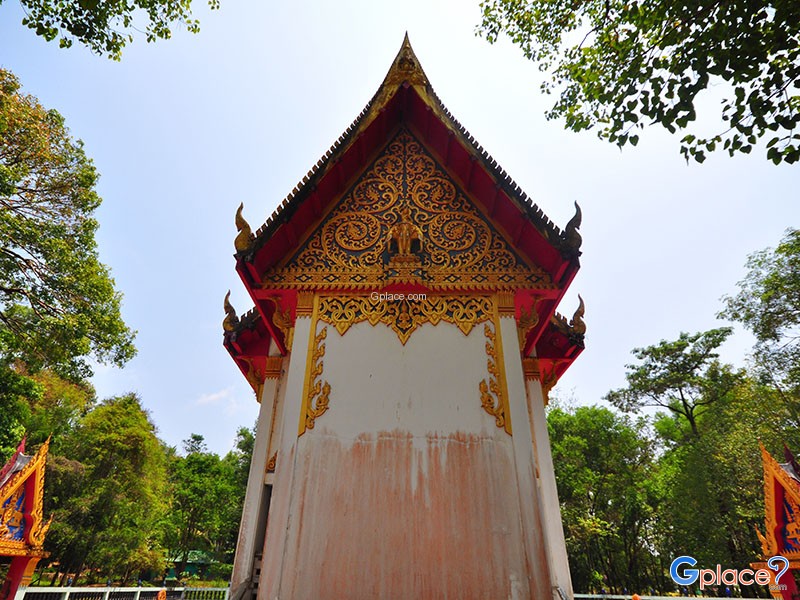
For those who enjoy studying history and art, this temple is like a living outdoor museum. You will discover faith expressed through the meticulous maintenance and decoration of the site, whether it be the patterns on the arched gateways or the various decorative statues. These elements make Wat Saphan Hin more than just a residence for monks; it is a symbol of spiritual stability and the pride of the Laem Ngop people, ready to welcome visitors from around the world with hospitality.
How to Get There
-
Private Car: From Trat city center, take Highway 3148 (Trat-Laem Ngop) towards Laem Ngop for about 15 km. The temple will be on your right.
-
Public Transport: Use the Trat-Laem Ngop songthaew (local truck) service from the terminal in Trat city. Inform the driver you wish to get off at Wat Saphan Hin.
Travel Tips
-
Best Time to Visit: Recommended in the morning (07:00 - 09:00 AM) to avoid the heat and observe the local religious way of life.
-
Dress Code: As it is a sacred site with an outdoor Buddha image, wear breathable but polite clothing (shoulders and knees covered).
-
Photography: The popular angle is a wide shot from the base to see Luang Phor Khao against the blue sky.
-
Local Culture: Buy processed seafood products from nearby communities to support the local economy.
Admission Fee:
-
No Admission fee
Opening Hours:
-
General Hours: 06:00 AM – 06:00 PM daily.
Saphan Hin Temple

 Share
Share
 Laem Klat Subdistrict, Mueang Trat District, Trat Province
Map
Laem Klat Subdistrict, Mueang Trat District, Trat Province
Map
 Open now : 6.00 - 18.00
Mon6.00 - 18.00
Tue6.00 - 18.00
Wed6.00 - 18.00
Thu6.00 - 18.00
Fri6.00 - 18.00
Sat6.00 - 18.00
Sun6.00 - 18.00



 3621
3621