 Attractions
  Hotel
Hotel  Restaurant
  Shopping
  Abroad





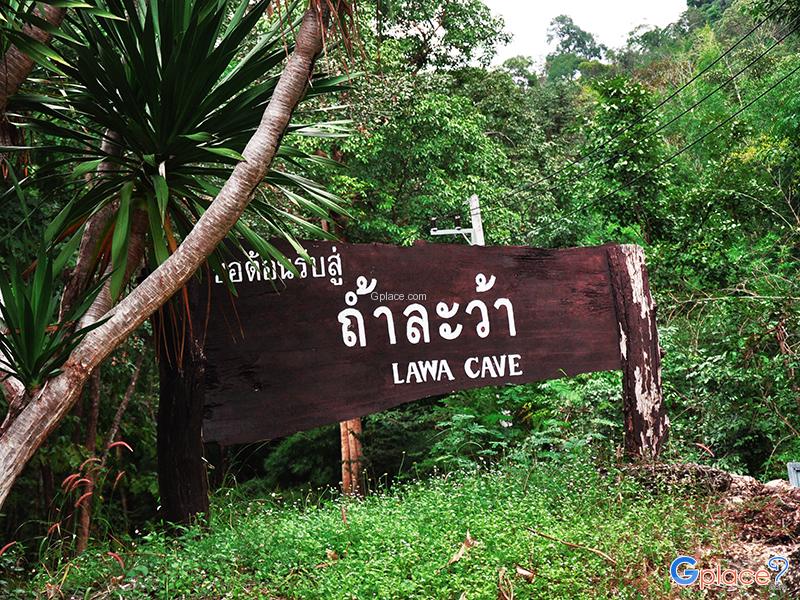

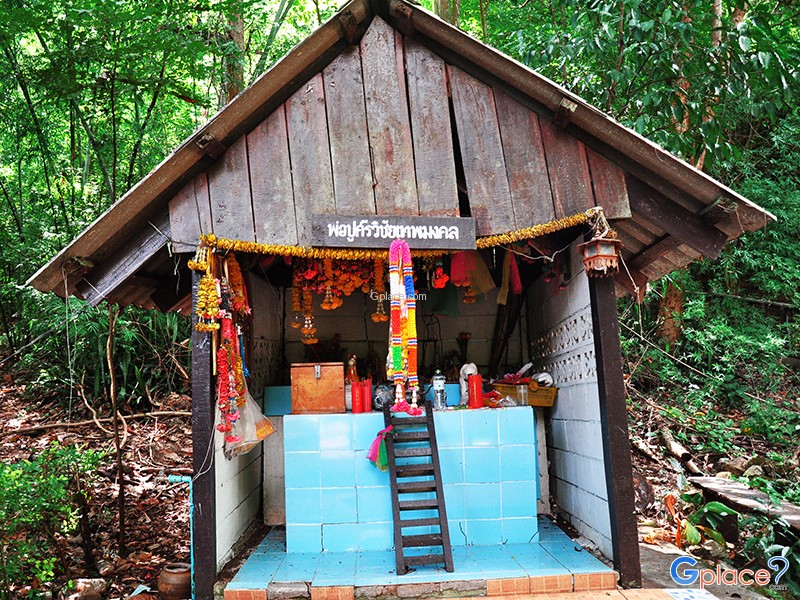
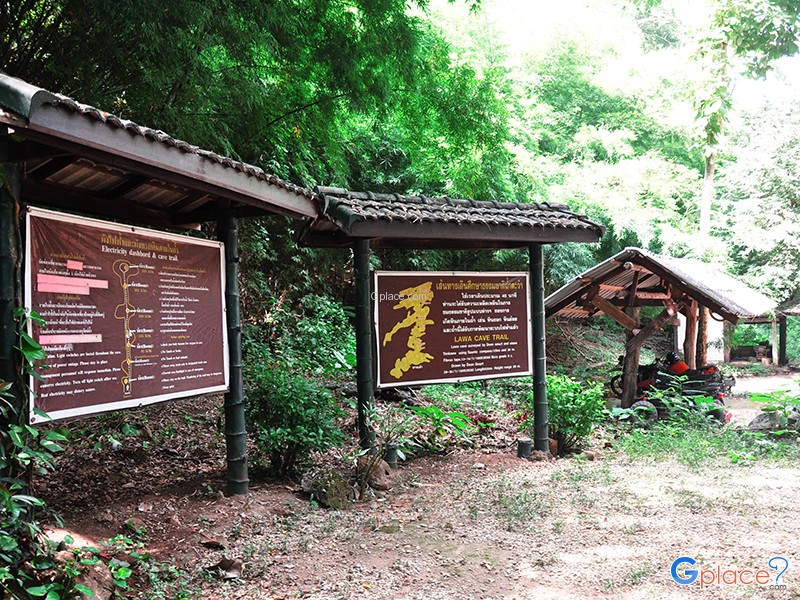
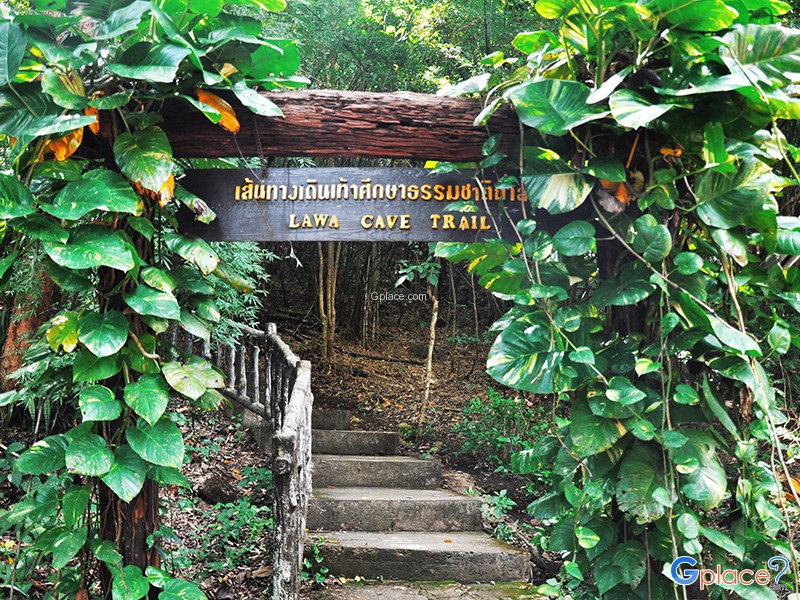
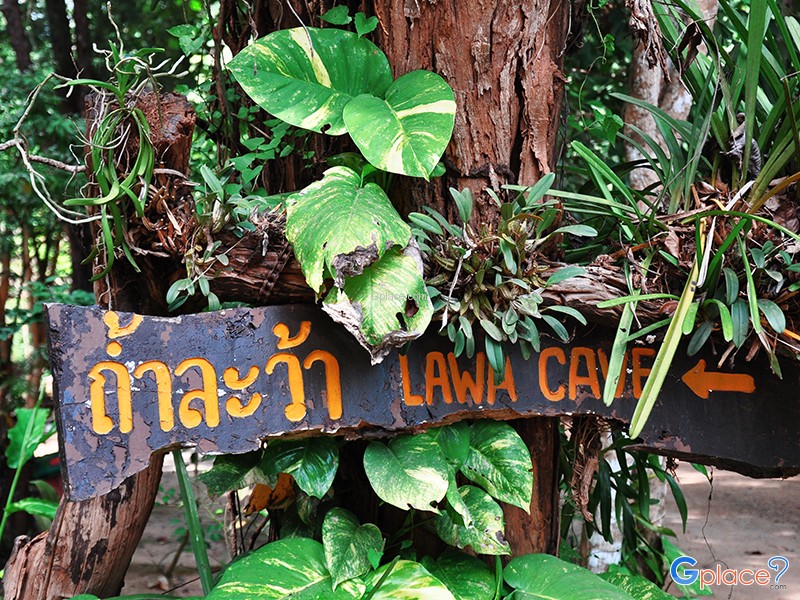
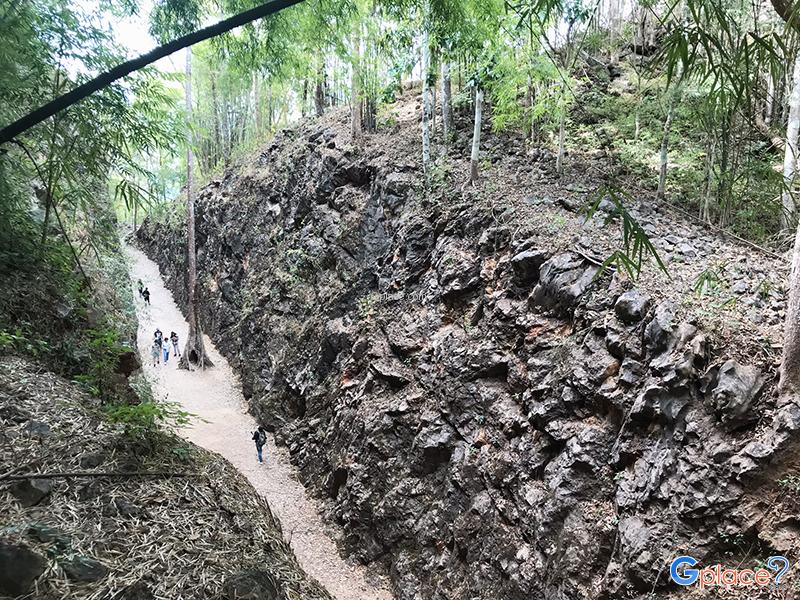
“A massive cave by Khwae Noi River featuring stunning curtain-like stalactites. It offers several magnificent chambers with safe walkways and lighting, perfect for all visitors.”
Lawa Cave is one of the most famous limestone caves in Kanchanaburi Province. Located within Sai Yok National Park, amidst lush natural forests near the Khwae Noi River, this large limestone cave was formed by millions of years of underground water erosion, resulting in massive chambers and winding passageways deep inside the mountain. Lawa Cave is renowned for its beautiful and well-preserved stalactites and stalagmites, considered one of the most complete in western Thailand. The cave has a relatively cool and well-ventilated interior, making it comfortable to explore even during the summer. Although the entrance isn't very large, the interior reveals a vast space filled with breathtaking natural sculptures.
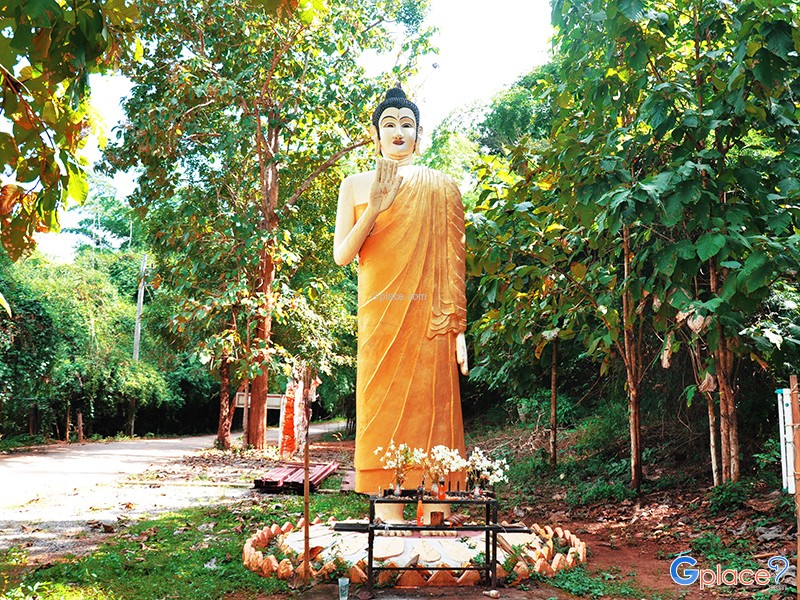
The cave is divided into several chambers, each with distinctly different geological features. Visitors will encounter a variety of stalactites and stalagmites, ranging from flowing curtain-like formations to massive pillars and layers of rock formed by the accumulation of calcite minerals over long periods. Many of the stalactites and stalagmites are still "alive," with mineral water droplets continuously flowing through them, demonstrating that natural formation processes continue to this day. The lighting inside the cave enhances the texture and patterns of the limestone formations, making them even more striking. In particular, the large hall with its high ceiling and beautifully arranged rock pillars connecting the floor and ceiling of the cave is a highlight. Additionally, a Buddha statue is enshrined inside the cave, which many tourists visit to pay respects and seek blessings before exploring other parts of the cave.
Lawa Cave is not only important for tourism but also holds significant archaeological and historical value. The discovery of ancient human skeletons and evidence of prehistoric human habitation within the cave has led scholars to hypothesize that this area may have been used as a shelter by humans thousands of years ago. The surrounding limestone mountains and proximity to natural water sources make this area suitable for settlement since ancient times. Furthermore, Lawa Cave reflects the biodiversity of the ecosystem within Sai Yok National Park, a vital forest area in western Thailand and a habitat for various wildlife species.
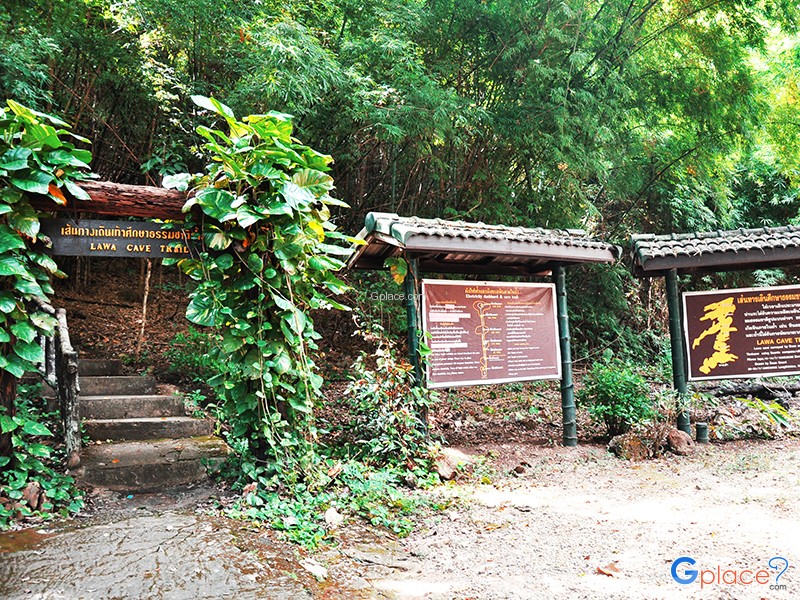
The cave's walking paths have been developed for tourism, featuring stairs, concrete walkways, and lighting throughout, making it accessible to the general public without the need for professional cave exploration equipment. However, some sections of the cave floor may be damp and slippery from natural dripping water, so wearing shoes with good grip is recommended. During the exploration, the sound of dripping water echoes within the cave chambers, creating a quiet and mysterious atmosphere different from typical natural tourist attractions. Especially during the rainy season, when the stalactites and stalagmites are at their most moist and beautiful, extra caution may be needed when navigating. Many tourists prefer to combine visiting Tham Lawa Cave with rafting or staying at resorts along the Kwai Noi River, as the surrounding area offers tranquil and beautiful natural surroundings ideal for relaxation.
Beyond its natural beauty, Tham Lawa Cave is considered a significant landmark for nature tourism in Kanchanaburi Province. The well-preserved limestone structures and conservation efforts within the national park have made it a popular destination for both Thai and international tourists. Those who enjoy nature tourism, geology, or photography are often impressed by the intricate rock formations and the changing light patterns inside the cave, which alternate with the time of day. Although easily accessible, Tham Lawa Cave maintains a sense of peace and natural charm, making it perfect for those seeking to experience the beauty of the subterranean world amidst the forests of Kanchanaburi.
How to Get There
-
By Car: From Kanchanaburi city, take Highway 323 (Kanchanaburi-Sai Yok). Follow the signs toward Sai Yok Yai National Park and look for the specific turn-off for Lawa Cave.
-
By Boat: Long-tail boats can be hired from Pak Saeng Pier or various riverside resorts along the Khwae Noi River, offering a scenic cruise directly to the cave's pier.
Travel Tips
- Wear non-slip shoes as some cave areas can be damp.
- Bring a small flashlight to see finer rock details clearly.
- Walk carefully on stairs and uneven surfaces inside the cave.
- Visit in the morning or early afternoon to avoid crowds.
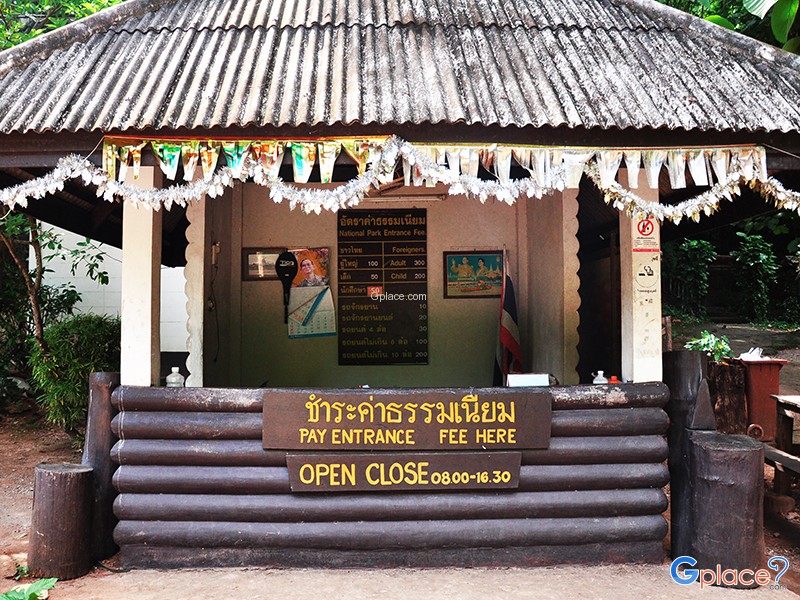
Admission Fees:
- Sai Yok National Park Entrance Fee:
-
Thai Nationals: Adults 60 THB, Children 30 THB
-
Foreigners: Adults 300 THB, Children 150 THB
Opening Hours:
- 09:00 AM – 04:30 PM (Daily)
Lawa Cave

 Share
Share
 T.Wang Krachae, A.Sai Yok, Kanchanaburi, 71150
Map
T.Wang Krachae, A.Sai Yok, Kanchanaburi, 71150
Map
 Open now : 8.00 - 16.30
Mon8.00 - 16.30
Tue8.00 - 16.30
Wed8.00 - 16.30
Thu8.00 - 16.30
Fri8.00 - 16.30
Sat8.00 - 16.30
Sun8.00 - 16.30

 https://www.thai-tour.com/thai-tour/central/kan/data/place/lawa-cave.html

 4129
4129