 Attractions
  Hotel
Hotel  Restaurant
  Shopping
  Abroad





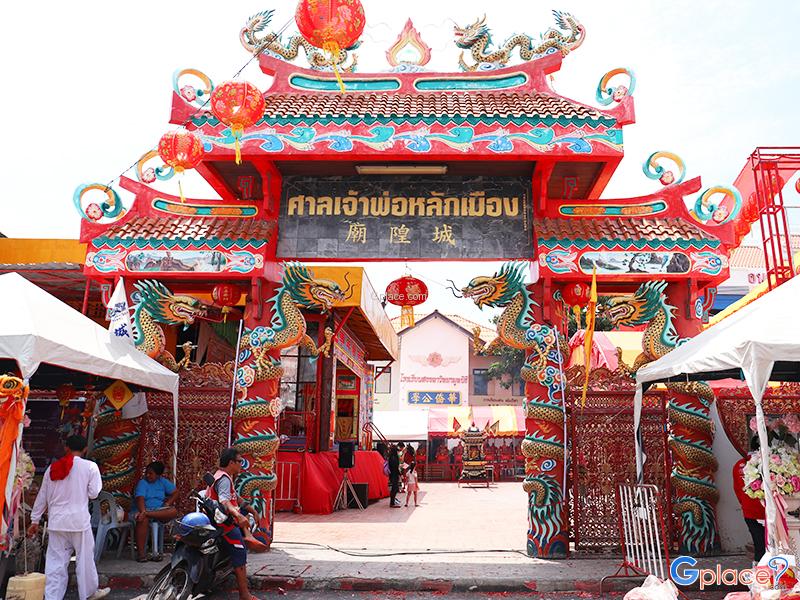

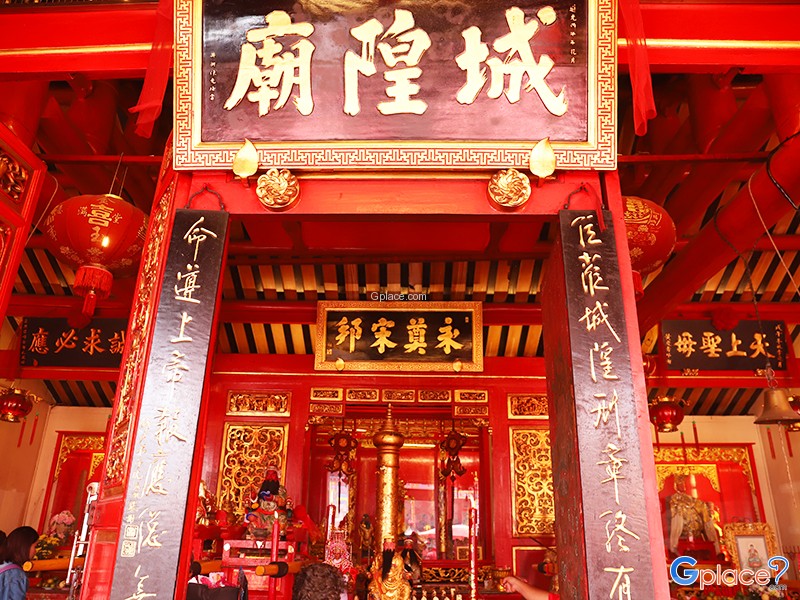
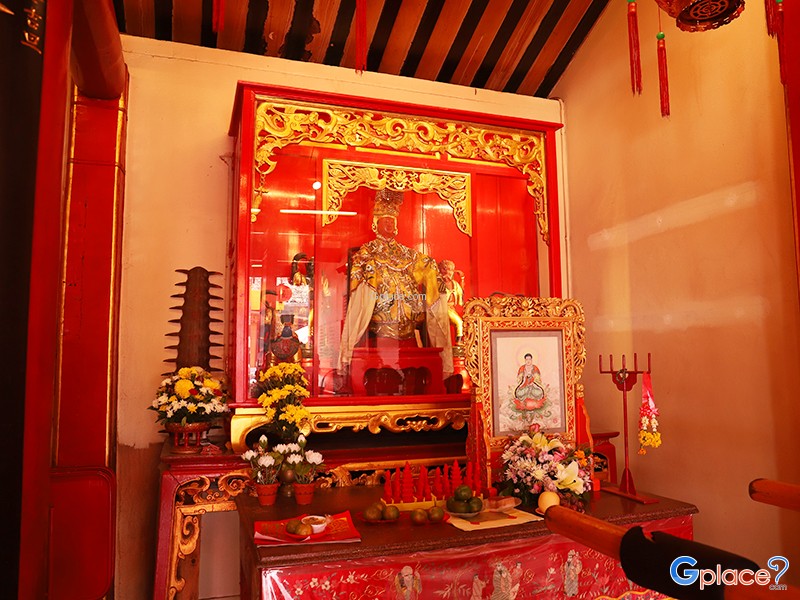
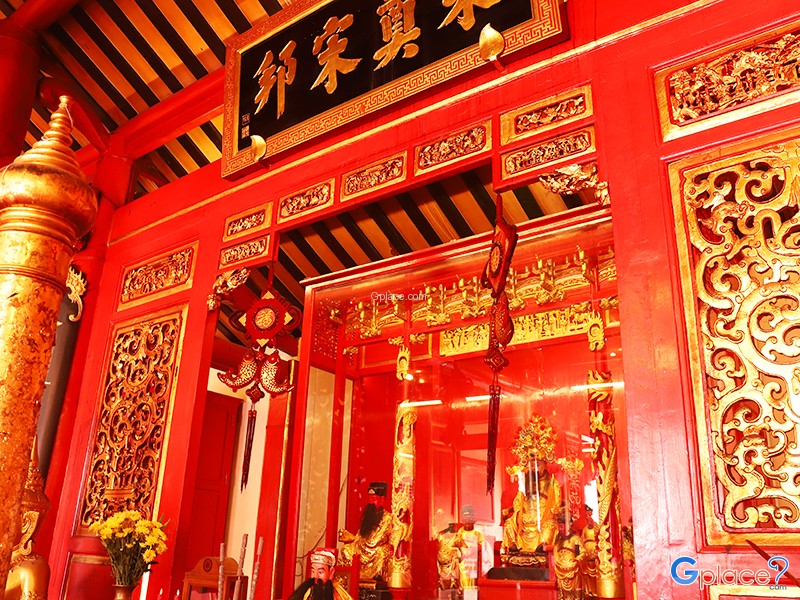
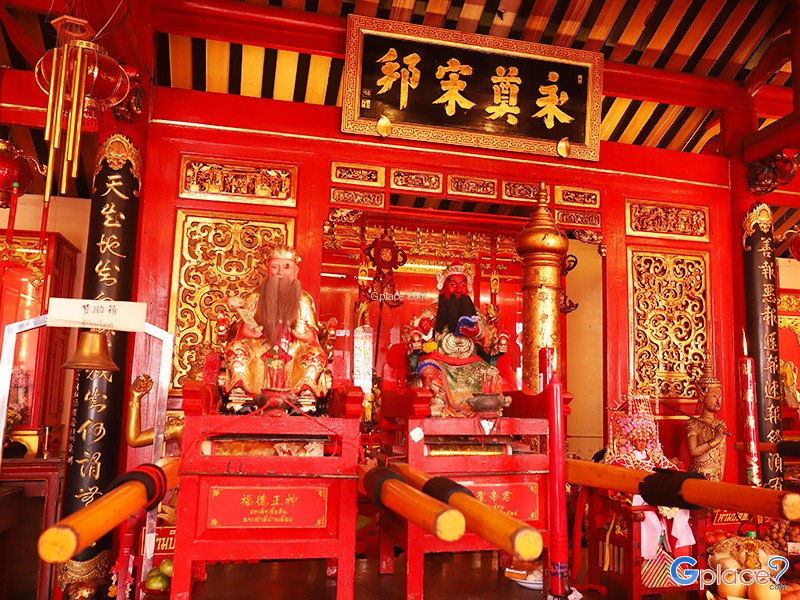
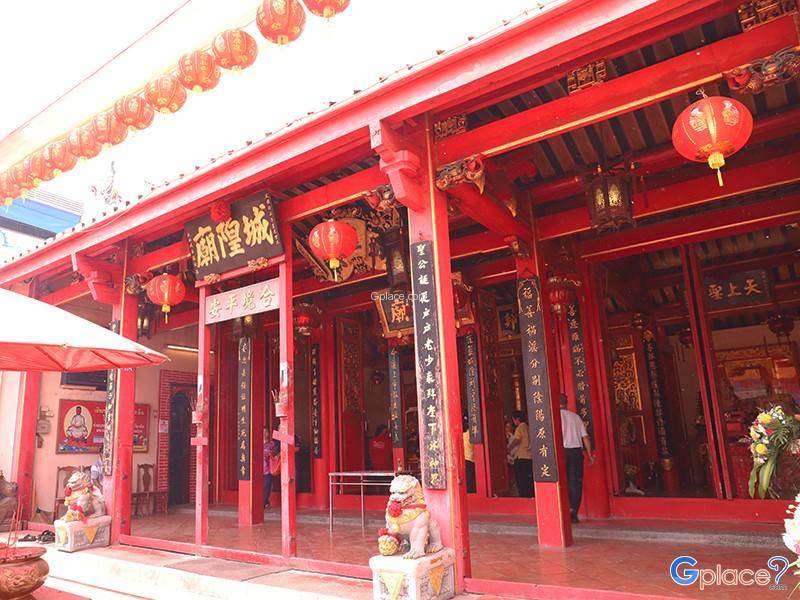
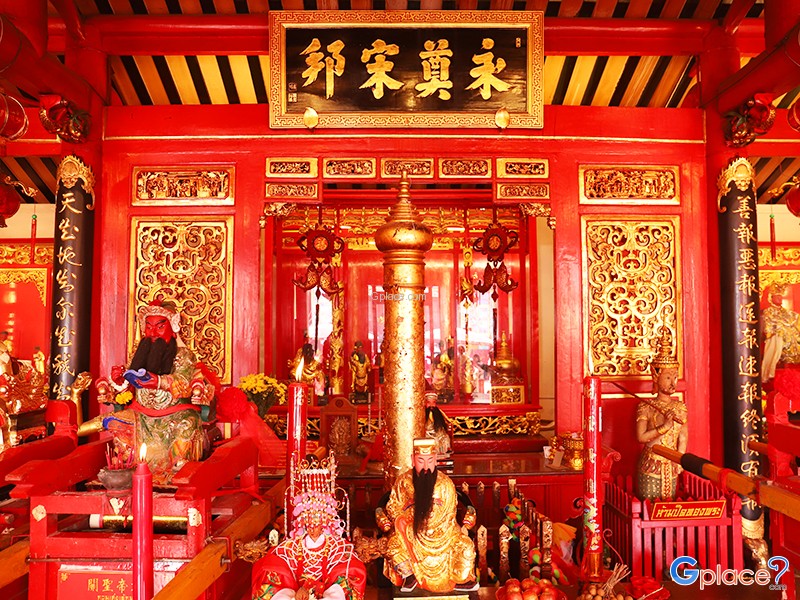
“Songkhla City Pillar Shrine features beautiful Chinese architecture, a cassia wood city pillar from King Rama III, and is a spiritual center of the old town.”
How to Get There
- By car: Drive into Songkhla Old Town (Bo Yang area). Parking is available along nearby streets.
- By public transport: Take a tuk-tuk or local shared taxi and ask to get off at “City Pillar Shrine” or “Nang Ngam Road”.
Travel Tips
- Bring small change for offerings and making merit at various points inside the shrine.
- Dress modestly and appropriately for a sacred place.
- It is recommended to visit in the morning to avoid crowds and heat.
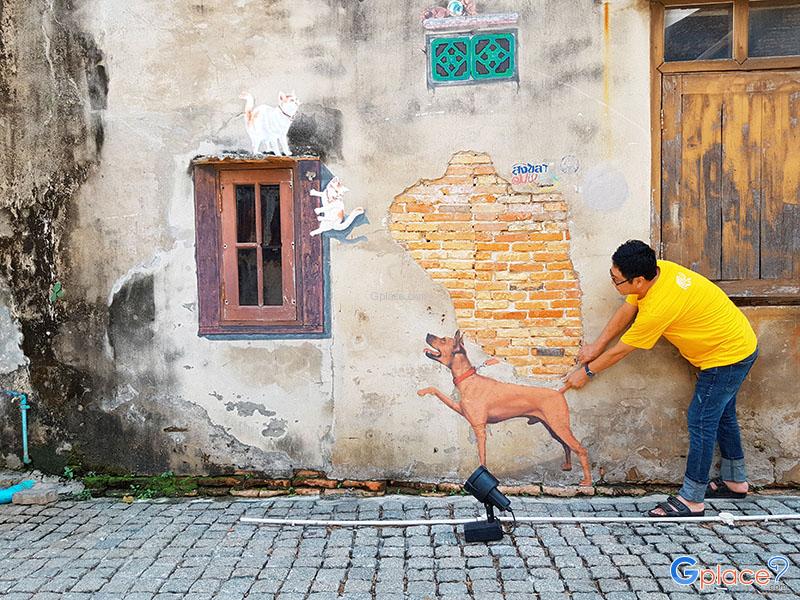
- Continue walking to Nang Ngam Road to enjoy street art, cafés, and local dessert shops.
- If visiting during Chinese New Year or annual festivals, you can experience a lively atmosphere and local cultural celebrations.
Admission Fee:
- Free (donations appreciated)
Opening Hours:
- Daily: 07:00 AM – 06:00 PM
Songkhla City Pillar Shrine

 Share
Share
 Bo Yang, Mueang Songkhla, Songkhla, 90000
Map
Bo Yang, Mueang Songkhla, Songkhla, 90000
Map
List 0 review
|
art & culture,attractions,City Pillar Shrine
 Open now : 7.00 - 18.00
Mon7.00 - 18.00
Tue7.00 - 18.00
Wed7.00 - 18.00
Thu7.00 - 18.00
Fri7.00 - 18.00
Sat7.00 - 18.00
Sun7.00 - 18.00

 https://thai-tour.com/thai-tour/south/songkla/data/place/pic-sarnlukmeung.htm

 4753
4753