 Attractions
  Hotel
Hotel  Restaurant
  Shopping
  Abroad






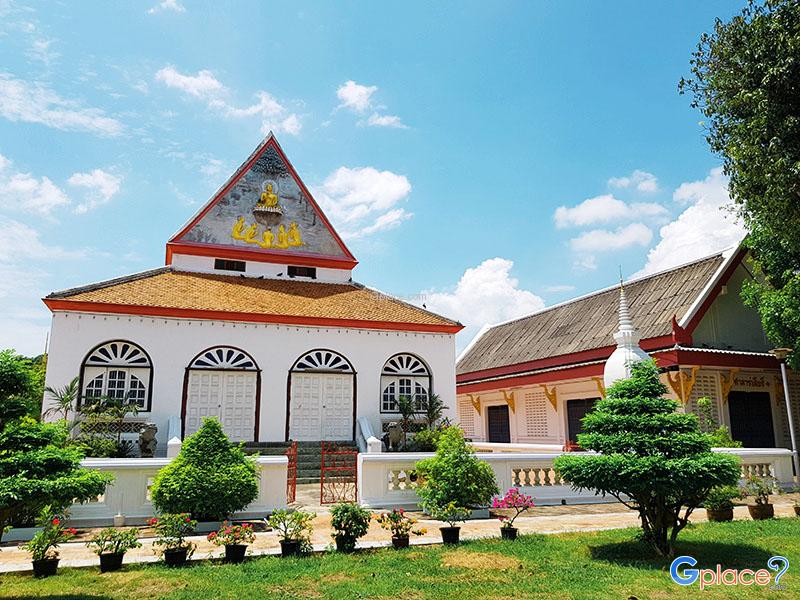
“Sri Lankan Buddha relics brought by Phra Ajarn Na Tisso around 1892, a white Sri Lankan-style chedi on a high base, formerly known as Wat Khok Samet.”
How to Get There
- By car: Drive into Songkhla city center toward the Bo Yang area, then take Phet Mongkhon–Chai Mongkhon Road, which is near Songkhla Old Town. Once you enter the area, you will see signs for the temple, and parking is available around the temple grounds.
Travel Tips
Admission fee:
- Free of charge. Donations are welcome according to faith.
Opening hours:
- Daily from 08:00 to 18:00.
Wat Chai Mongkhon

 Share
Share
 Chai Mongkhon, Bo Yang, Mueang Songkhla, Songkhla 90000
Map
Chai Mongkhon, Bo Yang, Mueang Songkhla, Songkhla 90000
Map
List 0 review
|
art & culture,attractions,Place of worship,temple,church
 Closed today
Mon8.00 - 18.00
Tue8.00 - 18.00
Wed8.00 - 18.00
Thu8.00 - 18.00
Fri8.00 - 18.00
Sat8.00 - 18.00
Sun8.00 - 18.00

 https://thai-tour.com/thai-tour/south/songkla/data/place/pic-jeidibunchuprabaromtard.htm

 2793
2793