 Attractions
  Hotel
Hotel  Restaurant
  Shopping
  Abroad






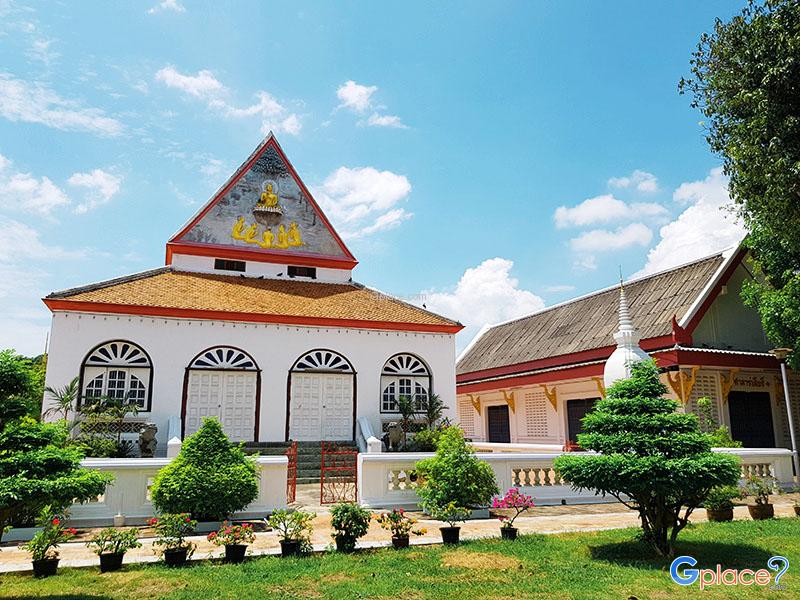
“A century-old Sino-European mansion distinguished by intricate wood carvings and eight exhibition zones showcasing Songkhla’s history.”
How to Get There
- By Car: From Hat Yai, take Lopburi Ramesuan Road toward Songkhla and drive straight into the city center. Continue to the Bo Yang area and Wichian Chom Road, where the museum is located. The building is near the old city wall and close to Songkhla Lake. Navigation via Google Maps is convenient.
- By Public Transport: From Hat Yai, take a van or bus to Songkhla city (ประมาณ 30–45 minutes). From there, transfer to a songthaew, tuk-tuk, or motorcycle taxi to reach the Old Town area (Bo Yang), where the museum is located.
Travel Tips
Admission Fee:
- Thai nationals: 30 THB
- Foreign visitors: 150 THB
- Free for students in uniform, monks, and novices
Opening Hours:
- Wednesday – Sunday: 09:00 – 16:00
- Closed on Monday, Tuesday, and public holidays
Songkhla National Museum

 Share
Share
 Bo Yang, Mueang Songkhla, Songkhla, 90000
Map
Bo Yang, Mueang Songkhla, Songkhla, 90000
Map
List 0 review
|
art & culture,attractions,museum
 Closed today
Mon -
Tue -
Wed9.00 - 16.00
Thu9.00 - 16.00
Fri9.00 - 16.00
Sat9.00 - 16.00
Sun9.00 - 16.00

 https://thai-tour.com/thai-tour/south/songkla/data/place/pic-songkla-museum.htm

 3064
3064