 Attractions
  Hotel
Hotel  Restaurant
  Shopping
  Abroad





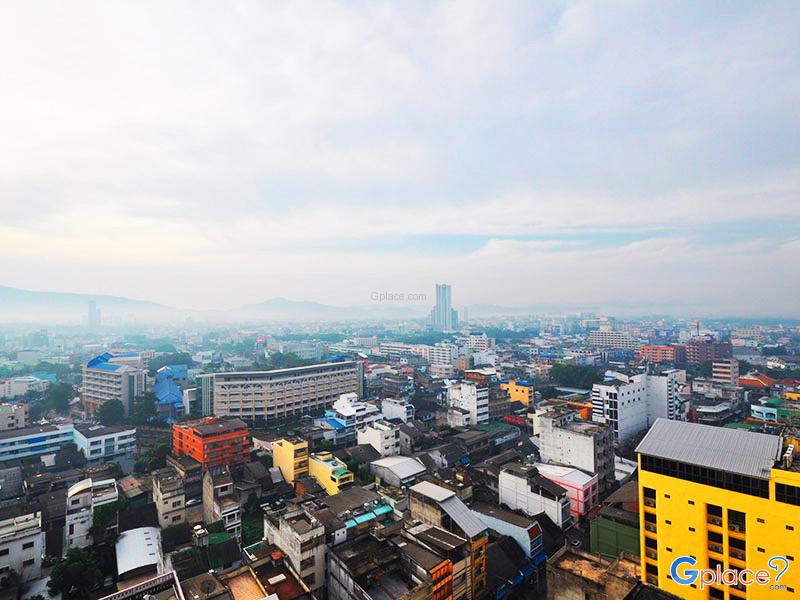

“ “Hat Yai is a major economic and tourism hub, featuring Kim Yong Market, public parks, and the Central Mosque, along with diverse culture and excellent local cuisine.” ”
Hat Yai (The City of Hat Yai) is the most important economic, commercial, and transportation hub of Southern Thailand. It serves as a key “gateway city” connecting Thailand with Malaysia, particularly in terms of cross-border trade and tourism.
Hat Yai originated as a railway junction during the reign of King Rama VI, which led to the gathering of diverse communities, including Thai, Chinese, and Malay populations. This multicultural foundation enabled the city to rapidly develop from a small settlement into a major urban center.
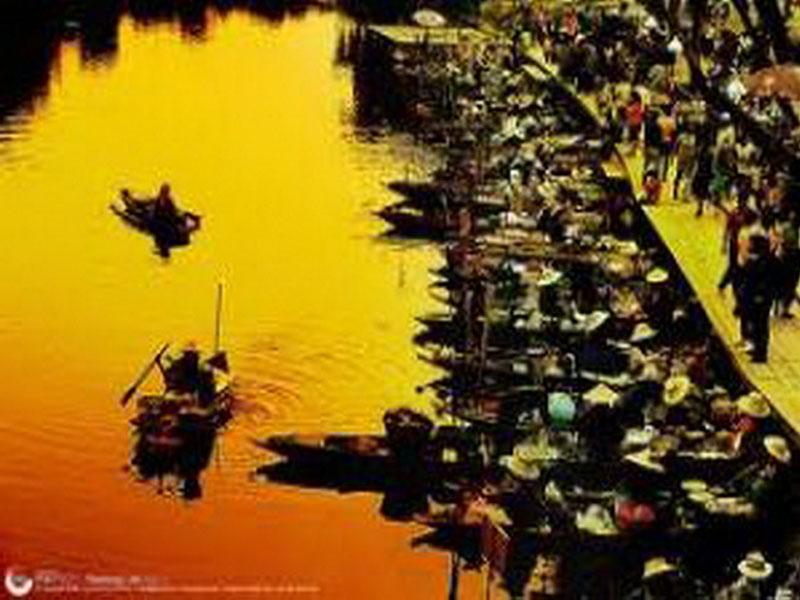
Traditional commercial areas such as Kim Yong Market and Niphat Uthit Road reflect a blend of Chinese and Western architectural influences. Old shophouses and local ways of life can still be seen today.
Hat Yai is considered the “economic heart” of Southern Thailand, with its main sources of income including:
- Wholesale and retail trade
- Tourism (especially visitors from Malaysia and Singapore)
- Transportation (railways, airport, and major highways)
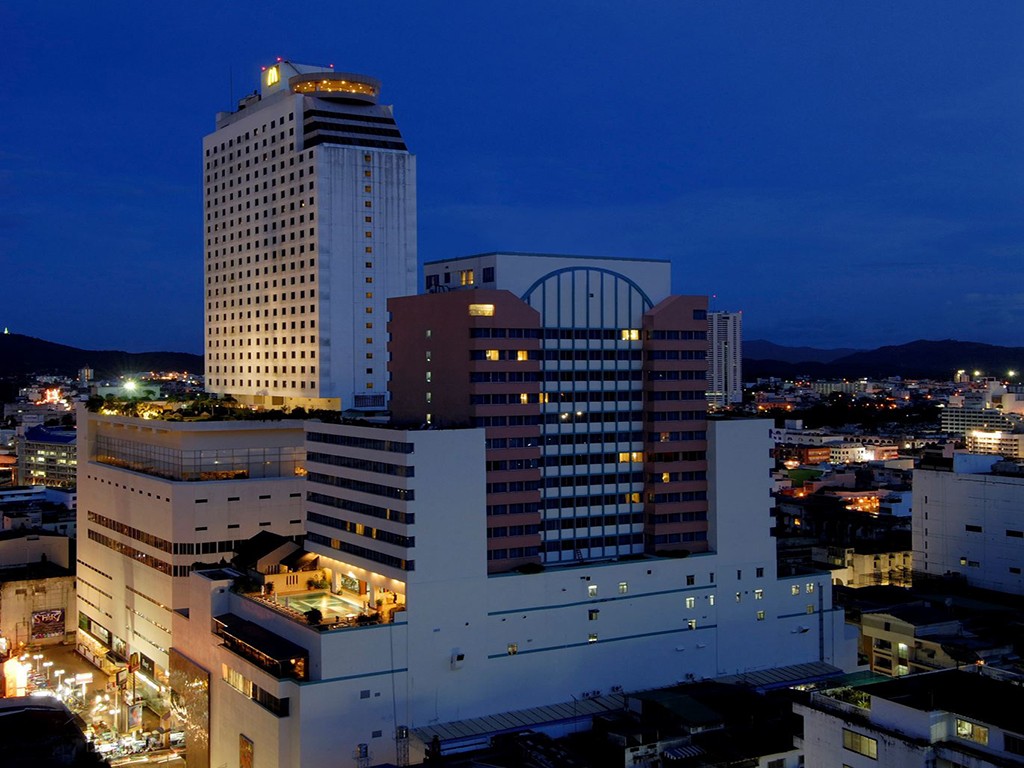
The city also functions as a regional service hub, offering large private hospitals, educational institutions, and major shopping centers.
A defining characteristic of Hat Yai is its strong multicultural identity:
- Chinese culture: evident in shrines, cuisine, and festivals
- Muslim culture: reflected through local communities and the Songkhla Central Mosque
- Thai culture: seen in temples, traditions, and local food
This cultural diversity contributes to Hat Yai’s distinctive culinary scene, including dim sum, traditional kopi, and Hat Yai fried chicken.
Key urban zones include:
- Commercial areas: Kim Yong Market, Santisuk Market, Niphat Uthit Road
- Nature and recreation: Hat Yai Municipal Park and Khao Kho Hong
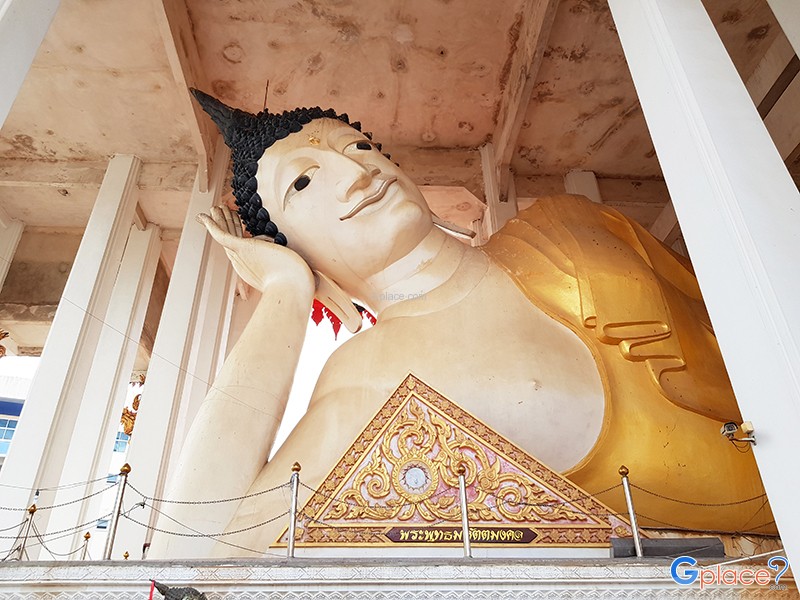
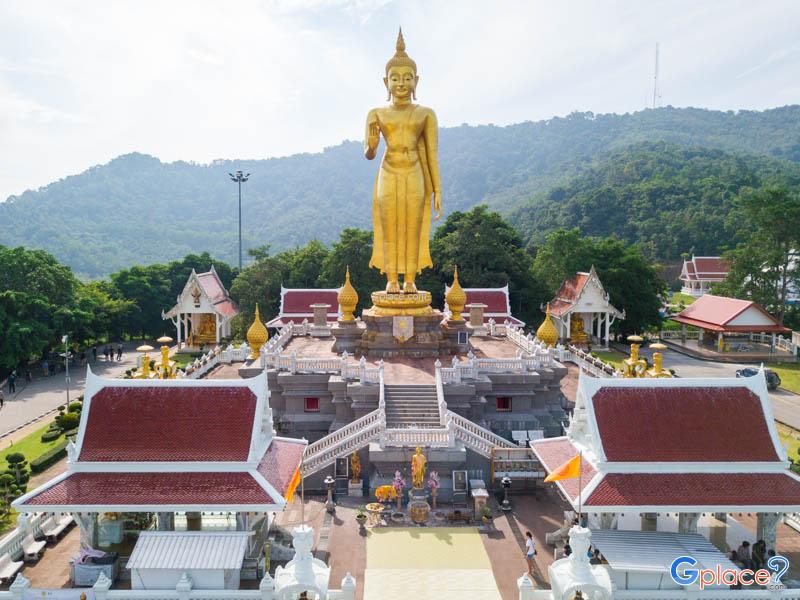
- Cultural and religious sites: Wat Hat Yai Nai, Phra Phuttha Mongkhon Maharaj
- Nightlife areas: Greenway Market and ASEAN Trade Bazaar
Visiting Hat Yai is not just about sightseeing, but about experiencing the rhythm of the city:
Morning:
Start with traditional coffee shops and dim sum, influenced by Southern Chinese culture
Afternoon:
Explore Kim Yong Market to experience traditional trading and local products
Evening:
Head to Khao Kho Hong for panoramic city views or relax in the park
Night:
Enjoy the vibrant night economy, including street food, fashion, and youth culture
The Street Art project in Hat Yai is part of an effort to revitalize the old town through art as storytelling. Key locations include Thammanoonvithi Road and Niphat Uthit Road, where murals depict both the past and present of the city, including traditional occupations and everyday life.
Hat Yai is not only a destination but also a regional travel hub, connecting visitors to nearby areas such as Songkhla, Satun, and the Malaysian border.
With well-developed infrastructure, Hat Yai is ideal for:
- Short-term travelers (city trips)
- Business travelers
- Visitors using it as a base for further travel
How to Get There
- By Airplan: You can travel by air via Hat Yai International Airport, located approximately 15 kilometers from the city center. Taxis, vans, and car rental services are available, with a travel time of about 20–30 minutes.
- By Train: Arrive at Hat Yai Junction Railway Station, the main railway hub of Southern Thailand, connecting Bangkok and the Malaysian border. The station is located in the city center, making onward travel convenient.
- By Car: You can travel by car via Highway No. 4 (Phetkasem Road), the main route from Bangkok to Southern Thailand. Both private cars and intercity buses are available.
Travel Tips
- The best time to visit is from October to April, when rainfall is lower and travel is more convenient.
- For a lively atmosphere, it is recommended to visit during the Hat Yai Midnight Songkran.
- It is advisable to allocate time for morning markets such as Kim Yong Market, where fresh products and souvenirs are widely available early in the day.
- Avoid the heavy rainy season from May to September, as it may affect travel plans.
- It is also recommended to carry cash, as some local shops and markets may not accept digital payments.
The city of Hat Yai

 Share
Share
 Songkhla Hat Yai District 90110
Map
Songkhla Hat Yai District 90110
Map
 Open now

 https://thai-tour.com/thai-tour/south/songkla/data/place/pic-meung-hadyai.htm

 3150
3150