 Attractions
  Hotel
Hotel  Restaurant
  Shopping
  Abroad





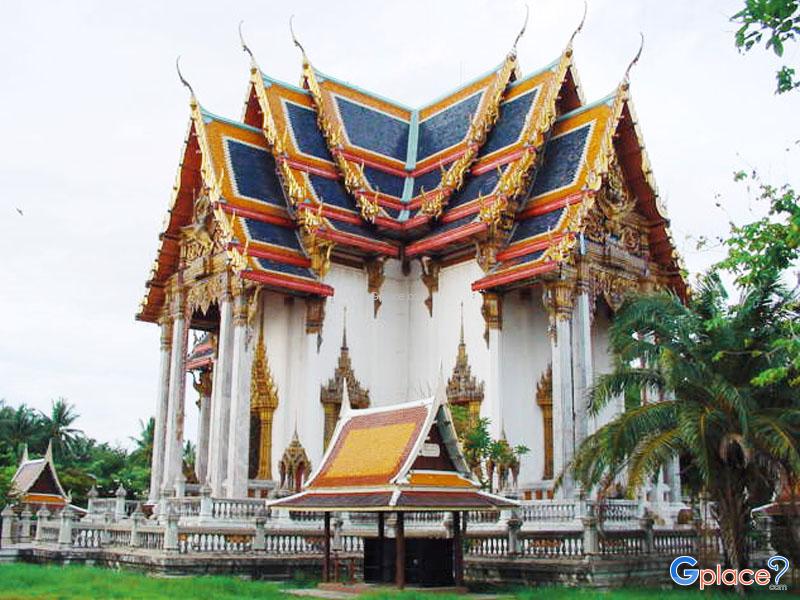

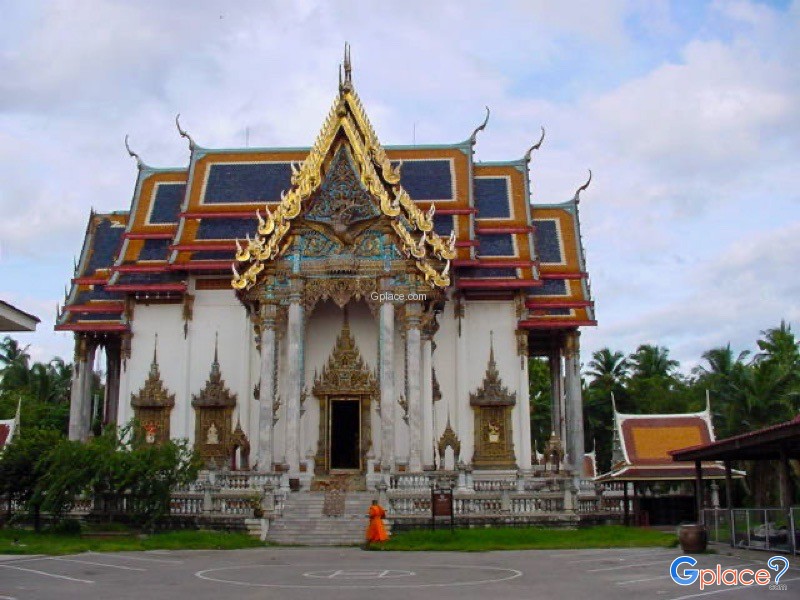
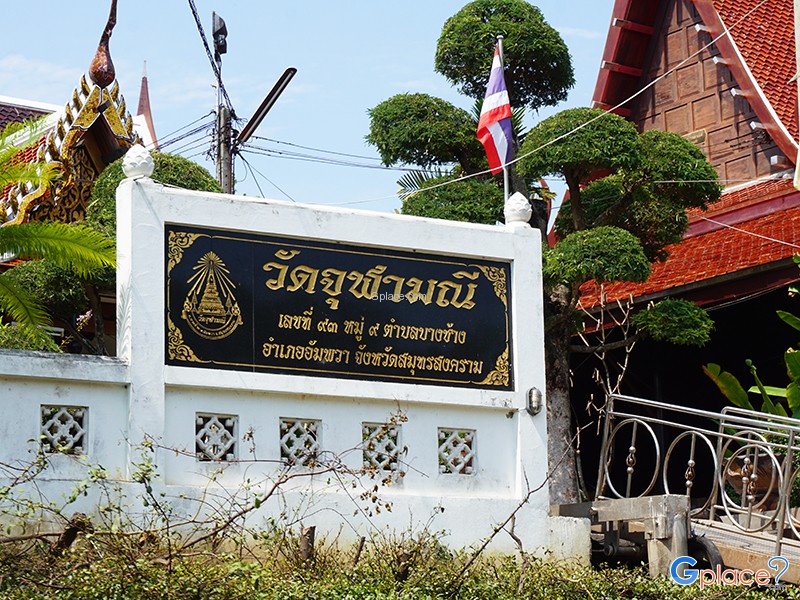
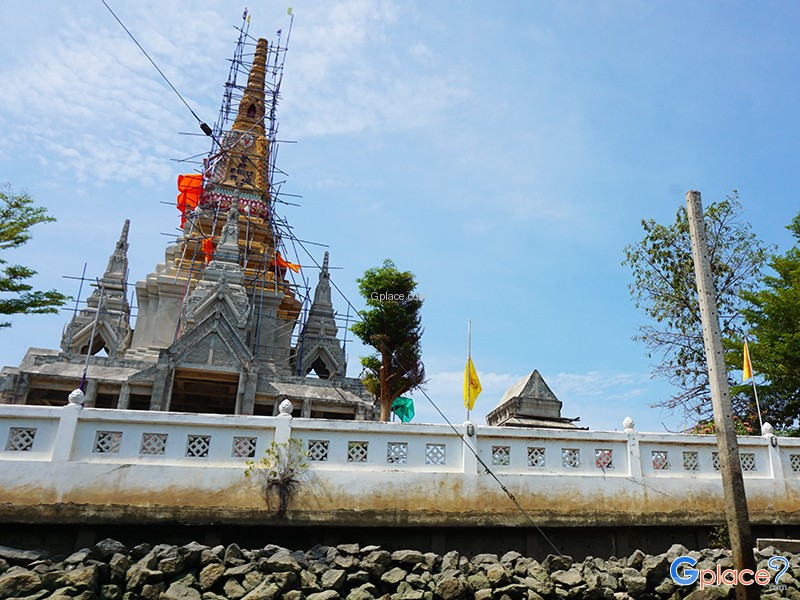
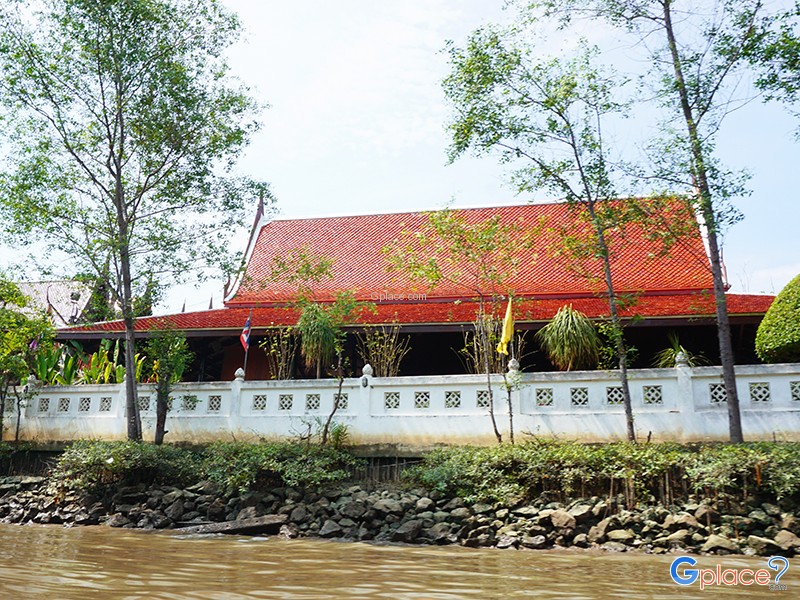
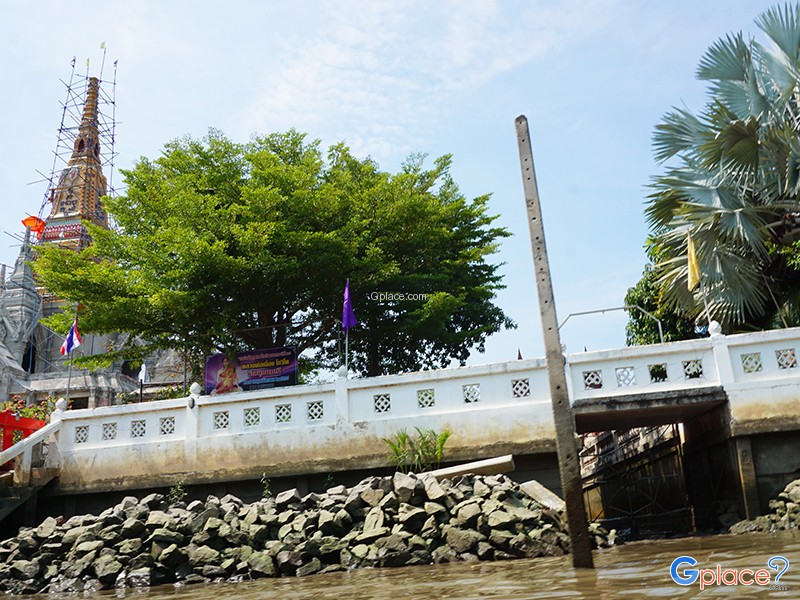
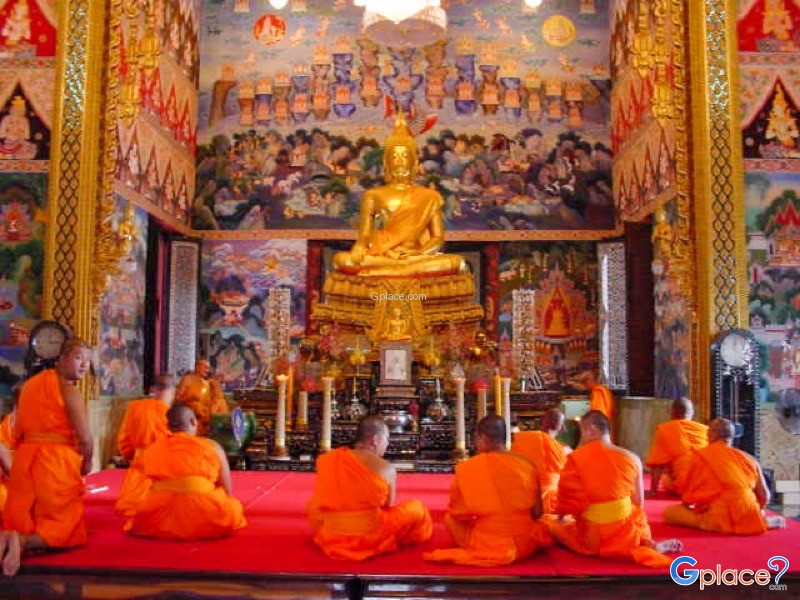
“ Famous temple in Amphawa where visitors worship Thao Wessuwan for wealth and blessings, admire the marble ordination hall, and pay respects to Luang Por Nuang’s preserved body. ”
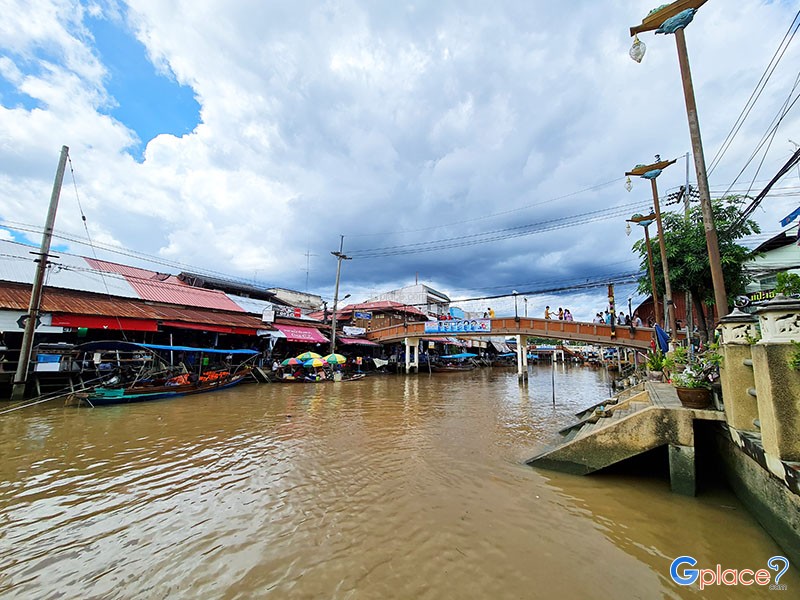
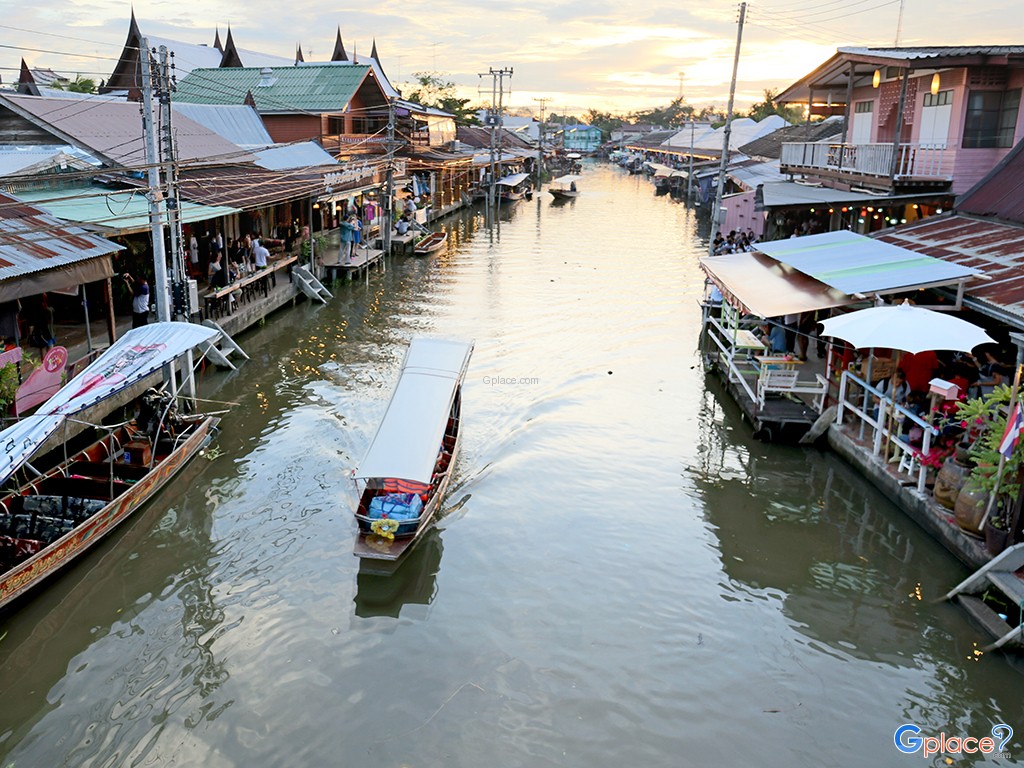
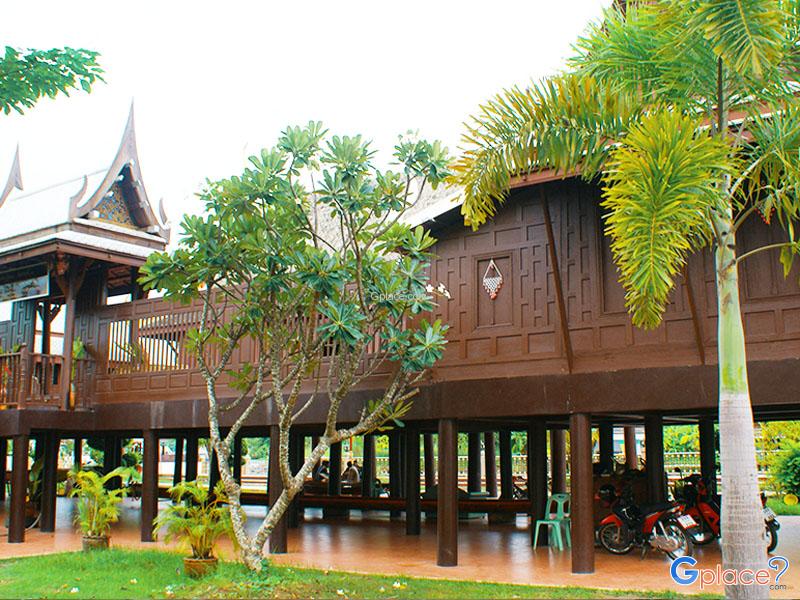
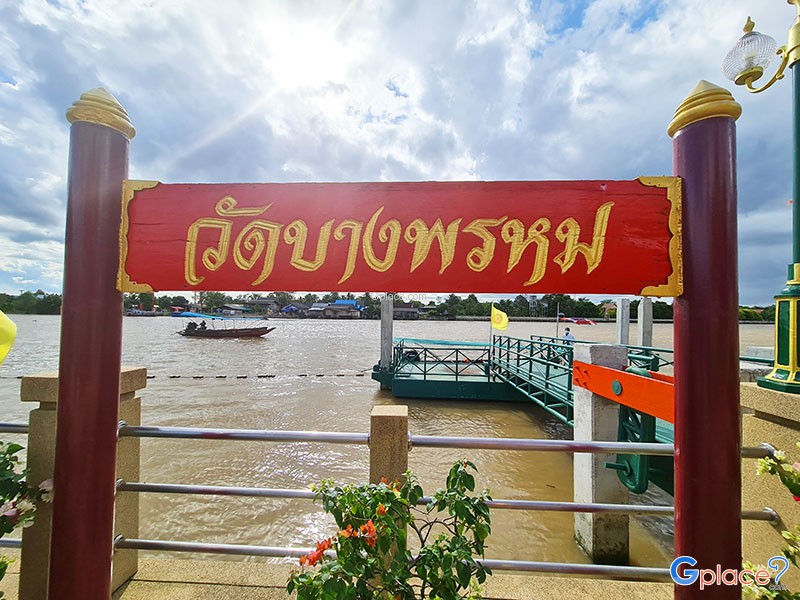
Wat Chulamanee is an ancient riverside temple in Amphawa with a long history dating back to the late Ayutthaya period. It is believed to have been established during the reign of King Prasat Thong. Originally known as “Wat Mae Chao Thip,” the temple was named after the noblewoman who donated the land for its construction before later becoming known as Wat Chulamanee. The temple holds significant historical importance because it is located in the Bang Chang area, considered the ancestral homeland of noble families that later became connected to the Chakri Dynasty. As a result, Wat Chulamanee is recognized as one of the historic temples closely linked to Thai national history.In the past, Wat Chulamanee served as the spiritual and social center of the Amphawa canal-side community. People relied heavily on waterways for transportation, trade, and daily life, making the temple an important gathering place for local residents. Even today, despite modern development, the atmosphere around the temple still reflects the charm of a traditional riverside community, especially along the peaceful canal in front of the temple grounds.
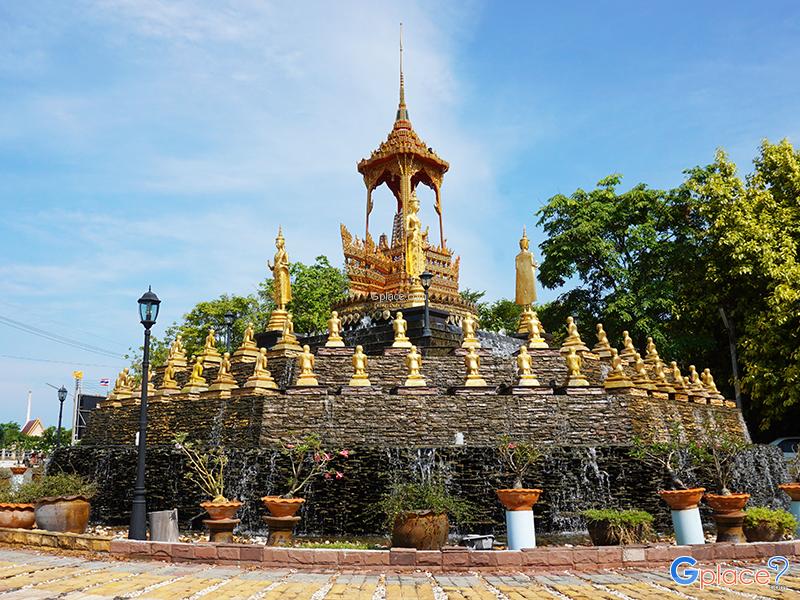
The temple became nationally famous for its revered statues of “Thao Wessuwan,” one of the Four Heavenly Kings in Buddhist belief. Thao Wessuwan is regarded as the guardian of wealth, protector of Buddhism, and a powerful deity capable of warding off evil spirits and negative energies. Devotees visit the temple to pray for prosperity, financial success, career advancement, protection from misfortune, and spiritual blessings. During evenings, weekends, and important religious occasions, the temple attracts thousands of worshippers from across Thailand.A unique aspect of worship at Wat Chulamanee is the offering of nine red roses and nine incense sticks to Thao Wessuwan. The number nine symbolizes progress and good fortune in Thai belief. Many visitors also recite sacred chants dedicated to Thao Wessuwan for protection and prosperity. Inside the temple complex, visitors can find several forms of Thao Wessuwan, including giant guardian-style statues and more graceful celestial depictions, each featuring intricate Thai craftsmanship and symbolic details.
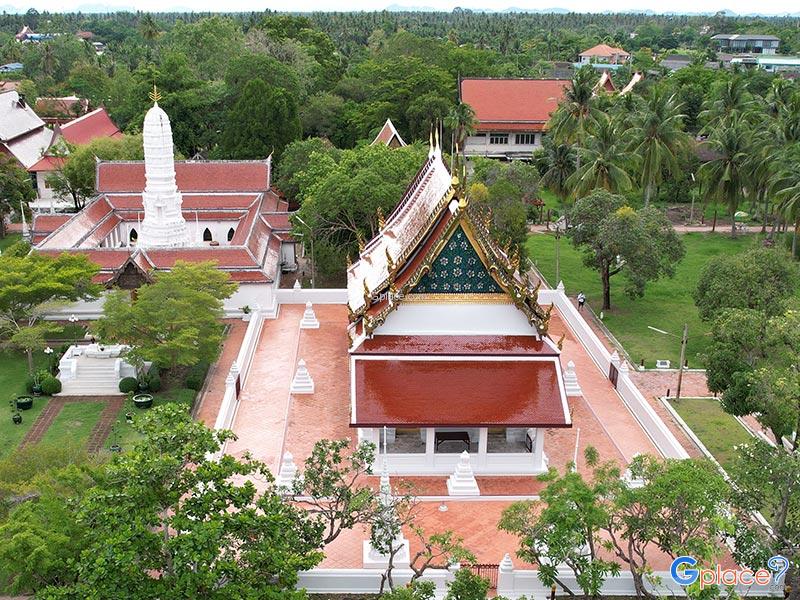
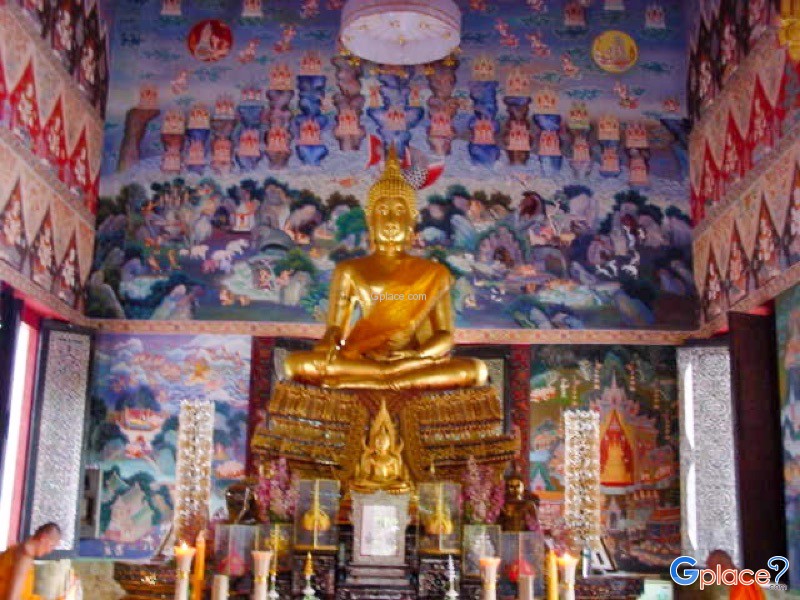
Another sacred attraction is the preserved body of Luang Por Nuang Kowito, the temple’s highly respected former abbot. Luang Por Nuang was widely admired for his compassion, spiritual teachings, and dedication to community development. After his passing, his body was preserved and enshrined in a glass coffin within the temple. Many devotees believe that paying respects to him brings kindness, smooth business success, good fortune, and peace in life.Architecturally, Wat Chulamanee is regarded as one of the most beautiful temples in Samut Songkhram Province. Its most impressive structure is the magnificent marble ordination hall, designed in a blend of traditional and contemporary Thai architectural styles. The hall features polished green jade flooring imported from Pakistan, adding elegance and rarity to the structure. Inside, the walls are decorated with detailed murals depicting scenes from Buddhist history, Jataka tales, and traditional Buddhist cosmology. The interior also showcases elaborate gold lacquer work and mother-of-pearl inlay created by highly skilled Thai artisans.
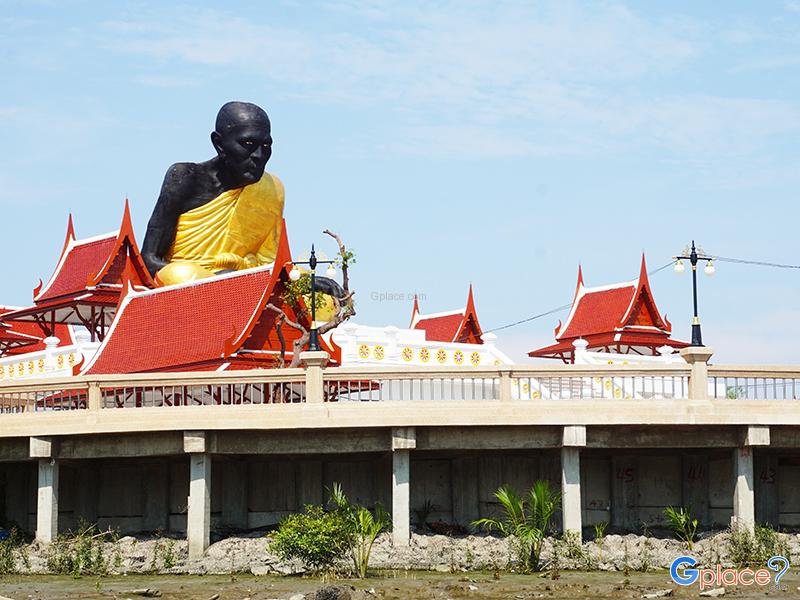
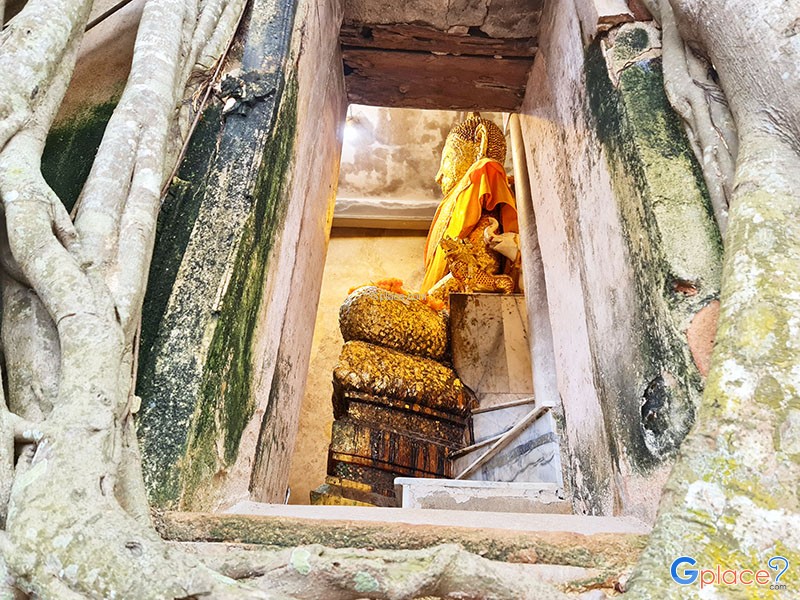
The temple complex includes several other interesting sites, such as the old sermon hall, sacred Buddha images, Luang Por Toh Hall, meditation areas, and shops selling religious amulets and souvenirs. Sacred amulets associated with Thao Wessuwan are especially popular among collectors and devotees, who believe they offer protection, wealth attraction, and spiritual security.
How to Get There
- By Car: From Bangkok, take Rama II Road (Highway 35) toward Samut Songkhram, then continue onto Highway 325 (Samut Songkhram–Bang Phae Road). The temple is located about 8 kilometers from Samut Songkhram town center.
- By Public Transport: Take a minivan from Bangkok to Amphawa Floating Market, then continue by local songthaew or motorcycle taxi to the temple, which takes about 10 minutes.
Travel Tips
- Visit on weekdays if possible, as weekends and holidays can become extremely crowded.
- Worshippers commonly prepare nine red roses and nine incense sticks for praying to Thao Wessuwan.
- Dress politely and respectfully, as the temple is an active religious and meditation site.
- Evening visits are highly recommended because the illuminated temple grounds and riverside atmosphere are particularly beautiful and peaceful.
Admission Fee:
- Free admission (donations are welcome)
Opening Hours:
- Open daily from 6:00 AM – 12:00 AM (midnight) (Hours may change depending on temple activities and special occasions)
Wat Chulamanee

 Share
Share
 Bang Chang, Amphawa, Samut Songkhram 75110
Map
Bang Chang, Amphawa, Samut Songkhram 75110
Map
 Open now



 5
5