 Attractions
  Hotel
Hotel  Restaurant
  Shopping
  Abroad





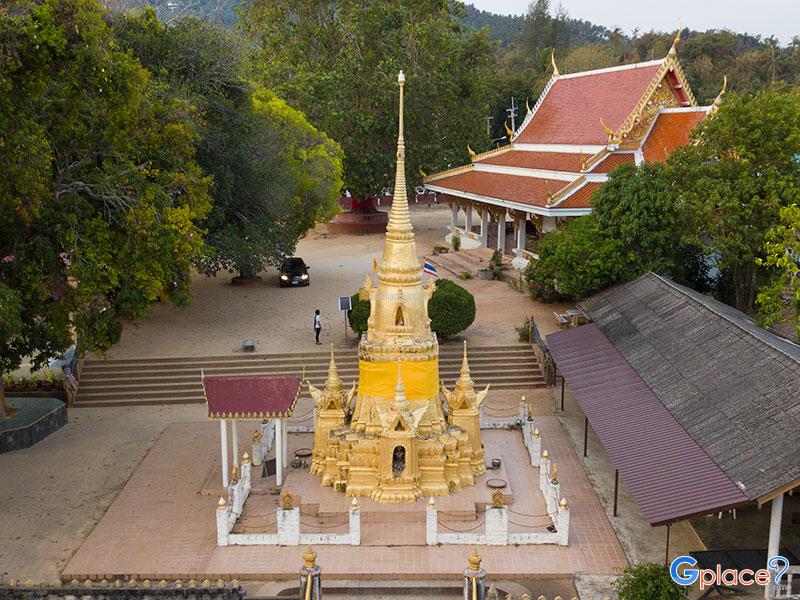


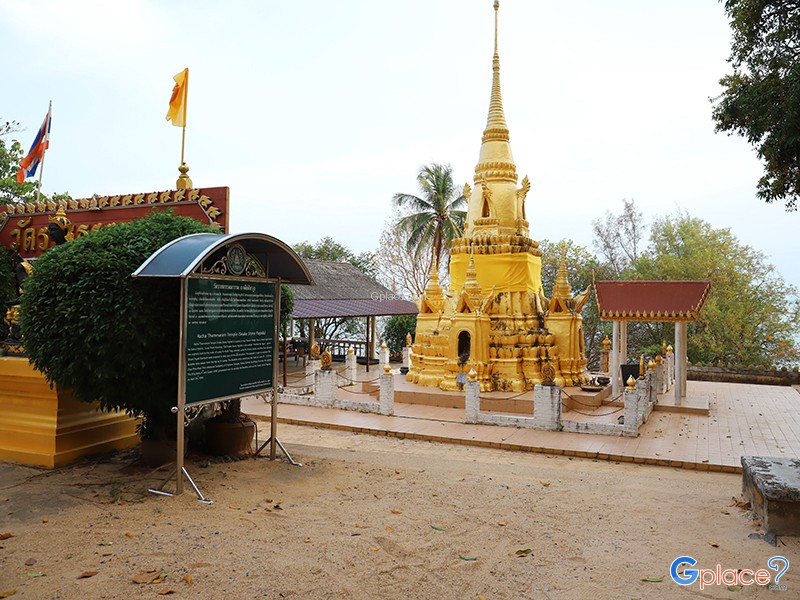
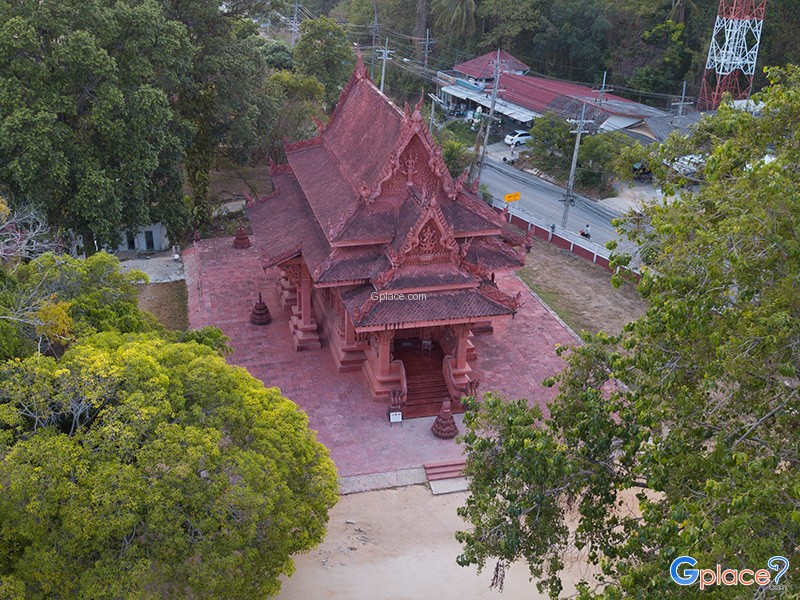
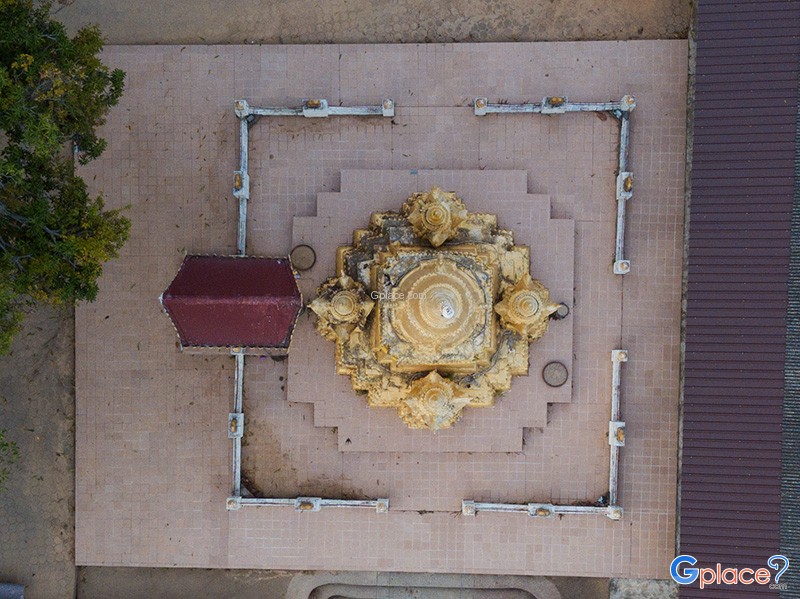
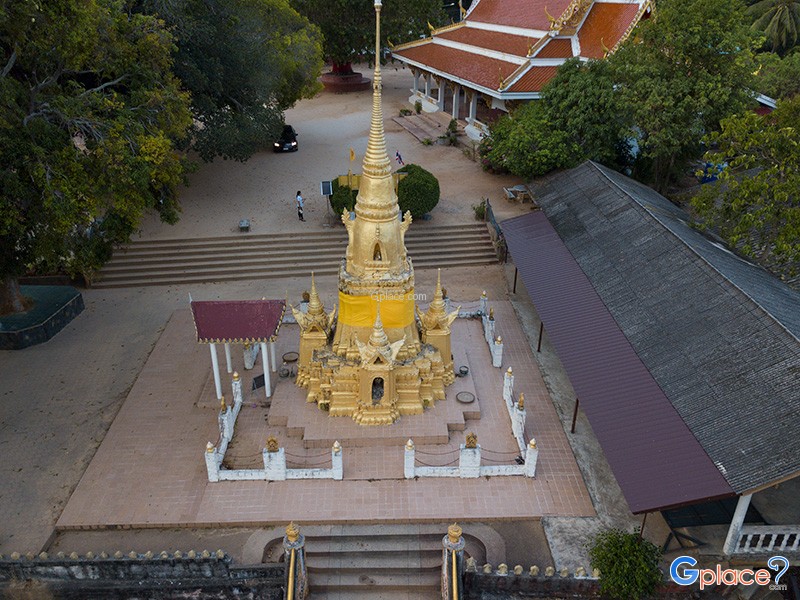
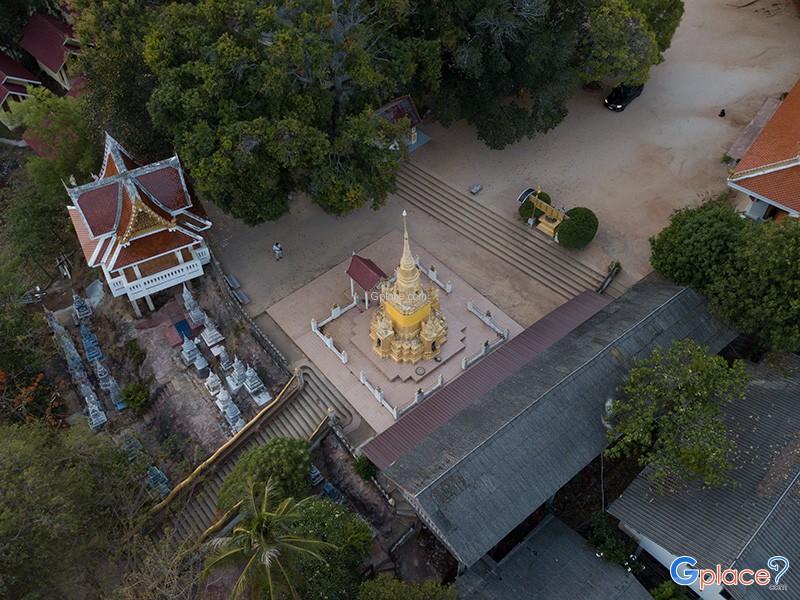
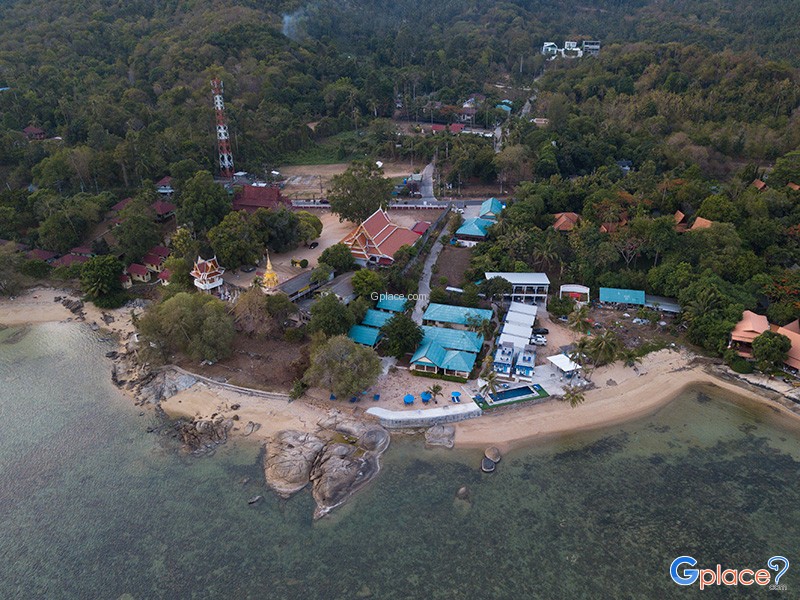
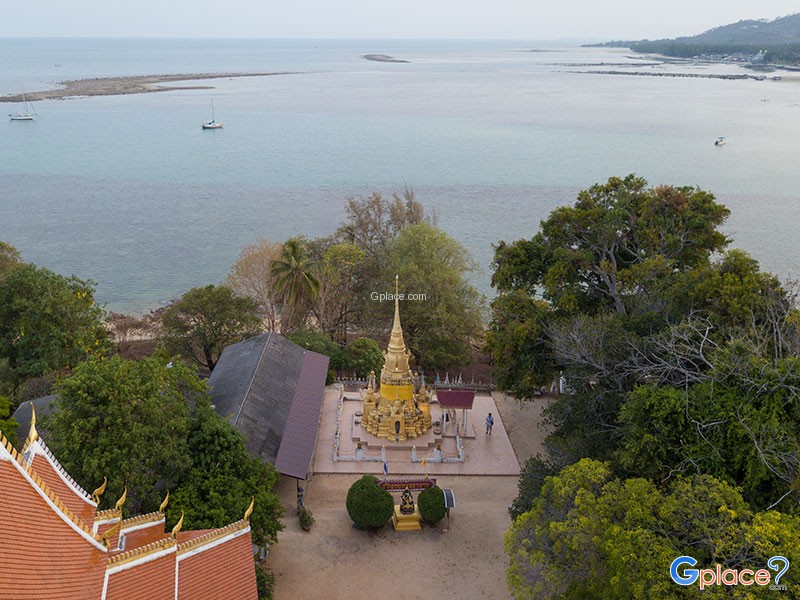
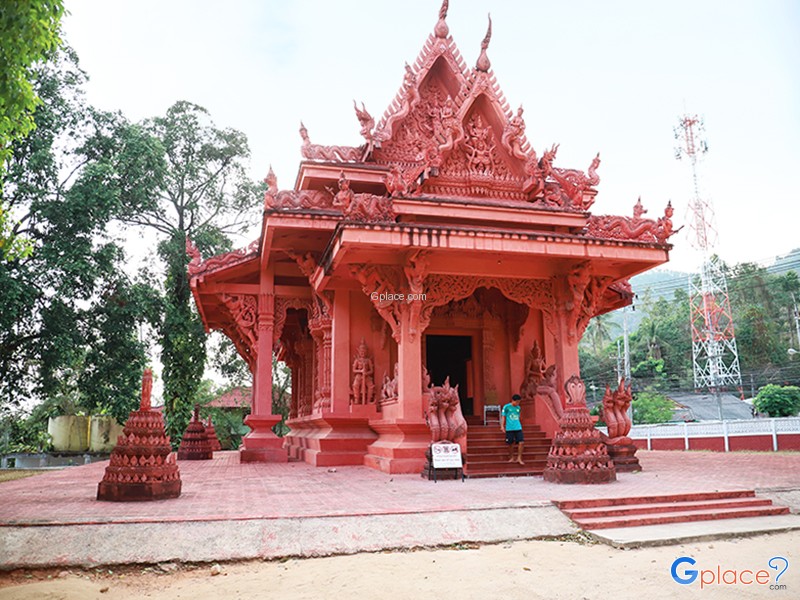
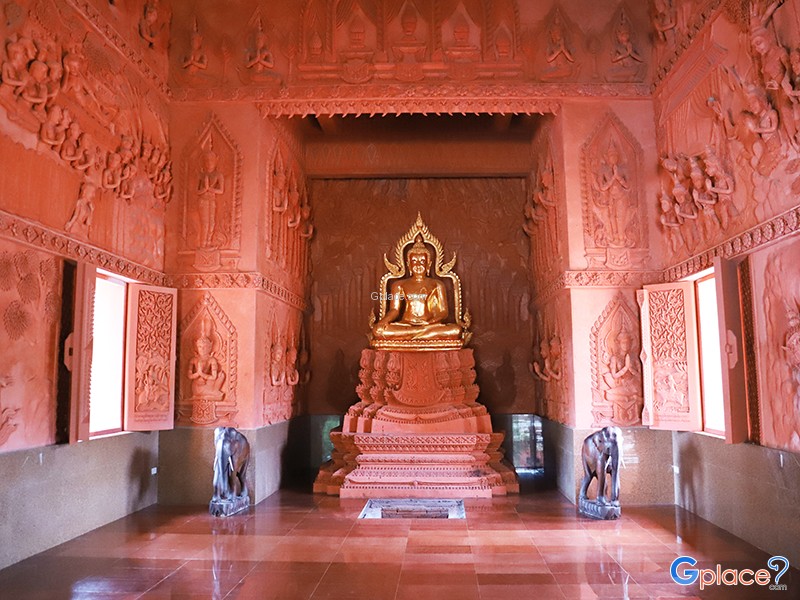

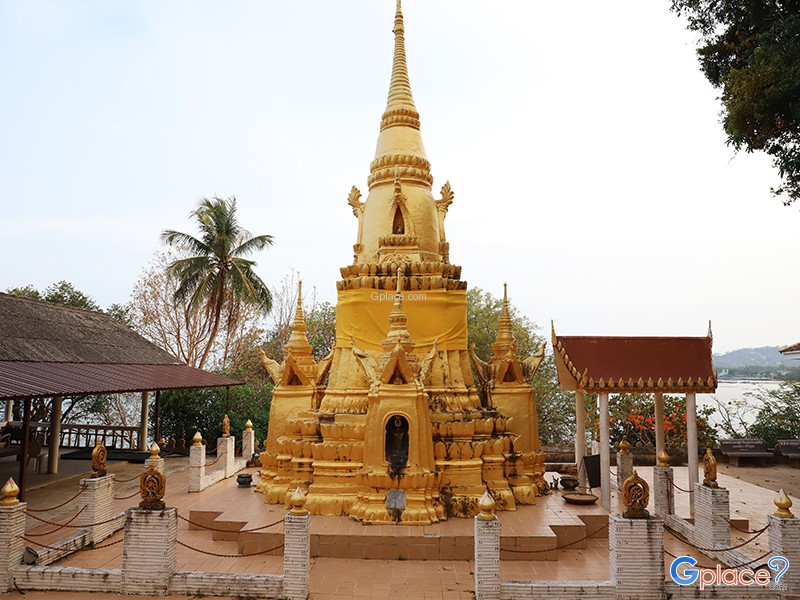
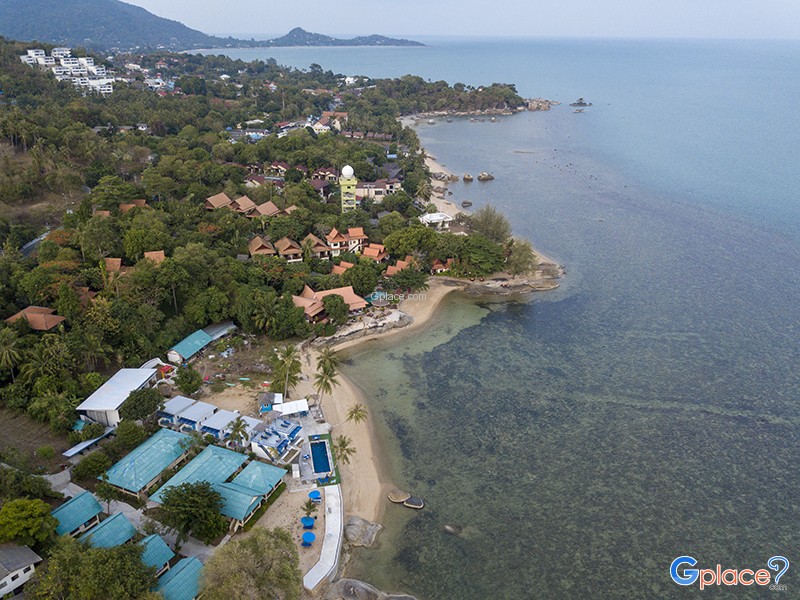
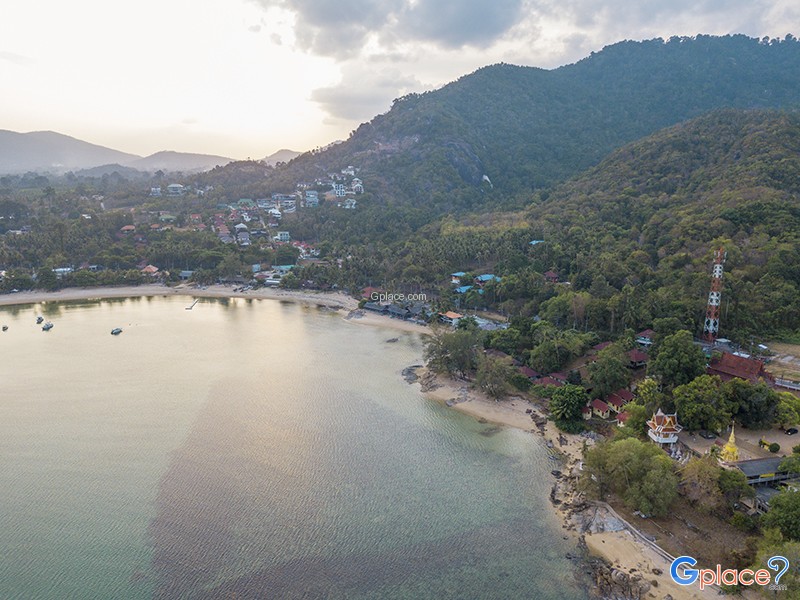
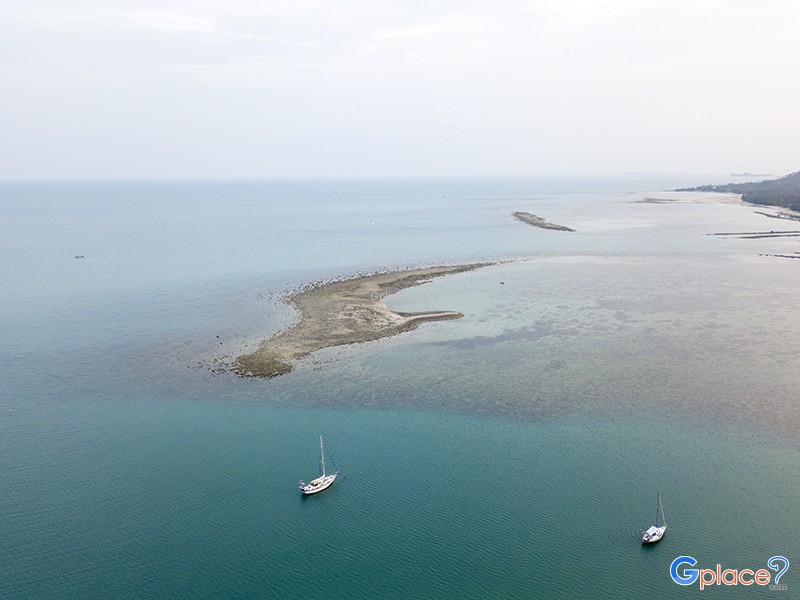
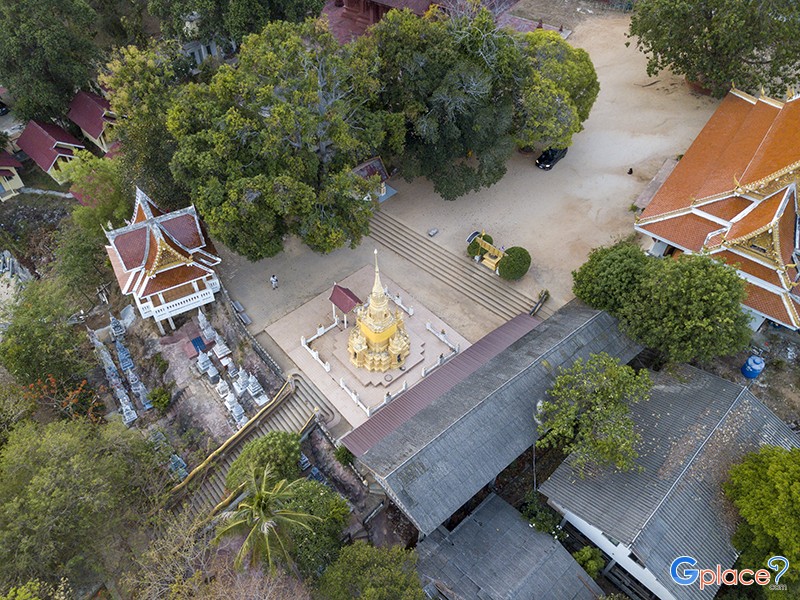

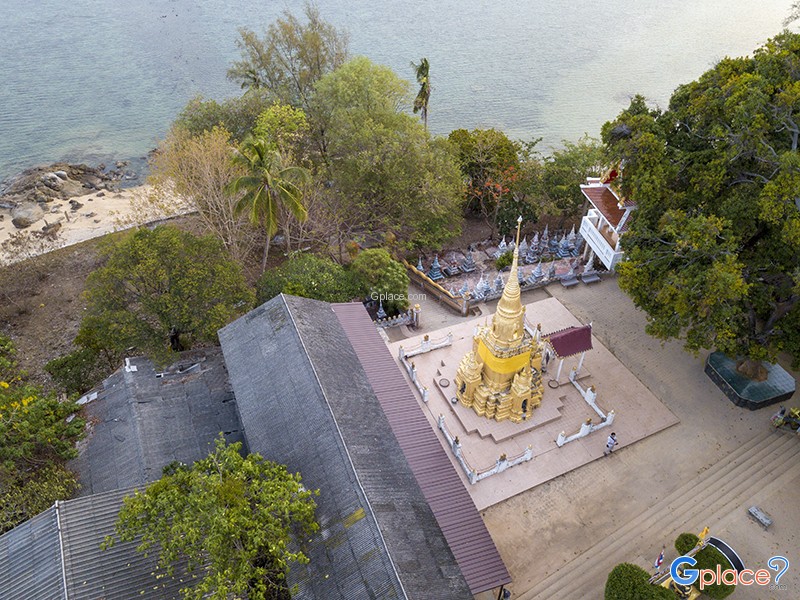
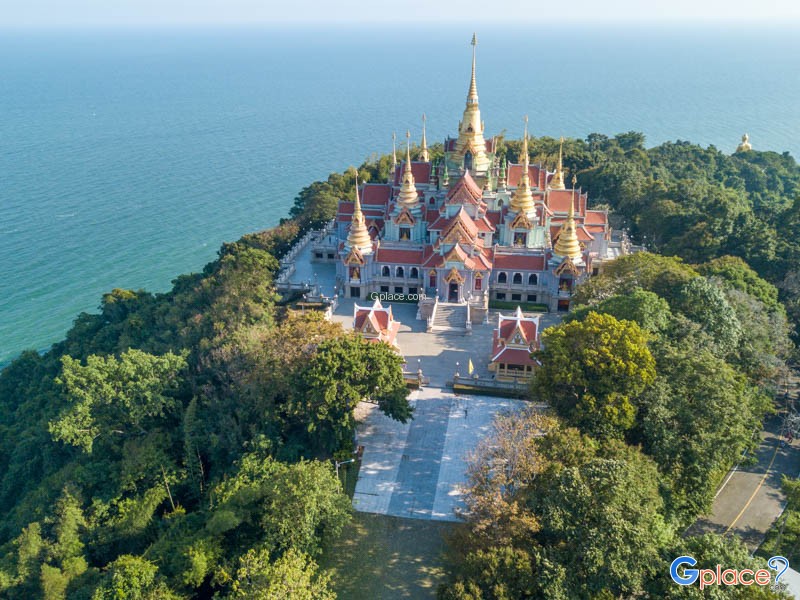
“This sacred seaside site on Koh Samui is distinguished by its golden pagoda atop a rock and an intricately crafted red terracotta temple. It seamlessly blends contemporary art with local history, making it a must-see landmark when visiting Surat Thani.”
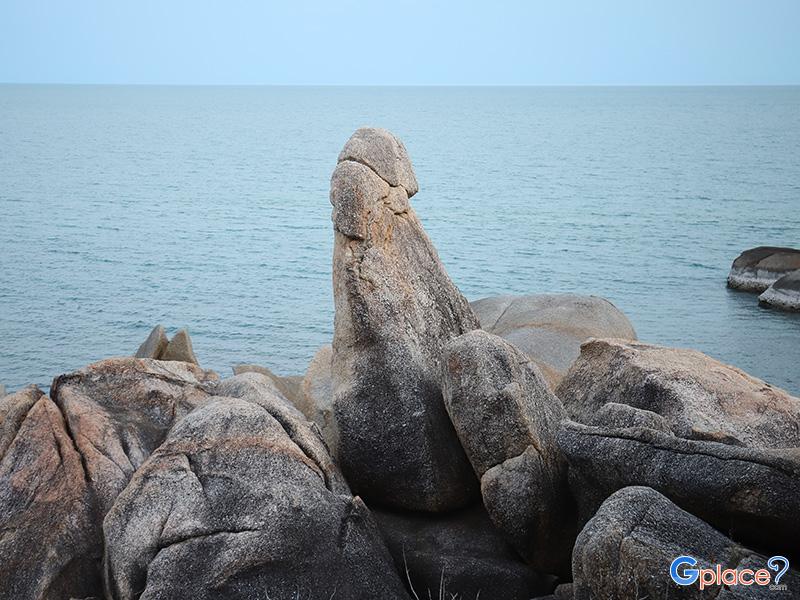
Phra That Hin Ngu, widely known among locals as Sila Ngu Temple, is an ancient and revered sanctuary that has served as a spiritual cornerstone of Koh Samui for generations. Strategically located on a coastal cliff between Lamai Beach and Hua Thanon, the temple's significance is centered around the Phra That Sila Ngu—a majestic golden pagoda perched atop a rocky promontory. According to local folklore, the site was named "Stone Snake" (Hin Ngu) because of natural rock formations that resembled a giant serpent heading into the sea. This led to the belief that the site was protected by a sacred guardian of the sea. Its historical prestige was further solidified in 1935 when King Rama VII and Queen Rambai Barni visited the temple and contributed personal funds for its restoration, marking it as a site of royal and historical importance.
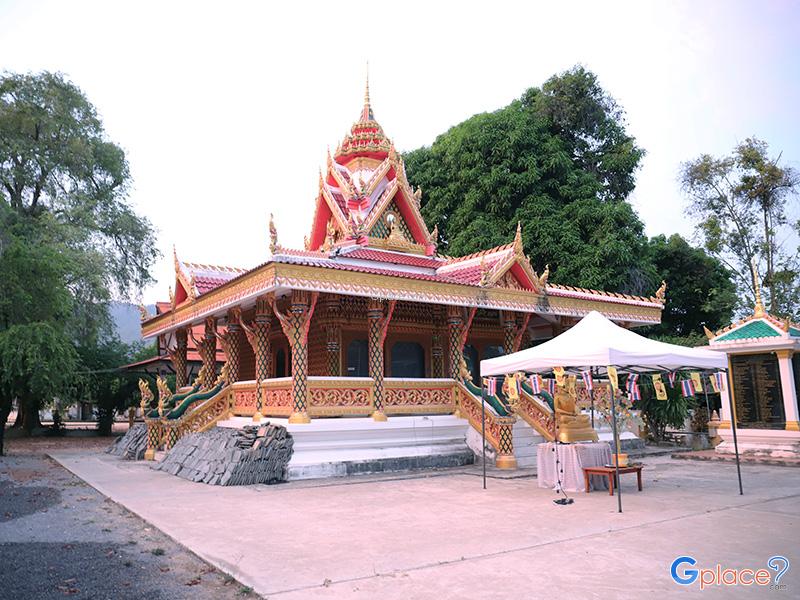
The most distinctive architectural feat of the temple is the "Red Temple" or the Terracotta Ordination Hall. This contemporary Thai-applied architectural masterpiece was built to replace the aging original structure. What makes this hall unique is its construction using a special blend of limestone and natural red clay, fired to achieve a deep, earthy crimson hue. Unlike traditional temples that feature painted murals, the walls of the Red Temple are adorned with intricate bas-relief carvings. These sculptures vividly depict the life of the Buddha and various Buddhist allegories with breathtaking detail. From the meticulously scaled Naga staircase to the elaborate pediments and door frames, every inch of the building showcases a flawless fusion of traditional Thai craftsmanship and modern artistic expression.
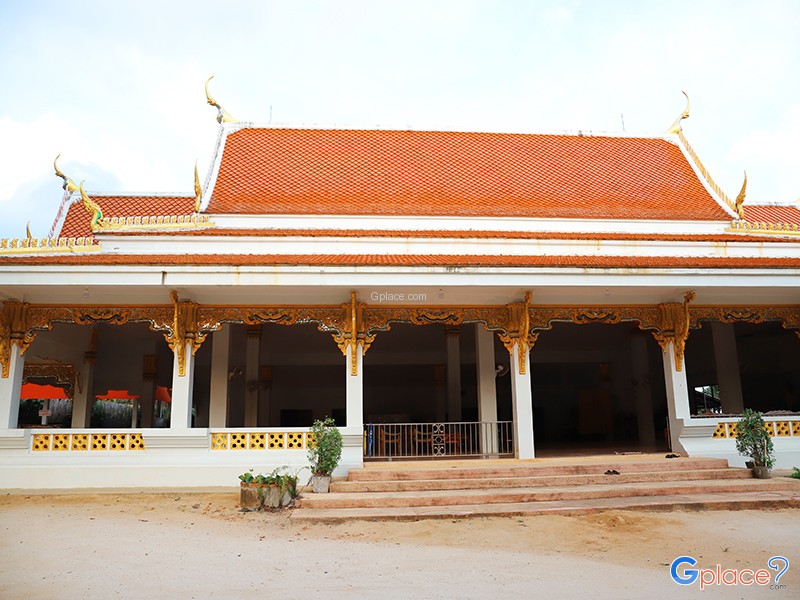
Beyond its artistic allure, Wat Sila Ngu functions as a vital community hub, housing a local school and serving as a venue for significant cultural festivals. The temple grounds offer a serene atmosphere, characterized by the swaying coconut palms typical of Samui and the rhythmic sound of waves crashing against the rocks below the golden pagoda. Visitors are often struck by the profound harmony between the natural environment and religious devotion. The experience is particularly transformative during the "golden hour" before sunset, when the receding light strikes the terracotta walls and the golden spire, creating a magnificent glow that emphasizes the spiritual and aesthetic grandeur of this coastal sanctuary.
How to Get There
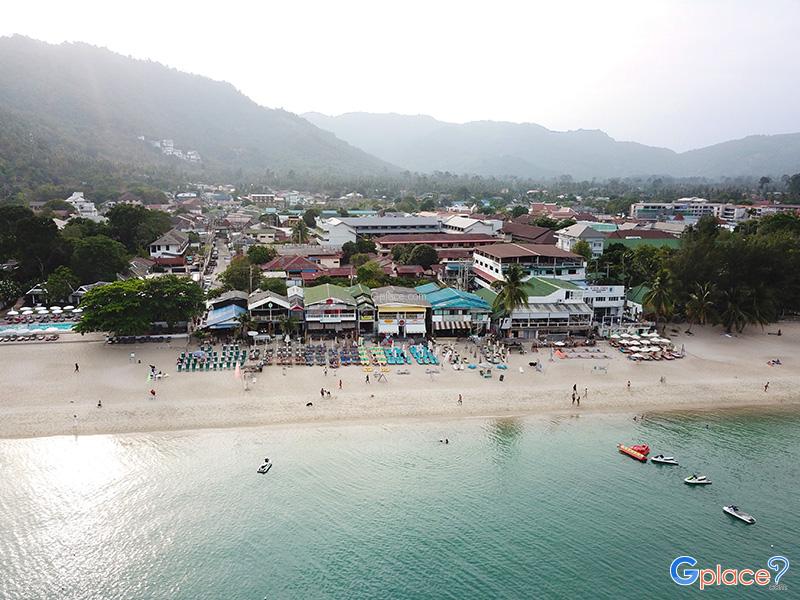
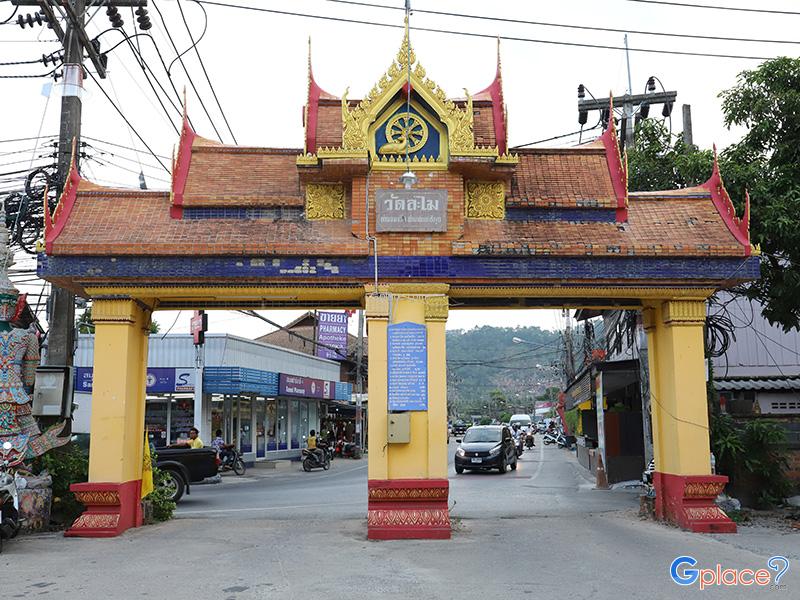
- Located on the main road around the island (Thaveerat Phakdi Road - Highway 4169), southeast of Koh Samui, between Lamai Beach and Hua Thanon Beach. If traveling from Lamai Beach, head south for only 2-3 kilometers; the temple will be on your left, right by the sea.
Travel Tips
-
Dress modestly by covering your shoulders and knees to respect the sacred grounds.
-
Visit during early morning or late afternoon to avoid the intense midday tropical heat.
-
Bring a high-quality camera to capture the intricate bas-relief carvings on the red temple walls.
-
Walk down to the seaside rocks behind the golden pagoda for panoramic ocean views.
-
Please remain quiet inside the ordination hall as locals may be praying or meditating.
-
Check the weather forecast before visiting as the coastal area is prone to sudden wind and rain.
-
Carry a bottle of drinking water as the path to the seaside viewpoint is mostly unsheltered.
-
Take time to explore the older wooden structures around the temple to learn local history.
Admission Fee:
- Free admission
Opening Hours:
- Open daily: 07:00 AM – 6:30 PM
Phra That Hin Ngu
 1
1
 Share
Share
 Moo 4, T. Taling Ngam, A. Koh Samui, Surat Thani 84140
Map
Moo 4, T. Taling Ngam, A. Koh Samui, Surat Thani 84140
Map
 Closed today
Mon7.00 - 18.30
Tue7.00 - 18.30
Wed7.00 - 18.30
Thu7.00 - 18.30
Fri7.00 - 18.30
Sat7.00 - 18.30
Sun7.00 - 18.30

 https://www.thai-tour.com/thai-tour/south/suratthani/data/place/koh-samui/pratathinngu.html

 2464
2464