 Attractions
  Hotel
Hotel  Restaurant
  Shopping
  Abroad





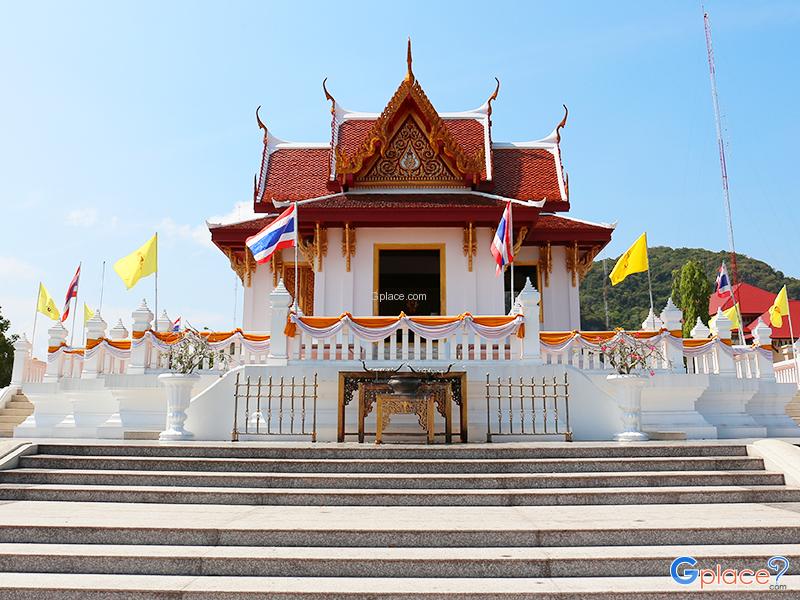

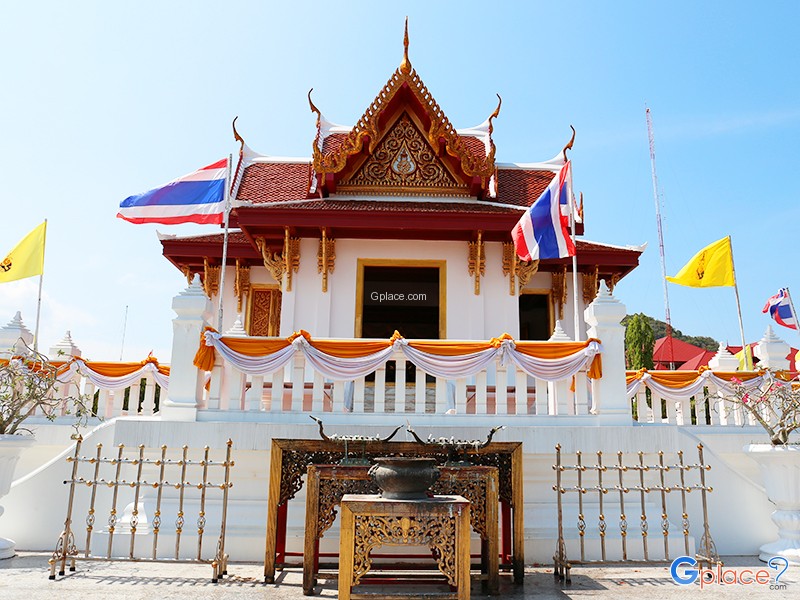
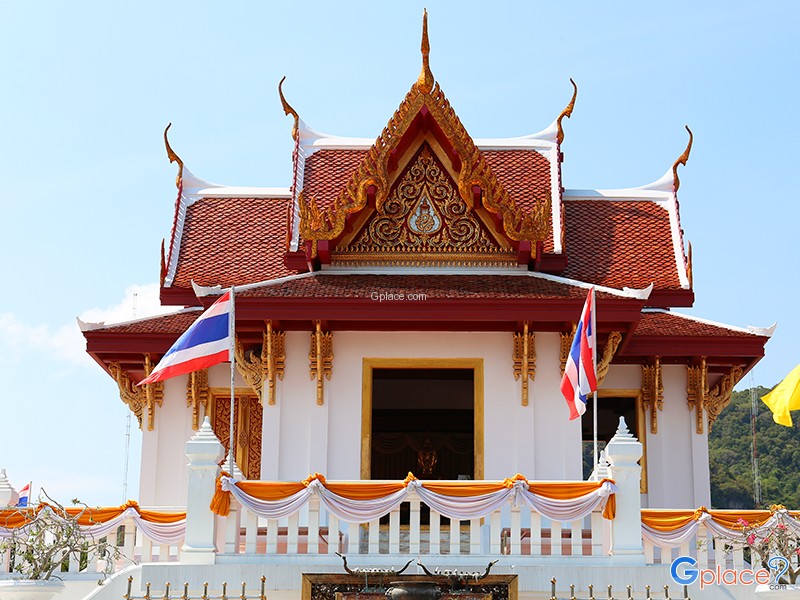
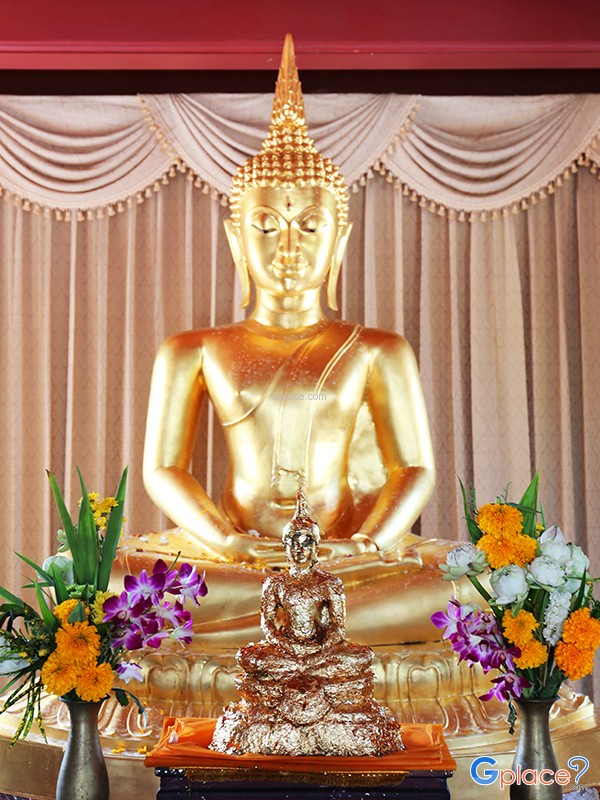
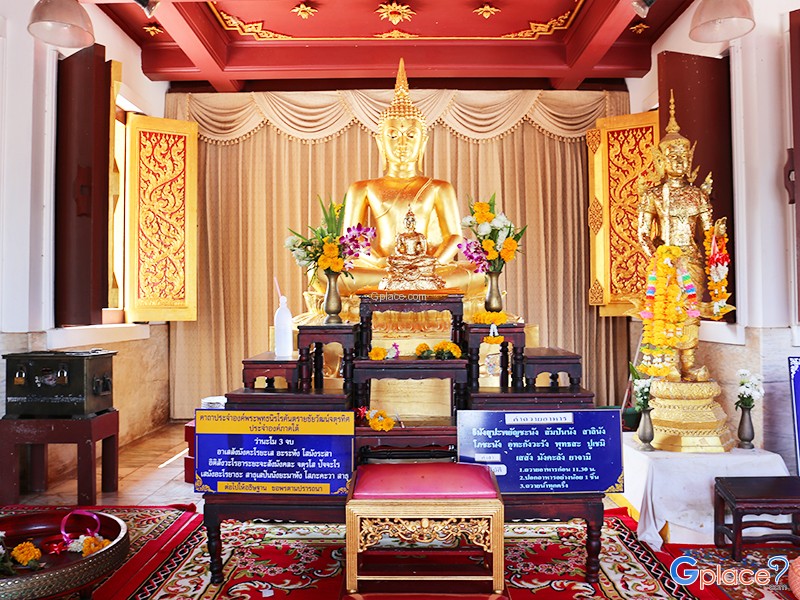
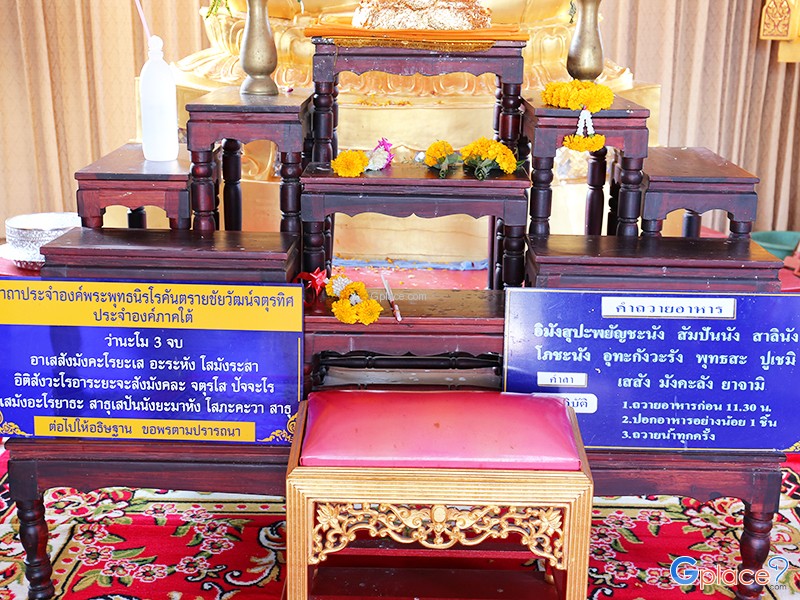
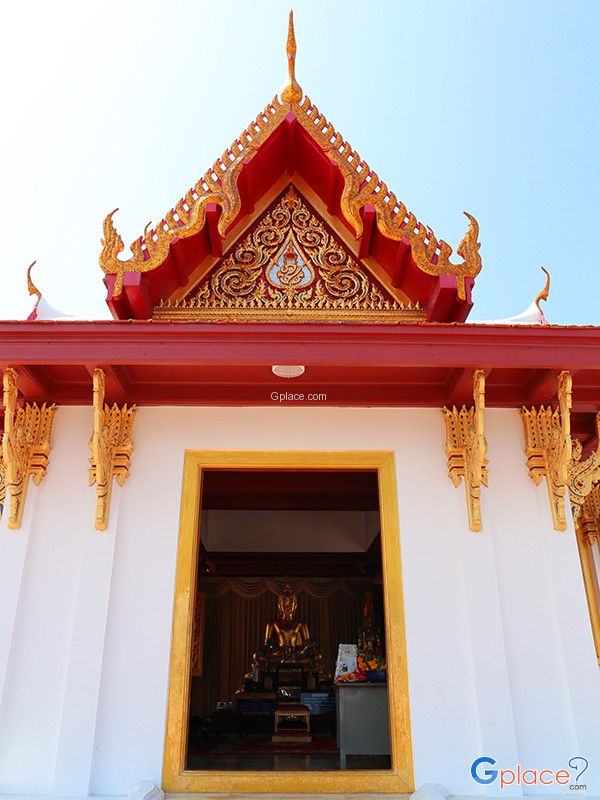
“Enshrines a sacred Sukhothai-style Buddha, one of Thailand’s four royal gift statues, housed in an exquisite Thai pavilion serving as a spiritual guardian of the South.”
Phra Phuttha Nirarokhantarai Chaiyawat Chaturathit, widely known as the “Four Directions Buddha,” is one of the most significant sacred Buddha images in Southern Thailand and serves as a spiritual symbol for the people of Phatthalung. Its origin is deeply rooted in the ancient belief of “Chaturaphuttha Prakarn,” a traditional concept of placing sacred objects in the four cardinal directions to protect the kingdom from harm. This belief dates back to the Ayutthaya period and has continued to influence Thai cultural and religious practices into the modern era.
The Buddha image was commissioned during the reign of King Rama IX, who graciously initiated the creation of these statues as symbols of protection and auspiciousness for the nation. Four identical images were granted and enshrined in the four cardinal regions of Thailand: Lampang in the north, Saraburi in the east, Ratchaburi in the west, and Phatthalung in the south. The Phatthalung statue represents the southern region and holds particular importance as a symbolic guardian of Thailand’s southern territories.
The statue itself is a bronze-cast Buddha in the meditation posture, designed in the elegant Sukhothai artistic style, which emphasizes serenity, balance, and spiritual refinement. The facial expression is calm and composed, with slightly open eyes symbolizing awareness and compassion. The name “Nirarokhantarai” reflects the belief that the Buddha image has the power to ward off illness and danger, embodying the Buddhist ideal of overcoming suffering and achieving inner peace.
It is enshrined in a Chaturamuk (four-gabled) pavilion located in the heart of Phatthalung city, along Ramesuan Road, near the Provincial Hall and Provincial Court. This central location reinforces its symbolic role as both a spiritual and administrative landmark. The pavilion features traditional Thai architectural elements with an open design on all four sides, representing protection in every direction while allowing easy access for visitors to pay respects.
Today, the Buddha image continues to play an important role in the lives of local residents. It is not only a place for worship and spiritual reflection but also a focal point for community events and religious ceremonies, including annual celebrations and cultural activities organized by the province. This enduring significance highlights the deep connection between religion, monarchy, and local identity, making it a meaningful cultural attraction for visitors seeking insight into Southern Thailand’s heritage and beliefs.
How to Get There
- Located in Phatthalung city center on Ramesuan Road, across from the Provincial Hall. Accessible by private car, motorbike, or local tuk-tuks within the city area.
Travel Tips
- Dress modestly (shoulders covered, long pants or skirt)
- Visit in the morning or late afternoon for cooler weather
- The area is and suitable for meditation or quiet prayer
- Parking is available near the pavilion
Admission Fees:
- Free admission.
Oening Hours:
- Open daily from 8:00 AM to 9:00 PM.
Phra Phuttha Nirarokhantarai Chaiyawat Chaturathit

 Share
Share
 T.Khuha Sawan, A.ueang Phatthalung, Phatthalung, 93000
Map
T.Khuha Sawan, A.ueang Phatthalung, Phatthalung, 93000
Map
 Closed today
Mon8.00 - 21.00
Tue8.00 - 21.00
Wed8.00 - 21.00
Thu8.00 - 21.00
Fri8.00 - 21.00
Sat8.00 - 21.00
Sun8.00 - 21.00

 https://thai-tour.com/thai-tour/south/pattalung/data/place/pic-praputnirokantarai.htm

 3839
3839