 Attractions
  Hotel
Hotel  Restaurant
  Shopping
  Abroad





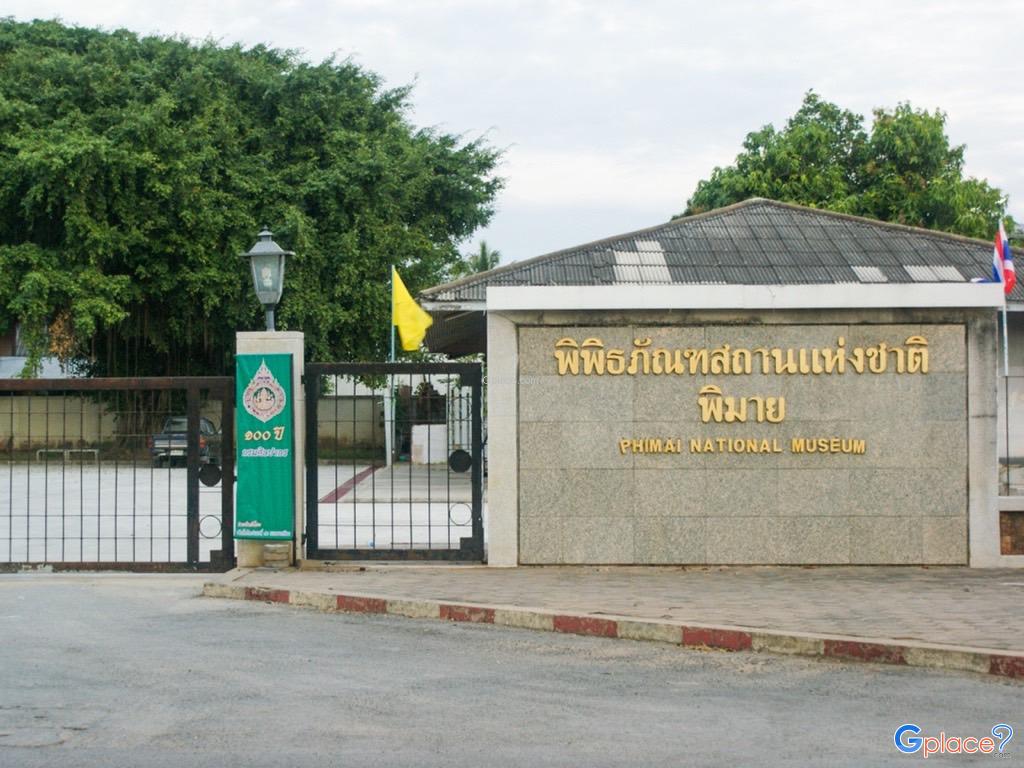


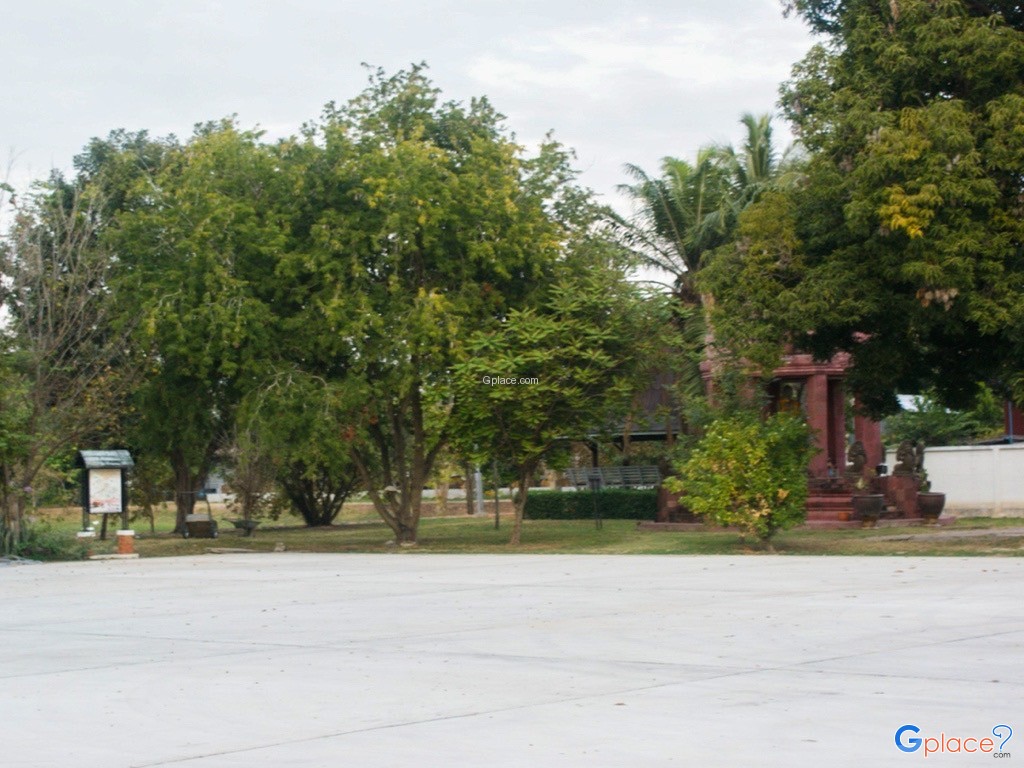
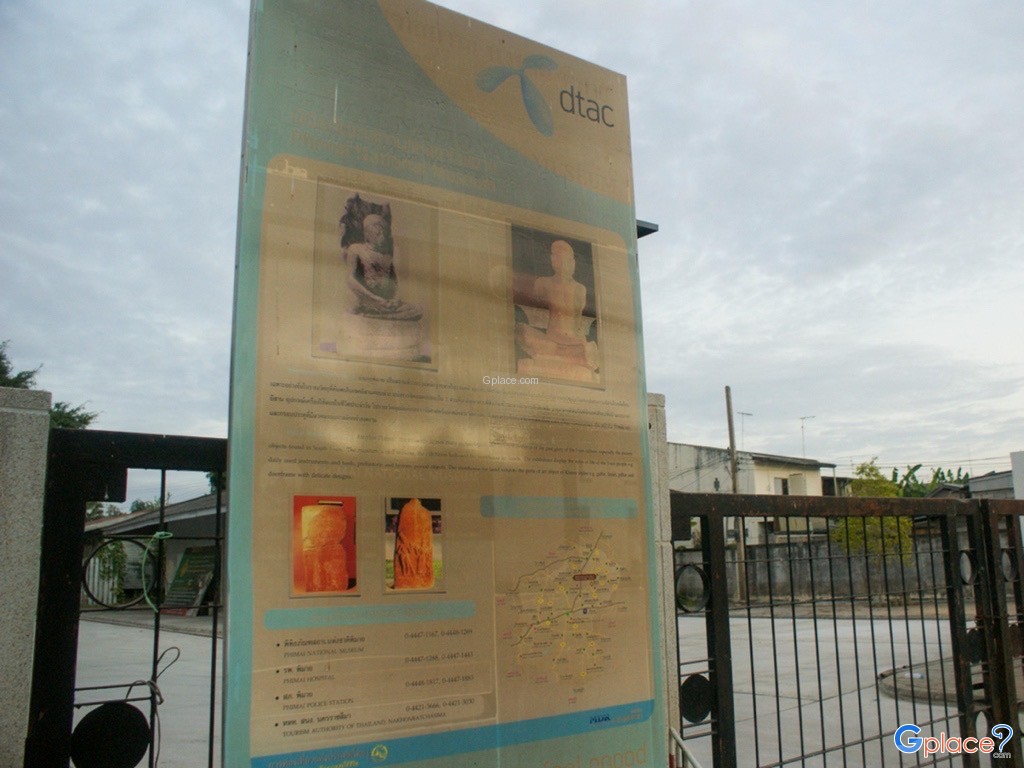
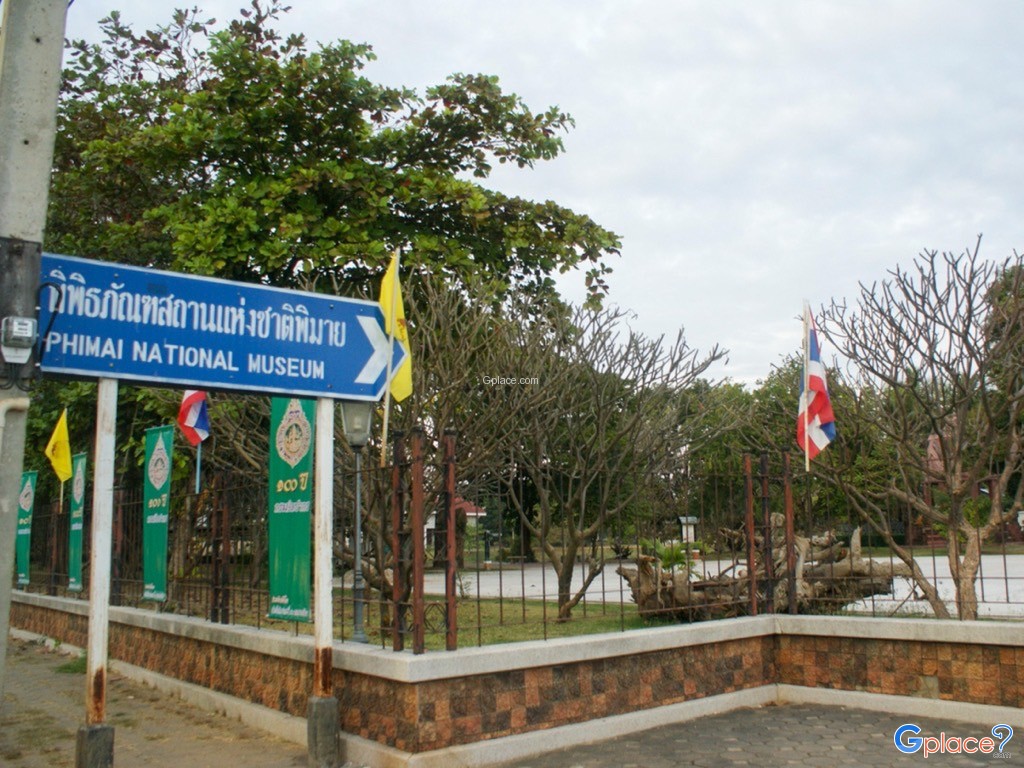
“The main museum of the lower northeastern region displays important archaeological artifacts, particularly Khmer art, to demonstrate the development of society and cultural roots from prehistoric times to the present.”
The Phimai National Museum stands as one of the most critical centers for historical and archaeological learning in the lower Northeast region of Thailand. Its primary function is to preserve, study, and display key evidence that illustrates the settlement, social evolution, and flourishing of the Khmer civilization within the Isaan territories. The artifacts on display span a vast timeline, starting from the prehistoric era and extending through to the late historical period, with a strong focus on the Khmer art that thrived between the 11th and 13th centuries CE, the golden age of the Phimai town. The exhibits are systematically organized into distinct sections to present a chronological and thematic narrative.
The main displays on the ground floor focus intensely on Khmer art and architecture recovered from the Mun-Chi River basin, particularly artifacts originating from the Phimai Historical Park and other significant nearby sanctuaries like Prasat Phanom Wan and Prasat Muang Khaek. The highlight of this section is the meticulous display of lintels and pediments that feature intricate carvings. These masterpieces vividly reflect the religious beliefs and mythologies of both Hinduism and Mahayana Buddhism that were prominent in the region. Specifically, key lintels depict scenes from great epics, such as Vishnu reclining on the cosmic serpent and crucial episodes from the Ramayana. This floor also showcases various architectural elements, including decorative door columns and various sculptures of deities and icons, such as Nāga-protected Buddha images, Avalokiteśvara Bodhisattvas, and other divine figures, demonstrating the clear influence and integration of different Khmer artistic styles.
The upper floor of the building is dedicated to presenting the foundations of social and cultural development. The narrative begins with discoveries from prehistoric archaeological sites, such as Non Wat, including tools, pottery, and skeletal remains that reveal the early settlers' lifestyles, beliefs, and the complexity of early societies in this area. This section then transitions into the historical era, marked by the acceptance of Indian and Khmer influences. This part of the exhibit connects the dots to provide a comprehensive overview of the cultural evolution across the entire Southern Isaan region. A particularly notable object on this floor is the statue of King Jayavarman VII, the powerful monarch during whose reign Phimai Sanctuary underwent significant restoration and religious transformation toward Mahayana Buddhism. This sculpture serves as a vital piece of evidence illustrating the veneration of the king as a Devaraja or Bodhisattva.
All the artifacts housed in the museum are not merely art objects; they are tangible pieces of evidence that narrate the journey of civilization from its simple beginnings to the grandeur and complexity of the ancient kingdoms. They allow visitors to gain a profound understanding of Phimai's significance as an international trading post and a crucial cultural junction connecting the Chao Phraya River basin with the Isaan territories and the wider Khmer empire.
How to Get There
-
Private car: Take Highway 2 (Mittraphap Road) towards Nakhon Ratchasima Province, then take Highway 206 (Korat-Phimai) towards Phimai District. The museum is located near Phimai Historical Park.
-
Public bus: Take a bus from Bangkok Bus Terminal to Nakhon Ratchasima Bus Terminal (Korat), then transfer to the Nakhon Ratchasima-Phimai bus.
Travel Tips
-
It is recommended to plan your visit alongside the nearby Phimai Historical Park to gain an overview of the site and its related artifacts.
-
Allow at least 1-2 hours to explore the exhibits, as they contain numerous important artifacts.
-
Please call ahead (044471167) to check opening hours, as some areas may be closed for renovations.
Admission Fees:
-
Thais: 20 baht
-
Foreigners: 100 baht
Opening Hours:
- Open for viewing every day from 9:00 AM to 4:00 PM (excluding public holidays and national holidays)
Phimai National Museum

 Share
Share
 Nai Mueang, Phimai, Nakhon Ratchasima, 30110
Map
Nai Mueang, Phimai, Nakhon Ratchasima, 30110
Map
 Closed today
Mon9.00 - 16.00
Tue9.00 - 16.00
Wed9.00 - 16.00
Thu9.00 - 16.00
Fri9.00 - 16.00
Sat9.00 - 16.00
Sun9.00 - 16.00



 3164
3164