 Attractions
  Hotel
Hotel  Restaurant
  Shopping
  Abroad






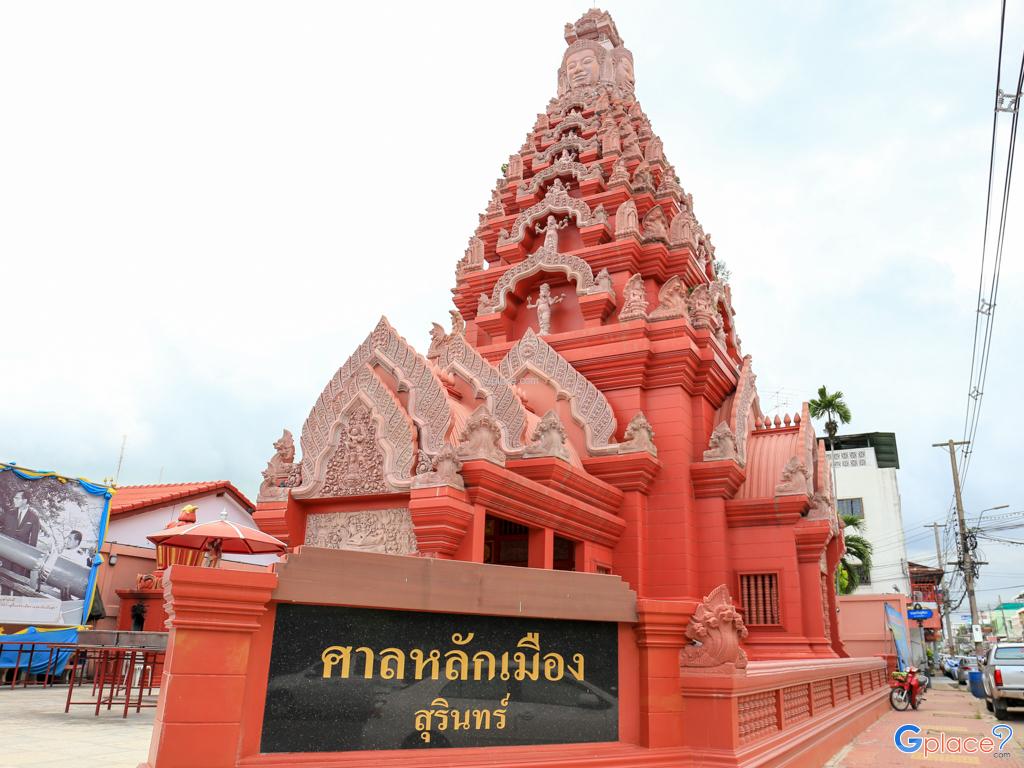
“ Luang Pho Phra Chee is a sacred ancient Khmer-style Buddha image, believed to grant blessings in wealth, fortune, and debt relief, enshrined in the four-entrance pavilion of Wat Burapharam. ”
How to Get There
- By car: Take Chit Bamrung Road; the temple is easily accessible
- Public transport: Samlor (tricycle) or motorcycle taxi from downtown
Travel Tips
- Start your trip by paying respect to Luang Pho Phra Chee for good fortune before visiting other places
- It is recommended to also visit the relics of Luang Pu Dulya Atulo within the temple
- Dress modestly; avoid short or tight clothing as this is a sacred place
- The best time to visit is in the morning or late afternoon when the weather is cooler and more peaceful
- When making a wish, keep a calm and mindful mind, and return to fulfill your vow if it is granted according to belief
Admission Fee:
- Free admission
Opening Hours:
- Open daily from 08:00 AM – 05:00 PM
Luang Pho Phra Chee Wat Burapharam

 Share
Share
 Nai Mueang, Mueang Surin, Surin 32000
Map
Nai Mueang, Mueang Surin, Surin 32000
Map
List 0 review
|
art & culture,attractions,Place of worship,temple
 Open now : 8.00 - 17.00
Mon8.00 - 17.00
Tue8.00 - 17.00
Wed8.00 - 17.00
Thu8.00 - 17.00
Fri8.00 - 17.00
Sat8.00 - 17.00
Sun8.00 - 17.00

 https://www.thai-tour.com/thai-tour/northeast/surin/data/place/pic-luangphophrachi.html

 6
6