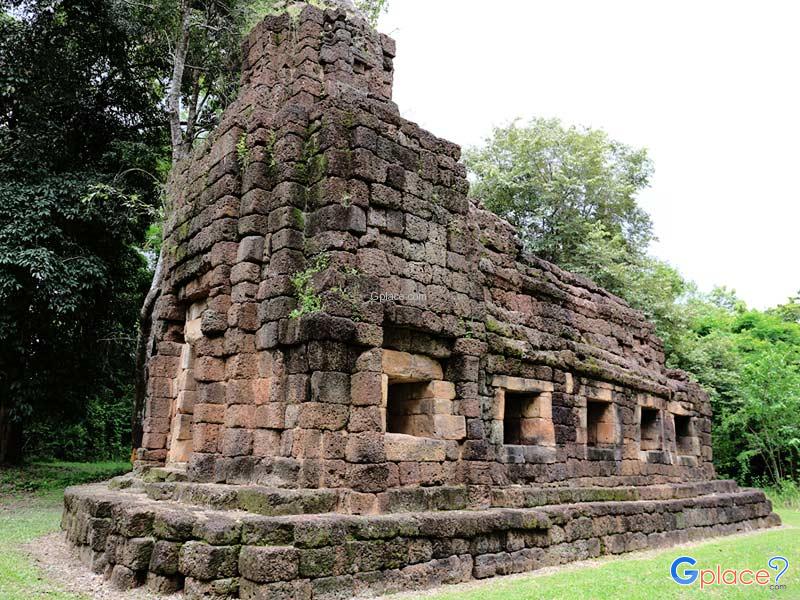
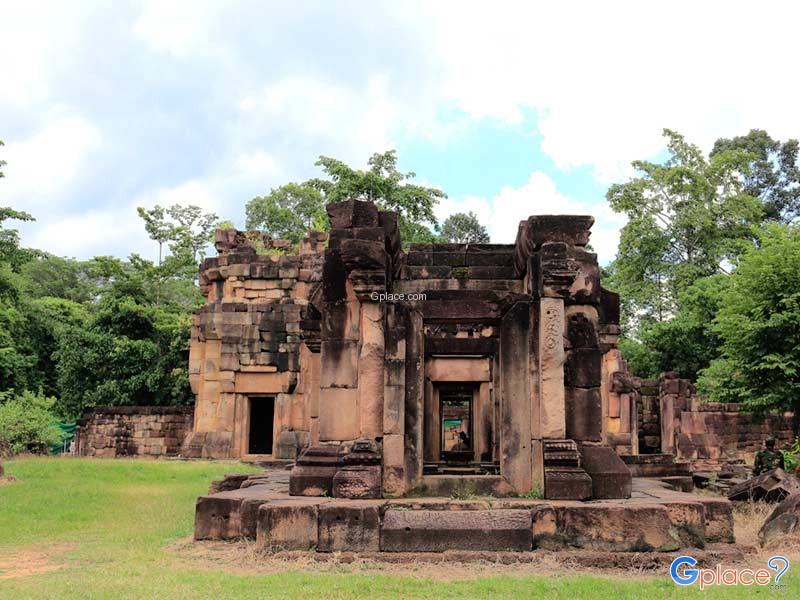
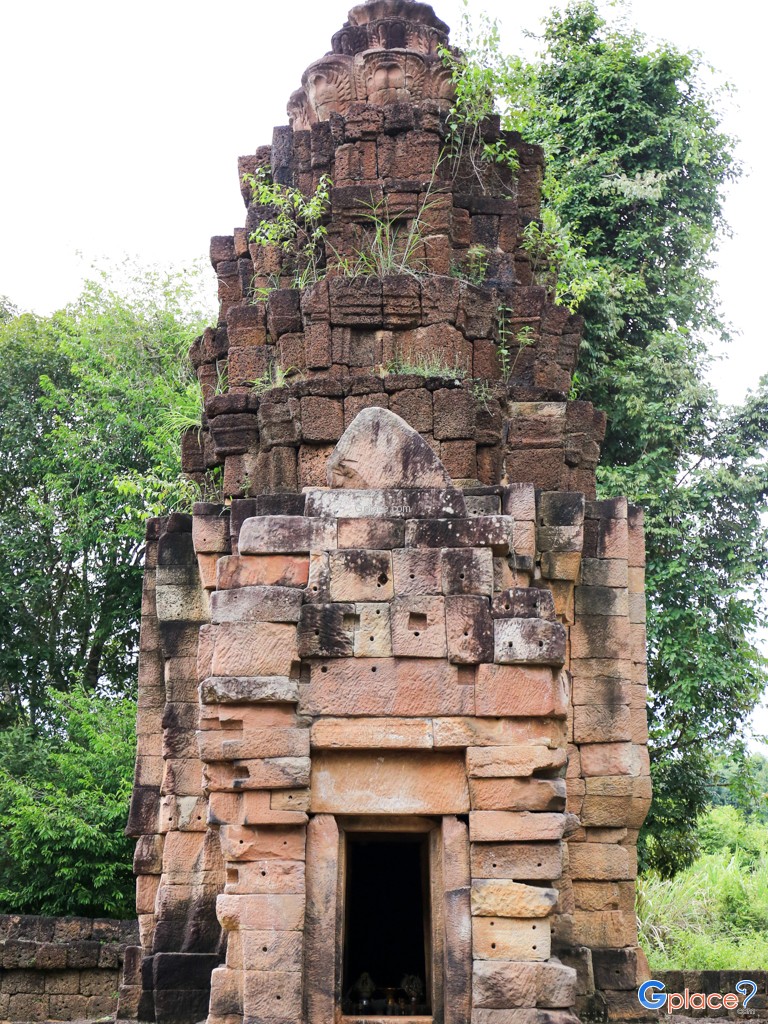
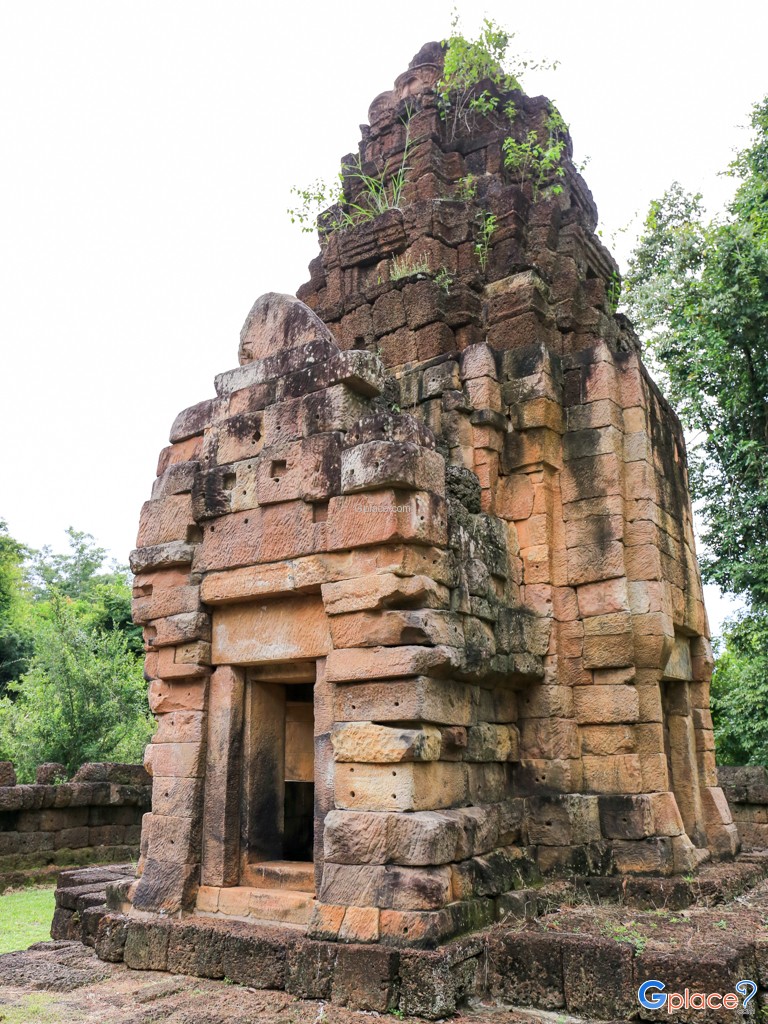
Prasat Ta Muen Tot is one of the ancient sanctuaries in the Ta Muen temple complex, located along the Phanom Dong Rak mountain range in Phanom Dong Rak District, Surin Province, near the Thai–Cambodian border. It is an important Khmer archaeological site that reflects the prosperity of the Khmer Empire in the past. It is believed to have been built in the 18th Buddhist century during the reign of King Jayavarman VII, a significant ruler known for developing infrastructure and religious monuments across the empire. One of his major contributions was the establishment of numerous “Arokhayasala” (ancient hospitals) along transportation routes, serving as medical and spiritual healing centers for local people, travelers, and military personnel under Mahayana Buddhist principles.
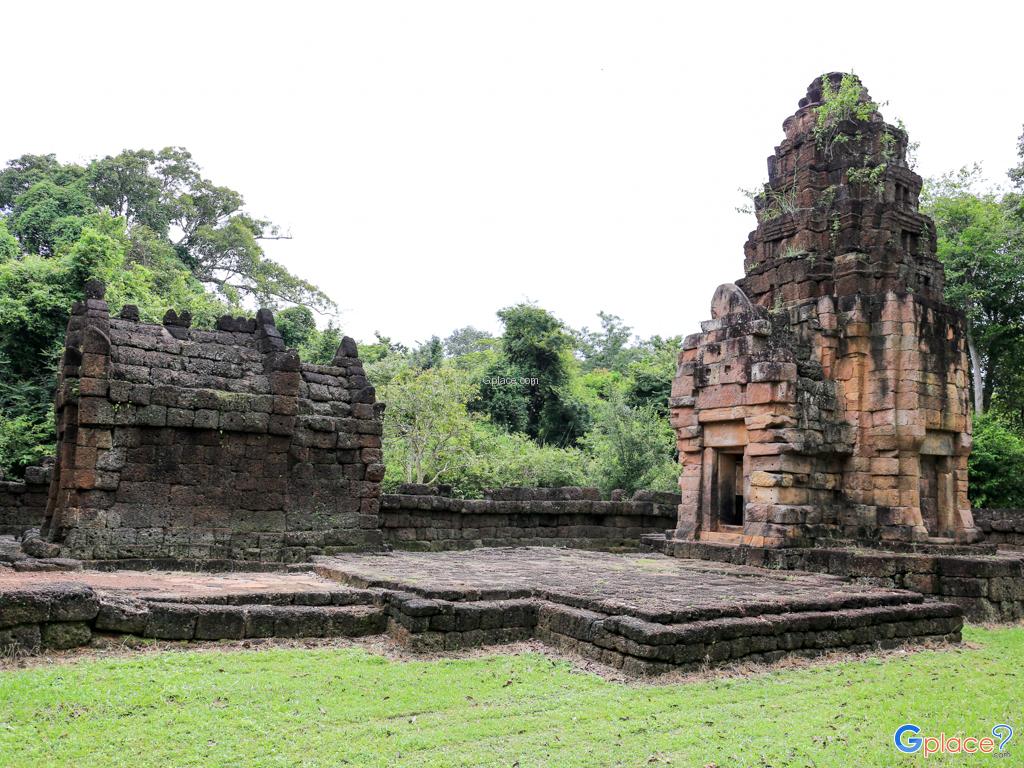
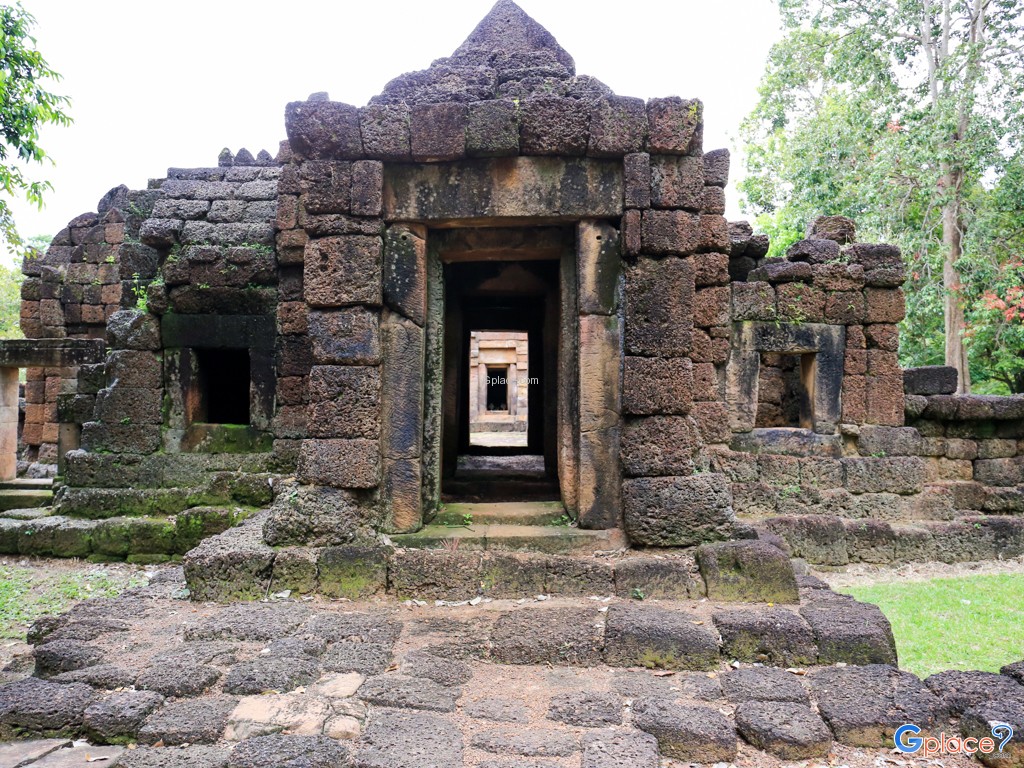
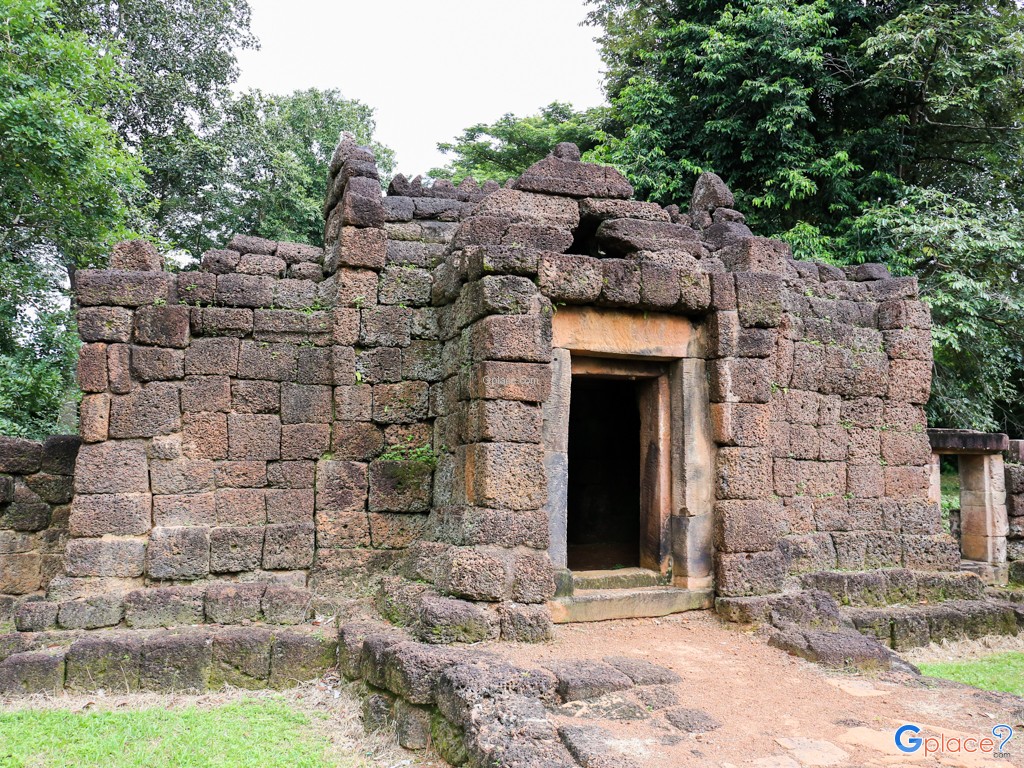
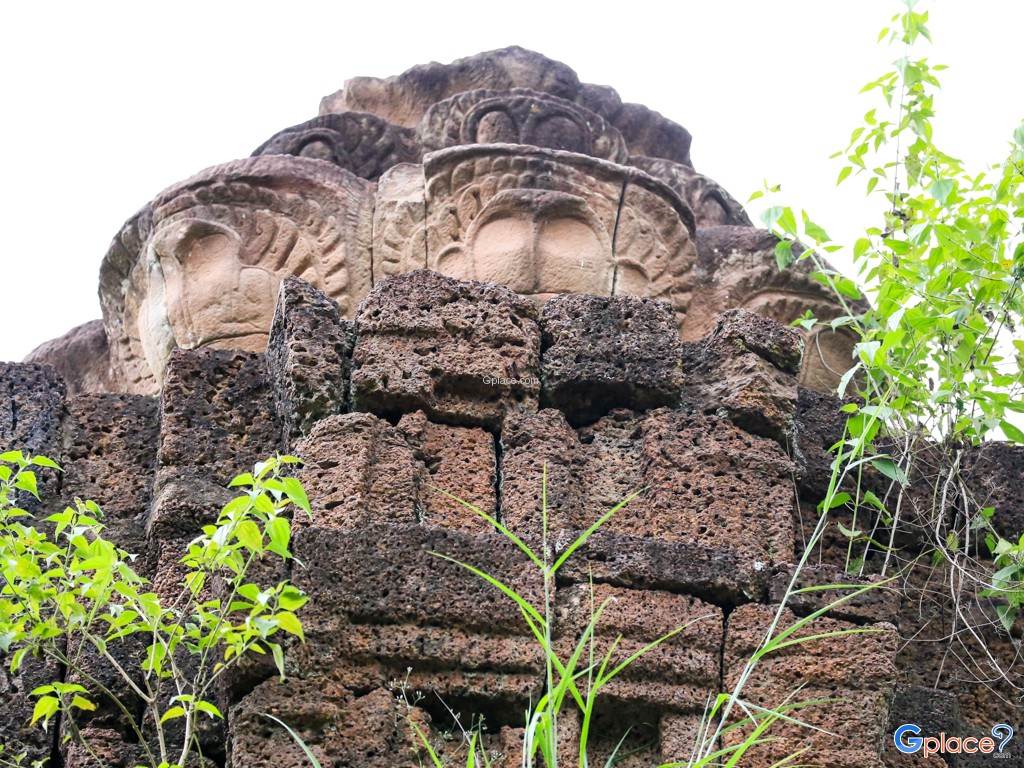
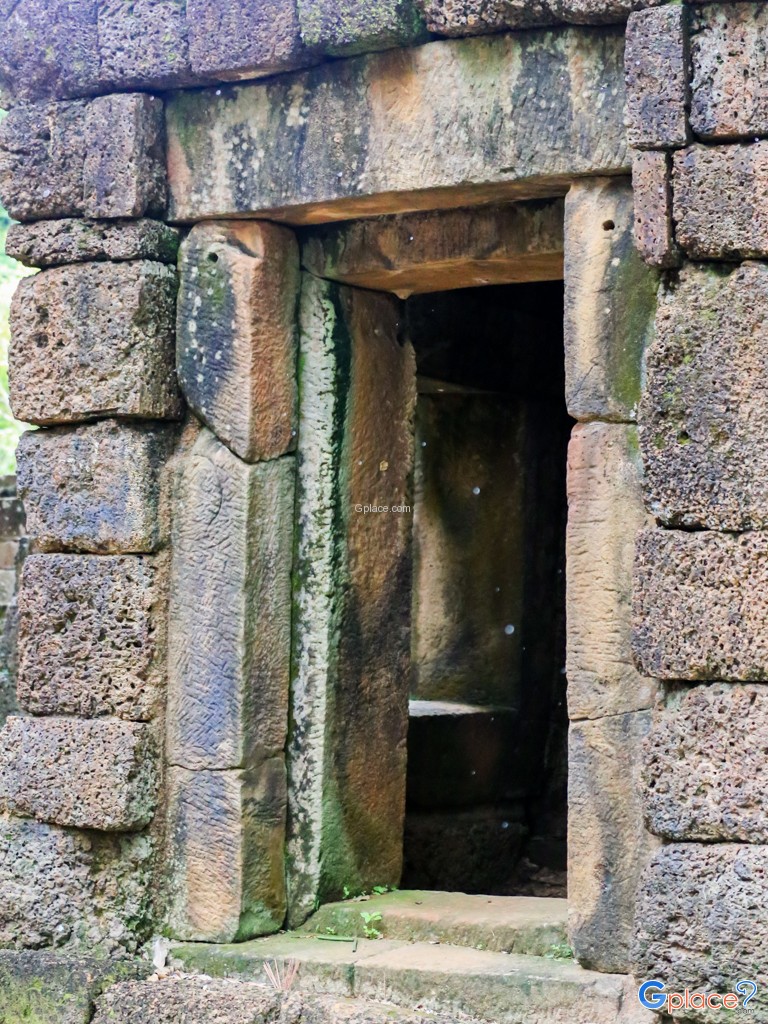
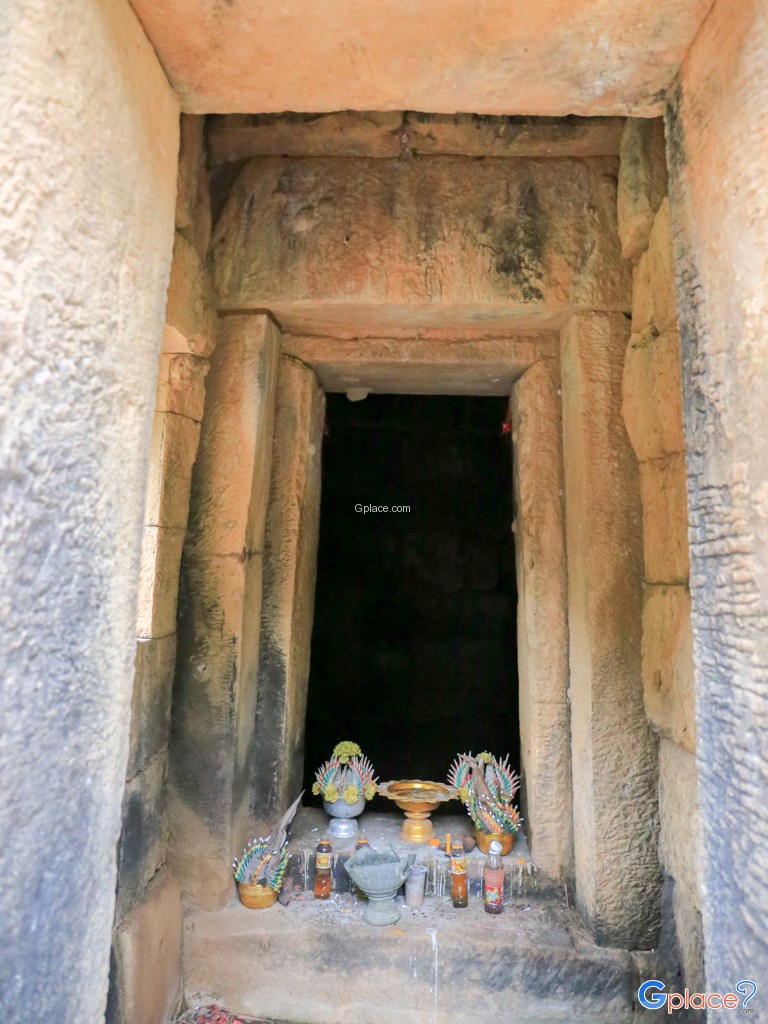
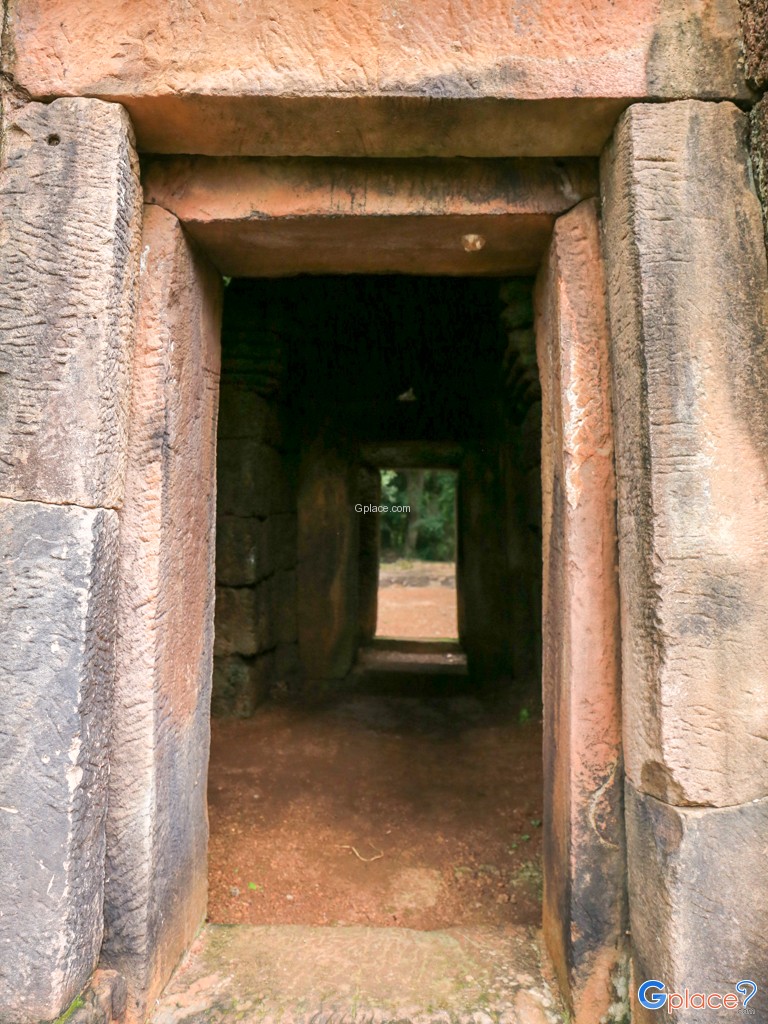
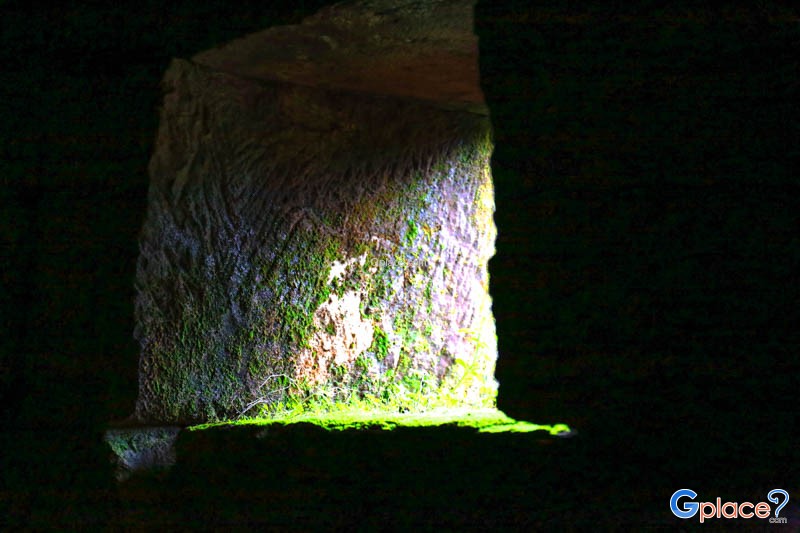
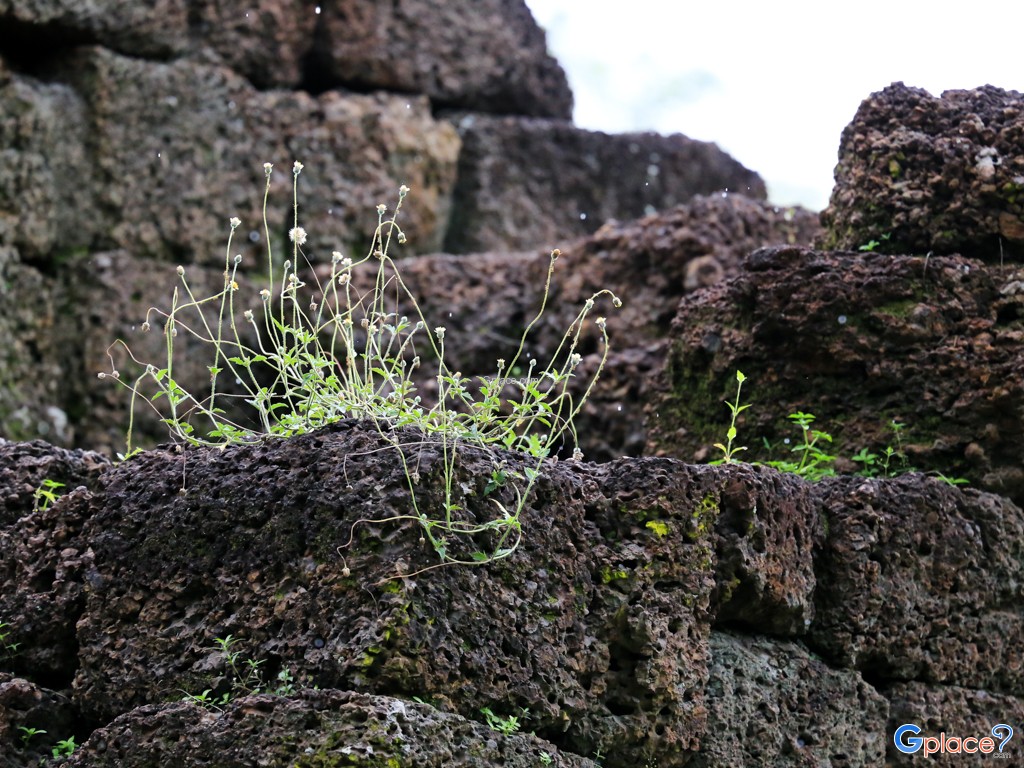
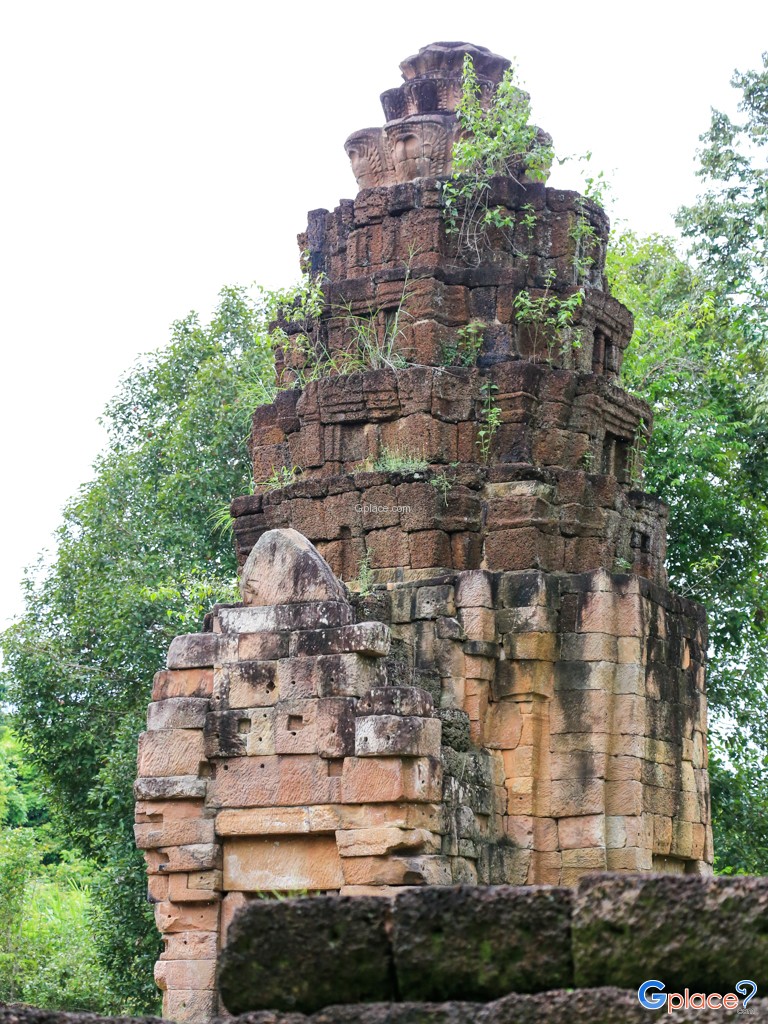
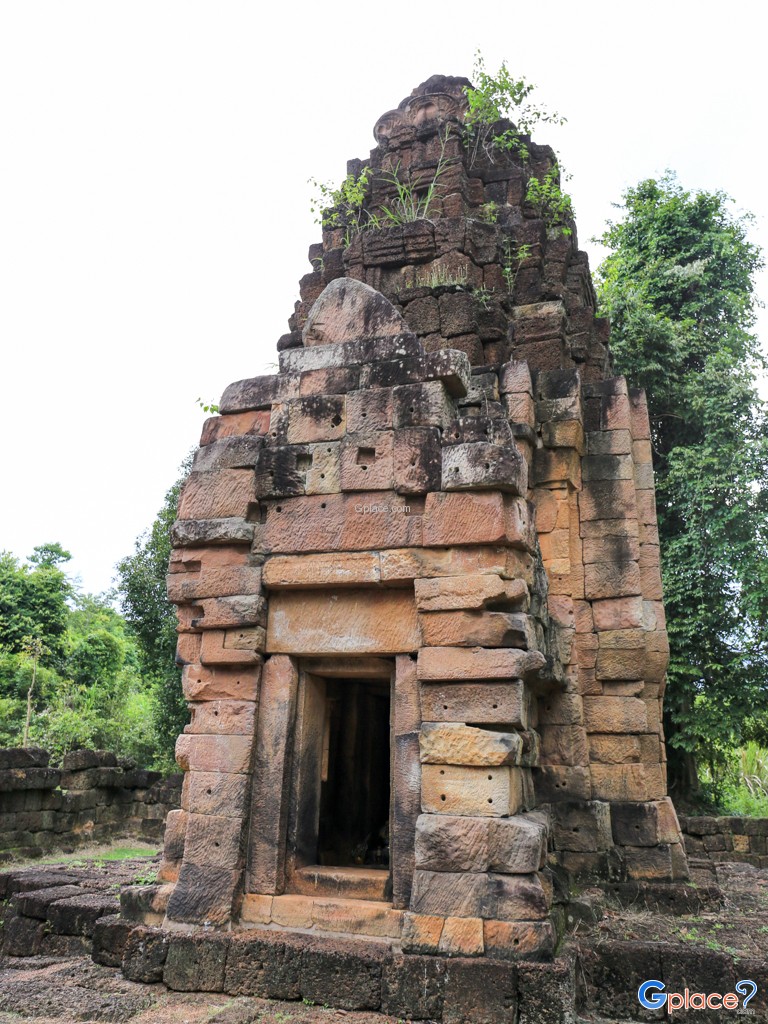
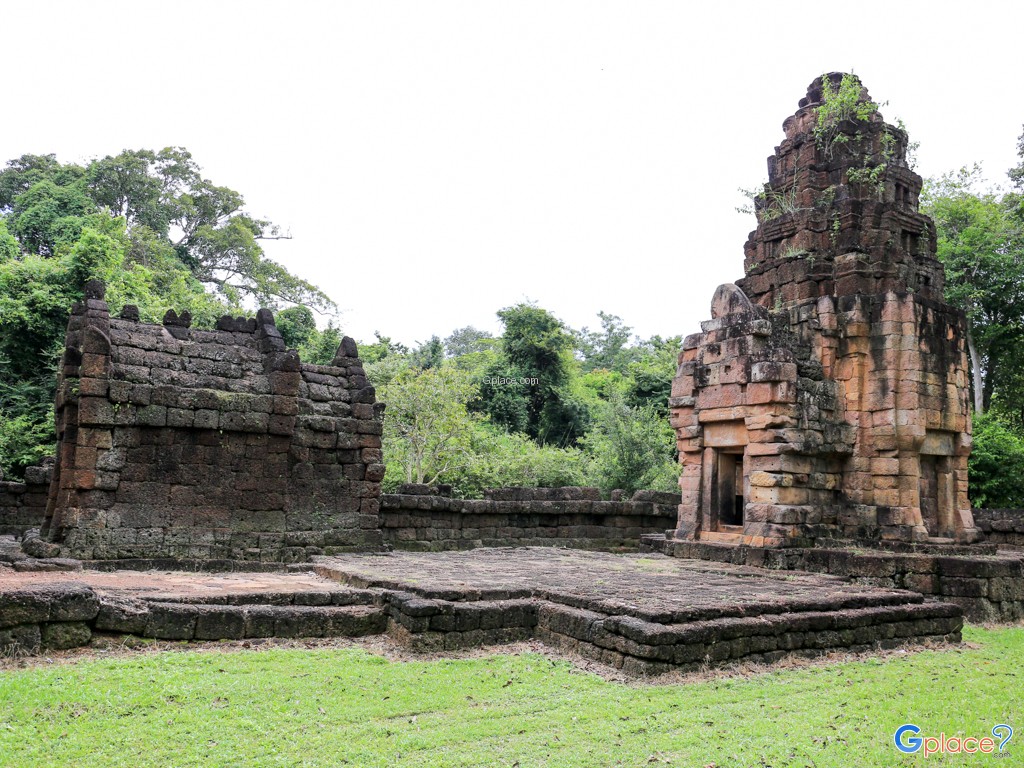
The sanctuary was constructed using sandstone and laterite, the main materials of Khmer architecture during that period. The layout follows a square plan, surrounded by a laterite enclosure wall that defines the sacred boundary of the site. Inside the complex is the main sanctuary tower, believed to have been used to enshrine a sacred image or religious symbol associated with healing rituals and spiritual protection. To the southeast of the main tower is a library building, which archaeologists believe was used to store religious texts, documents, or medical knowledge related to the ancient hospital system.
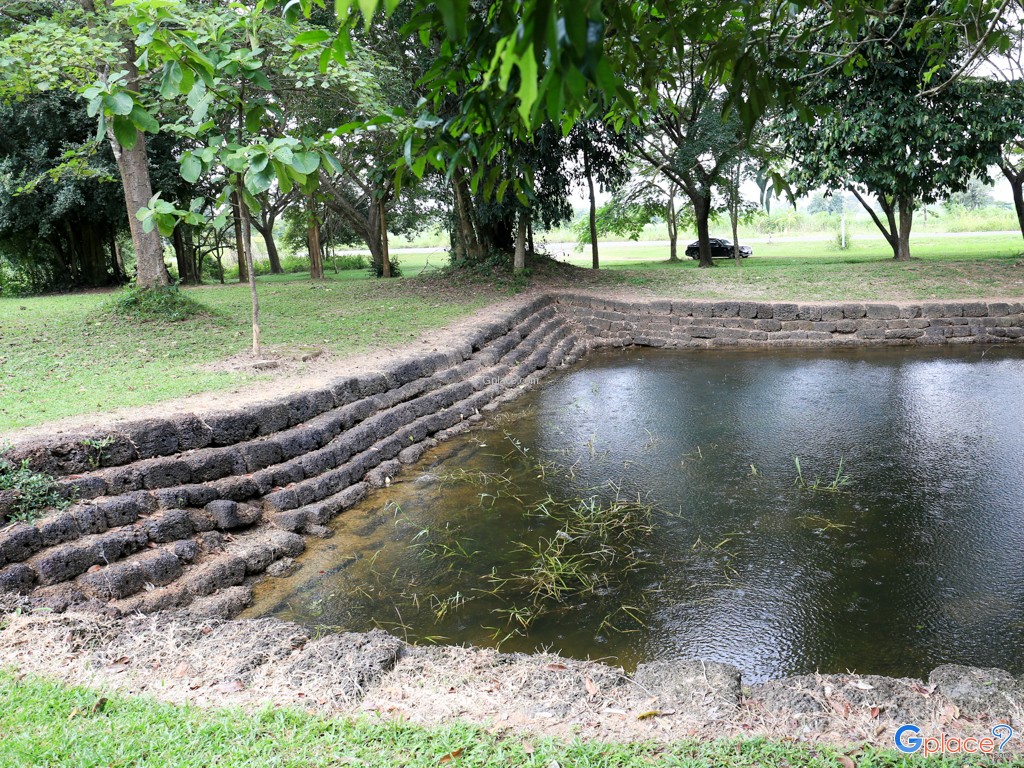
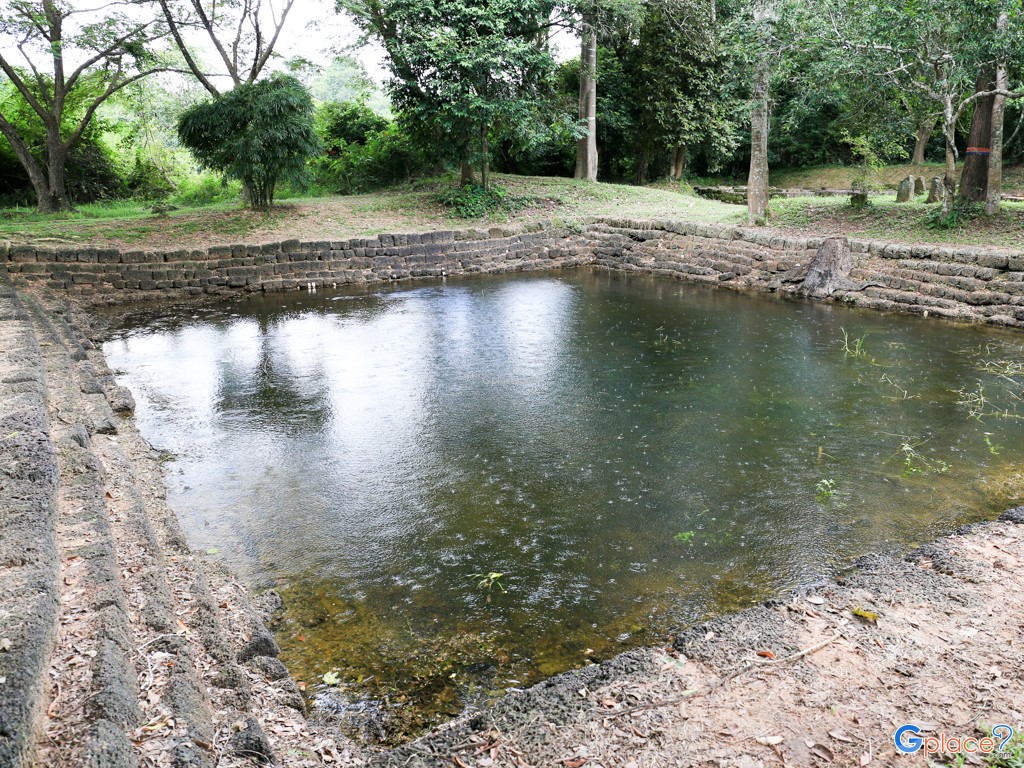
Outside the enclosure wall, there is a small reservoir or baray, which served both practical and ritual purposes. It likely functioned as a water source for the sanctuary’s activities and was also associated with purification beliefs in Khmer religious practices. The surrounding environment is dominated by forest and natural landscapes of the Phanom Dong Rak range, giving the site a peaceful, shaded, and somewhat mysterious atmosphere typical of remote ancient ruins.
Today, Prasat Ta Muen Tot remains relatively well-preserved compared to other contemporary Khmer sites and is an important historical attraction in Surin Province. Visitors can learn about ancient Khmer architecture, religious beliefs, and early public health systems through the concept of Arokhayasala, which represents an advanced form of ancient civilization in Southeast Asia. The site also offers a unique experience of historical exploration combined with natural scenery along the border region.

 Attractions
  Hotel
Hotel  Restaurant
  Shopping
  Abroad








 Share
Share
 Ta Miang, Phanom Dong Rak, Surin 32140
Map
Ta Miang, Phanom Dong Rak, Surin 32140
Map
 Closed today

 https://www.thai-tour.com/thai-tour/northeast/surin/data/place/pic-prasattamern.html

 3220
3220