 Attractions
  Hotel
Hotel  Restaurant
  Shopping
  Abroad
  Nearby Places







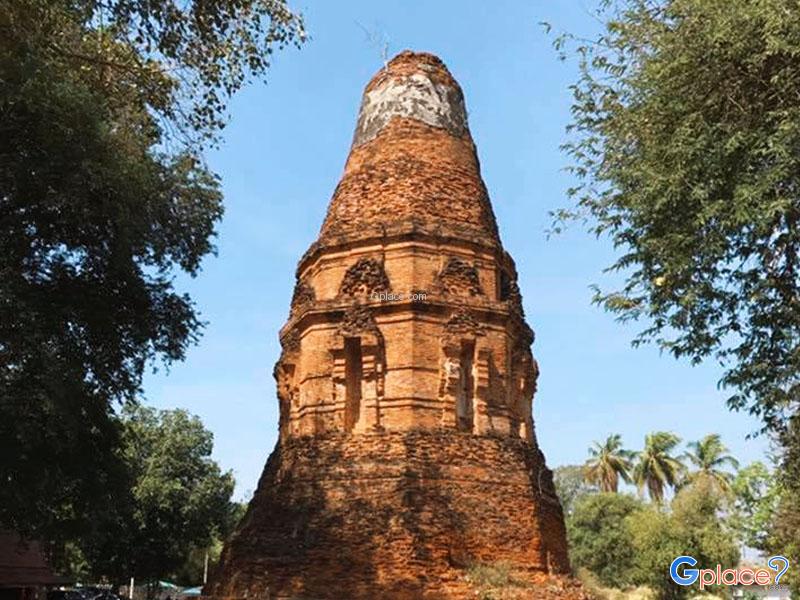
Song Phi Nong Temple is one of the most important historical monuments within the ancient city group of Mueang Phraek Si Racha, now known as Sankhaburi District in Chainat Province. This ancient city once served as a significant frontier town, playing vital roles in administration, trade, and Buddhism, particularly during the transitional period between the Sukhothai and Ayutthaya kingdoms. The name “Song Phi Nong,” meaning “Two Siblings,” derives from the temple’s most distinctive feature—two principal chedis standing side by side, resembling siblings enduring together through centuries. This unique characteristic has become the temple’s unmistakable identity.
The larger chedi is built in the prang style of early Ayutthaya art, also known as U-Thong art. It emphasizes tall proportions, indented base corners, and a solid architectural composition reflecting Buddhist cosmological concepts. The smaller chedi is in the lotus-bud (Phum Khao Bin) style, influenced by Sukhothai art, characterized by graceful lines and balanced proportions. The presence of these two different architectural forms side by side is not merely coincidental; it serves as tangible evidence of the cultural, artistic, and religious integration between two major kingdoms of the past.
Within the temple grounds remain the ruins of vihara foundations and other brick and laterite structures, clearly demonstrating ancient construction techniques. Archaeologists believe that this temple once functioned as a significant religious center for the local community. Inside the ancient vihara stands Luang Pho Phet, a stucco Buddha image in the Mara-Vijaya posture. The serene facial expression and gentle features reflect the artistic influence of U-Thong craftsmanship. Although time has caused parts of the structure to deteriorate, the beauty and sacred atmosphere of the site remain deeply perceptible.
Thailand’s Fine Arts Department has conducted ongoing surveys, restoration, and preservation efforts to maintain the essential structures of the monument. The surrounding landscape has been carefully arranged to ensure cleanliness and accessibility, making it suitable for educational visits. Visitors can closely observe the chedi bases, surviving stucco decorations, and brick-laying techniques that showcase the wisdom and skill of ancient artisans.
The atmosphere of Song Phi Nong Temple is tranquil and shaded by large trees, offering a sense of stepping back in time to when Sankhaburi flourished as a prominent frontier city. The temple is located near Wat Mahathat and Phraya Phraek Temple, all part of the Phraek Si Racha historical complex, allowing visitors to conveniently explore the entire group in one visit. Visiting Song Phi Nong Temple is therefore not only an opportunity to admire ancient ruins, but also a meaningful journey into the history of a frontier city that once thrived along the Noi River basin, while experiencing the enduring faith and refined craftsmanship passed down through centuries.