 Attractions
  Hotel
Hotel  Restaurant
  Shopping
  Abroad







“Marvel at the square-based principal pagoda, hailed by historians as the "Queen of all Pagodas in Southeast Asia" for its perfect proportions, and pay respects to Luang Phor Chai, a laterite Buddha image featuring an ancient Khmer-style lintel of Vishnu Anantasayin.”
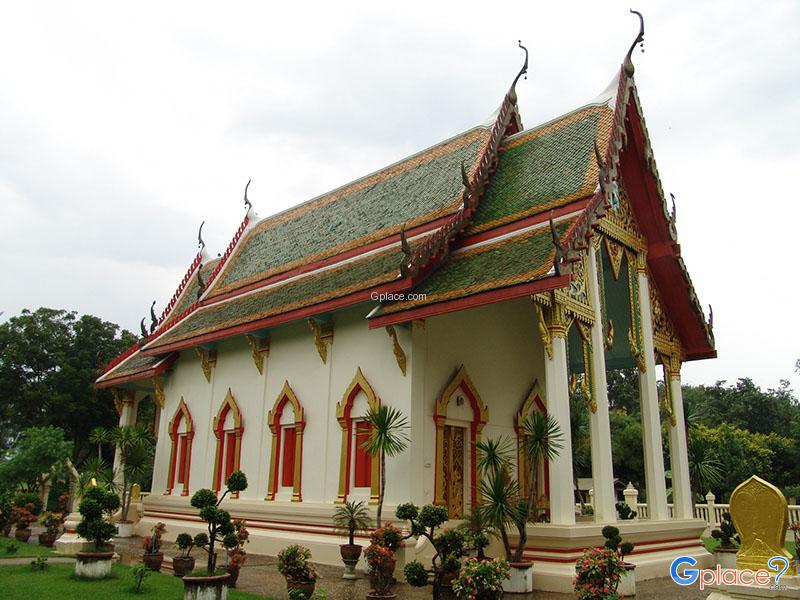
Phra Kaew Temple is an important ancient monument located in the old city of Phraek Si Racha, now Sankhaburi District in Chainat Province. This historic city played a significant role during the transitional period between the U-Thong era and early Ayutthaya, serving as a religious and administrative center of the Noi River basin. Scholars believe that Phra Kaew Temple dates back at least to the early Ayutthaya period, or possibly even earlier, based on its architectural style and surviving artistic elements.
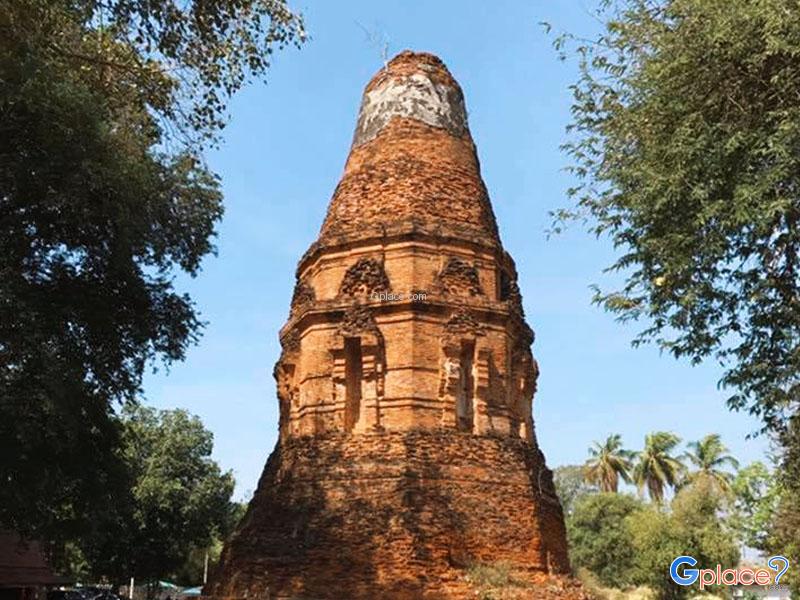
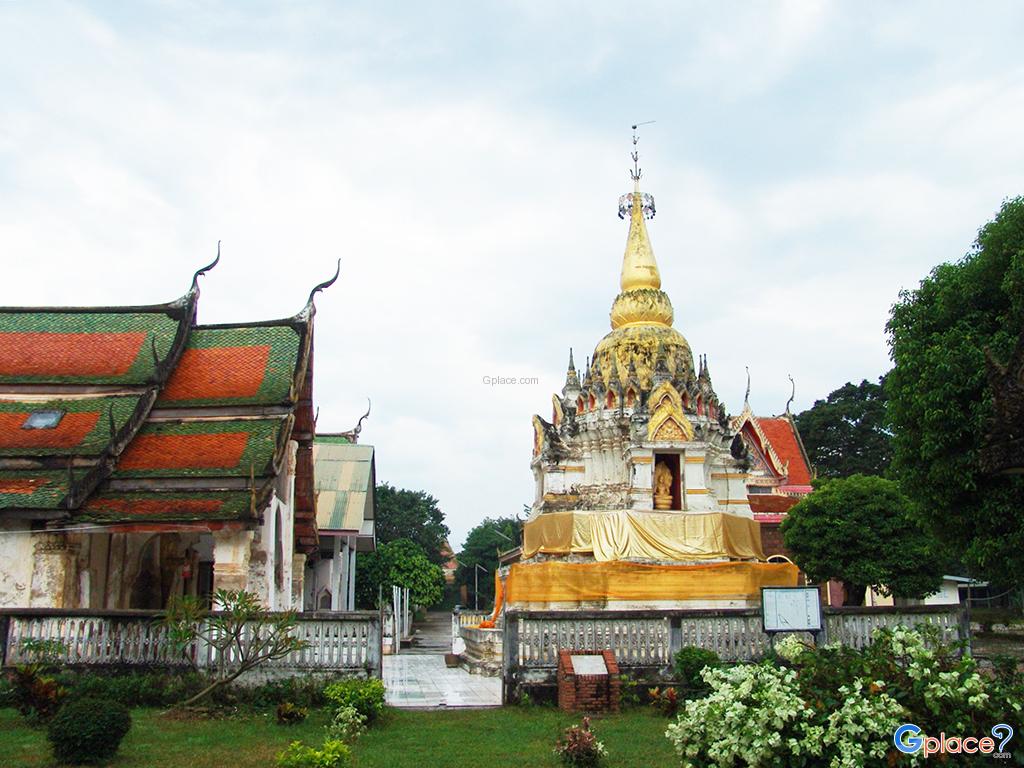
The temple is internationally renowned for its principal chedi, regarded as one of the most exquisite and well-proportioned monuments in the region. The chedi stands on a high square base symbolizing stability and spiritual significance. Each side of the base features recessed niches housing stucco Buddha images that remarkably retain their elegance despite the passage of centuries. Above the base rises a gracefully proportioned bell-shaped dome, ascending harmoniously toward the pinnacle. The refinement of its decorative details and the balance of its proportions have earned this chedi the title “Queen of Chedis” of the Noi River basin. It is widely considered a prime example of U-Thong art transitioning into early Ayutthaya style.
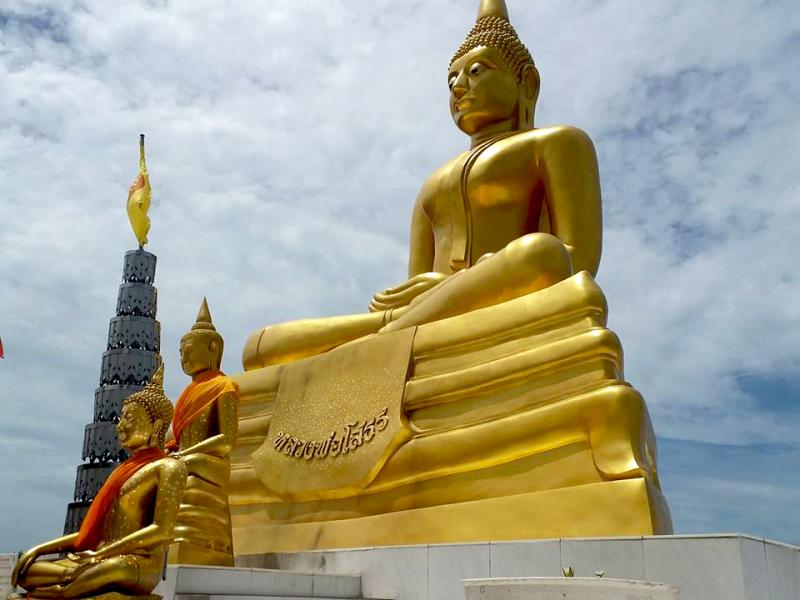
Another notable feature is the Vihara of Luang Pho Chai, which houses a laterite Buddha image distinguished by its unique and serene appearance. The Buddha’s calm facial expression reflects early artistic influences that blend Khmer elements with emerging Thai Buddhist art. Particularly remarkable is the lintel located behind the Buddha image, carved with the depiction of Vishnu reclining on the cosmic ocean in classical Khmer style. The integration of an earlier Khmer lintel with a later Buddhist shrine demonstrates the harmonious continuity and cultural adaptation that characterized the region.
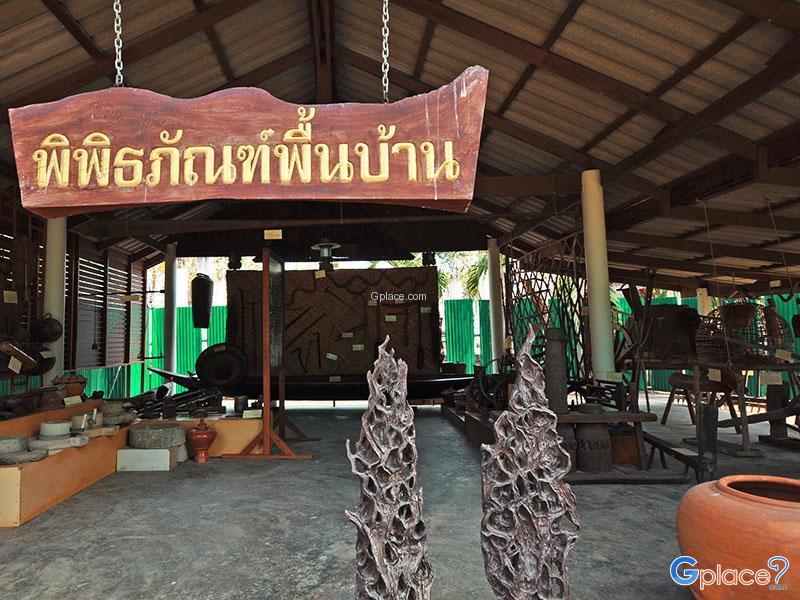
Within the temple grounds remain foundations of ancient structures, subsidiary chedis, and other architectural remnants that reflect the former prosperity of Phraek Si Racha. The atmosphere is tranquil and historically evocative, conveying a sense of solemn grandeur. A small local museum on-site exhibits artifacts discovered in the area, including sandstone Buddha images, pottery fragments, ancient tools, and decorative architectural pieces. These objects enrich visitors’ understanding of the community’s past way of life, beliefs, and artistic development.
Visiting Phra Kaew Temple is therefore not only an opportunity to admire a magnificent chedi, but also a journey back in time to an era when Sankhaburi flourished as an important religious and artistic center of the upper central plains. For those passionate about history, art, and traces of ancient civilization, Phra Kaew Temple is truly a destination not to be missed.
How to Get There
Private Car:
- From Chai Nat town, take Highway 340 toward Suphan Buri for about 20 km. The temple is located along the main road in Sankhaburi District.
Public Transport:
- Take a van from Bangkok to Sankhaburi or any local bus passing through the district.
Travel Tips
Recommended Time:
- 08:00 - 10:00 AM or 04:00 - 05:30 PM for the best lighting to capture the intricate stucco details on the pagoda.
Attire:
- Please dress politely as it is a sacred historical site. Bring a hat or umbrella for shade.
Activities:
- Explore the pagoda, pray to Luang Phor Chai, and visit the temple's museum to learn about the history of Sankhaburi.
Local Goods:
- Sankhaburi is famous for its pomelos and high-quality dried river fish.
Admission Fee
-
Free Entry
Opening Hours
-
Open Daily: 06:00 AM – 06:00 PM
Phra Kaew Temple Chai Nat

 Share
Share
 Moo 10, Phraek Sriracha, Sankhaburi, Chai Nat 17140, Thailand
Map
Moo 10, Phraek Sriracha, Sankhaburi, Chai Nat 17140, Thailand
Map
 Open now : 6.00 - 18.00
Mon6.00 - 18.00
Tue6.00 - 18.00
Wed6.00 - 18.00
Thu6.00 - 18.00
Fri6.00 - 18.00
Sat6.00 - 18.00
Sun6.00 - 18.00

 https://thai-tour.com/thai-tour/central/chainat/data/place/wat-prakeaw.html

 2891
2891