
 Attractions
  Hotel
Hotel  Restaurant
  Shopping
  Abroad





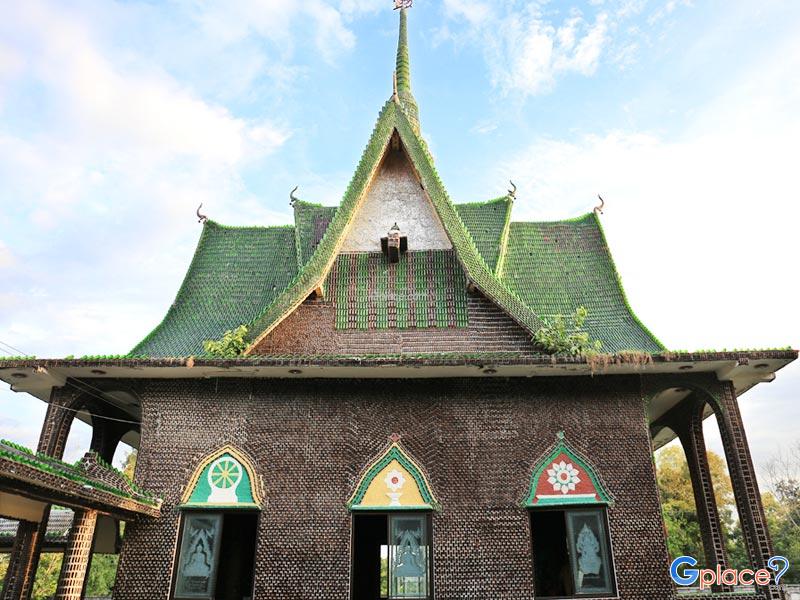


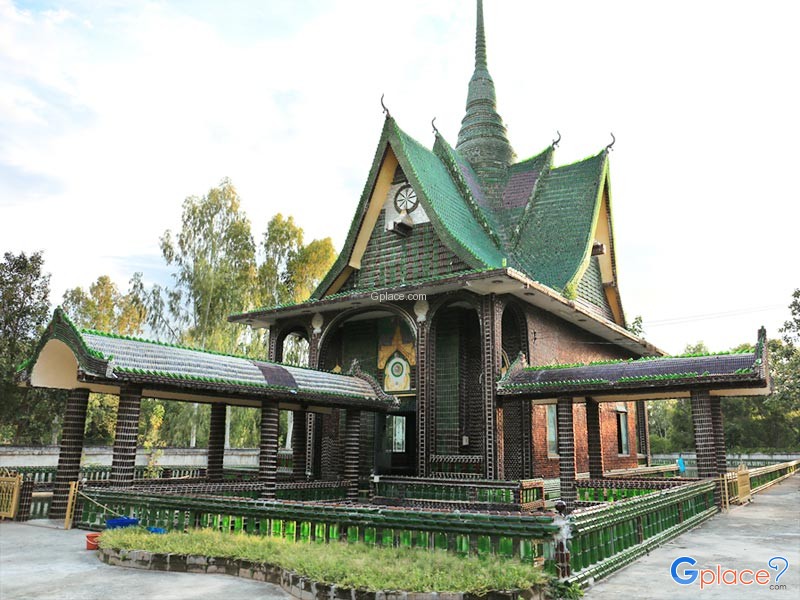
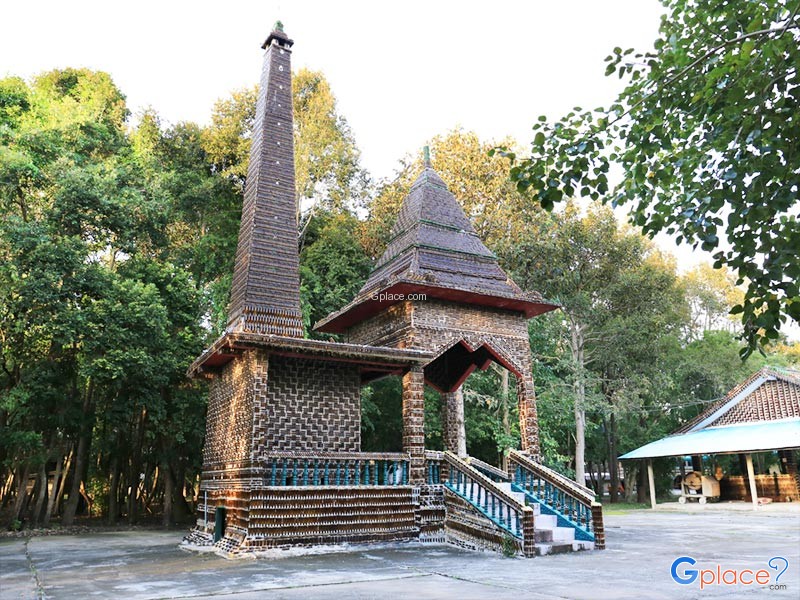
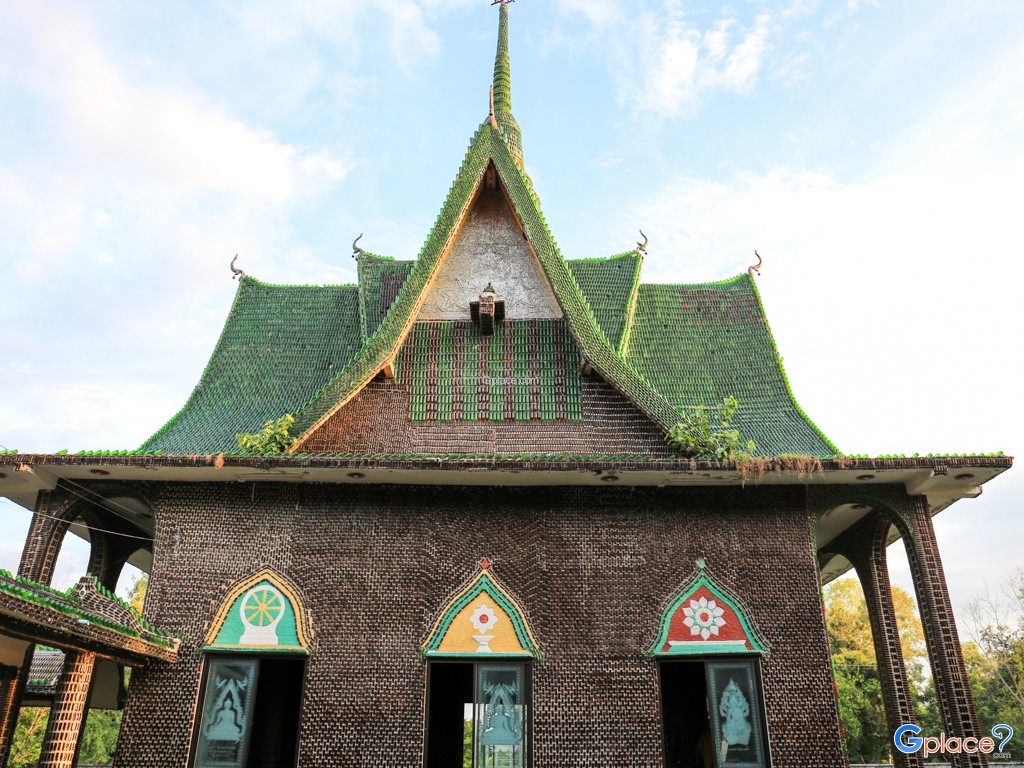
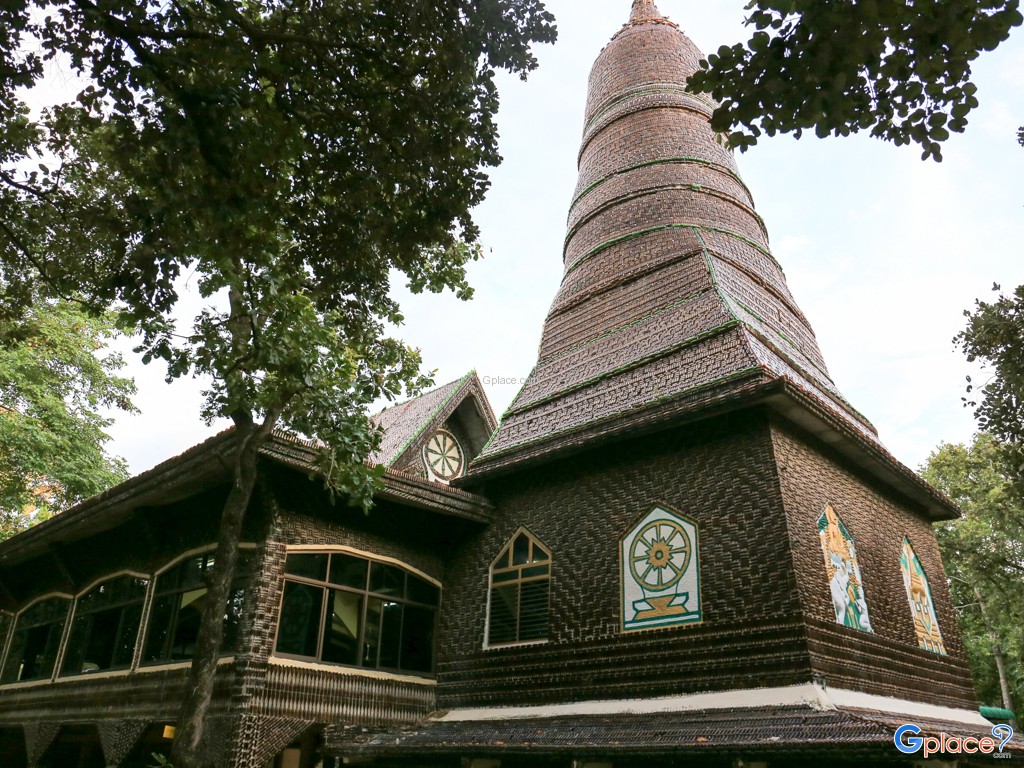
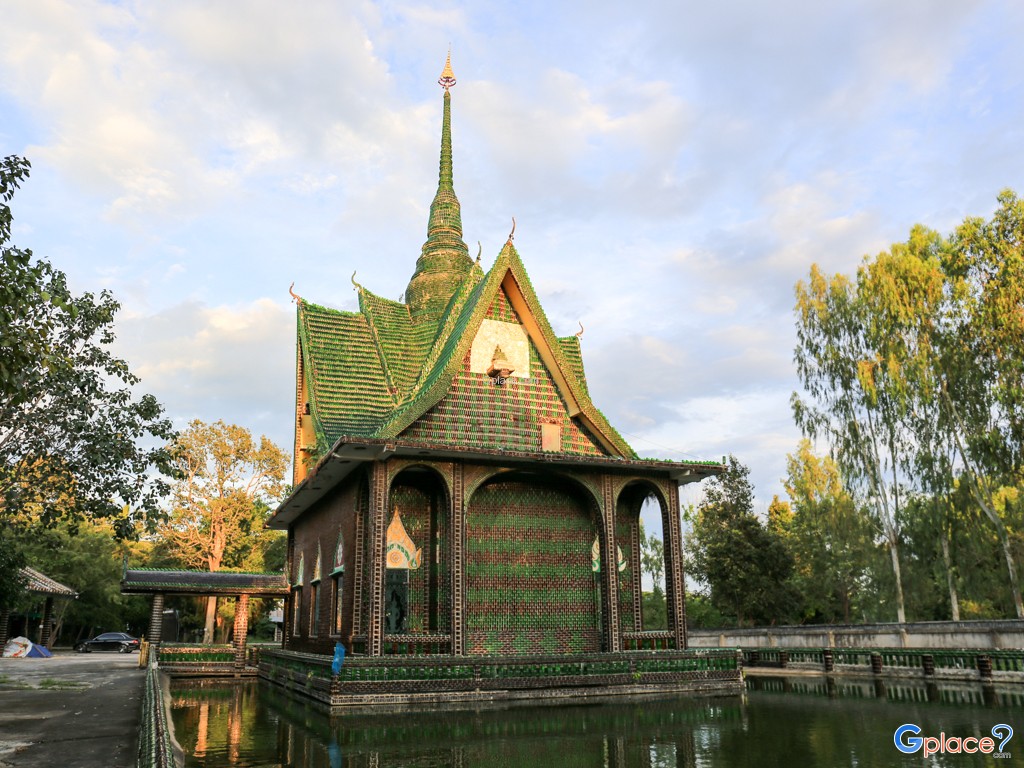
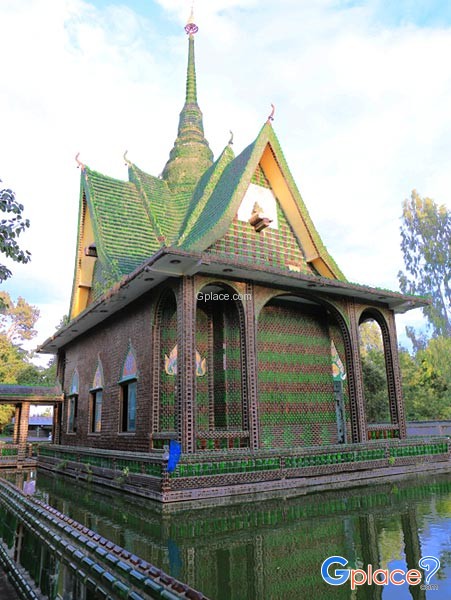
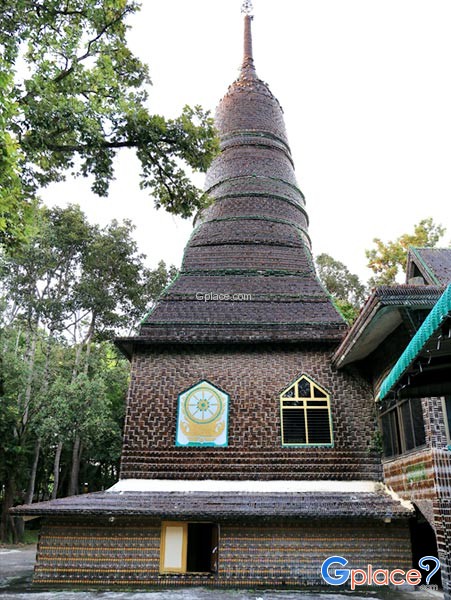
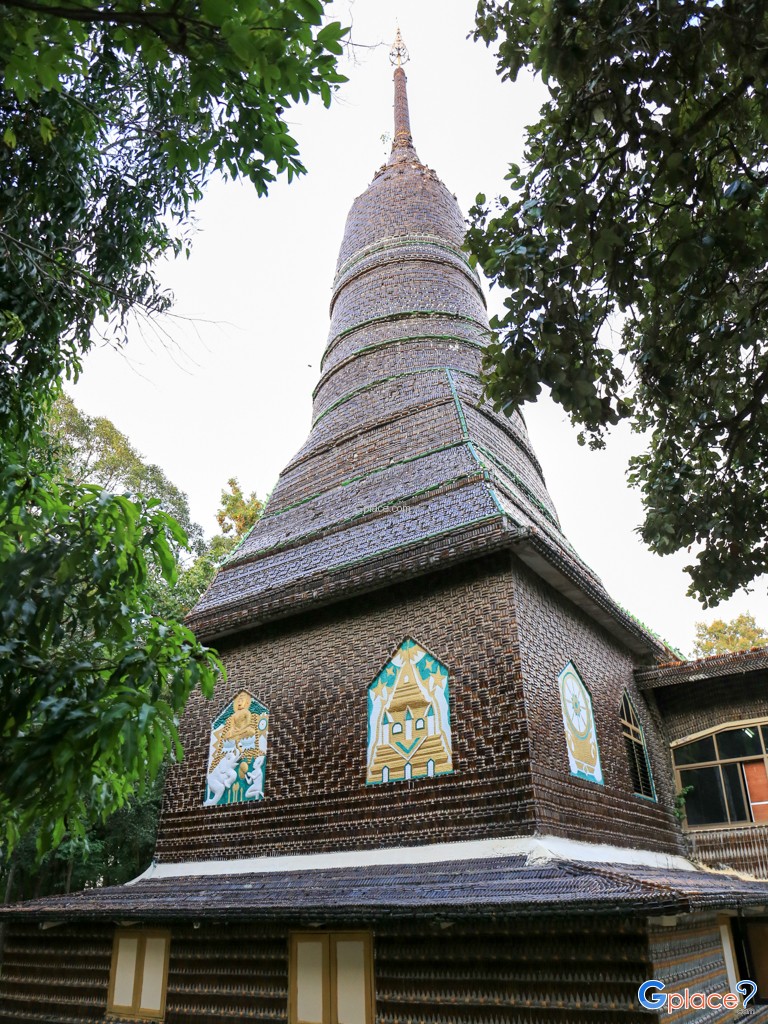
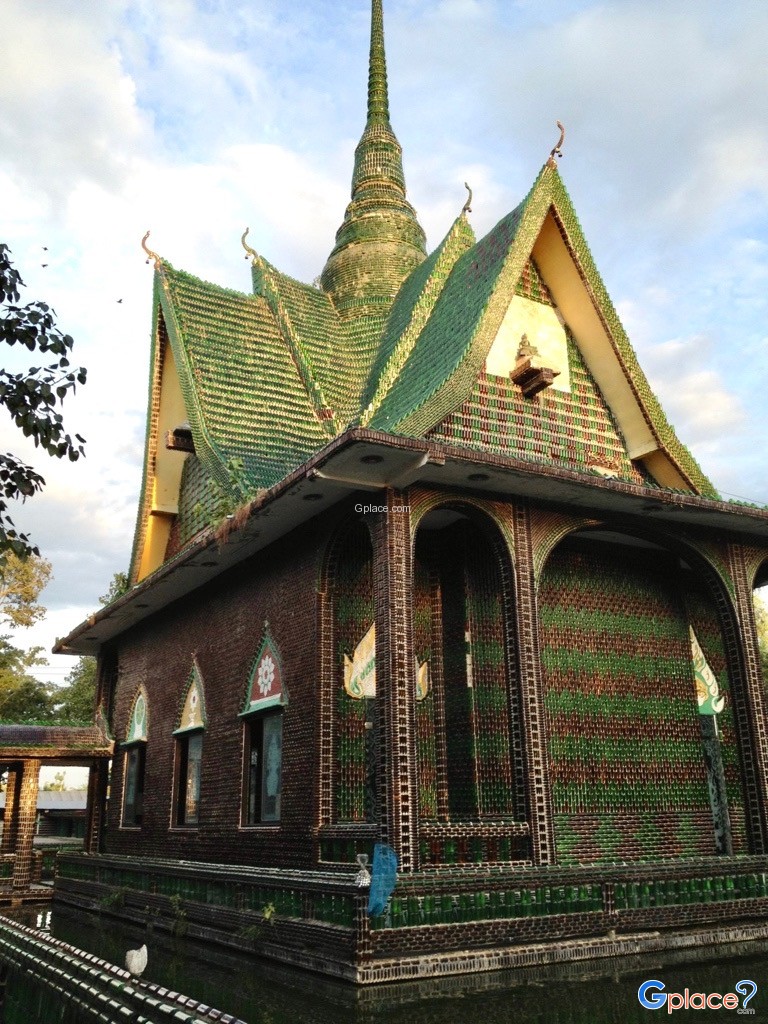
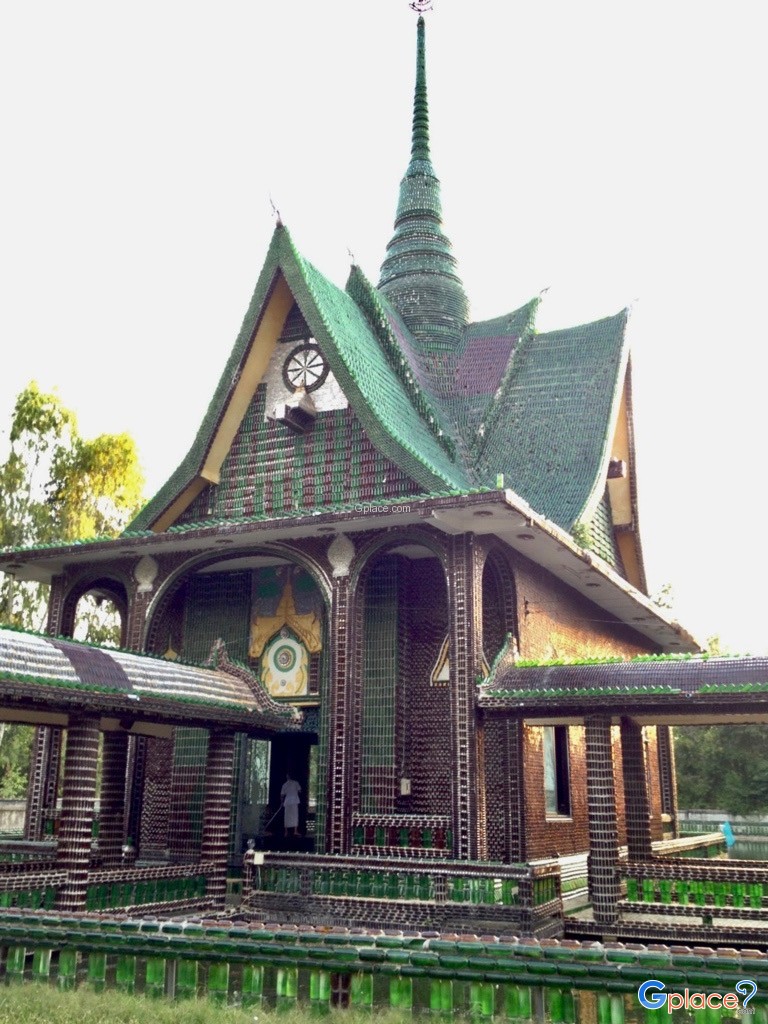
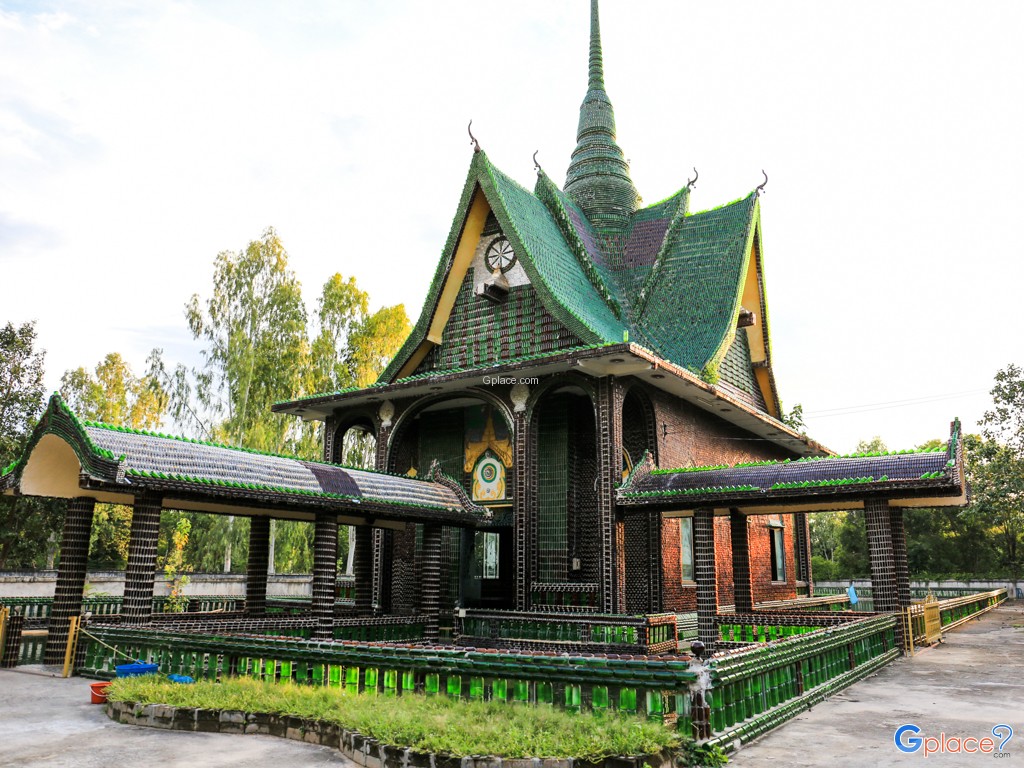
“The highlight is the use of green and brown glass bottles as substitutes for construction materials and tiles, decorating the pavilion, the main chedi, restrooms, and even the crematorium. ”
How to Get There
- By car: From Sisaket city center, take Highway 221 toward Kantharalak District, then turn onto Highway 2128 passing through Phayu and Si Rattana Districts toward Khun Han District. Upon reaching Khun Han town, follow the signs to the temple. The temple is located about 1 kilometer from the district center.
Travel Tips
Wat Pa Maha Chedi Kaew

 Share
Share
 Si, Khun Han, Si Sa Ket, 33150
Map
Si, Khun Han, Si Sa Ket, 33150
Map
List 0 review
|
art & culture,attractions,Temple,temple
 Closed today
Mon8.00 - 17.00
Tue8.00 - 17.00
Wed8.00 - 17.00
Thu8.00 - 17.00
Fri8.00 - 17.00
Sat8.00 - 17.00
Sun8.00 - 17.00

 https://www.thai-tour.com/thai-tour/northeast/srisakes/data/place/watpa-mahajdeekaew.html

 4478
4478