 Attractions
  Hotel
Hotel  Restaurant
  Shopping
  Abroad





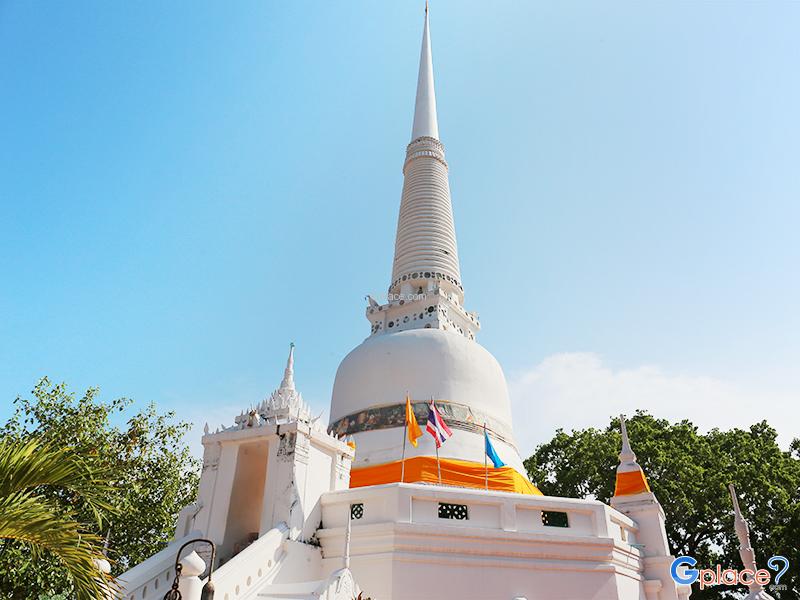

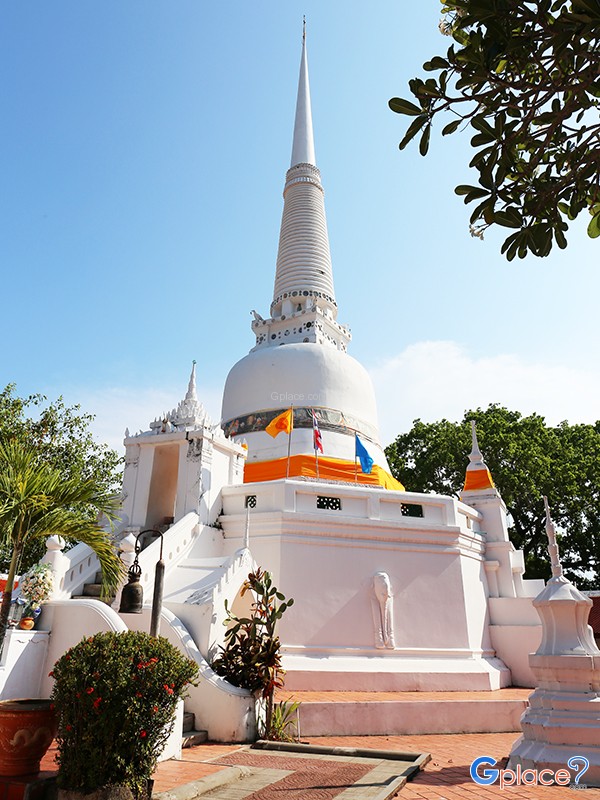
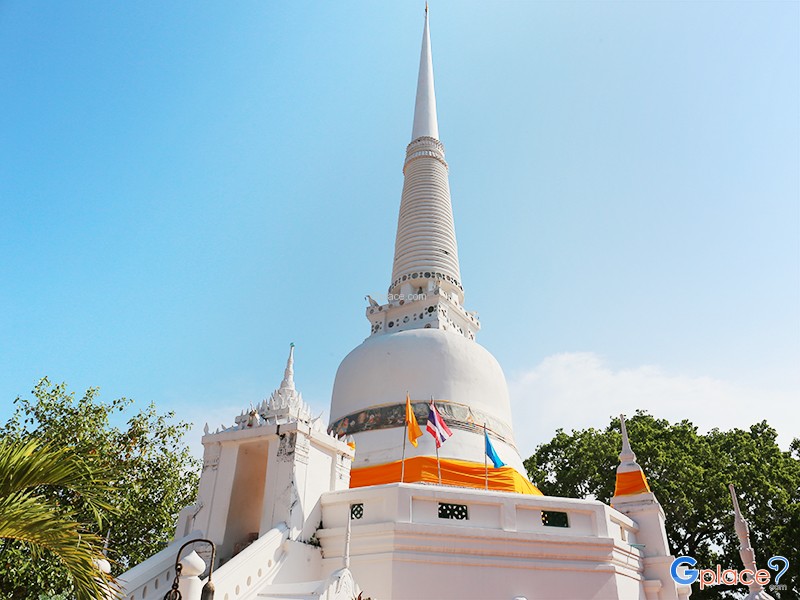


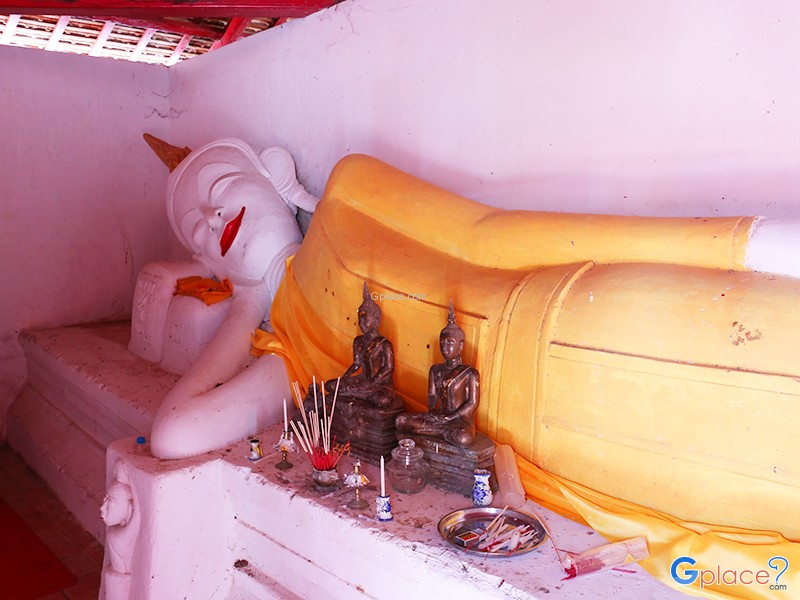
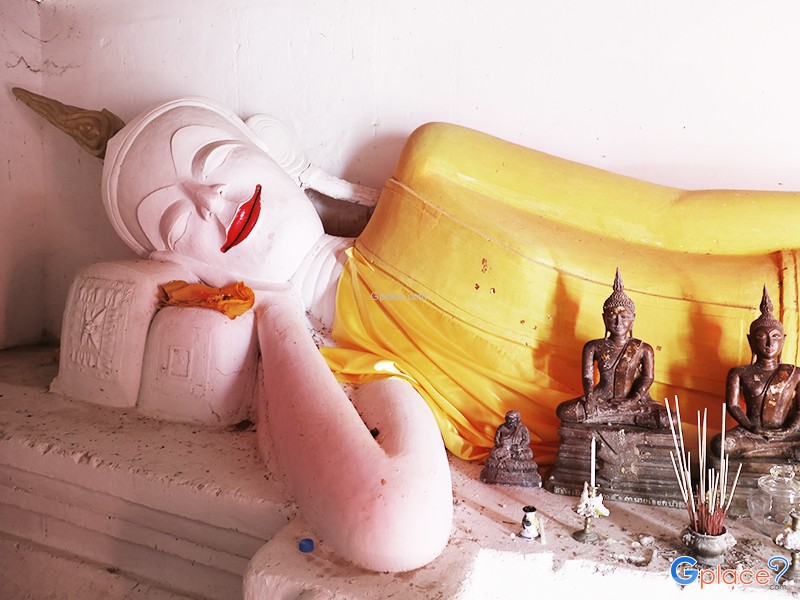
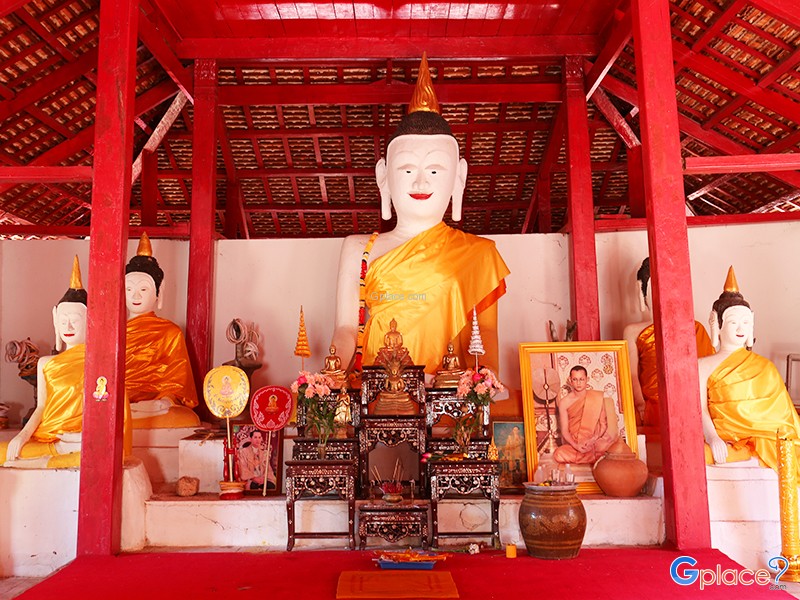

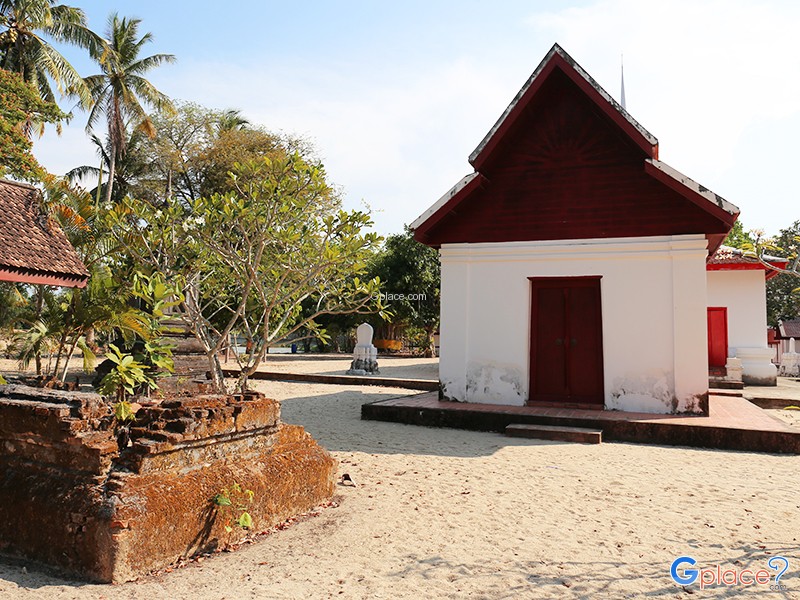
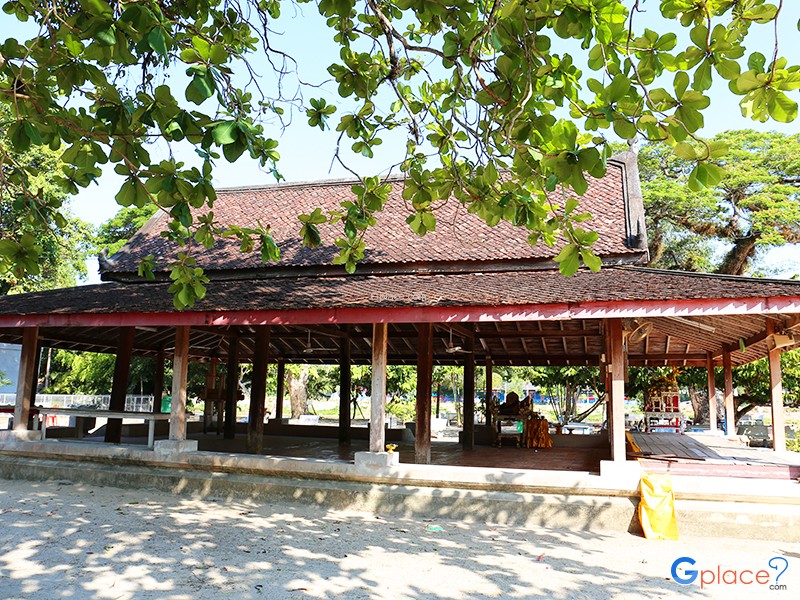
“An ancient Phatthalung landmark featuring a majestic Srivijaya-style pagoda, a historical artifact museum, and the legendary birthplace of the traditional Manohra dance by Songkhla Lake.”
Wat Khian Bang Kaeo, officially known as Wat Phra Borommathat Chedi Khian Bang Kaeo, serves as the definitive prologue to the Buddhist and historical narrative of Phatthalung Province, with a legacy spanning over a millennium. It is estimated to have been constructed between the 8th and 13th centuries AD during the Srivijaya Empire. According to the Phatthalung chronicles, the temple was founded by King Krung Thong of Sathing Phra and underwent a significant restoration when Princess Hemachala and Prince Thanthakuman stopped here to enshrine Buddha’s relics brought from Sri Lanka before proceeding to Nakhon Si Thammarat. This established the temple as a sanctified pillar of faith for the Sathing Phra Peninsula that endures to this day.
The most paramount architectural feature is the "Phra Borommathat Chedi," an octagonal Srivijaya-style pagoda that remains remarkably well-preserved. The base is encircled by stucco elephant sculptures, known as Kunchorn, symbolizing the strength and protection of the faith. The structure is adorned with stucco Buddha images in niches, reflecting artistic influences channeled from Java and India. Additionally, the site houses a "Maha Ut" Chapel—a unique hall with only one entrance, built according to ancient occult beliefs to concentrate spiritual energy for consecration rituals. The cloister (Phra Vihara Khot) surrounding the pagoda serves as a gallery for numerous ancient stucco Buddha statues.
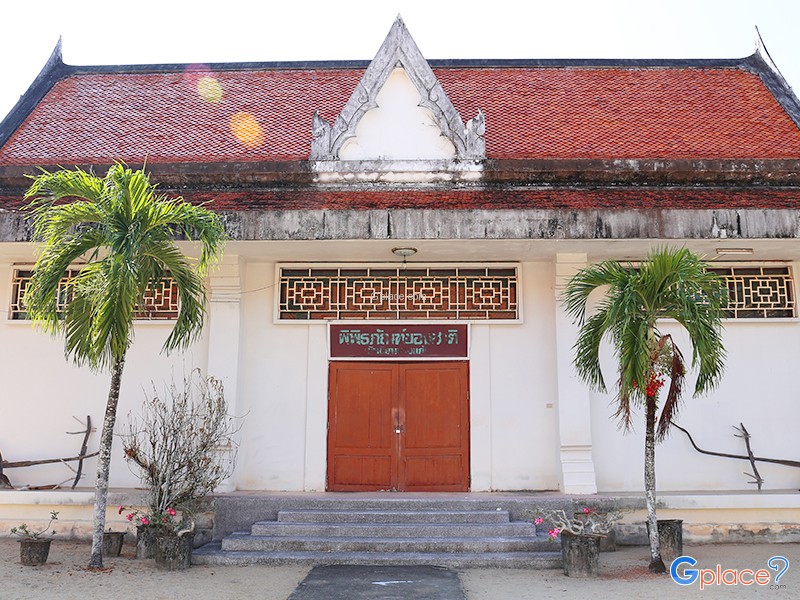
Culturally, Wat Khian Bang Kaeo is revered as the "Cradle of Manohra," the most prestigious traditional dance of Southern Thailand. Legend links the temple to Princess Nuan Thong Samlee, who gave birth to Khun Sri Sattha, the legendary progenitor and master teacher of the entire Manohra lineage. The temple grounds thus represent a profound convergence of religious and secular history. Registered as a national historical site by the Fine Arts Department since 1937, the temple also features an on-site museum. This treasury preserves rare artifacts, including clay amulets, Sangkhalok ceramics, and excavated antiques that confirm the site's former glory as a vital maritime trading hub on the ancient Silk Road of the sea.
How to Get There
- From Phatthalung city center, take Highway 4081 towards Khao Chaison. At the 14th kilometer mark (Ban Bang Kaeo area), turn left and continue for approximately 2.5 kilometers to reach the temple.
Travel Tips
- Visit early in the morning or late afternoon to avoid heat and enjoy the best lighting for photography
- Dress modestly as this is a sacred site; avoid sleeveless tops and short shorts
- Walk around the pagoda to appreciate its architectural details
- Don’t miss the on-site museum to learn about local history and artifacts
Admission Fees:
- Free admission.
Opening Hours:
- Open daily from 08:00 AM – 05:00 PM
Wat Khian Bang Kaeo

 Share
Share
 T.Chong Thanon, A.Khao Chaison, Phatthalung, 93130
Map
T.Chong Thanon, A.Khao Chaison, Phatthalung, 93130
Map
 Closed today
Mon8.00 - 17.00
Tue8.00 - 17.00
Wed8.00 - 17.00
Thu8.00 - 17.00
Fri8.00 - 17.00
Sat8.00 - 17.00
Sun8.00 - 17.00

 https://thai-tour.com/thai-tour/south/pattalung/data/place/pic-wat-keanbangkeaw.htm

 3912
3912