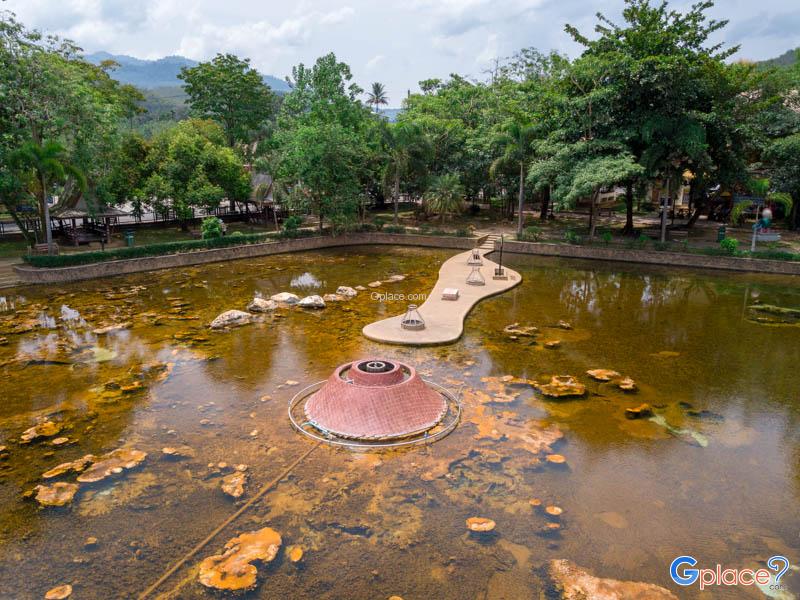
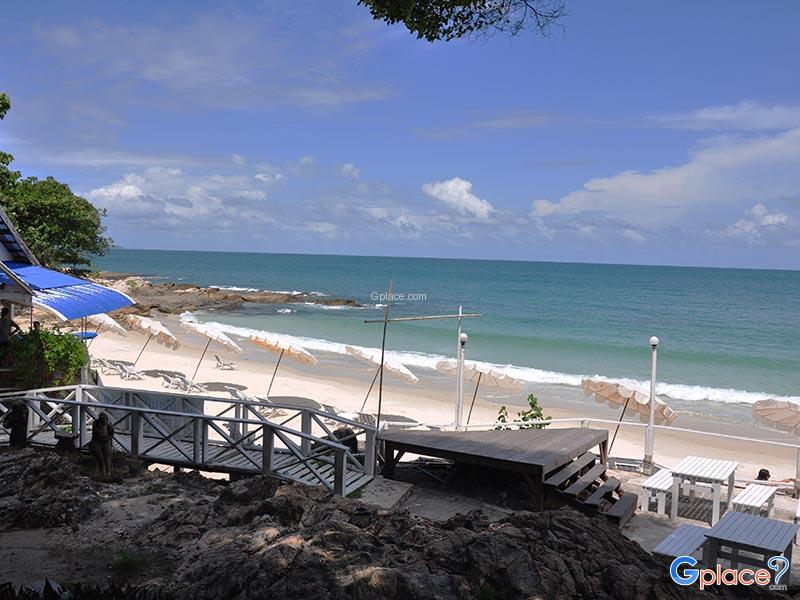
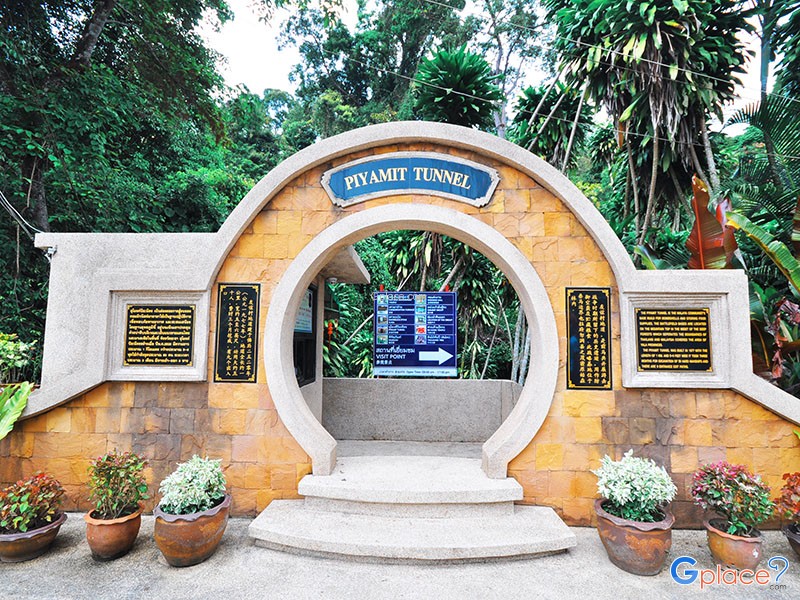
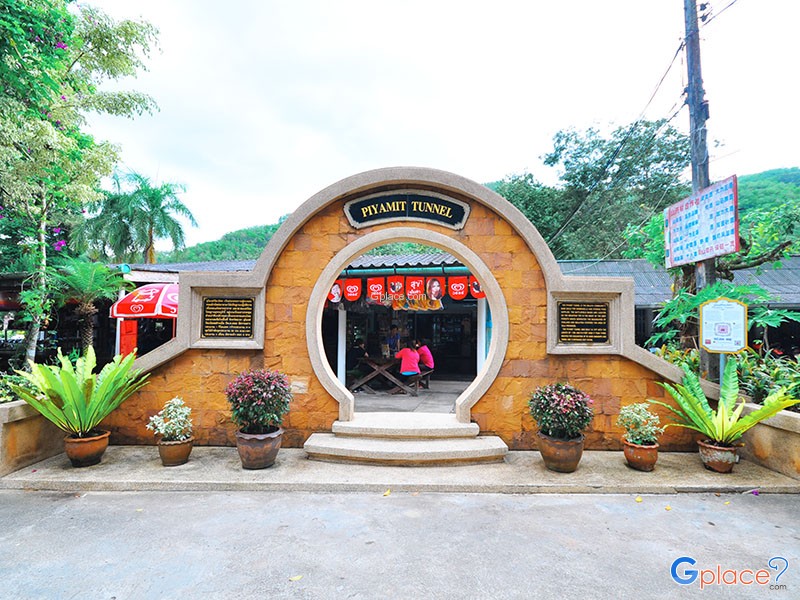
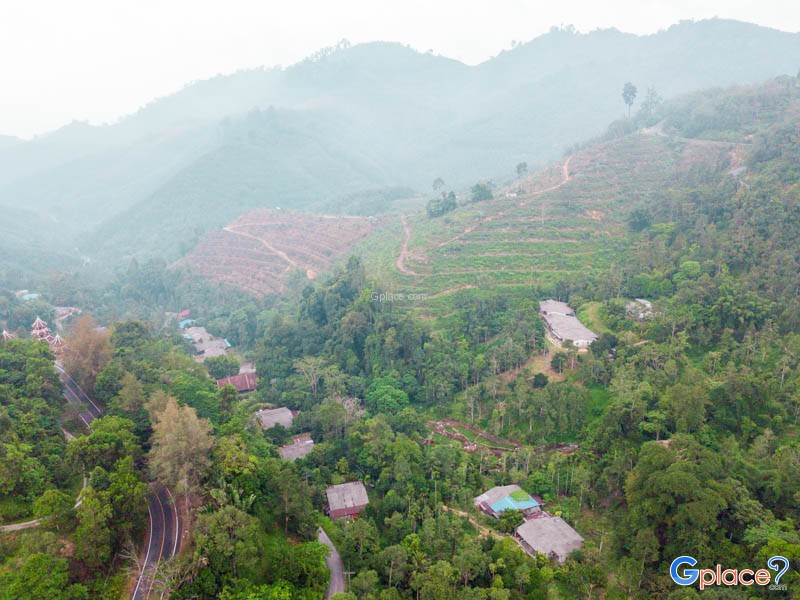
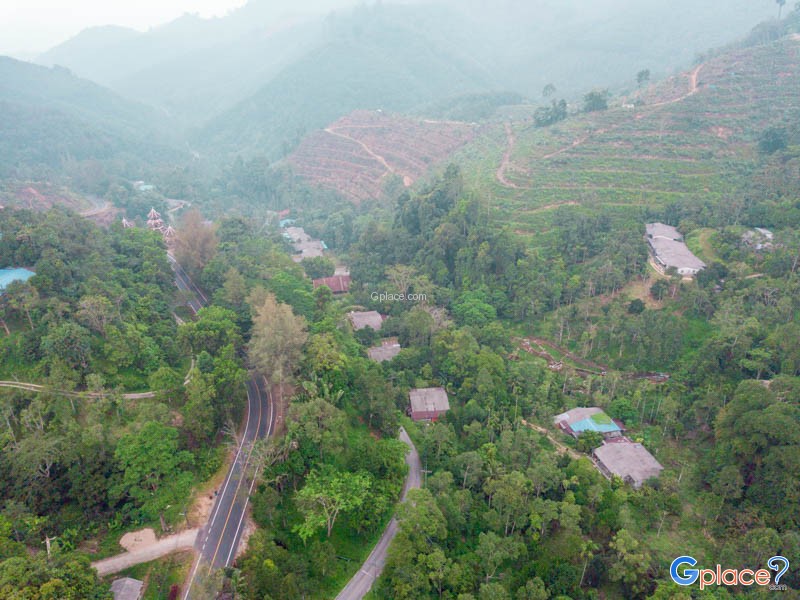
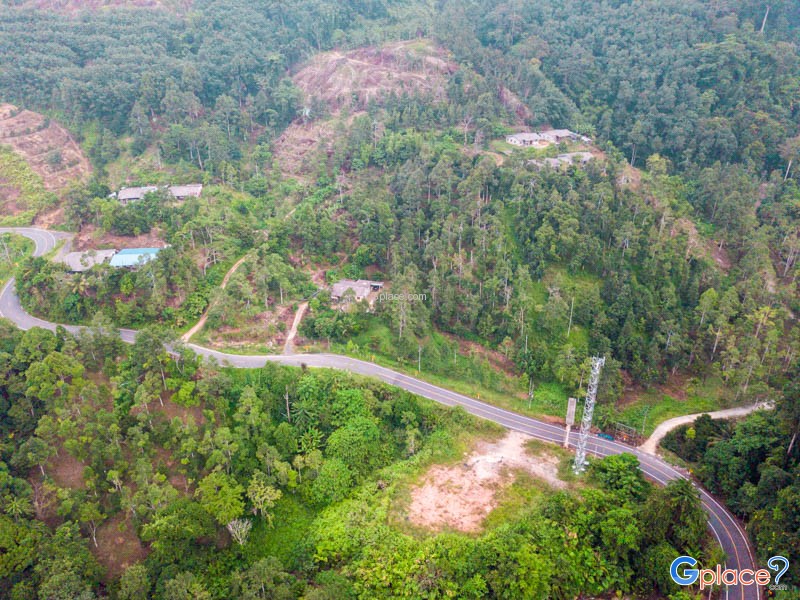
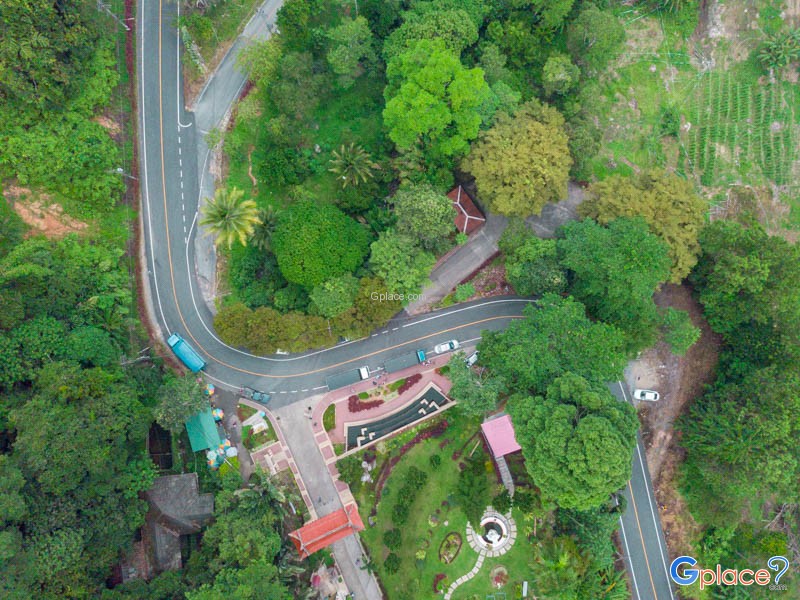
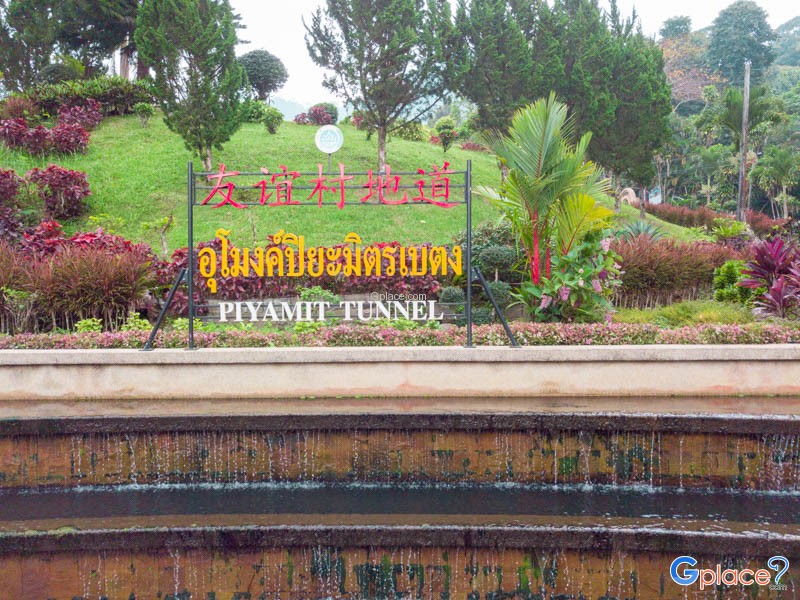
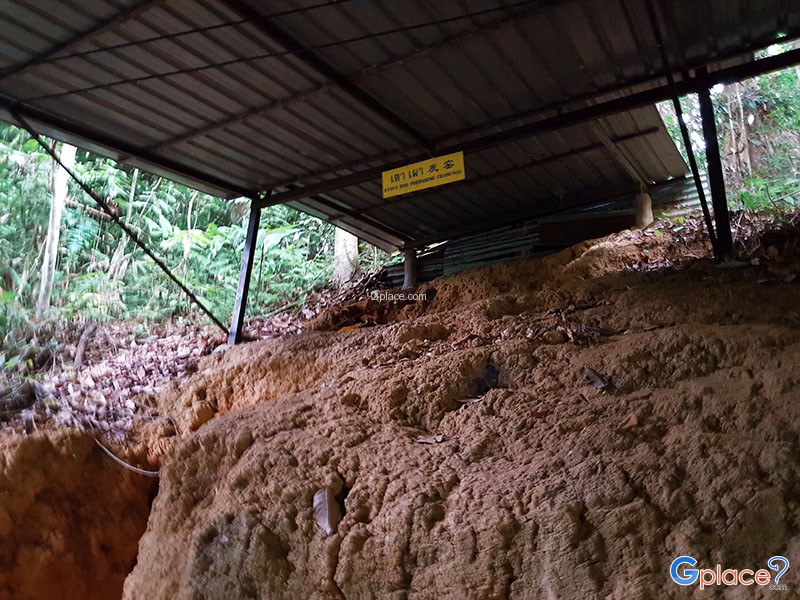
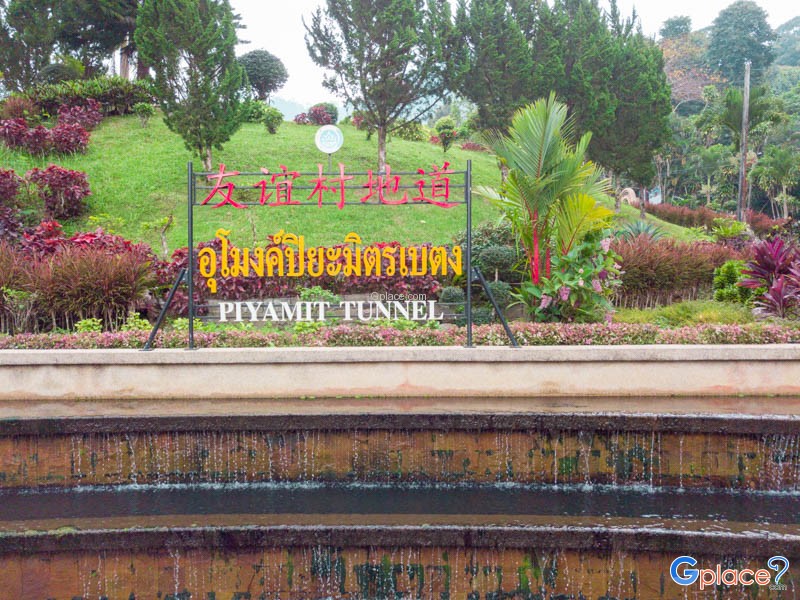
Piyamit Tunnel (Piyamit Tunnel) is an important historical attraction in Betong District, Yala Province. It is situated amidst lush tropical rainforest and fertile mountain ranges. This area once served as a major operational base of the Malayan Communist Party (MCP, Zone 2) during the period of political and ideological conflict along the Thai–Malaysian border. Today, it has been developed into a historical learning center that welcomes visitors throughout the year.
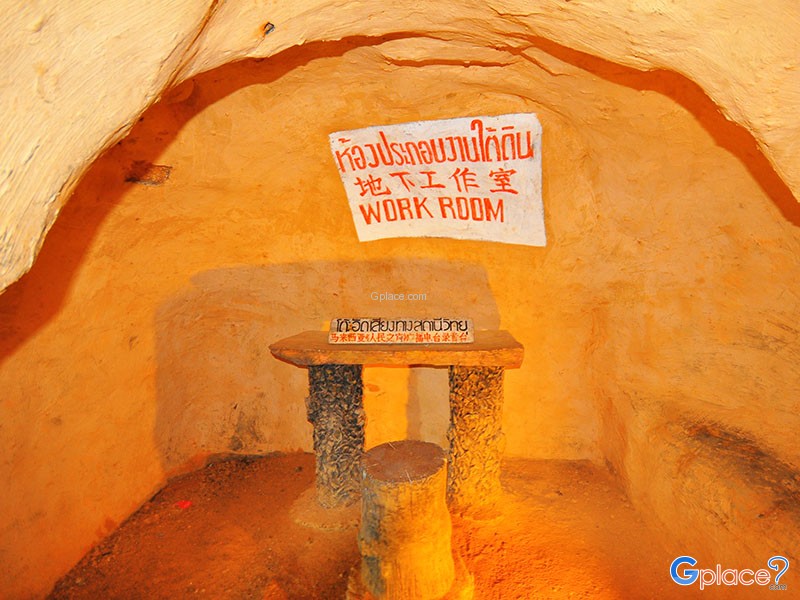
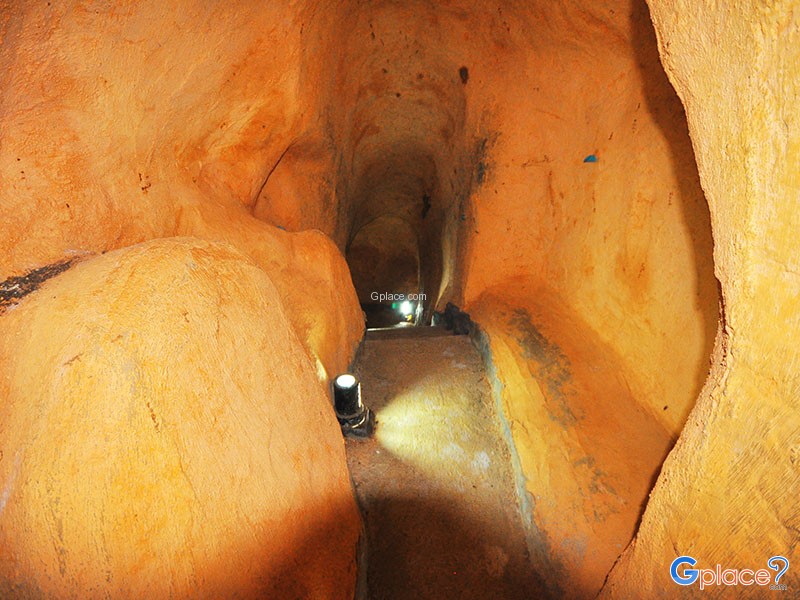
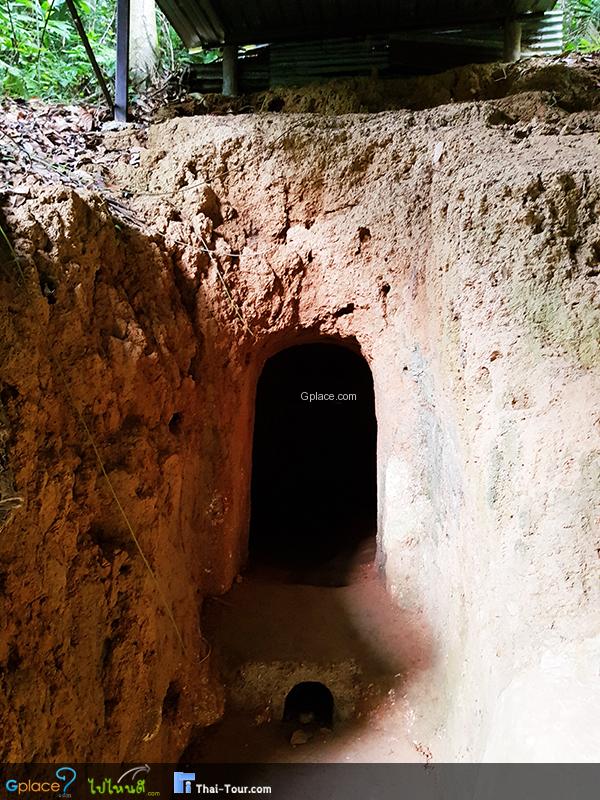
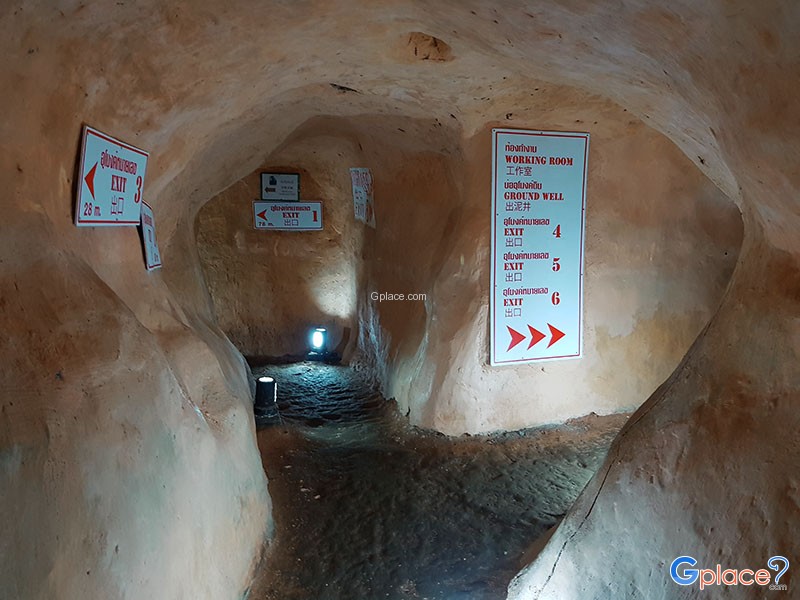
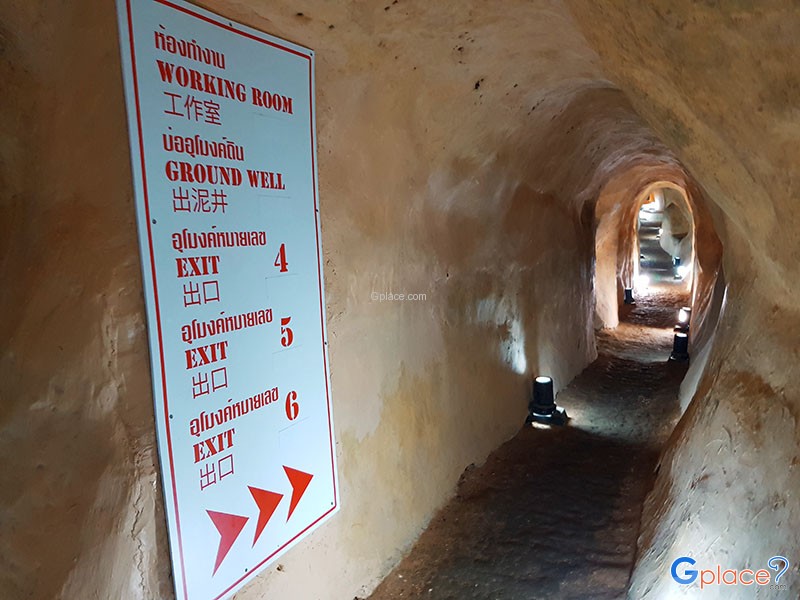
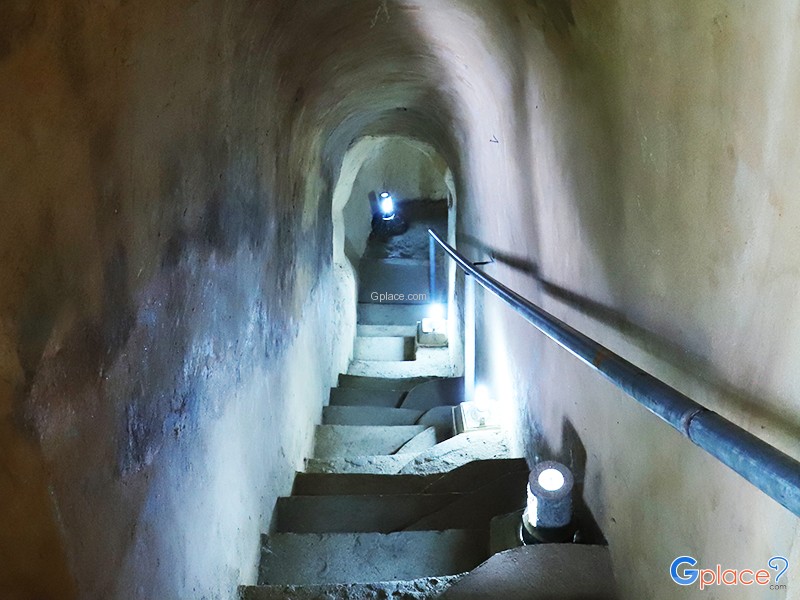
The tunnel was constructed in 1976 (B.E. 2519) entirely by manual labor and took only about three months to complete. The tunnel stretches approximately 1 kilometer in length, covers an internal area of around 875 square meters, and has an average width_ of 5–6 feet. The structure was designed as a shelter and command center capable of supporting long-term habitation. Inside, it is divided into various rooms, including meeting rooms, sleeping quarters, radio communication rooms, medical rooms, weapon storage rooms, and food supply warehouses.
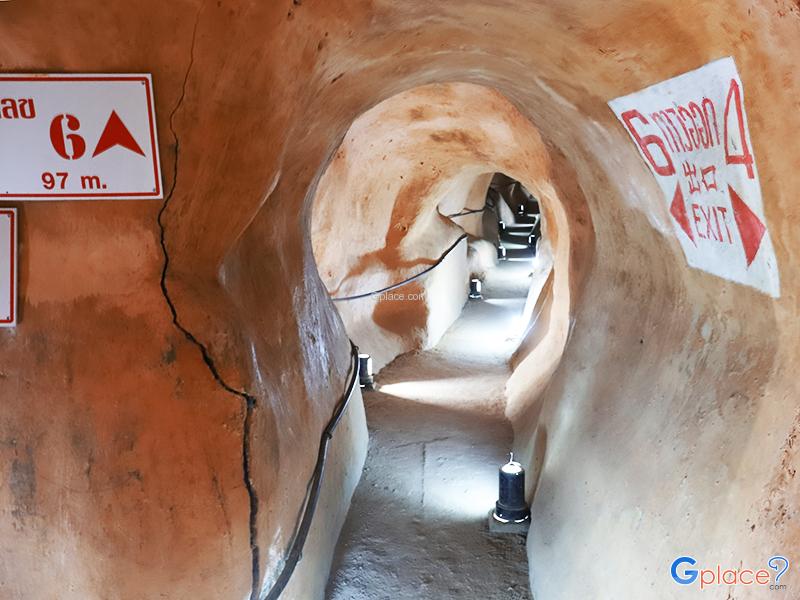
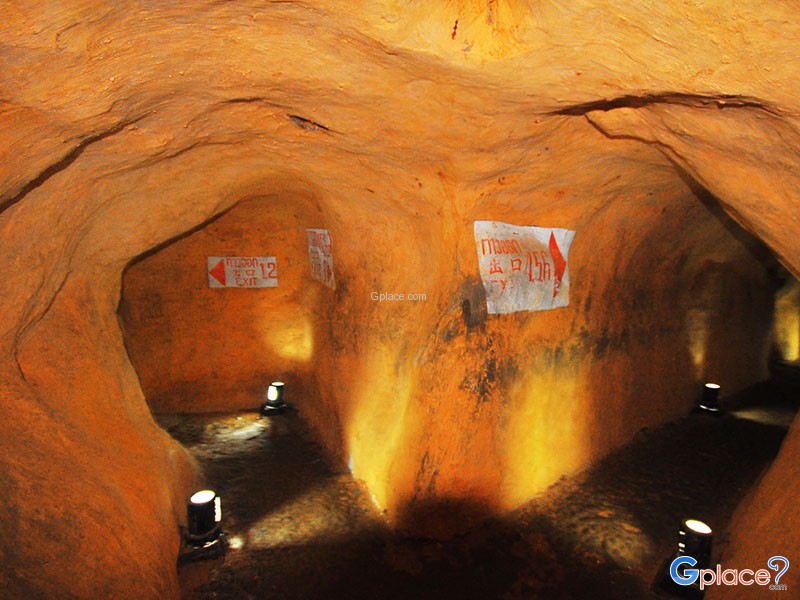
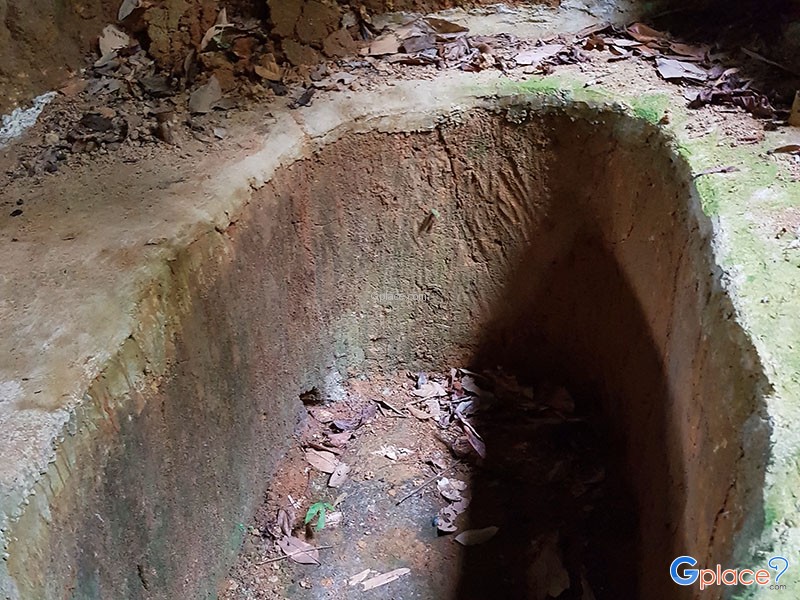
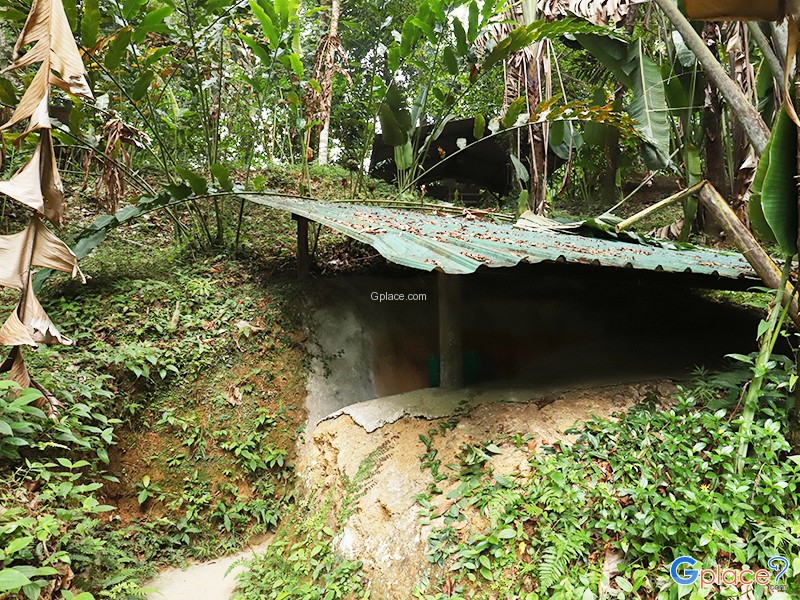
One of the tunnel’s most impressive features is its natural ventilation system, ingeniously designed with air shafts connected to the mountain above, allowing fresh air to circulate continuously. As a result, the interior remains cool and well-ventilated without feeling damp or stuffy. In addition, the tunnel contains nine entrances and exits, built to provide protection from aerial attacks and facilitate troop movement. It stands as an important example of strategic military construction in the history of Thailand’s southern border region.
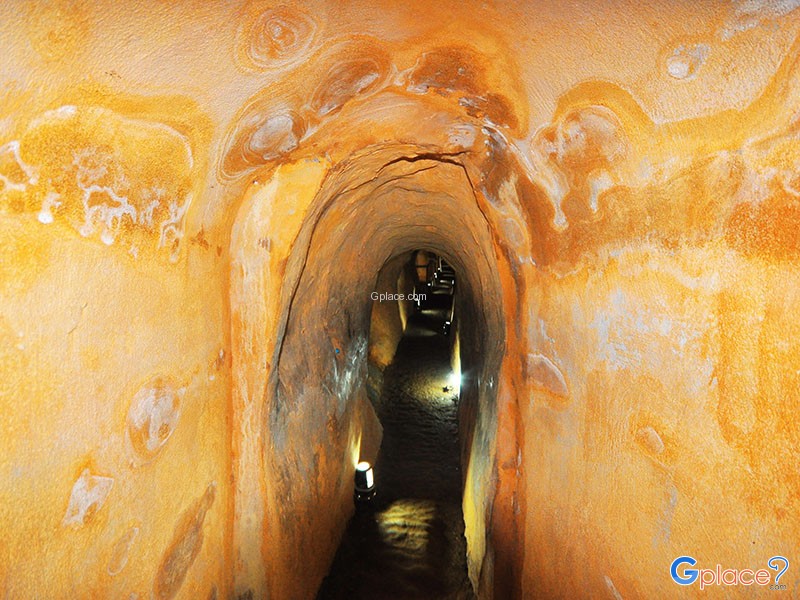
Today, visitors can walk through the tunnel along a route equipped with lighting throughout the passageways, gaining insight into the living conditions of those who once resided and operated underground. The tunnel vividly reflects the lifestyle, endurance, and adaptability of people during a significant historical period.
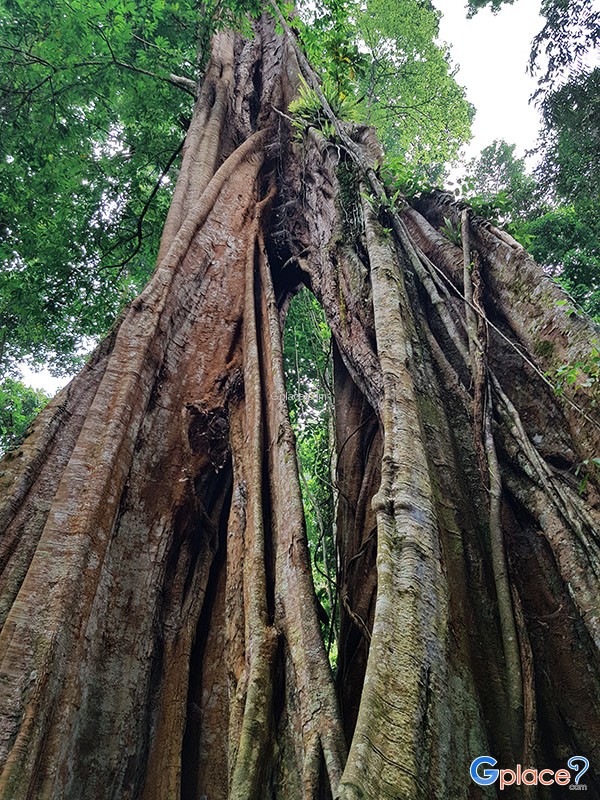
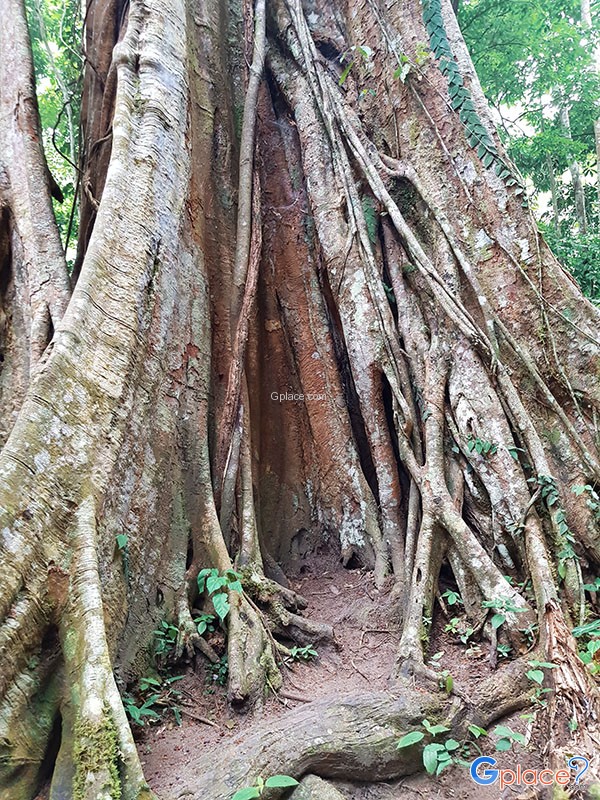
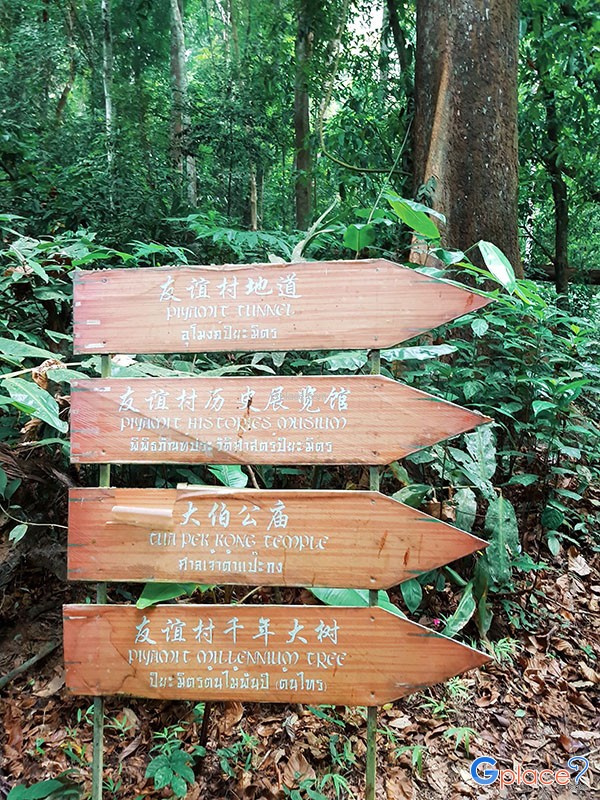
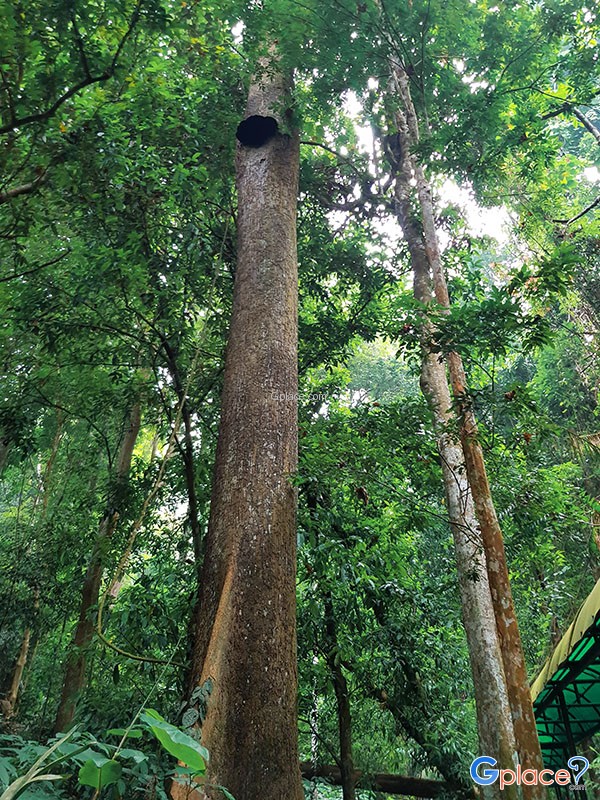
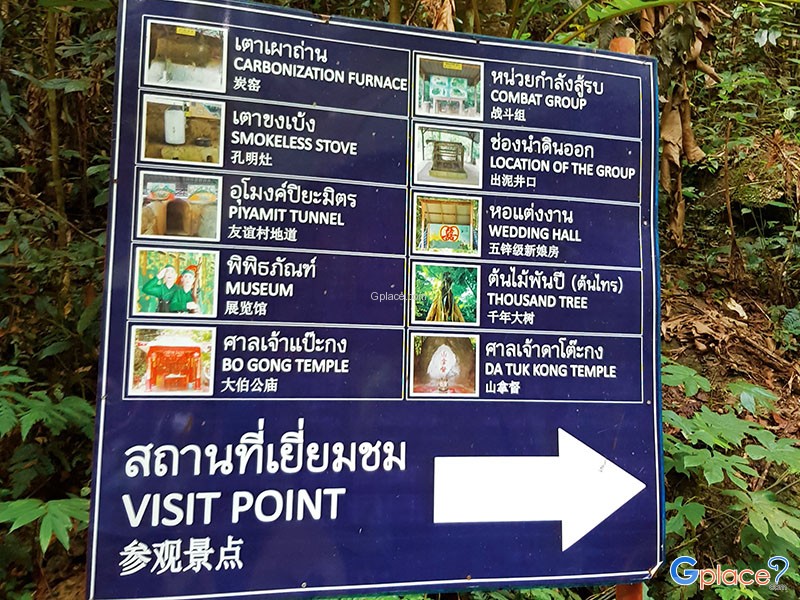
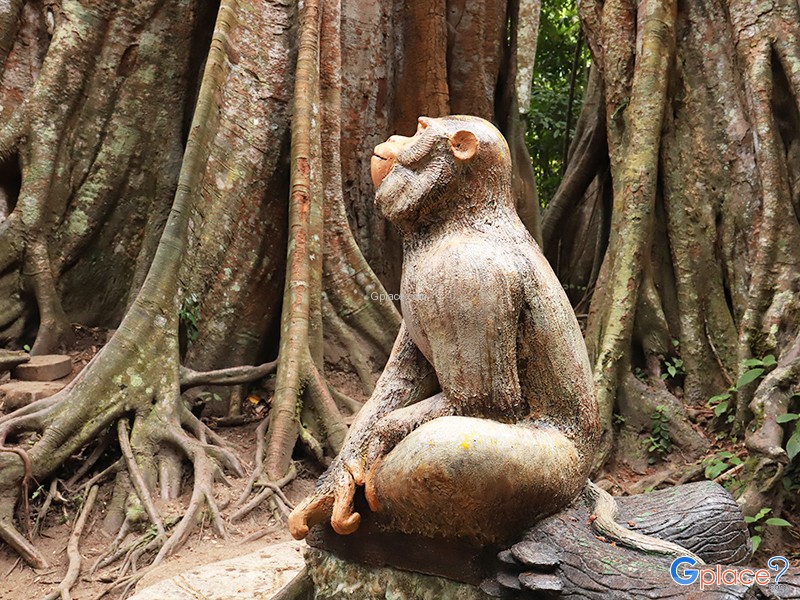
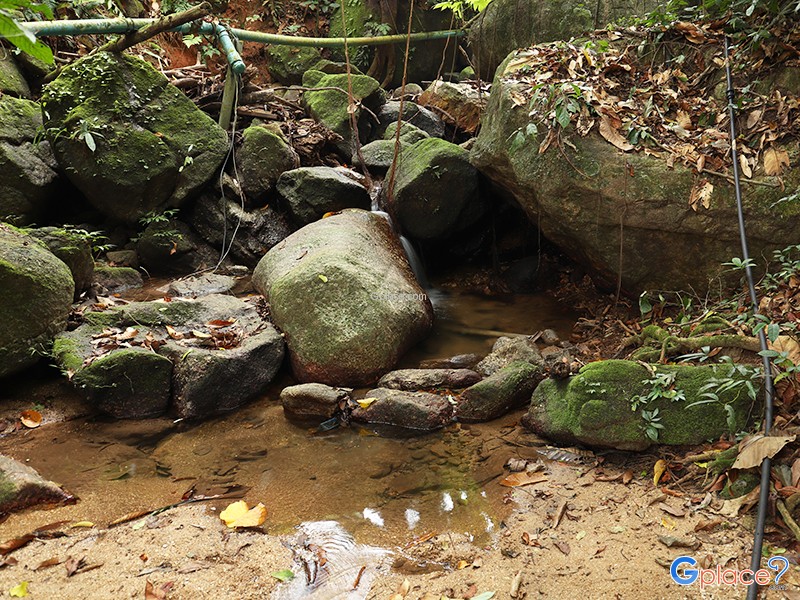
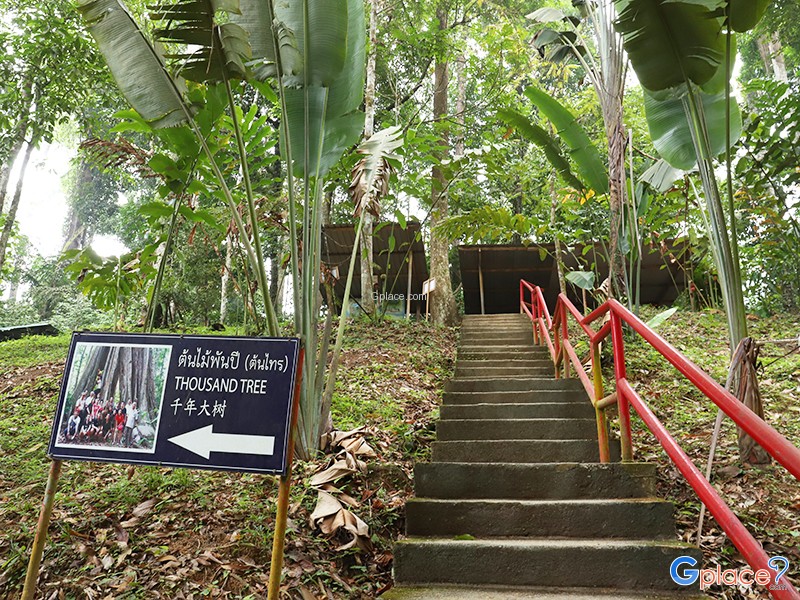
Before reaching the tunnel, visitors pass through a nature study trail surrounded by rich tropical rainforest, home to a variety of plant species and wildlife. The highlight of the trail is the thousand-year-old Sampong tree, a giant tree estimated to be over 1,000 years old. Its enormous trunk and magnificent canopy have made it a symbol of Piyamit Tunnel and a favorite photography spot among visitors.
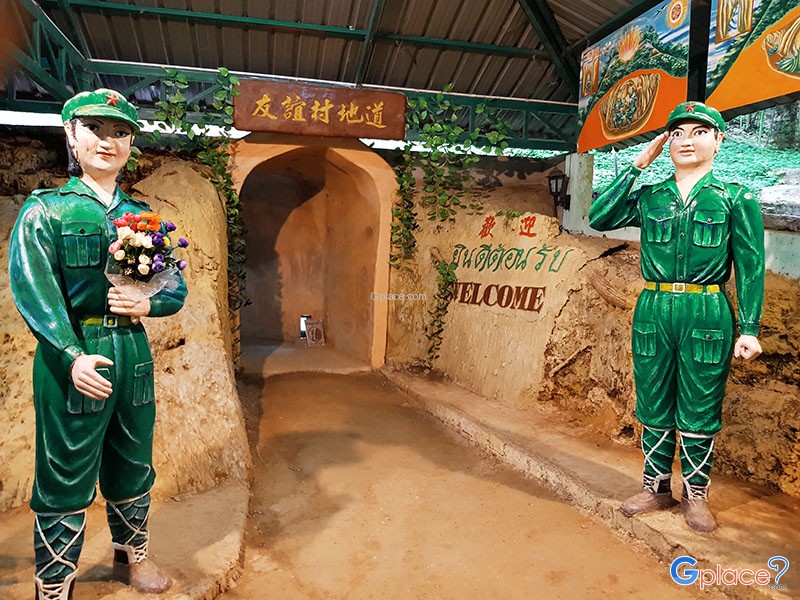
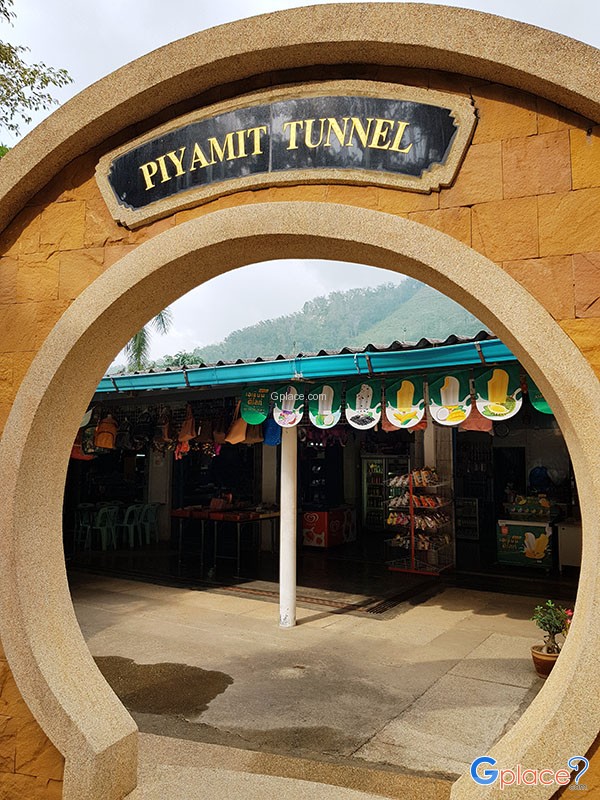
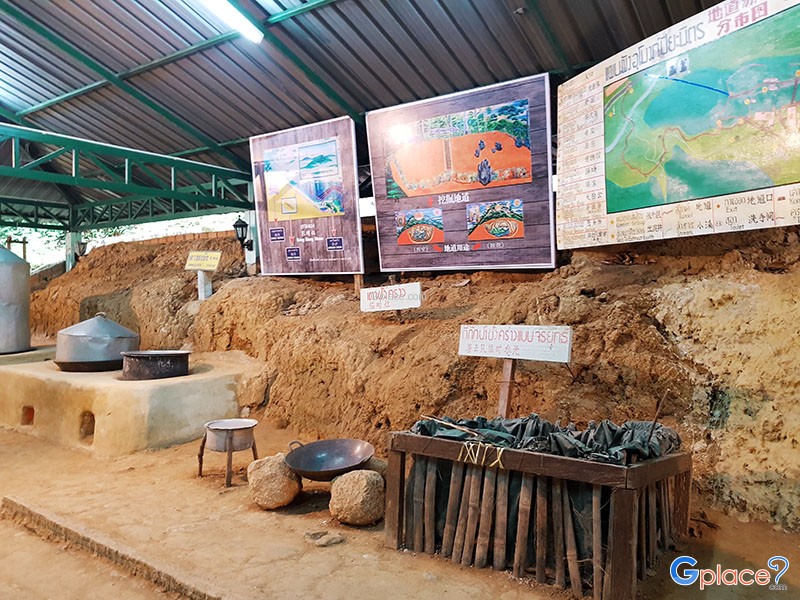
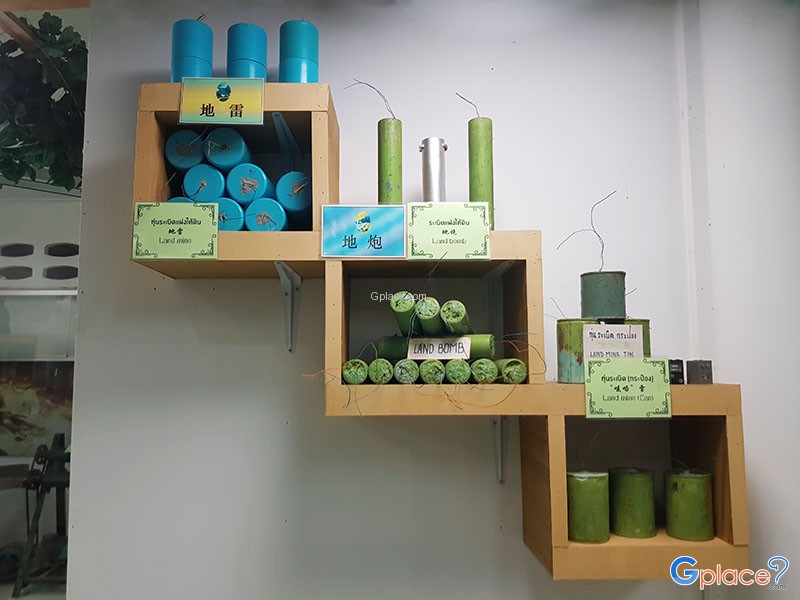
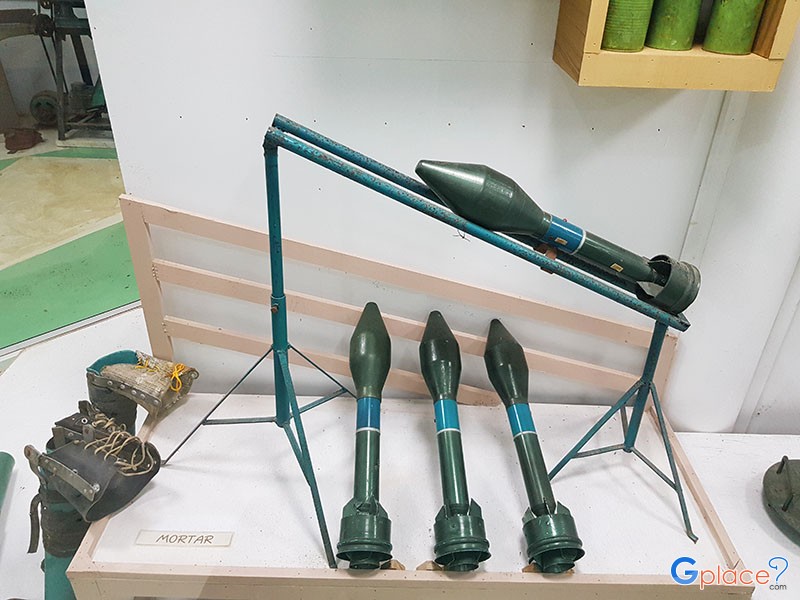
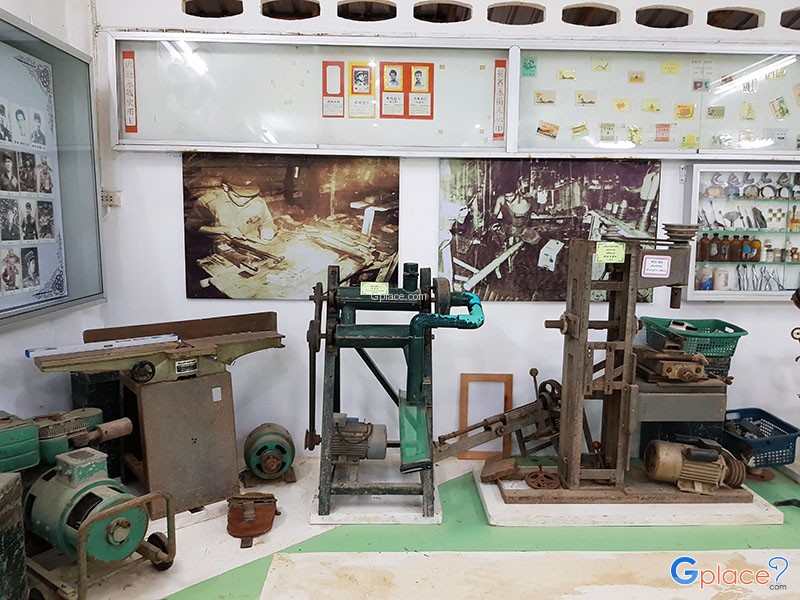
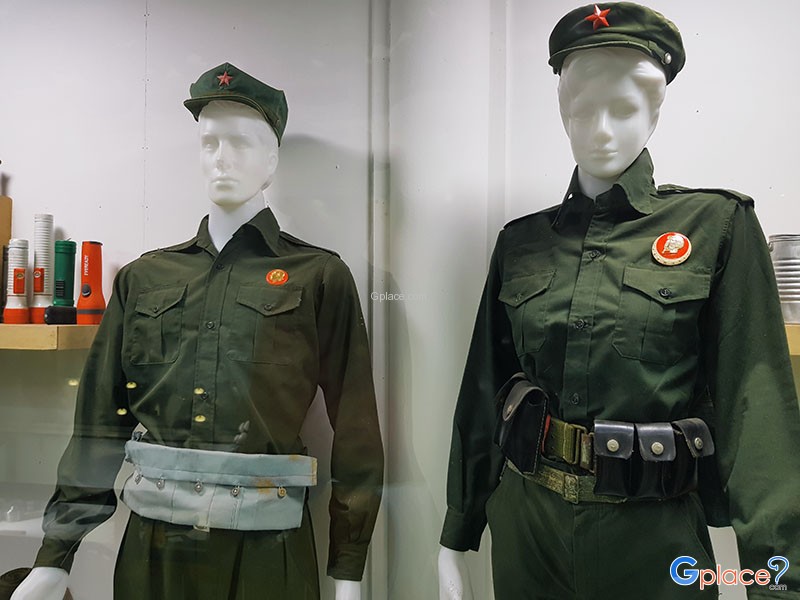
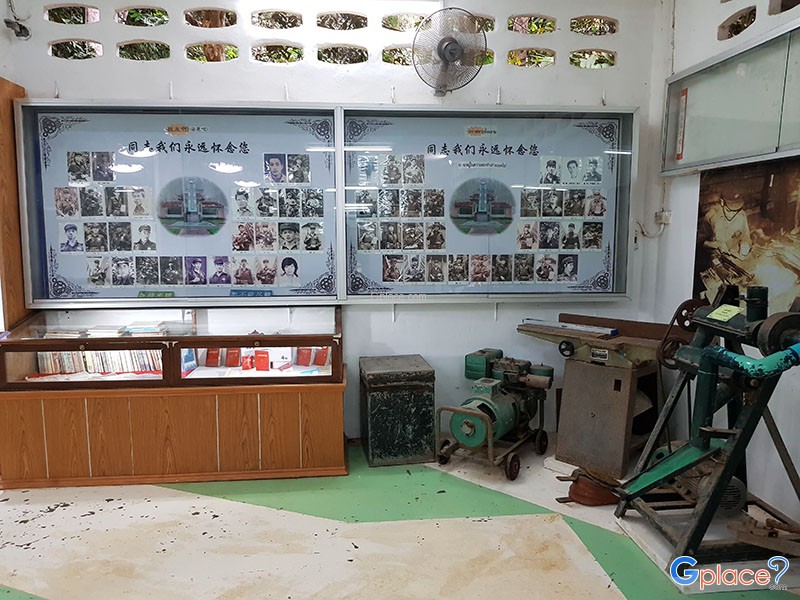
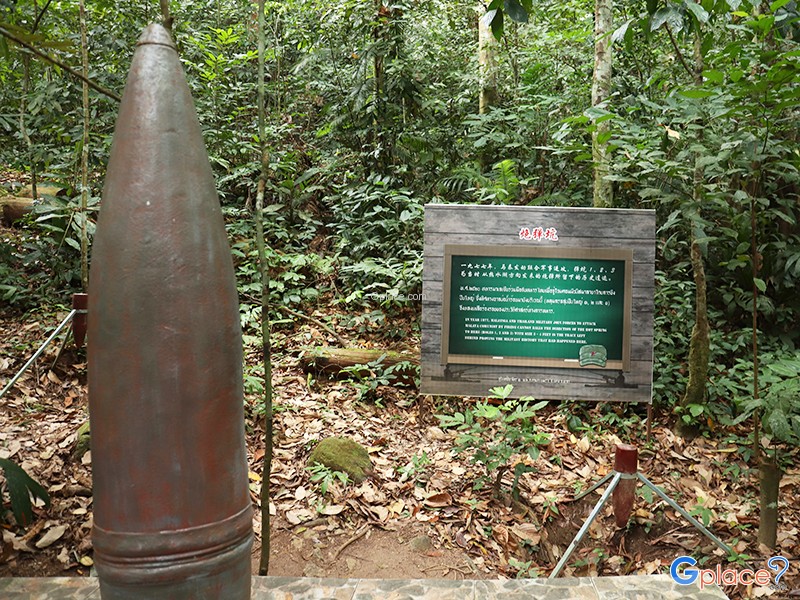
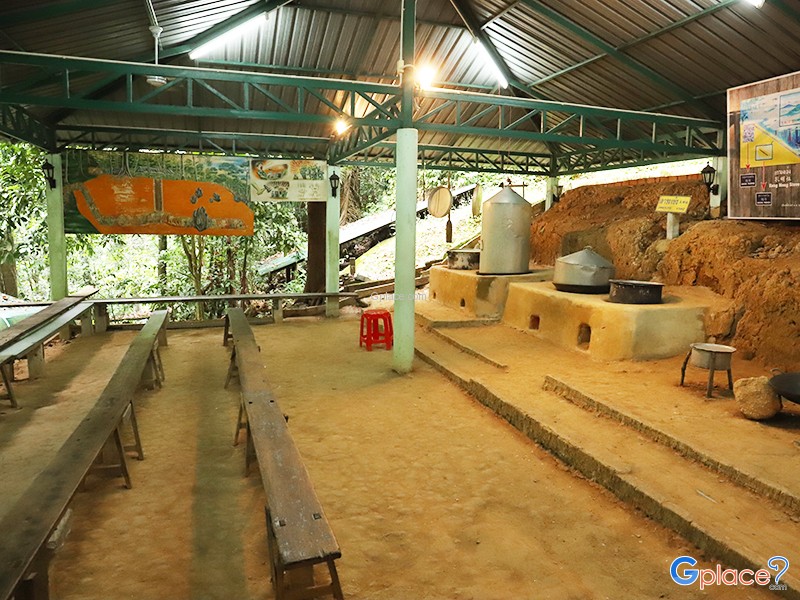
At the entrance area, there is a historical museum and exhibition center displaying photographs, documents, household items, communication equipment, weapons, and authentic clothing used during that era. The exhibits also provide information about border-area conflicts, life inside the stronghold, and the peace process that eventually led to community development, allowing visitors to gain a deeper understanding of the region’s history.
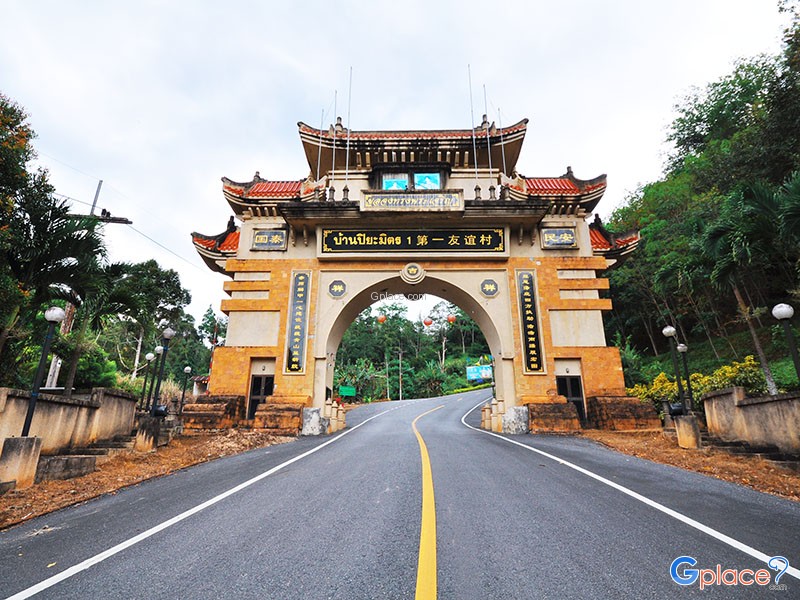
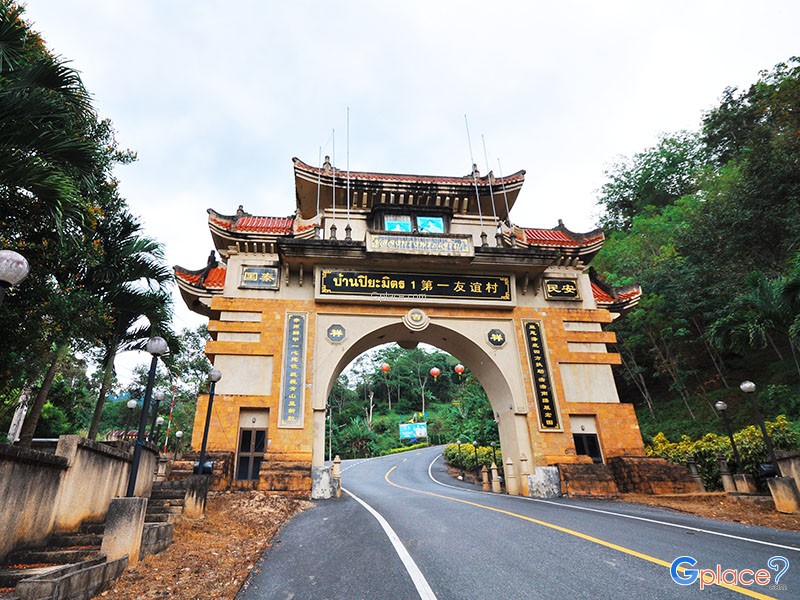
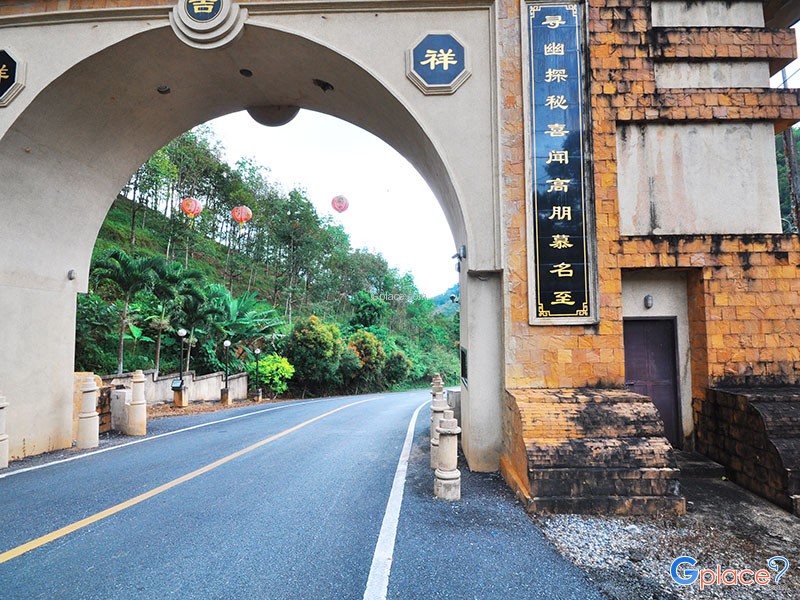
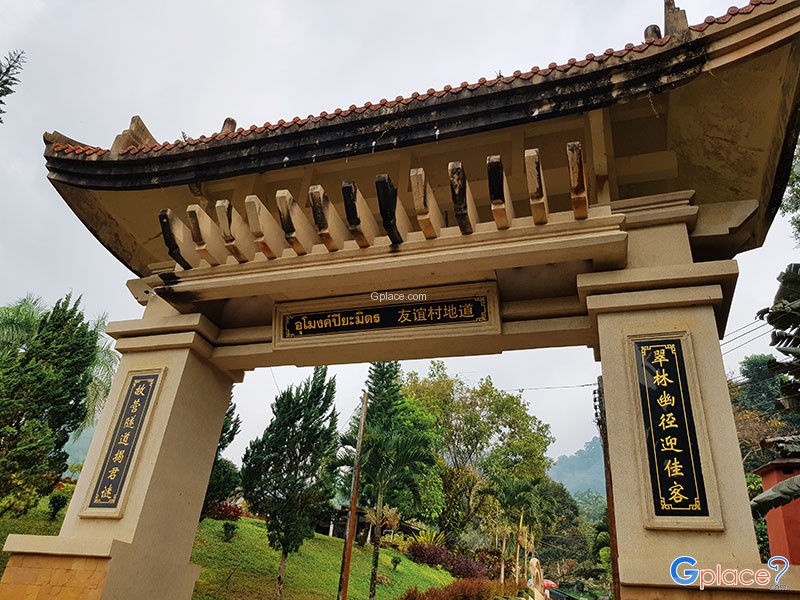
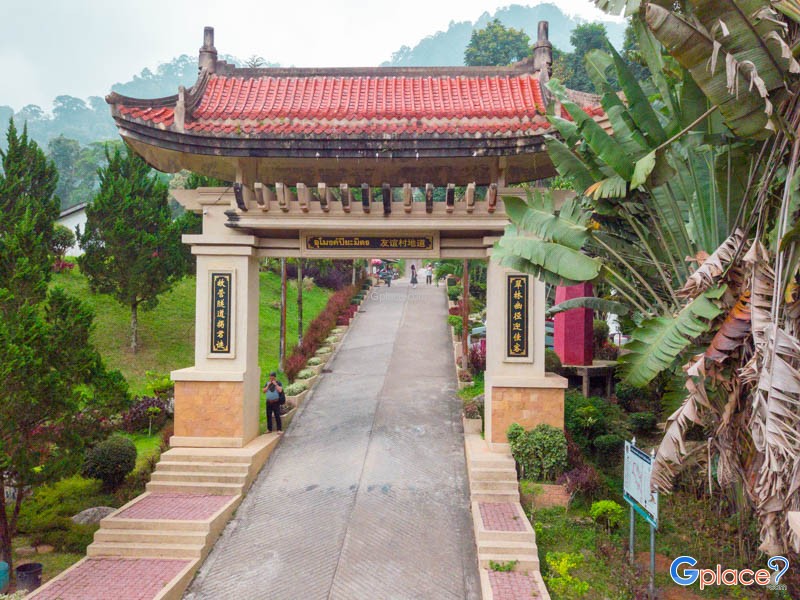
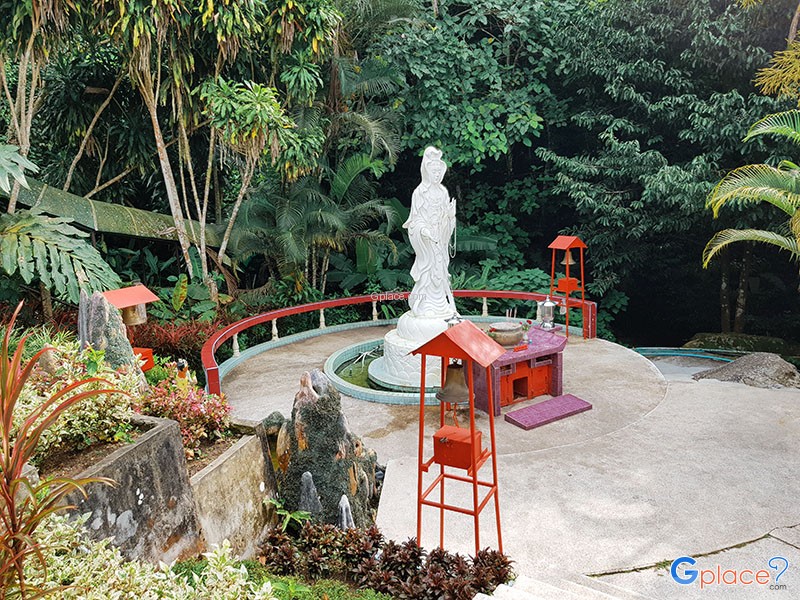
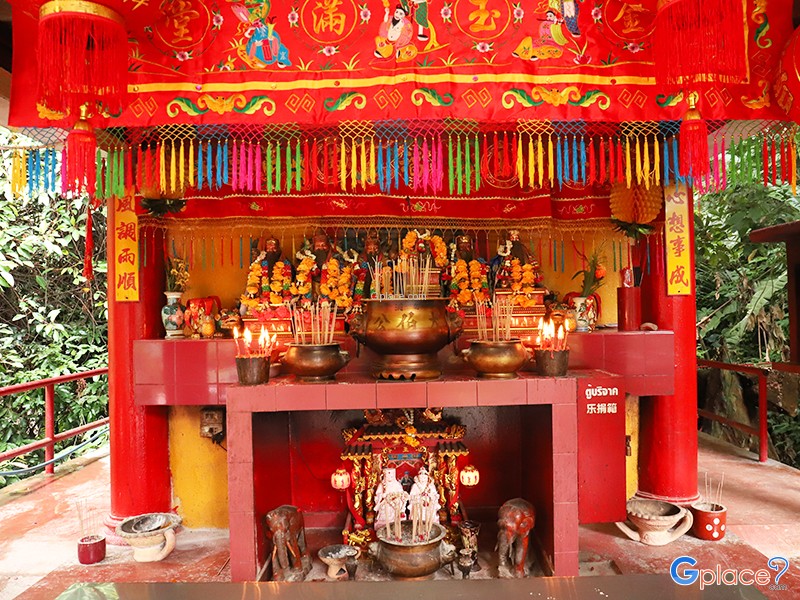
The surrounding area is also home to Piyamit Village 1, a community established by former Thai Nation Development Participants, many of whom were once members of the Malayan Communist Party. Residents continue to preserve aspects of their traditional way of life, particularly Hakka and Cantonese Chinese culture, reflected through local cuisine, language, and customs. As a result, visitors can experience both historical and cultural dimensions in a single destination.
Piyamit Tunnel can be visited throughout the year. The period from November to February offers cooler weather, making it ideal for exploring the natural surroundings. During the rainy season, the surrounding forest becomes exceptionally lush and vibrant, adding charm to the nature trails and valley scenery.
Today, Piyamit Tunnel is a destination that seamlessly combines history, nature, culture, and education. It is one of Betong’s most significant landmarks, preserving an important chapter of southern border history and serving as a must-visit destination for travelers exploring Betong and Yala Province.

 Attractions
  Hotel
Hotel  Restaurant
  Shopping
  Abroad








 Share
Share
 282 Moo 2, Tano Maero, Betong, Yala 95110
Map
282 Moo 2, Tano Maero, Betong, Yala 95110
Map
 Closed today



 4240
4240