
 Attractions
  Hotel
Hotel  Restaurant
  Shopping
  Abroad





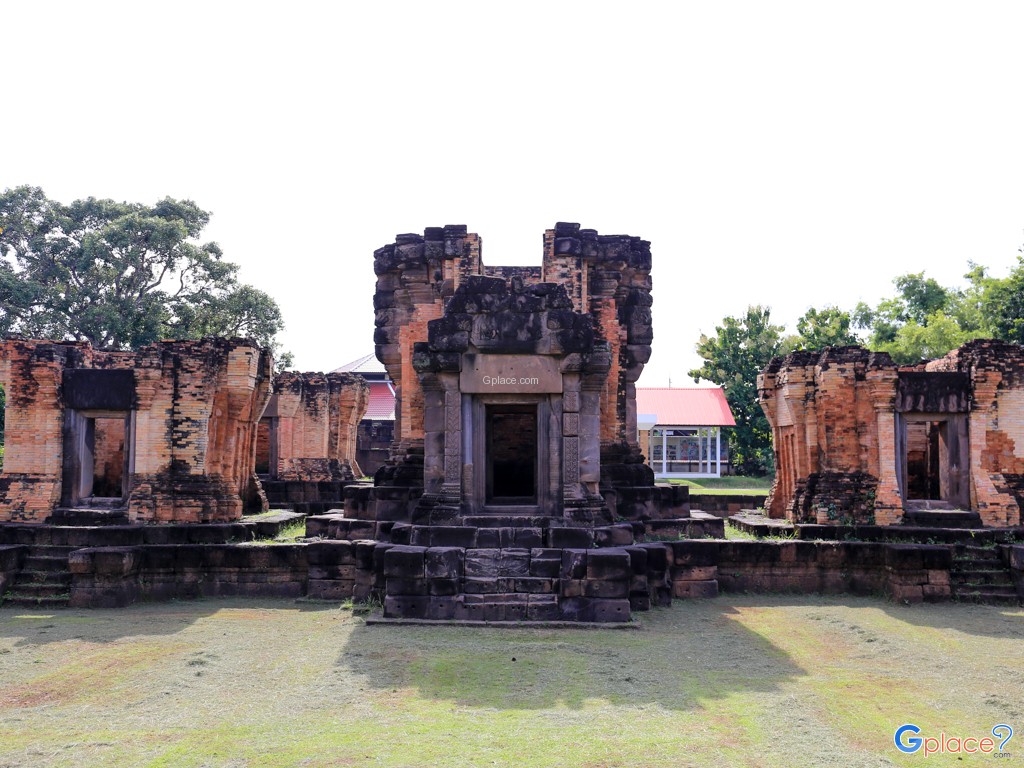

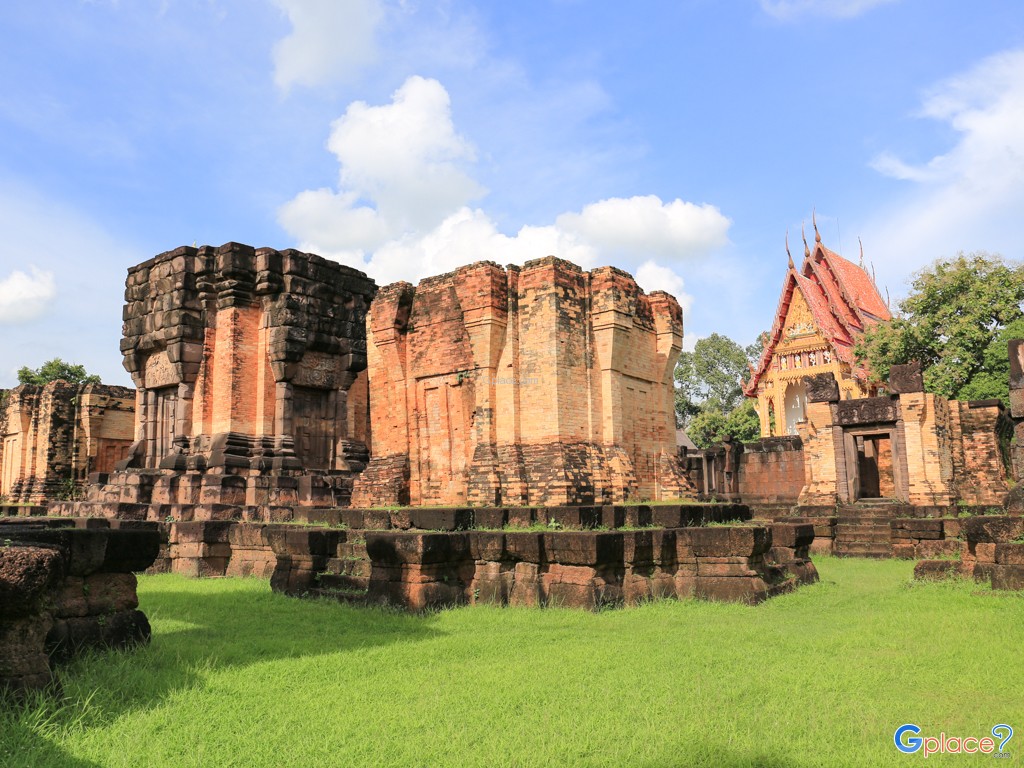

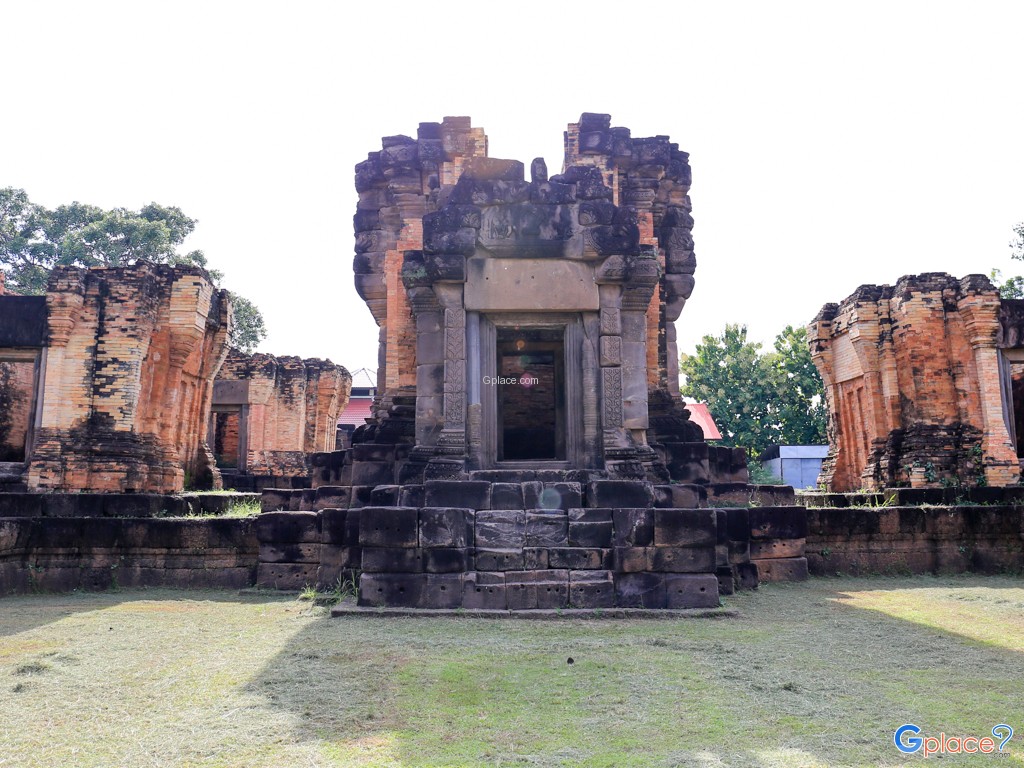
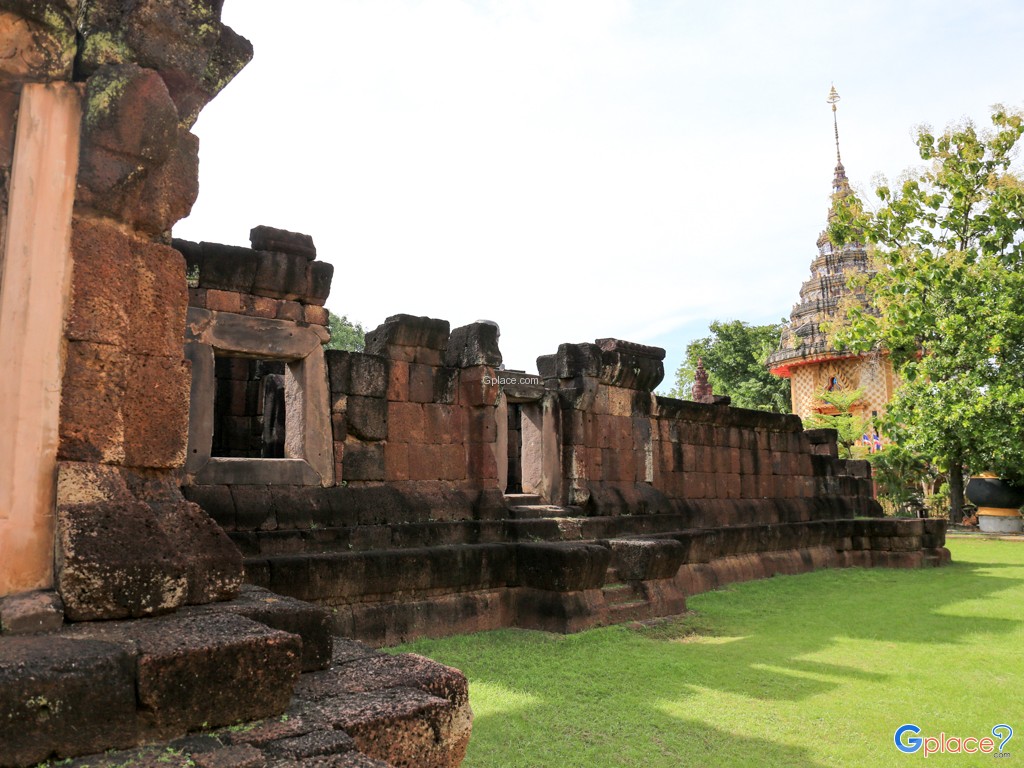
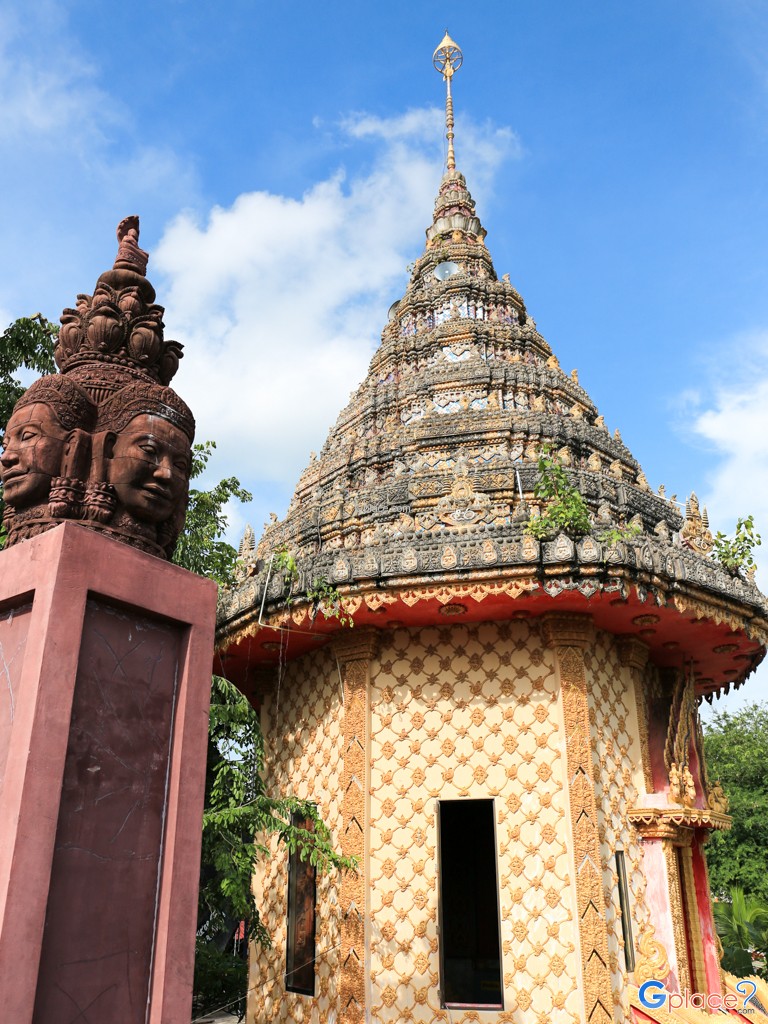
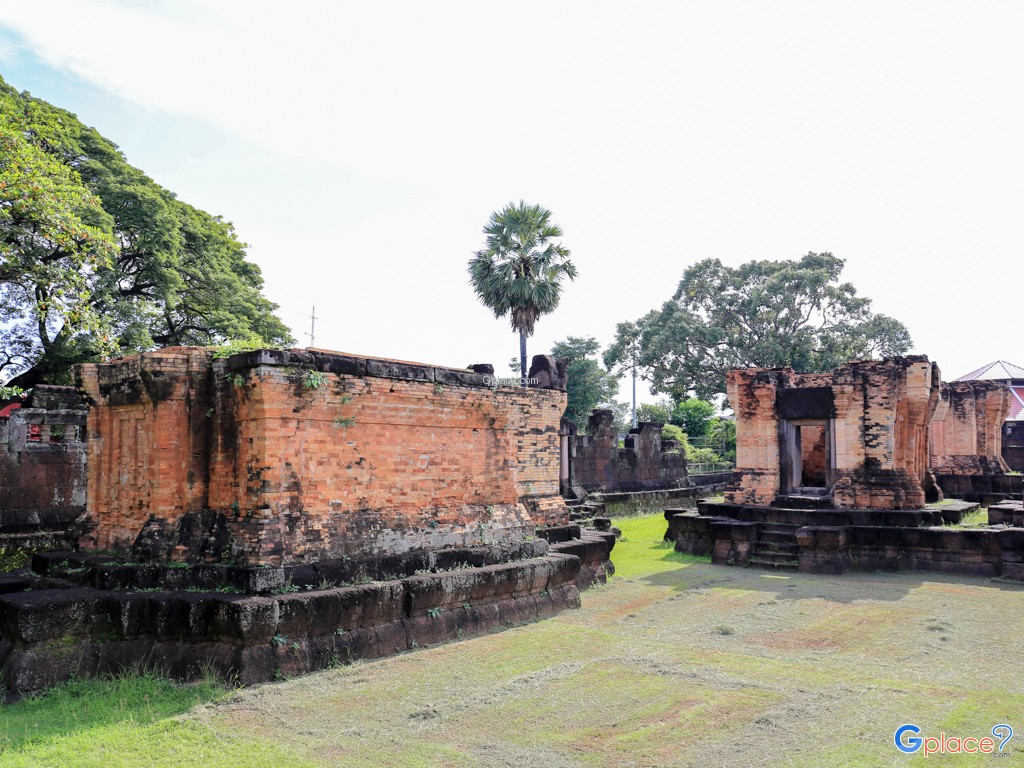
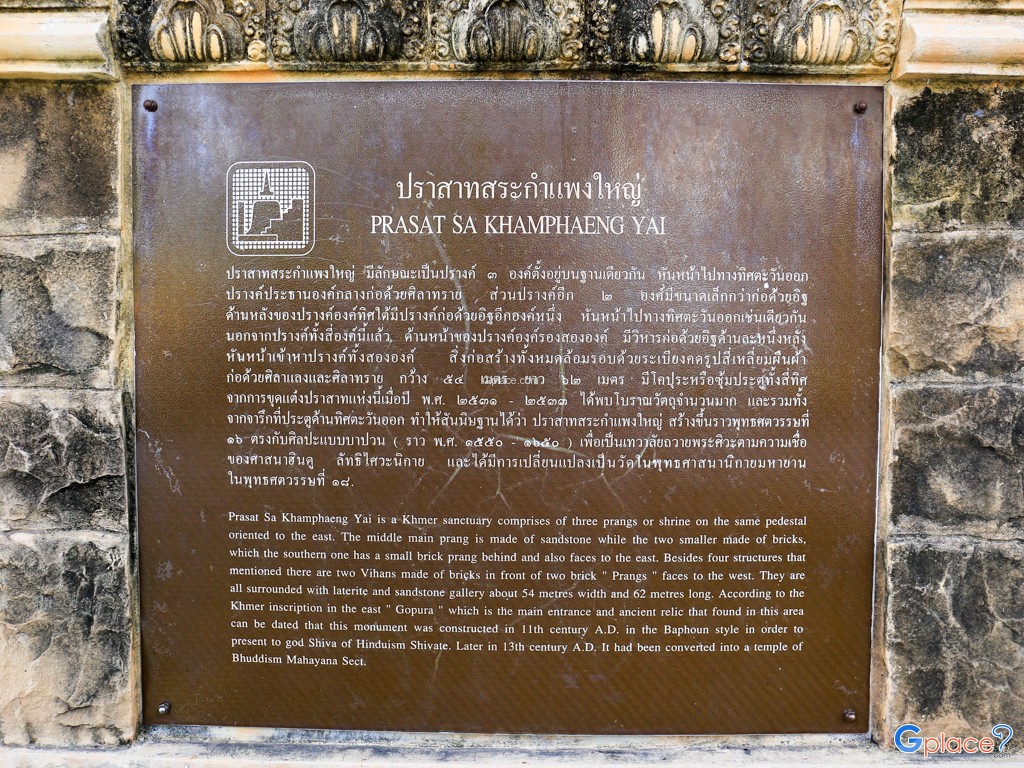
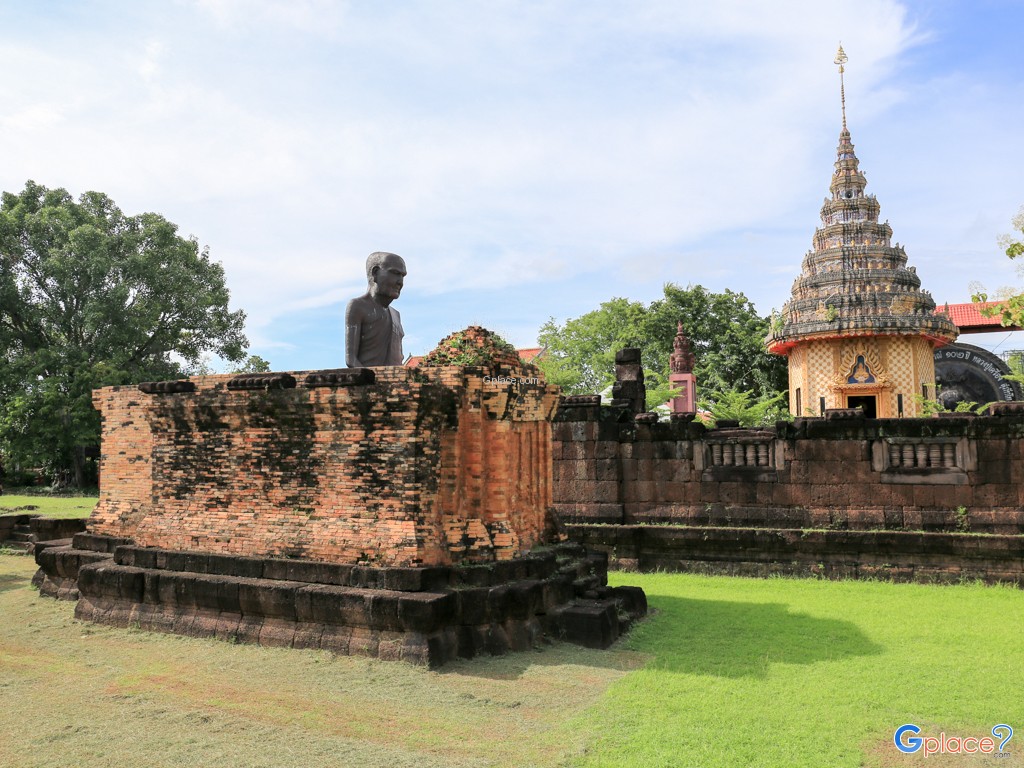
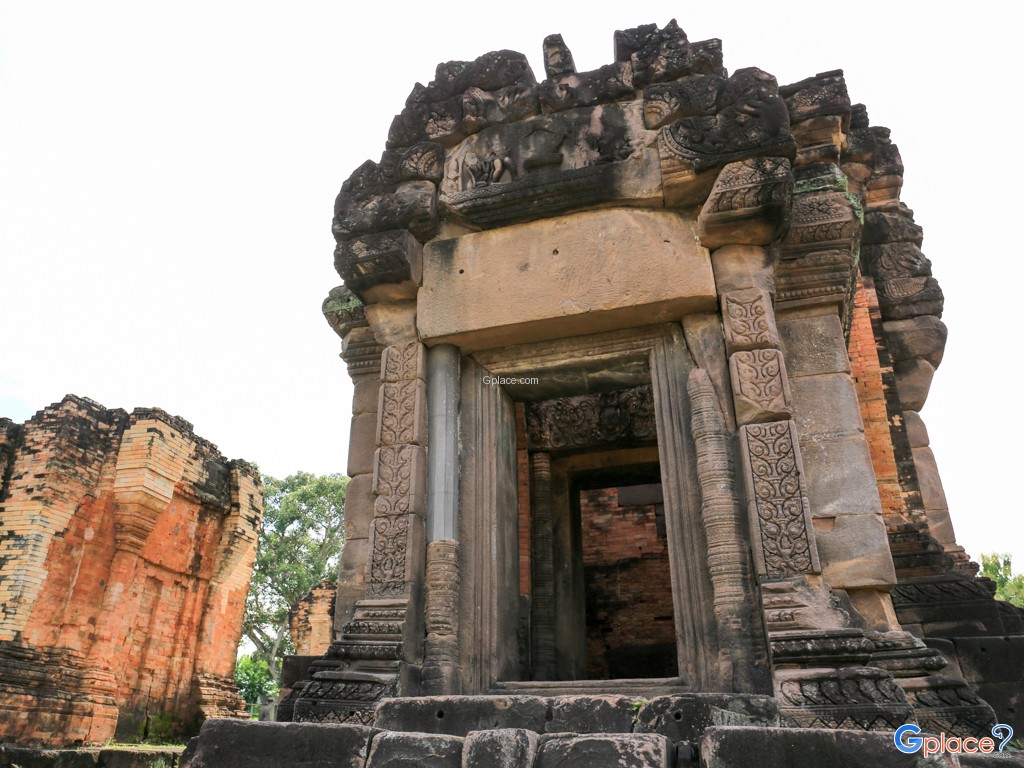
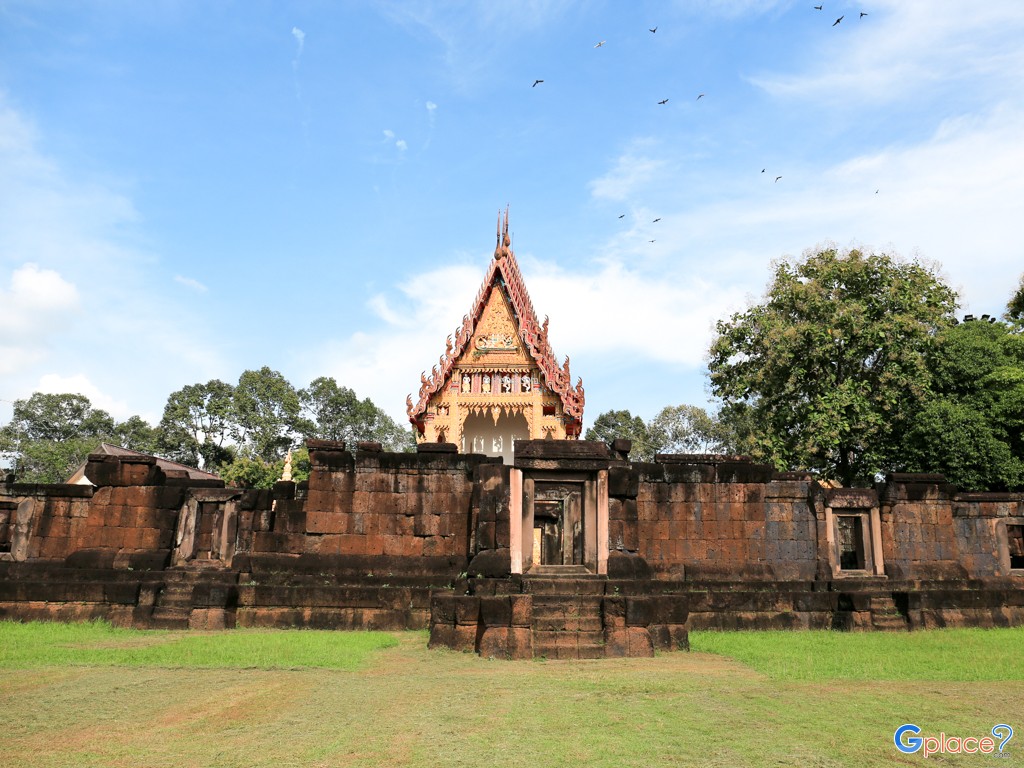
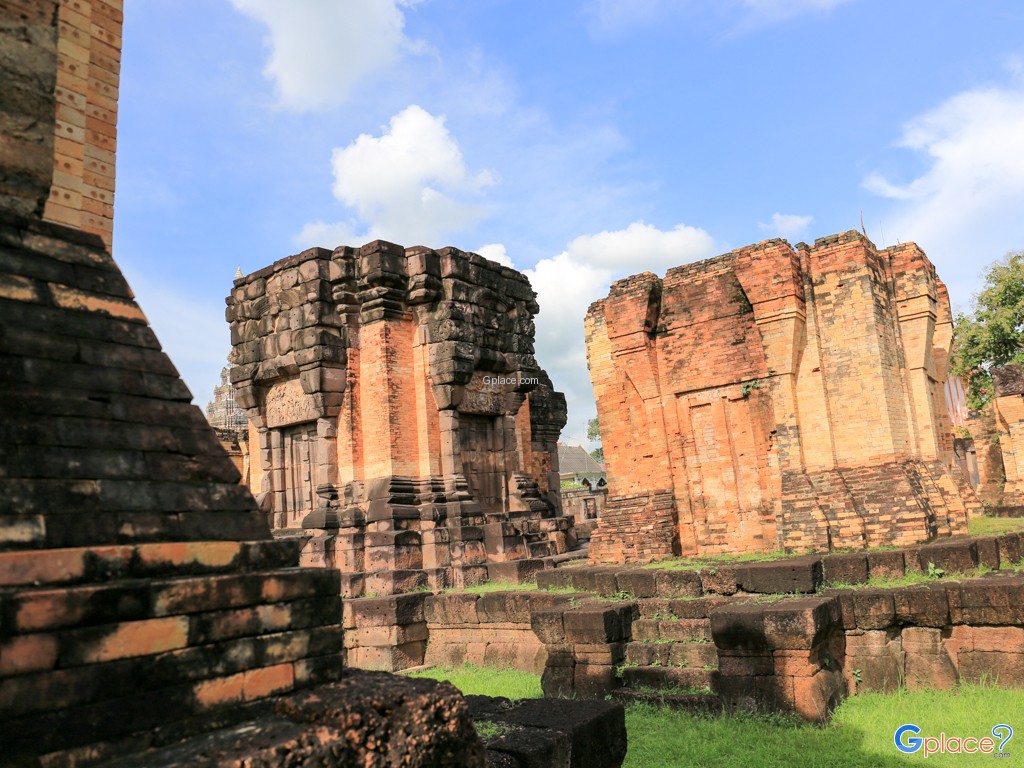
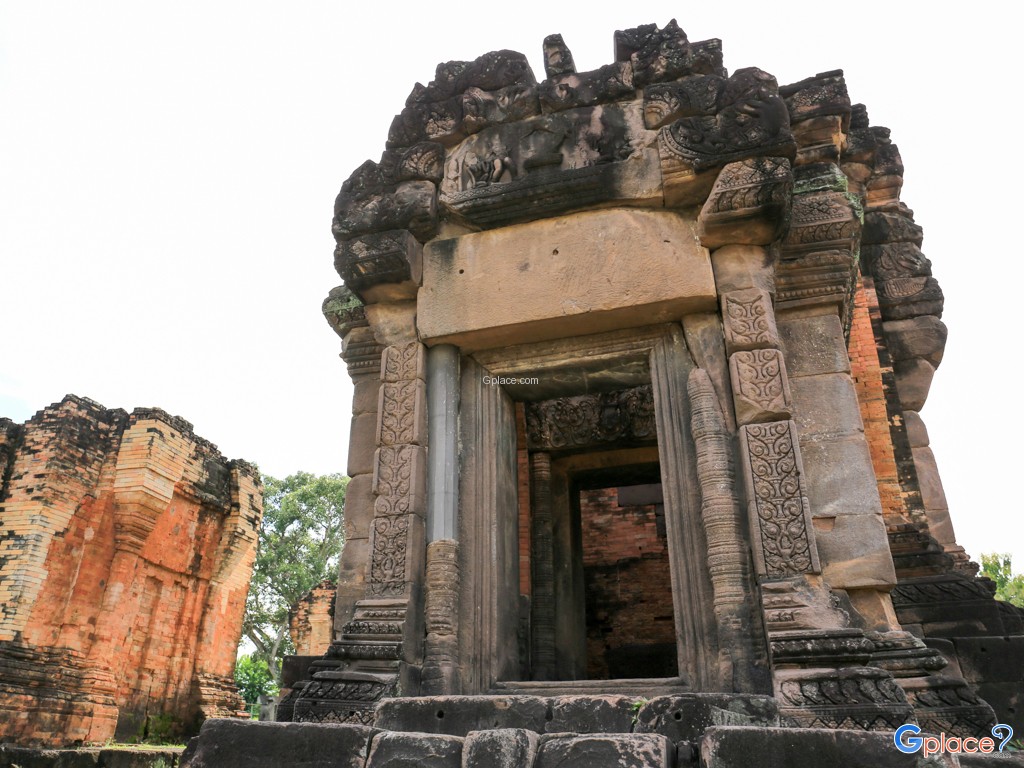
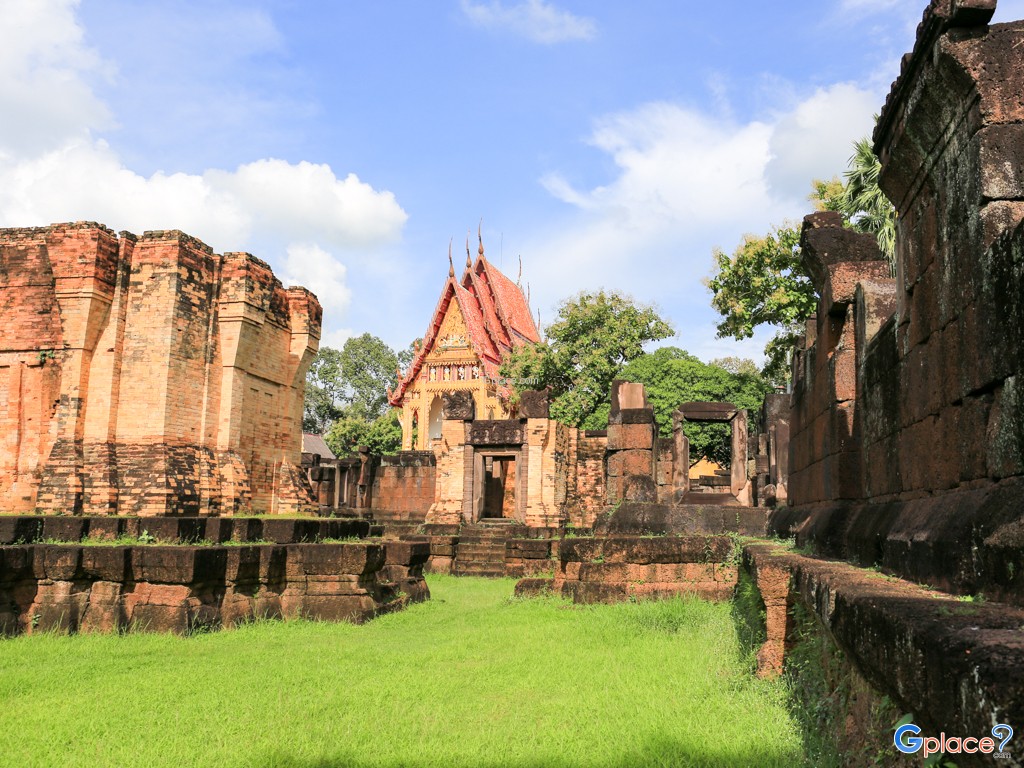
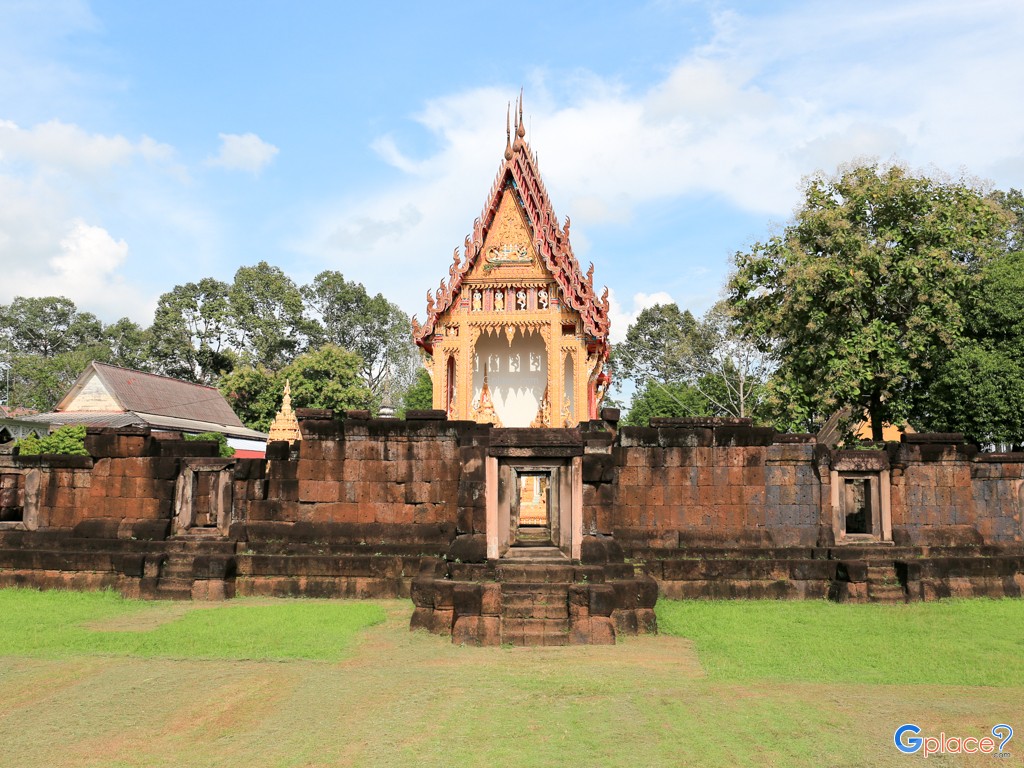
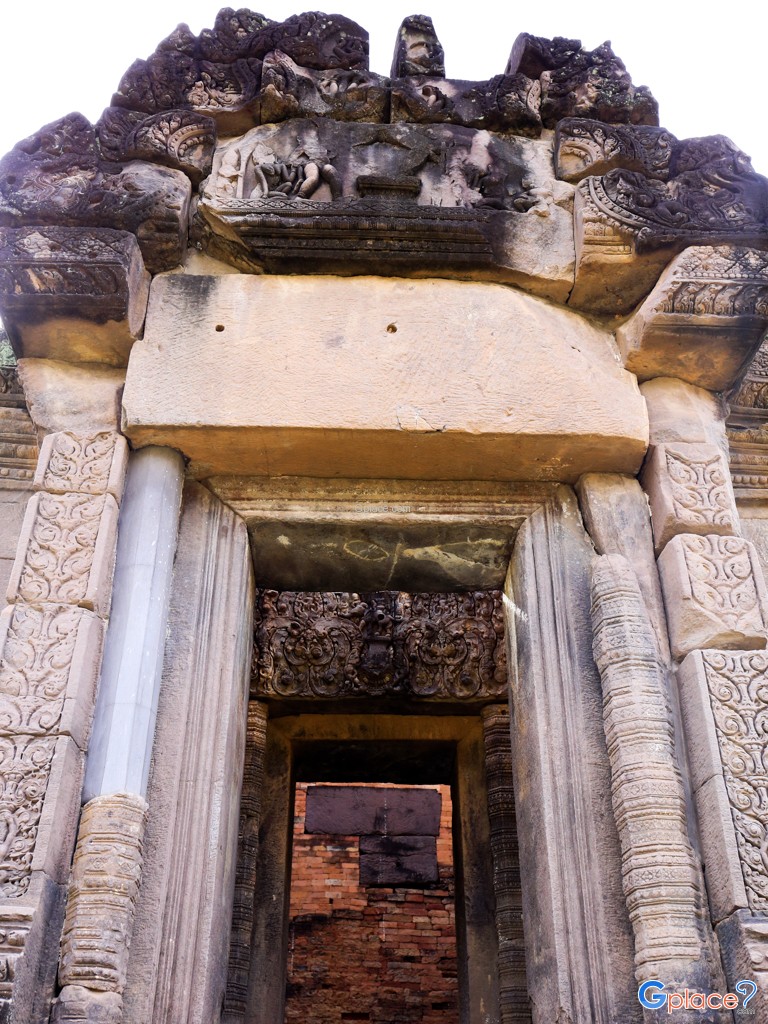
“A Khmer-style temple complex that is the largest and most complete in the province, featuring three prangs on a single base”
Prasat Hin Wat Sa Kamphaeng Yai is an important ancient monument in Sisaket Province, estimated to date back to the 11th–12th century CE (approximately 900–1,000 years ago). Archaeologists believe it was constructed during the period when the influence of the Khmer Empire spread into the Mun–Chi river basin. This era marked the flourishing of Khmer art and the gradual development toward more complex and monumental architectural forms.The temple is classified as Baphuon-style Khmer architecture, a pre-Angkor Wat artistic style characterized by the refined use of sandstone for intricate carvings and a highly symmetrical layout that reflects Hindu–Mahayana Buddhist cosmological concepts. The structure consists of three prangs built on a single base, surrounded by a laterite enclosure and a gallery wall, all of which represent the concept of Mount Meru—the cosmic center of the universe and the dwelling place of Hindu deities.
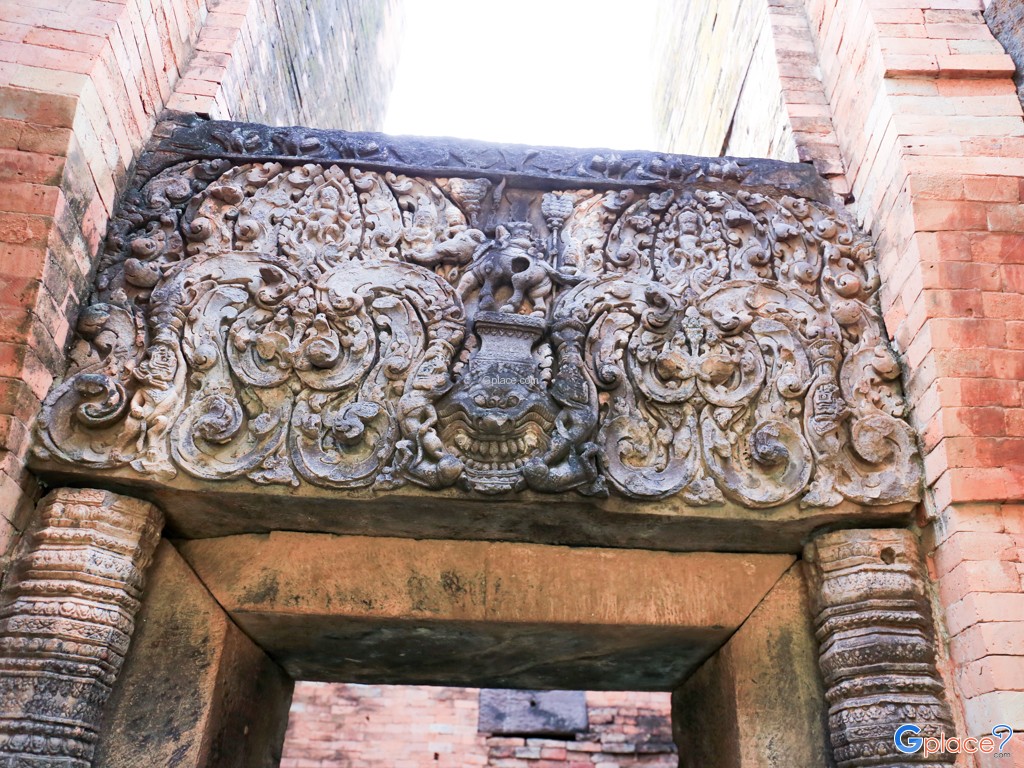
Construction materials include sandstone and laterite. Sandstone was used for finely carved decorative elements such as lintels, pediments, and door frames, while laterite was used for foundations and structural walls to enhance durability. The construction technique demonstrates the advanced skill of Khmer craftsmen, who were able to precisely assemble stone blocks, often without the use of mortar.One of the most significant artworks at the site is the Narai Banthomsin lintel, depicting Lord Vishnu reclining on the serpent Ananta Naga, with a cosmic creation scene below according to Brahmanical beliefs. The carving is highly detailed and serves as important evidence of early Angkor-period Khmer art, reflecting the spread of Vaishnavism in the lower northeastern region of Thailand.In later periods, the site underwent religious transformation from a Hindu sanctuary to a blend of Mahayana Buddhism, and eventually to Theravada Buddhism as practiced today. As a result, the temple contains both Hindu artifacts such as Shiva lingams and Khmer-style Naga-protected Buddha images discovered later, reflecting the layering of multiple belief systems across different eras.
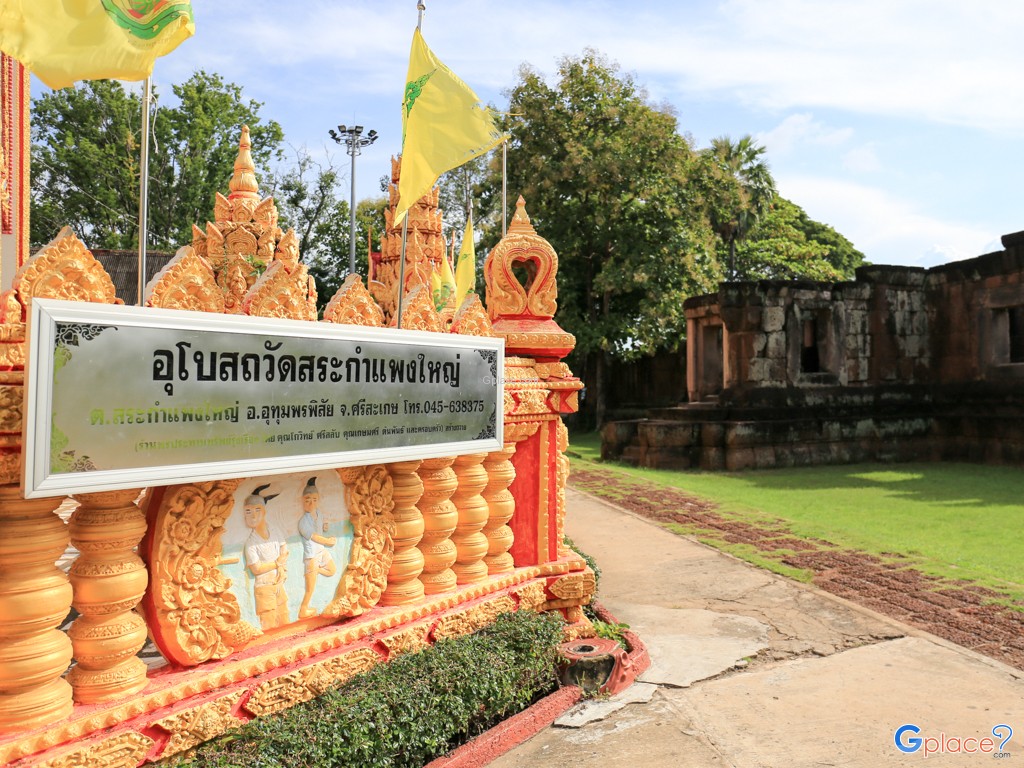
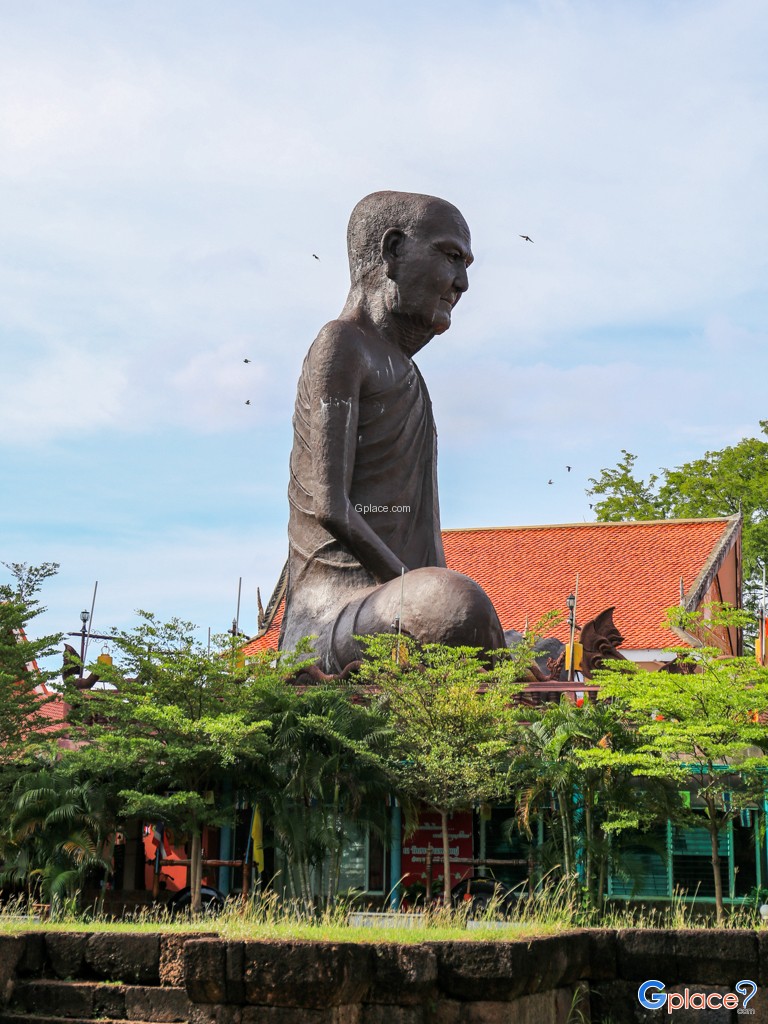
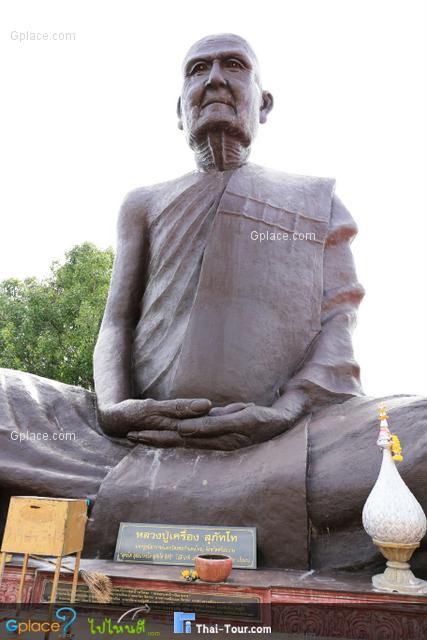
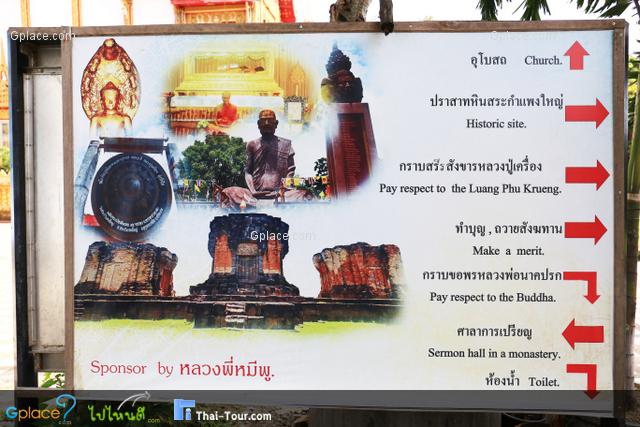
The site also houses the relics of Luang Pu Khrueang Suphattho, a former abbot who played a key role in restoring and developing the temple. This transformation has made the site not only an archaeological landmark but also a spiritual center for the local community.Today, the monument is jointly preserved by the temple authorities and archaeological agencies. Conservation efforts include sandstone surface protection, humidity control, and restricted access to certain areas to prevent deterioration caused by weathering and tourist activity.
How to Get There
- By car: From Sisaket city center, take Highway 226 heading toward Uthumphon Phisai District for about 22 kilometers. When you reach the traffic intersection in the district town, continue straight onto Pradit Pracharat Road for another 2 kilometers. The temple will be located on the left-hand side.
Travel Tips
- It is recommended to visit in the early morning or late afternoon, when the sunlight enhances the beauty of the stone carvings.
- Dress modestly, as the site is located within a temple area.
- Visitors are encouraged to pay respect to Luang Pu Khrueang for good fortune.
- The site is ideal for photography, especially for historical and architectural themes.
Admission Fee:
- Free admission (donations are welcome to support temple maintenance)
Opening Hours:
- Open daily from 06:00 AM to 06:00 PM
Prasat Wat Sa Kamphaeng Yai

 Share
Share
 Sa Kamphaeng Yai, Uthumphon Phisai, Si Sa Ket, 33120
Map
Sa Kamphaeng Yai, Uthumphon Phisai, Si Sa Ket, 33120
Map
 Open now

 https://www.thai-tour.com/thai-tour/northeast/srisakes/data/place/prasathin-yai.html

 6110
6110