 Attractions
  Hotel
Hotel  Restaurant
  Shopping
  Abroad






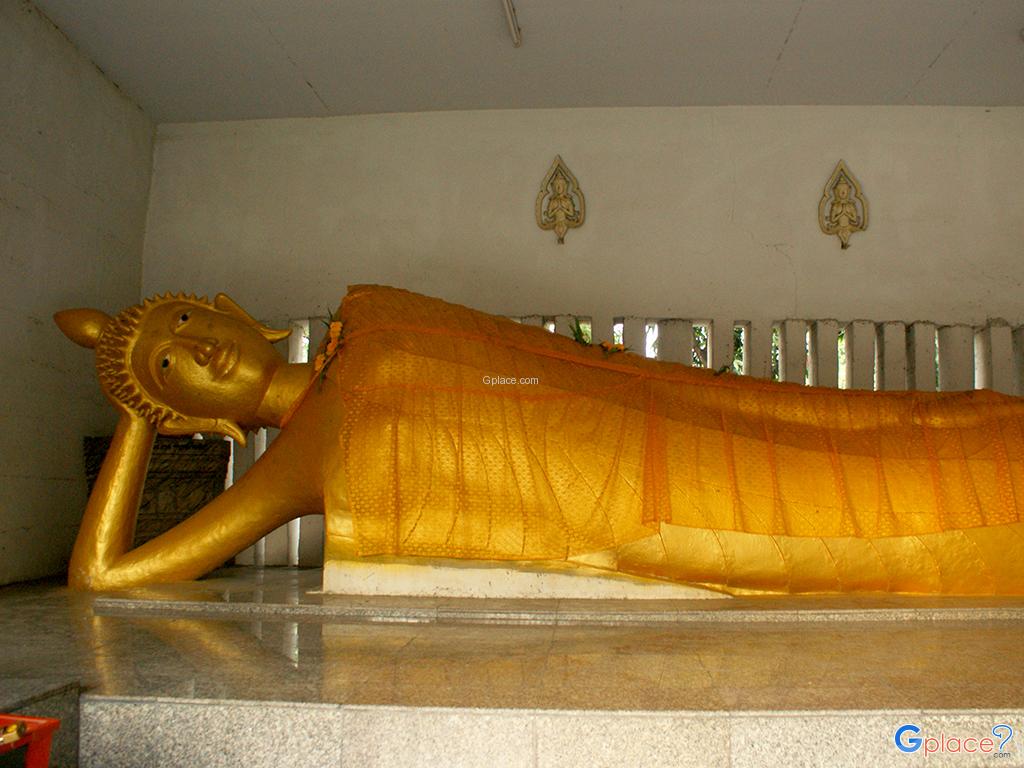
“A historic riverside temple housing Luang Pho Samrit, a Sukhothai-period golden Buddha image, featuring a century-old viharn, and offering a unique experience of feeding friendly wild monkeys within the temple grounds.”
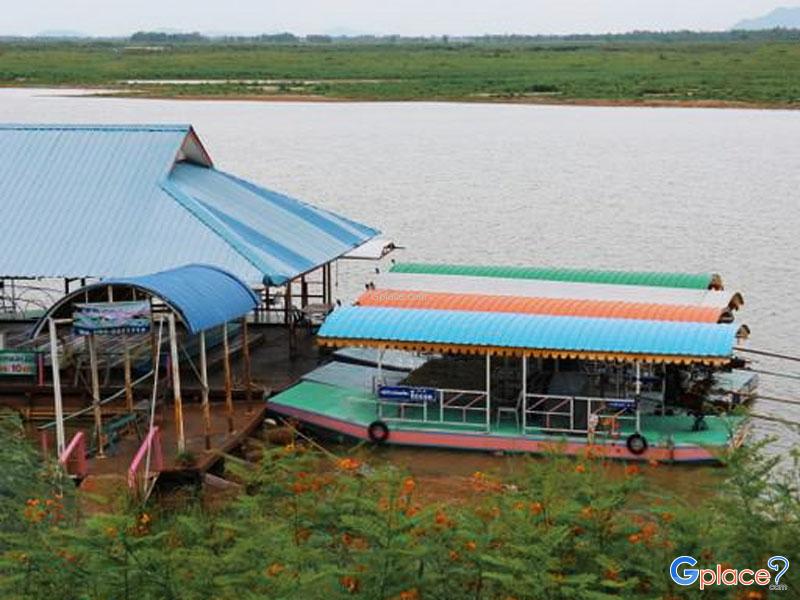
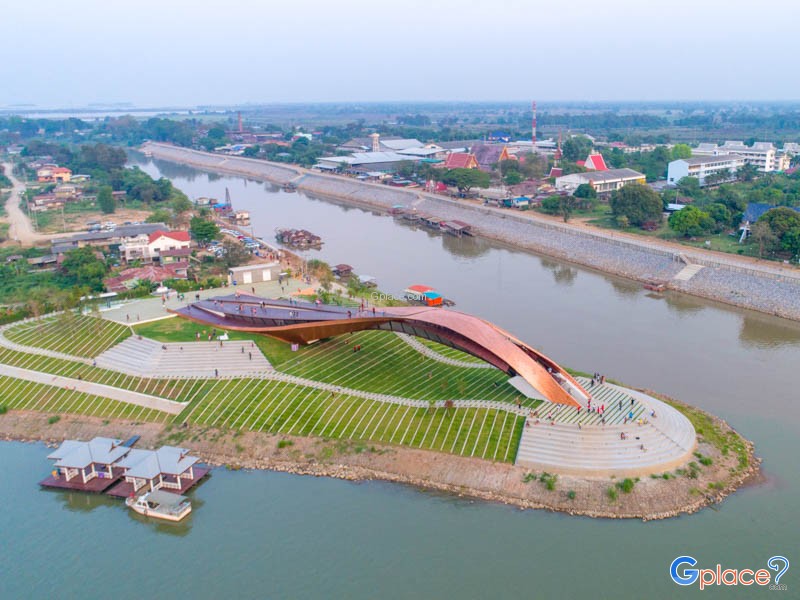
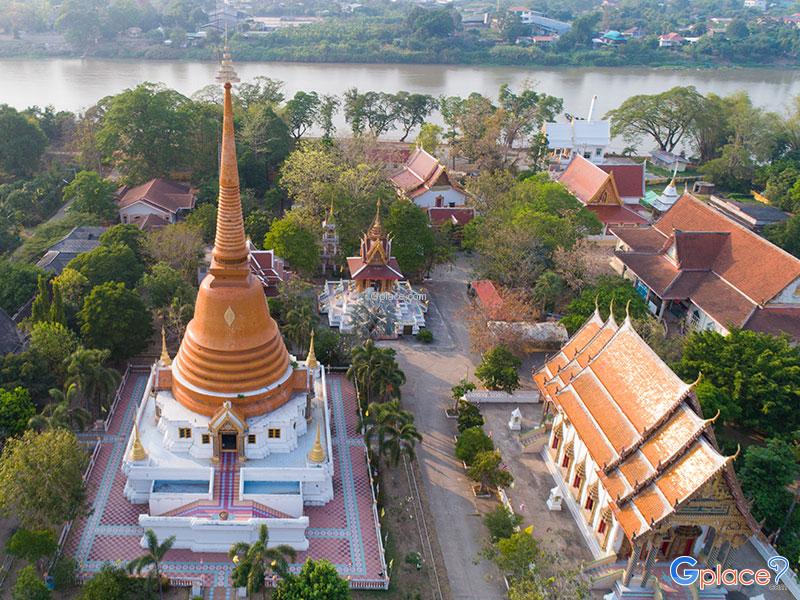
Kriangkrai Klang Temple is a venerable and highly significant ancient site located in Nakhon Sawan Province, gracefully positioned along the banks of the Nan River in the Kriangkrai sub-district. Originally known among locals as "The River Mouth Temple" or "Pak Kriangkrai Temple" due to its strategic location at the confluence where the Kriangkrai Canal meets the Nan River, this site has served as a spiritual hub for centuries. The temple grounds function as a living museum where three distinct dimensions of Thai heritage converge: the historical legacy of the Sukhothai era, the refined artistry of ancient craftsmanship, and a unique natural ecosystem. This combination has earned the site its famous nickname, the Monkey Temple, making it a landmark that captivates visitors from around the world.
The most profound spiritual centerpiece of this temple is the legend of Luang Phor Samrit (The Golden Buddha), which dates back to the late Sukhothai period. During that turbulent era of warfare and civil unrest, citizens sought to protect their most sacred religious artifacts from being looted or destroyed. They placed the Buddha image on a raft and floated it down the Nan River in search of a safe haven. However, upon reaching the waters in front of this temple, the raft unexpectedly sank. The locals rescued the image and, to hide its true value from enemies, encased the entire statue in thick plaster, making it appear as a common masonry Buddha. This secret remained hidden for over 300 years until 1968. During a major renovation of the temple's ordination hall, the outer plaster coating began to crack and peel away, revealing the brilliant, solid gold Sukhothai-style Buddha beneath a discovery that brought immense joy and renewed faith to the nation.
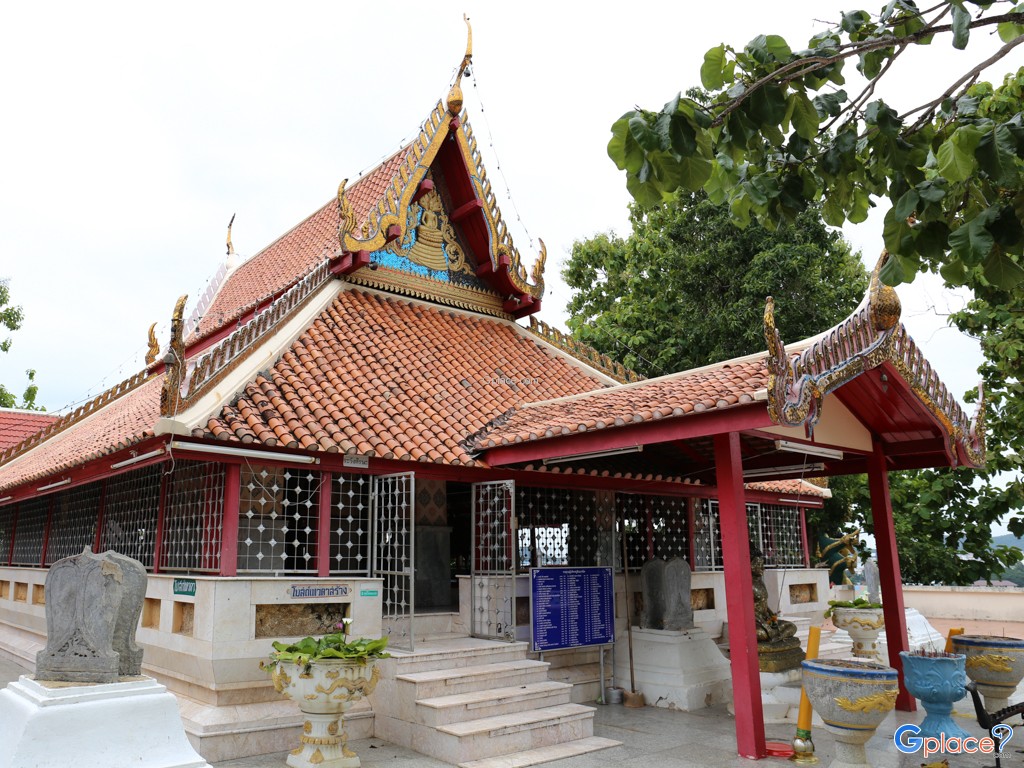
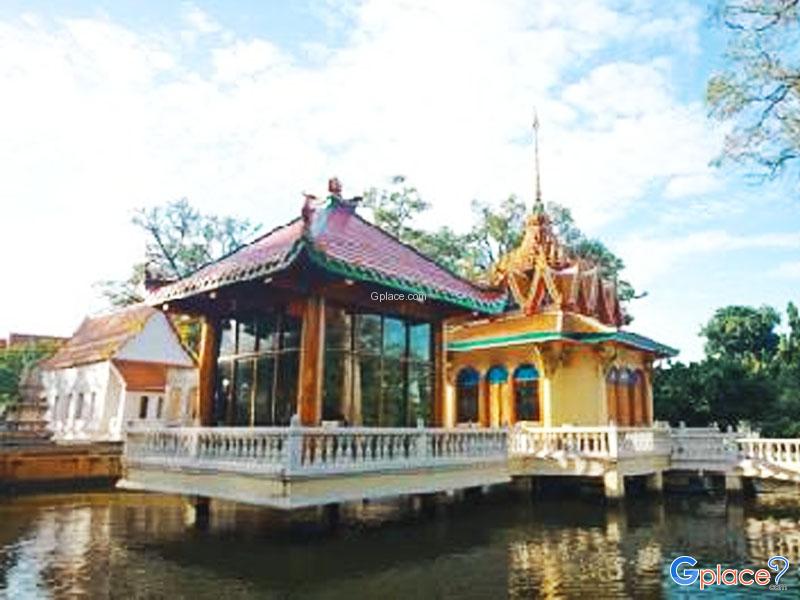
Architecturally, the temple is home to a Century-Old Vihara, an ancient structure that remains a perfect example of traditional Thai architectural preservation. Inside, the walls are adorned with exquisite ancient murals that go beyond religious stories to capture the daily lives, traditional attire, and customs of the Nan River community from the early Rattanakosin era, providing a rare window into the past. Furthermore, the temple grounds feature a historic Mandapa housing a replica of the Holy Footprint, where visitors come to pay their respects for good fortune. Beyond the spiritual buildings, the temple area is a designated animal sanctuary. Hundreds of wild monkeys live in harmony with the monks and the surrounding community, offering a vibrant and natural atmosphere. Visitors can enjoy the serene riverside views, participate in local merit-making traditions, and experience the peaceful coexistence of history, faith, and nature that defines this unique temple.
How to Get There
By Private Car:
- From Nakhon Sawan city, take the Nakhon Sawan–Chum Saeng Road (Highway 225), cross the Phitsanulok Bridge, continue for about 10 kilometers, then follow signs turning left into Kriangkrai Subdistrict toward the temple.
By Boat:
- Visitors may also charter a boat from Pak Nam Pho Pier, traveling upstream along the Nan River directly to the temple, offering a scenic and traditional riverside experience.
Travel Tips
-
Feeding Monkeys: Monkeys are friendly but curious—place food only in designated areas and watch personal belongings such as glasses, hats, and mobile phones.
-
Photography: The old viharn and riverside scenery provide atmospheric and spiritual photo spots.
-
Best Time to Visit: Early morning or late afternoon offers cooler weather and gentle river breezes.
Admission Fee:
- Free admission
(Visitors may make merit donations or purchase fruit baskets for feeding monkeys inside the temple.)
Opening Hours:
- Open daily: 07:00 AM – 05:30 PM
Kriangkrai Klang Temple

 Share
Share
 Kriangkrai sub-district, Mueang Nakhon Sawan district, Nakhon Sawan
Map
Kriangkrai sub-district, Mueang Nakhon Sawan district, Nakhon Sawan
Map
 Open now : 7.00 - 17.30
Mon7.00 - 17.30
Tue7.00 - 17.30
Wed7.00 - 17.30
Thu7.00 - 17.30
Fri7.00 - 17.30
Sat7.00 - 17.30
Sun7.00 - 17.30

 https://www.thai-tour.com/thai-tour/north/nakornsawan/data/place/pic-keangkaikang-temple.html

 3813
3813