 Attractions
  Hotel
Hotel  Restaurant
  Shopping
  Abroad





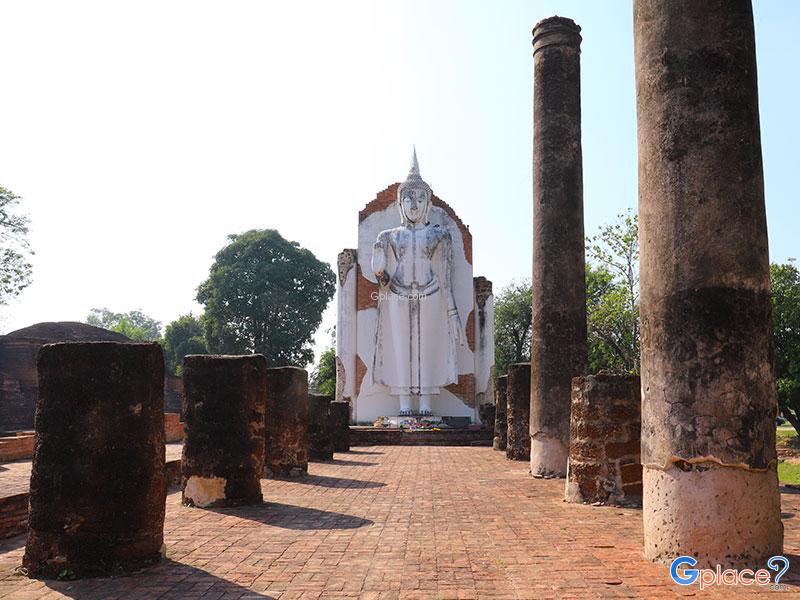

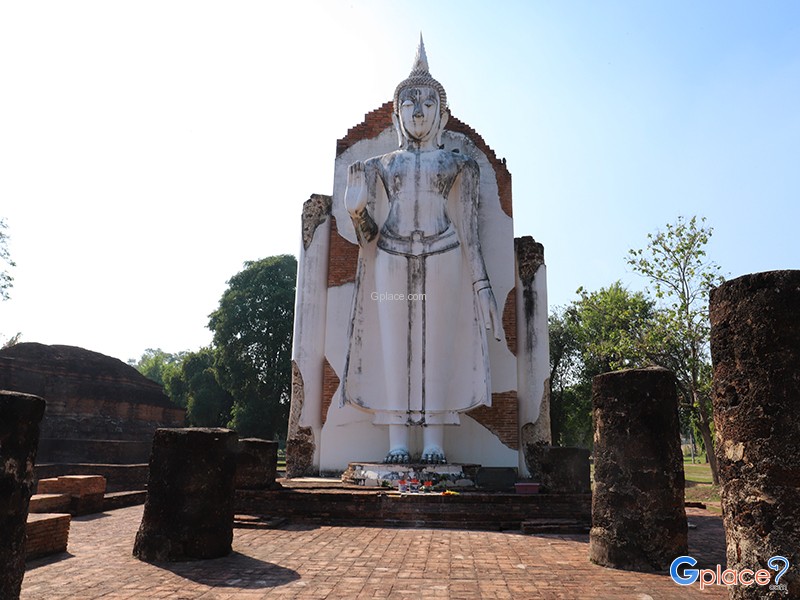
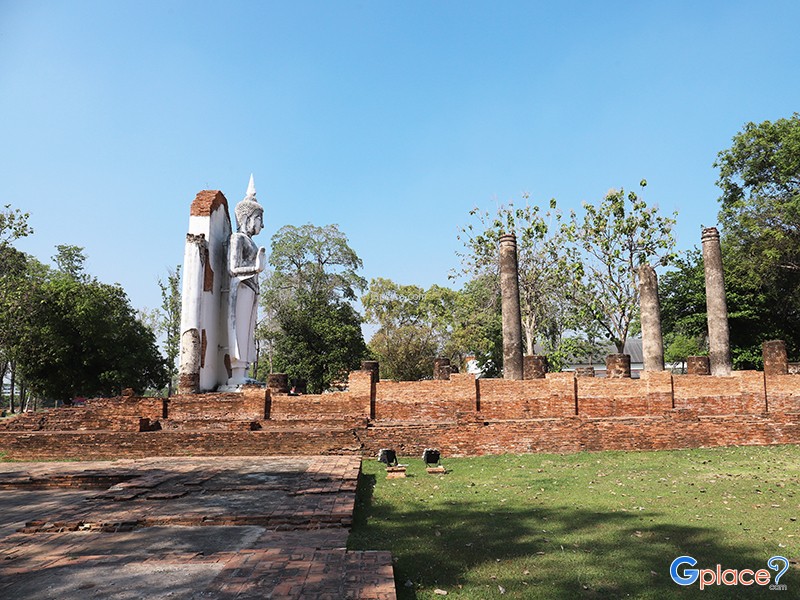
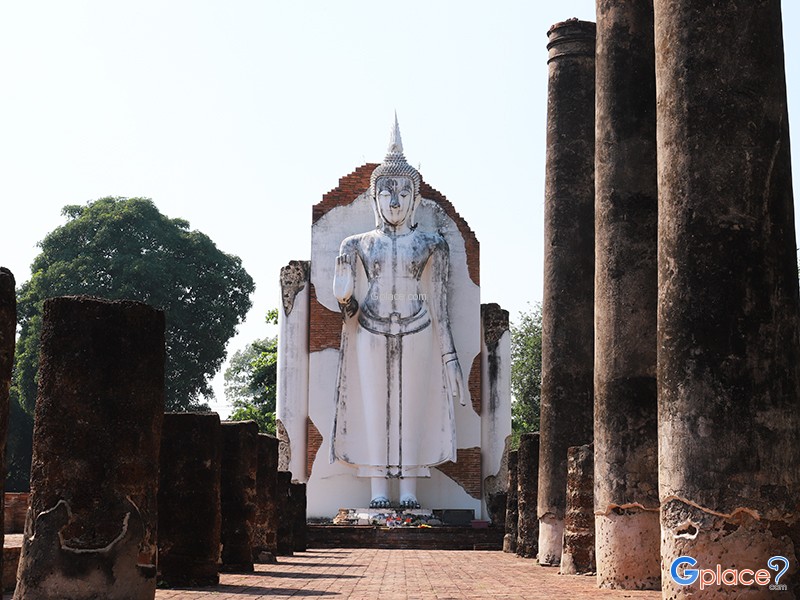
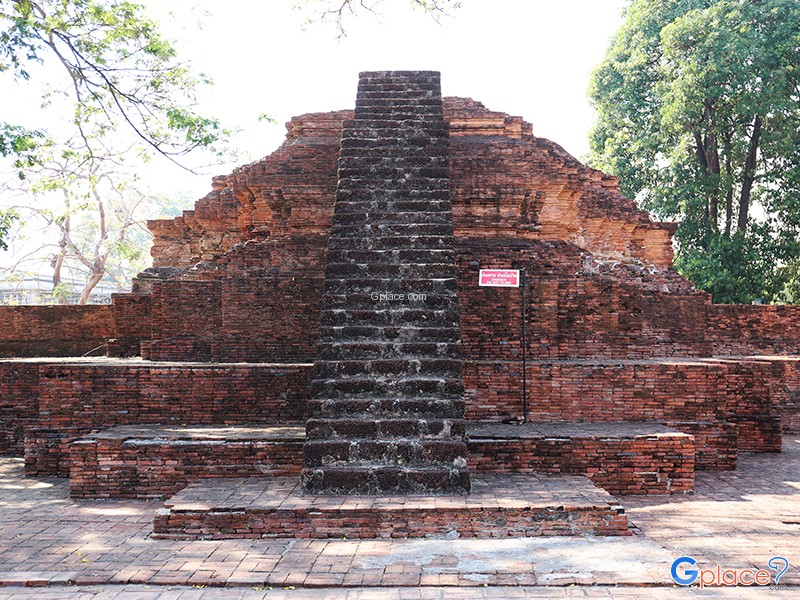

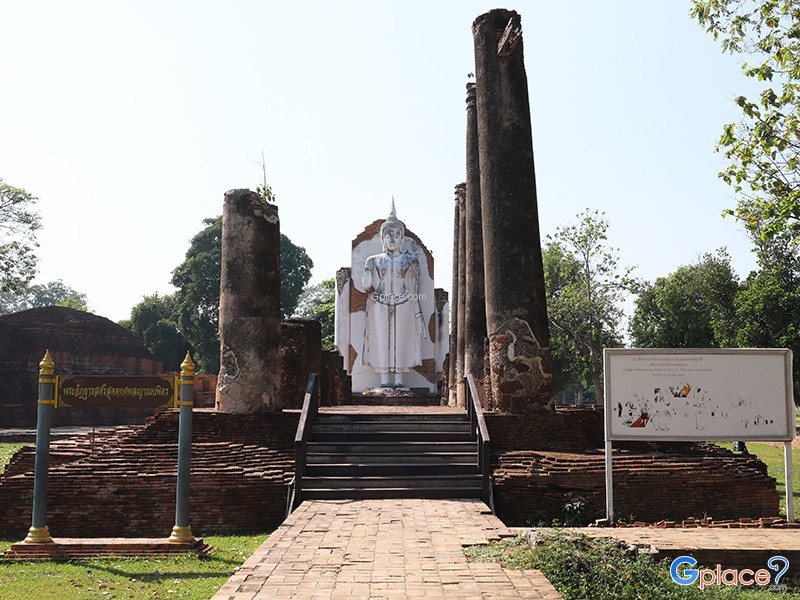
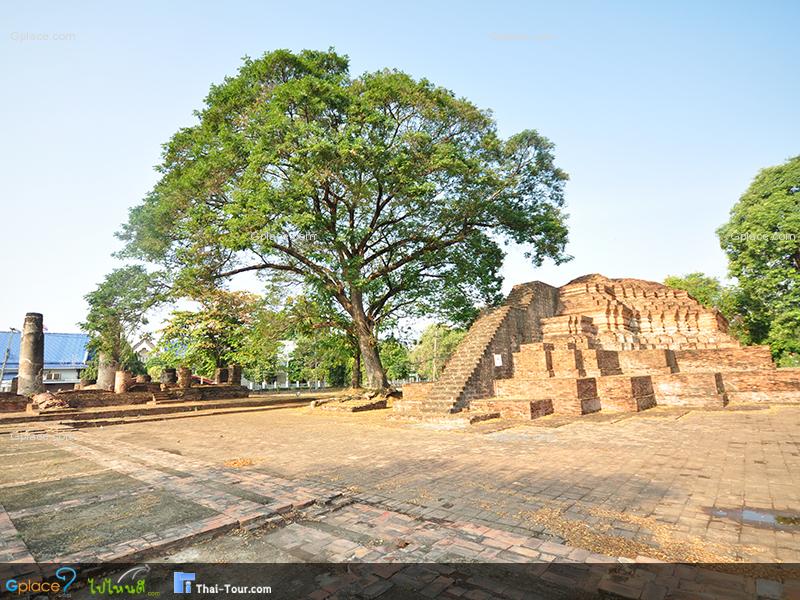
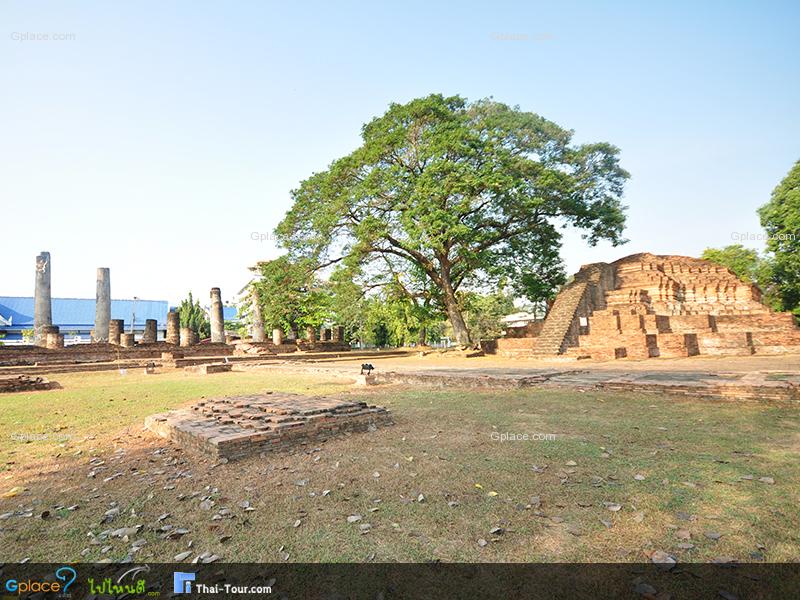
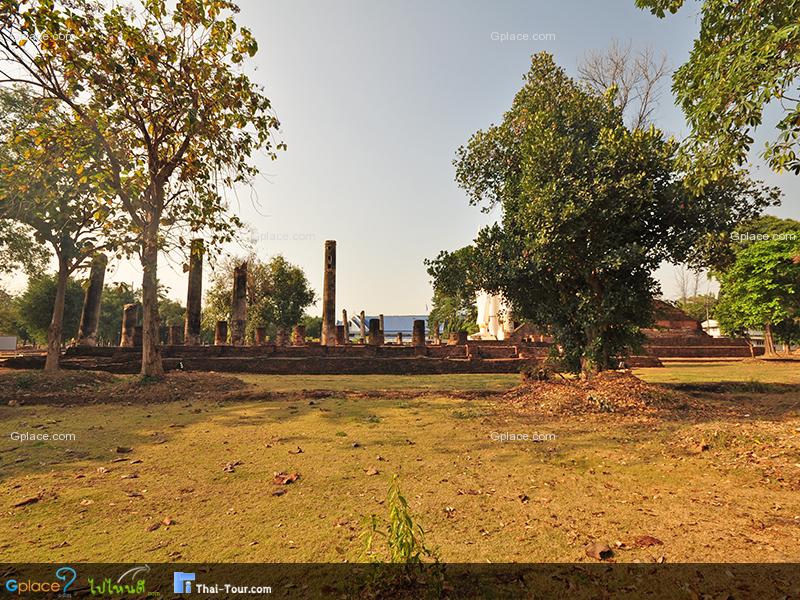
“Wat Wihan Thong is an important historical site near Chan Royal Palace, featuring seven massive laterite pillars and a large ancient chedi base. It was once the original location of Phra Attharot, one of Thailand’s significant standing Buddha images.”
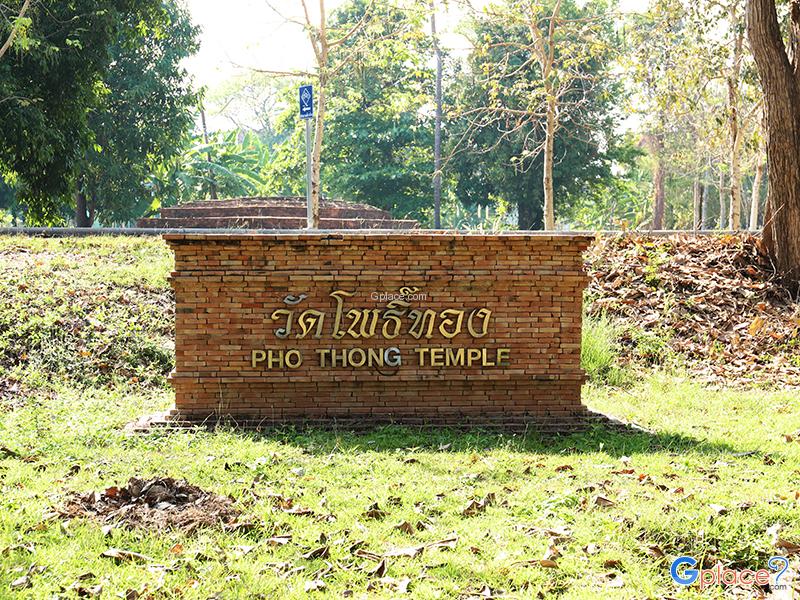
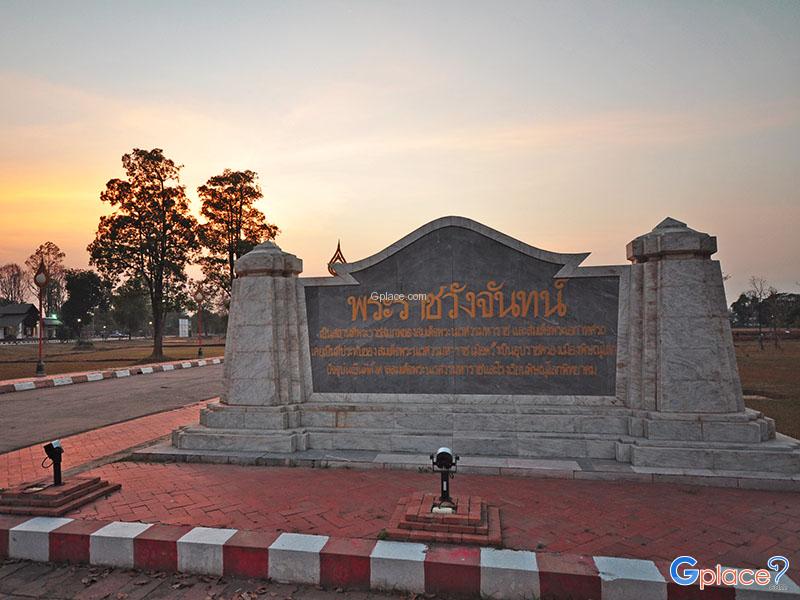
Wat Wihan Thong is an important historical temple ruin located within the Chan Royal Palace historical complex in Phitsanulok, on the western bank of the Nan River. The temple lies just south of the royal palace and slightly southeast of Wat Phra Si Rattana Mahathat (Wat Yai), one of the most famous temples in the city. Today, the site is situated near the Phitsanulok Land Office, yet it still preserves visible traces of its historical grandeur.
Archaeological evidence discovered at the site, including Chinese porcelain fragments from the Ming Dynasty, indicates that the temple dates back to around the 20th–21st Buddhist centuries (approximately the late Sukhothai period continuing into the early Ayutthaya period). During this time, Phitsanulok served as a major political, religious, and administrative center of the region.
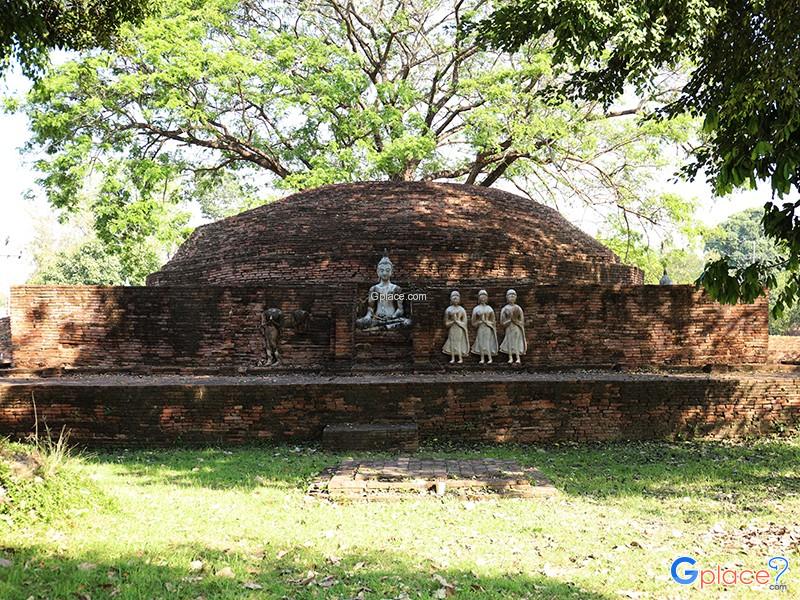
One of the most striking features of Wat Wihan Thong is the remains of its large royal vihara (assembly hall). Today, only seven massive round laterite pillars remain standing on the base of the ancient structure, giving visitors a clear impression of the temple’s former scale and architectural sophistication. Nearby lies the large base of the principal chedi, reflecting architectural styles influenced by both the Sukhothai and early Ayutthaya periods.
Historically, the vihara once enshrined Phra Attharot, a revered standing Buddha image in the “Pacifying the Relatives” posture, measuring approximately 18 cubits in height_. The statue was deeply respected by the people of Phitsanulok and was later relocated to Wat Saket Ratcha Wora Maha Wihan (The Golden Mount Temple) in Bangkok, where it is still enshrined today.
Although Wat Wihan Thong is now an abandoned temple ruin, the layout and surviving structures clearly reflect its role as a royal temple within the palace grounds, symbolizing the connection between royal authority and Buddhist faith in the ancient city of Phitsanulok. The site is currently preserved by the Fine Arts Department and forms part of the historical development project of Chan Royal Palace, which aims to promote the area as a national historical learning center.
How to Get There
-
By Car: Wat Wihan Thong is located on Wang Chan Road, next to the Phitsanulok Land Office, within the Chan Royal Palace historical area. Visitors are recommended to park at the Chan Royal Palace Historical Center parking area, then walk approximately 200 meters south to reach the temple ruins.
Travel Tips
-
Take wide-angle photos with people standing near the laterite pillars to highlight their impressive size.
-
Visit the Chan Royal Palace Historical Center first to see models of the temple in its original form.
-
Around 4:30 PM, sunlight reflects beautifully on the laterite pillars, giving them a golden tone that matches the temple’s name.
-
The site is relatively peaceful compared to the nearby King Naresuan Shrine, making it ideal for quiet exploration or sketching the ruins.
-
Combine your visit with Wat Phra Si Rattana Mahathat and the King Naresuan the Great Shrine, both located nearby.
Admission Fee:
- Free admission
Opening Hours:
- Open daily 07:00 AM – 05:00 PM
Wat Wihan Thong

 Share
Share
 Wang Chan Road, Nai Mueang, Mueang Phitsanulok, Phitsanulok 65000
Map
Wang Chan Road, Nai Mueang, Mueang Phitsanulok, Phitsanulok 65000
Map
 Closed today
Mon7.00 - 17.00
Tue7.00 - 17.00
Wed7.00 - 17.00
Thu7.00 - 17.00
Fri7.00 - 17.00
Sat7.00 - 17.00
Sun7.00 - 17.00

 https://www.thai-tour.com/thai-tour/north/pitsanulok/data/place/pic_watvihanthong.html

 4880
4880