 Attractions
  Hotel
Hotel  Restaurant
  Shopping
  Abroad





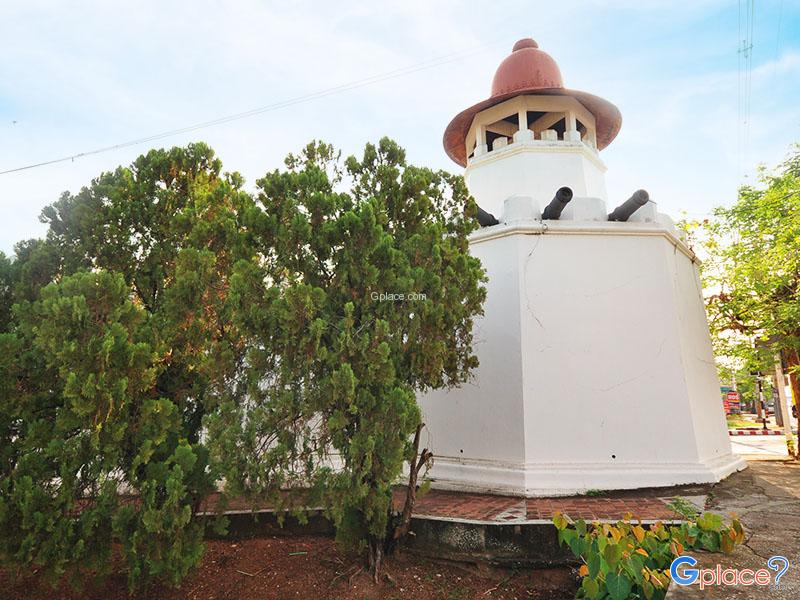

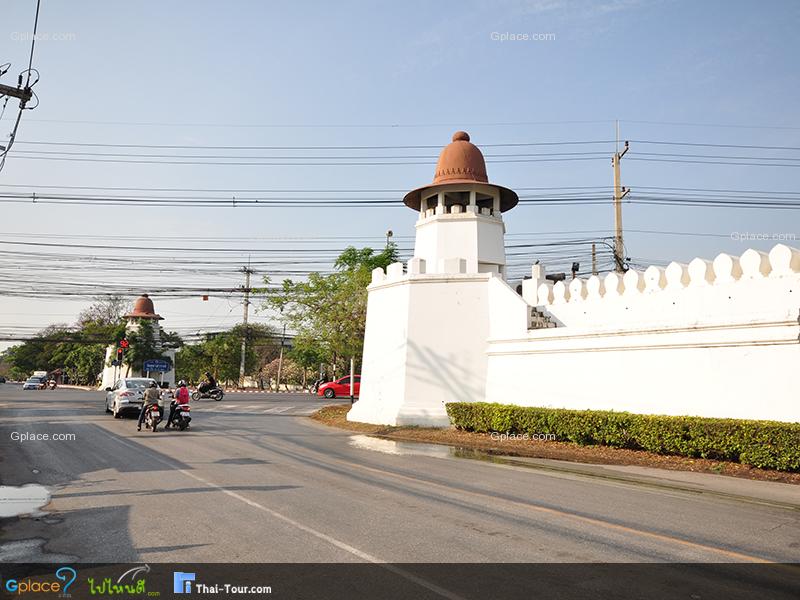
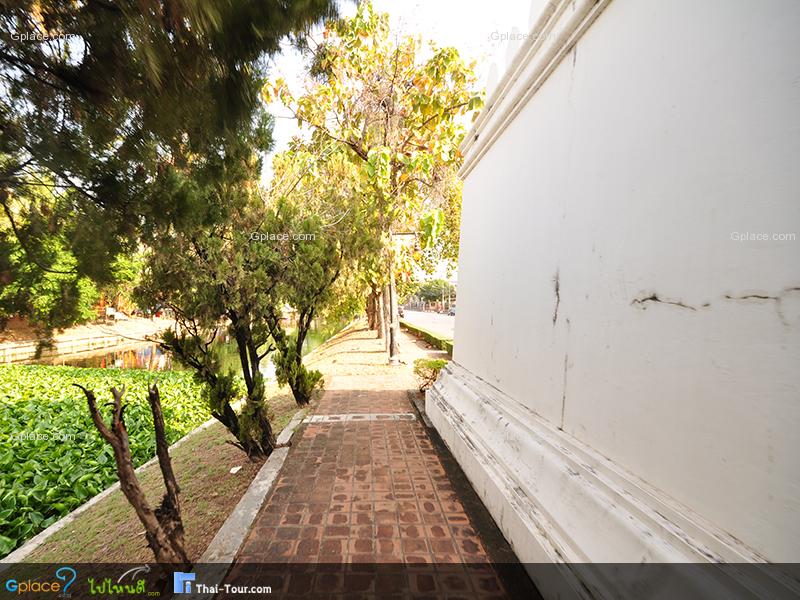
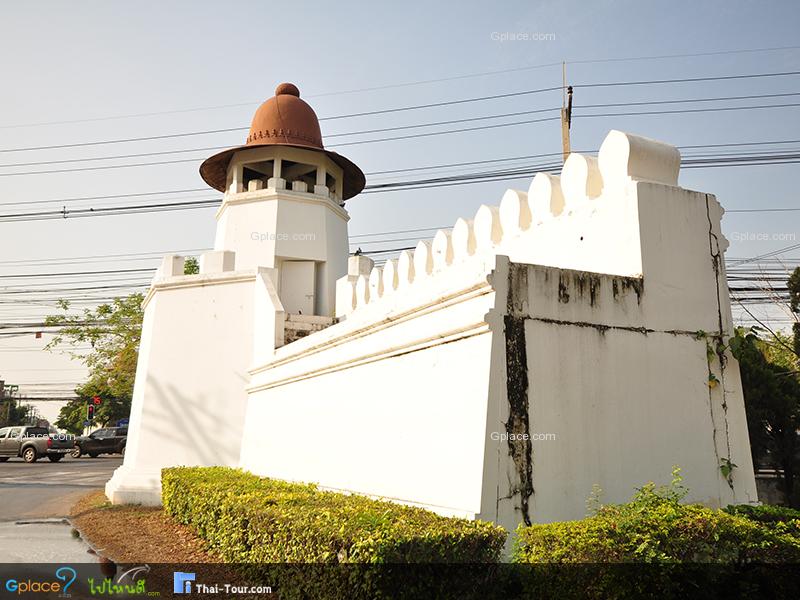
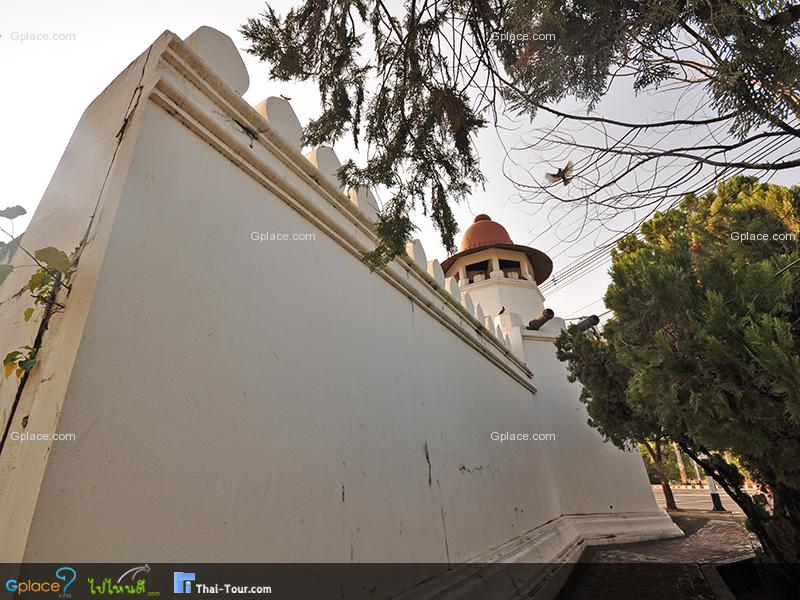
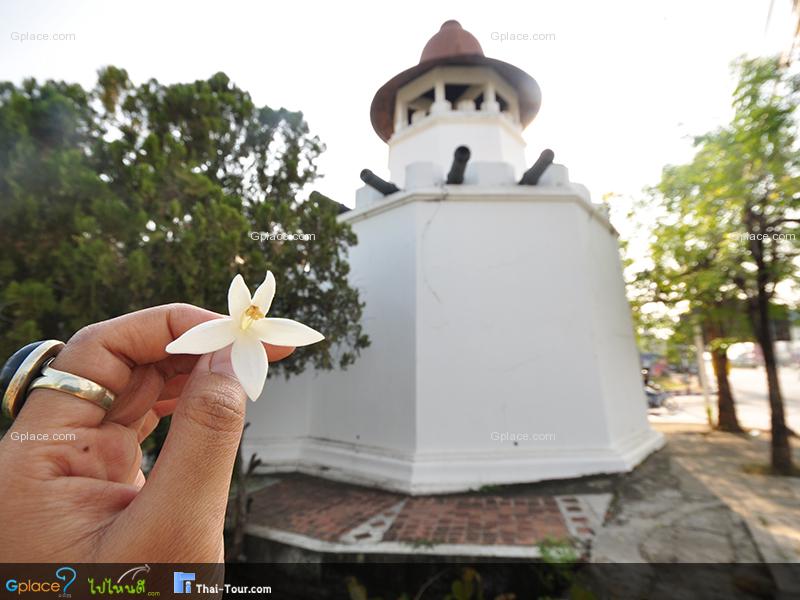
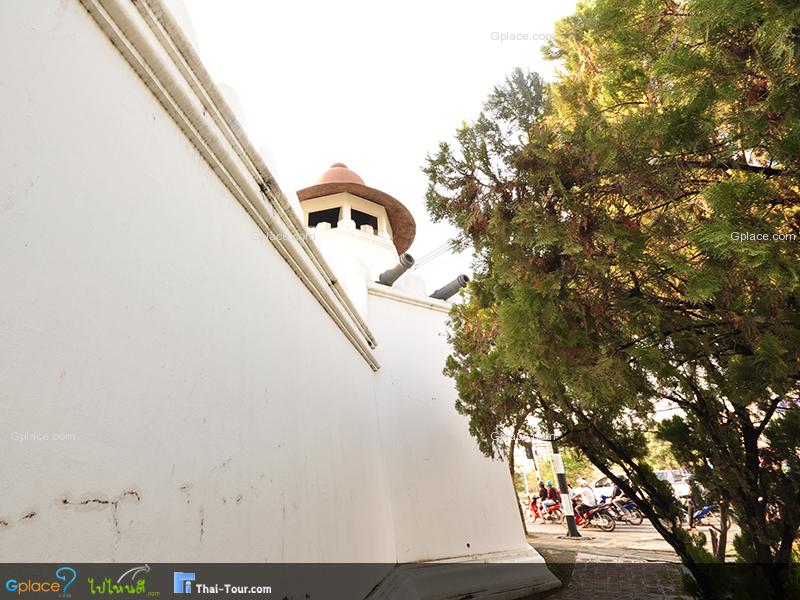
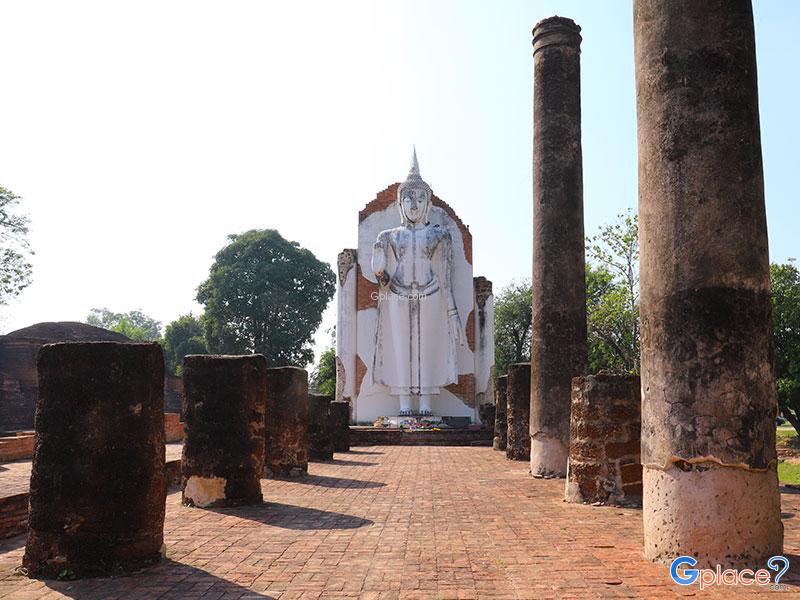
“Explore the ancient city wall remains near Wat Phothiyan and Wat Noi, walk along the historic moat running parallel to Phra Ruang Road, learn about the strategic layout of Phitsanulok built across the Nan River, and visit sacred sites nearby such as the King Naresuan Shrine and Pu Rueangrit Shrine.”
The Ancient City Wall and Moat of Phitsanulok are important historical remains that reflect the former glory of Phitsanulok, historically known as Song Khwae, meaning “the city of two rivers.” The city once served as a major strategic and administrative center of Siam due to its location between northern and central Thailand and its proximity to the Nan River, an important transportation route in the past.
Historical Background
The earliest city wall of Phitsanulok was originally constructed as an earthen wall, similar to the defensive walls of the Sukhothai Kingdom. It is believed to have been built during the reign of King Borommatrailokanat of Ayutthaya in preparation for conflicts with King Tilokkarat of the Lanna Kingdom.
Later, during the reign of King Maha Chakkraphat, the city wall was repaired and reinforced to strengthen the city’s defenses against invasions from Burma, which posed a significant threat to Ayutthaya during that period.
In the reign of King Narai the Great, the city wall was significantly upgraded. French engineers were invited to help design and rebuild the fortifications, replacing the earthen wall with brick structures to enhance the strength and durability of the defensive system.
However, during the reign of King Rama I of the Rattanakosin Kingdom, the city walls and fortifications were dismantled to prevent Burmese forces from occupying and using them as a defensive stronghold if they invaded the region.
Archaeological Characteristics
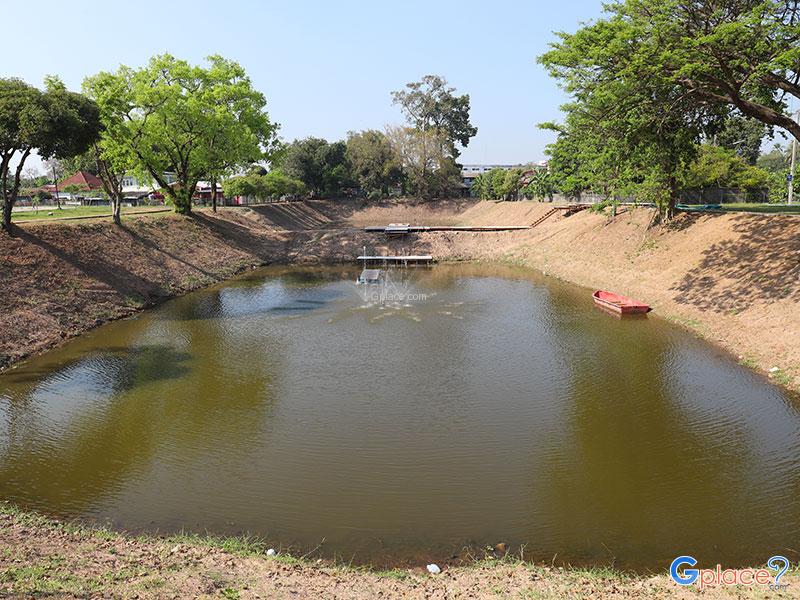
The ancient city of Phitsanulok was laid out in a rectangular plan running parallel to the Nan River, with a surrounding moat designed to serve as an additional defensive barrier. The moat measured approximately 12 meters in width_.
Today, remnants of the ancient city wall can still be seen in several areas of the city, including:
-
Wat Phothiyan
-
Wat Noi
-
Area near the Phitsanulok Provincial Police Station
The ancient moat is still visible along Phra Ruang Road, where it runs parallel to the road and forms part of the historic landscape of the city.
Historical Significance
These remains serve as important evidence of Phitsanulok’s role as a strategic military and administrative city of Siam throughout several historical periods, including the Sukhothai, Ayutthaya, and early Rattanakosin eras.
Present-Day Attraction
Today, parts of the moat area, particularly along Phra Ruang Road, have been improved and landscaped as public recreational spaces. Visitors can enjoy walking, cycling, and exploring the historic atmosphere of the old city.
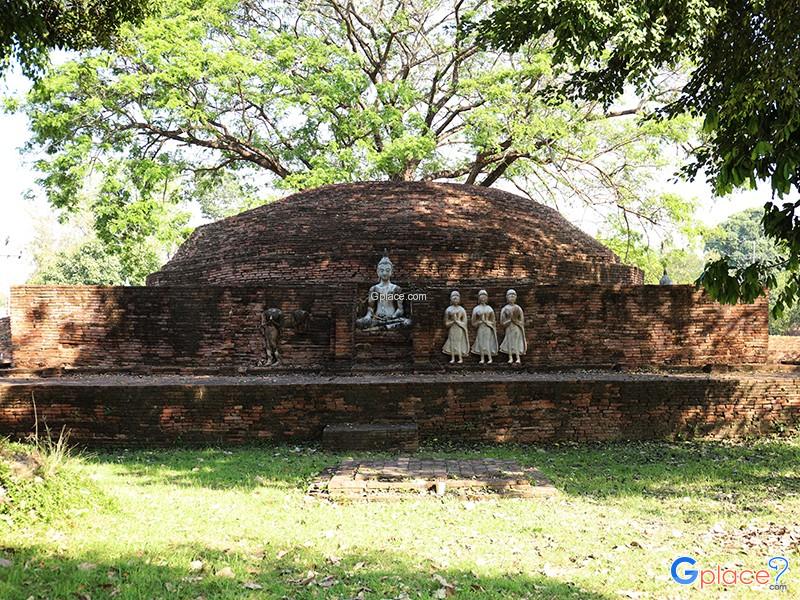
Meanwhile, surviving sections of the city wall, especially near Wat Phothiyan, are preserved as cultural heritage sites, allowing visitors to appreciate the historical significance of this ancient defensive system.
How to Get There
-
City Wall Viewing Point
Drive to Wat Phothiyan in Hua Ro area, where one of the clearest remaining sections of the ancient city wall can be seen. -
Moat Viewing Area
Follow Phra Ruang Road, located behind Pibulsongkram Rajabhat University, where the ancient moat stretches along the road.
Travel Tips
-
The best way to explore the area is by driving or cycling along Phra Ruang Road, especially in the evening when the atmosphere is pleasant.
-
The brick wall remains near Wat Phothiyan provide one of the most atmospheric photo spots reflecting the city’s ancient history.
-
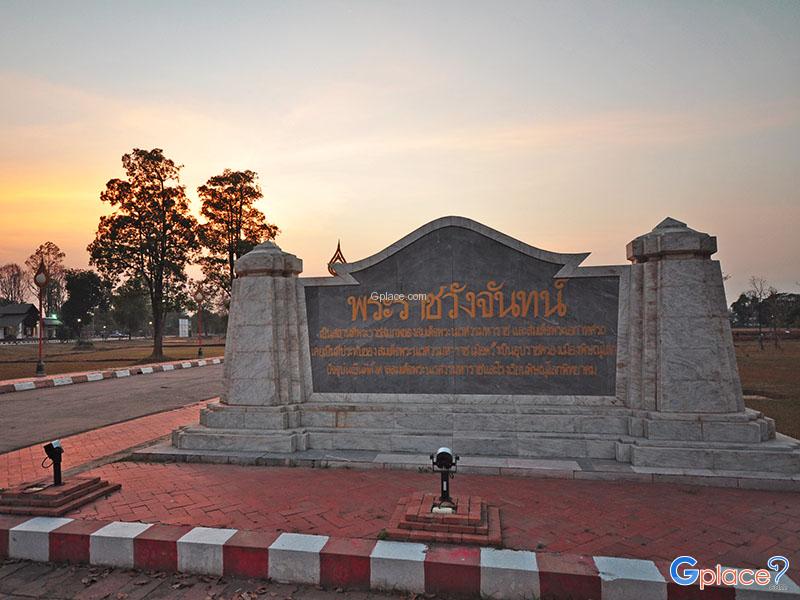
Visitors can combine this trip with a visit to the nearby King Naresuan Shrine.
-
For those interested in local history, consider visiting Chan Royal Palace Historical Center and Wat Chulamani nearby.
-
Early morning and late afternoon are the best times to explore the area comfortably.
Admission Fee:
- Free admission
Opening Hours:
- Open daily
Recommended visiting time: 06:00 AM – 06:00 PM
Ancient City Wall and Moat of Phitsanulok

 Share
Share
 Phra Ruang Road (Nai Mueang), Mueang Phitsanulok, Phitsanulok 65000
Map
Phra Ruang Road (Nai Mueang), Mueang Phitsanulok, Phitsanulok 65000
Map
 Open now

 https://www.thai-tour.com/thai-tour/north/pitsanulok/data/place/pic_koomuang-wall.htmll.html

 4356
4356