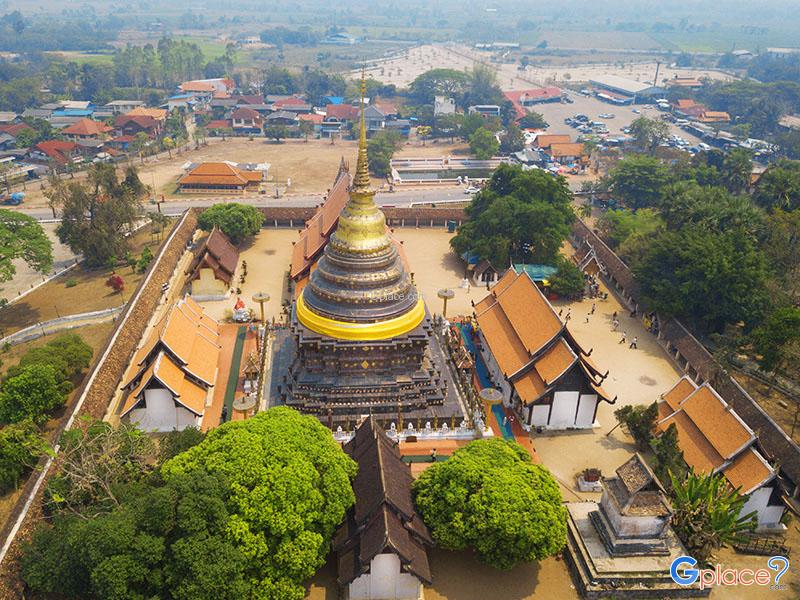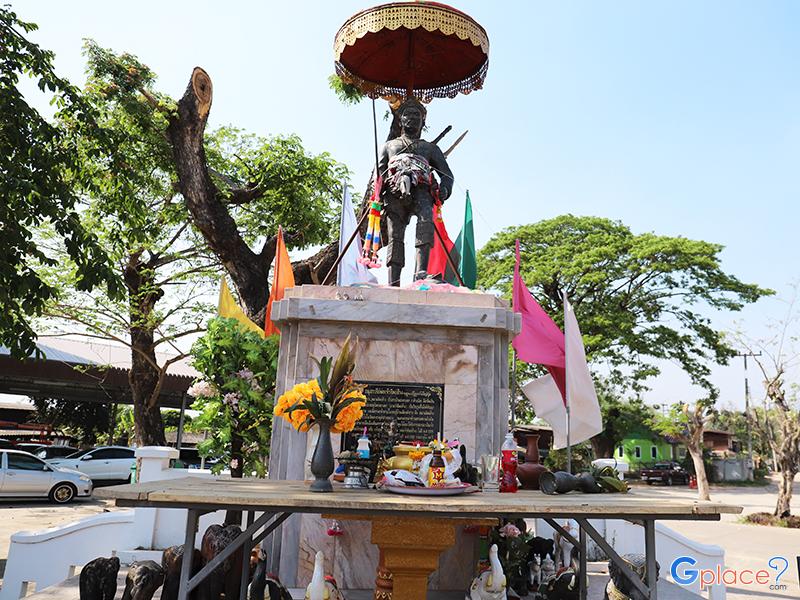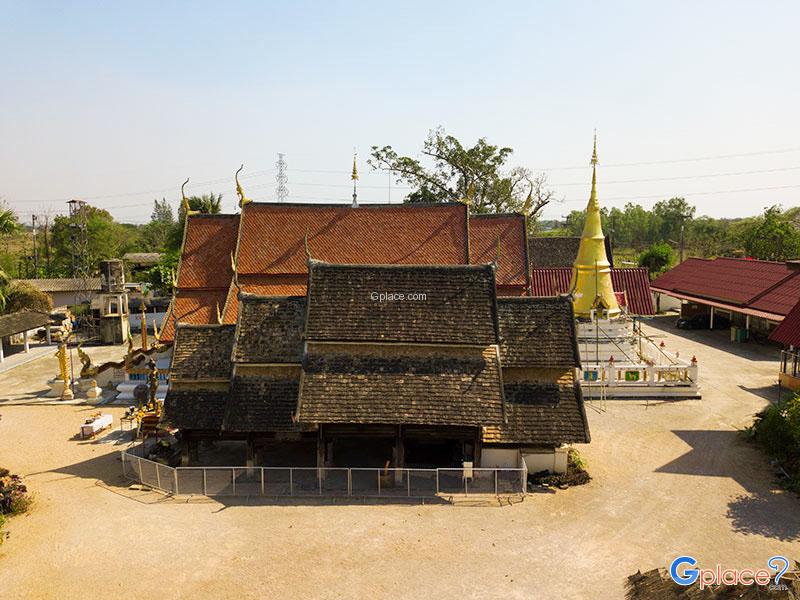
 Attractions
  Hotel
Hotel  Restaurant
  Shopping
  Abroad





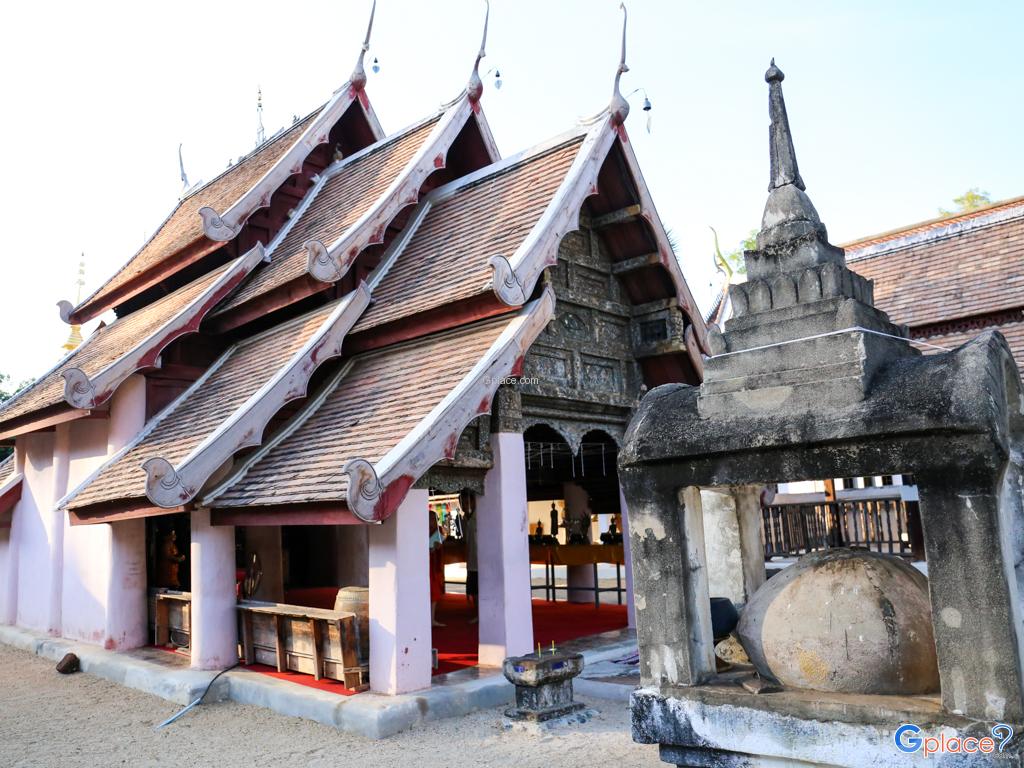

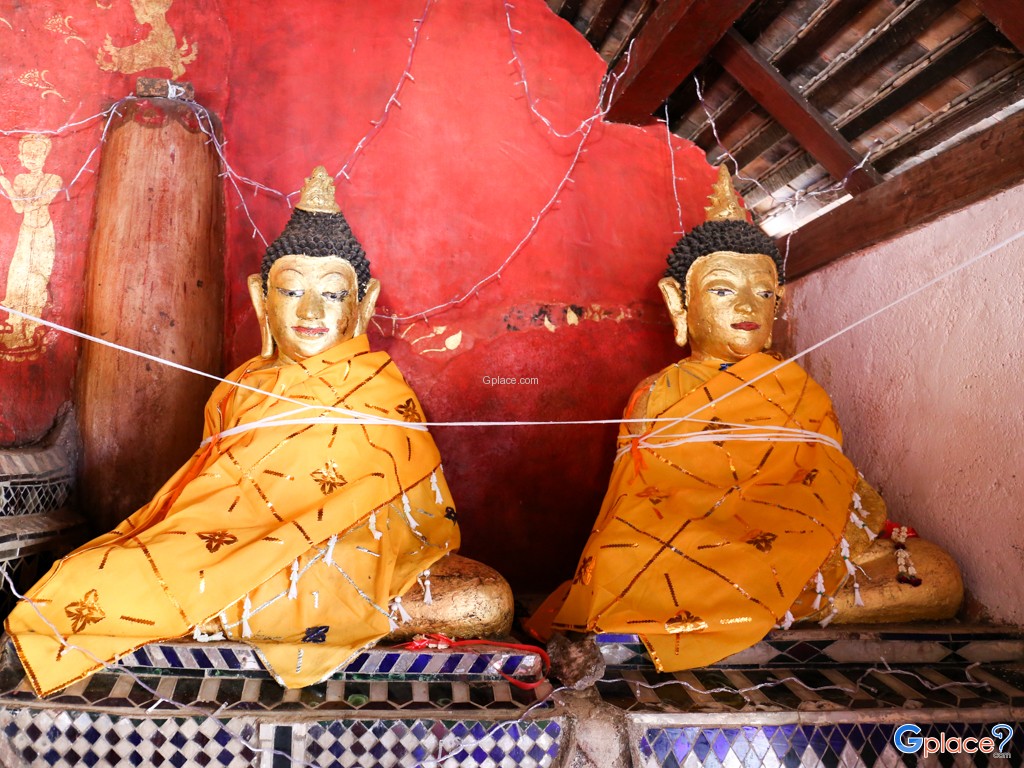
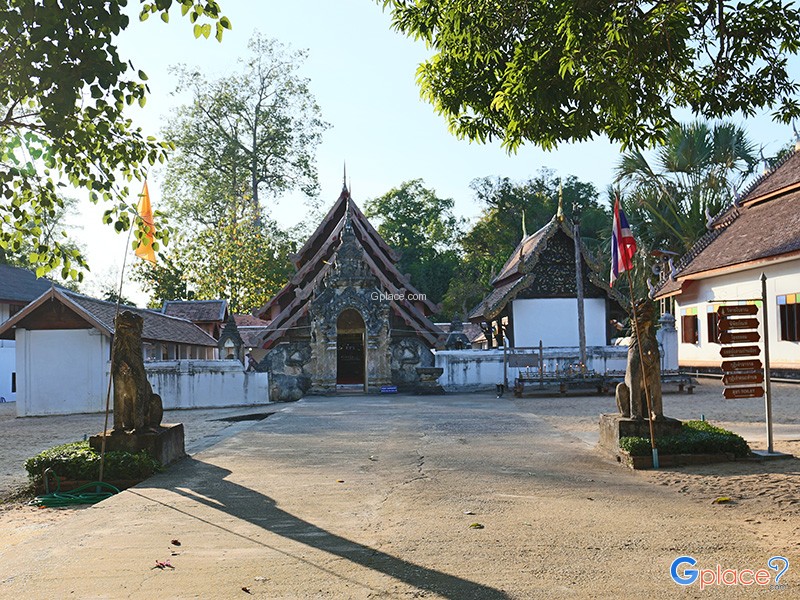
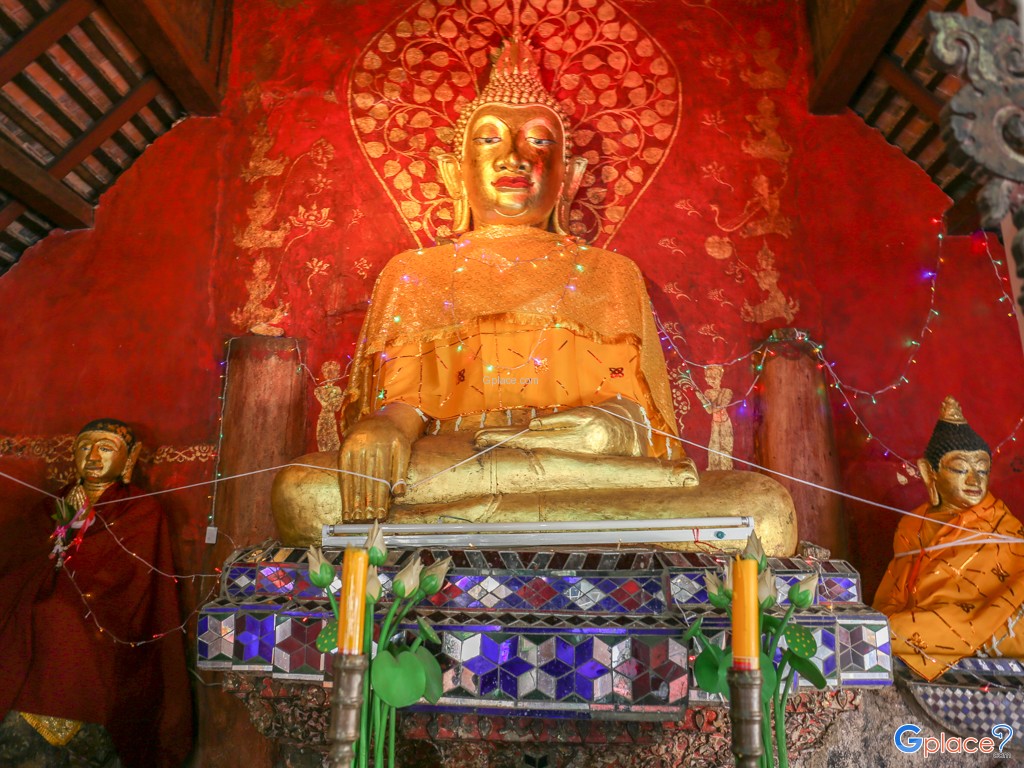
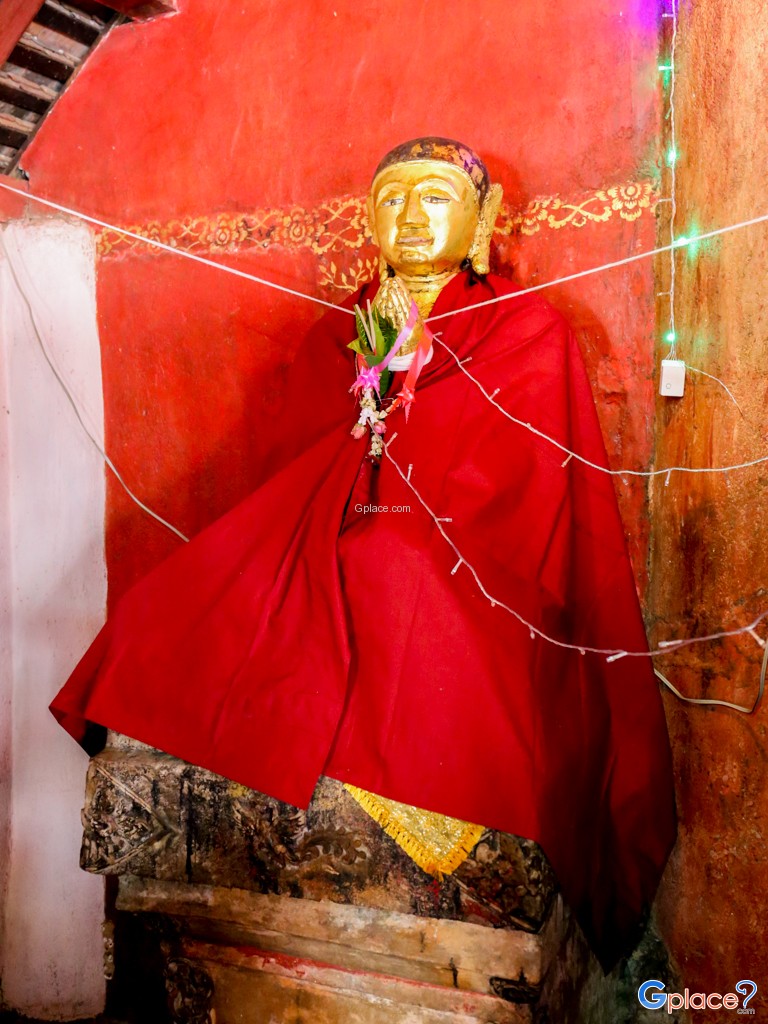
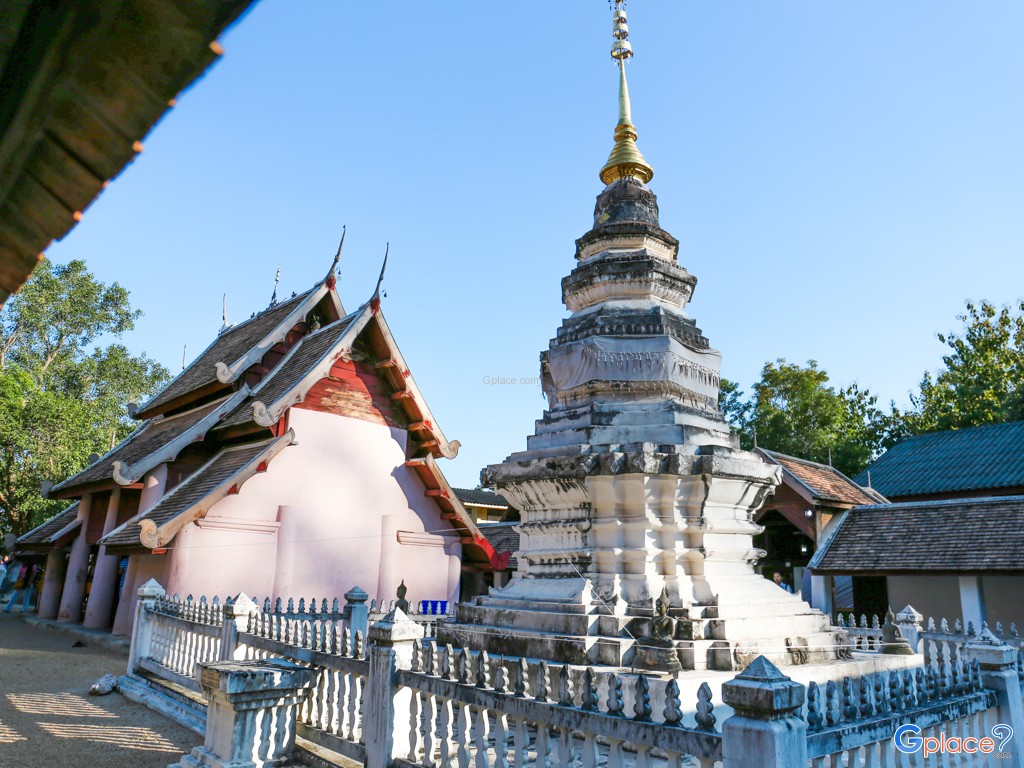
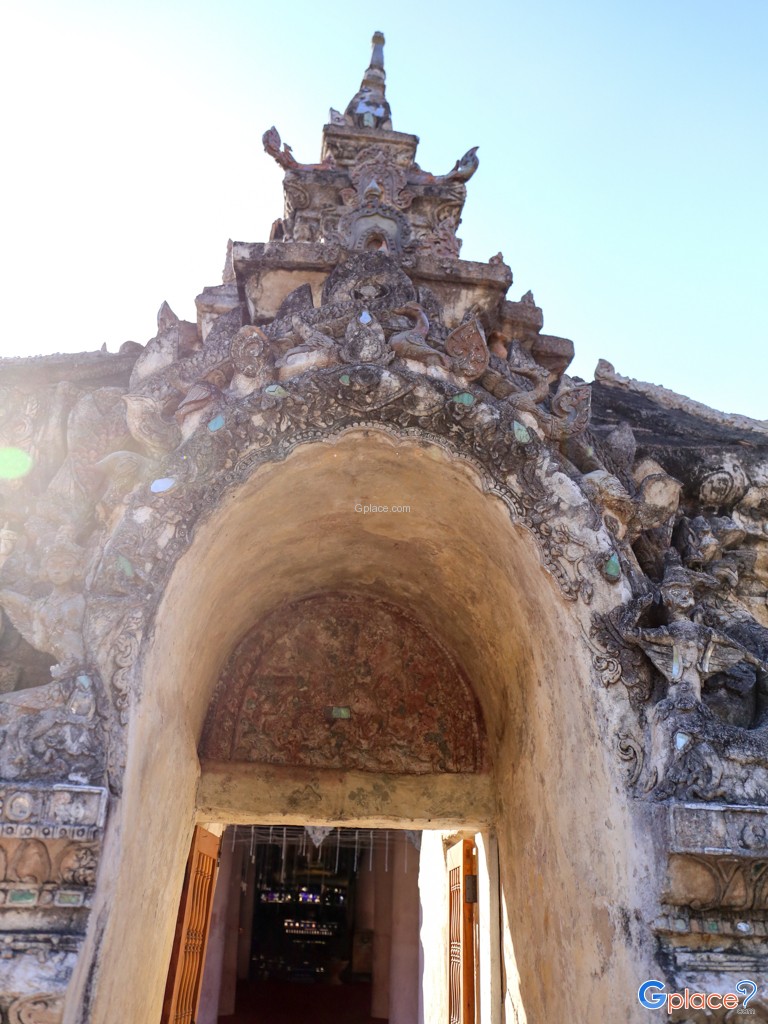
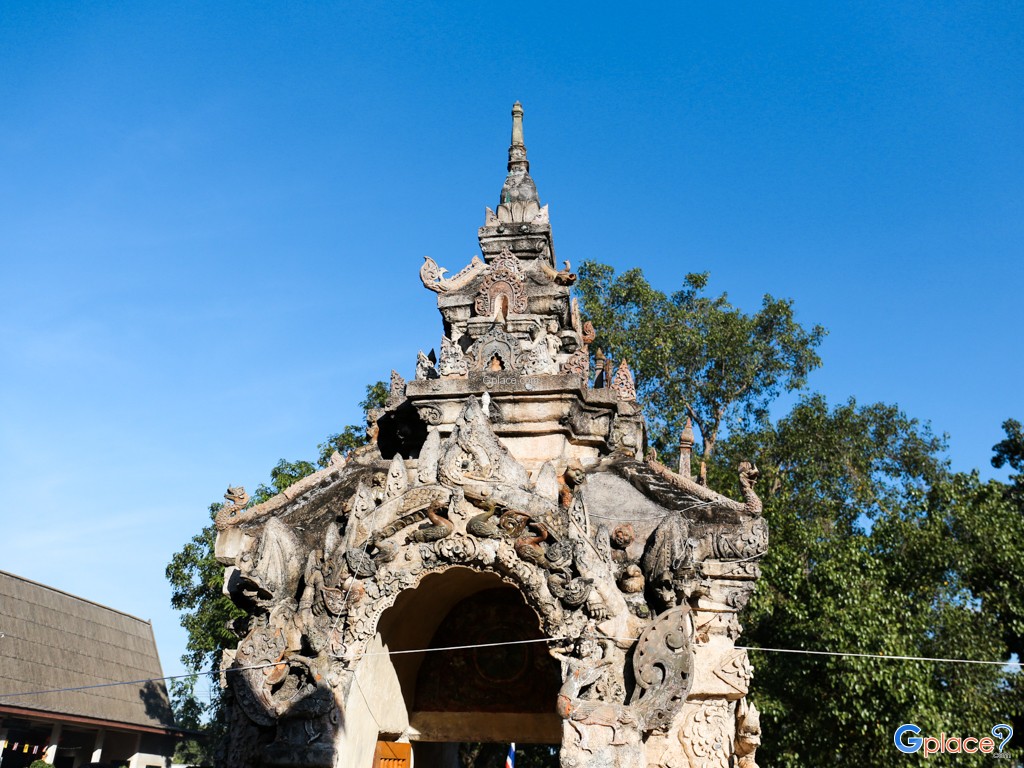
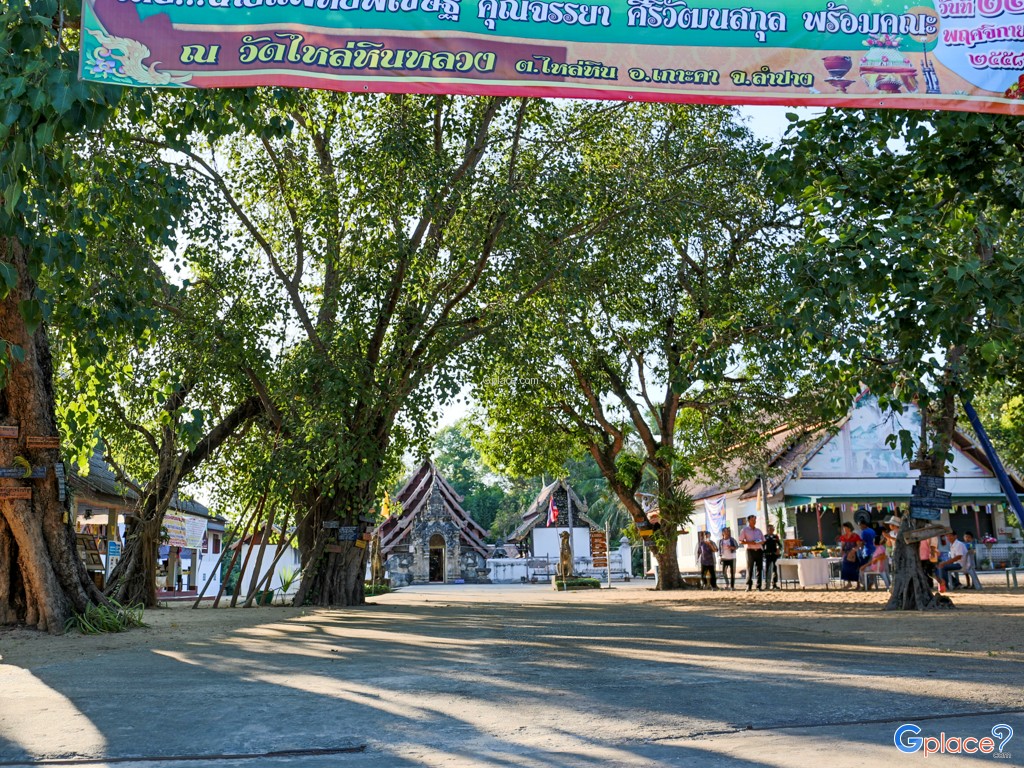
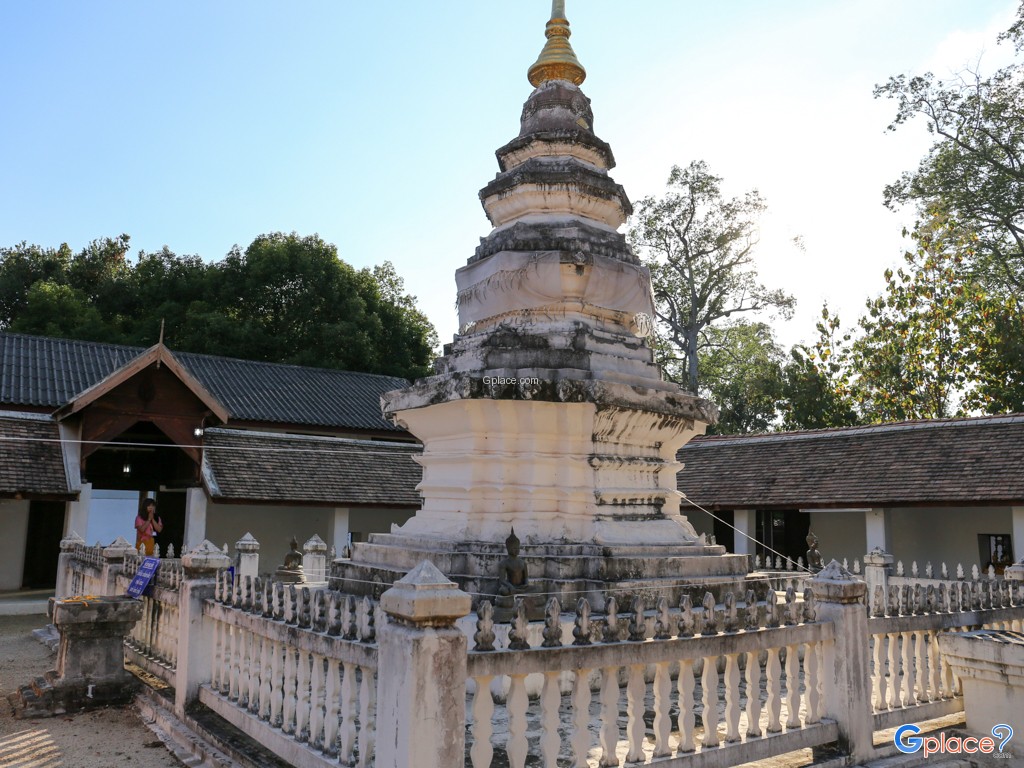
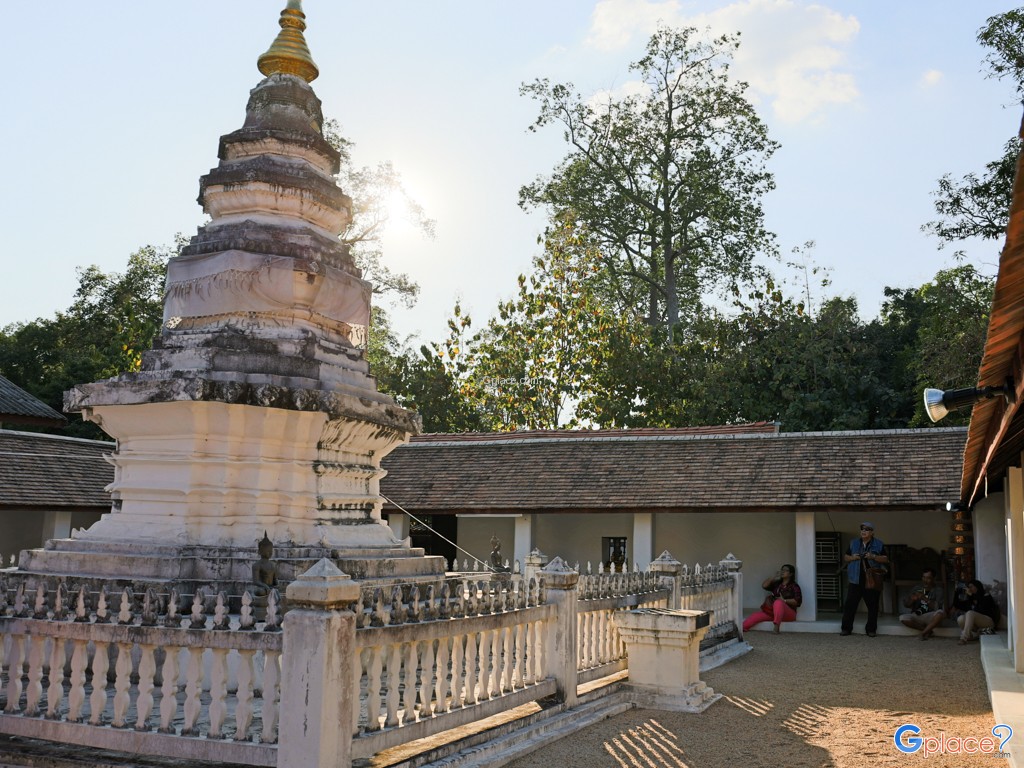
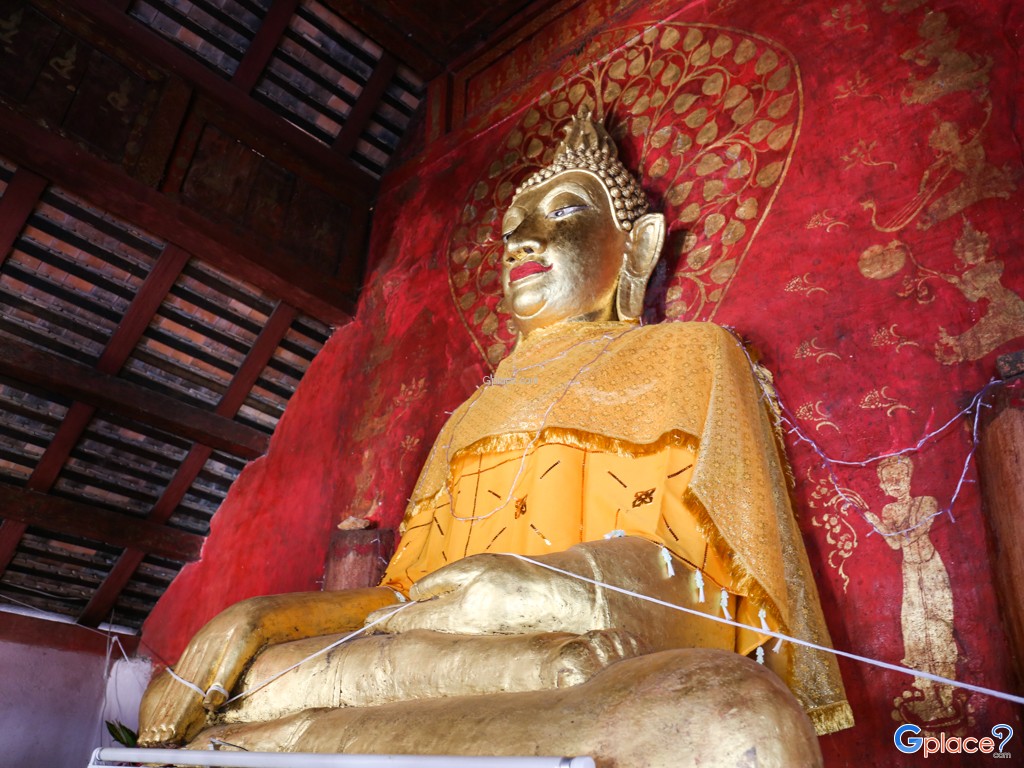
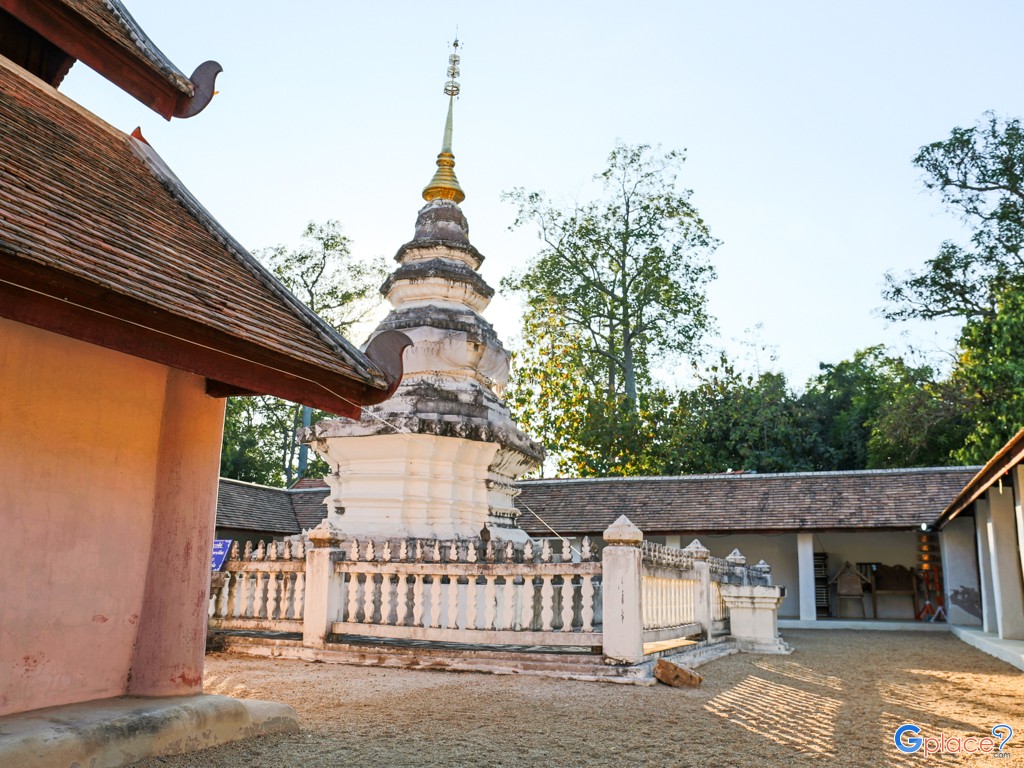
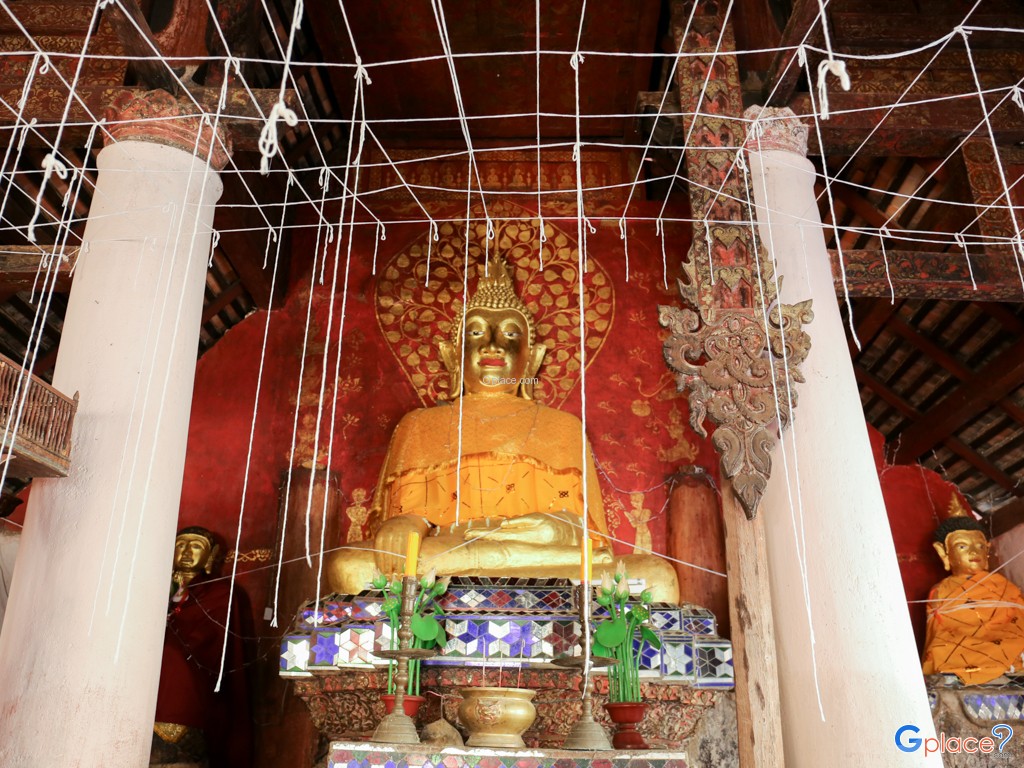
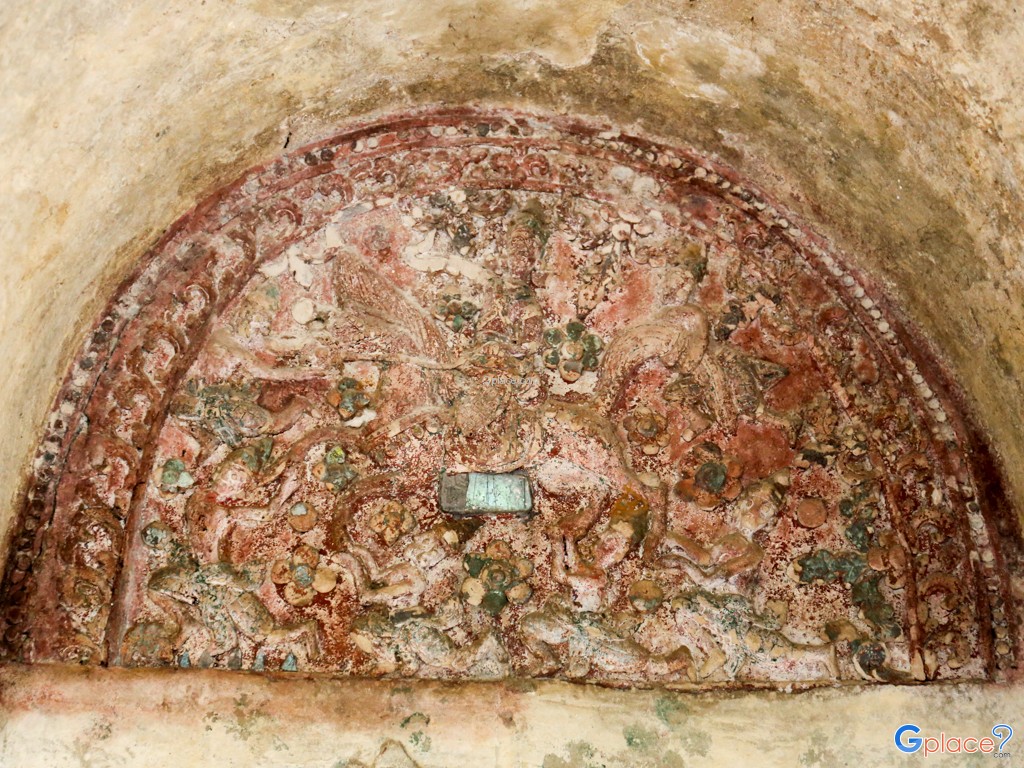
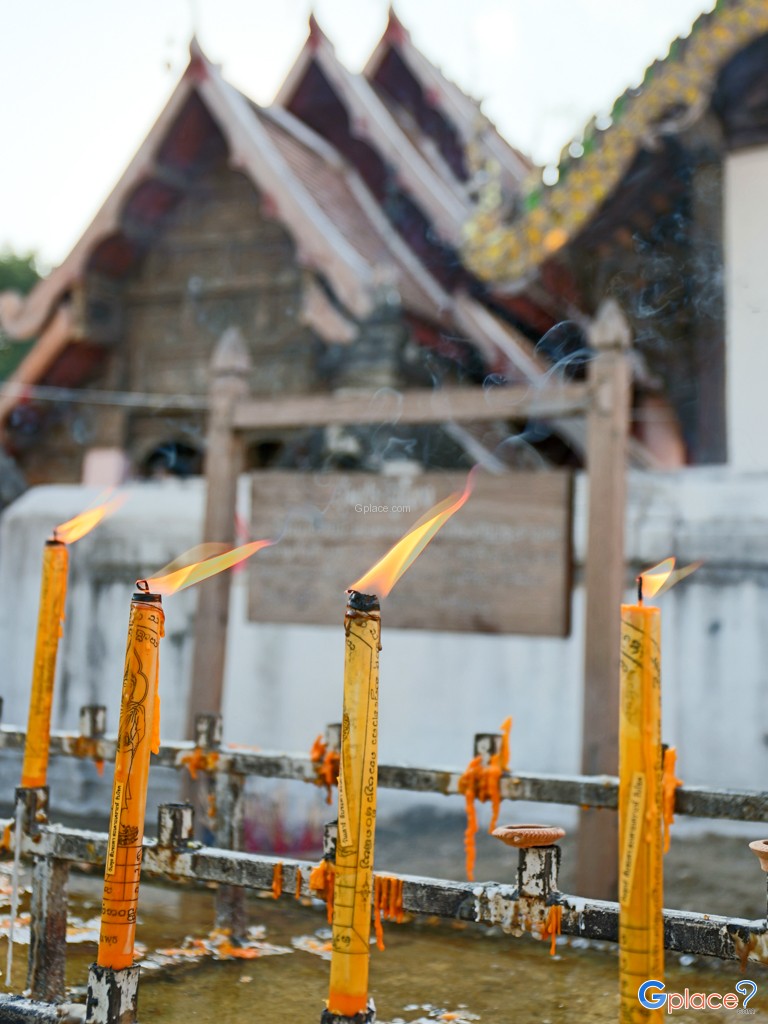
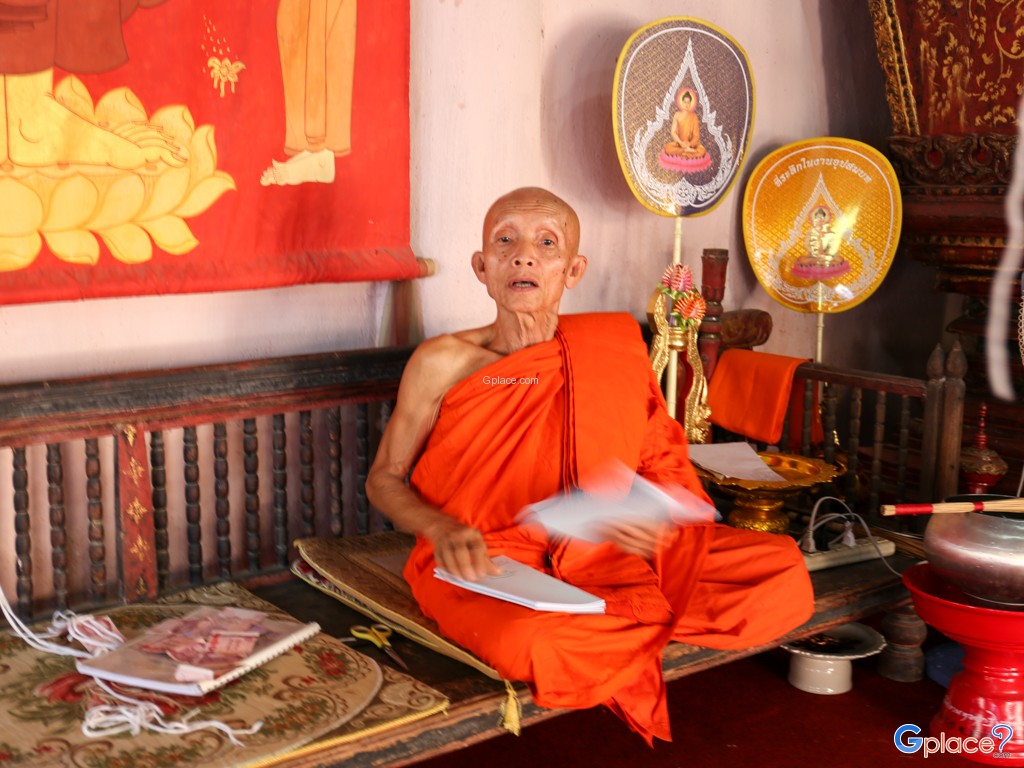

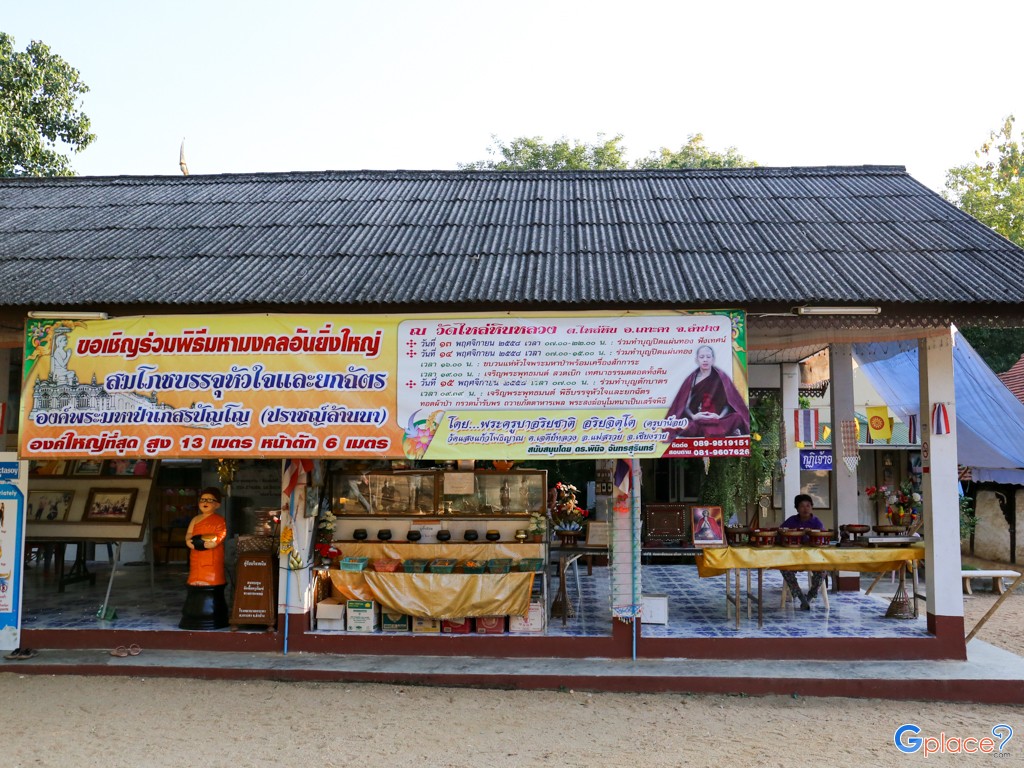

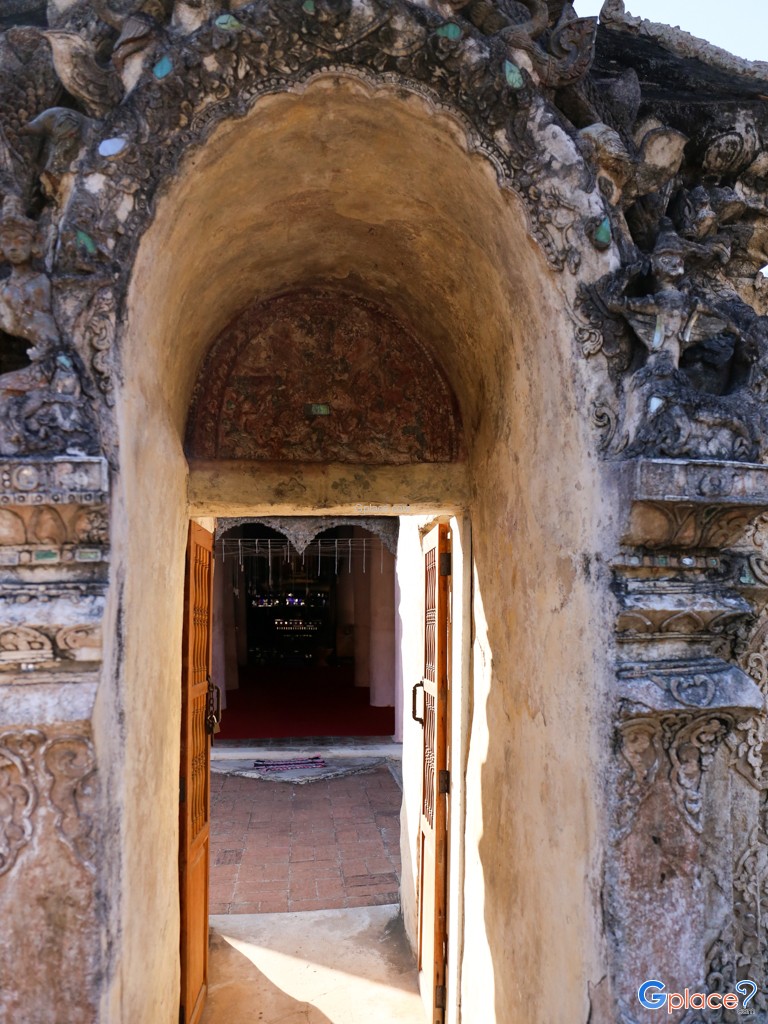
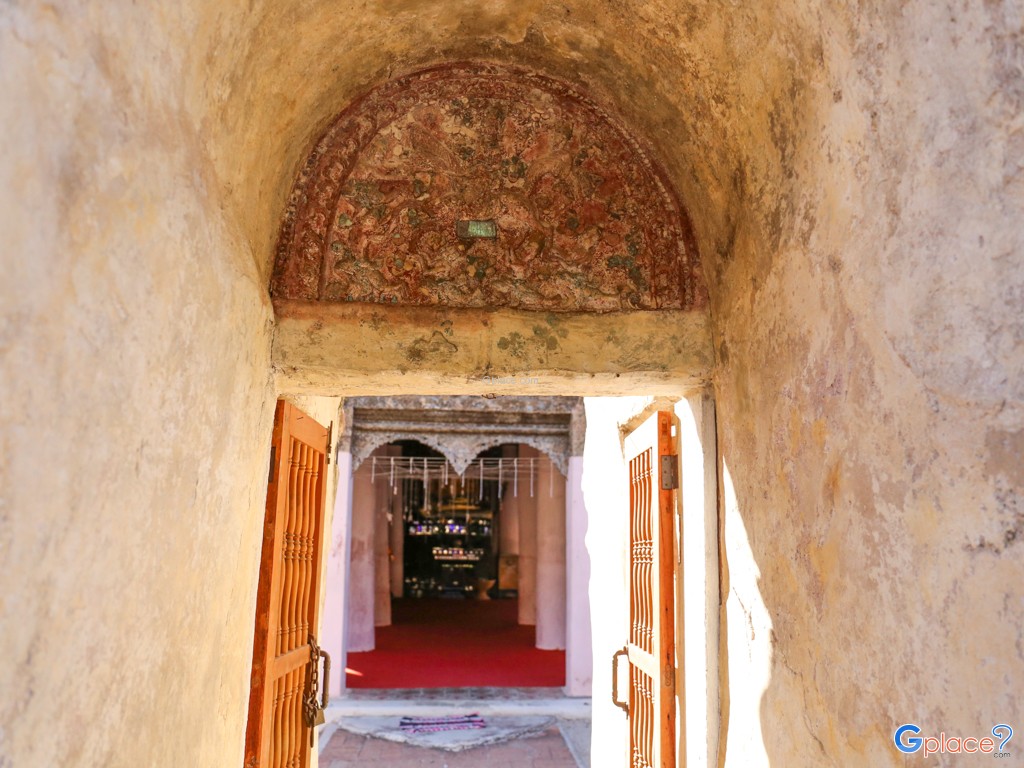
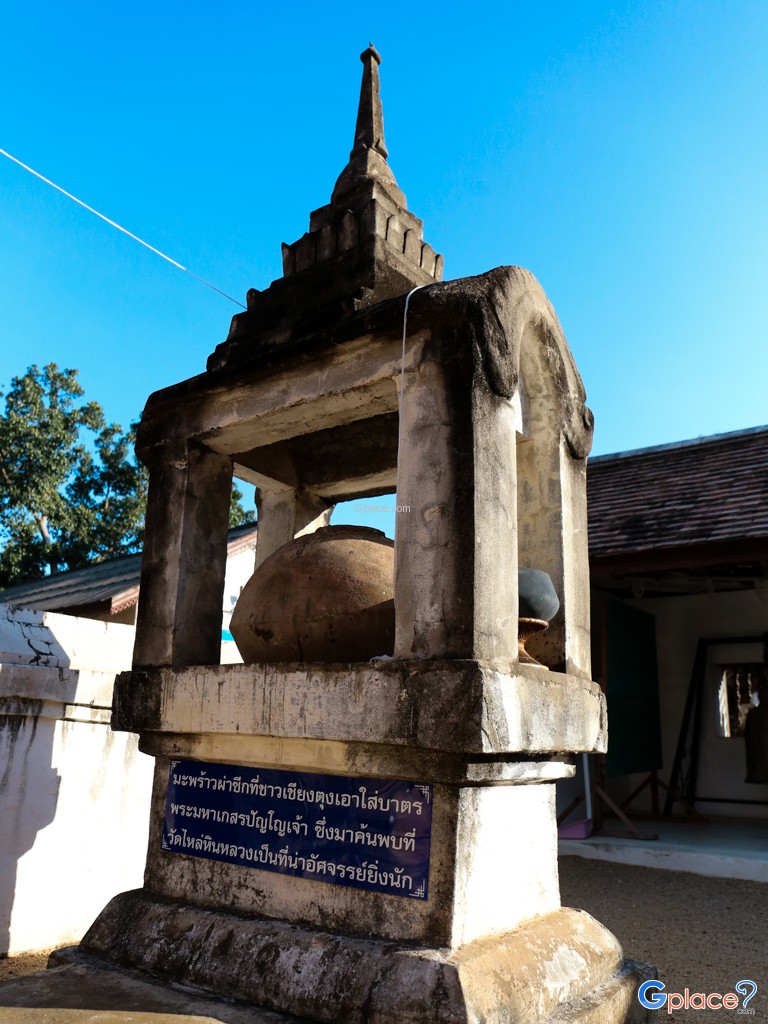
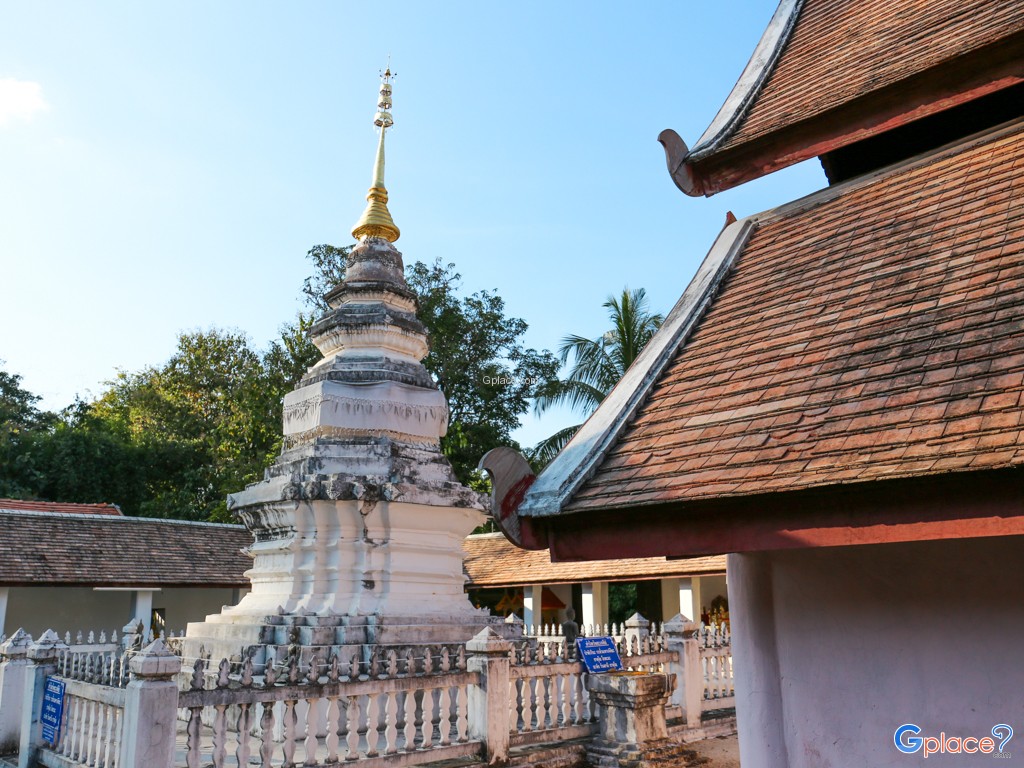
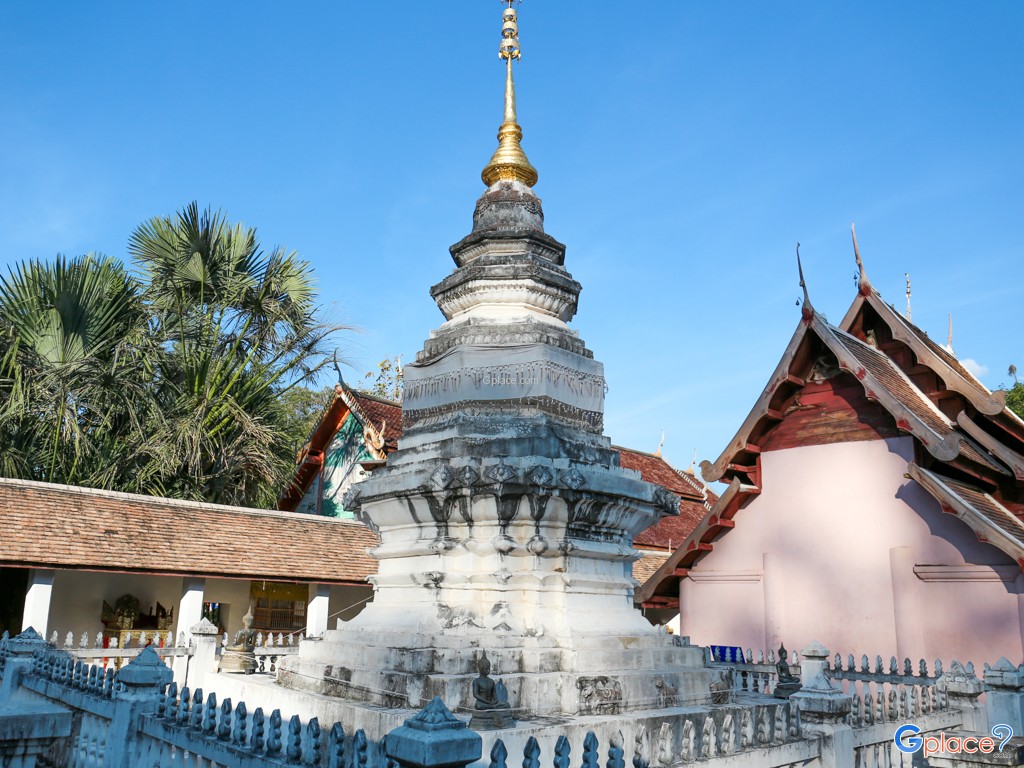
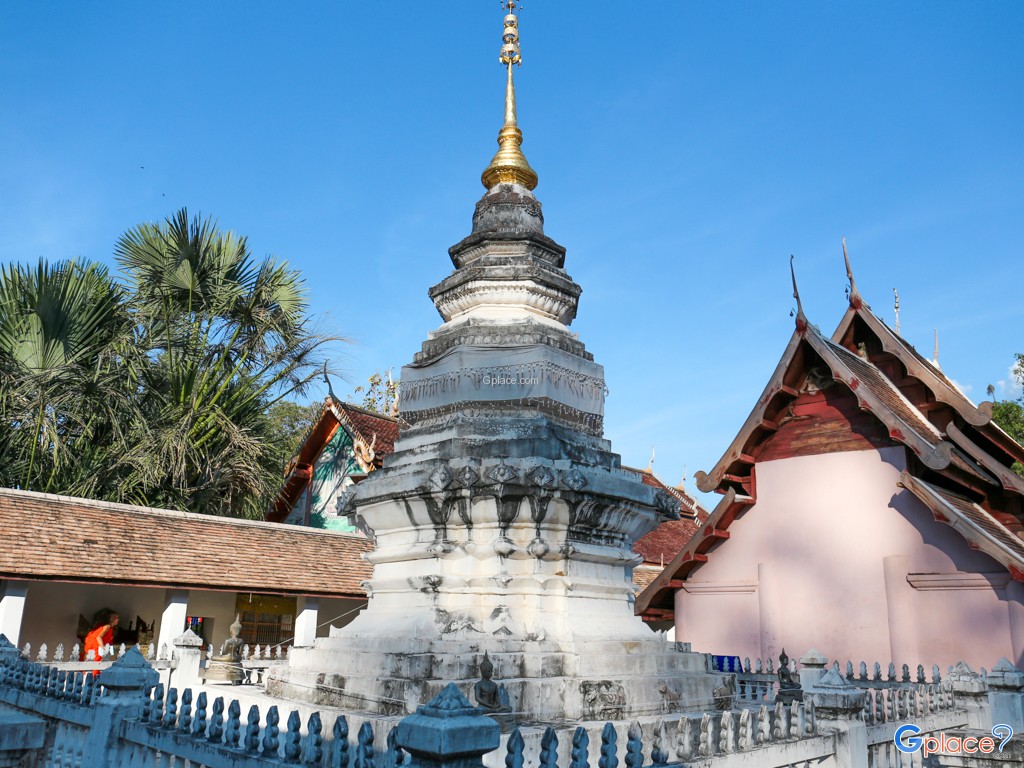
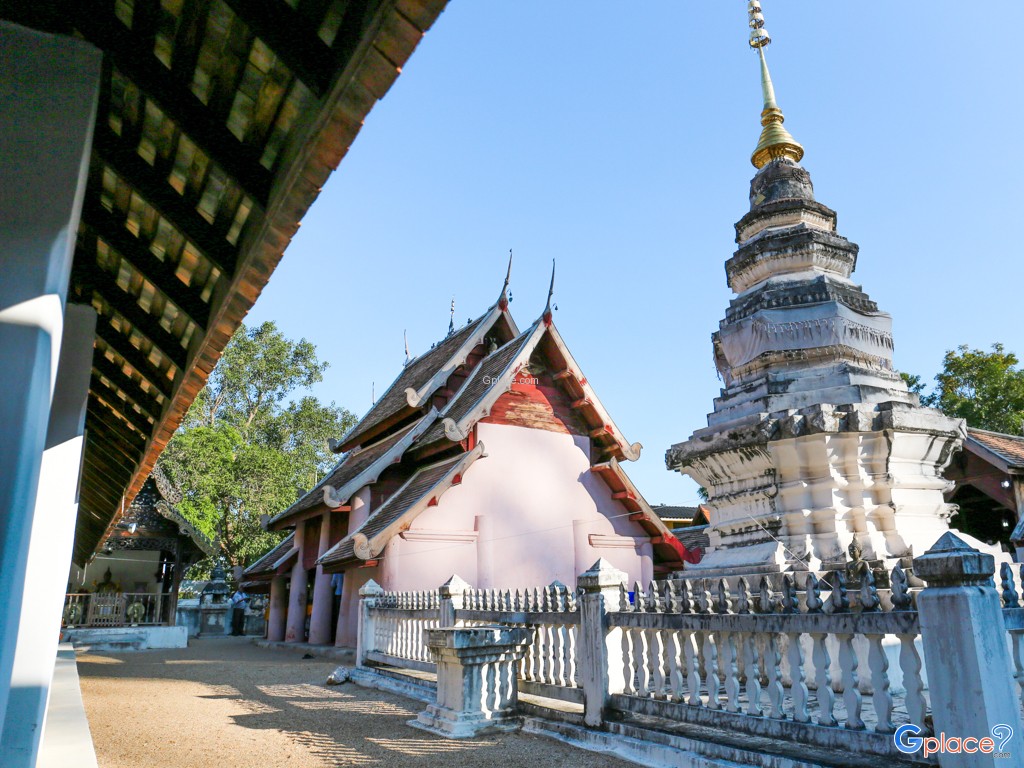

“A historic Lanna temple famous for its open-sided Lanna viharn built by Chiang Tung craftsmen, featuring elegant wooden structures, a stucco archway adorned with Himmapan creatures, and a Lanna-style chedi housing sacred Buddha relics.”
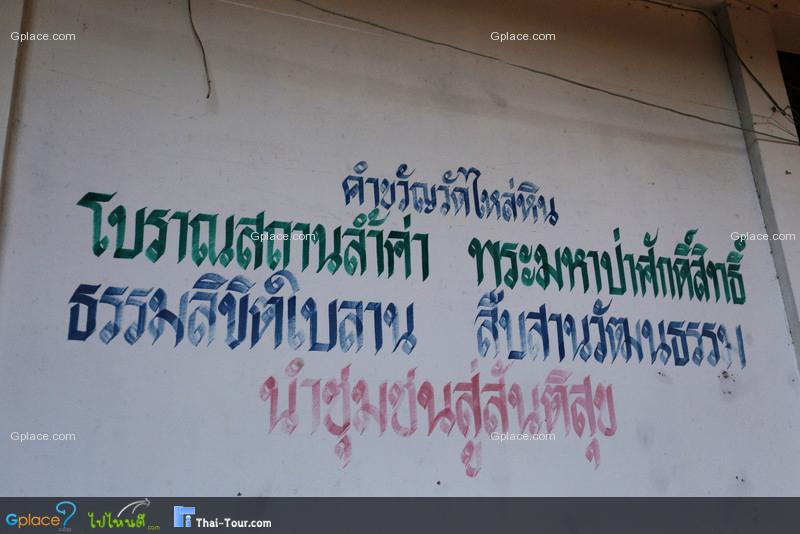
Wat Sela Rattanapapphataram, commonly known as Wat Lai Hin or Wat Lai Hin Luang Kaew Chang Yuen, is an important historic temple located in Koh Kha District, Lampang Province. In the past, local villagers also referred to the temple as Wat Pa Hin or Wat Mon Hin Kaew, reflecting the rocky hills and natural landscape surrounding the temple area.
The temple is renowned for its traditional Lanna-style viharn, which was built by skilled craftsmen from Chiang Tung (Kengtung). This results in a unique architectural blend of Lanna and Tai Yai artistic influences, making the temple one of the most remarkable examples of northern Thai temple architecture.
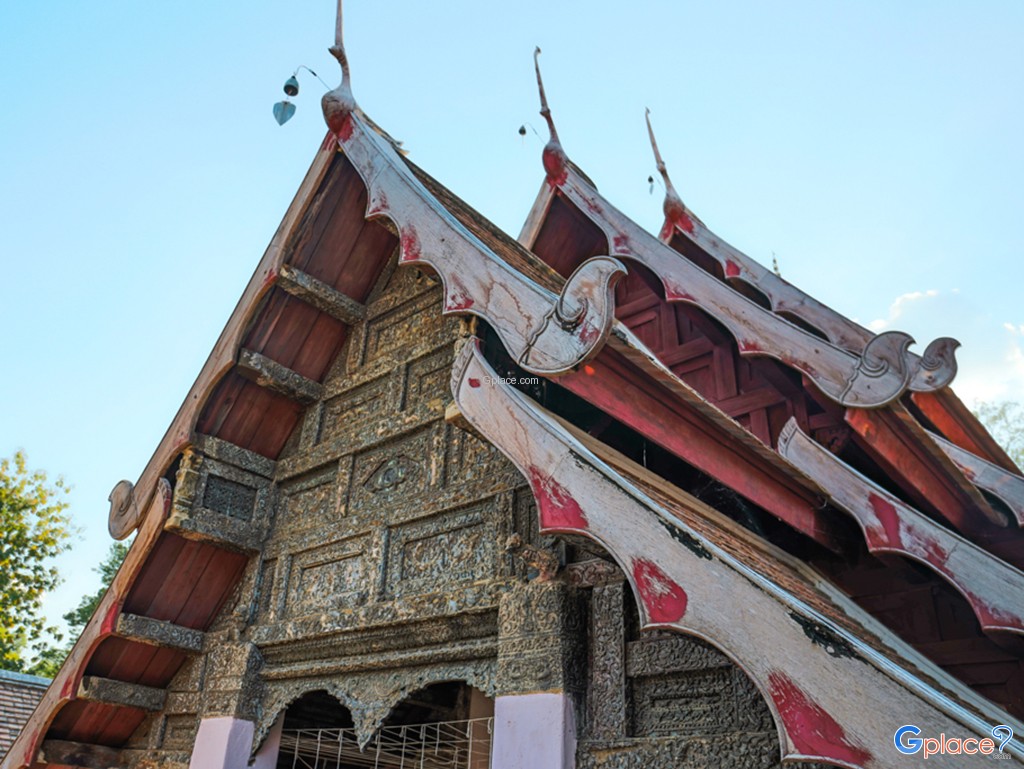
The viharn itself is designed as an open-sided hall, a characteristic feature of traditional Lanna architecture. Without enclosing walls, visitors can clearly admire the massive teakwood beams and structural framework that support the roof. The gable panels are decorated with beautifully carved wooden motifs in traditional Lanna style.
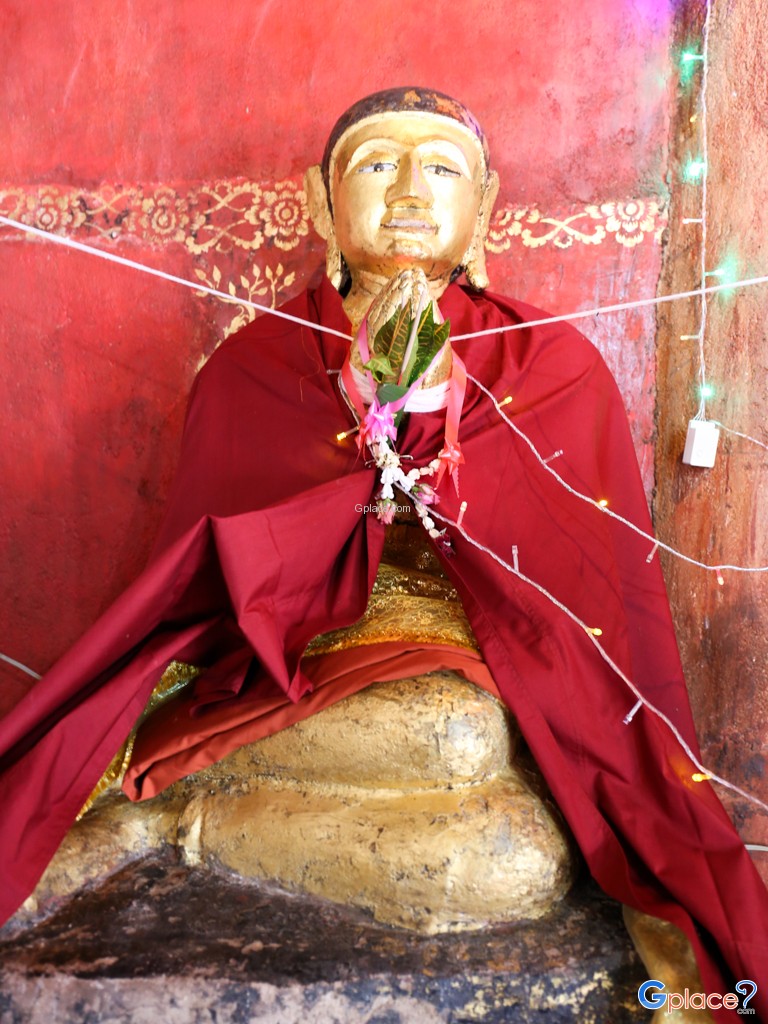
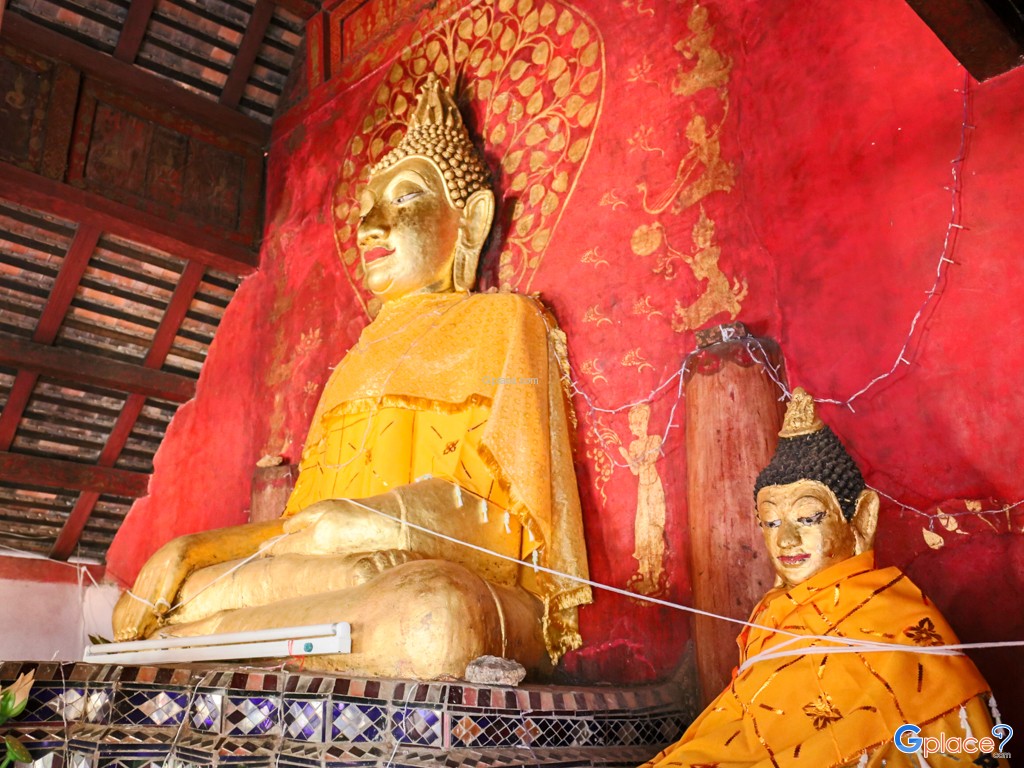
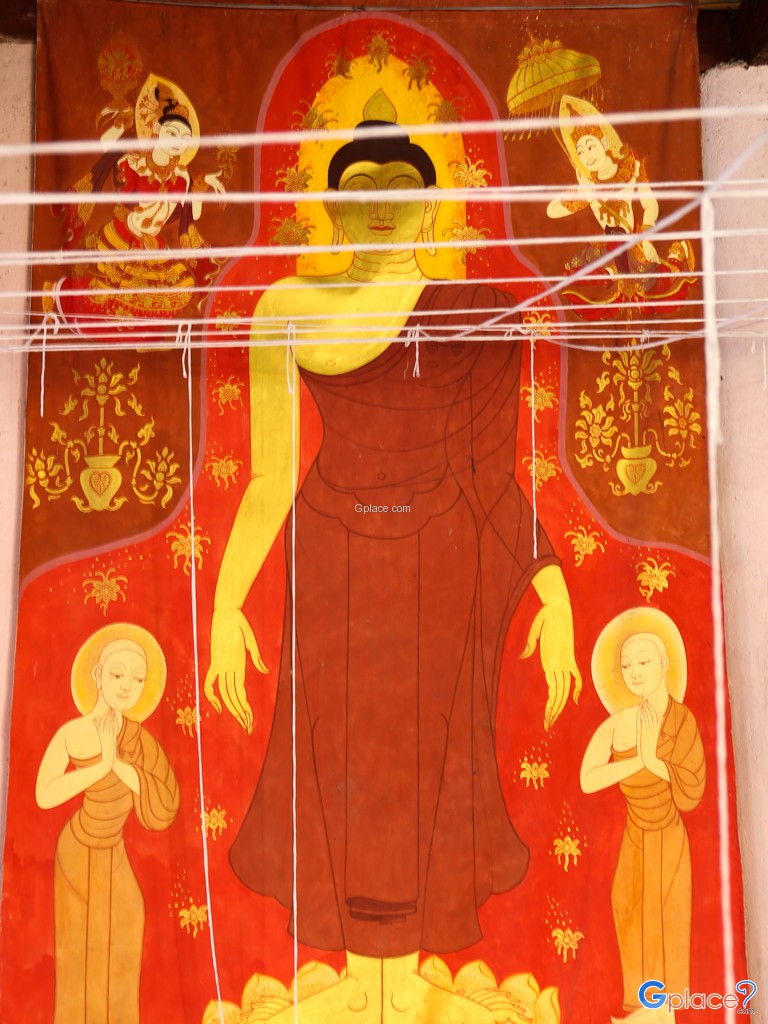
Inside the viharn sits the principal Buddha image, along with a life-sized statue of Phra Maha Kesara Panyo Bhikkhu, which was reportedly sculpted by the monk himself. This statue is considered one of the temple’s most significant cultural artifacts.
Important Structures within the Temple
-
Traditional Lanna Viharn – A historic wooden hall built by Chiang Tung craftsmen, known for its elegant structure and intricate gable carvings.
-
Phra That Chedi – A Lanna-style stupa enshrining sacred relics of the Lord Buddha.
-
Ubosot (Ordination Hall) – The sacred building used for important monastic ceremonies.
-
Decorative Entrance Arch (Pratu Khong) – A brick-and-stucco gateway adorned with delicate sculptures of mythical Himmapan creatures.
Period of Construction
-
Main Lanna Viharn – Built in 1683 CE (B.E. 2226)
-
Phra That Chedi – Restored in 1683 CE, enshrining sacred Buddha relics
-
Ubosot – Constructed in 1916 CE (B.E. 2459)
-
Temple Entrance Arch – Built under the leadership of Kruba Kham, though the exact construction date is unknown
Notable Artistic Features
-
Viharn Gable Decorations featuring traditional Lanna wood carvings and painted motifs
-
Stucco Entrance Archway decorated with mythical Himmapan animals and floral patterns
-
Decorative Wooden Brackets (Khan Thuey) carved into distinctive shapes such as:
-
Naga (serpent deity)
-
Hanuman
-
Traditional vine and foliage patterns
-
Due to its outstanding artistic and historical value, the temple’s major structures—including the viharn, chedi, ubosot, and decorative gateway—are recognized as important cultural heritage sites. The viharn of Wat Lai Hin is often regarded as one of the most beautiful examples of Lanna viharn architecture in northern Thailand, making it an important site for architectural study and cultural tourism.
How to Get There
- By Car: From Lampang city, drive along Highway No.1 toward Koh Kha District. After passing Wat Phra That Lampang Luang, continue following the signs toward Lai Hin Subdistrict for about 6 kilometers to reach the temple.
Travel Tips
-
A popular photo spot is shooting the viharn through the decorative archway, which beautifully frames the architecture.
-
Visit in the morning or late afternoon for the best lighting conditions.
-
Dress respectfully as this is an active religious site.
-
Be careful when exploring historic structures and artifacts within the temple.
-
Keep noise levels low to maintain the peaceful atmosphere of the temple.
Admission Fee:
- Free admission
Opening Hours:
- Open daily 08:00 AM – 05:00 PM
Wat Sela Rattanapapphataram

 Share
Share
 Moo 2, Ban Lai Hin, Lai Hin, Koh Kha, Lampang 52130
Map
Moo 2, Ban Lai Hin, Lai Hin, Koh Kha, Lampang 52130
Map
 Closed today
Mon8.00 - 17.00
Tue8.00 - 17.00
Wed8.00 - 17.00
Thu8.00 - 17.00
Fri8.00 - 17.00
Sat8.00 - 17.00
Sun8.00 - 17.00

 https://www.thai-tour.com/thai-tour/north/lampang/data/place/pic_wat-salao.html

 3609
3609